Choose your cookies

Necessary cookies hold the site together — cart, sign-in, language. Analytics ones show us what works here and what to build your recommendations on. Marketing ones would measure ads outside Yumsto; we're not running any yet. Nothing but the necessary ones runs until you say yes.

How we handle your data

Cookie settings

Meat and Fish: Guides and Tips

Meat and Fish: Guides and Tips

Which cut to buy, what temperature to roast it at and how to tell it's done. Chicken, duck, goose, pork, beef, fish and seafood, plus how long meat keeps in the fridge and freezer, how to thaw it and how to rescue a schnitzel that came out tough.

Quick answer

How do I know poultry is cooked through?

Go by temperature, not time. Chicken, duck and goose are done when a thermometer in the thickest part of the meat, away from the bone, reads at least 74 °C (165 °F). Without a thermometer you can't be sure: neither color nor clear juices prove it's safe.
Frequently asked questions

All articles

  1. Why Is My Stew Meat Tough? Cut, Time, Heat and How to Fix It

    Stew meat is usually tough because it hasn't cooked long enough, or because the cut was too lean for stewing. Boiling instead of simmering and overcooking also make it dry and chewy. Here is how to tell which one happened and how to fix it.

  2. Why Is My Slow Cooker Chicken Tough or Dry? Breast vs Thigh, Fixed

    Slow cooker chicken turns tough, dry or chewy because it has cooked far past done: lean chicken breast is ready once it reaches the USDA safe minimum of 74 °C (165 °F), and every extra hour squeezes out more juice. The fix is to cook breasts for less time, switch to thighs for long cooks, and check with a thermometer rather than the clock.

  3. Knedlo Vepřo Zelo Explained: Czech Roast Pork, Dumplings and Cabbage

    Knedlo vepřo zelo is Czech shorthand for roast pork with dumplings and stewed cabbage, the plate most Czechs would name as the national dish. Here is what each of the three parts is, which pork cut to buy, how white and red cabbage versions differ, and why the cabbage tastes sweet and sour at once.

  4. Czech Schnitzel (Řízek) vs Wiener Schnitzel: What Is the Difference?

    A Czech řízek is a breaded, fried cutlet usually made from pork or chicken, while a Wiener Schnitzel must be made from veal under Austrian law. Both are thin, crumbed and fried, but they differ in the meat, the crust and what goes on the plate. Here is how to tell them apart, and why Czechs eat schnitzel on Christmas Eve.

  5. Fish Fillet Recipes: Butter-Basted, Battered, Crusted, and a Christmas Eve Alternative to Carp

    Fish fillet recipes that work on a weeknight and on Christmas Eve come down to a few simple methods: fillets in butter, baked with a crust, battered, in a cream sauce, or served with a grain. Here you'll find them all, with eight tested recipes, advice on handling frozen fillets, and how to tell when the fish is done.

  6. Trout Recipes: Oven-Baked, Pan-Fried in Butter, in Foil and a Boneless Christmas Eve Fish

    Trout recipes at home come down to three methods: whole trout in the oven, wrapped in foil with butter and garlic, or a fillet pan-fried in butter. Bake a whole trout at roughly 180–200 °C (350–400°F) for about 20–25 minutes. Cook a fillet skin side down for 3–4 minutes in a pan over medium heat, until the flesh turns opaque almost all the way up, then flip it just briefly. It's done when the flesh at its thickest point turns white, is no longer glassy and flakes easily off the bone with a fork. If you want to be certain, check the internal temperature: the US USDA/FSIS gives 63 °C (145°F) for fish. Without a thermometer, cook until the flesh stops looking glassy and starts to flake with a fork. Below you'll find methods for the oven, pan, foil and grill, what to do with a fillet, and how to serve trout on Christmas Eve so there isn't a single bone on the plate.

  7. Chicken Roulades and Meat Roulades: Fillings, Tying and Oven Roasting

    To make chicken roulades, pound the breast to an even thickness, salt it, spread on the filling leaving a border, roll it up tightly, tie it with kitchen twine, brown it until golden and finish it in the oven until the center reaches 74°C (165°F). The same method works for a turkey roulade and for veal roulades; mainly the thickness of the meat and the cooking time differ. Below you'll find fillings that work, knots that hold and the mistakes that make a roulade leak or dry out.

  8. Rabbit Recipes: Creamy, Roasted with Garlic and Slow Cooker

    Rabbit turns out best when you cook it low and slow, covered, with a little liquid. That holds whether you braise it in cream, roast it in the oven with garlic and shallots, or leave it overnight in a slow cooker. Rabbit meat has no fat layer or marbling to protect it, so dry heat dries it out in no time. Below you'll find nine tested recipes from Yumsto, with what sets each one apart, plus answers to the questions people ask most about rabbit: how to make a cream sauce like svíčková (Czech beef in a root-vegetable cream sauce), whether it works without vegetables, in a pressure cooker, for kids, and how to tell when the meat is done.

  9. What to Make with Ham: Šunkofleky, Baked Toasties, Gnocchi and a Savory Bundt

    What can you make with ham when you have more in the fridge than you can eat on bread? Best bets: šunkofleky, baked croque monsieur, gnocchi in cream, a breakfast tortilla with eggs, or a savory yeast bundt cake. Classic cooked ham is already cooked meat, so in the kitchen you only need to warm it through, sear it or bake it, and in no time you have a meal that tastes like you stood over it for an hour. Below you'll find eight dishes made with cooked ham with the method in brief, then separate ideas for dry-cured ham, and at the end how to store ham so it lasts.

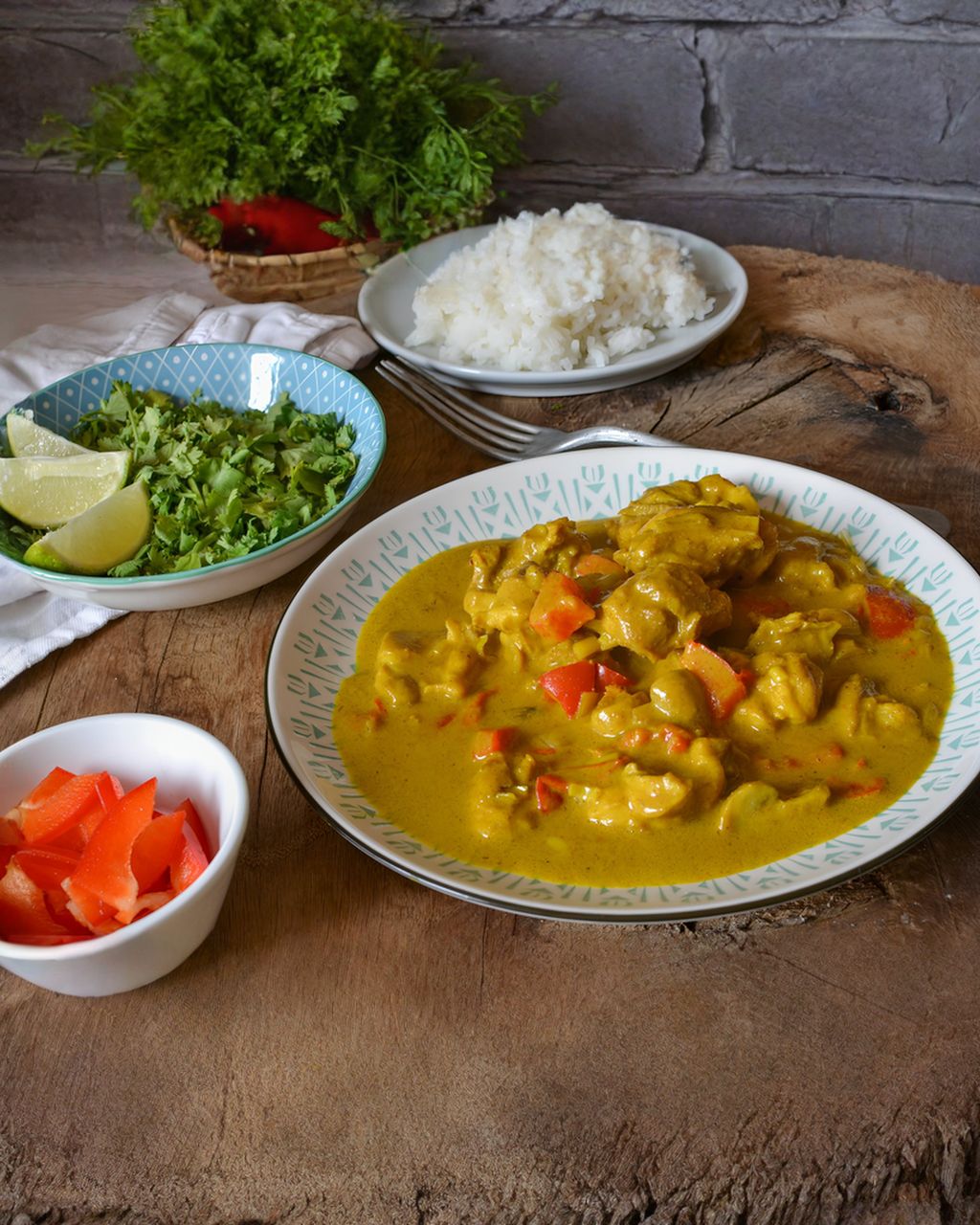
  10. Shrimp Recipes: Pan-Seared, with Pasta, Risotto or in Coconut Milk

    Shrimp recipes all share one rule: shrimp need only a few minutes over the heat, and once they turn pink and opaque white inside, they're done. Everything else, whether it's garlic butter, pasta, risotto, cream or coconut milk, you prepare ahead and add the shrimp right at the end. Here you'll find what to make with shrimp in ten minutes or for a relaxed evening, which shrimp to buy, how to thaw them, and how to tell when they're cooked but still juicy.

  11. Duck Recipes: Roast Duck, Pan-Seared Duck Breast and What to Make with Leftovers

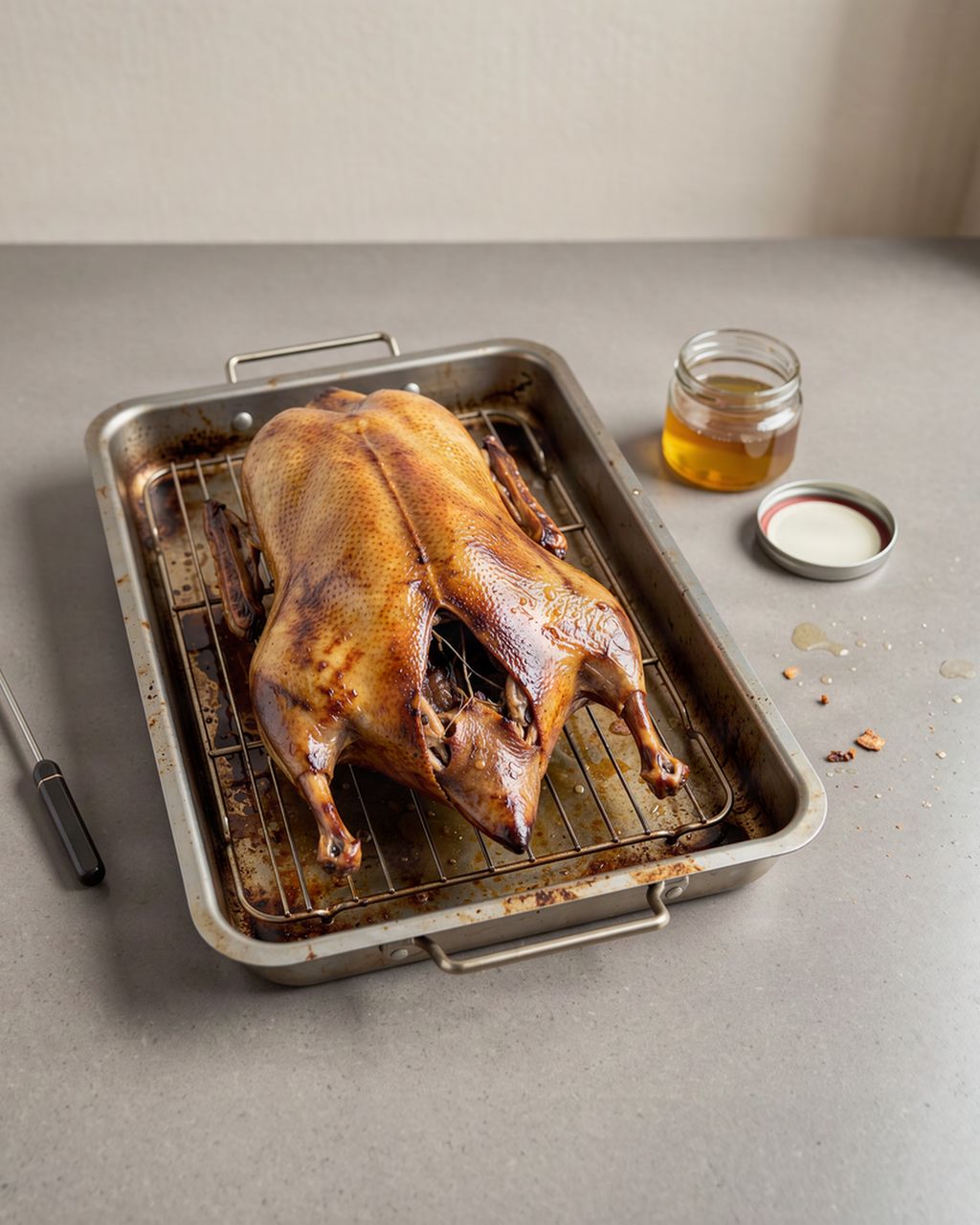
    At home, duck works best in three ways: a whole duck roasted low and slow under a lid and glazed with honey at the end, duck breasts seared skin-side down in a pan, and pulled duck from a slow-roasted bird, which you can turn into burgers or gnocchi. For each method you'll find a tested recipe, an explanation of why it works, and the mistakes to avoid. At the end there's also wild duck, which behaves very differently in the kitchen from farmed duck.

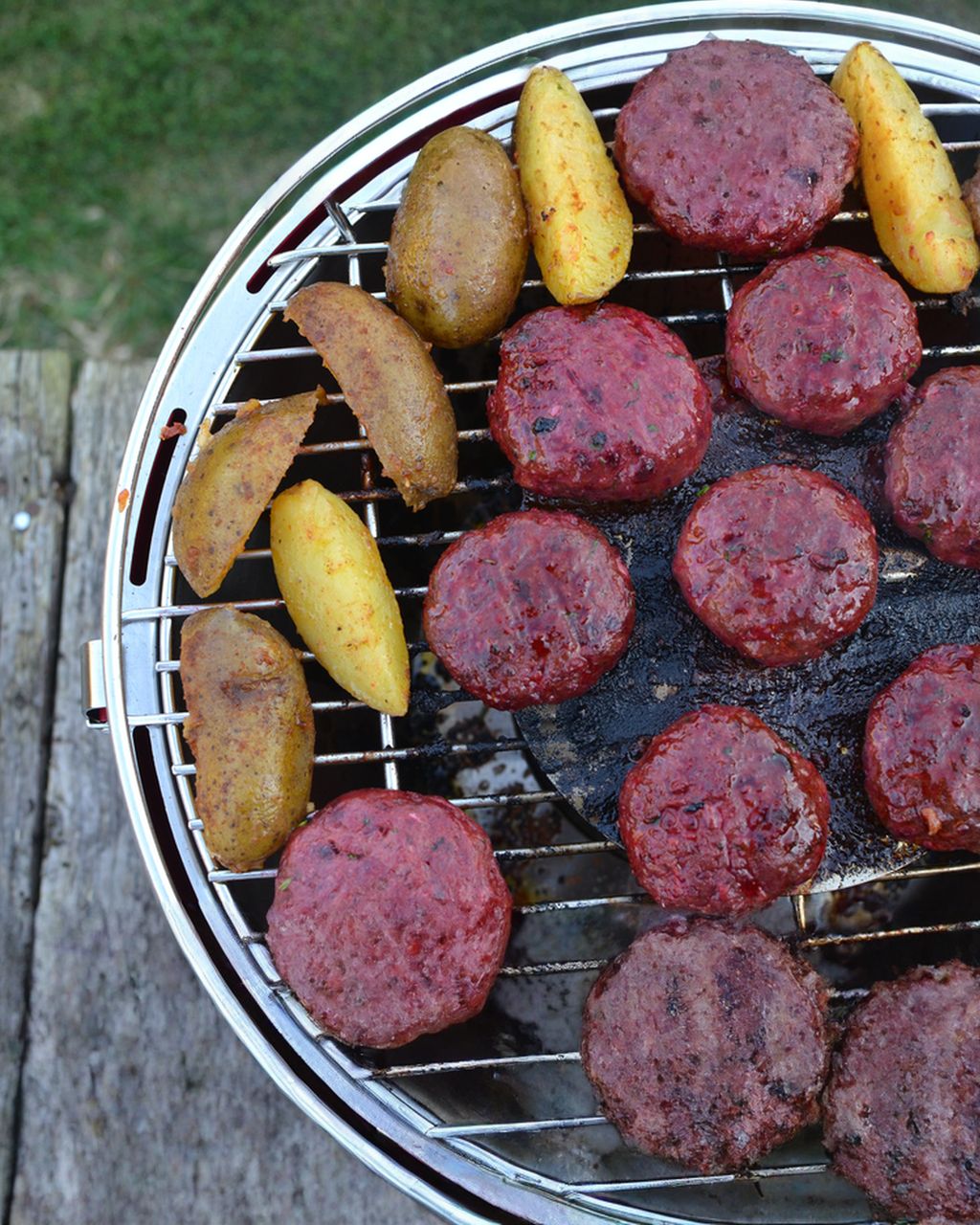
  12. Homemade Burgers: Meat, Buns, Sauce and Recipes from Classic Cheddar to Chicken and Halloumi

    A homemade burger is a patty of freshly ground meat, seared hard to a dark crust, cooked through to 71°C (160°F) in the center as the US USDA recommends, and tucked into a soft bun toasted on the cut side, with sauce, cheese and something crunchy. There's not much more to the secret: good meat with enough fat, salt only once it's in the pan, a blazing-hot cast-iron skillet, a bun that holds in the juices and a sauce that ties it all together. Below you'll find a step-by-step method, which meat to buy, how to bake buns and rolls, how to mix the sauce, and five burger recipes from the classic with cheddar to chicken, duck and halloumi, plus buns and rolls.

  13. What to Cook With Beef: Goulash, Sauces, Cheeks, Braises and Quick Skillet Dishes

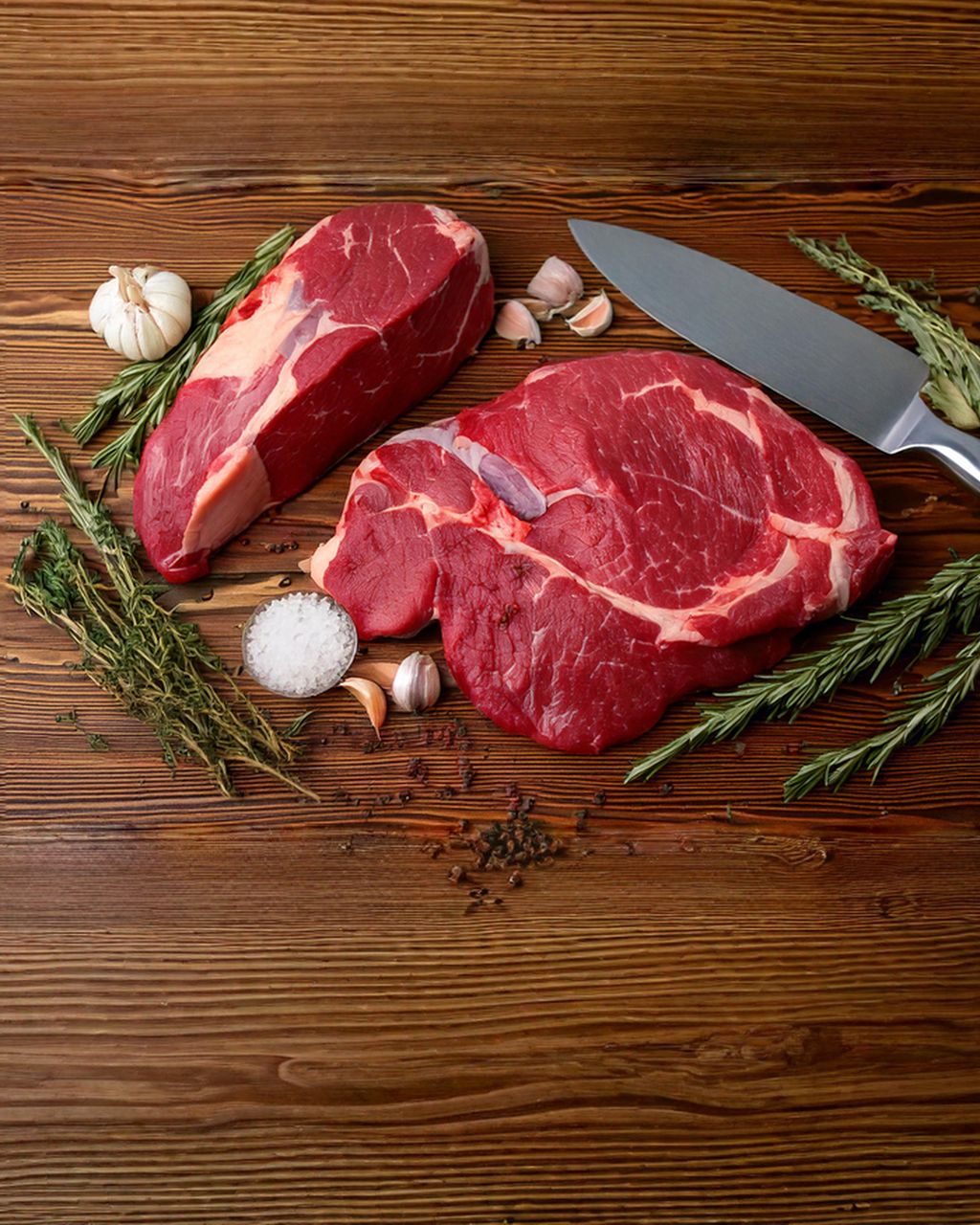
    What to cook with beef depends mostly on the cut you have in your hands. Sinewy, well-marbled cuts like shin, shoulder, neck or cheeks belong in goulash and long braises. Lean hindquarter cuts and tenderloin work in sauces and in covered roasting, thin strips of forequarter beef cook in a skillet in half an hour, and ground beef becomes meatballs in sauce or a burger. For each cut you'll find specific dishes from our recipes, how they're made and why it works.

  14. Vepřo knedlo zelo: Czech Roast Pork with Sauerkraut and Dumplings Like Grandma Made It, Sliced in the Oven or Whole

    Vepřo knedlo zelo (Czech roast pork, cabbage and dumplings) is roast pork with caraway and garlic, braised cabbage, and a bread or potato dumpling, all topped with the pan gravy. To get that grandma flavor, you need three things: well-marbled meat (ideally pork shoulder), slow roasting under a lid at 160–170°C (320–340°F) with regular basting, and a gravy made from the pan drippings, not from a powder. Below you'll find how to roast it whole or as slices in the oven, the gravy step by step, cabbage from sauerkraut or fresh, both dumplings, and a timeline so everything is ready at the same moment.

  15. Svíčková na smetaně (Czech Beef in Cream Sauce): Step-by-Step Recipe, Plus a Pork Tenderloin Version

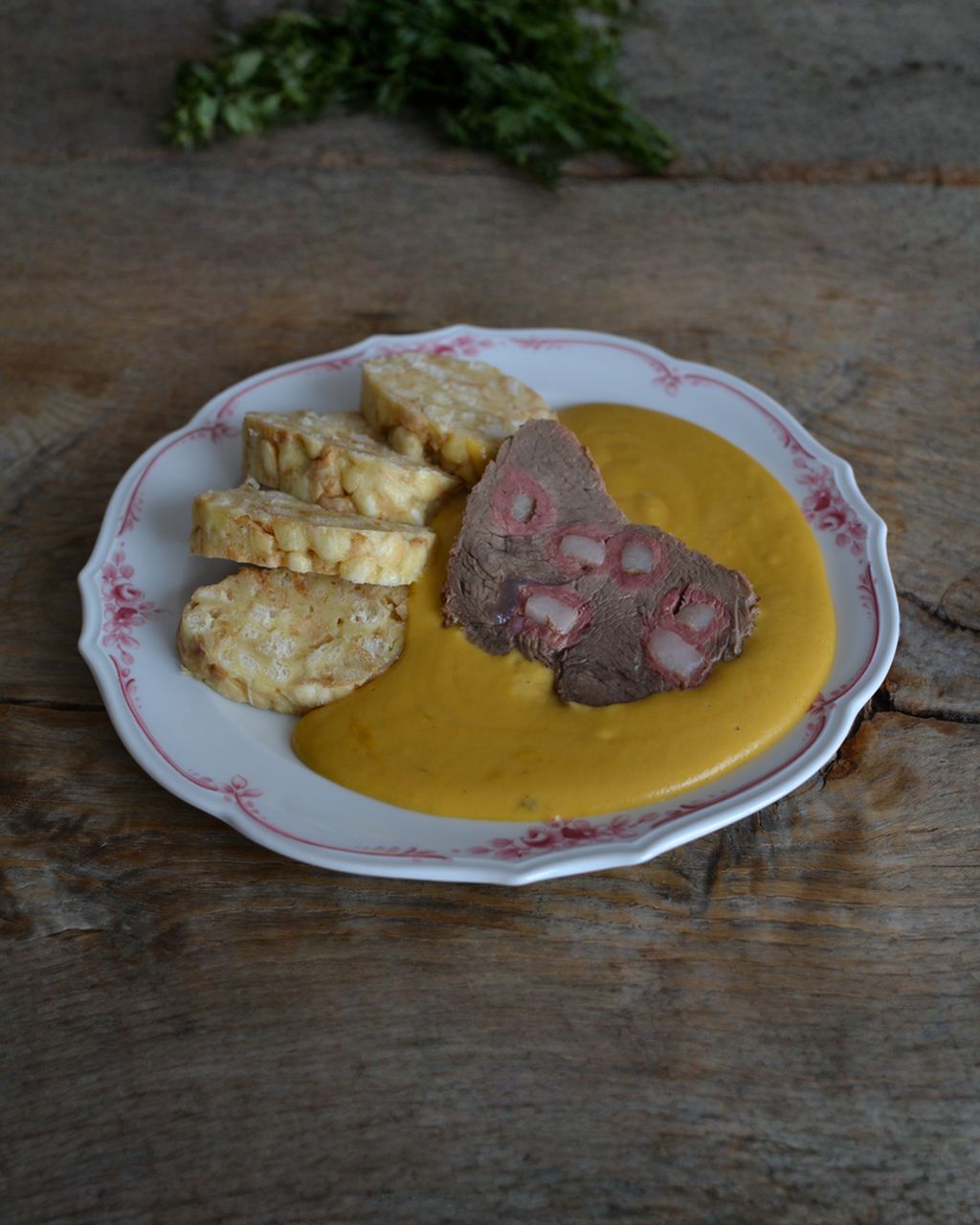
    Svíčková na smetaně (Czech beef in a root-vegetable cream sauce) is beef larded with bacon, marinated overnight in root vegetables with vinegar and spices, slow-roasted, and served with a blended cream sauce, bread dumplings, cranberries, a slice of lemon and a spoonful of whipped cream. It takes two days: you marinate the first evening, then on the second day you roast for about 2–2.5 hours and blend. Below you'll find the whole method step by step: which cut to use, how many vegetables, what temperature and how long to roast, and how to season the sauce so it doesn't turn out sour. You'll also find versions made with pork tenderloin and other pork cuts, the sauce made separately, and how to store and freeze the finished dish safely.

  16. Schnitzel: How to Make Fried Pork, Chicken and Veal Schnitzel

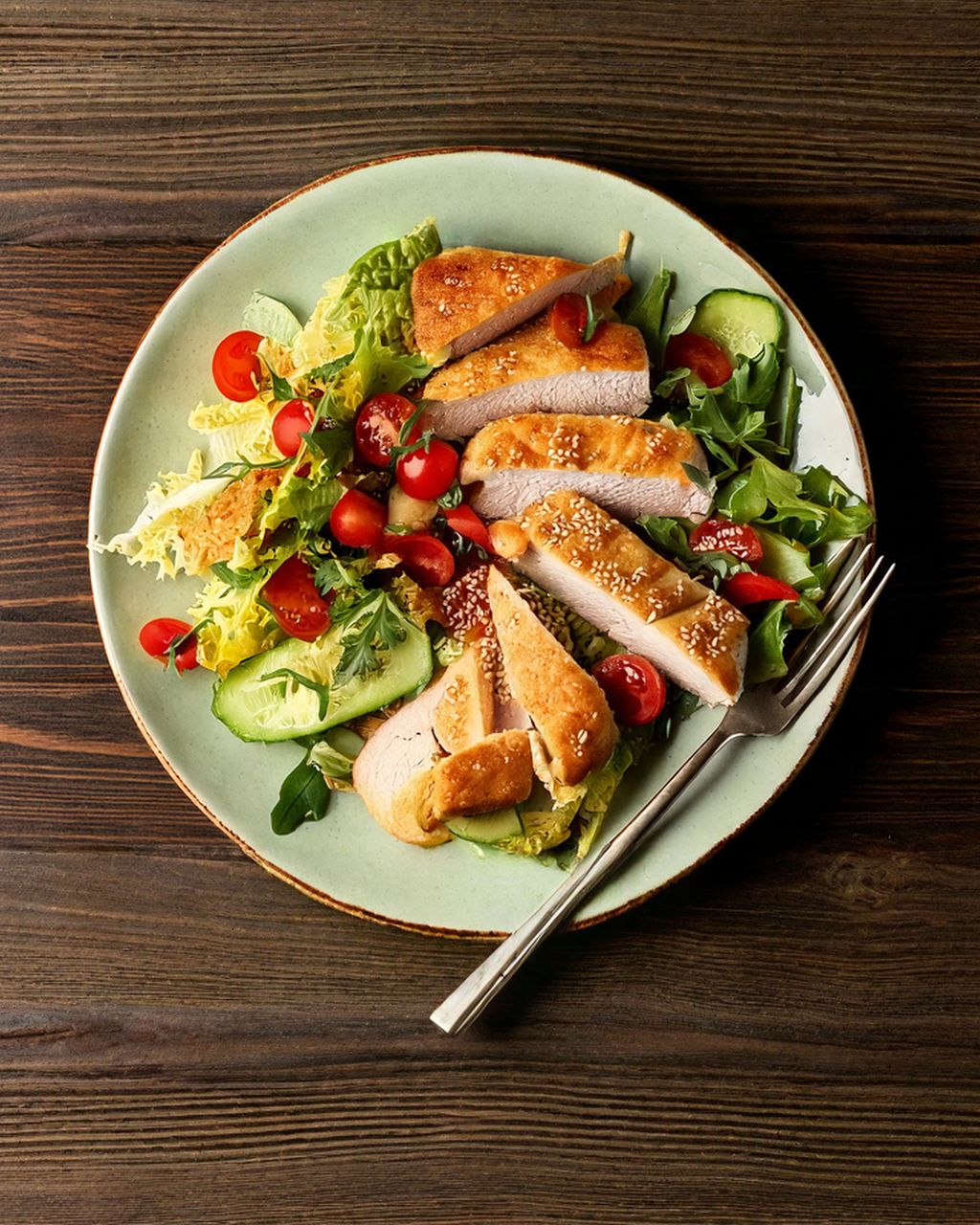
    Schnitzel (řízek) is a thin slice of meat coated in flour, egg and breadcrumbs and fried until golden. To get it juicy inside and crisp outside, you have to nail four things: choose the right meat, pound it to an even thickness, bread it so the coating stays on, and fry it in properly hot fat. Here you'll find everything from pork leg schnitzel to chicken and veal, plus schnitzel baked in the oven, made in the air fryer, in batter and inside out.

  17. Christmas Carp: How to Choose, Clean, Fry, Bake with Caraway and Make It na černo

    Christmas carp can be cooked in many ways: breaded and fried, baked with caraway, with garlic butter or on a bed of vegetables, the old-fashioned na černo way (in a dark sweet-and-sour sauce), or as fish soup. However you cook it, the result depends on how fresh the fish was when you bought it, how well it's scored and whether you overcook it. Here you'll find everything from shopping to the plate: how to spot a fresh fish, what to do if you bring home a live one, how to fry it so the coating stays on, three tried-and-tested ways to bake it, old-style carp na černo, what to make with smoked carp and how to get rid of the muddy taste.

  18. Goulash: Beef and Pork Recipe Step by Step, Meat, Onions and Sides

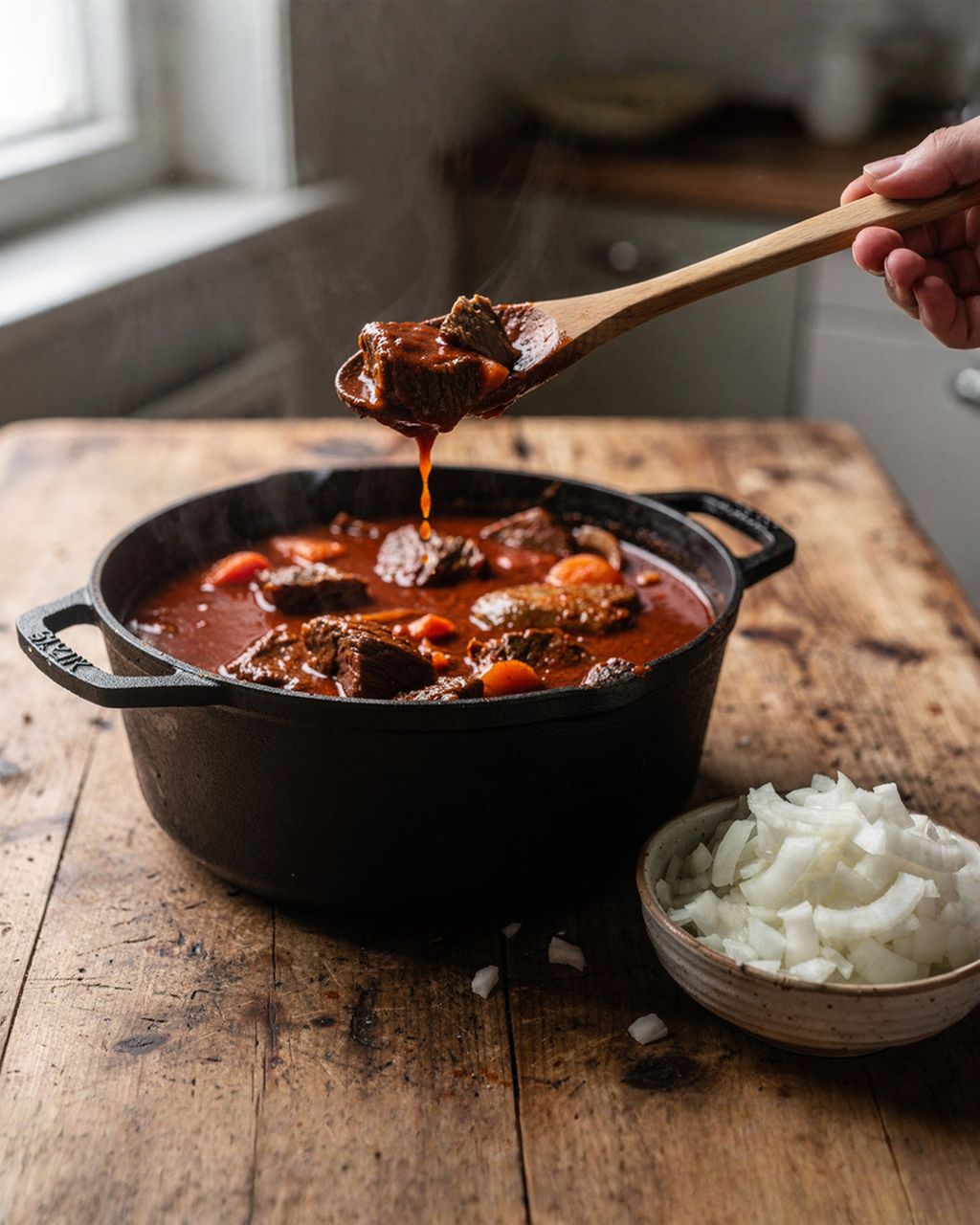
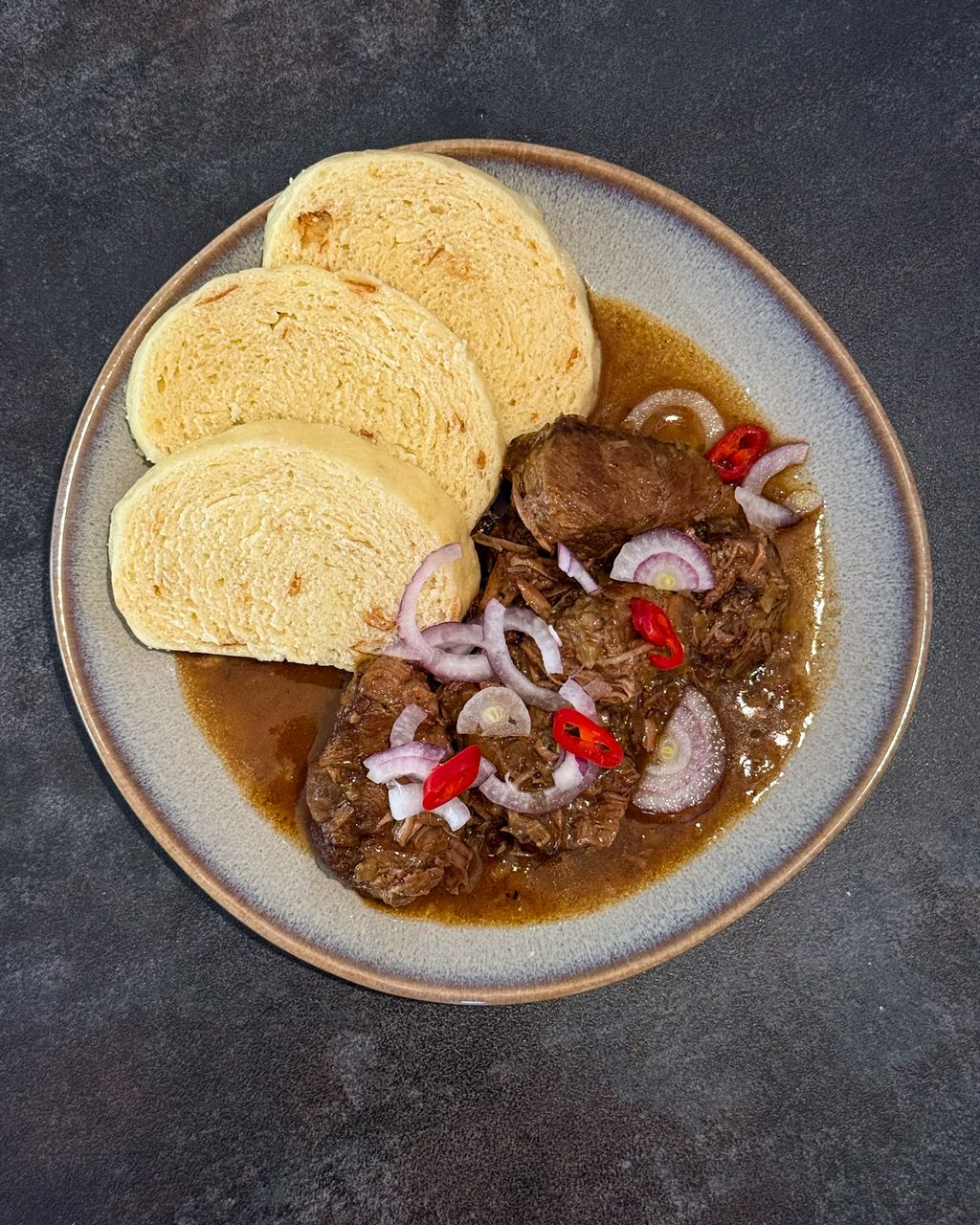
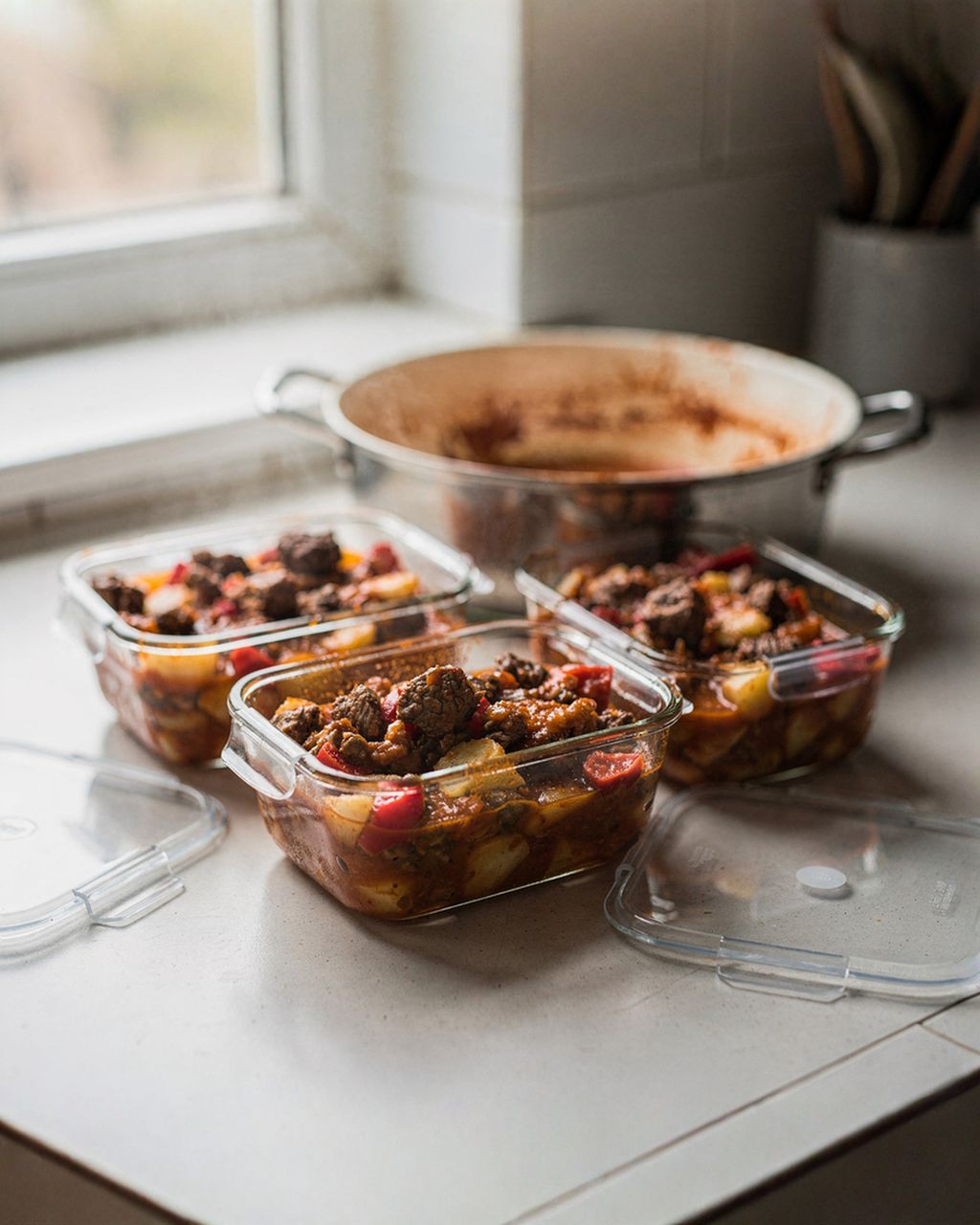
    Goulash is slow-braised meat in a thick onion sauce with paprika, caraway and marjoram. For a classic Czech beef goulash you need meat rich in collagen (shin or shoulder), roughly the same weight of onions as meat, and 2.5–3 hours of gentle simmering. Here you'll find the whole method step by step, plus pork goulash made from pork neck, Szeged goulash, wild boar goulash, oyster mushroom goulash, goulash soup, fixes for when it goes wrong, and what to serve with it.

  19. Czech vs Hungarian vs American Goulash: What's the Difference?

    Czech goulash (guláš) is a thick beef and onion stew eaten with dumplings, Hungarian gulyás is a soup, and American goulash is macaroni with ground beef in tomato sauce. The stew most people outside Hungary call Hungarian goulash is really pörkölt, and paprikás is a pörkölt finished with sour cream. Here is how all of them differ, side by side.

  20. What to Make With Tuna: Canned or a Fresh Steak

    What can you make with tuna when you want a quick dinner? From a can, you can have pasta, a bean salad, a spread, patties or a pasta bake in 20 minutes, and a fresh steak is done in the pan in five. What matters most is which tuna you have at home. Tuna in oil suits dishes where you want juiciness and flavor, tuna in its own juice suits dishes where you're adding your own fat or sauce, and a steak is a completely different kind of meat that cooks briefly. For each dish you'll find what makes it good, which tuna to pick and what to watch for. At the end you'll find how much tuna the UK's NHS recommends in pregnancy and how to store an opened can.

  21. What to Cook With Pork: Leg, Shoulder, Neck, Chops, Tenderloin and Belly

    What you cook with pork depends mostly on which cut you're holding. Lean leg and tenderloin need quick cooking and an exact temperature, while marbled shoulder, pork neck and belly need time and gentle heat. We'll go cut by cut: which cuts make the best schnitzels, roasts and goulash, how to cook pork neck whole or sliced, chops that don't dry out, tenderloin, crispy belly and ground pork. For each dish you'll find the method, time, temperature and what to serve with it, plus safe internal temperatures and how long pork keeps in the fridge.

  22. What to Cook with Pasta: Meatless, with Chicken or Ground Meat, with Leftover Pasta and Quick Ideas

    What can you cook with pasta? Almost anything: aglio e olio or pesto in ten minutes, tomato sauce in half an hour, a proper dinner with chicken or ground meat, and pasta bakes or salads from the leftovers. Here you'll find ideas with and without meat, quick dishes ready in 15 minutes, what to do with leftover pasta, how much to cook per person and which sauce suits which shape. Every sauce comes with the principle behind it, so you'll be able to make it without a recipe.

  23. What to Cook With Salmon: Oven, Pan, Pasta, Smoked Salmon and Quick Dinners

    What can you cook with salmon when it's sitting in your fridge and you're tired of making the same thing? Salmon does almost everything: bake it in the oven in 12–15 minutes, pan-sear it for skin as crisp as chips, toss it into pasta or a rice bowl, or wrap it in foil with vegetables. With smoked salmon you can make a spread, open-faced sandwiches or a one-pot dinner. Below you'll find the temperature, timing and a side dish for each version, plus how to tell when salmon is done and how long it keeps.

  24. What to Cook With Chicken: Whole, Roasted, Grilled, Leftovers, and How to Cut It Up

    What can you cook with chicken? One whole bird gives you a Sunday roast, a stock from the bones, and leftover meat for a salad, risotto, or tortillas over the next few days. All you need is to know how to cut it up and what to do with each part. Below you'll find step-by-step instructions for cutting up a chicken, the temperature and time for a whole chicken in the oven, stock, specific dishes made with roasted, grilled, smoked, and boiled chicken, a "one chicken, three meals" plan, and the rules for how long leftovers keep and how to reheat them safely.

Cart