Mom's christmas fish soup with mushrooms
Updated Sep 18, 2026
Fish soup goes in the fridge as soon as it cools down, and it's best eaten within 2 days — a plain broth keeps for 2–3 days, and in the freezer, 2–3 months. But that's only true if you cool the soup quickly after cooking. This is one of the trickiest soups you'll ever make at home: fish spoils faster than beef or chicken, and carp broth made from heads and bones is basically a buffet laid out for bacteria. Below you'll find exact times, temperatures, and the reasons behind them — plus the clear warning signs that mean you should toss the soup without a second thought.
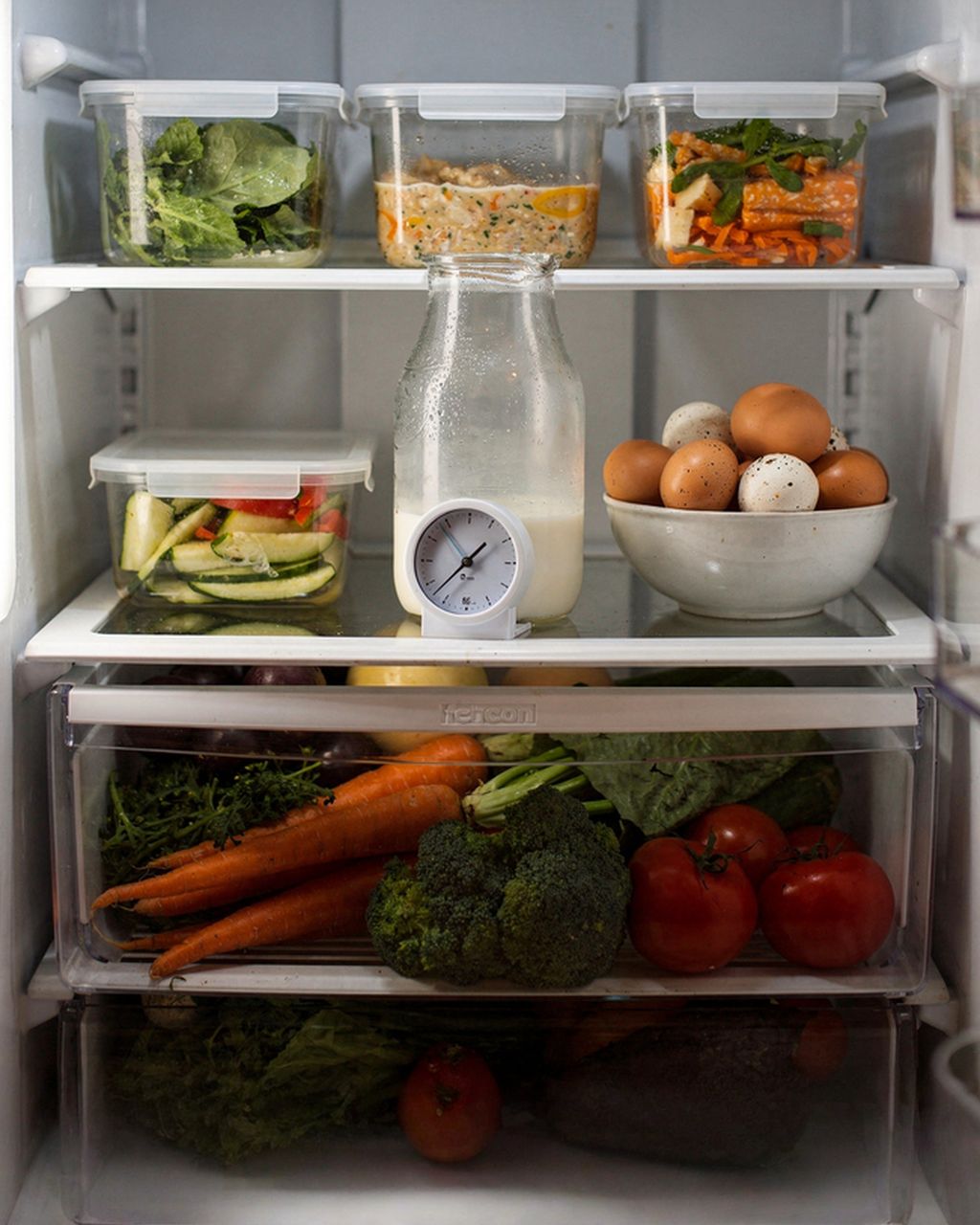
We recommend eating fish soup within 2 days — the official guideline for leftovers is 3–4 days, but with fish it pays to be stricter. A plain fish broth with no meat in it keeps for 2–3 days, while soup with meat, or soup thickened with cream or a roux, keeps for 2 days. That's assuming it's kept at 4°C (39°F) or below.
Specifically, depending on what's in the pot:
Plain carp broth, strained, with no meat or vegetables: 2–3 days
Fish soup with pieces of carp, with mushrooms, noodles, or grits: 2 days
Thickened with cream or a roux: 2 days
With fresh herbs or raw vegetables added at the table: count from the moment you add them — 1 day
Watch the difference between "still safe" and "still good." Carp meat in broth starts falling apart into fibers and turning slightly metallic-tasting on day two, even though the soup itself is perfectly fine. That's why it's worth making the broth ahead and adding the meat only just before serving.
All of these timeframes hold on one condition: the soup got down to 4°C (39°F) quickly. If it sat on the stove all evening, none of them apply.
Fish flesh has a more delicate structure and less connective tissue, and both bacteria and enzymes work faster in it than in beef or chicken — chilling slows them down, but doesn't stop either one completely in any of them. That's where the shorter limit comes from.
Three reasons that stack up:
Fish-borne bacteria are tough survivors. They live in cold water, so the fridge doesn't bother them much. And in the warm zone between 5°C and 60°C (41–140°F), they multiply explosively.
Ammonia and other volatile compounds build up. In freshwater fish like carp, protein breakdown releases ammonia and sulfur compounds — that's the source of that sharp, ammonia-like smell. (The classic "fishy" trimethylamine smell mainly comes from saltwater fish, which contain TMAO.)
Histamine doesn't break down with heat. Insufficient chilling lets the amino acid histidine turn into histamine, which is heat-stable. Boiling won't get rid of it. Carp carries lower risk than mackerel or tuna, but the principle holds: whatever forms while it's warm stays in the pot.
On top of that, broth made from carp heads and bones is full of protein and collagen, has a near-neutral pH, and is diluted with water. That's close to an ideal environment for microbes — which is exactly why it pays to be stricter with fish soup than with, say, beef stew.
Cool the soup from boiling down to room temperature within 2 hours, then from there down to 4°C (39°F) within another 4 hours — this two-stage cooling is the standard used in professional kitchens under the US Food Code, and it works exactly the same way at home. The whole trip from hot to fridge-cold should take no more than 6 hours.
The reason: the most dangerous range is roughly 5–60°C (41–140°F). The longer the soup sits in that range, the more bacteria manage to multiply — and once they've produced toxins, you can't get rid of them from the soup anymore.
How to pull this off in a regular kitchen:
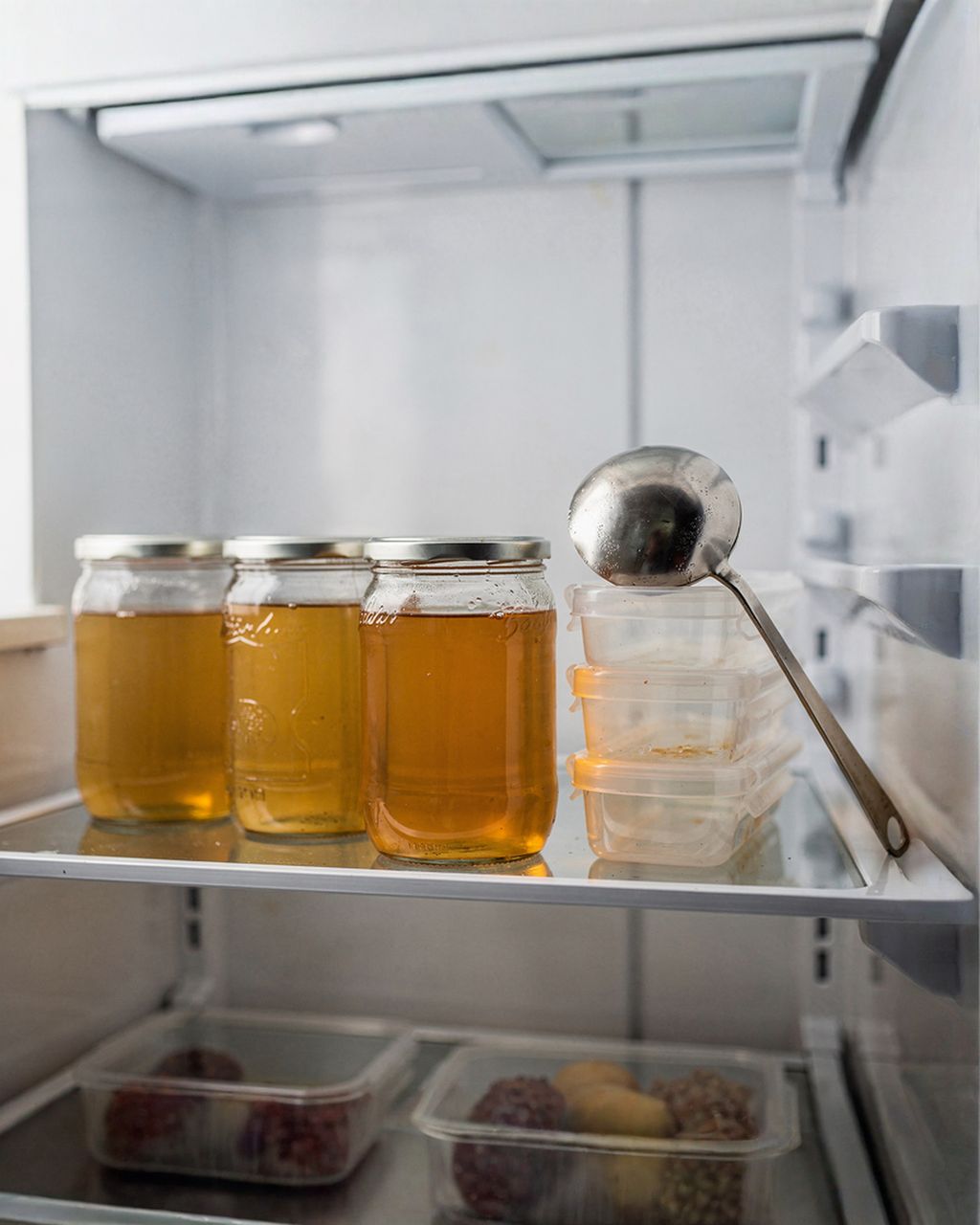
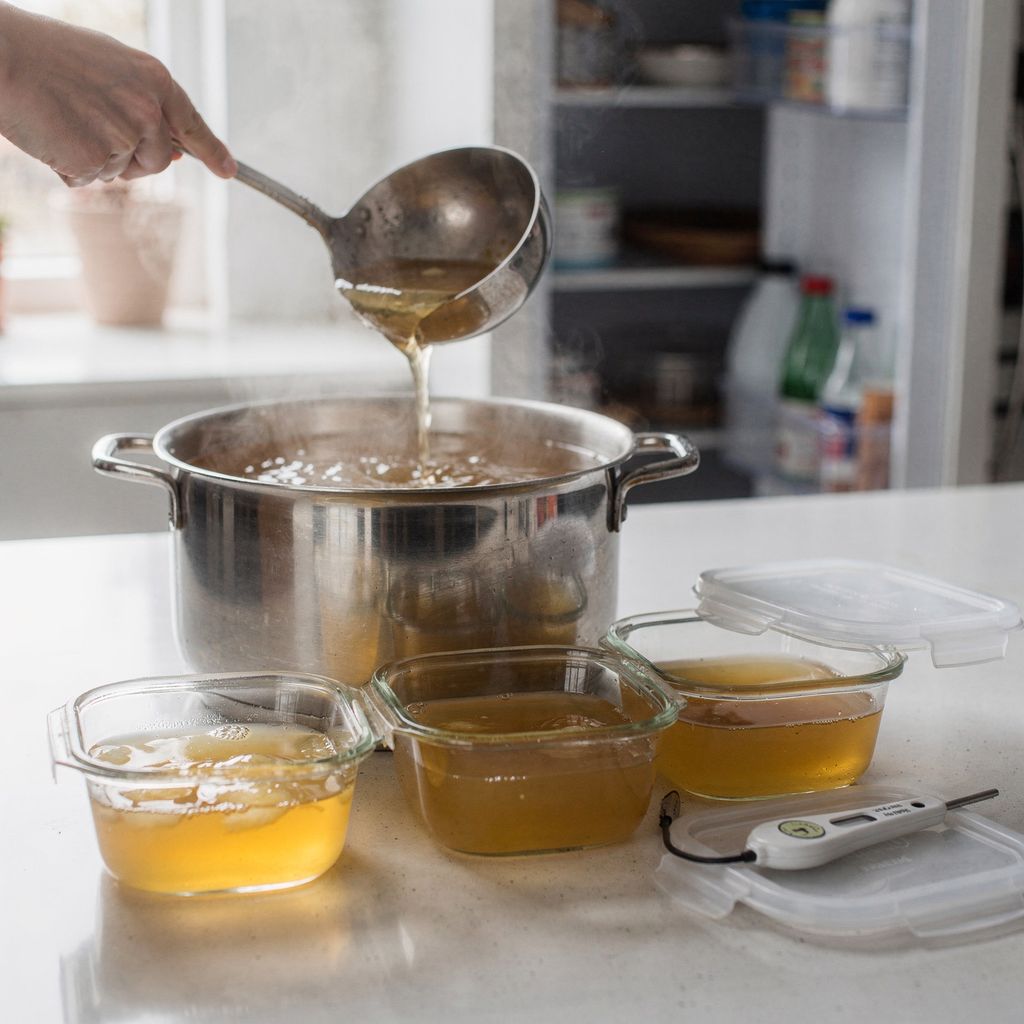
Split the soup into shallow containers. A layer no more than 5cm (2 inches) deep cools many times faster than a full pot. Ten liters of broth in one pot can take up to eight hours to cool in the fridge — and that's far too slow.
Set the container in an ice bath. Fill the sink with cold water and ice, and stir the soup occasionally. This cuts the cooling time down to a fraction.
Don't wait for it to cool completely. Put the soup in the fridge while it's still lukewarm. Modern fridges can handle it — the risk from slow cooling on the counter is bigger than the risk from briefly warming up the fridge.
Seal it and label it. Use an airtight container and write the cooking date on tape. Three days later you won't remember from memory whether the soup is from Wednesday or Thursday — a date on the tape tells you at a glance.
Never store it in the pot you cooked it in. A tall pot is the worst possible container for cooling.
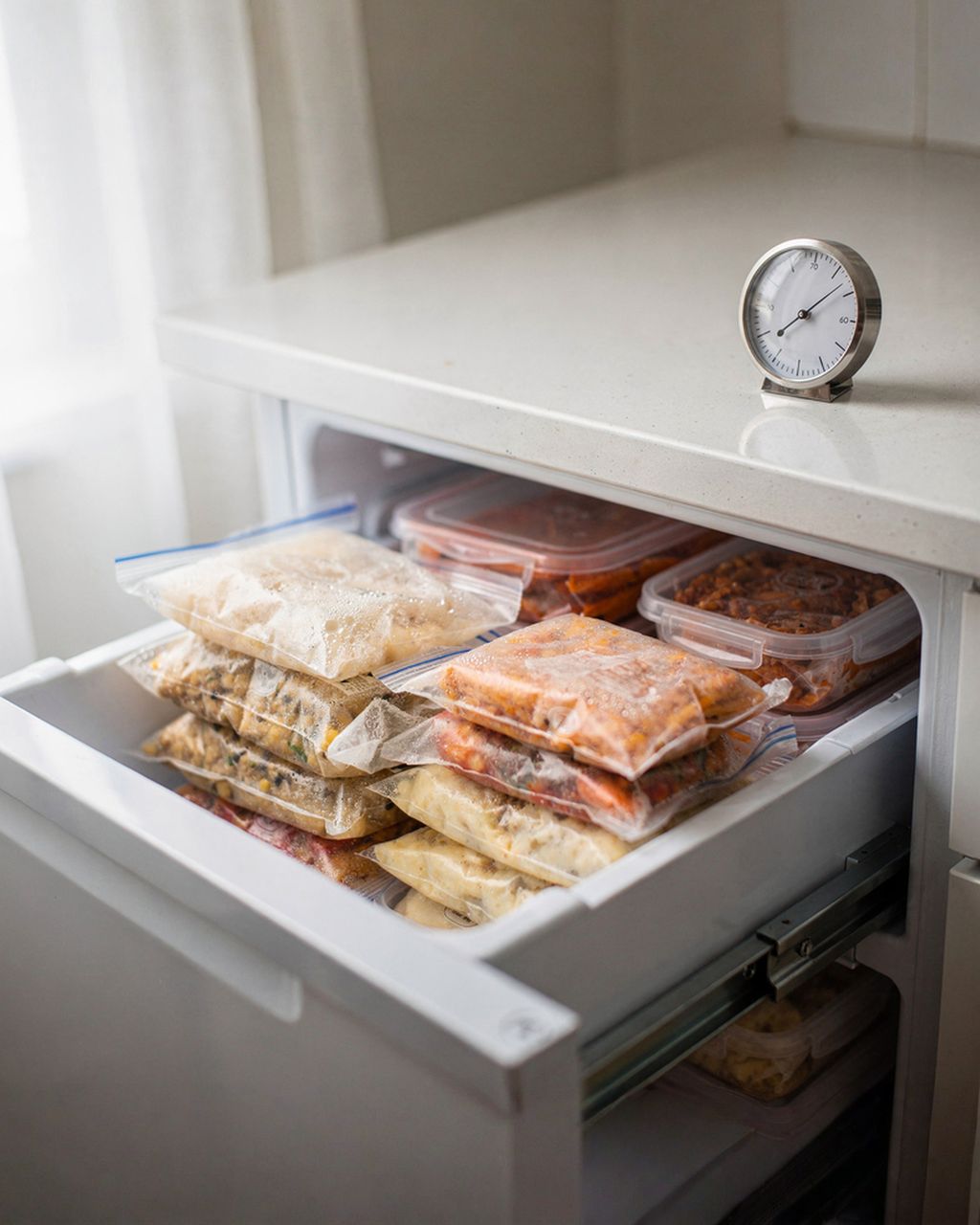
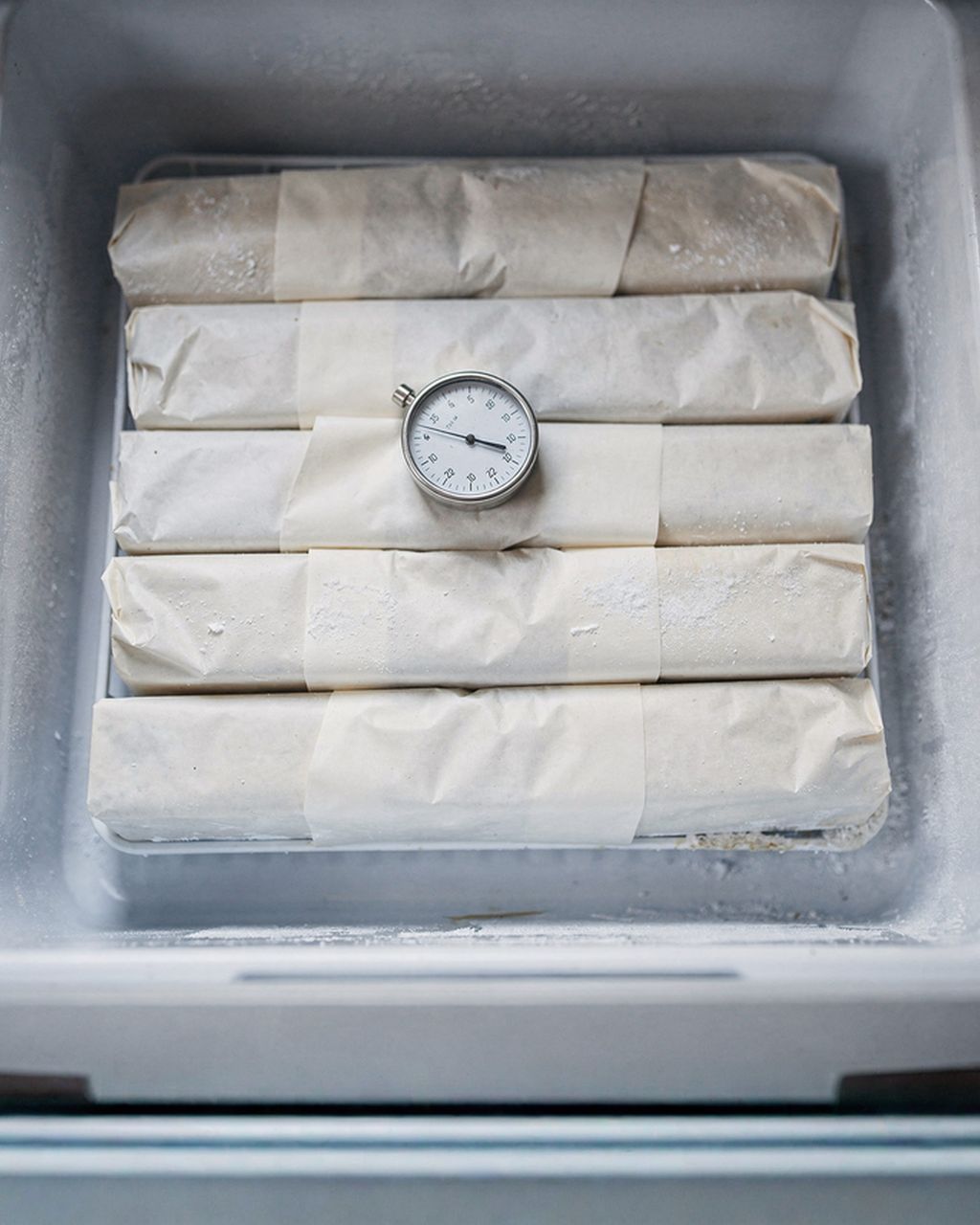
In the freezer at −18°C (0°F), fish soup keeps 2–3 months at good quality. It stays safe even longer, but the flavor declines faster than with meat soups — fish fat oxidizes and starts tasting rancid.
What freezes well and what doesn't:
Plain fish broth — freezes beautifully, easily for 3 months. This is the smart option.
Soup with pieces of fish — doable, but the meat gets watery and falls apart after thawing. Count on 2 months, and lean toward blending it smooth.
With cream or a roux — often curdles when frozen and stays grainy after thawing. Better to freeze the base plain and whisk in the cream only when reheating.
With noodles, grits, or potato — turns to mush. Add these fresh into the reheated soup instead.
Practical tips: freeze in portions you'll actually finish in one go, leave 2–3cm (about an inch) of headspace in the container (soup expands as it freezes), and write the date on the lid. And if you're making the soup from carp that was frozen and then thawed beforehand, you can still freeze the finished broth — it's already been cooked in the meantime. It's better not to freeze thawed soup a second time — it's safe if it was thawed in the fridge, but the fish will fall apart and you won't get the flavor back.
Reheat the soup to at least 75°C (167°F) throughout, or let it bubble at a full boil for at least a minute. A temperature around 75°C (167°F) reliably kills off the common bacteria that may have multiplied during storage — reheating it only lukewarm, to around 45–50°C (113–122°F), is the worst thing you can do, since that's exactly the range where some bacteria multiply fastest.
More reheating rules:
Only reheat the portion you're going to eat. Scoop it out of the container into a saucepan and leave the rest in the fridge. Every reheat-and-cool cycle eats into how long the soup will keep.
Try to only reheat it once. Reheating more than once isn't forbidden, but we'd recommend against it: fish soup reheated a second time has already spent so much time in the warm danger zone that you can't really trust it anymore.
Stir halfway through in the microwave. Microwaves heat unevenly, and cold spots in the middle are exactly what you're trying to avoid.
Thaw frozen soup in the fridge, not on the counter. It takes overnight, but it's the only way to avoid leaving it in the warm danger zone for hours. If you're in a hurry, use a cold water bath instead.
Reheating never resets the clock. Soup that's on day three in the fridge doesn't become day-two soup just because you heated it up — it's still three days old, just hot.
You'll usually notice spoiled fish soup by the smell first — a sharp ammonia-like or sour whiff instead of a mild fishy aroma means it's done. Smell it right after opening the container, while it's still cold; once reheated, spices can mask the smell and you can no longer rely on it.
Other things to watch for:
Bubbles or foam on the surface of the cold soup — that means fermentation
A slimy, stringy surface or broth that pulls into a thread off the spoon
Cloudy broth that used to be clear, or a grayish-green tinge on pieces of fish
A sour taste — though you shouldn't get as far as tasting it if you've followed the earlier steps correctly
A bulging lid on the container, or a hiss when you open it
A jelly-like texture once cooled is not a sign of spoilage — that's collagen from the carp heads and bones turning into gelatin. A good broth should wobble like jelly once it's cold. It melts back down once reheated.
Make the broth on December 22nd, cool it, and keep it in the fridge — on December 24th, just bring it back to a boil, add the meat and vegetables, and you're done, well within the safe window. That's the most common and safest approach in Czech Christmas cooking.
Longer-lead options:
Make the broth ahead and freeze it (even back in November): thaw it in the fridge on the 23rd and finish cooking it on the 24th. The flavor doesn't suffer at all.
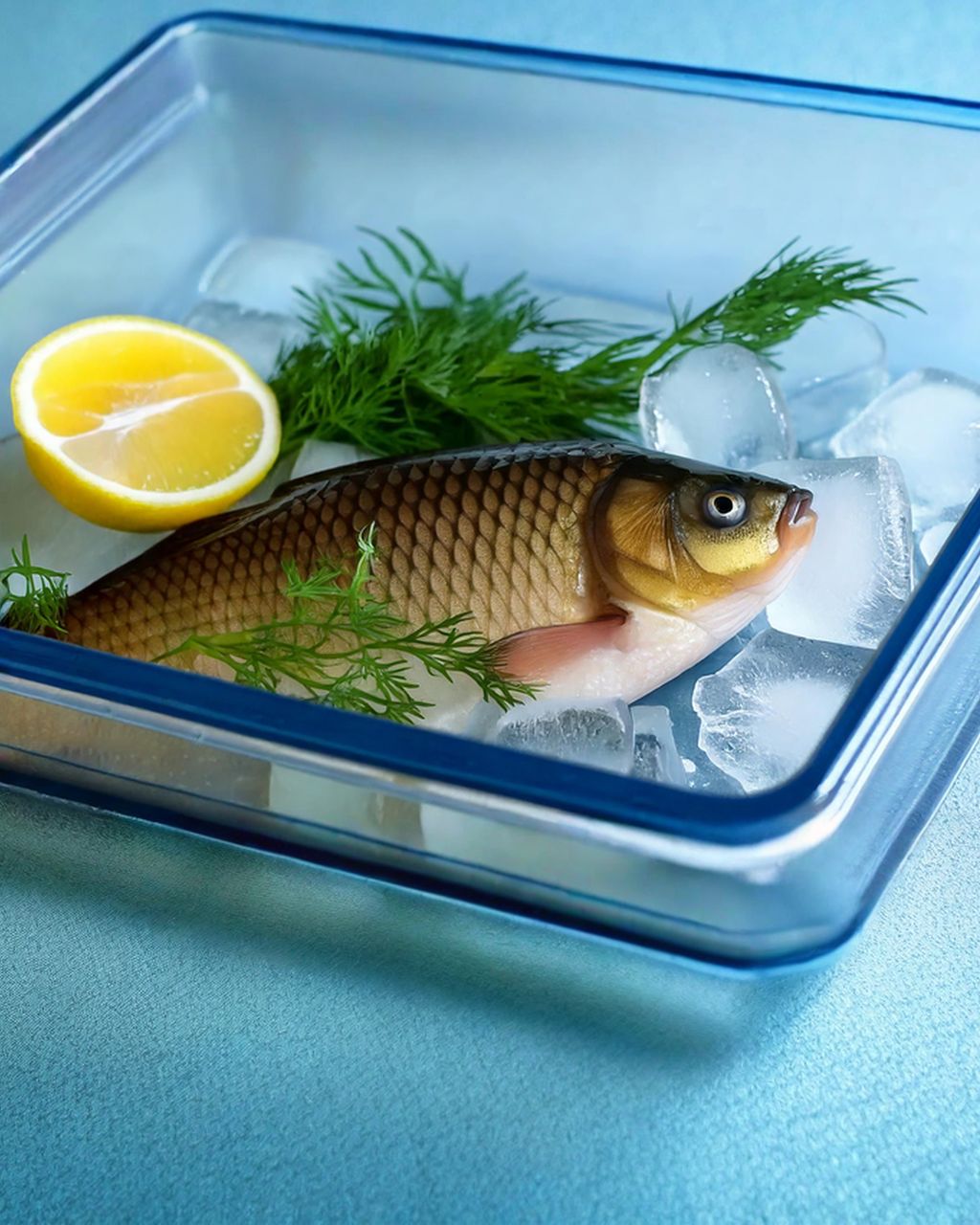
Buy the carp as late as possible and keep it on ice in the fridge until you're ready to prepare it — we cover this in detail in our article Carp in the Fridge: How Long It Keeps and How to Store It Properly.
Cool the leftovers right after dinner, not the next morning. After a big holiday dinner, that's the last thing you feel like doing, but it's exactly what decides whether you'll still get to eat that soup on Christmas Day.
And the most common Christmas mistake: the pot of soup gets left on the switched-off stove overnight because "the kitchen's cold." A kitchen that's had the stove going all day can easily sit at 24°C (75°F), which is right in the middle of the danger zone.
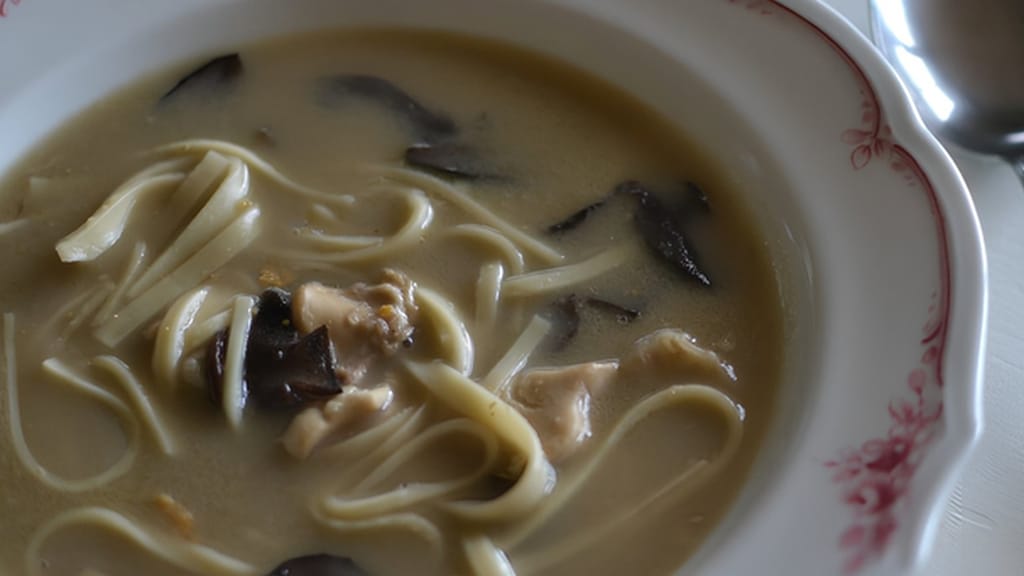
Mom's christmas fish soup with mushrooms
Mom's Christmas fish soup with mushrooms — the one all these storage rules apply to
Fish soup lasts a maximum of 2 hours outside the fridge at room temperature, and only 1 hour if the room is above 32°C (90°F). After that, throw it out — reboiling won't save it, because the toxins produced by some bacteria are heat-stable. If you need to keep the soup out for longer, hold it on the stove above 60°C (140°F), not lukewarm.
Store the add-ins separately — count on 1 day for fish dumplings, and 2–3 days for the broth. The ground fish mixture in dumplings has far more surface area than a whole piece of carp, so it spoils faster. Croutons and fried bread cubes turn soggy in broth within minutes, and noodles or grits soak up liquid and turn to mush by the next day. The best approach is to keep the broth, the add-ins, and the meat in separate containers and assemble the soup only on the plate.
No, you can't tell by looking or smelling — histamine has no odor of its own, and cooking doesn't destroy it. It forms from the amino acid histidine when fish or finished soup spends too long at warm temperatures, and the soup can still look and smell completely normal; some sources mention a faint peppery or metallic taste at most, but you can't rely on that as a warning sign. The only real defense is prevention: keep the carp chilled, cool the finished soup quickly, and stick to safe storage times. Carp carries much lower risk than mackerel, sardines, or tuna, which contain more histidine.
Eat fish soup made for children, pregnant women, or seniors within 24 hours of cooking. Young children, pregnant women, older adults, and people with weakened immune systems tolerate even small amounts of bacteria much worse, so it's not worth pushing all the way to the two-day limit for them. Always reheat their portion to a full 75°C (167°F), and throw away whatever's left on the plate.
Don't try to can fish soup at home — it can't be done safely in a home kitchen. Fish broth is a low-acid food, and in a sealed jar with no air, Clostridium botulinum can grow — a risk that an ordinary pot of boiling water won't solve, since its spores survive 100°C (212°F). Safely canning fish products requires a pressure canner and precise processing parameters. At home, just stick to freezing.
One recipe worth heating the oven for, one tip, and one deal from the shop. Nothing else.