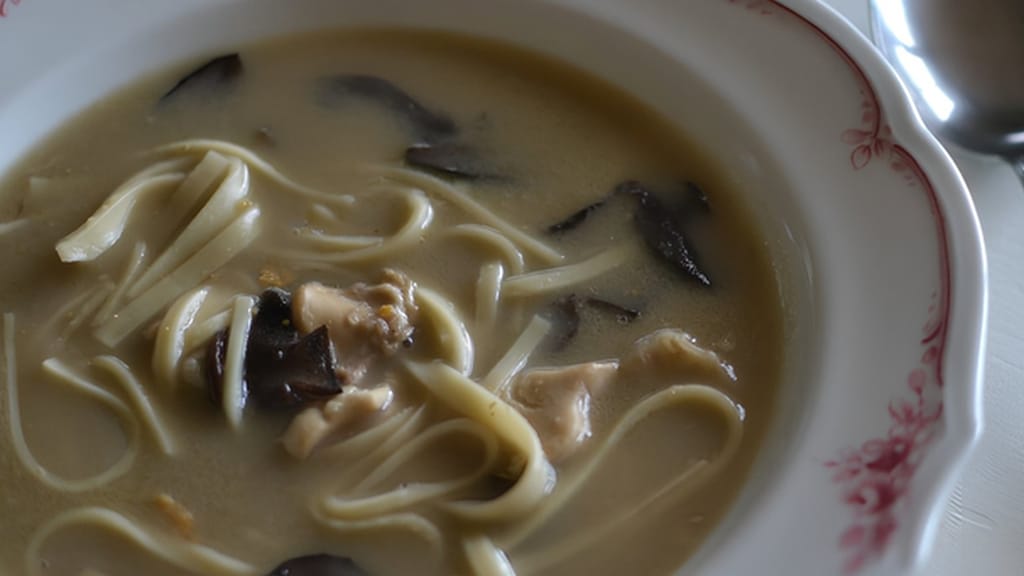
Mom's christmas fish soup with mushrooms
Carp in the Fridge: How Long It Keeps and How to Store It Properly

Updated Jul 19, 2026
Fresh carp only keeps in the fridge for 1–2 days – raw fish spoils faster than almost anything else in the kitchen. To make sure your Christmas carp doesn't lose its flavour or turn bitter, you need three things: chill it right away to 0–2°C, wrap it well, and know how to tell when it's still fresh and when it isn't. We'll walk you through fridge storage, freezing, reliable signs of freshness, and how to make the most of leftovers after the festive table.
Fresh carp keeps in the fridge for roughly 1–2 days at 0–2°C. The sooner you cook it, the better – raw fish is one of the fastest-spoiling ingredients in the kitchen.
Rough shelf life by preparation and packaging:
Whole fresh carp, loose on a plate: 1–2 days
Portioned or gutted carp: 1–2 days, ideally kept on ice
Vacuum-packed carp: 3–5 days (vacuum sealing significantly slows bacterial growth)
Frozen carp at −18°C: best flavour within 1 month, safe for 2–3 months
These figures apply to raw fish and assume you chilled the carp straight after buying it. Every hour spent at room temperature chips away at its quality.
The basics are simple: chill the carp as soon as you get it home, keep it at 0–2°C, store it separately from other food, and wrap it well. The following four steps determine whether the fish stays in good shape for the full two days.
The ideal storage temperature for carp is 0 to 2°C, 4°C at the very most. Above that, microorganisms multiply quickly in the flesh and the fish spoils. The coldest spot in a typical fridge is right at the bottom, just above the vegetable drawers – that's where the carp should go, and it's worth double-checking the temperature with a thermometer, since the door and top shelves tend to run warmer.

Store the carp in the very bottom of the fridge, kept apart from ready-to-eat food and anything eaten raw. This prevents odours from transferring and stops bacteria from the fish cross-contaminating other food. Raw fish should always sit below other food, never above it – that way, if anything drips from it, it won't land on food underneath. For more on the logic of cold and warm zones, check out our guide to food placement in the fridge.
An airtight container or vacuum packing works best – it limits oxygen exposure and keeps moisture locked into the flesh. If you don't have either, wrap the fish tightly in cling film or foil, making sure there are no air pockets anywhere. Before wrapping, rinse the carp in cold water and pat it dry with paper towel; leftover surface moisture speeds up spoilage.
Work with raw fish on a clean chopping board using clean utensils, and wash them afterwards in hot water. Don't use the fish board for food that won't be cooked further. Wash your hands with soap after handling – raw freshwater fish commonly carries bacteria that has no place in other dishes. Keep checking on the fish while it's stored: as soon as it loses its typical smell or colour, it's time to cook it or throw it out.
Keep a live carp only briefly in cold, clean water and process it as soon as possible – it won't stay in good condition long at home. After killing and gutting the fish, rinse it, dry it, and put it straight in the fridge following the advice above. A freshly killed carp can happily rest in the cold for a few hours before you portion and prepare it – the flesh handles better that way.
Fresh carp has clear eyes, deep red gills, firm springy flesh, and a clean, neutral smell. Just check these five signs:
Eyes: clear, glossy and slightly domed. Cloudy or sunken eyes give away an old fish.
Gills: deep red to pink and moist. Grey, brown or slimy gills are a warning sign.
Slime and scales: a thin, clear slime coating and firmly attached scales. Sticky, cloudy slime signals spoilage starting.
Flesh: firm and springy – press it with a finger and the dent should bounce back quickly. If the dent stays or the flesh feels slimy to the touch, don't buy it.
Smell: clean, neutral, faintly like water. Freshwater fish shouldn't smell 'fishy' or of ammonia at all – contrary to popular belief, fresh carp doesn't smell of the sea in the slightest.
Freeze carp at −18°C and it'll keep its best flavour for up to 1 month, staying safe to eat for 2–3 months. For larger, fattier fish over 5kg, expect a shorter window, since fish fat gradually turns rancid in the freezer. Freezing is the best way to keep carp beyond just a few days.

Only freeze fish you're sure is fresh – freezing won't improve quality, it just locks in whatever state the carp is already in.
Clean, gut and cut the carp into portions based on how you'll be cooking it.
Pat the portions thoroughly dry – any leftover moisture forms ice crystals that break down the flesh's texture once thawed.
Lay the portions on a tray lined with baking paper so they don't touch each other, and let them flash-freeze for a few hours.
Transfer the flash-frozen portions into vacuum bags or airtight containers, press out the air, and seal.
Label each package with the date so you know what to use first.
An airtight wrap protects the flesh from freezer burn – those dried-out grey patches that form on contact with air. Vacuum sealing is best; if you don't have that option, press as much air as possible out of the bag and add a second layer of film.
Thaw slowly in the fridge, ideally overnight. Gradual thawing keeps the flesh's texture intact and keeps the fish out of the temperature range where bacteria multiply. Never thaw carp at room temperature; if you're short on time, submerge the wrapped portions in cold water, changing the water occasionally. Never refreeze carp once it has thawed.
Leftover carp and its bones can become soup, a spread, or a salad – nothing needs to go to waste. Use up cooked fish within 2–3 days and keep it in a sealed container in the fridge.
Make a stock from the bones, head and leftover flesh: add celery, carrot, parsley root, onion, bay leaf and whole peppercorns, and simmer gently for about 40 minutes. That gives you the base for a proper Christmas fish soup – just season to taste and add mushrooms.
Mom's christmas fish soup with mushrooms
Mum's Christmas fish soup with mushrooms – the perfect way to use up carp bones and leftovers
Mash the leftover carp flesh with soft cheese, lemon juice and chopped dill or chives for a delicate spread on bread. The method is the same as our salmon spread – just swap in carp instead.
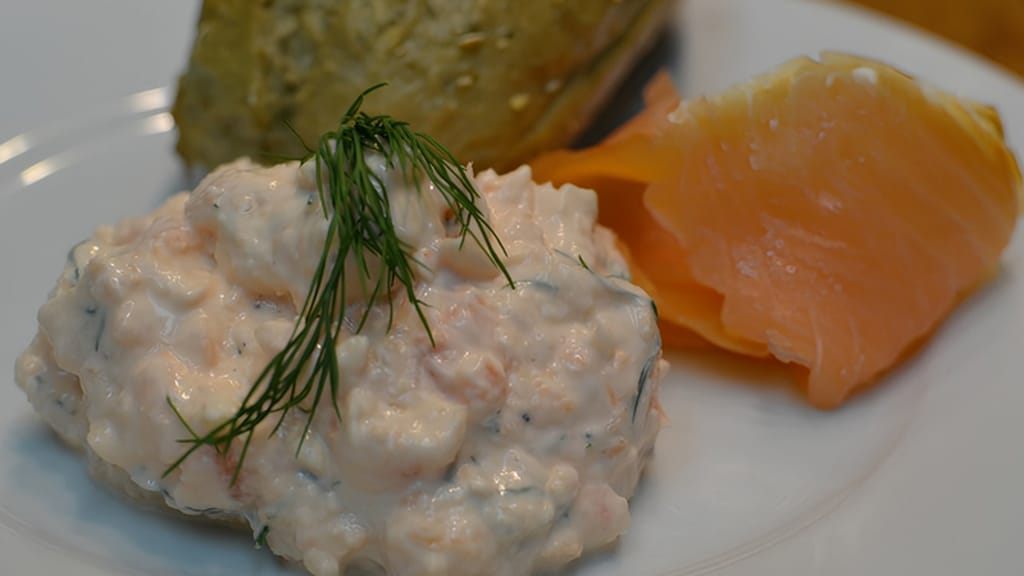
Smoked salmon spread
Soft cheese fish spread – this method works just as well with leftover carp
For a light salad, mix leftover carp flesh with boiled potatoes, finely diced pickles, chopped onion and a spoonful of mayonnaise; season with salt and pepper. Works well as a quick dinner or as a side for grilled meat.
Soak the carp pieces in cold milk for a few hours, or salt them and squeeze over some lemon juice – this cuts the muddy flavour noticeably. That earthy taste sits mainly in the skin and the dark flesh along the backbone, which you can simply trim off. Fish from clean, cold water tastes far more neutral than one from a warm pond.
Cooked carp keeps for 2–3 days in the fridge in a sealed container at up to 4°C. Let it cool before storing, but no longer than two hours at room temperature. Only reheat it once.
No, never refreeze raw carp once it has thawed. Refreezing breaks down the texture of the flesh and greatly increases the risk of bacterial growth. If you thawed the carp in the fridge and won't get to cooking it in time, it's better to cook it through first – you can then briefly freeze the finished dish.
Never eat carp or other freshwater fish raw – they can carry parasites that are only reliably killed by proper cooking or deep freezing. For tartare or sushi, stick to sushi-grade saltwater fish, not pond-raised carp.
Yes, a layer of ice keeps the fish close to 0°C and preserves freshness slightly better than a regular fridge shelf. Place the carp on a bowl of ice so it rests on top rather than sitting in melted water – drain that off as it collects. Stored this way, it'll stay in top condition for the full 1–2 days.
One recipe worth heating the oven for, one tip, and one deal from the shop. Nothing else.