Vepřo knedlo zelo: Czech Roast Pork with Sauerkraut and Dumplings Like Grandma Made It, Sliced in the Oven or Whole
Knedlo Vepřo Zelo Explained: Czech Roast Pork, Dumplings and Cabbage
Updated Nov 20, 2026
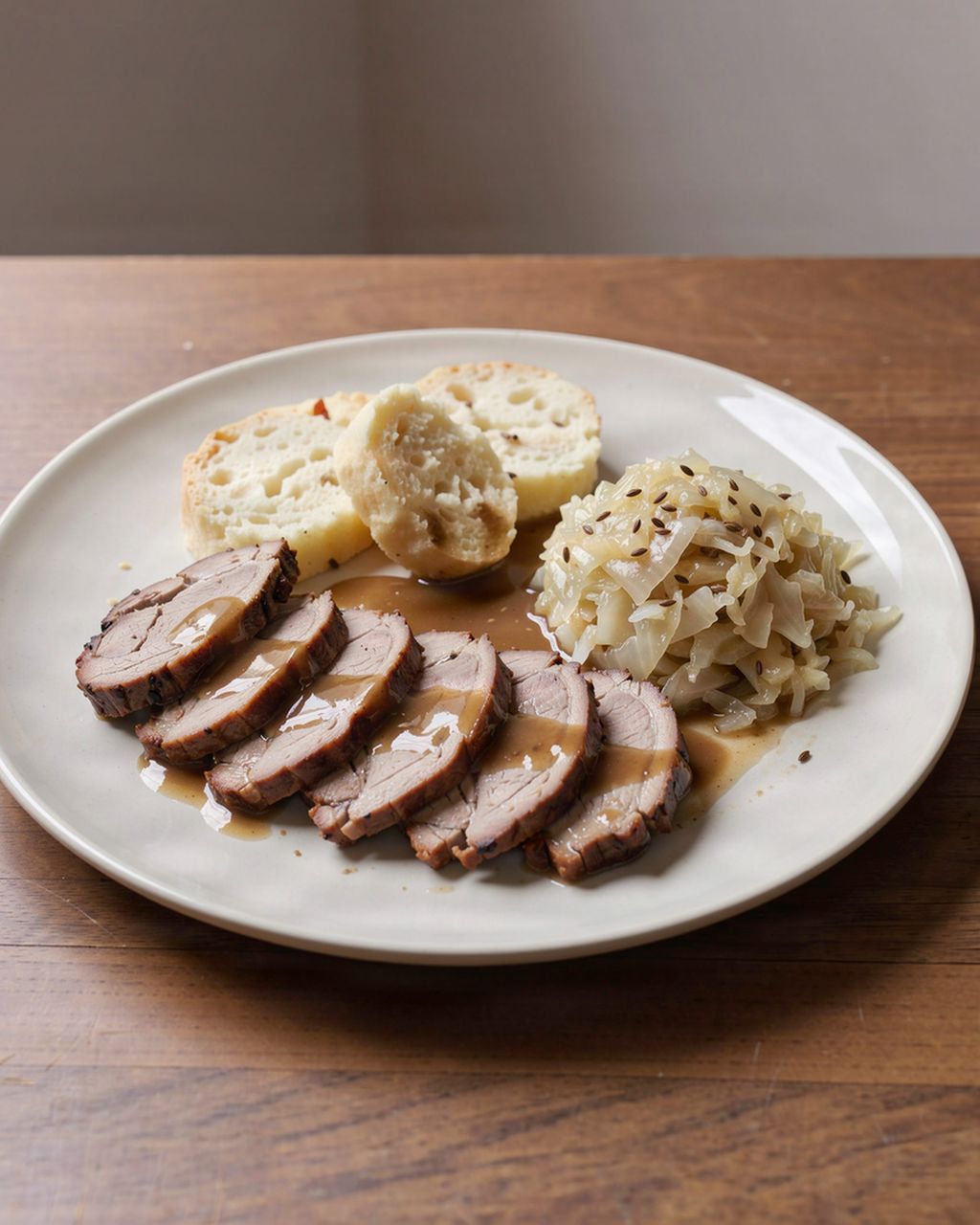
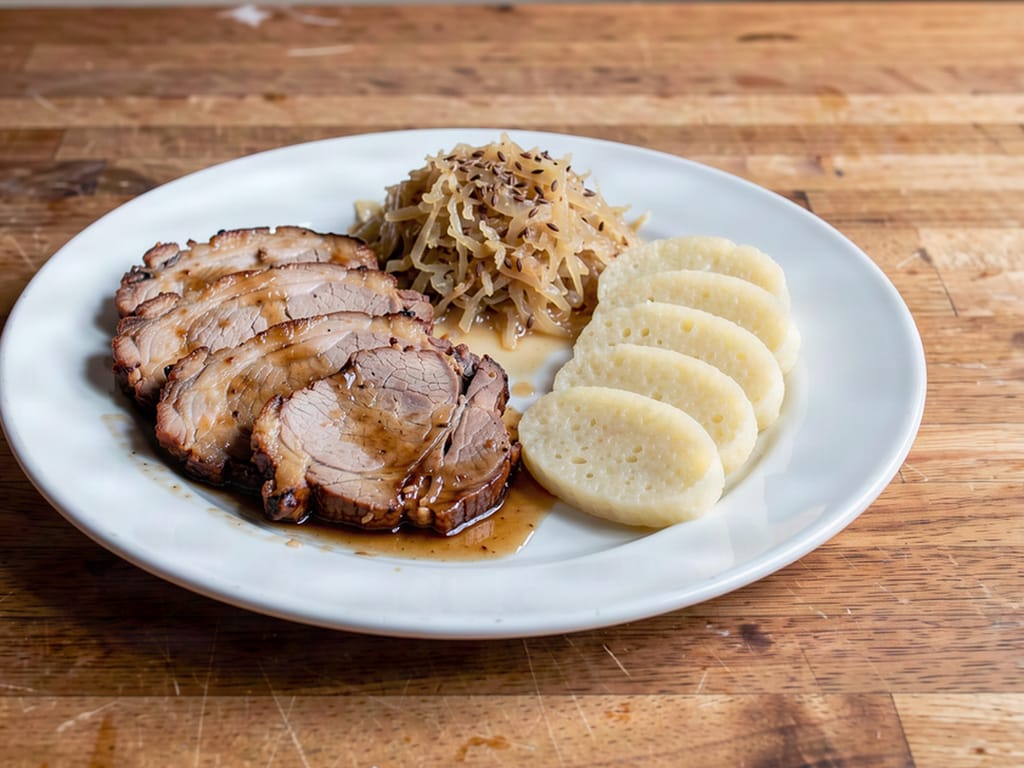
Knedlo vepřo zelo is Czech shorthand for roast pork with dumplings and stewed cabbage, the plate most Czechs would name as the national dish. Here is what each of the three parts is, which pork cut to buy, how white and red cabbage versions differ, and why the cabbage tastes sweet and sour at once.
Knedlo vepřo zelo is a clipped, rhyming way of saying the three words on the plate:
knedlíky (dumplings)
vepřové (pork, here roast pork)
zelí (cabbage, usually stewed sauerkraut)
The more common order in Czech is vepřo knedlo zelo, but both are used and both mean the same dish. You will see either on pub menus, and some menus spell it out in full as vepřová pečeně, knedlík, zelí (roast pork, dumpling, cabbage).
It is the plate Czechs most often name when asked for a national dish, alongside svíčková (beef in root-vegetable cream sauce). It is a Sunday lunch at home and a weekday lunch in pubs and canteens. Similar plates exist across the border in Bavaria and Austria, where roast pork with dumplings and cabbage is just as familiar, so do not expect it to be unique to Czechia. What makes the Czech version Czech is the sliced bread dumpling and the way the cabbage is seasoned.
Seasonal baking plans, tested recipes and kitchen tricks that save you time. Unsubscribe in one click.
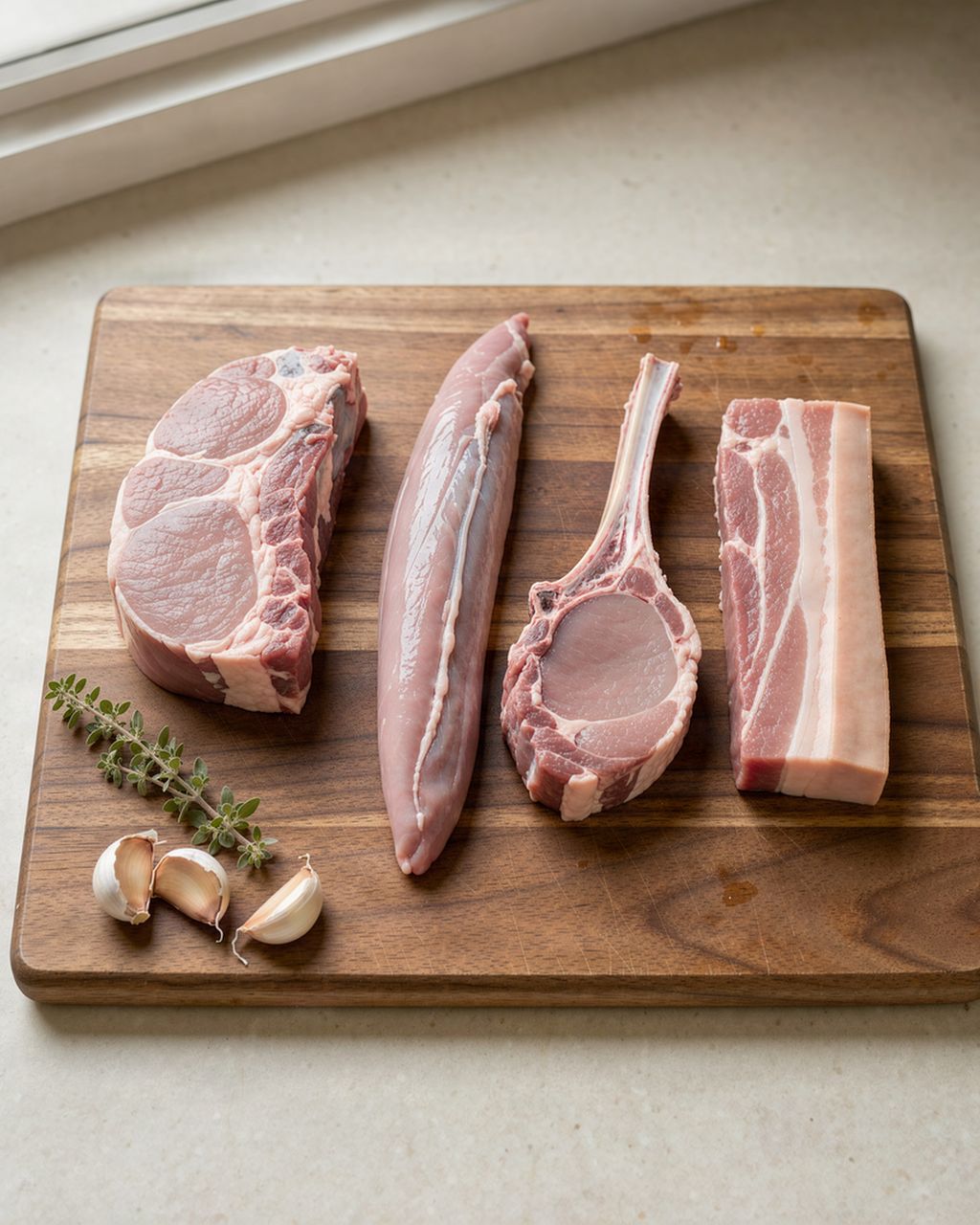
The pork is a joint roasted slowly in a covered or half-covered pan with a little water, then uncovered so the surface browns. Czech cooks pick cuts with some fat in them:
Pork shoulder (plec). The most common choice. It is marbled, forgiving and slices well. In the US look for pork shoulder or Boston butt; in the UK, shoulder.
Pork neck (krkovice). Juicy and well marbled. In the US this is close to the top part of the shoulder (often sold as pork collar or coppa); in the UK, ask the butcher for neck end or collar.
Pork belly (bůček). The richest choice, with layers of fat. Pick a meaty piece. Many families roast it alongside shoulder or neck rather than on its own.
Leg or loin (kýta, pečeně). Leaner and neater to slice, but they dry out sooner. Better for people who trim every bit of fat anyway.
The seasoning is simple and very Czech: salt, plenty of caraway seeds, and often garlic and onion. Some cooks add a splash of beer to the pan. The juices that collect under the meat (šťáva) are not thickened into gravy; they are spooned over the sliced meat and the dumplings as they are.
Our article on cuts of pork explains each cut in more detail. For oven temperatures and times by cut, see roast pork in the oven.
Czech dumplings (knedlíky) are not small, filled dumplings. They are large loaves, boiled or steamed, then cut into slices. Two kinds go with roast pork:
Bread dumplings (houskové knedlíky). A soft yeast or baking-powder dough with cubes of white bread rolls mixed in. They are light, fluffy and good at soaking up pan juices. This is the default in most pubs.
Potato dumplings (bramborové knedlíky). Made from cooked potatoes, flour and egg. Denser and slightly chewy. Many Czechs prefer them with pork and cabbage.
Some pubs serve a mixed plate with slices of both. You will also find chlupaté knedlíky ("hairy dumplings", made from raw grated potato), often served with smoked meat and sauerkraut.
Ready-made bread dumplings are sold in Czech and Polish shops abroad, and they are a perfectly normal shortcut in Czech homes too. If you make a big batch, see how to freeze dumplings.
The zelo part has three common versions, and Czech families argue about which is right.
Stewed sauerkraut (dušené kysané zelí). The pub classic. Sauerkraut is rinsed or not, depending on how sour it is, then stewed with onion, fat and caraway until soft. It is pale and tangy.
Fresh white cabbage (dušené bílé zelí, made from a fresh head). Shredded fresh white cabbage, stewed and soured with vinegar. Milder and sweeter than sauerkraut. A good choice if you cannot find decent sauerkraut.
Red cabbage (červené zelí). Stewed with sugar and vinegar, sometimes with apple. It is deep purple, sweeter and a little fruity. Common at home and at holidays, and the same side you will find with roast duck or goose.
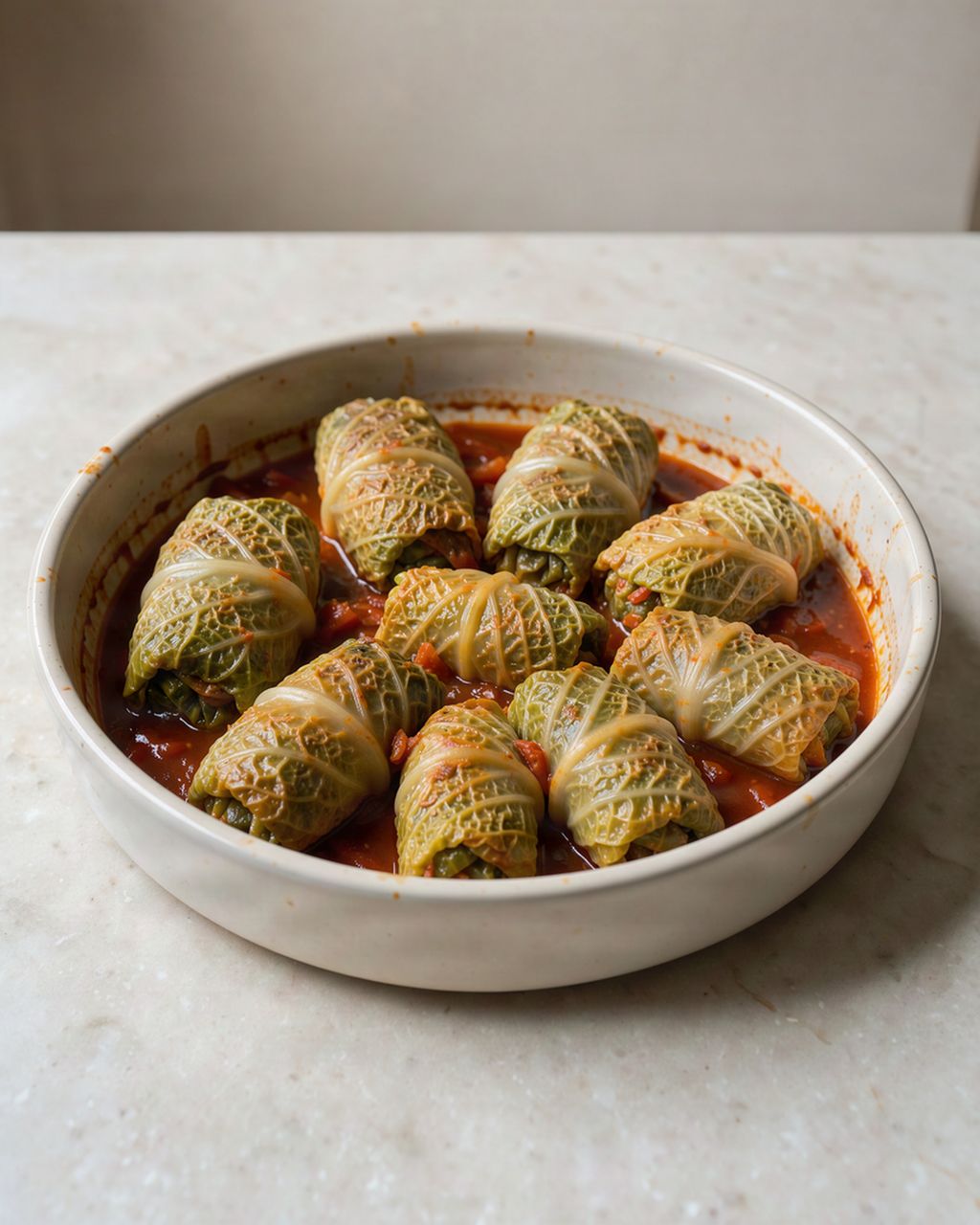
A language trap for anyone searching in Slovak: in Slovak, kapusta means cabbage, so červená kapusta is red cabbage. In Czech, kapusta means savoy cabbage, which is not what goes on this plate.
If you buy sauerkraut abroad, look for plain sauerkraut in brine without wine or other flavors. Our article on braised cabbage covers jar, bag and fresh-head versions, and red cabbage has its own guide.
The cabbage is what most foreign recipes get wrong. Czech stewed cabbage is meant to be sweet and sour at the same time, so it cuts through the fat of the pork.
In outline:
Onion is softened in fat. Lard is traditional; butter or oil works.
The cabbage goes in with caraway and a little water or stock, and stews until soft.
It is thickened lightly, either with a spoon of flour, a little roux, or a grated raw potato stirred in near the end.
It is seasoned at the end with salt, sugar and vinegar, tasting each time.
The balance depends on the cabbage. Sauerkraut is already sour, so it mostly needs sugar. Fresh white cabbage needs both vinegar and sugar. Red cabbage is usually the sweetest of the three. There is no single right ratio: add sugar and vinegar in small amounts until neither one stands out.
Caraway is the one spice almost everyone agrees on. If you do not like whole seeds, crush them lightly before they go in.
On the plate, the order is roughly the same everywhere:
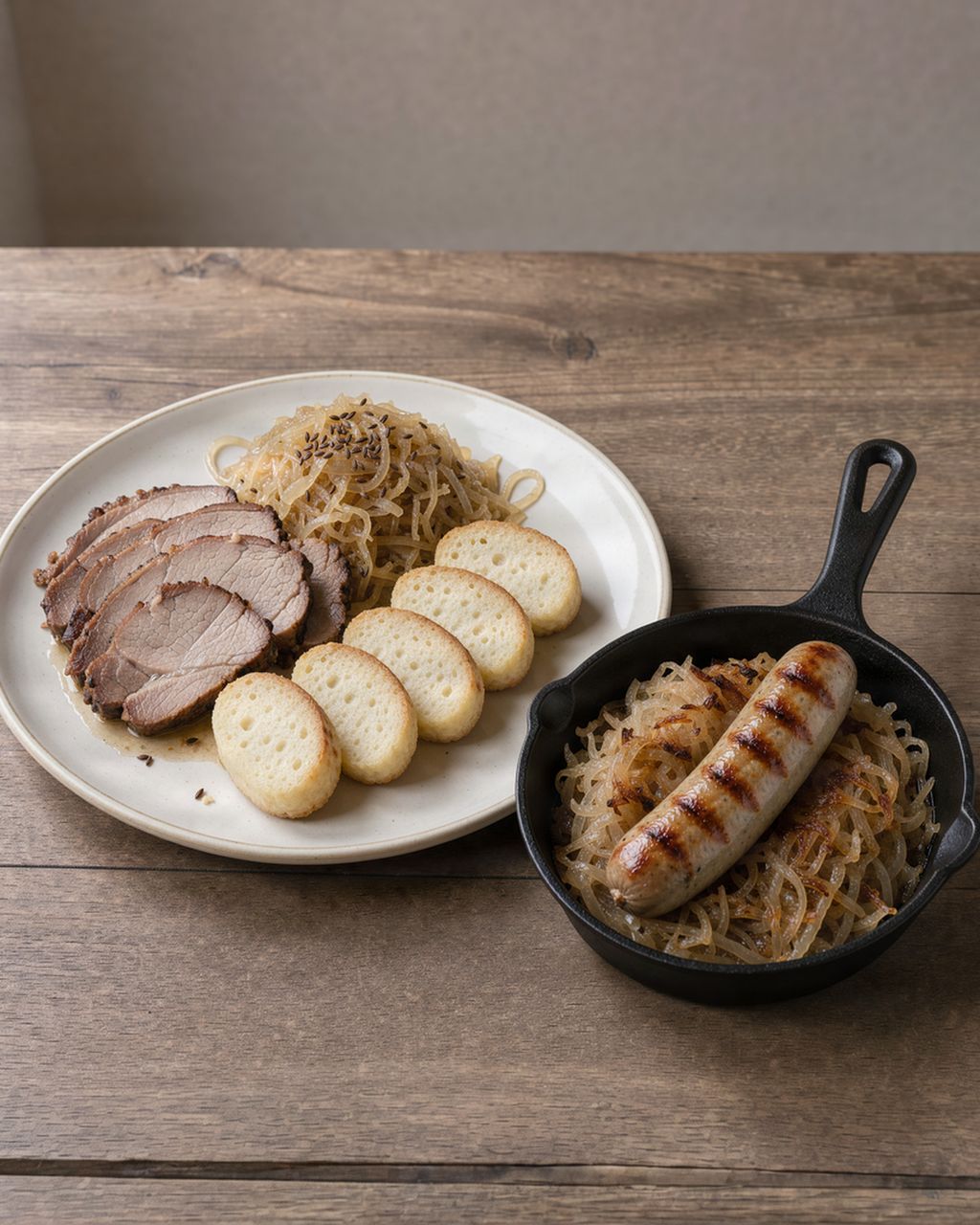
Two or three slices of pork, some with fat or crackling left on.
Four or so slices of dumpling, laid next to the meat.
A generous mound of cabbage.
Pan juices spooned over the meat and dumplings.
In pubs it comes with a Czech pale lager. At home it is a Sunday lunch, and leftovers are part of the point: many Czechs say the cabbage tastes better the next day. If you plan to keep cooked pork, see our article on pork in the fridge before deciding how long.
If you are cooking for people who do not eat much fat, roast a leaner cut and serve the fresh white cabbage version. It is still recognizably the same dish.
Knedlo vepřo zelo means dumplings, pork and cabbage. It is roast pork served with Czech dumplings and stewed cabbage, usually sauerkraut, with the pan juices poured over the meat.
Both orders are used, and both mean the same dish. Vepřo knedlo zelo is the more common order in Czech, but you will hear and see knedlo vepřo zelo too, including on menus.
Most Czech cooks use pork shoulder, pork neck or pork belly, because these cuts stay juicy during a long roast. Leaner cuts such as leg or loin work too but dry out more easily.
It can be either. Many Czech cooks stew sauerkraut, others use fresh white cabbage, and red cabbage is a common alternative, especially at home.
Bread dumplings are the most common choice, and potato dumplings are the second. Some pubs serve both on one plate.
Czech stewed cabbage is seasoned with both sugar and vinegar (or the sourness of the sauerkraut itself), so it balances the fatty roast pork. Each cook adjusts the sweet and sour to taste at the end.
One recipe worth heating the oven for, one tip, and one deal from the shop. Nothing else.