Schnitzel: How to Make Fried Pork, Chicken and Veal Schnitzel
Czech Schnitzel (Řízek) vs Wiener Schnitzel: What Is the Difference?
Updated Nov 20, 2026
A Czech řízek is a breaded, fried cutlet usually made from pork or chicken, while a Wiener Schnitzel must be made from veal under Austrian law. Both are thin, crumbed and fried, but they differ in the meat, the crust and what goes on the plate. Here is how to tell them apart, and why Czechs eat schnitzel on Christmas Eve.
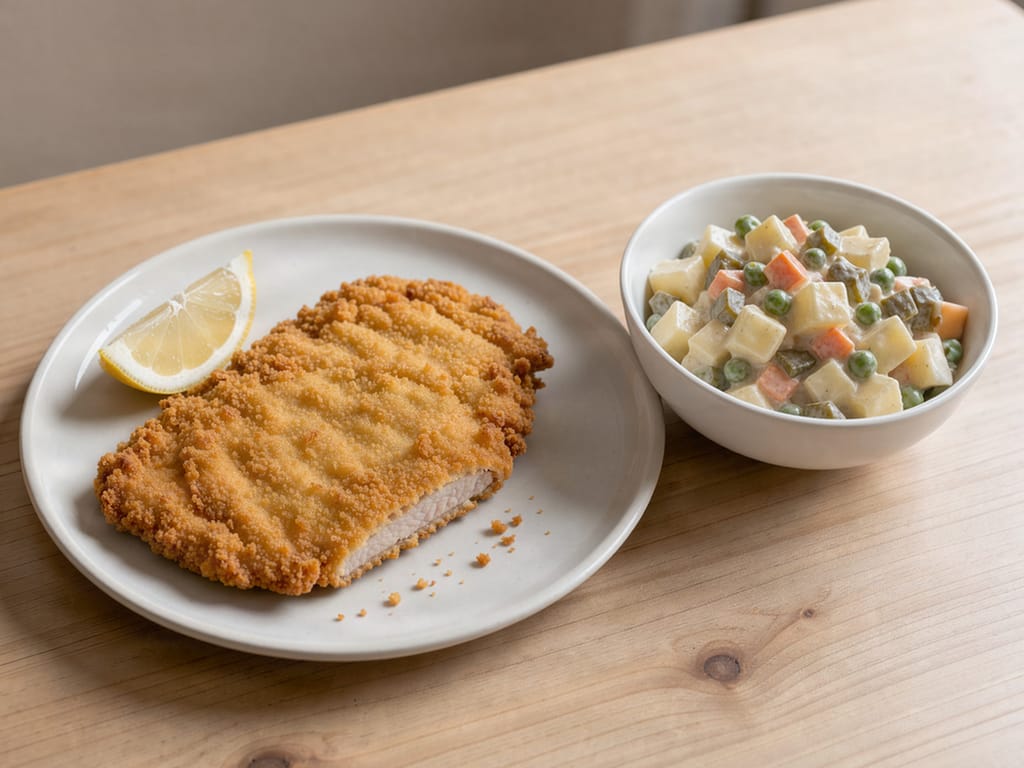
In Czech, řízek (schnitzel, literally "a cut piece") means a thin slice of meat, beaten flat and pan-fried. The version everyone means by default is smažený řízek (fried breaded schnitzel). An unbreaded one, simply fried and served with its pan juices, is a přírodní řízek ("natural schnitzel").
The breaded kind is one of the most common meals in Czech homes, school canteens and pubs. It is made from:
Pork, the classic. Usually cut from the leg (kýta) or the loin (kotleta, often boneless).
Chicken breast, now at least as common as pork at home.
Veal, the most expensive option, and rarer at home.
Fish, cheese or vegetables, as fried "schnitzels" for meat-free days.
The coating is called trojobal ("triple coating"): flour, then beaten egg, then breadcrumbs. It is fried in a good layer of oil or lard until golden on both sides.
Recipe of the week, one tip that saves you time and one deal from the shop. Unsubscribe in one click.
The next issue goes out on Thursday, November 26.
Wiener Schnitzel (Viennese schnitzel) is Austria's best-known dish: a thin, butterflied slice of veal, breaded in the same flour, egg and crumb order, and fried in lard or clarified butter.
Two things make it different from an everyday schnitzel:
The name is restricted to veal. In Austria, the name Wiener Schnitzel may only be used for veal. In Austria, a pork version is sold as Wiener Schnitzel vom Schwein (from pork); in Germany it is usually labeled Schnitzel Wiener Art (Viennese-style schnitzel). German menus are less strict in everyday usage, so a German Wiener Schnitzel may not mean veal.
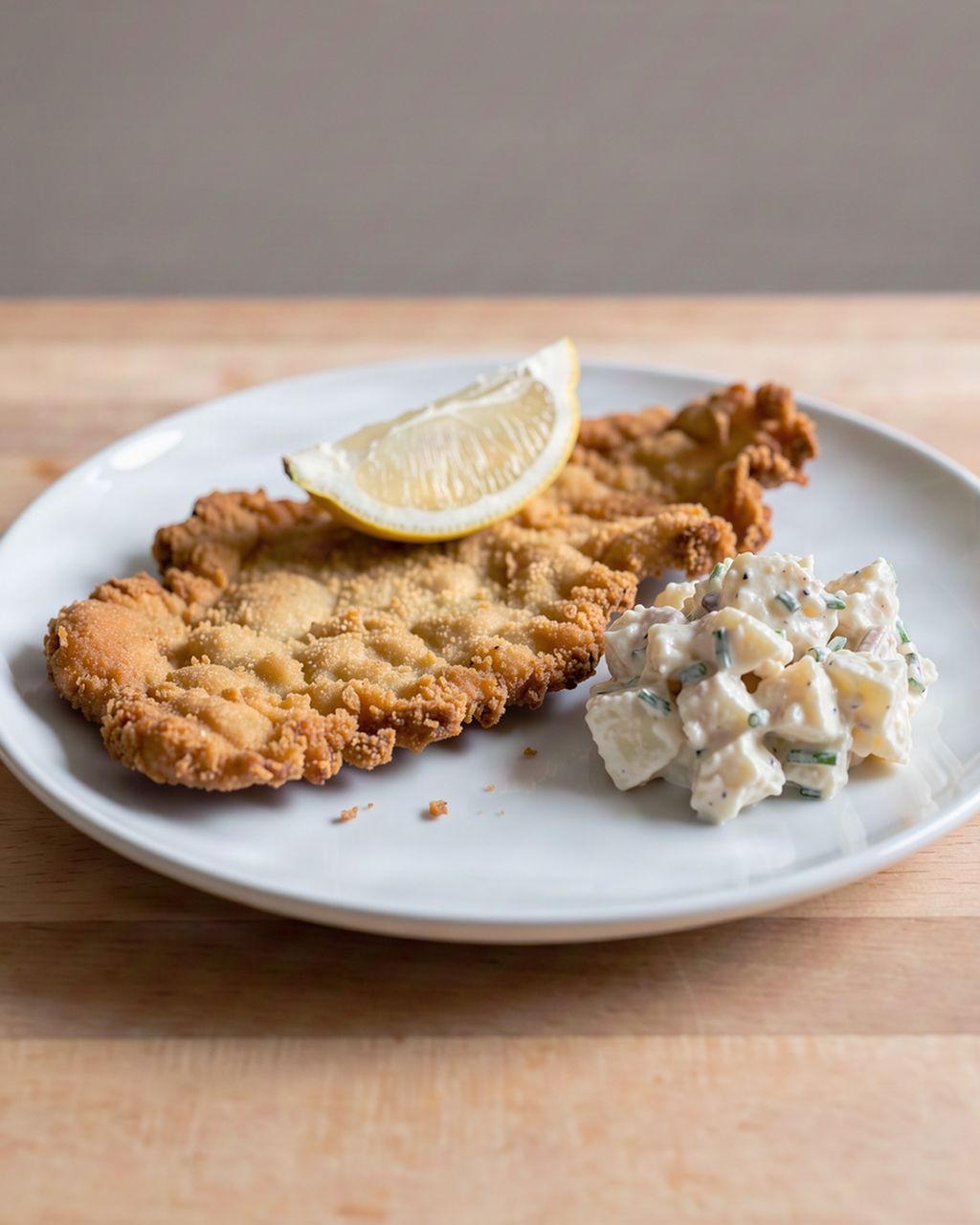
The crust. A classic Wiener Schnitzel is fried in plenty of fat and moved around in the pan, so the crumb coating puffs up and comes away from the meat in waves. Czech home schnitzels usually have a crust that sits tight against the meat.
The popular story that Field Marshal Radetzky brought the recipe from Milan in the 1850s is widely repeated but disputed. The Austrian linguist Heinz-Dieter Pohl considers it an invention and says the story is really about veal Milanese. The honest answer is that nobody can name a single origin.
Czech řízek
Meat: usually pork or chicken; veal is possible but uncommon.
Thickness: beaten thin, but often a little thicker than the Viennese one.
Crust: flour, egg, breadcrumbs, pressed on so it holds tight.
Fat: oil, lard, or a mix.
Sides: potato salad, mashed potatoes or boiled potatoes, with lemon and a pickle.
Eaten: any day of the week, and on Christmas Eve.
Wiener Schnitzel
Meat: veal, by Austrian law, if it carries the name.
Thickness: very thin, butterflied.
Crust: same order of coating, fried so it puffs and ripples.
Fat: lard or clarified butter.
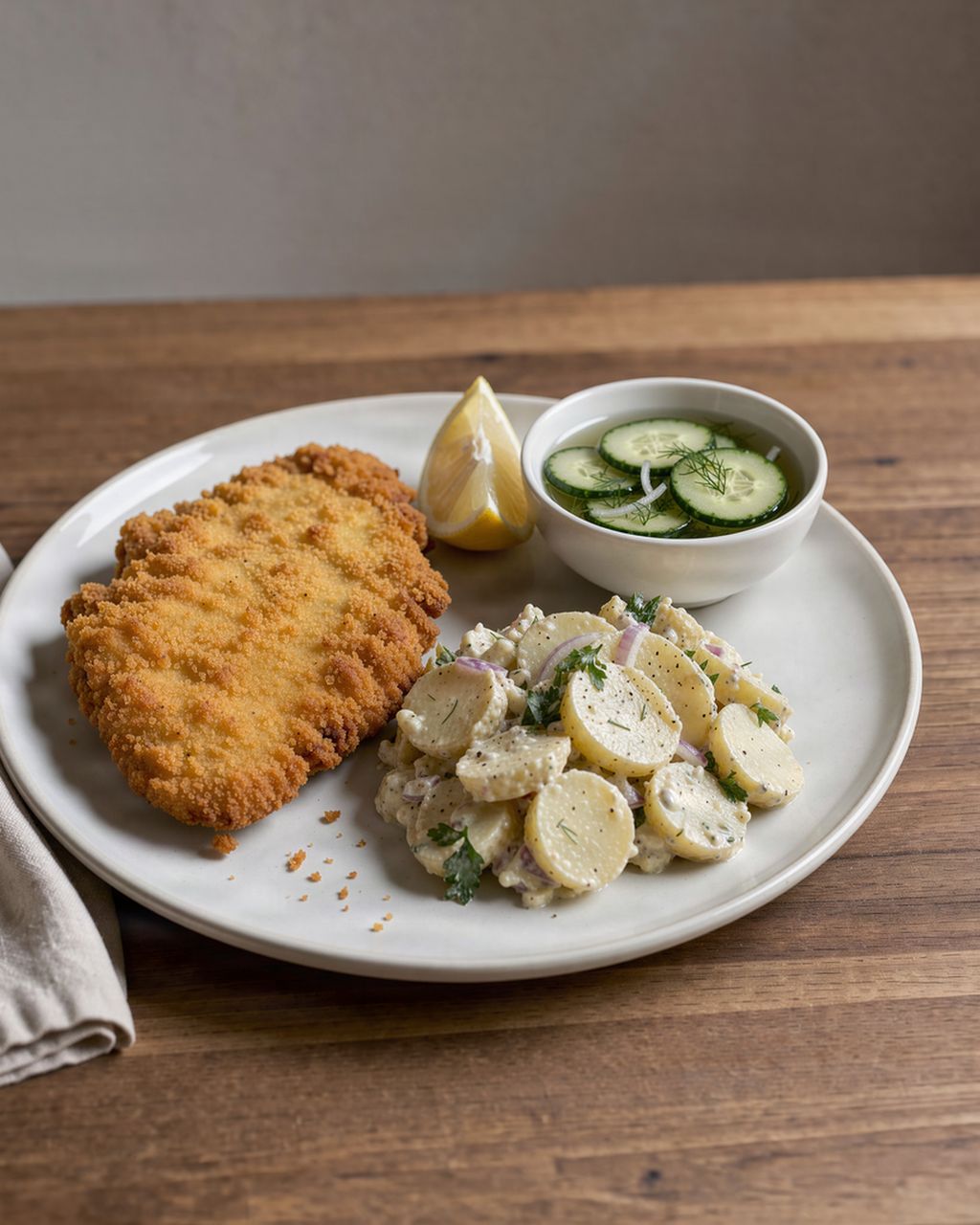
Sides: traditionally potato salad, cucumber salad or parsley potatoes; fries are common now. A lemon wedge on top.
Eaten: a restaurant classic and a Sunday dish.
On Czech menus you will also see vídeňský řízek (Viennese schnitzel). Czech menus do not follow the Austrian labeling law, so if the meat matters to you, ask what it is made from.
Two sides dominate, and families tend to have strong views on which is correct.
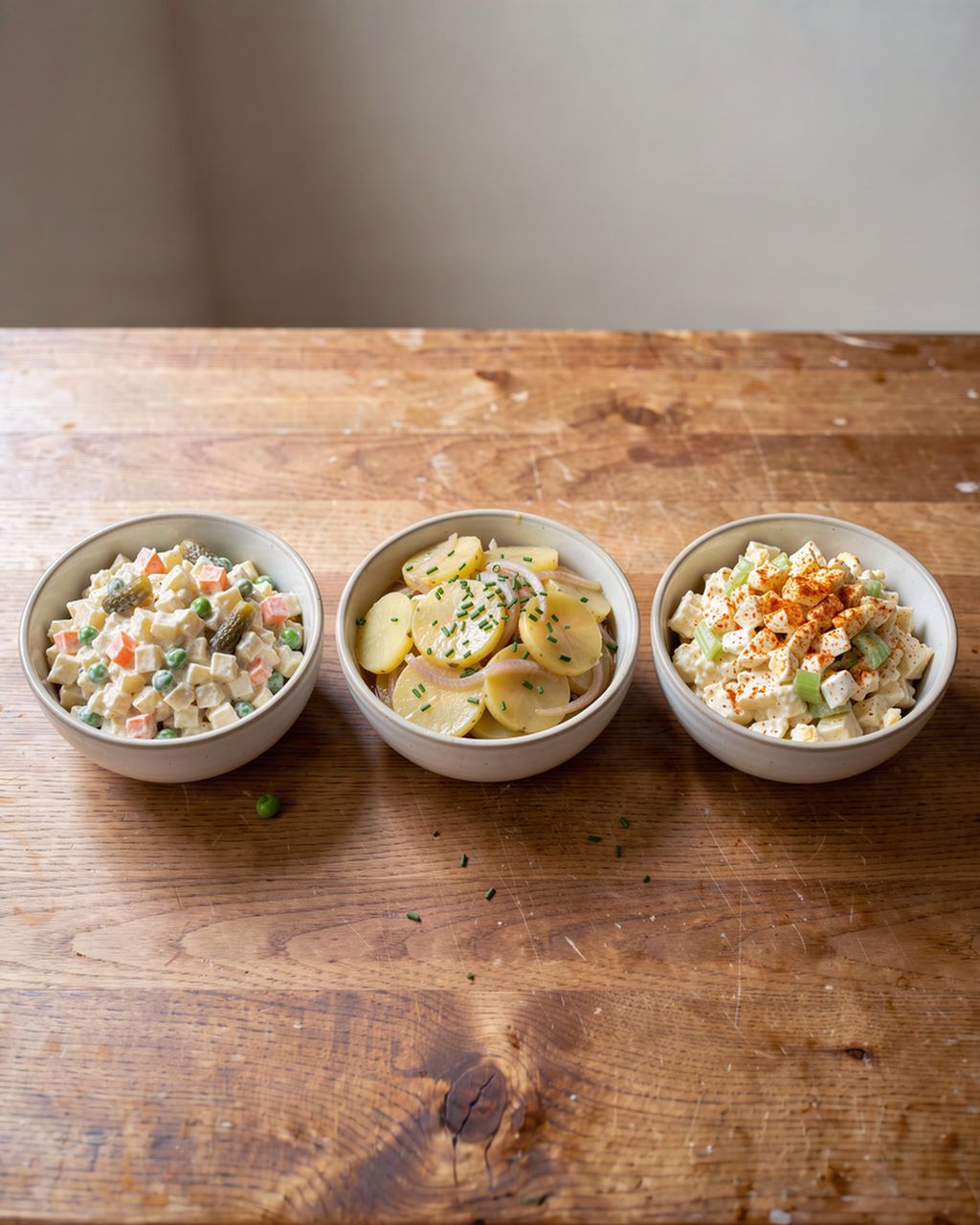
Potato salad (bramborový salát). The Czech version is creamy, with mayonnaise, diced pickles, onion, and often cooked carrot, celeriac, peas and egg. It is quite different from the Austrian potato salad, which is dressed with vinegar, broth and onion and contains no mayonnaise. Czech cooks make it ahead so the flavors settle, and it waits covered, in the fridge. For timings, see how long potato salad lasts in the fridge.
Mashed potatoes (bramborová kaše). Smooth, buttery and made with milk. Schnitzel with mash is the canteen and family-lunch classic. Our guide to mashed potatoes covers texture and reheating.
Boiled potatoes with butter and parsley, fries, or rice turn up too. A slice of lemon and a pickled gherkin on the side are almost standard.
For potato salad, the potato matters more than the dressing. Waxy potatoes that hold their shape after boiling give the neatest salad.
The traditional Czech Christmas Eve dinner (Štědrý večer, 24 December) is fried carp with potato salad. That pairing is younger than many people think: Czech food historians date fried carp with potato salad as the standard Christmas Eve dinner to the 20th century, and it became nearly universal only after 1945.
Today many families serve fried pork or chicken schnitzel instead of carp, or next to it. The side stays the same: the big bowl of potato salad made the day before. Surveys differ on how many households have switched, but schnitzel is clearly a common Christmas Eve main, especially in families with children who do not like fish bones.
If you are planning a Czech Christmas Eve, see what to serve instead of carp and how much carp and potato salad per person.
Yes, and many Czech households do, especially at Christmas when the stove is busy.
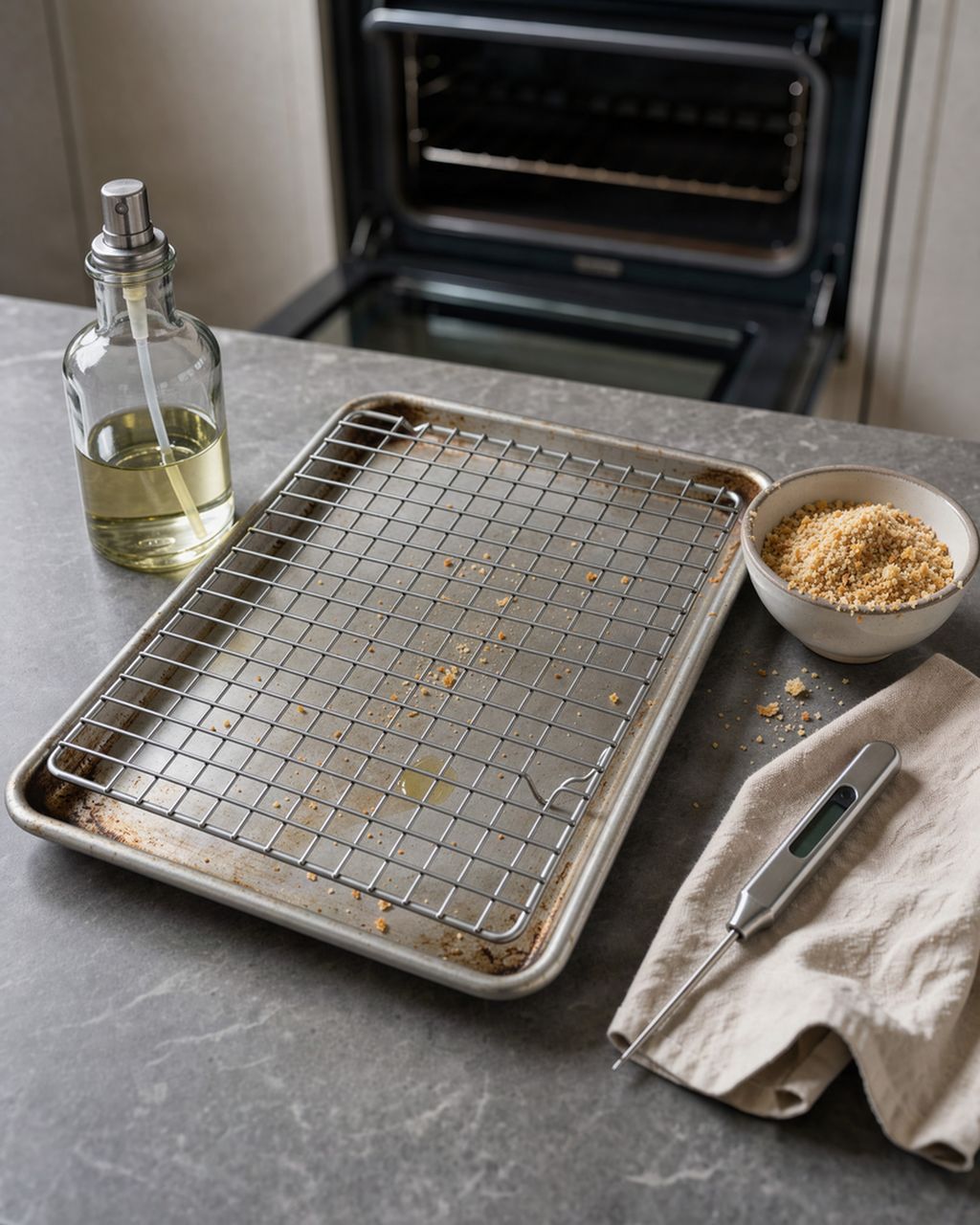
Oven-baked. A breaded schnitzel can be baked on a tray with a little fat instead of fried. The crust is less puffy but still crisp. For temperatures and times, see oven-baked schnitzel.
Made ahead. Schnitzels can be breaded or fried in advance, chilled or frozen, and reheated. Our article on make-ahead schnitzel covers how long they keep and how to freeze them.
A true Wiener Schnitzel is best fried and eaten straight away, since the puffed crust softens as it sits. A Czech řízek is more forgiving: plenty of Czechs will tell you a cold schnitzel, kept overnight in the fridge, in a slice of bread the next day is half the reason to make it.
A Czech schnitzel is called řízek, and the breaded fried kind is smažený řízek. It is most often made from pork or chicken.
Under Austrian law, a dish sold as Wiener Schnitzel must be made from veal. In Austria a pork version is sold as Wiener Schnitzel vom Schwein, and in Germany it is usually labeled Schnitzel Wiener Art.
The main difference is the meat: a Czech řízek is usually pork or chicken, while a true Wiener Schnitzel is veal. The Viennese crust is also typically looser and wavier, and the sides differ.
Czechs most often eat schnitzel with potato salad or mashed potatoes, and sometimes with boiled potatoes. A lemon wedge and a pickle are common on the side.
Many Czech families serve fried schnitzel on Christmas Eve instead of, or next to, the traditional fried carp. It goes with the same potato salad, and plenty of people simply prefer it to fish.
One recipe worth heating the oven for, one tip, and one deal from the shop. Nothing else.