What to Serve with Goulash: Czech Dumplings, Bread and Other Sides
Czech vs Hungarian vs American Goulash: What's the Difference?
Updated Nov 18, 2026
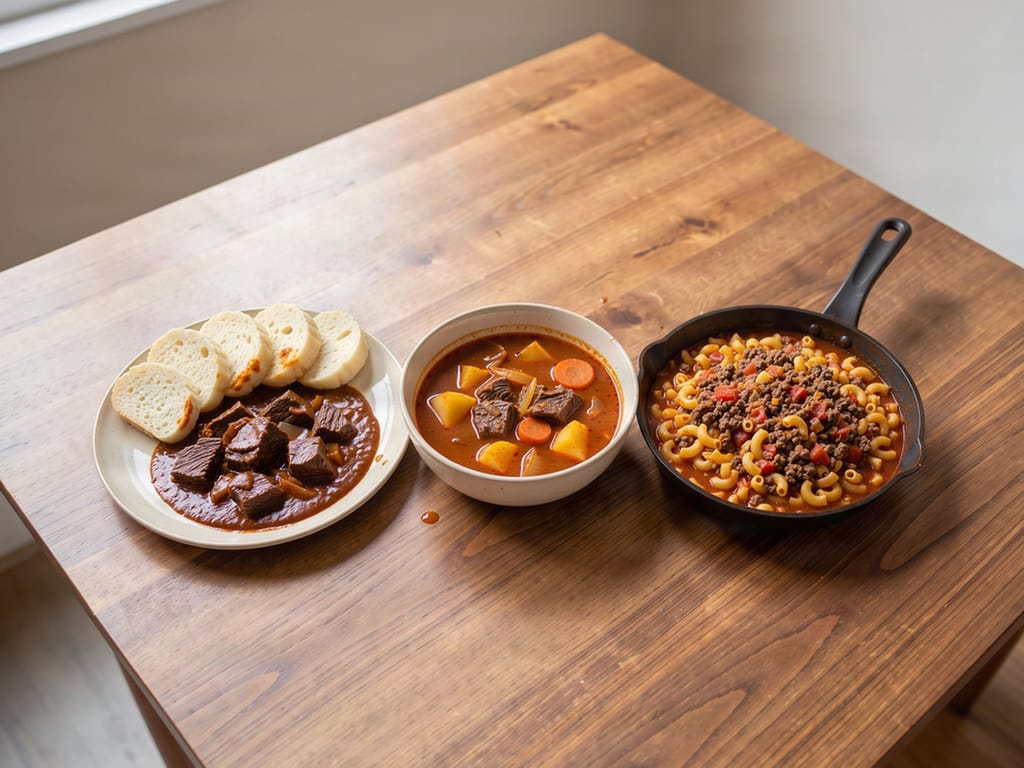
Czech goulash (guláš) is a thick beef and onion stew eaten with dumplings, Hungarian gulyás is a soup, and American goulash is macaroni with ground beef in tomato sauce. The stew most people outside Hungary call Hungarian goulash is really pörkölt, and paprikás is a pörkölt finished with sour cream. Here is how all of them differ, side by side.
Five dishes get called goulash somewhere, and in Hungary plain gulyás means the soup.
Czech guláš: thick beef and onion stew, sweet paprika, caraway, marjoram, garlic. Served with sliced bread dumplings or bread.
Hungarian gulyás: a soup of beef, onion, paprika, caraway, potatoes and root vegetables, often with tiny pinched noodles (csipetke).
Hungarian pörkölt: the thick paprika and onion stew that most of the world calls Hungarian goulash. No flour, no cream.
Hungarian paprikás: a pörkölt finished with sour cream, most often made with chicken.
American goulash: macaroni, ground beef and tomato sauce, cooked in one pot.
The name comes from Hungarian gulyás, meaning herdsman. The soup was cattle drovers' food cooked in a kettle, and the word travelled with it.
Recipe of the week, one tip that saves you time and one deal from the shop. Unsubscribe in one click.
The next issue goes out on Thursday, November 26.
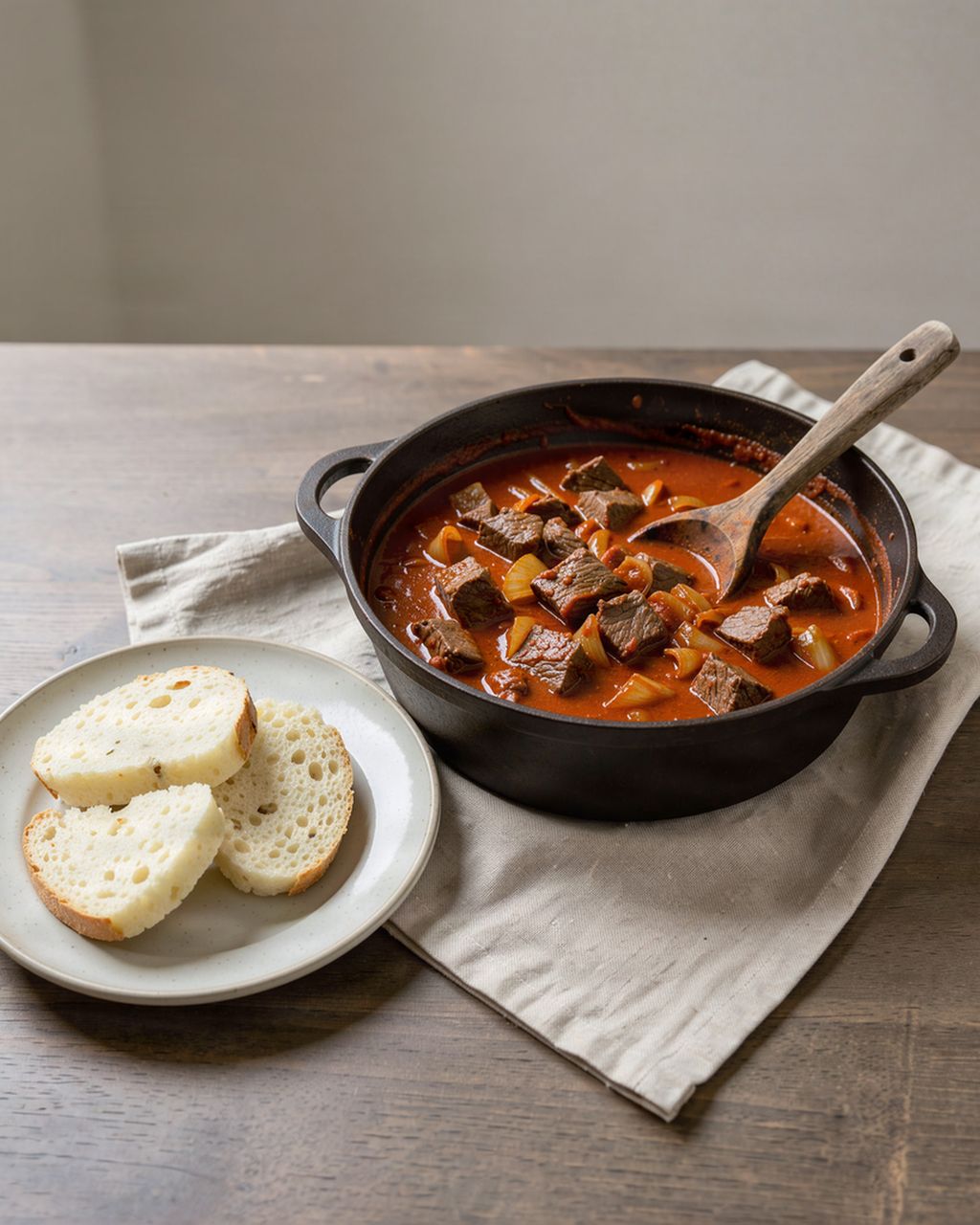
Czech guláš is a pub and home classic: chunks of beef, usually shin or shoulder, braised slowly with a lot of onion until the onion melts into a thick, dark, glossy sauce. Pub-style recipes often use close to as much onion as meat by weight.
The seasoning is what makes it Czech:
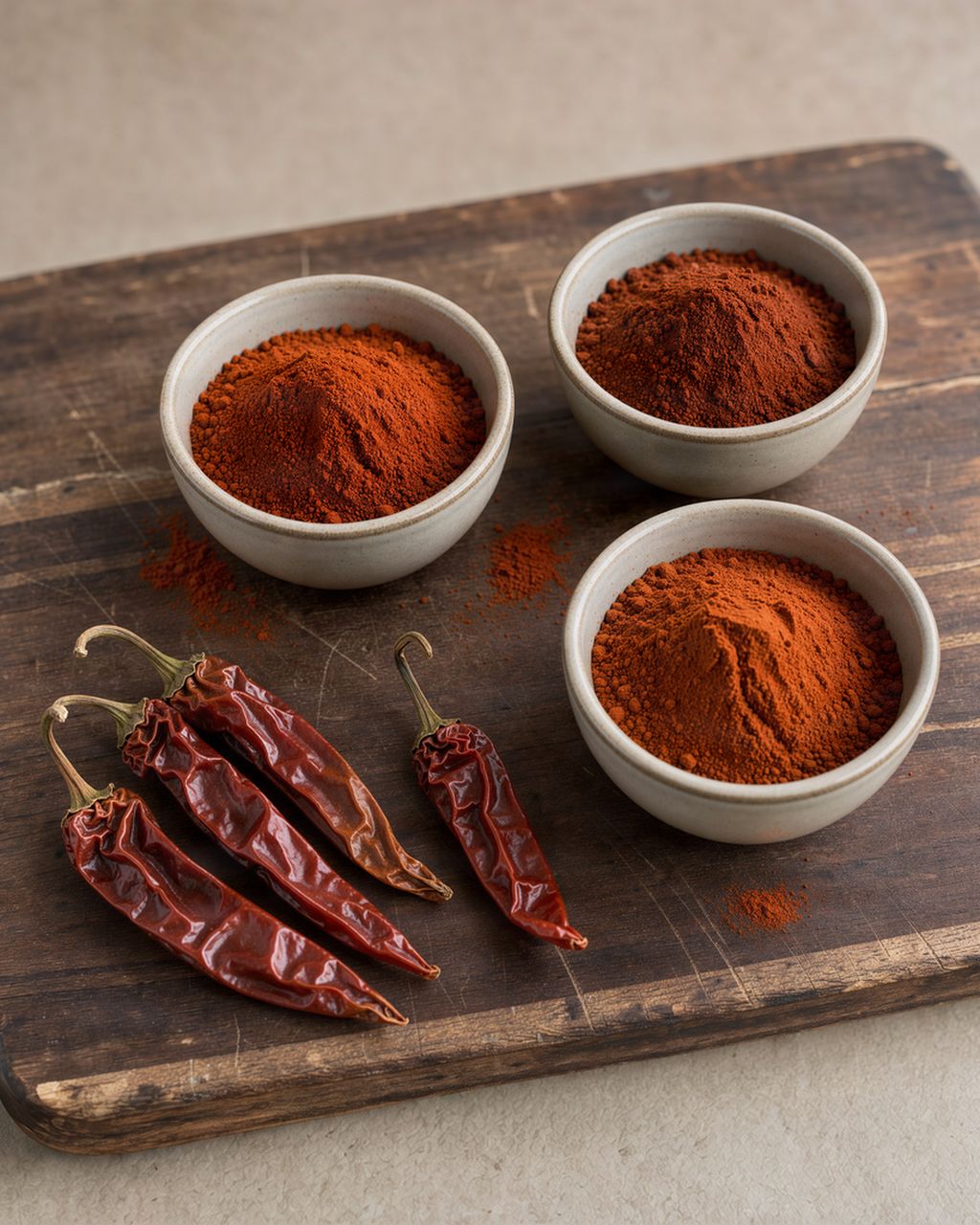
Sweet paprika for color and depth, sometimes with a little hot paprika.
Caraway seeds, which Czech cooks use far more than Hungarians do in this dish.
Marjoram, usually dried, added near the end.
Garlic, and often a spoon of tomato paste.
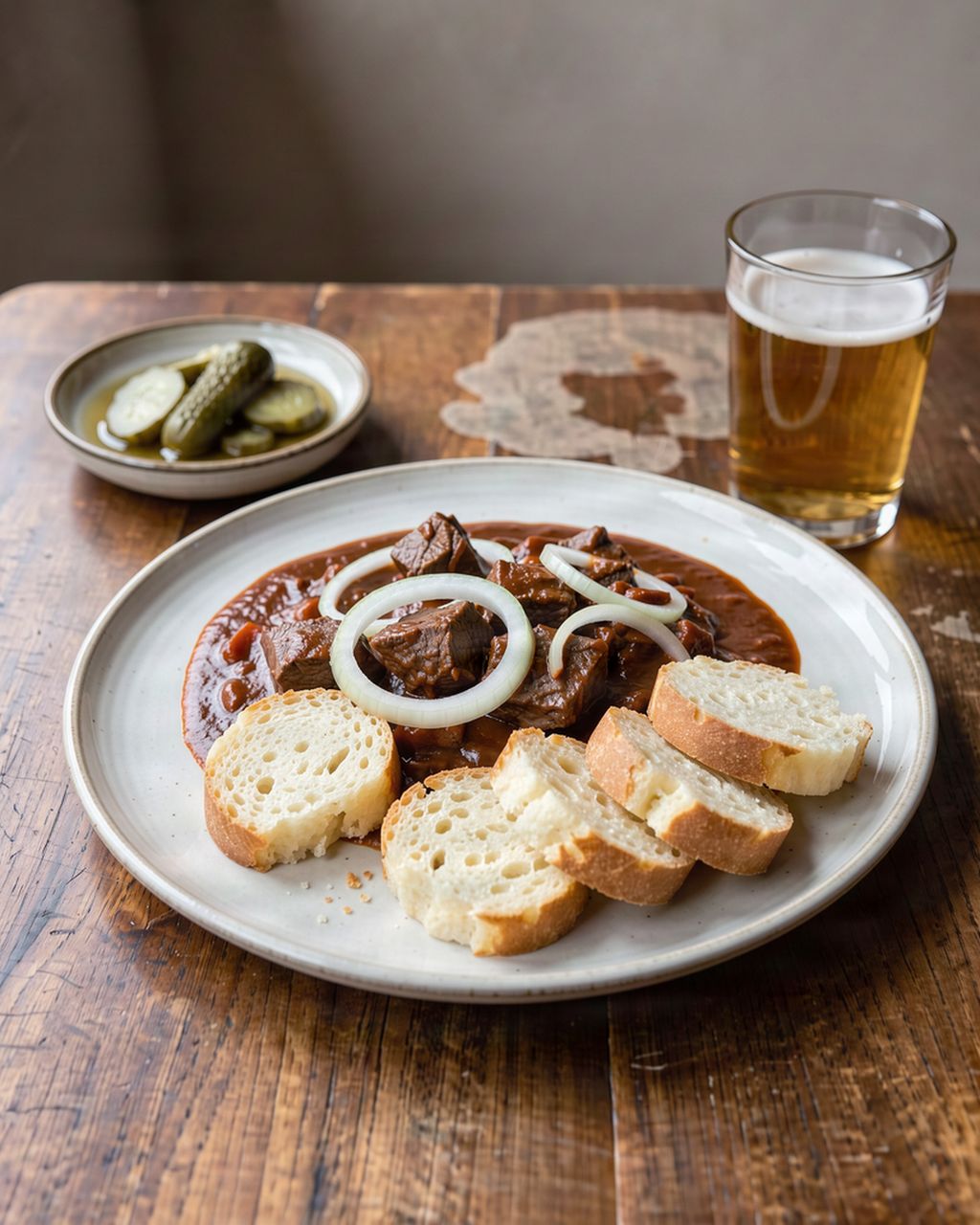
The sauce is thicker than in Hungary. Some cooks dust in flour, others rely on the onion alone or grate in a stale roll. It is served on a plate, not in a bowl, with sliced bread dumplings, and in pubs often topped with raw onion rings. See how to thicken goulash and which beef cut to use.
Czech kitchens also make gulášová polévka, goulash soup, which is the closer cousin of Hungarian gulyás.
In Hungary, gulyás always means a soup. It starts much like a stew: onions softened in fat, plenty of good sweet paprika, beef, caraway and garlic. Then water or stock goes in with diced potatoes, carrots, parsnip or parsley root and peppers, and it is cooked until the meat is tender and the broth is rich and red.
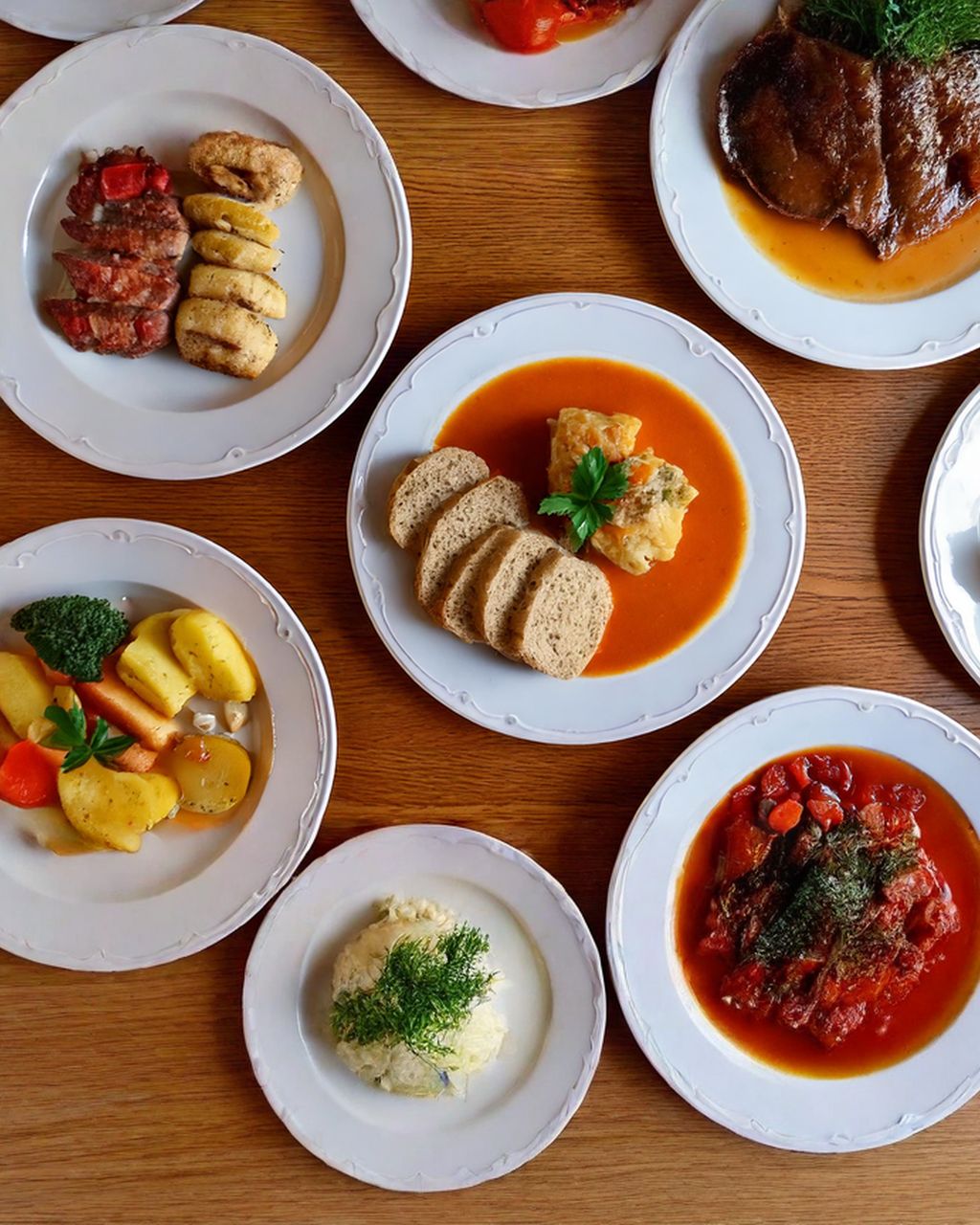
It is eaten from a bowl, often with csipetke, small pinched egg-dough noodles, and bread on the side. It is a full meal, not a starter.
If you order goulash in Budapest and expect a thick stew, this is the surprise. Ask for pörkölt instead.
These are the two dishes most often confused with goulash.
Pörkölt is a thick stew of meat, a lot of onion and paprika. The onion and the meat juices make the sauce; it is not thickened with flour and has no cream. Beef, pork, veal and chicken are all common. It is served with nokedli (small egg dumplings, close to spätzle) or boiled potatoes, and pickles.
Paprikás starts as a pörkölt but is finished with sour cream, often mixed with a spoon of flour so it does not split. The sauce turns creamy and pale orange. Csirkepaprikás, chicken paprikash, is the best known. It also comes with nokedli.
Hungarian cooks use these names loosely at home, but the rule of thumb holds: no cream is pörkölt, sour cream is paprikás.
Czech guláš sits closest to pörkölt. The differences are the caraway and marjoram, the thicker, often flour-bound sauce, and the dumplings.
American goulash is a different dish that kept the name. It is ground beef browned with onion, cooked with tomato sauce or canned tomatoes and elbow macaroni, all in one pot. Some versions add paprika, bell pepper or cheese.
Printed recipes go back to the early 20th century, and the name is strongest in the Midwest and South, where it is often just called goulash. In New England, almost the same dish is called American chop suey. It is closer to a quick pasta bake than to anything from Hungary or Czechia.
Nothing wrong with it. Just don't use it as a guide for a Czech or Hungarian recipe.
Czech guláš: beef chunks (also pork). Onion, sweet paprika, caraway, marjoram, garlic. Thick sauce, sometimes with flour. Served with bread dumplings or bread, eaten from a plate.
Hungarian gulyás: beef chunks. Onion, paprika, caraway, garlic, potatoes, root vegetables. Brothy. Served as a soup with bread or csipetke.
Hungarian pörkölt: beef, pork, veal or chicken. Onion and paprika. Thick, no flour, no cream. Served with nokedli or potatoes.
Hungarian paprikás: usually chicken. Onion, paprika, sour cream. Creamy. Served with nokedli.
American goulash: ground beef. Onion, tomato, sometimes paprika. Saucy pasta. One-pot meal on its own.
If you are cooking from a Czech recipe and only have Hungarian-style paprika, that is fine: sweet Hungarian paprika is what most Czech cooks use anyway. See sweet ground paprika and caraway seeds.
Two more names you may see on menus:
Segedínský guláš (Szeged goulash) is a Czech favorite of pork stewed with sauerkraut and finished with sour cream, served with bread dumplings. Its Hungarian counterpart is usually called székelygulyás, which Hungarians usually trace to the 19th-century writer József Székely; which name came first is argued about.
Viennese goulash (Wiener Saftgulasch) is an Austrian beef stew with lots of onion and paprika and very little else, closer to pörkölt than to the Hungarian soup.
All of them are paprika and onion stews at heart. The Czech version is the one with dumplings, caraway and marjoram.
Czech goulash is a thick stew served with bread dumplings, while Hungarian gulyás is a soup with potatoes and vegetables. Czech guláš is closest to Hungarian pörkölt, but it is usually thicker and seasoned with caraway and marjoram as well as paprika.
In Hungary, gulyás is a soup. The thick paprika stew that is sold abroad as Hungarian goulash is called pörkölt in Hungary.
Paprikash (paprikás) is finished with sour cream, goulash is not. Paprikás starts like a pörkölt stew, usually with chicken, and gets sour cream, often mixed with a little flour, at the end, which makes the sauce pale orange and creamy.
American goulash borrowed the name, not the recipe. It is a one-pot dish of macaroni, ground beef and tomato sauce that shares little with Hungarian or Czech goulash beyond meat and sometimes paprika, and in New England a near-identical dish is called American chop suey.
The Hungarian herdsmen's gulyás soup is the root of the name: gulyás means herdsman in Hungarian. Czech guláš, Austrian Gulasch and the American dish all took the name later and changed the dish along the way.
One recipe worth heating the oven for, one tip, and one deal from the shop. Nothing else.