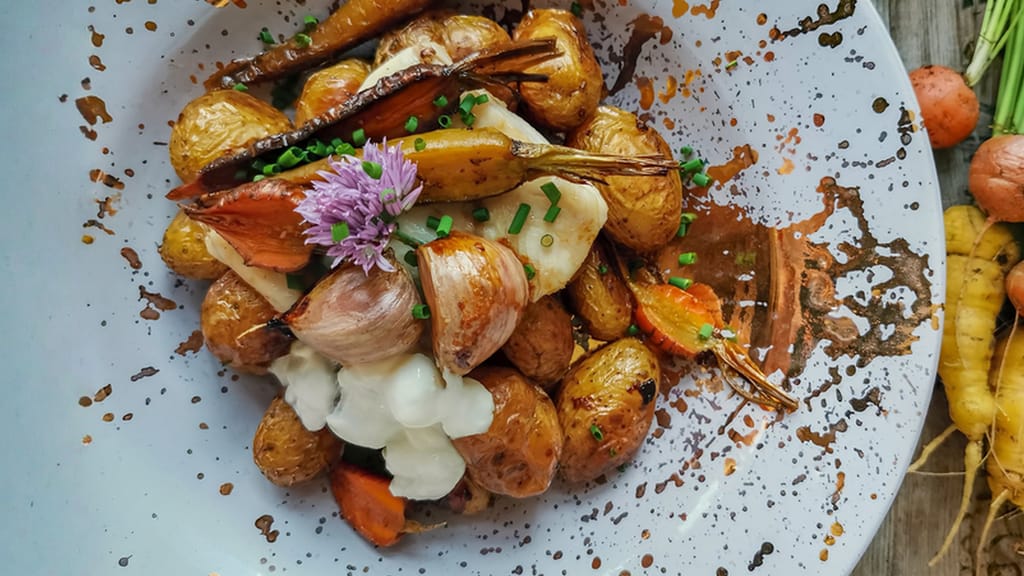
Roasted carrots and potatoes with butter-fried fish fillet
Fish Fillet Recipes: Butter-Basted, Battered, Crusted, and a Christmas Eve Alternative to Carp
Updated Nov 20, 2026
Fish fillet recipes that work on a weeknight and on Christmas Eve come down to a few simple methods: fillets in butter, baked with a crust, battered, in a cream sauce, or served with a grain. Here you'll find them all, with eight tested recipes, advice on handling frozen fillets, and how to tell when the fish is done.
You'll get the best results with fish fillet using one of these eight methods: butter-basted with roasted potatoes, baked under a cheese crust, battered and fried until golden, pan-seared with a cream sauce, with bulgur and mushrooms, with pasta, with risotto, and on Christmas Eve in an almond coating instead of carp. They all share the same basics: pat the fillet dry, salt it just before cooking, and take it off the heat when the flesh turns white and starts to flake.
Butter-basted: pangasius with roasted carrots and potatoes, 45 minutes.
Crusted: cod under a Parmesan and breadcrumb crust, 50 minutes.
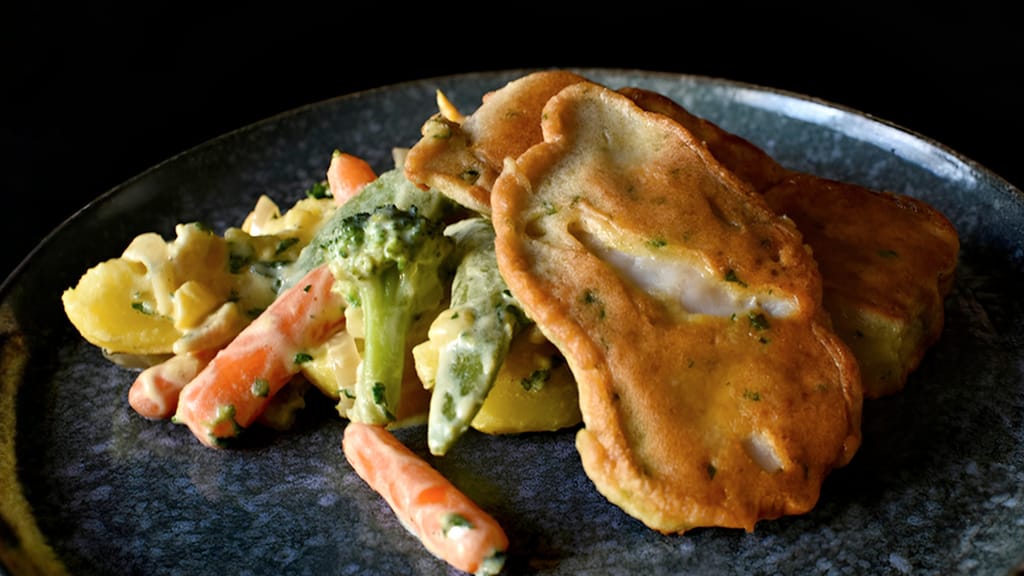
Battered: cod fried in an herb batter with potato-carrot purée, 230 minutes including thawing in the fridge.
Pan-seared with sauce: cod with lemon, cream and chives, 19 minutes.
With a grain: cod with bulgur, mushrooms and pumpkin seeds, 44 minutes.
With pasta: tilapia with spaghetti, olives and cherry tomatoes, 30 minutes.
With risotto: halibut with risotto and spinach, 51 minutes.
For Christmas Eve: pollock in an almond coating, 25 minutes.
How to soften gingerbread that’s gone hard, when to fill Linzer cookies and how to tell the carp is done. One recipe and one tip a week. Unsubscribe in one click.
The best fish for fillet recipes is a lean white fish with firm flesh that doesn't fall apart when cooked and doesn't smell strongly fishy. These are the ones you'll meet most often in stores:
Atlantic cod, skinless fillet: the classic, with pale flesh in large flakes. It handles butter, batter and a crust, and it's the most common fish in the recipes below.
Pollock: delicate flesh that holds together in batter, which makes it good for coatings and for a festive table.
Zander (pikeperch), skin-on: a freshwater fish with a mild, slightly sweet flavor. The skin crisps up in the pan when you cook the fillet skin side down and turn it only once.
Pangasius and tilapia: softer and milder, and easy to find frozen. They suit the pan and a sauce best; in the oven they dry out quickly without protection.
Halibut: velvety flesh in thicker portions that sears well to a golden crust.
The rule for swapping is simple: replace one lean white fish with another lean white fish. But watch thickness more than species. A thin pangasius fillet is done several minutes sooner than a thick cut of cod, so when you substitute, go by how the flesh looks rather than the recipe's timing.
One more shopping tip: frozen fillets are often covered in a thin layer of ice, called a glaze, which protects the fish from drying out in the freezer. After thawing it turns into water, which is why drying the fish matters so much.
You can thaw frozen fish fillet overnight in the fridge, more quickly in cold water in a sealed bag, or cook it straight from frozen. Thawing is the safer bet whenever you coat the fish or pan-sear it. Cooking from frozen suits the oven and fish simmered in a sauce.
In the fridge: the US Food and Drug Administration (FDA) recommends thawing fish and seafood slowly in the fridge overnight. Put the fillet on a plate or in a bowl so the juices don't run onto the shelf. All the recipes in this article assume this method.
In cold water: if you're in a hurry, submerge the fillet in a sealed bag in cold water and change the water every 30 minutes. According to the US agency FSIS, cook the fish right away afterward and don't leave it sitting.
Without thawing: you can put a frozen fillet straight into the oven or into a sauce. Allow more time and check doneness at the thickest point. Frozen fillets don't suit batter or a crust: the coating browns before the fish cooks through, and the melting ice underneath releases water.
After thawing, don't rinse the fillet; just dry it thoroughly with a paper towel. Everything else depends on this. Wet fish steams in the pan instead of searing, the butter spatters, and the batter slides off. If a thawed fillet still looks damp, leave it on a towel for a few minutes and then dry it once more.
Fish fillet is done when it reaches 63 °C (145 °F) at the thickest point, or when the flesh loses its glassy look, turns white and flakes apart under gentle pressure from a fork. The US agency USDA FSIS gives 63 °C (145 °F) as the safe minimum for fish.
Insert the thermometer from the side into the thickest part of the fillet, not from above through the thin edge.
Without a thermometer, lift the flesh at the thickest point with a fork. Done fish is white and opaque all the way to the center, and the flakes separate easily.
A glassy, translucent center means the fish needs a little longer.
Dried-out fish is the most common mistake. A thin fillet cooks in a few minutes and keeps cooking on the plate, so take it off as soon as it turns opaque inside. Every extra minute in the pan only squeezes out the juices and makes the flakes start to fall apart.
Butter-basted fish fillet is cooked briefly in a pan: first on one side in hot fat until it releases from the pan on its own, then turned once and finished in butter, which you spoon over the fillet. Butter alone burns quickly at high heat, so start with a splash of oil and add the butter after turning.
Salt and pepper the dried fillet just before cooking. Salt left on fish for a long time draws water to the surface.
Heat a spoonful of oil in the pan over medium-high heat. Lay the fillet in, presentation side down, and don't move it until it releases from the pan on its own.
Turn it, add a knob of butter, and once it foams, tilt the pan and spoon the foaming butter over the fish.
Take it off as soon as it's white all the way through. Add lemon right at the end: it keeps its fresh flavor and the crust on the fish doesn't soften.
Choose a wide pan so the pieces lie side by side without touching. If you crowd it, the temperature drops, the fish releases water, and instead of a golden crust you get pale, overcooked fillet.
Which fat: plain butter gives the best flavor but burns. Clarified butter (ghee) tolerates higher heat, which is why the pollock in almond coating uses it. Oil with butter is the compromise: the oil controls the temperature and the butter adds flavor. That's how the recipes for cod with lemon sauce and tilapia with pasta work.
The most everyday combination is butter-basted fish fillet with roasted potatoes and carrots. In the recipe Roasted Carrots and Potatoes with Butter-Basted Fish Fillet, you roast small potatoes and carrots, each on its own tray, drizzled with olive oil, salted and peppered. Frozen pangasius fillets are thawed ahead in the fridge, dried (not rinsed), seasoned with salt, pepper and, if you like, fresh herbs, and cooked in butter. On the plate you add a spoonful of plain yogurt and drizzle everything with olive oil. The whole thing takes 45 minutes, and the potatoes and carrots roast while you deal with the fish.
Roasted carrots and potatoes with butter-fried fish fillet
Butter-basted fish fillet with roasted potatoes and carrots
To make butter fish fillet in the oven, lay it in a baking dish, season with salt and pepper, top with slices of butter, about 10 to 15 g per portion, and bake at 230 °C (445 °F) for roughly 4 to 10 minutes depending on thickness: a 1 cm (about ½ in) fillet takes about 4 minutes, a 1.5 cm (about ⅝ in) fillet about 6 minutes, and a thick 2.5 cm (1 in) cut about 8 to 10 minutes. A frozen fillet needs roughly double. The butter melts, mixes with the juices from the fish, and makes a ready-made sauce in the bottom of the dish, which you spoon over the fish and the side on the plate.
It works the same way with vegetables: put thinly sliced zucchini, bell pepper or halved cherry tomatoes under the fillet, salt them and drizzle with oil. Thinly cut vegetables cook in the same time as the fish. Thick pieces of carrot or potato would need a head start, so pre-roast them separately.
To make fish fillet with herb butter, place a slice of chilled butter with parsley or dill, lemon zest and a pinch of salt on the hot cooked fillet and let it melt. Mix the butter softened, roll it into a log in plastic wrap and chill it. For the oven, you can put it on the raw fillet straight away. In a pan, add it only in the last seconds, because delicate herbs would turn bitter in hot fat.
Butter-basted fish fillet with mashed potatoes works because smooth, buttery mash doesn't overpower the flavor of the fish and soaks up the butter from the pan. You'll find a ready method in the recipe Smooth, Creamy Mashed Potatoes with Nutmeg, made with butter, milk and cream. The same applies as for any mash or purée: work it briefly until smooth, then stop. Long whisking or blending breaks down the starch and makes the mash gluey. For a more colorful version with carrots, see the battered cod below.
Baked fish fillet with a crust is the surest way to get crunchy fish on the table without frying: you cook the fish until tender first, then briefly bake it under the broiler with a cheesy breadcrumb topping.
The recipe Fish Fillet with a Crunchy Crust uses frozen cod fillet, which you thaw, ideally overnight in the fridge, dry, salt on all sides and sprinkle with sweet ground paprika. You then steam the fish in a steam oven on a perforated tray using the fish fillet program for 35 minutes, though the recipe also offers a no-steam route. Finally, you mix grated Parmesan with breadcrumbs and dried garlic, cover the whole surface of the fish with the mixture, and bake under the convection broiler (turbo grill) until the crust turns golden and crisp.
Why it works: the fish is done before the broiler comes into play, so the broiler only deals with the crust. There's no risk of the surface blackening while the center is raw. Don't salt the crust; the salted fish and the cheese provide the saltiness. And stay by the oven: the breadcrumbs brown in a moment and burn a moment later.
You can add chopped parsley or grated lemon zest to the crust. Mix either into the breadcrumbs with the cheese; it brightens the flavor and the method stays the same.
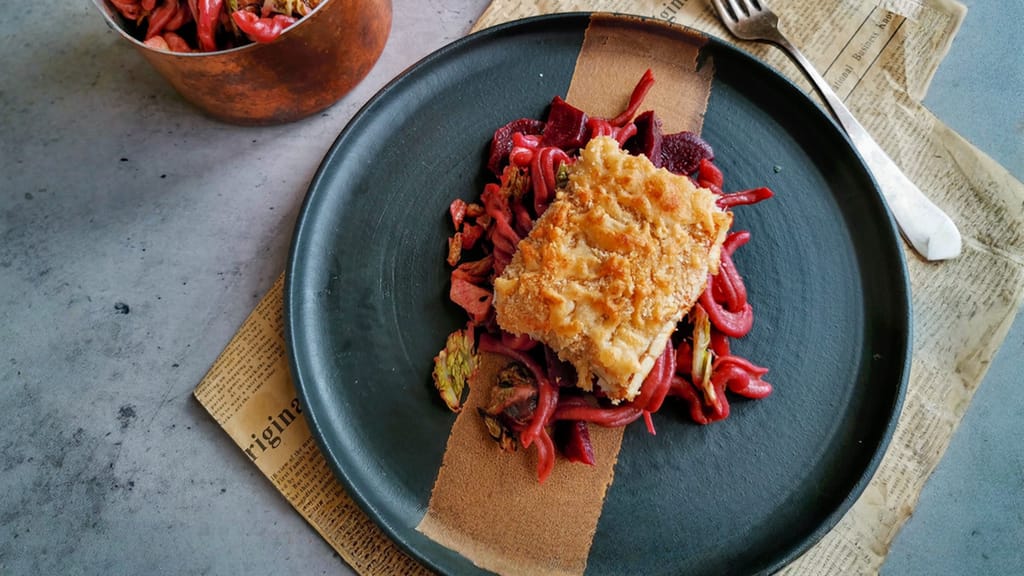
Fish fillets with a crispy crust
Baked cod fillet with a Parmesan and breadcrumb crust
Battered cod is a festive and kid-friendly classic: fillets coated in a thick batter and fried golden in a deeper layer of oil.
In the recipe Battered Cod with Potato-Carrot Purée, you thaw frozen cod fillets in the fridge ahead of time, dry them with paper towels and season both sides with salt and pepper. Make the batter from an egg and all-purpose (plain) flour, whisk until smooth and season with salt, pepper, thyme leaves and chopped parsley. It should be a little thicker than pancake batter so it clings to the fish. Then heat a deeper layer of canola oil in a pan, coat the fillets on both sides and fry until golden.
How to tell the oil is hot enough: a drop of batter sizzles right away and floats up. If it just sinks lazily to the bottom, the oil is cold and the batter will soak it up. Fry in small batches, because each new piece cools the oil.
As for the purée: boil peeled potatoes, carrots and garlic cloves in salted water until tender, drain, add pieces of butter and hot cream, and blend until smooth with an immersion blender. Blend only briefly: as soon as the purée is smooth, stop, or it will turn gluey. The total time for the recipe is 230 minutes, because the frozen fillets are first thawed in the fridge.
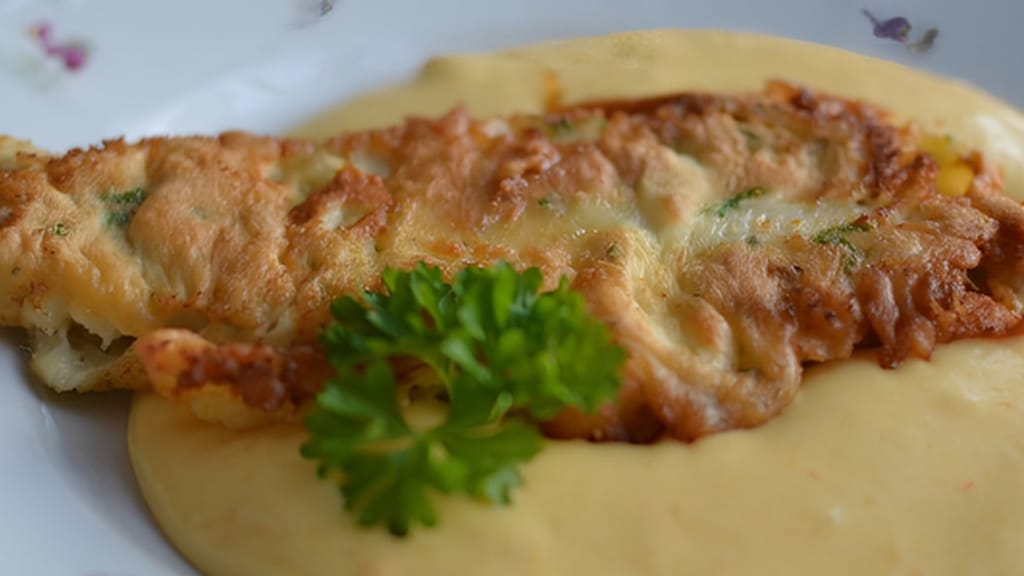
Battered cod with potato-carrot purée
Battered cod with potato-carrot purée
Pan-seared cod is the fastest fish dinner: a thin coating of flour, a short sear, and a sauce made in the same pan.
The recipe Cod with a Delicate Lemon-Chive Sauce takes 19 minutes. Salt and pepper thawed, dried cod fillets and let them sit for a while in melted butter with lemon. Then lift them out, let them drip, coat them in all-purpose (plain) flour and shake off the excess; a thin coating sears better. Sear them in the pan in butter with a spoonful of olive oil, so the butter doesn't burn, until golden on both sides, pour in whipping cream and let it finish cooking. On the plate, scatter the fish generously with chopped chives and serve with pan-fried potatoes.
One detail the recipe stresses: don't use the butter that the raw fish sat in again. Use fresh butter for the sauce and for searing.
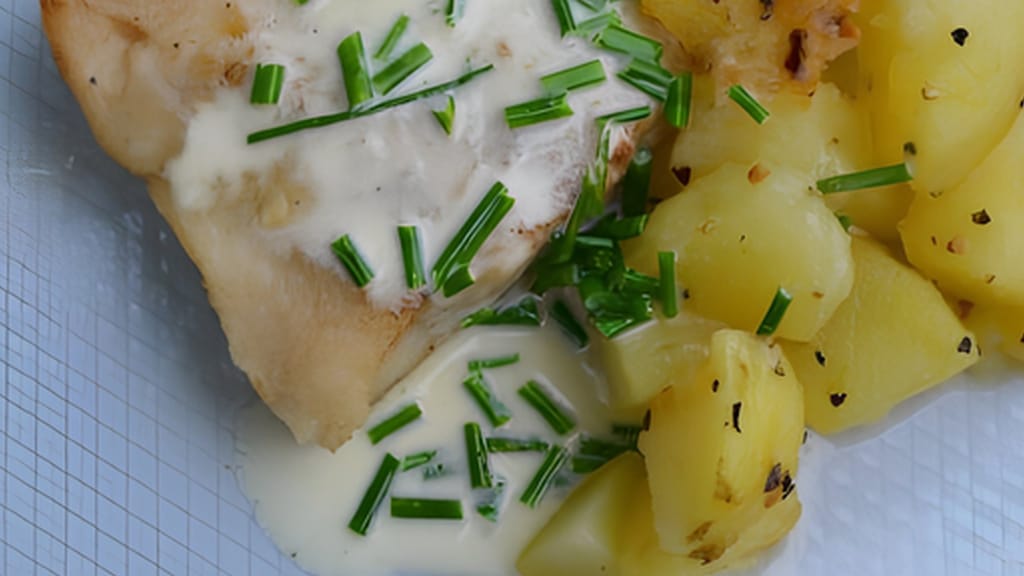
Cod with a delicate lemon-chive sauce
Pan-seared cod with lemon-chive sauce in 19 minutes
Pan-seared cod with bulgur is a quick dinner with no coating or sauce: seared fillet, bulgur and sautéed mushrooms in 44 minutes. In the recipe Fish with Bulgur, Mushrooms and Pumpkin Seeds, you cook the bulgur according to the package directions and keep it warm under a lid. In a large pan with sunflower oil, sauté onion cut into wedges with quartered mushrooms until their water evaporates. Dry skinless Atlantic cod fillets, salt and pepper them, and sear them on both sides in a smaller pan with a splash of oil until the flesh turns white at the thickest point. Pour the fat and juices left from the fish over the bulgur, toast the pumpkin seeds in a dry pan, and serve everything together.
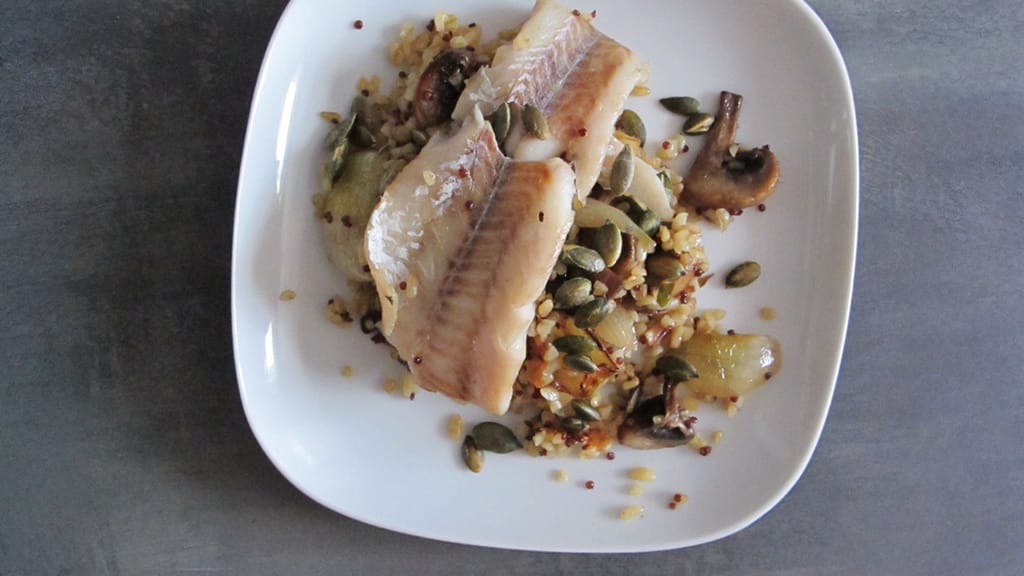
Fish with bulgur, mushrooms and pumpkin seeds
Pan-seared cod with bulgur, mushrooms and pumpkin seeds in 44 minutes
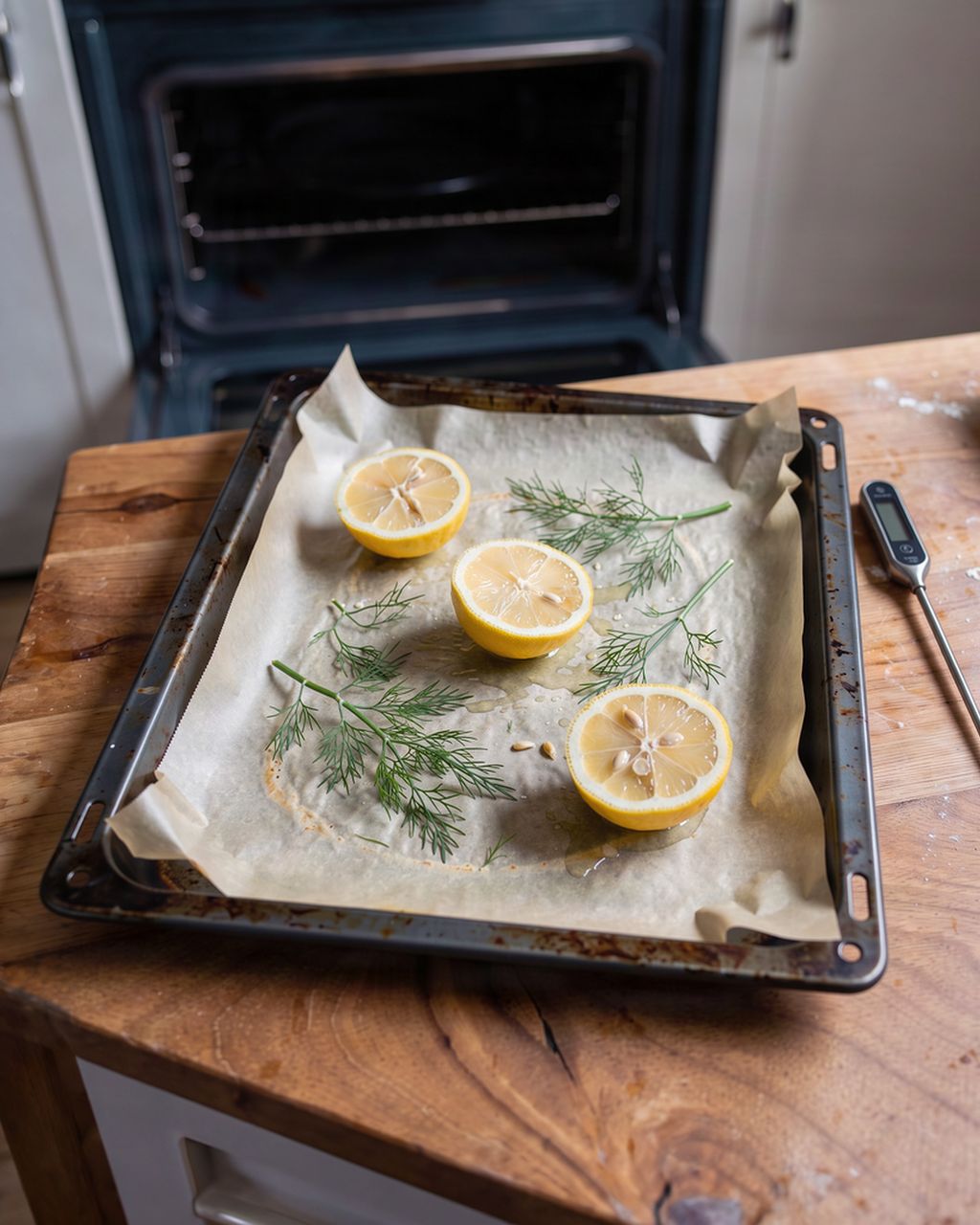
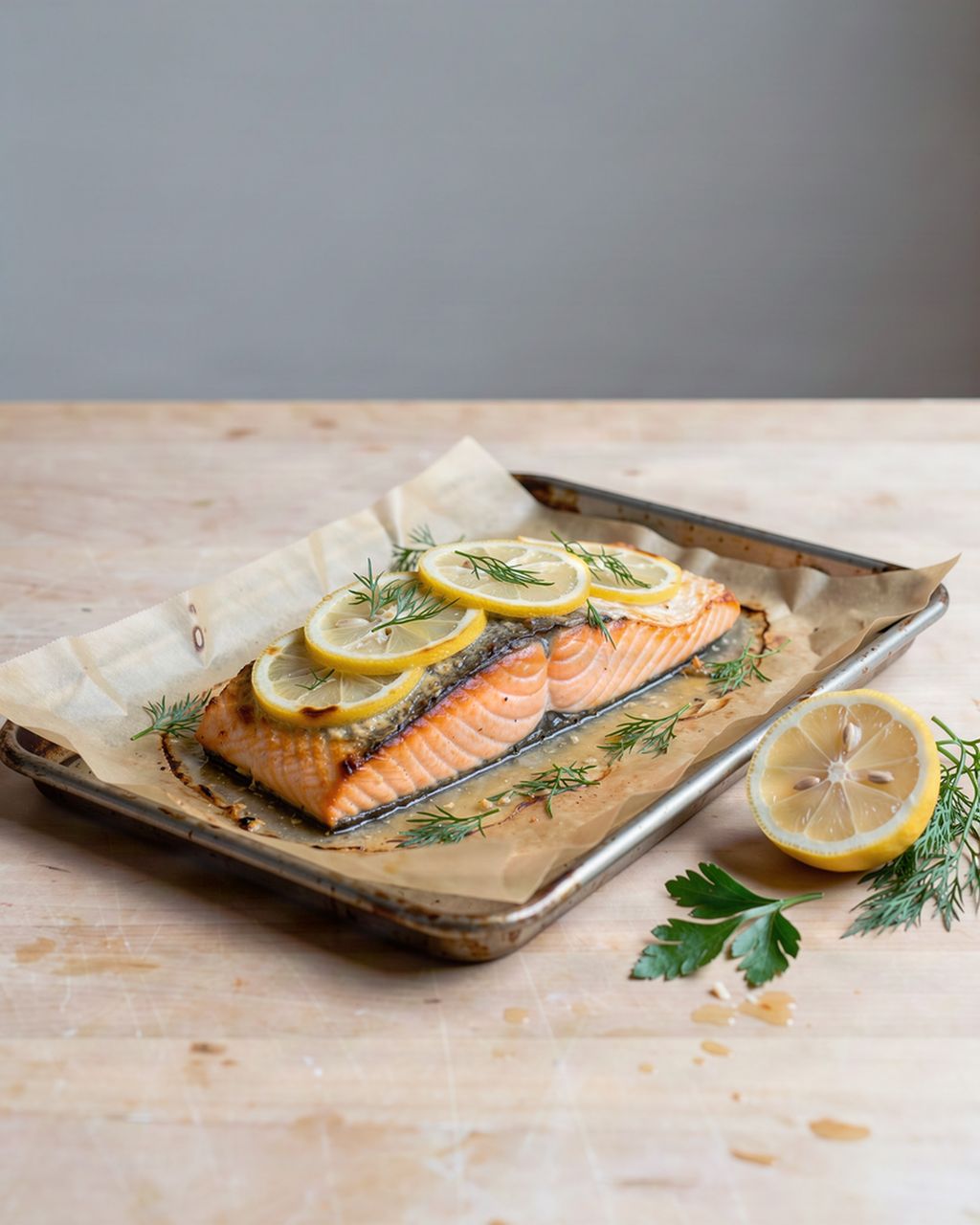
Bake cod in the oven at 230 °C (445 °F) and allow roughly 10 minutes per 2.5 cm (1 in) of thickness: a thin 1 cm (about ½ in) fillet about 4 minutes, a regular 1.5 cm (about ⅝ in) fillet about 6 minutes, a thick 2.5 cm (1 in) cut about 8 to 10 minutes. It's the least work of all: fillet on a tray lined with parchment paper, drizzle with oil, salt, top with lemon slices and bake until it turns white. You can put frozen cod in the oven without thawing, just allow roughly double the time, about 20 minutes per 2.5 cm (1 in), and check doneness at the thickest point. For times for other fish and for whole fish, see the article what temperature to bake fish in the oven.
The oven dries fish out faster than a pan, because hot air surrounds it on all sides. Anything that protects it helps: slices of butter on top, a layer of vegetables underneath, or a crust as in the recipe above. Lean cod with no protection is done sooner than you think, so keep an eye on it from the halfway point.
A piece of parchment paper folded over the dish traps steam, and the fish half-steams in it. That's a good choice for thin pangasius or tilapia fillets, which dry out fastest on an open tray.
Fish fillet is also great in pasta and risotto, because the delicate flesh breaks into flakes and coats the starch.
In the recipe Pasta with Tilapia, Olives and Tomatoes, you cook spaghetti in generously salted water and meanwhile cut thawed, dried tilapia fillets into larger pieces. In a large pan with olive oil and butter, sauté finely chopped onion, add the fish, turn it after a minute and add quartered cherry tomatoes and olives. Pour in cream, combine the sauce with the drained spaghetti and a little pasta water, and sprinkle with Parmesan to taste; it's done in 30 minutes. Stir the fish only gently, by pushing, so it stays in pieces.
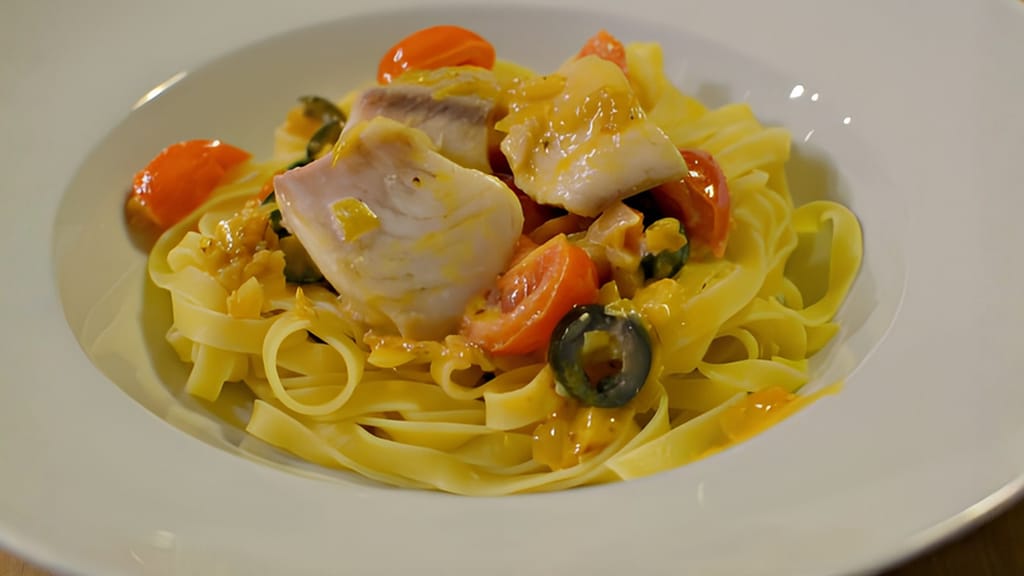
Pasta with tilapia, olives and tomatoes
Tilapia fillet with spaghetti, olives and cherry tomatoes in 30 minutes
Halibut makes the best fish fillet with risotto: seared portions of fish, creamy risotto and wilted spinach in 51 minutes. In the recipe Halibut with Italian Risotto and Spinach, sauté onion with garlic in oil until translucent, add arborio rice, pour in white wine and gradually add hot vegetable broth for about 20 minutes, then stir in Parmesan at the end. Briefly wilt fresh spinach in the remaining garlic. Dry the halibut portions, salt and pepper them and sear them in oil for roughly 2 to 3 minutes per side, without turning them until they release from the pan on their own, and drizzle them with lemon just before serving.
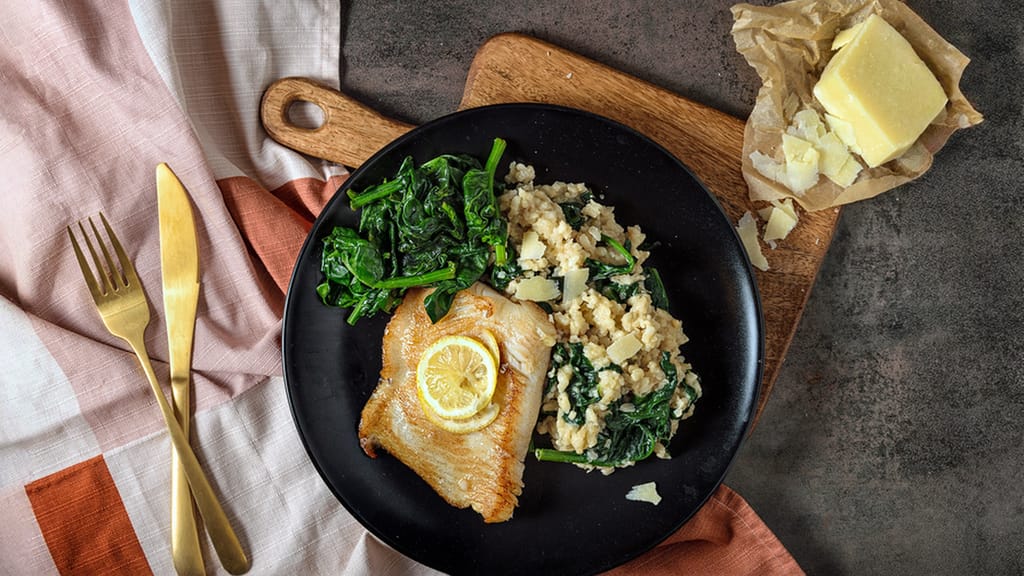
Halibut with italian risotto and spinach
Seared halibut fillet with risotto and spinach
For kids, prepare cod boneless, mildly seasoned and with a crisp surface. Five things help: pulling out the bones, fish sticks, a crust, a gentle side and a dip.
Bones: even a skinless fillet can have small bones. Before you cook it, run your fingertips over the flesh from head to tail and pull out anything you feel with tweezers or your fingers.
Fish sticks: cut the fillet into strips about as thick as a finger, coat them in all-purpose (plain) flour, beaten egg and breadcrumbs, and pan-fry in oil until golden on all sides. The strips cook quickly, so the coating doesn't have time to darken.
Crust: kids take a baked fillet with a cheese and breadcrumb crust as a coating they know, and underneath is plain, mild fish.
Side: smooth potato-carrot purée or mashed potatoes. Put the lemon on the table separately so anyone who wants it can add it.
Dip: plain yogurt mixed with chopped chives and a pinch of salt. It keeps in the fridge while the fish finishes cooking, and kids like dipping the fish in it.
Fish fillet goes best with potatoes in any form, rice, bulgur, pasta and vegetables that cook as quickly as the fish. Keep the sauce simple so it doesn't overpower the delicate fish.
Boiled potatoes with butter and parsley: a classic that soaks up the butter from the fish.
Lemon butter: melted butter with lemon zest and a few drops of juice, poured over the fish right after cooking.
Yogurt dill sauce: served cold with warm fish, so you can make it ahead.
Buttered peas: frozen peas are ready in the same time as a pan-seared fillet.
Vegetable salad: lettuce with cucumber, olive oil, lemon and salt. Dress it just before serving so it doesn't wilt.
A general rule: with battered fried fish, something fresh and tart; with butter-basted fish or fish in a cream sauce, a neutral side that soaks up the sauce.
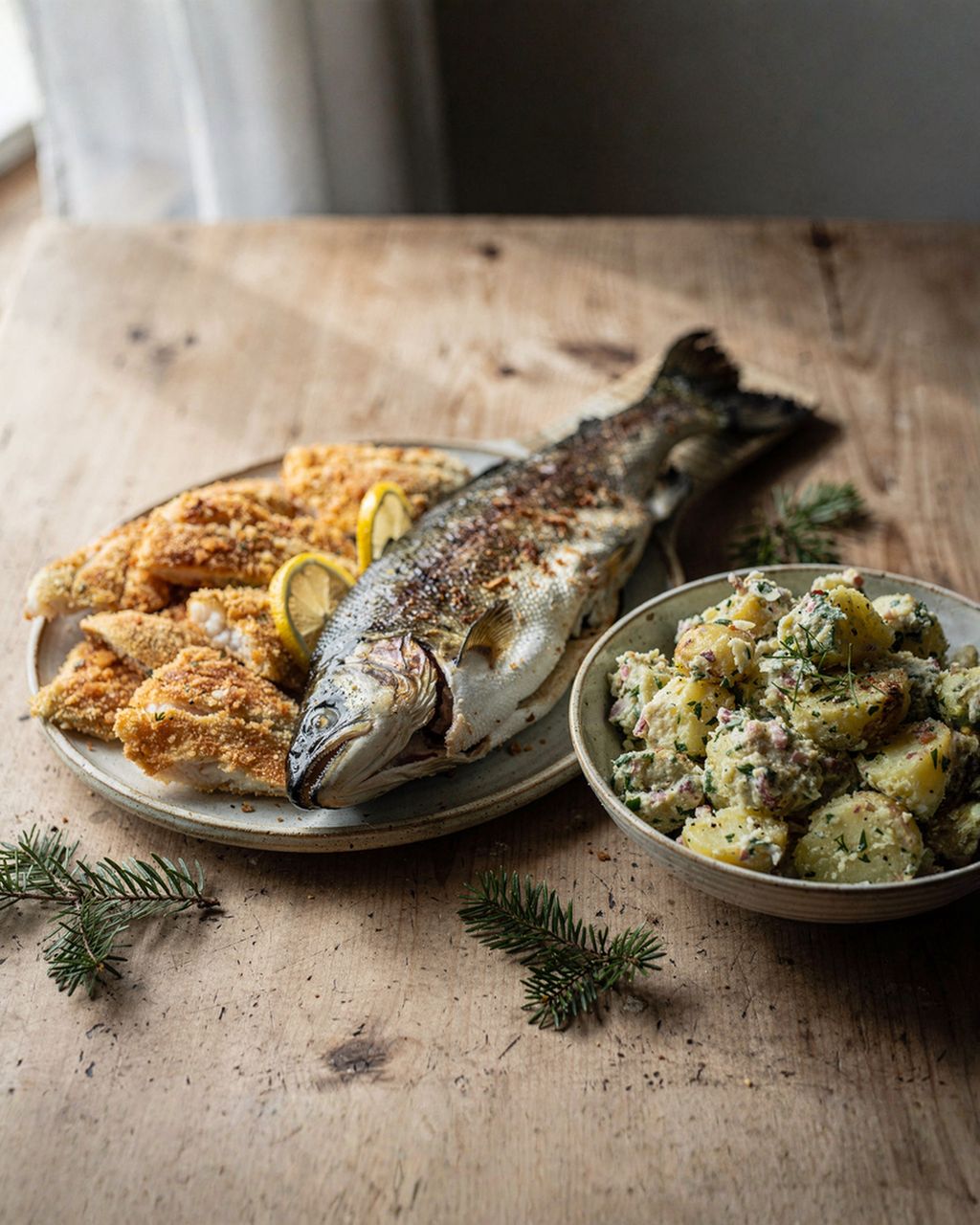
Fish fillet is the easiest replacement for carp on Christmas Eve in the Czech tradition: no gutting and almost no bones, and it goes just as well with potato salad. Why and when to reach for fillet instead of carp is covered in the article what to serve instead of carp on Christmas Eve. Here are the methods.
An Unconventional Christmas Eve Menu: Pollock in Almond Coating is done in 25 minutes, and instead of breadcrumbs you coat it in a batter of eggs, ground almonds, parsley and buckwheat flour. Thaw the frozen fillets in the fridge, ideally overnight, or in a sealed bag in cold water that you change every 30 minutes, then dry them and season with salt and pepper. Whisk the eggs with a fork, salt them, add the ground almonds and finely chopped parsley, and add buckwheat flour until the batter has the right thickness. Coat each fillet, let it drip, and fry it in clarified butter over medium heat on both sides until golden, until the fish is white inside.
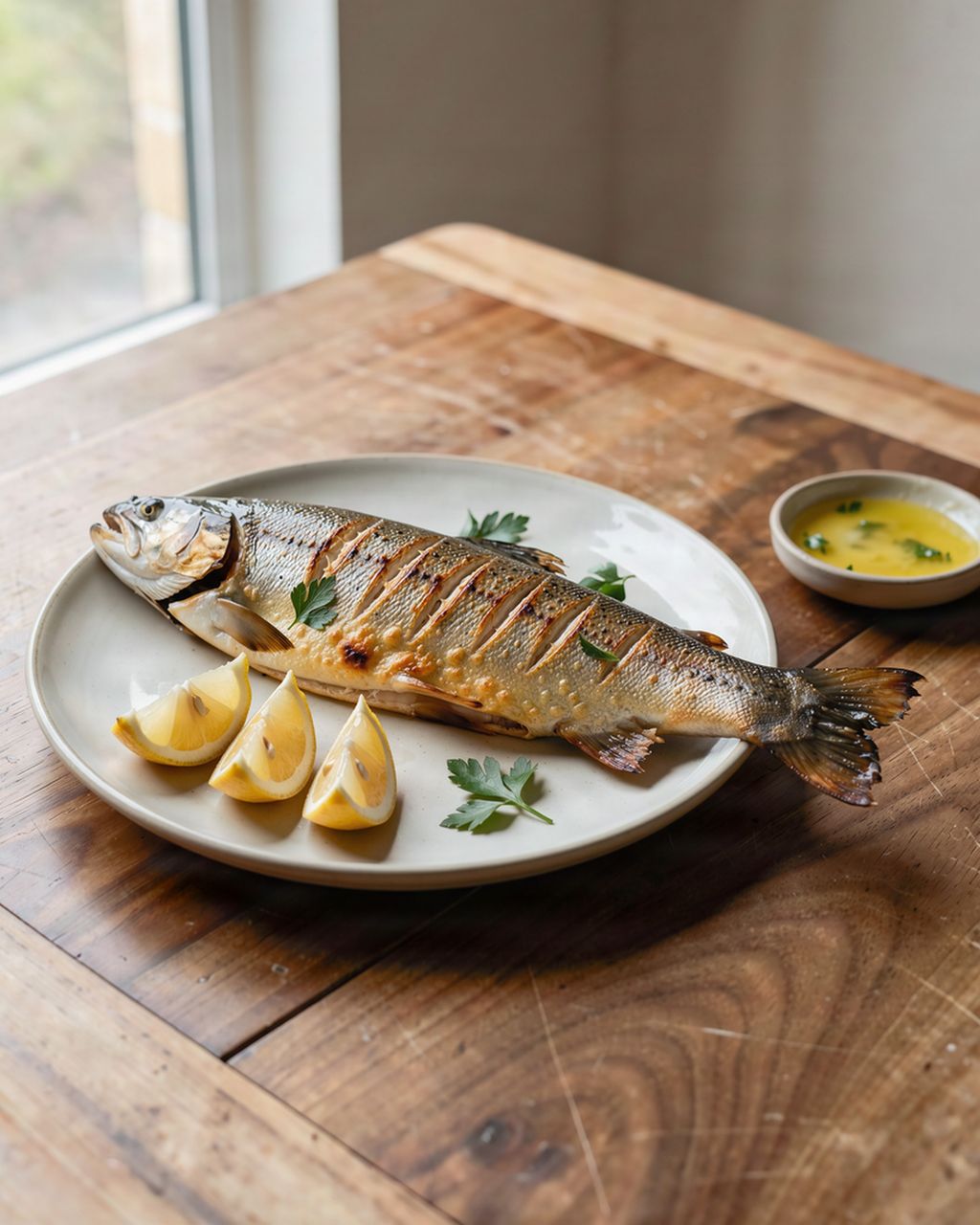
The second festive option is butter-basted zander with the skin on. Dry the skin and score it shallowly several times across so the fillet doesn't curl in the pan. Lay it skin side down in hot oil, press it for a few seconds with a spatula and let the skin crisp up. Then turn it, add butter and finish the fish by basting, as with the butter-basted fillet above.
A salad goes with Christmas Eve fish: the classic recipe and variations are in the article potato salad for Christmas Eve.
Timing on Christmas Eve: coat and fry only just before dinner, because the batter softens on waiting fish. Put the finished pieces on a rack, not a plate, so they don't steam from underneath, and fry in small batches so the oil doesn't cool.
An unconventional christmas eve menu: hake in almond batter
Pollock in almond coating instead of carp on Christmas Eve
Fish fillet turns watery, falls apart or sticks to the pan almost always for one of six reasons: a wet surface, a cold pan, a crowded pan, turning too early, salt left on the fish too long, and cooking too long.
Wet surface: an undried fillet simmers in its own water in the pan. Dry it, even twice.
Cold pan: the fish sticks and tears when you turn it. The fat must be hot before you lay the fillet in.
Crowded pan: the temperature drops and the fish releases water. Cook in batches.
Turning too early: the fillet releases from the pan on its own once it has a crust. If it holds on, wait longer.
Salting too far ahead: it draws water to the surface. Salt just before cooking.
Too long on the heat: the flakes dry out and fall apart. Take the fish off as soon as it's opaque inside.
For a main course, plan on 150 to 200 g (about 5 to 7 oz) of fish fillet per person. The recipes in this article use 350 to 600 g for four servings, because the fish comes with a generous side. On Christmas Eve, when the fish is the star, go closer to the upper end.
Refrigerate baked or fried fish fillet within two hours of cooking and eat it within 3 to 4 days; both figures come from the US agency FSIS for leftovers. Store it in a sealed container and reheat it gently so it doesn't dry out, but make sure it's hot all the way through, at least 70 °C (158 °F) for 2 minutes. Battered or crusted fish loses its crunch when reheated and tastes best fresh.
According to the US agency FSIS, fish fillet thawed in the fridge can be refrozen without cooking, though expect lower quality because the fish loses some of its juices. Fillets thawed in cold water or in the microwave should be cooked before you refreeze them. It's more convenient to freeze fish in portions and thaw only as much as you'll eat.
The energy value of butter-basted fish fillet depends mainly on the type of fish and the amount of butter, so there is no single number. Look up the figure for the fish itself in the nutrition table on the package and add the butter according to its label. The pangasius recipe with butter in this article uses 10 g of butter for four servings.
It depends on how you cook it: skin-on fillets suit the frying pan, while skinless fillets are better for batter, crusts, sauces and pasta. The skin crisps up in the pan when you lay the fillet skin side down and turn it only once, typically with zander (pikeperch). Skinless fillets such as cod are easier to coat, but run your fingers over them to check for small bones.
You can tone down a strong fishy smell by drying the fish thoroughly and using lemon and herbs, but the quality of the fish matters most. Thaw frozen fillets in the fridge and pour off the liquid that runs out, since it carries the most odor. Add lemon juice only to the finished fish, and wash the pan and fat right after cooking.
One recipe worth heating the oven for, one tip, and one deal from the shop. Nothing else.