Zucchini stuffed with ground meat
Updated Sep 5, 2026
Raw ground meat keeps in the fridge for 1–2 days, and cooked dishes made from it for 3–4 days — but only if your fridge is genuinely running at 0–4°C (32–39°F). Ground meat is the fastest-spoiling meat you'll ever bring home: grinding spreads surface bacteria through the entire mass, and the surface area where they can multiply grows dramatically. That's why different rules apply to it than to a steak or a roast. Below you'll find exact timeframes by type of meat, why they're so short, how to store it so those two days actually hold up, and the telltale signs that it's already too late.
Raw ground meat lasts 1–2 days in the fridge at 0–4°C (32–39°F); with ground poultry it's safer to count on just one day, and cooked dishes made from it keep for 3–4 days. Here's the breakdown by type:
Raw ground beef, pork, or a mix: 1–2 days from purchase, and never past the "use by" date.
Raw ground chicken and turkey: better to stick to just 1 day — the official window is the same (1–2 days), but poultry gives you less margin for error.
Shaped raw patties, meatloaf mix, or meatballs: 1 day. Egg, onion, and soaked bread shorten the shelf life compared to plain meat.
Cooked dishes made from ground meat (bolognese, meatloaf, stuffed vegetables): 3–4 days in a sealed container.
Meat thawed in the fridge: 1 day, and don't refreeze it raw.
In the freezer at −18°C (0°F): 3–4 months before flavor and texture noticeably suffer. It stays safe longer than that, but it stops being good.
Both the USDA and Czech food-safety guidance agree on the upper limit: raw ground meat gets two days, not a week. If you know in advance you won't use it within two days, freeze it the day you buy it — not on day three, once half the shelf life is already gone.
With ground meat, the "use by" date is also binding, not a suggestion. Under EU Regulation No. 1169/2011, this label is used specifically for highly perishable foods, and once it passes, the food is legally considered unsafe. That's a different category from the "best before" date on flour or pasta, where nothing dramatic happens on day D itself.
Ground meat spoils faster than a steak or roast because grinding spreads surface bacteria through the whole mass, multiplies the surface area enormously, and ruptures the cells. Each of these three factors shortens shelf life on its own:
It spreads bacteria inward. On a whole muscle cut, bacteria live almost exclusively on the surface — the inside is essentially clean. Grinding chops up that surface and mixes it through the whole batch, so microbes end up right in the center of a burger too.
It multiplies the surface area. One piece of meat becomes thousands of tiny particles. Each one has its own surface to grow bacteria on and its own exposure to oxygen.
It warms the meat and ruptures the cells. Crushed muscle fibers release juice rich in protein and sugars — an ideal feeding ground for bacteria, and also the reason ground meat browns/grays faster.
The practical upshot: with a steak, searing the surface is enough; with ground meat, the center has to be fully cooked too. A rare steak is safe because the interior of a whole muscle is, under normal conditions, essentially bacteria-free. A rare burger doesn't have that advantage.
Ground meat belongs in the coldest part of the fridge, ideally between 0 and 2°C (32–36°F). The reason is purely microbiological: common spoilage and pathogenic bacteria start multiplying noticeably faster above 4°C, while growth is slowed right near freezing. Every extra degree eats into those two days.
Regulations take this just as seriously. Under EU Regulation (EC) No. 853/2004 (Annex III, Section V, Chapter III), ground meat must be stored at a temperature of no more than +2°C, while meat preparations are allowed up to +4°C (7°C is the limit for whole fresh meat, not for prepared products). Czech regulation No. 69/2016 Coll. (§7(5)) further states that packaged ground meat intended solely for domestic retail must be kept at no more than +4°C. So if you keep your fridge at 0–4°C at home, you're within the same range the manufacturer assumed when printing the date on the package.
What this means for your kitchen:
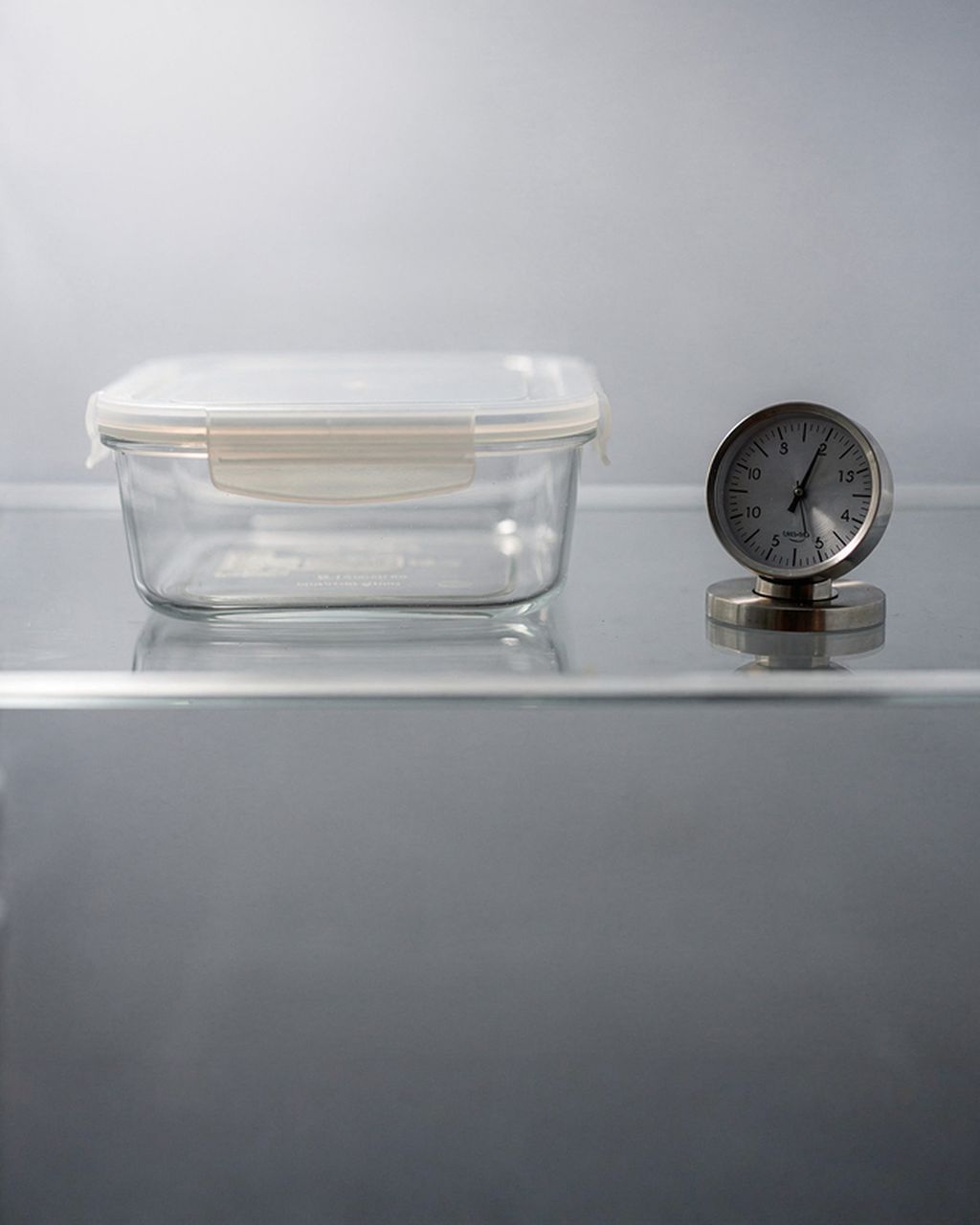
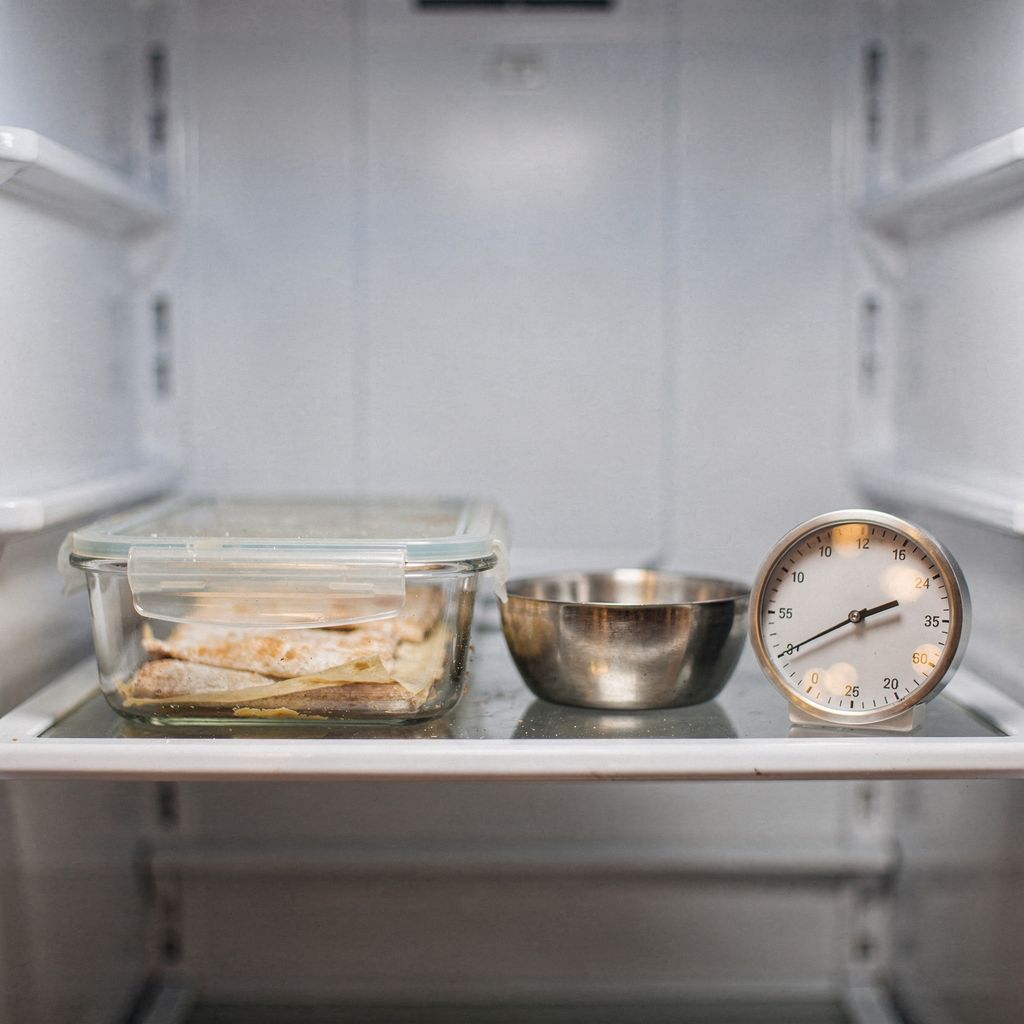
Actually check it. A home fridge shows one number on the dial, but there can be several degrees' difference between the door and the back wall — on some models, more than 5°C. A cheap fridge thermometer will tell you the truth better than the dial ever will.
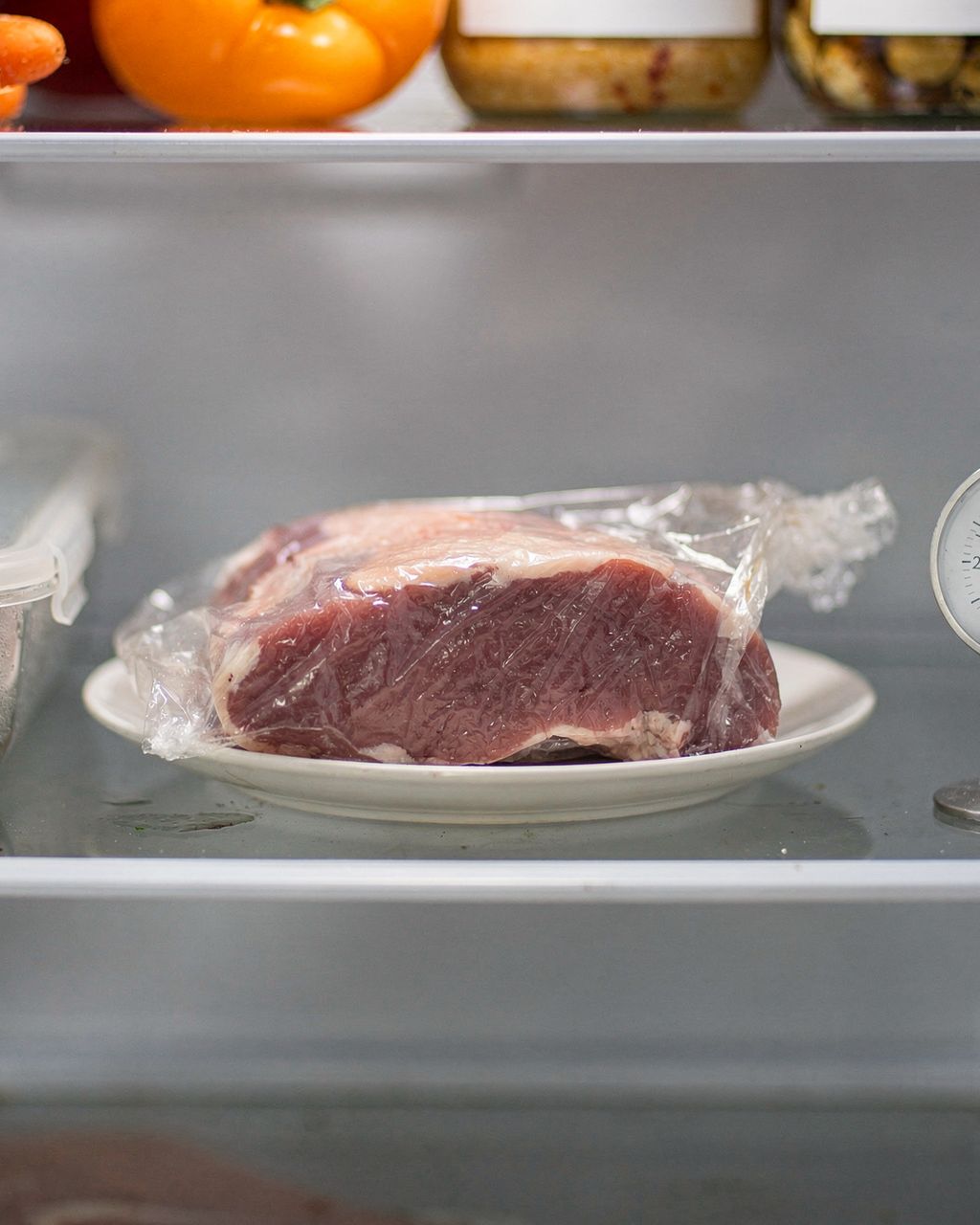
The bottom shelf against the back wall is the coldest spot. That's where meat belongs.
The door is the warmest spot in the fridge and warms up every time it's opened. Meat should never go there.
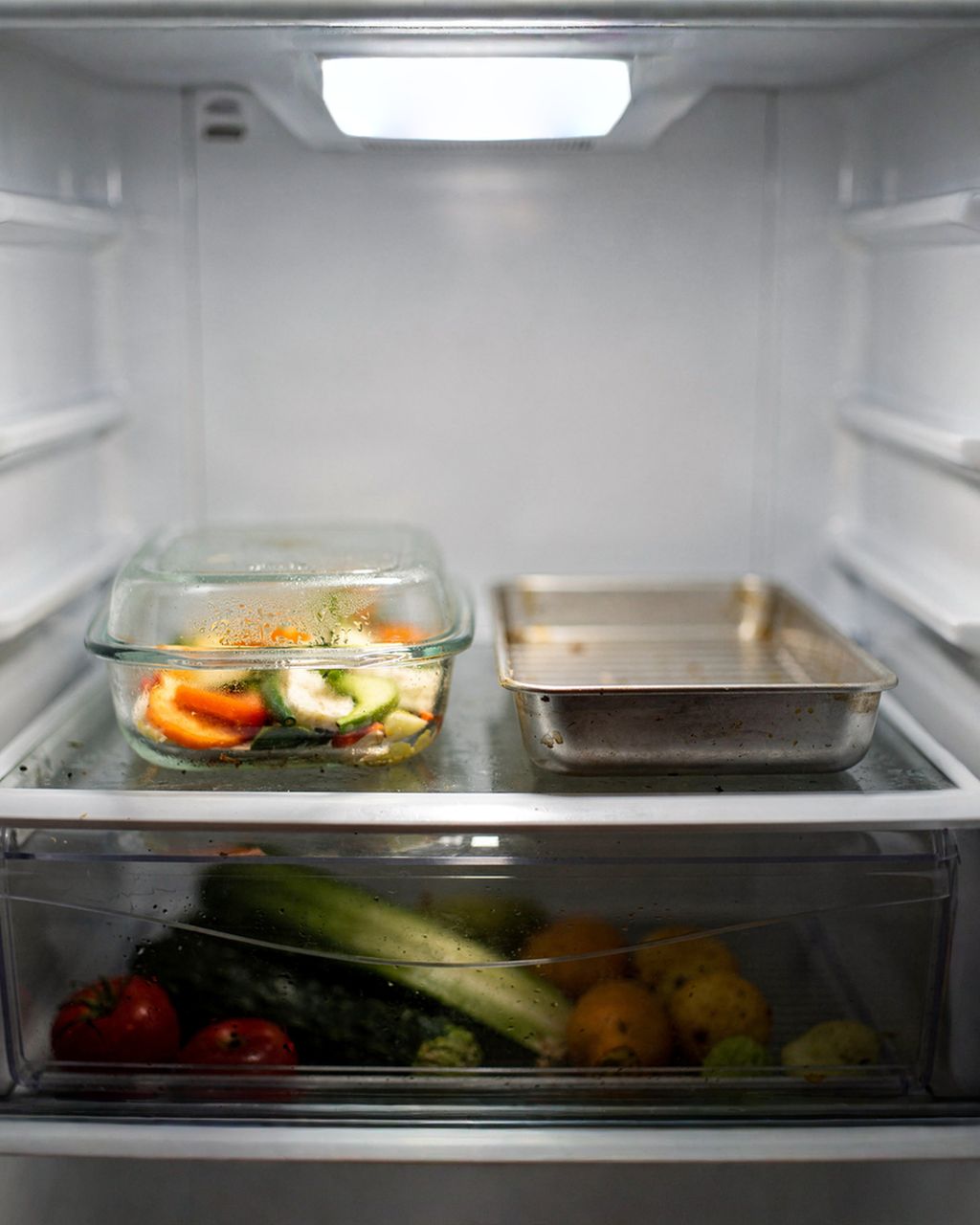
An overpacked fridge cools worse. Air needs room to circulate.
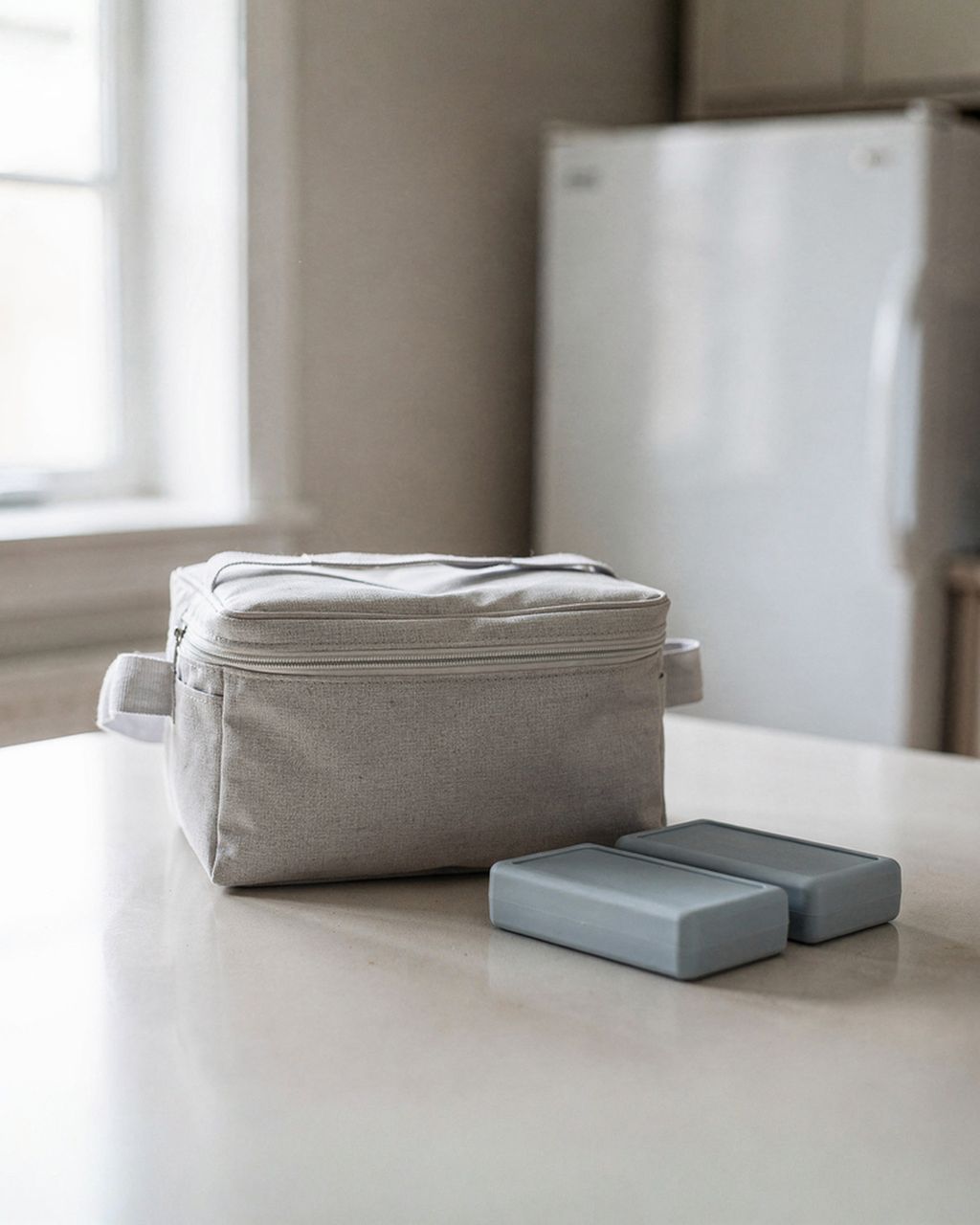
Shopping is the weak link in the chain. Pick up ground meat last in the store and put it away first at home. A cooler bag in summer isn't overkill.
Store ground meat in its unopened original packaging, on the bottom shelf against the back wall, on a plate that will catch any juices, and without salt or seasoning. In detail, that means:
Leave it in its original packaging as long as it's unopened. Vacuum and protective packaging is doing exactly its job. If the package is open, transfer the meat to a sealed container.
Put a plate or bowl underneath it. Juice from ground meat is the riskiest liquid in your fridge — if it drips onto cheese or salad below, you've got cross-contamination, and the problem isn't the meat, it's whatever you were about to eat raw.
Don't salt or season it ahead of time. Salt draws water out of the meat, turning it gray and watery. Season it right before you cook it.
Use any mixed-in blend the same day. Once raw egg, onion, and soaked bread go into the meat, the shelf life is set by the most perishable ingredient, not the meat itself.
Split up a large pack right away. Whatever you won't use within two days should go into the freezer on the day you buy it. Freezing meat that's already sat in the fridge for two days isn't much use — you can do it, but it won't restore quality: you'll be freezing all the bacteria that multiplied in the meantime, and they'll pick up right where they left off once thawed. Meat like that should be cooked immediately.
If you're buying vacuum-packed meat, different timelines apply than for loose ground meat — check out how long vacuum-packed meat lasts in the fridge.
Throw out ground meat if it's past its "use by" date, has been in the fridge for three days or more, smells sour or ammonia-like, feels sticky or slimy, has a grayish-green tinge, or has been left out of the fridge for more than 2 hours. Any one of these is enough on its own — you don't need several at once:
It's past the "use by" date. This alone is reason enough, even if the meat looks and smells completely fine.
It's been in the fridge for three days or more, even with no other symptoms.
Smell. Fresh ground meat smells faint, slightly metallic, and mildly sweet. A sour, ammonia-like, or just plain "off" smell means it's done.
A sticky or slimy surface. If the meat sticks to your fingers and leaves a film, bacteria are actively growing on it.
A grayish-green or greenish tinge, or dark spots running through the whole batch.
It's been out of the fridge for more than 2 hours — or more than 1 hour on a hot day above 30°C (86°F).
It thawed outside the fridge (on the counter, in a sink of warm water) and you didn't cook it right away.
One exception worth knowing: browning alone doesn't necessarily mean spoilage. Inside sealed packaging without oxygen, ground meat is naturally darker and brownish-gray, then turns red again within half an hour of exposure to air — that's the chemistry of the myoglobin pigment, not bacteria. What matters is smell and surface texture, not color. But that only holds within the safe window: brown meat on day five is still meat for the bin.
Freeze ground meat on the day you buy it, divided into portions and flattened into a patty about 2 cm thick — at −18°C (0°F) it holds good quality for 3–4 months. It stays safe longer, but will start drying out and picking up a freezer taste. Here's the step-by-step:
Freeze it on the day you buy it, not on the day the use-by date runs out. Freezing doesn't kill bacteria, it just puts them to sleep — the fresher the meat when you freeze it, the better it'll be when thawed.
Divide it into portions you'll actually cook. Half a kilo at a time always beats a solid kilo block you can't chip anything off of.
Flatten it into a patty about 2 cm thick. It freezes faster, thaws faster, and takes up less space in the freezer than a lump.
Push out the air and label it with the date. A clearly labeled package is the only defense against a mystery gray block three months from now.
Thaw it in the fridge, not on the counter. It takes 12–24 hours, but the surface of the meat never reaches the temperatures where bacteria multiply. In a pinch, you can use cold water in a sealed bag or the microwave — but then cook the meat immediately.
Don't refreeze raw meat once it's thawed. Cook it first, and freeze the finished dish instead.
Cook ground meat to 70°C (158°F) at the core and hold that temperature for 2 minutes; for ground chicken and turkey, go to 75°C (167°F). Because bacteria are spread through the entire mass, searing just the surface — the way you would with a steak — isn't enough.
Aim for 70°C at the core and hold it there for 2 minutes — equivalent options are 65°C for 10 minutes or 75°C for 30 seconds. Pick whichever fits what you're cooking.
For ground chicken and turkey, go to 75°C. Poultry carries more risk and gives you less margin.
An instant-read thermometer is your best insurance — your eyes can't substitute for it, especially with meatloaf or stuffed vegetables where the core is hidden.
Juices should run clear, not pink. In a burger, a pink center means it's undercooked, not a preferred doneness.
Reheat leftovers properly, until they're steaming hot all the way through. A lukewarm reheat is worse than none at all — you'll just be warming the meat up to the exact temperature bacteria love most.
Raw or lightly cooked ground meat (steak-tartare-style ground beef, a medium-rare burger) is always a conscious risk. If you make it, use meat ground fresh right in front of you, cook it the same day, and don't serve it to kids, pregnant women, or anyone with a weakened immune system.
The best way to deal with meat on the edge of its second day is to turn it into something that keeps well for another 3–4 days. Here are recipes that use up a whole pack at once:
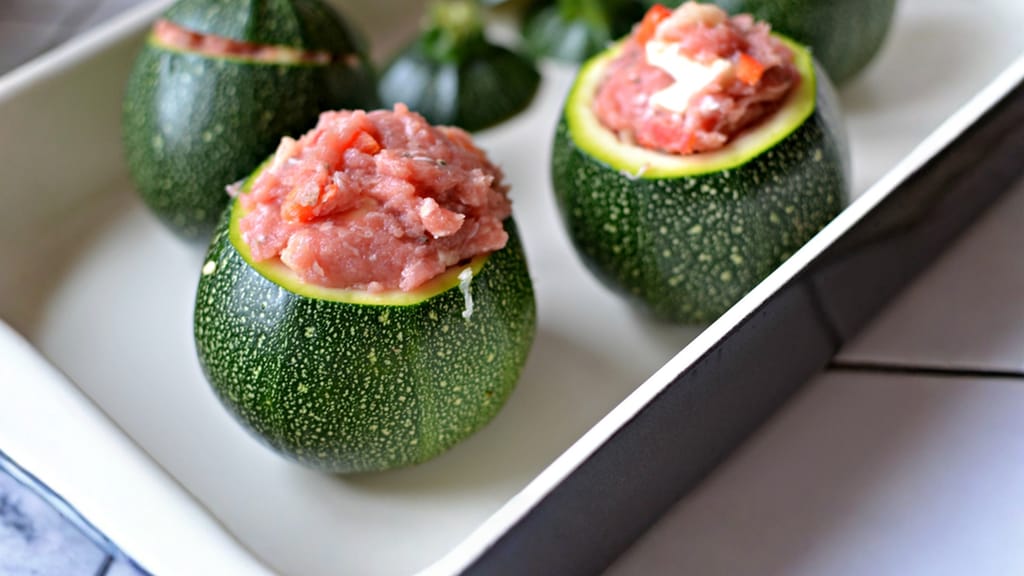
Zucchini stuffed with ground meat
Zucchini stuffed with ground meat — a quick dinner that uses up the whole pack
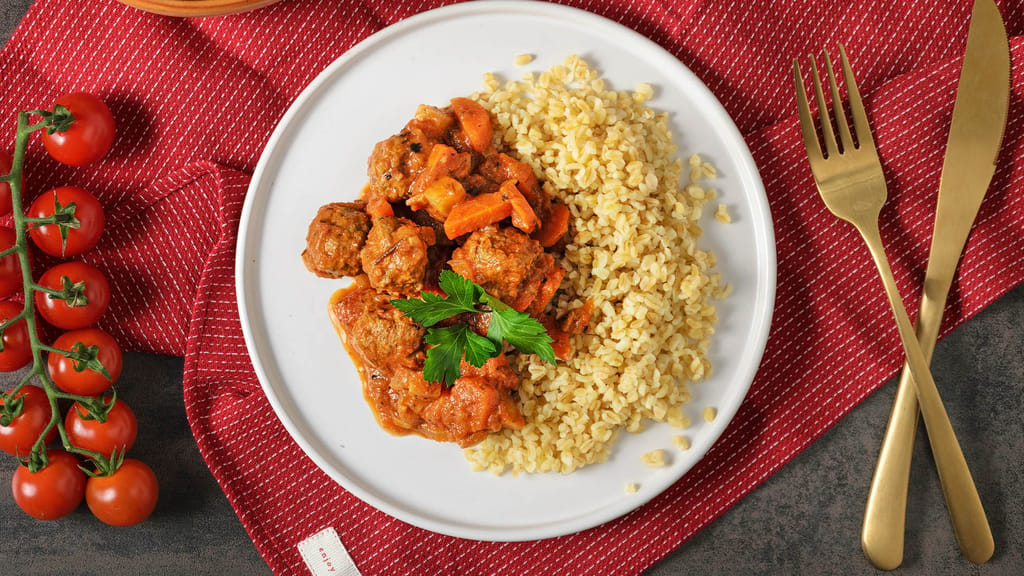
Meatballs in vegetable sauce
Meatballs in vegetable sauce
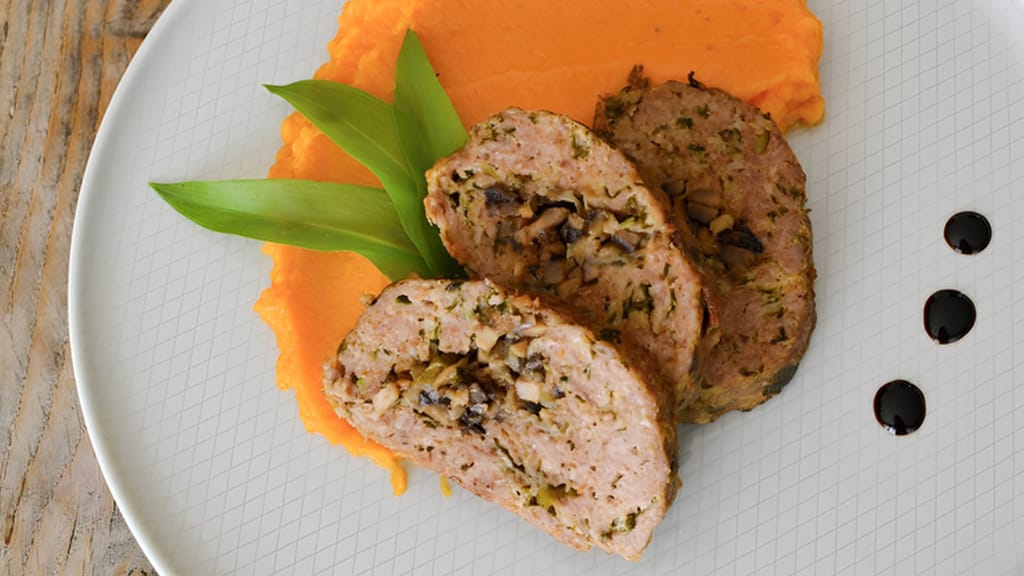
Spring meatloaf with wild garlic and sweet potato mash
Spring meatloaf with wild garlic — a ground meat classic, cooked through
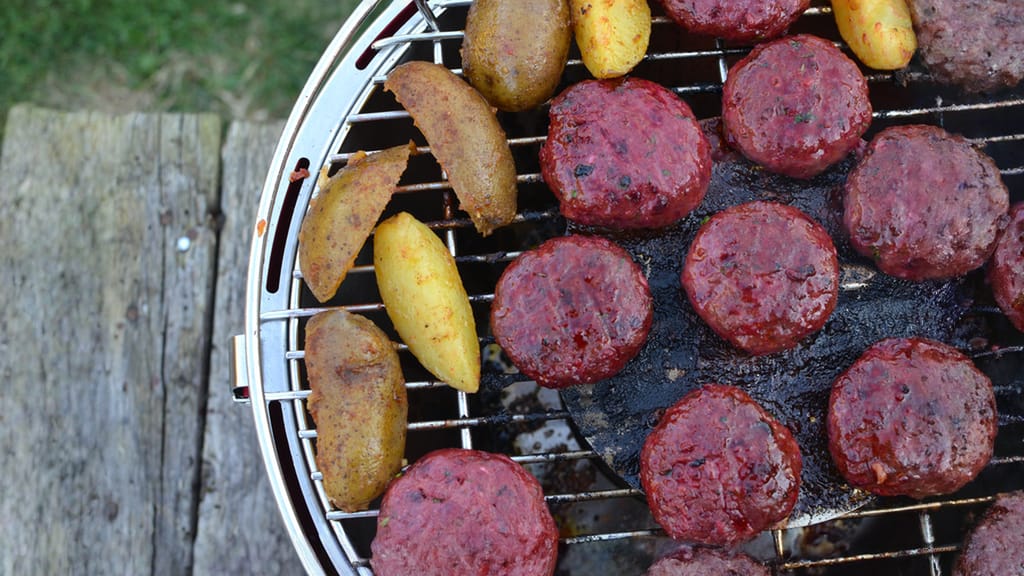
Weekend tip: beetroot beef burgers
Beef patties with beetroot, made from freshly ground meat
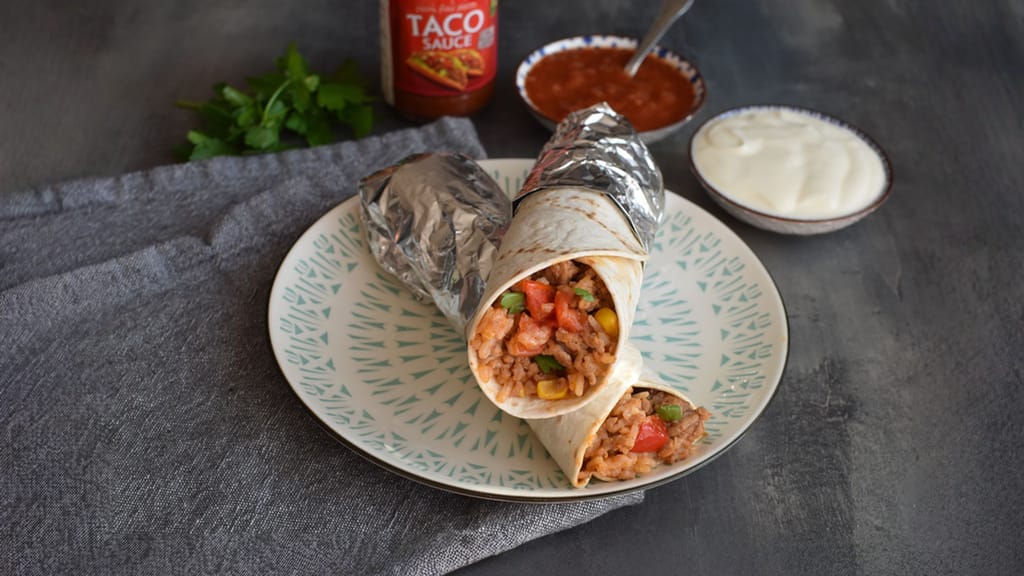
Mexican burrito with beans and ground beef
Mexican burrito with beans and ground meat
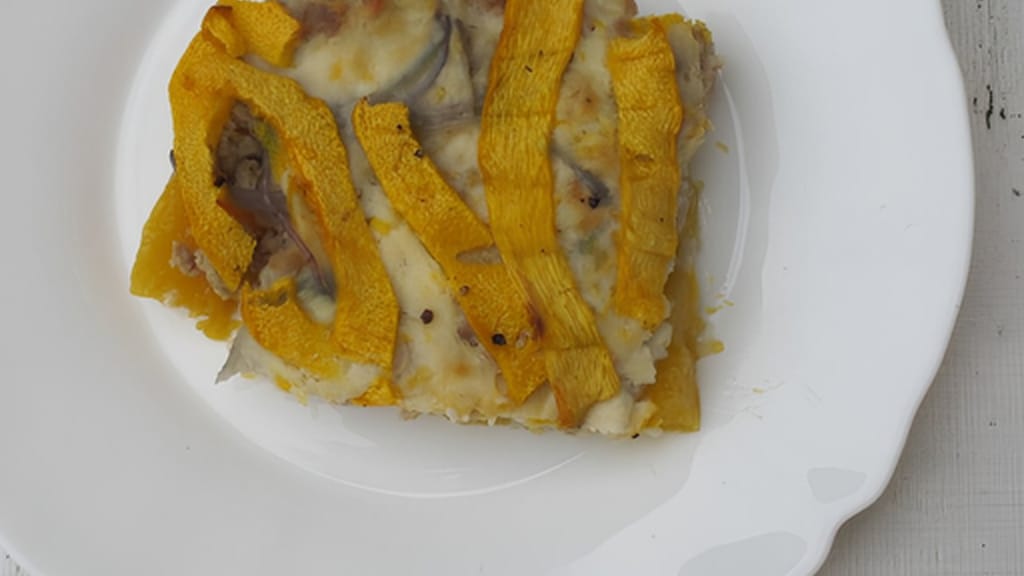
Baked pumpkin with ground meat
Baked squash with ground meat — a one-pot autumn dish for several servings
No — if anything, the opposite is true, so plan on just one day. Meat ground fresh in front of you is indeed fresher, but it lacks the protective packaging atmosphere, and the clock starts running the moment it comes off the grinder. Packaged ground meat has a printed "use by" date; with butcher's meat, you have to remember the date yourself: day of purchase plus one day. The upside of buying from a butcher is that you know exactly when it was ground — with packaged meat, you never really do.
You can, but only if the meat shows no signs of spoilage yet — freezing doesn't restore quality, it just pauses time. You'll also be freezing whatever bacteria multiplied during those days, and once thawed, they pick up right where they left off, so thawed meat needs to be cooked immediately and thoroughly. It's much better to freeze it on the day you buy it. Once the use-by date has passed, don't freeze it at all.
No, never rinse ground meat. Water doesn't wash away bacteria — it splashes them around your sink, counter, and everything nearby — and for ground meat specifically, rinsing also draws out juices and ruins the texture. The only thing that reliably kills bacteria is cooking to 70°C (158°F) at the core. Wash your hands, cutting board, and knife — not the meat.
A finished dish made with ground meat keeps its quality in the freezer at −18°C (0°F) for 2–3 months. Let it cool before freezing — but no more than two hours on the counter — divide it into portions, and freeze flat in sealed containers. This is also a great way to rescue meat you won't get to in time: cook it into a finished dish and freeze that instead.
No — the finished mixture actually lasts a shorter time than the meat alone, so use it the same day. Raw egg, chopped onion, and soaked bread all bring their own bacteria and moisture, so the shelf life is dictated by the most perishable ingredient, not the meat. If you want to prep in stages, keep the meat and the other ingredients separate and combine them only right before shaping.
One recipe worth heating the oven for, one tip, and one deal from the shop. Nothing else.