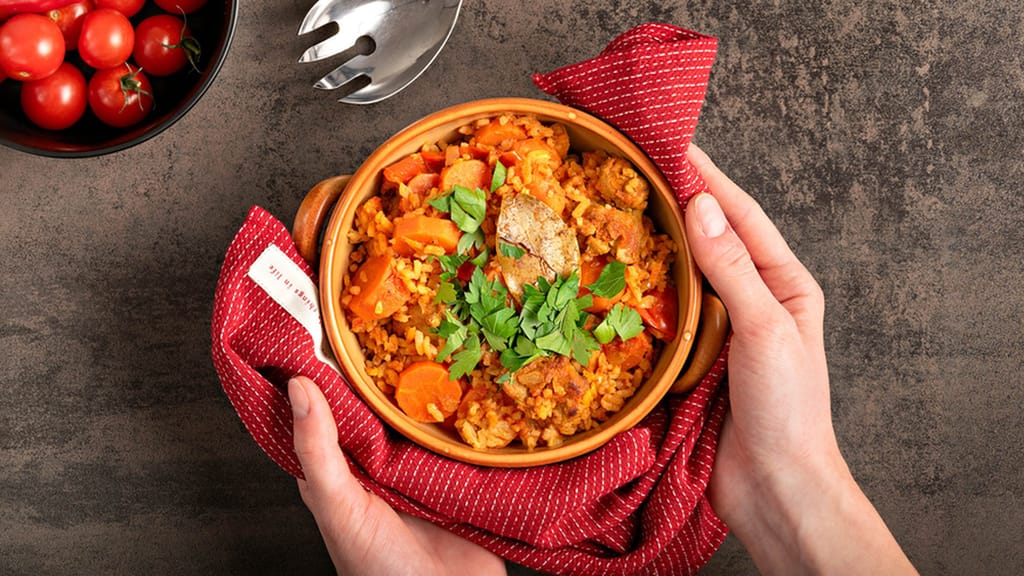
Baked risotto with chicken and vegetables
Cooked Chicken: How to Cook, Store and Use It

Updated Jul 19, 2026
Cooked chicken is one of the most rewarding staples you can keep in your fridge — ready to eat, lean, and destined for salads, soups, risottos, and wraps. Whether you've got leftover chicken from making stock or you batch-cook it for the whole week, it's the base for a dozen meals with barely any extra effort. Below you'll find how to cook it so it stays juicy, how long it keeps in the fridge and freezer, and what quick dishes you can whip up with it.
Yes. Cooked chicken is one of the best sources of lean protein with very little fat — especially once you remove the skin. In short, it gives you:
plenty of protein for muscle repair and growth (breast has around 31g per 100g),
very little fat and zero carbs,
satiety for a relatively low calorie intake,
a versatile base that works in salads, soups, and hot dishes alike.
We'll break down the exact numbers and the reasoning below.
According to the USDA, cooked skinless chicken breast has around 31g of protein per 100g, while skinless thigh has roughly 25g. It's an easily digestible protein containing all the essential amino acids, so your body can put it straight to work repairing and building muscle. A typical breast portion (150g) covers almost 45g of protein — a solid foundation for lunch or a training-day meal plan.
Skinless cooked chicken breast has only about 3–4g of fat per 100g — most of the fat sits in the skin, so once you remove it, you're left with genuinely lean meat. Studies link swapping fattier meats for lean poultry with lower saturated fat intake. Thighs and drumsticks carry more fat, and with it, more flavour: reach for breast for lighter meals, thighs for juicier ones.
Cook chicken in gently simmering salted water or stock — not a rolling boil, which dries it out and makes it stringy. Rough cooking times from the moment it goes into hot water: breast 15–18 minutes, thighs 30–40 minutes, whole chicken 60–90 minutes. It's done once it reaches an internal temperature of 74°C (165°F); then let it rest for at least 10 minutes so the juices redistribute back into the meat.
For salads and lighter dishes, go for chicken breast; for soups, risottos, and sauces, choose thighs — they carry more fat and flavour and are harder to dry out. When making stock, it's worth using a whole chicken or a carcass with meat still on it: you get meat for another meal plus a fragrant stock as a base for future cooking. Fresh chicken should be pale pink, springy to the touch, and odour-free.
Don't just add salt to the water — throw in onion, carrot, celery, a few peppercorns, and a bay leaf so the meat picks up flavour as it cooks. A slice of lemon adds freshness, while thyme or rosemary bring aroma. Don't pour away the stock this creates — it's a ready-made base for soup or risotto.
Both methods work, just for different dishes:
Quick boiling (20–30 min): the meat goes straight into boiling water or stock and simmers gently. It stays firm and holds its shape — ideal for salads, wraps, and sandwiches.
Slow simmering (1.5–3 hrs): long, gentle cooking breaks down connective tissue until the meat is tender and falling apart. Great for pulled chicken, fillings, and sauces.
Cooked chicken can quickly become risotto, curry, soup, or a hearty salad. Here are four tried-and-tested recipes from Yumsto where you simply stir in the ready-cooked meat:
Baked risotto with chicken and vegetables
Baked risotto with chicken and vegetables — stir the cooked chicken in at the end
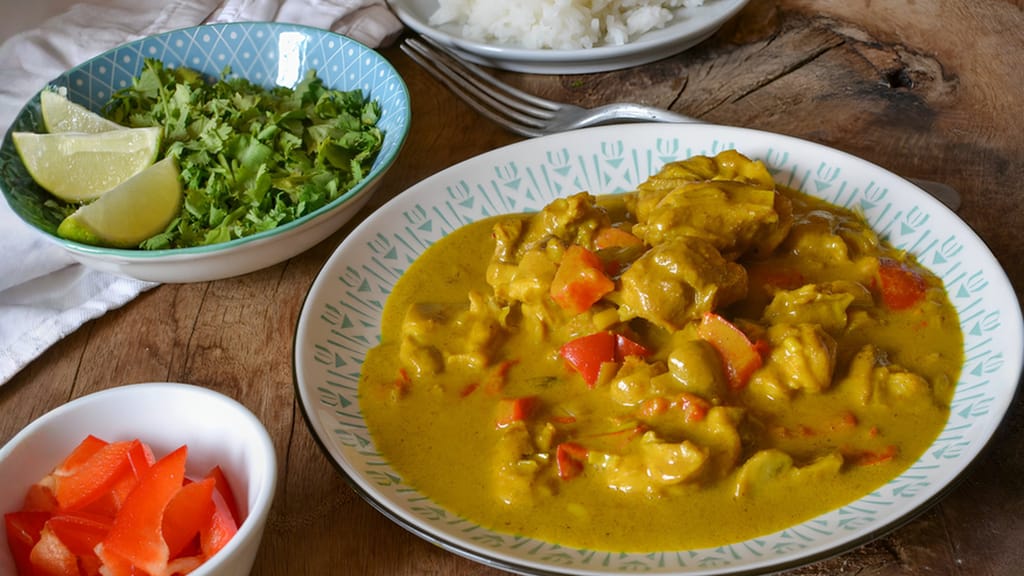
Chicken curry for lovers of both mild and spicy flavors
Chicken curry for fans of both mild and fiery heat
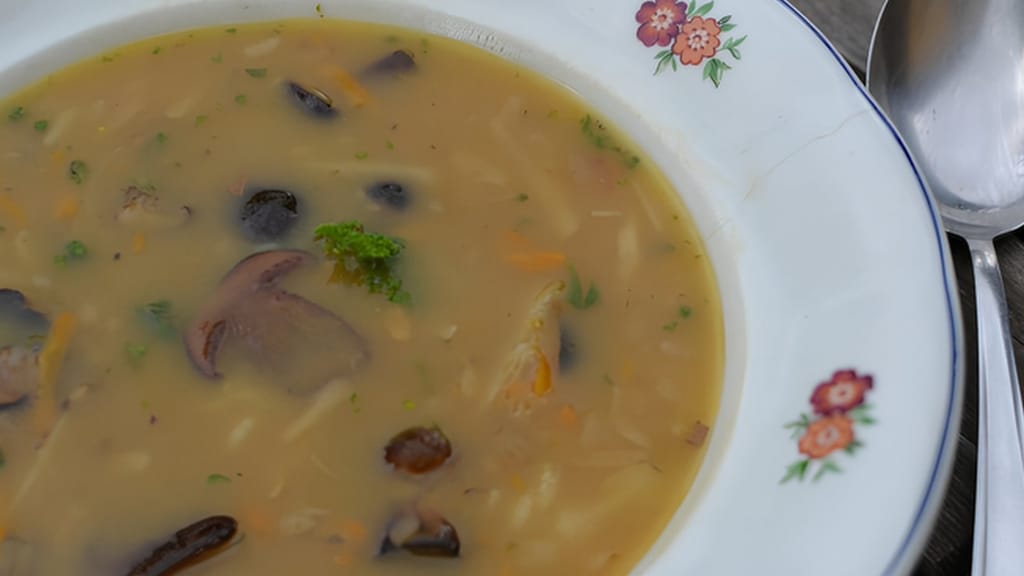
Thickened chicken broth with meat and mushrooms
Rich chicken stock with meat and mushrooms — the base for chicken soup
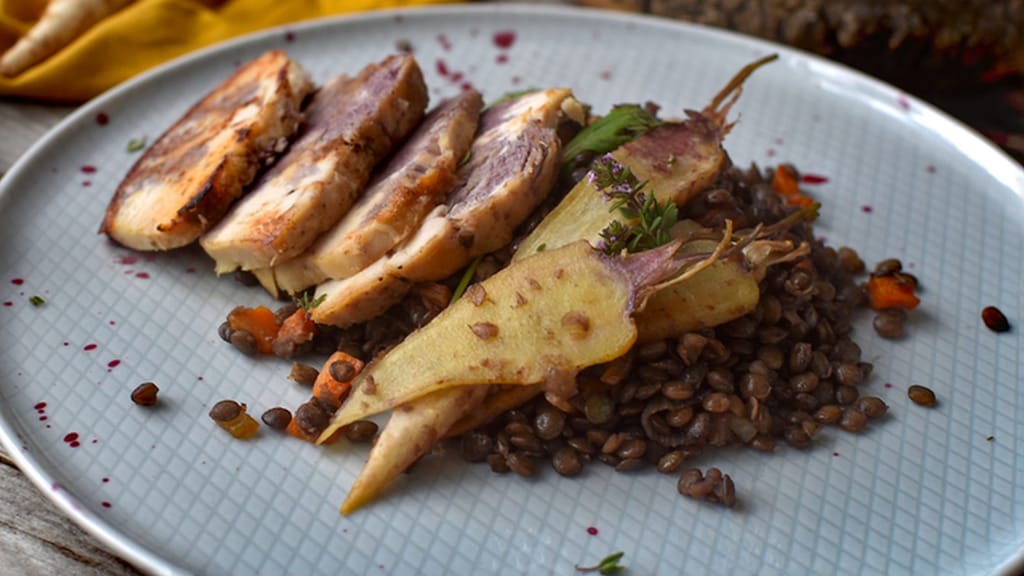
Lentil salad with wine reduction (and chicken)
Lentil salad with wine reduction and chicken
Cooled cooked chicken keeps in the fridge at 4°C (39°F) or below for 3–4 days, and in the freezer it holds its best flavour and texture for 3–4 months (it's safe to keep longer, but it loses moisture). Always store it in an airtight container so it doesn't pick up odours or dry out.
Cool the chicken within two hours of cooking and place it in a sealed container on the coldest shelf (not the door). Keep it at 4°C (39°F) or below. Note the date — after 3–4 days, either eat it up or freeze it. Sliminess, a sour smell, or a greyish-green tinge mean it belongs in the bin.
For longer storage, portion the chicken and wrap it in freezer bags, pressing out as much air as possible to prevent freezer burn. Label the bag with the date. Thaw overnight in the fridge, not on the counter — slow, cold thawing gives bacteria no chance to take hold.
A cup of chopped cooked chicken can turn into plenty of dishes in just a few minutes. Five quick ideas:
Wraps – tortilla with hummus or avocado, chicken, spinach, and chopped vegetables.
Chicken caprese salad – tomatoes, mozzarella, basil, chicken, olive oil, and balsamic vinegar.
Asian noodle soup – stock with ginger, lemongrass, and coconut milk, soba noodles, chicken, coriander.
Sandwich or toastie – chicken, cheese, lettuce, a dab of mustard.
In a bowl – with quinoa, legumes, and roasted vegetables.
We'll go into more detail on three of these below.
Spread hummus or mashed avocado onto a tortilla, add pieces of cooked chicken, some spinach leaves, and chopped pepper or cucumber. Roll it up tightly and you've got a packed lunch in three minutes flat. Wrapped in foil, it'll keep in the fridge until the next day.
Toss chopped tomatoes, fresh mozzarella, and basil with pieces of cooked chicken, then drizzle with olive oil and balsamic vinegar. A light summer plate packed with protein, ready without turning on the stove.
Simmer chicken stock with fresh ginger, lemongrass, and a spoonful of coconut milk, then add soba noodles and slices of cooked chicken. Season with fish sauce and lime, garnish with coriander and chilli. Ten minutes turns plain stock into a fragrant Asian-style soup.
Yes, you can reheat cooked chicken, but only once, and thoroughly — to an internal temperature of at least 74°C (165°F). Repeated cooling and reheating raises the risk of bacterial growth, so only reheat the portion you're actually going to eat.
The closest swap is cooked turkey, which has a similarly lean flavour and texture. In salads and bowls, chickpeas, lentils, or tofu work well, while for stocks and soups, cooked poultry or fish are good stand-ins.
Yes, chicken pulled from stock is still great to use, even though it's given up some of its flavour to the liquid. Shred it into soup, risotto, fillings, or salad, and season well — it tastes best moistened with a splash of the stock it was cooked in.
Eat mayo- or yoghurt-based chicken salad within 2 days and keep it in the fridge at 4°C (39°F). Egg-based dressings spoil faster than the chicken itself, so don't take it on long outings without a cool bag.
Yes, you can freeze cooked chicken as part of a curry, sauce, or soup, and it often stays juicier that way than on its own. Let the dish cool, portion it out, and use within 3 months; thaw in the fridge.
One recipe worth heating the oven for, one tip, and one deal from the shop. Nothing else.