What Temperature to Roast a Chicken and for How Long: Times by Weight
Why Is My Slow Cooker Chicken Tough or Dry? Breast vs Thigh, Fixed
Updated Nov 21, 2026
Slow cooker chicken turns tough, dry or chewy because it has cooked far past done: lean chicken breast is ready once it reaches the USDA safe minimum of 74 °C (165 °F), and every extra hour squeezes out more juice. The fix is to cook breasts for less time, switch to thighs for long cooks, and check with a thermometer rather than the clock.
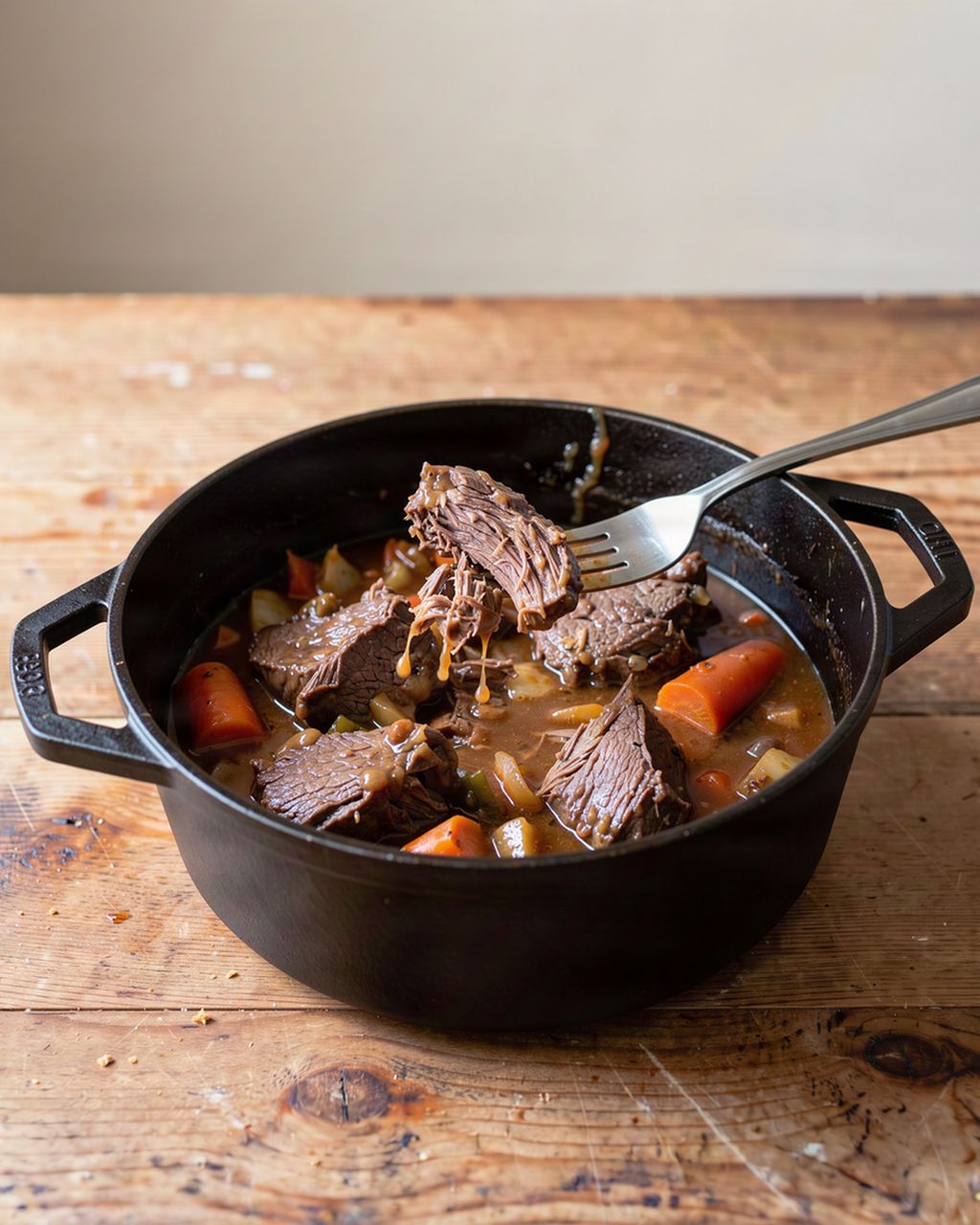
Almost always, it is overcooked. A slow cooker is brilliant for cuts that need hours, like beef chuck or pork shoulder, because those hours melt their connective tissue. Chicken, and chicken breast above all, has very little of that tissue to melt. Once it is cooked through, more time only tightens the muscle fibers and pushes out water.
That is why the same pot can give you dry, stringy breast and juicy thighs: the timing that suits one ruins the other.
The other common causes:
Cooking on high. The meat heats faster and the outside overshoots before the center catches up.
Lifting the lid often. Each look lets heat escape, so people add time to make up for it, and the chicken ends up overcooked anyway.
Small or thin pieces. Tenders and thin cutlets are done long before a recipe written for whole breasts says so.
A cooker that runs hot. Slow cookers vary, and many newer models run hotter, so an old recipe's timing can be too long.
Recipe of the week, one tip that saves you time and one deal from the shop. Unsubscribe in one click.
The next issue goes out on Thursday, November 26.
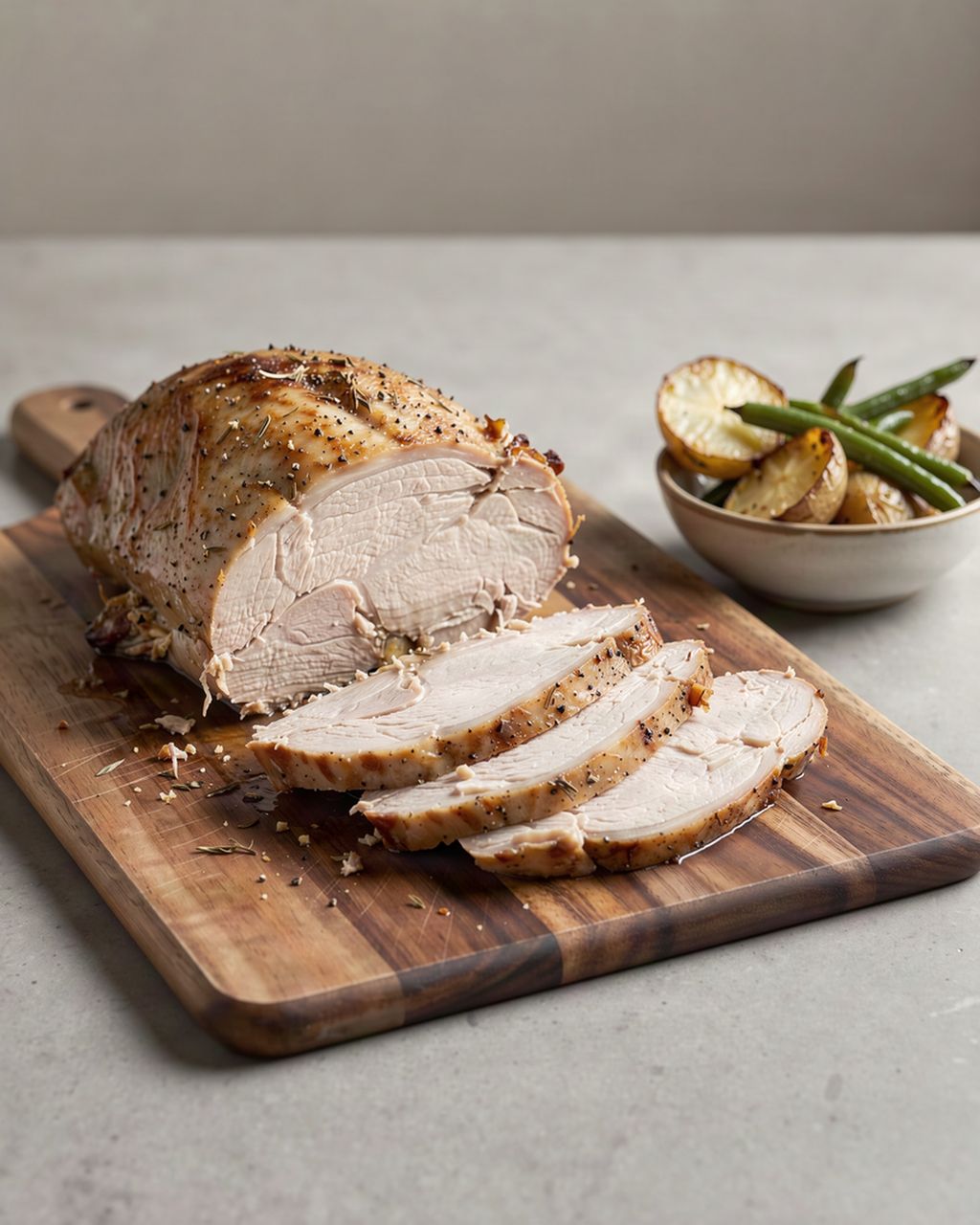
Chicken breast: lean and mild, with almost no fat or collagen. It is done quickly and dries out soon after. In a slow cooker, treat it as a short cook and start checking early. See our guide to cooking chicken breast so it isn't dry.
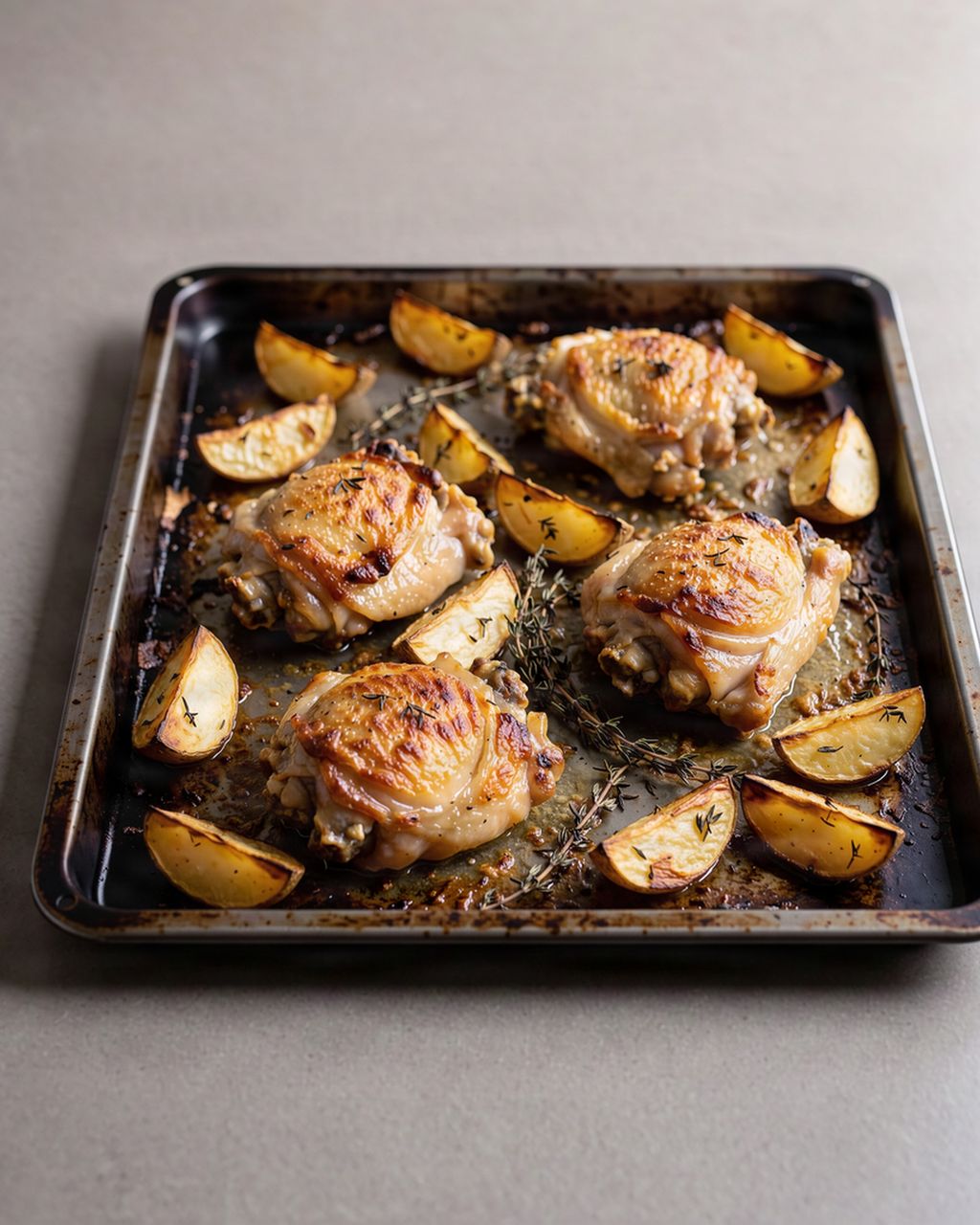
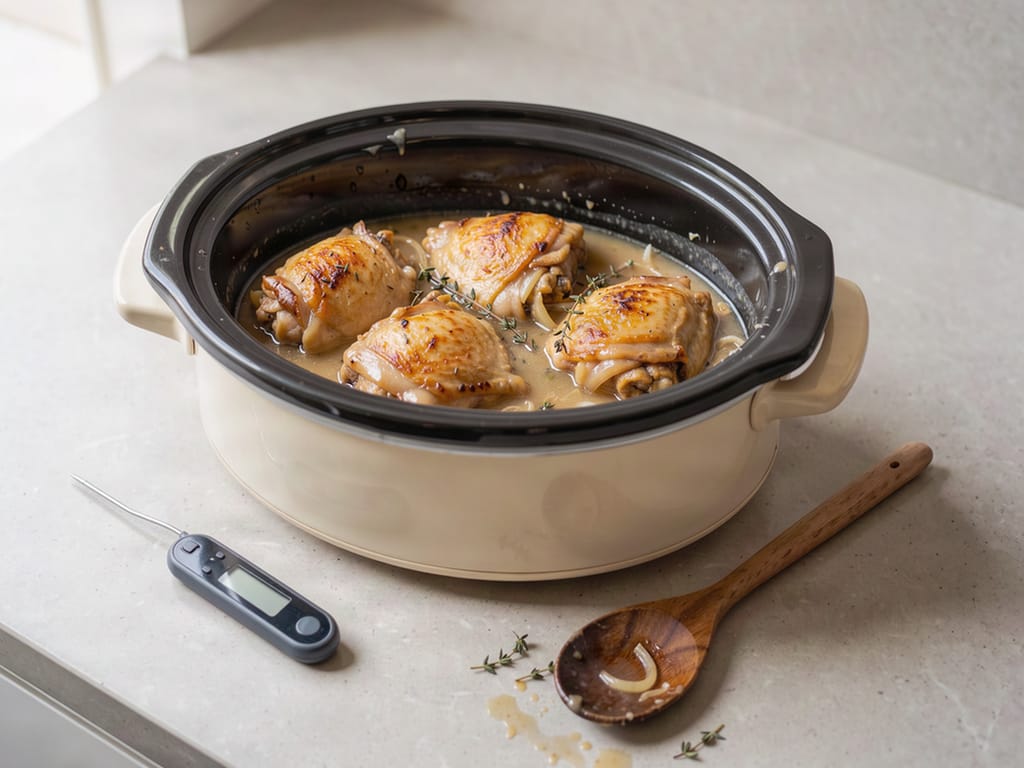
Chicken thighs: more fat and connective tissue, so they stay moist over a long cook and turn tender enough to shred. Bone-in, skin-on chicken thighs are the most forgiving of all. Our chicken thighs guide covers other ways to cook them.
Drumsticks and legs: behave like thighs.
If a recipe expects you to leave it all day, use thighs. If you want breast, choose a recipe that cooks for less time, or add the breasts partway through a longer cook.
In Czech kitchens, kuře na paprice (chicken in paprika cream sauce) is often made with legs and thighs, which stay juicy through a long, gentle braise.
Use a food thermometer, not the clock. USDA FSIS sets the safe minimum internal temperature for all poultry, breasts, thighs, legs and wings alike, at 74 °C (165 °F).
Push the probe into the thickest part of the largest piece, away from the bone.
Check a second piece too, since pieces cook at different speeds.
Lean breast meat is at its juiciest when you take it out soon after it reaches 74 °C (165 °F).
Thighs are safe at the same temperature, but they get more tender if you let them cook on, which is why they suit long recipes.
Clear juices, white meat and meat that shreds easily are not reliable signs that chicken is safe. Only the thermometer reading is.
Pick thighs for long cooks and save breasts for short ones.
Use low, not high, for breasts, so the outside doesn't overshoot.
Keep pieces even. Large and small pieces in the same pot finish at different times.
Keep the lid on. Lift it only to check the temperature near the end.
Don't count on liquid. Chicken does not need to be submerged, and swimming in broth does not stop it drying out. A little liquid is enough; chicken gives off its own juice.
Add dairy late. Cream, sour cream or cheese can split over a long cook. Stir them in at the end.
Rest and slice across the grain, or shred it into the sauce, which hides a little dryness.
Recipe times are a starting point, not a promise. These all change how fast chicken cooks through:
Piece size and thickness. A thick breast takes far longer than a thin one of the same weight. Halving a very thick breast evens things out.
Bone-in or boneless. Boneless pieces cook faster. Bone-in thighs are slower, and more forgiving.
How full the pot is. A crowded pot heats more slowly than one with a few pieces in a single layer.
Cold ingredients. Chicken straight from the fridge with cold stock takes longer to come up to heat than a recipe tested with warm liquid.
Your cooker. Two slow cookers on the same setting can heat at very different rates.
This is why the thermometer matters. Check the first time you make a recipe in your own cooker, note how long it took, and you will know for next time.
You can't put the juice back, but you can make it pleasant to eat.
Shred it with two forks and stir it back into the cooking liquid or a sauce. Thin shreds soak up liquid better than chunks.
Turn it into a filling: tacos, wraps, a pasta bake or a creamy sauce over rice.
Add fat: a spoonful of butter, cream or the fat skimmed from the top of the pot makes dry meat taste richer.
Then shorten the cooking time, or switch to thighs, next time.
A slow cooker heats gently, so the start matters.
Thaw chicken first. USDA advises thawing meat and poultry before it goes into a slow cooker, and not starting with frozen meat, because a frozen block can spend too long at temperatures where bacteria multiply. Thaw it in the fridge.
Fill it half to two-thirds full, as USDA advises, and keep the lid on while it cooks.
Don't reheat leftovers in a slow cooker. USDA advises against it, because it heats too slowly. Reheat leftovers on the stove, in the oven or in the microwave to 74 °C (165 °F), checked with a food thermometer. You can then move them to a preheated slow cooker to keep warm at 60 °C (140 °F) or above.
Cool leftovers quickly. Refrigerate leftovers within 2 hours of cooking (1 hour if it is above 32 °C / 90 °F), as USDA advises, covered, in shallow containers so they cool quickly.
Slow cooker chicken is usually tough because it was cooked too long, especially lean breast meat. Once chicken passes the safe minimum of 74 °C (165 °F) that USDA sets for poultry, its muscle fibers keep tightening and pushing out juice. Check it with a thermometer and take breasts out as soon as they reach temperature.
Liquid in the pot does not keep chicken moist, because dryness comes from the meat's own fibers squeezing out water as they overcook. Chicken can sit in broth and still be dry inside. Shorter cooking, or thighs instead of breasts, is the fix.
Chicken thighs are better for long slow cooking, because their extra fat and connective tissue keep them moist and tender over many hours. Breasts work too, but only for a short cook, and they need checking with a thermometer so they come out the moment they are done.
No. USDA advises thawing meat and poultry before it goes into a slow cooker, because frozen chicken can spend too long at temperatures where bacteria multiply. Thaw it in the fridge first.
Chewy or rubbery slow cooker chicken is overcooked, most often breasts cooked on high or for a full day. The proteins tighten until the meat turns stringy. Shred it into a sauce to rescue it, and shorten the time next batch.
Slow cooker chicken is done when a food thermometer in the thickest part reads at least 74 °C (165 °F), the USDA safe minimum for poultry. Clear juices and shreddable meat are not reliable tests on their own.
One recipe worth heating the oven for, one tip, and one deal from the shop. Nothing else.