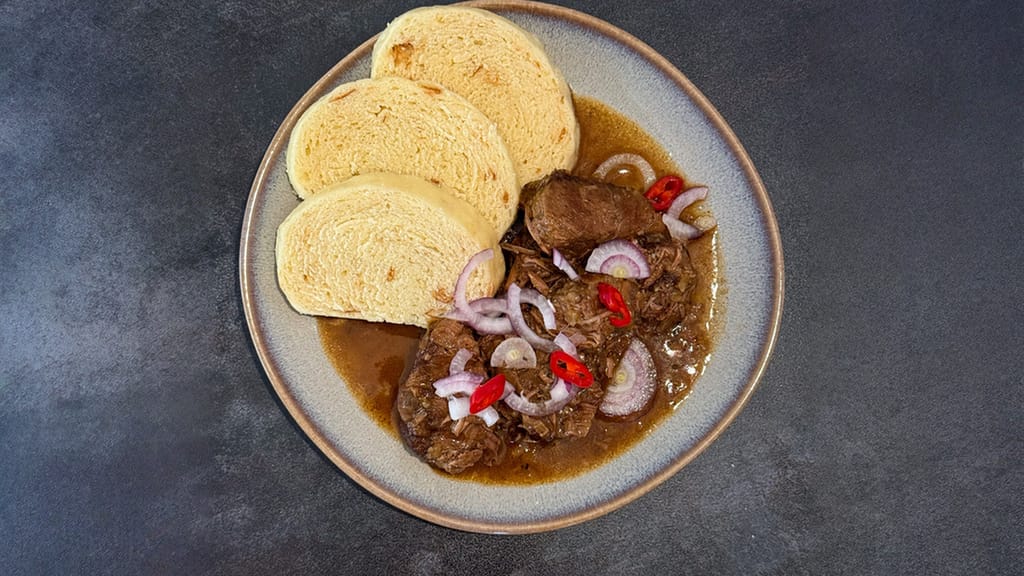
Classic czech beef goulash with chilli and bread dumplings
Beef Forequarter: How to Choose, Cook and What to Make with It

Updated Oct 24, 2026
Beef forequarter is an inexpensive, deeply flavorful meat – mainly the neck, chuck, shoulder, brisket, rib and fore shank – and it's the king of slow cooking. It has more connective tissue and collagen than the pricey hindquarter cuts, so when braised or slow-roasted it turns tender enough to fall apart with a fork, while giving the sauce body and shine. Here you'll find which cut suits goulash, svíčková, dill sauce or stock, how many hours each method needs, how much meat to buy per serving, and what to do if your beef stays tough.
Forequarter beef is meat from the front quarter of the animal – at the butcher's, that mainly means the neck, chuck, shoulder, brisket, rib and fore shank. These are the muscles that do the most work during the animal's life, so they have plenty of connective tissue and collagen and a stronger flavor than the expensive hindquarter cuts such as tenderloin or sirloin. For how the hindquarter differs and what to use it for, see our article hindquarter beef: cuts, buying and preparation.
It's exactly that collagen that makes forequarter beef ideal for slow cooking. During a long cook it turns into gelatin, which coats the meat, keeps it juicy and gives the sauce body and shine. So don't waste forequarter on quick grilling – it belongs in goulash, braises, stock and roasts, where it has time to soften. Which cut suits which dish is covered in the next section.
The main reason to reach for forequarter: it's far cheaper than premium cuts and still gives your dish more flavor.

Seasonal baking plans, tested recipes and kitchen tricks that save you time. Unsubscribe in one click.
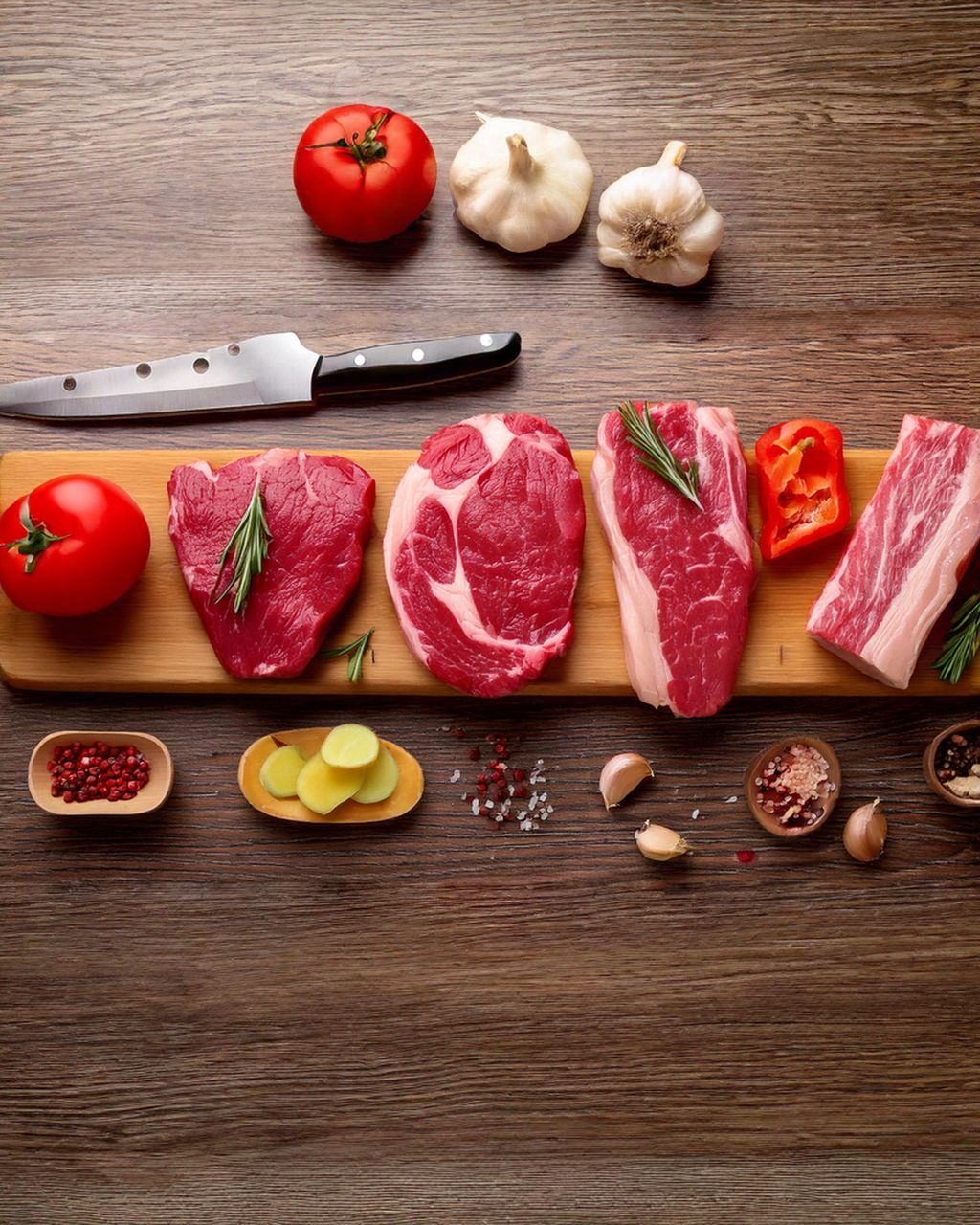
Forequarter beef has six main cuts: neck for goulash and ragù, chuck for braising and roasting, shoulder for braising, roasting whole and grinding, brisket for slow roasting, smoking and stock, fore shank for fall-apart braises, and rib for stock. They differ mainly in how much connective tissue they contain and how much time they need – the more collagen, the slower the cook. A quick overview, cut by cut:
Neck – cheapest and most flavorful, for goulash, ragù and hearty soup
Chuck – continues on from the neck, marbled with fat, for braising, roasting and goulash
Shoulder – the most versatile, for braising, roasting whole and ground dishes
Brisket – a fatty, sinewy slab, for slow roasting, smoking and stock
Fore shank – muscle laced with tendons, for fall-apart braises, ragù and stock
Rib – bone-in meat, the best base for stock, but also good for long braising
Anatomically, the forequarter also includes the high sirloin (from the back behind the neck), but that cut is tender and sold as steak meat – when you read "forequarter beef" on the counter or label, it almost always means meat for braising and boiling. You'll find the full breakdown of beef from neck to leg in our guide types of beef: which cut for goulash, steak and svíčková.
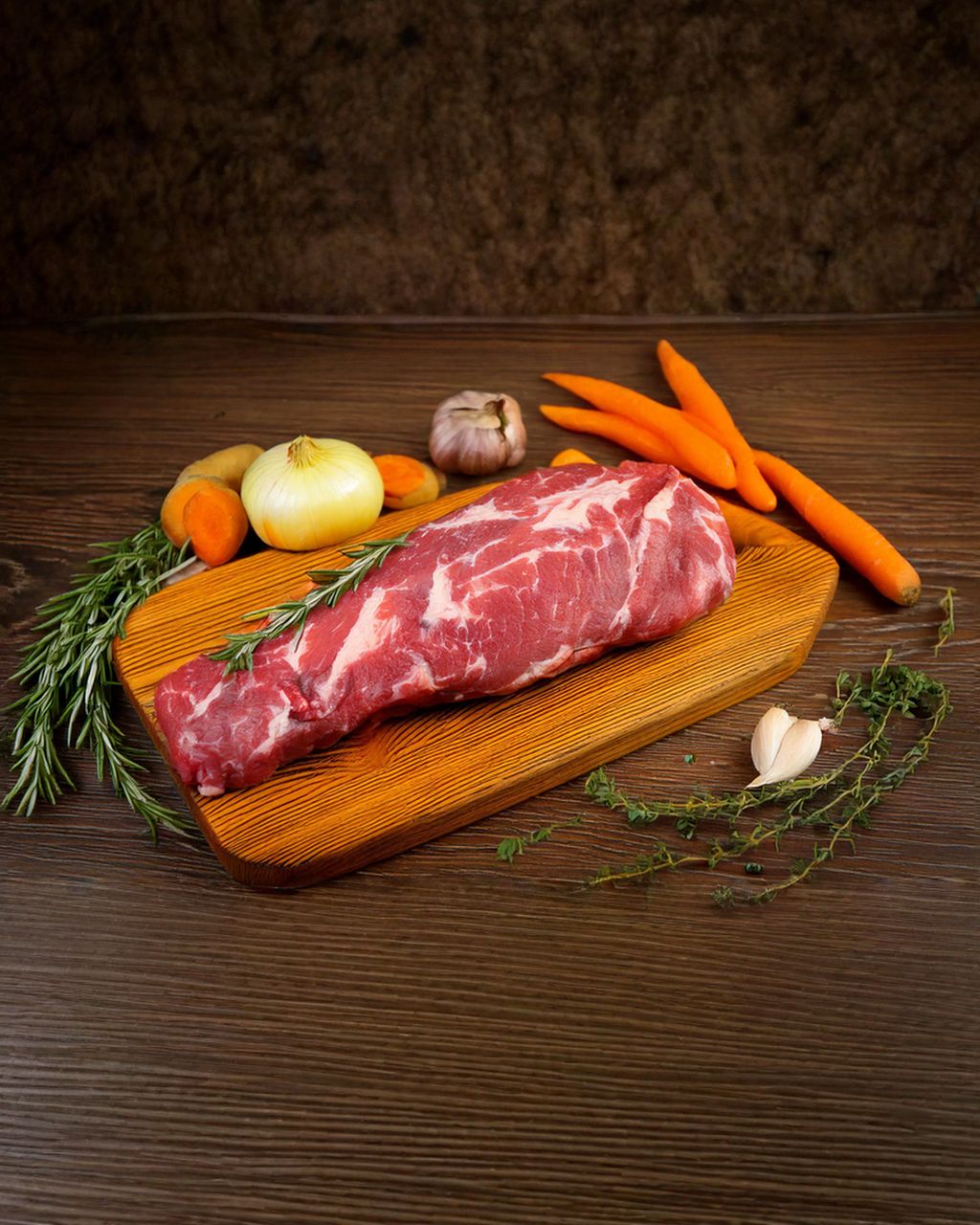
Neck is the most flavorful and also the cheapest part of the forequarter. It has lots of connective tissue, lots of flavor, and after 2–3 hours of braising it falls apart with a fork – which makes it ideal for goulash, ragù and hearty soup. Never rush it: as long as the connective tissue is firm, the meat will be rubbery; only once the collagen has dissolved is it done. A detailed step-by-step method is in beef neck: how to cook it until it falls apart with a fork.
Chuck is the front part of the back right behind the neck, running into the high sirloin. It's more finely marbled than neck and a little less sinewy, so it's done sooner – about 2–2.5 hours on the stovetop. It suits goulash, braises in sauce, and a whole roast that you then slice.
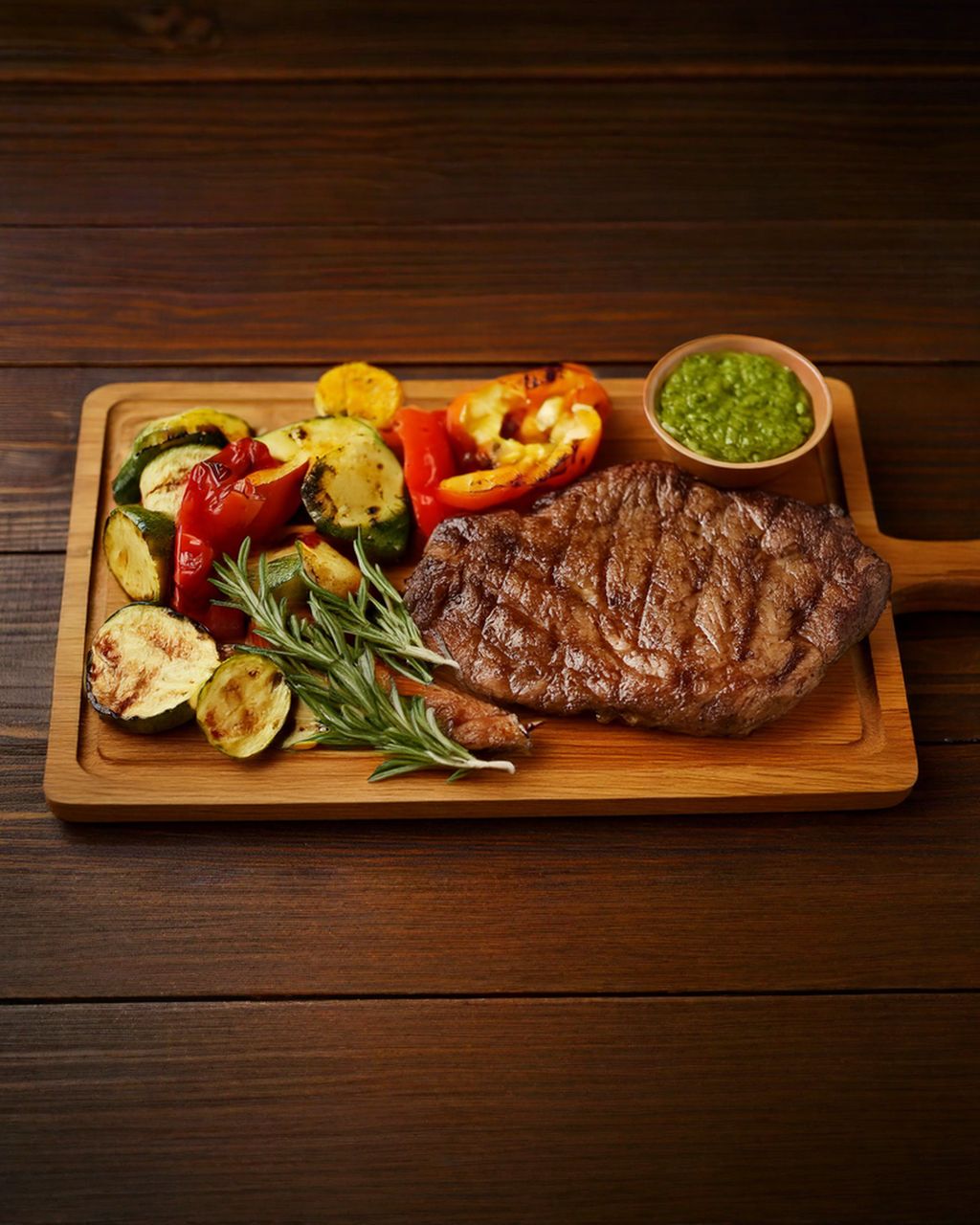
Shoulder is the most versatile piece of the forequarter. Butchers divide it into round shoulder (a fine, lean piece also called mock tenderloin), peeled shoulder (with the blade bone removed) and high shoulder. It has a finer structure than neck, so it handles both braising and roasting whole, and ground, it's the base for homemade burgers, meat patties and meatballs. Roasted whole, keep it pink (core 56–58 °C / 133–136 °F, medium rare) or take it to 60–63 °C / 140–145 °F for medium; for braising, cook it until tender, and always cook ground-meat dishes through.
Brisket is a fatty, sinewy slab from between the front legs and needs the most time of all – but it rewards you with fall-apart, juicy meat. Roast it slowly at 120–140 °C (250–285 °F) for anything from 5 to 8 hours depending on size, smoke it, or pull a proper stock out of it. Always slice across the grain, or it will be chewy.
Fore shank (muscle from the front leg, laced with tendons) and rib are the most collagen-rich cuts there are. They're no good for a quick meal, but in stock, a proper braise or under a svíčková sauce, they give the liquid body and a gelatinous richness nothing else can replace. You can cut the shank across the bone into thick slices – that's how veal shank is cut for osso buco, and forequarter beef shank works the same way in a long braise. Bone-in rib is one of the best bases for stock.
From forequarter beef you can make most of the Czech classics built on slow cooking: goulash, svíčková, wine-braised beef, dill sauce, stock, slow-roasted brisket and meat patties. Here's which cut to reach for, which method to use and how much time to set aside:
Beef goulash – neck or chuck, braised on the stovetop, 2–3 h → classic beef goulash with bread dumplings
Svíčková – round shoulder (mock tenderloin) or brisket, roasted on vegetables in the oven at 160 °C (320 °F), 2.5–3 h → homemade svíčková in cream sauce
Beef braised in wine – shoulder or chuck, in the oven under a lid at 150–160 °C (300–320 °F), 2.5–3.5 h → beef roasted in the oven with wine and vegetables
Dill sauce with beef – shoulder or brisket, slow roasting or simmering, 2.5–3 h → dill sauce with slow-roasted beef
Beef stock – rib, fore shank and bone-in brisket, gently simmered just below boiling, 3–4 h → how to make it clear and rich is covered in beef stock: how to make it clear
Slow-roasted brisket – whole brisket, oven at 120–140 °C (250–285 °F), 5–8 h → roast it like a whole roast and slice thinly across the grain
Patties from ground forequarter – ground shoulder or neck, pan-fried, 10–12 min until cooked through to 71 °C (160 °F) → beef patties with beetroot
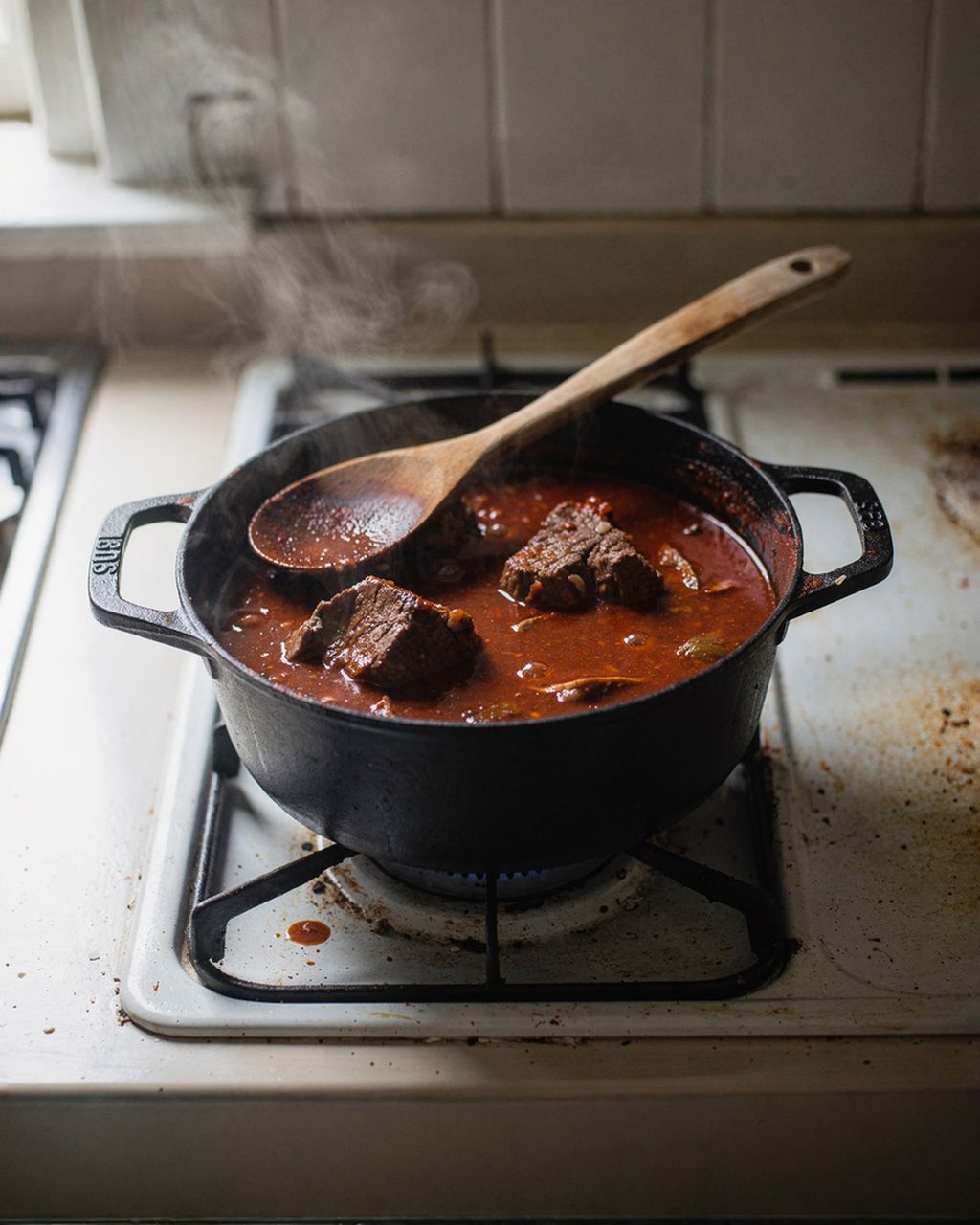
The most typical dish is goulash from neck: an onion base (for a kilo of meat, use about the same weight of onions), sweet paprika, caraway, garlic and marjoram, then 2–3 hours under a lid until the meat falls apart. Here are some tried-and-tested recipes to build on:
Classic czech beef goulash with chilli and bread dumplings
Classic beef neck goulash with bread dumplings
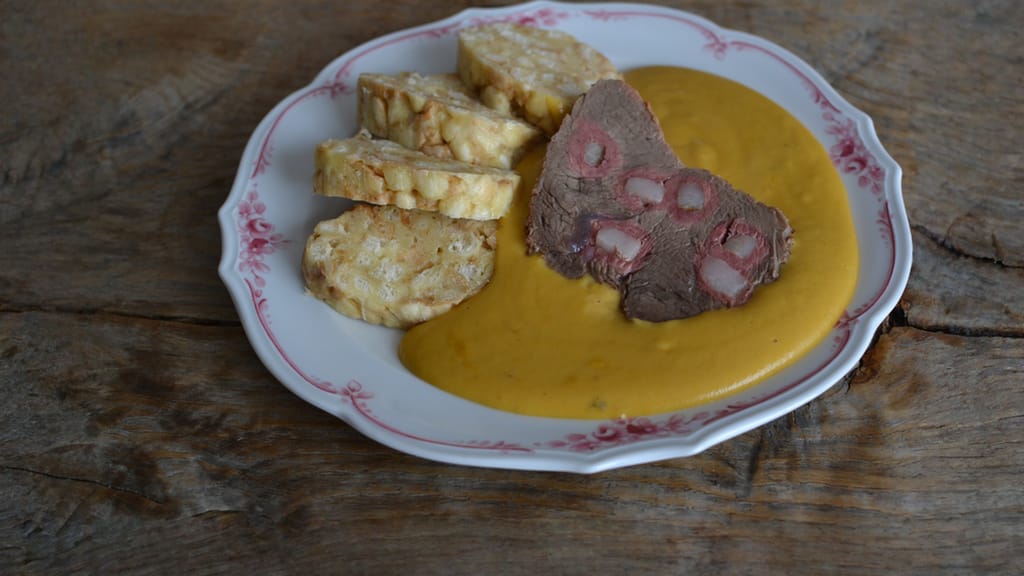
Sunday lunch: perfect homemade beef sirloin in cream sauce
Sunday svíčková – round shoulder and brisket both work under the sauce
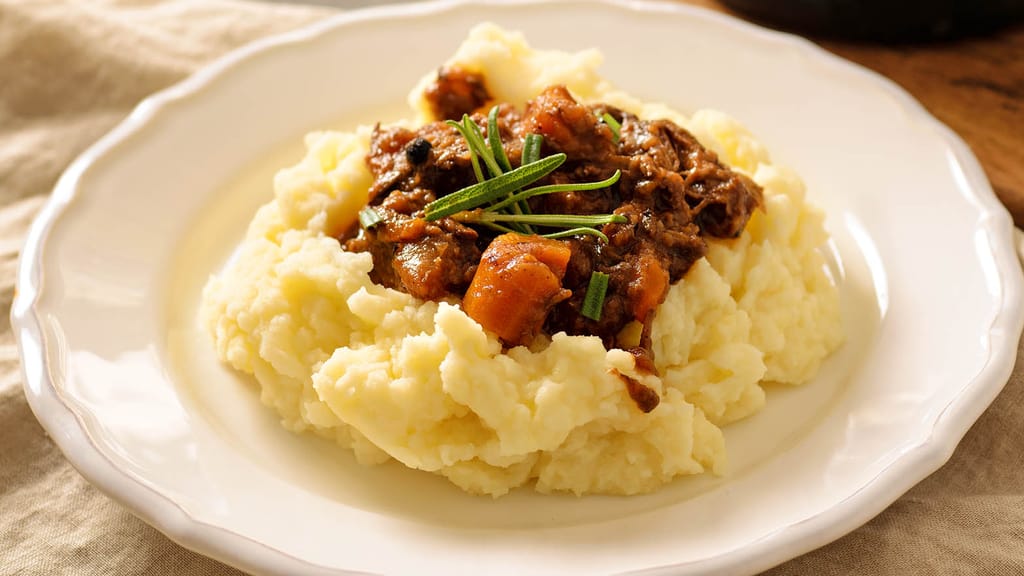
Oven-braised beef in red wine with vegetables
Forequarter beef slow-roasted in wine with root vegetables
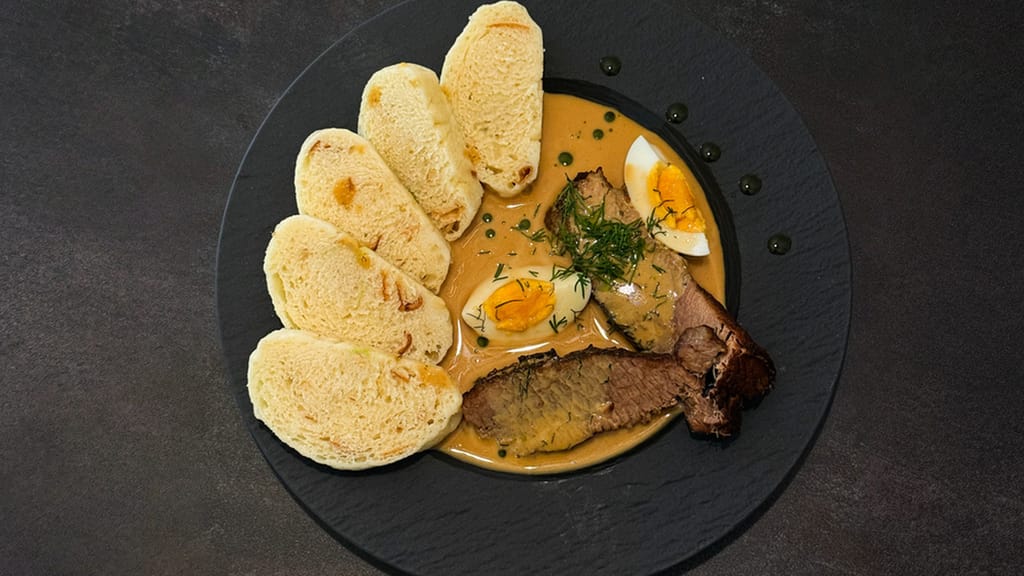
Dill sauce with slow-roasted beef
Dill sauce with slow-roasted forequarter beef
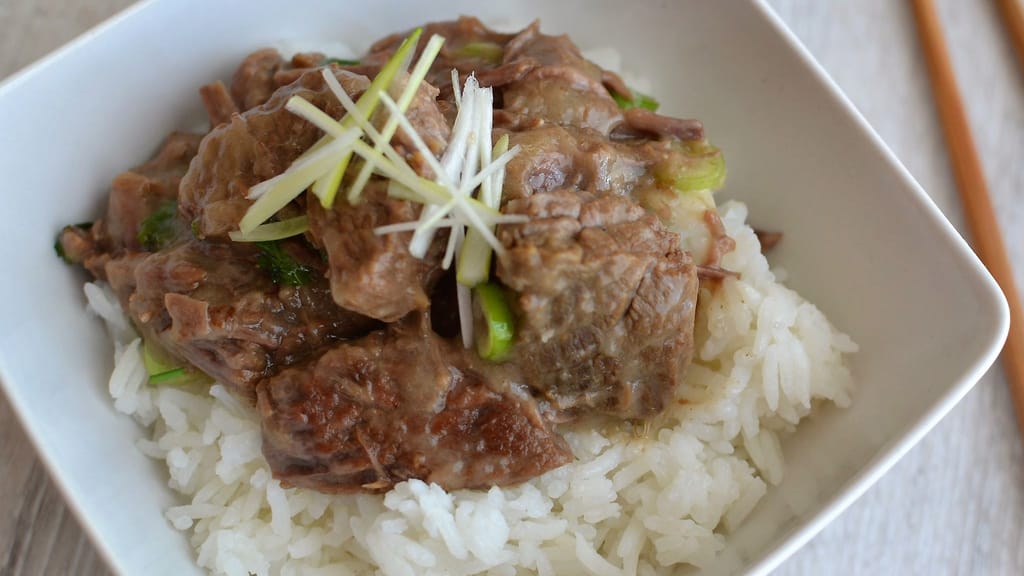
Beef chunks braised in coconut milk
Braised beef pieces from neck or shoulder in coconut milk
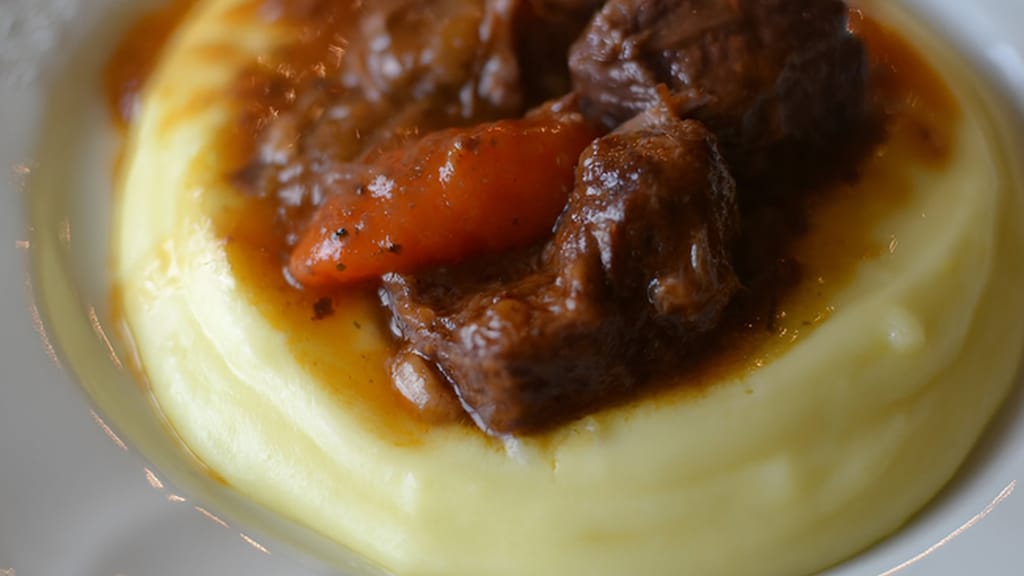
Beef cheeks in red wine with vegetables
Fall-apart red wine ragù – works just as well with fore shank
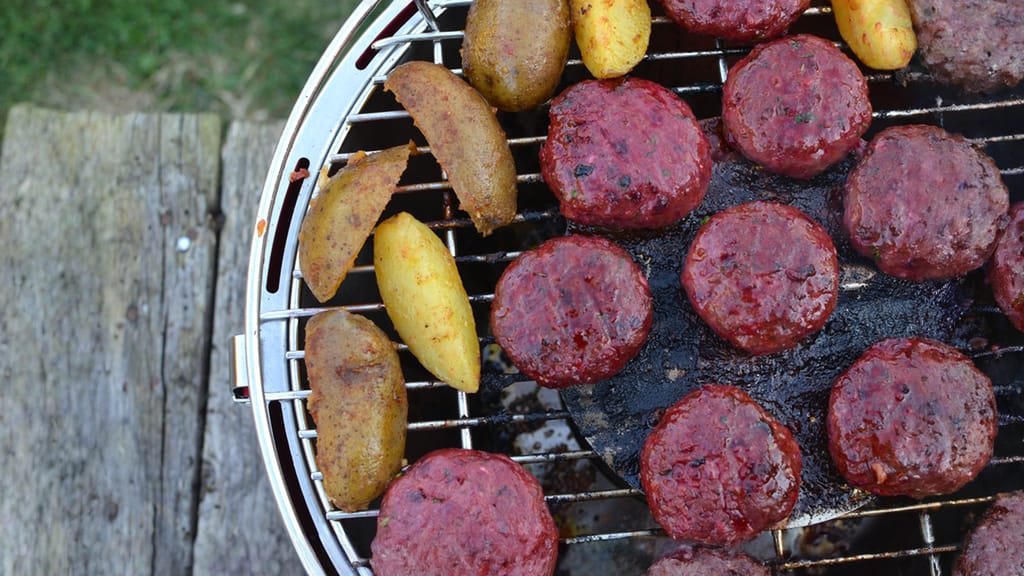
Weekend tip: beef burgers with beetroot
Beef patties from ground forequarter with beetroot
Forequarter beef is cooked slowly at a low temperature – that's the only way the connective tissue turns into gelatin and the meat becomes tender. Quick methods leave it tough. Here's how to go about it:
Pick a good piece. At the butcher's, look for meat with fine marbling (evenly distributed fat), a rich red color and no sharp smell. Fat means juiciness and flavor.
Sear it hard. Pat the meat dry and brown it on all sides in hot fat, in small batches so it doesn't stew in its own juices. This creates a browned crust (the Maillard reaction) that gives the whole dish depth – but it doesn't "seal in" the juices; why that is, we explain in why meat is browned before braising.
Braise or roast slowly. Add stock or wine to come about two-thirds of the way up the meat, add root vegetables and leave it to simmer under a lid or in the oven. The liquid should barely bubble, not boil. Collagen starts turning to gelatin from about 70 °C (160 °F) and does best when the meat is held at around 80–90 °C (175–195 °F) for a long time – think hours, not minutes.
Watch the temperature. For slow roasting, keep the oven at 120–140 °C (250–285 °F). If you're roasting shoulder whole and pink, measure the core with a probe thermometer: 56–58 °C (133–136 °F) is pink (medium rare), 60–63 °C (140–145 °F) is medium.
Slice across the grain. When the meat is done, let it rest for 10–15 minutes, then slice across the fibers – the slices hold together, yet fall apart in your mouth.
A marinade of oil, garlic, rosemary and lemon overnight is a handy extra – it adds flavor, but the real work is always done by time and low heat.
Forequarter beef in 3–4 cm cubes is tender in 2–3 hours on the stovetop, 2.5–3.5 hours in the oven at 150–160 °C (300–320 °F) and 40–50 minutes in a pressure cooker. Times by method:
Stovetop braising – gentle simmer under a lid: neck and chuck 2–3 h, shoulder 1.5–2.5 h, fore shank 3–3.5 h
Oven at 150–160 °C (300–320 °F) – in a cast-iron pot with a lid: 2.5–3.5 h depending on the cut and the size of the pieces
Slow roasting at 120–140 °C (250–285 °F) – whole brisket or shoulder (1.5–2 kg): 5–8 h. At such low temperatures the oven thermostat drifts the most, often by 10–20 °C, so it pays to check it with a Patisse oven thermometer
Pressure cooker – neck or shoulder goulash 40–50 min under pressure, shank 50–60 min, then let the pressure release naturally
Slow cooker – on LOW 8–10 h, on HIGH 4–6 h
How to tell it's done: a fork slides into the meat without resistance and a piece can be crushed against the side of the pot. If the fork catches or the meat springs back, it isn't done yet – add 30 minutes and test again. Core temperature doesn't matter here, because braised meat is cooked through long before it turns tender.
Tough forequarter beef almost always comes down to one of three causes: it was cooked too briefly, at too high a temperature, or sliced with the grain.
Too short. The most common mistake. At roughly 60–70 °C (140–160 °F) the muscle fibers tighten before the collagen has had time to dissolve – at this stage the meat is at its toughest. Simply keep braising until a fork slides in without resistance. Tough braised meat is usually not overcooked, but undercooked.
Too hot. When the liquid boils hard, the muscle fibers contract and squeeze out the juices, and the meat turns dry and stringy even if it falls apart. Keep to a gentle bubble, and 150–160 °C (300–320 °F) in the oven.
Slicing with the grain. Long fibers in a slice chew like rubber. With a roast or brisket, look at which way the fibers run and cut across them, into slices 0.5–1 cm thick.
The choice of cut matters a little too: lean round shoulder will stay drier in goulash than marbled neck or chuck.
Plan on 150–200 g of raw boneless forequarter beef per serving, or 250–300 g bone-in (rib, shank). Meat shrinks during braising and roasting by roughly a quarter to a third of its weight, as it loses water and renders some of its fat – from 1 kg of raw neck you'll end up with about 650–750 g of cooked meat.
Goulash, braises, dill sauce – 150–180 g boneless per serving, 200 g for big eaters
Roasts and svíčková – 180–200 g per serving, so it slices nicely
Slow-roasted brisket – 200–250 g, as brisket is fatty and loses the most
Stock – for 3 l of water, roughly 1–1.5 kg of meat with bones
Cooking in bulk? Goulash and braises reheat and freeze well; how long they keep raw and cooked is covered in how long beef keeps in the fridge.
Forequarter beef is a source of protein and contains iron, zinc and vitamin B12.
According to nutrition tables, lean beef has around 20–21 g of protein per 100 g of raw meat. Lean beef contains roughly 2–3 mg of iron per 100 g of raw meat. Much of the iron in meat is in the heme form.
It also contains zinc and vitamin B12 – according to USDA data, roughly 1.7–5 µg per 100 g of raw meat depending on the cut. Vitamin B12 occurs naturally only in animal foods.
Fat content varies a lot between cuts – lean round shoulder has little fat, while marbled neck and especially brisket have noticeably more.
Forequarter beef (neck, chuck, shoulder, brisket, shank) has more connective tissue and collagen, so it suits slow methods like goulash and braises. Hindquarter beef (tenderloin, sirloin, round) is leaner and more tender and can handle quick roasting and grilling. The forequarter is also cheaper and more flavorful.
The best substitute for forequarter beef in goulash is hind shank or beef cheeks – they have just as much connective tissue and fall apart nicely after braising. If you reach for a leaner hindquarter cut such as round, the goulash will be drier and the meat tougher.
In a sealed container, cooked forequarter beef keeps in the fridge for 3–4 days, and goulash and braises often taste better the next day as the flavors come together. For longer storage, freeze it – it keeps for 2–3 months.
For stock and long braising, bone-in forequarter beef is better, because the bone and the tissue around it give the liquid flavor and gelatin. For goulash and roasts, boneless meat is more practical – it's easier to cut and portion – but with bone-in, plan on 250–300 g per serving instead of 150–200 g.
It's better to thaw forequarter beef before braising, ideally slowly in the fridge, where a kilo of meat needs about 24 hours. Frozen meat can't be dried properly and browned, so the dish loses the flavor you get from searing.
One recipe worth heating the oven for, one tip, and one deal from the shop. Nothing else.