Quick answer
What temperature is best for proofing dough?
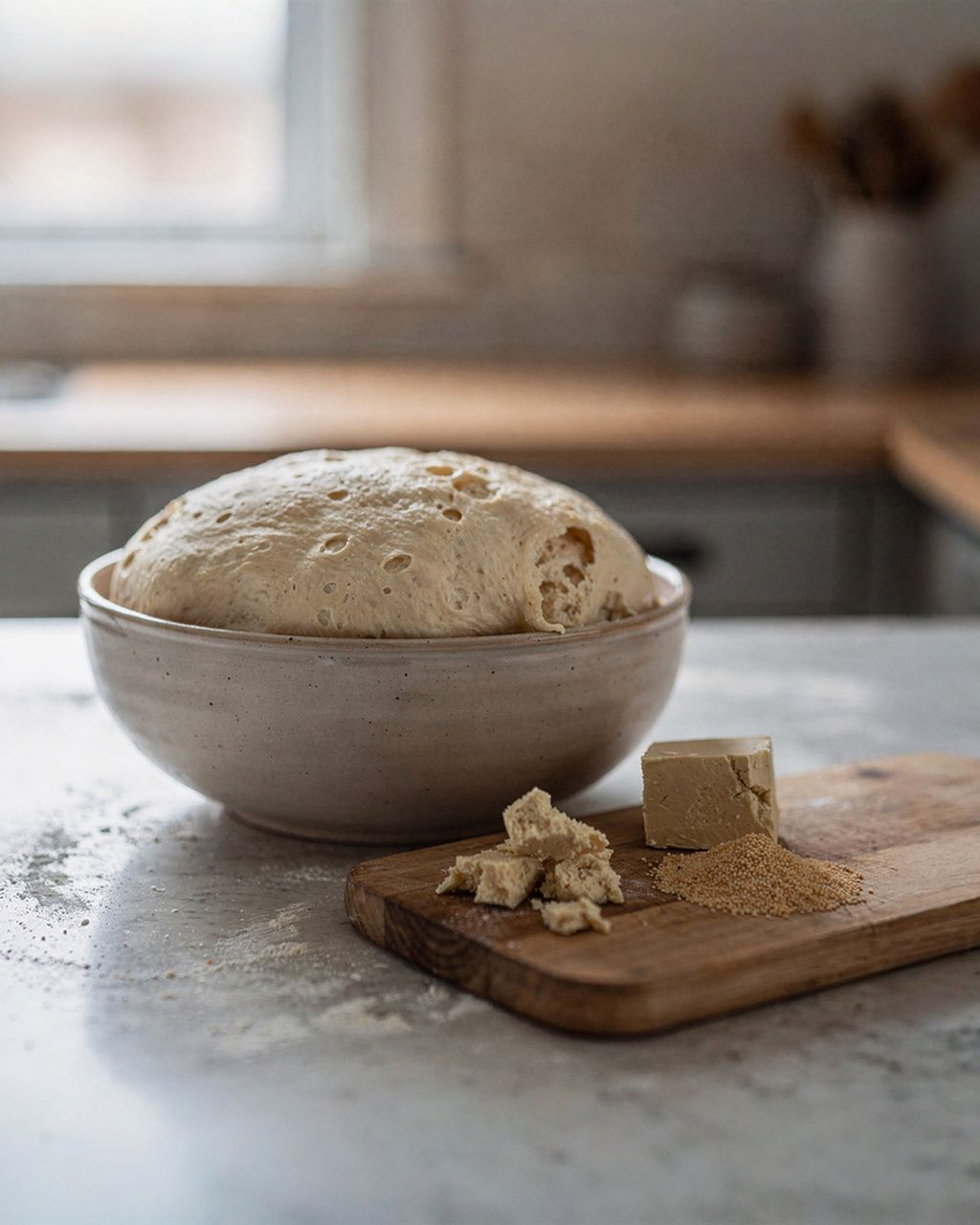
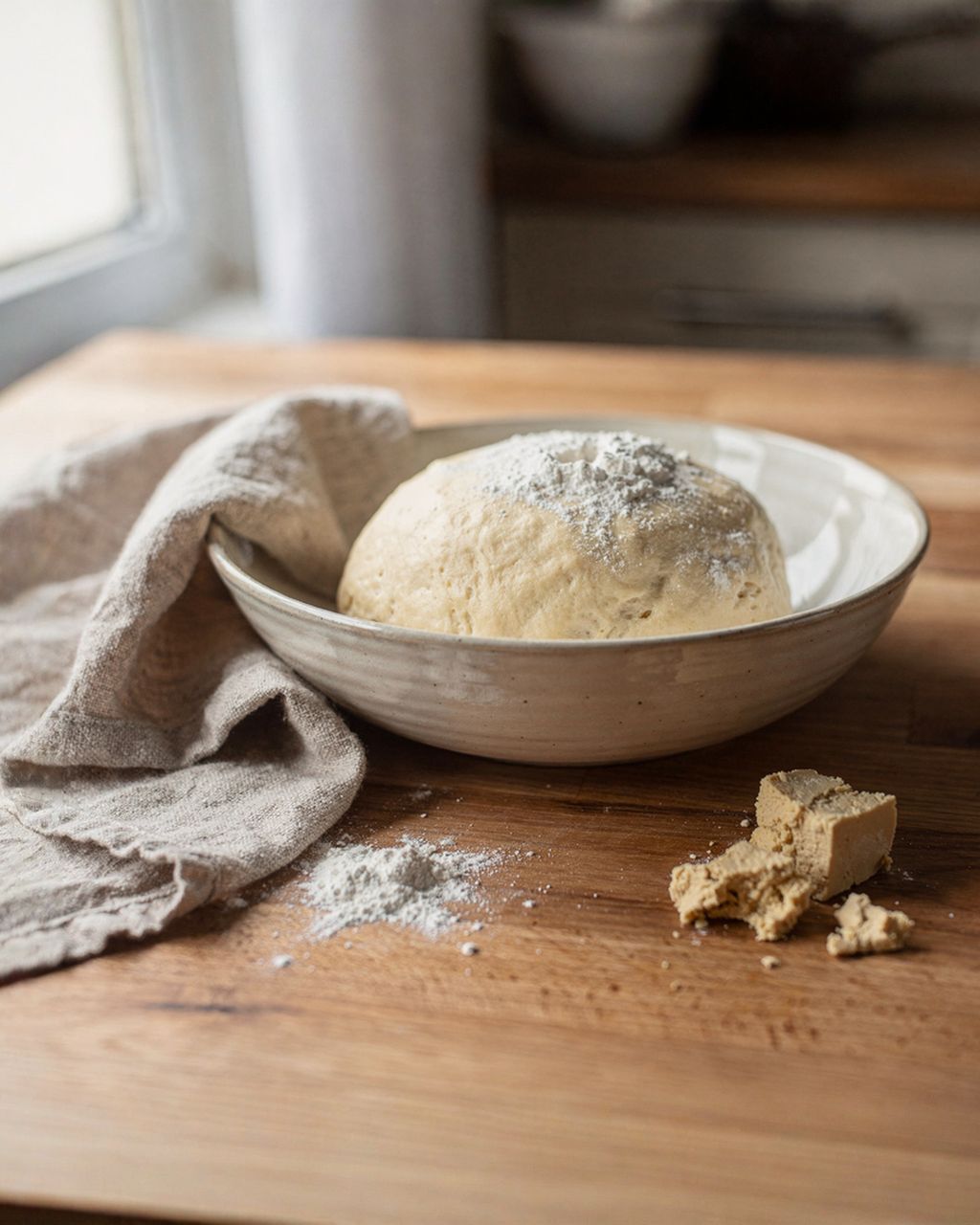
24–28 °C, where the first rise takes about 60–90 minutes and the dough doubles. Keep the liquid at 30–35 °C: above 45–50 °C yeast starts to die.
Sourdough starter, yeast and flour: how to make a starter, convert fresh yeast to dried and tell when dough has risen. Bread, vánočka, sweet buns, pizza and dumplings. Plus why dough won't rise or vánočka cracks.
Quick answer
24–28 °C, where the first rise takes about 60–90 minutes and the dough doubles. Keep the liquid at 30–35 °C: above 45–50 °C yeast starts to die.
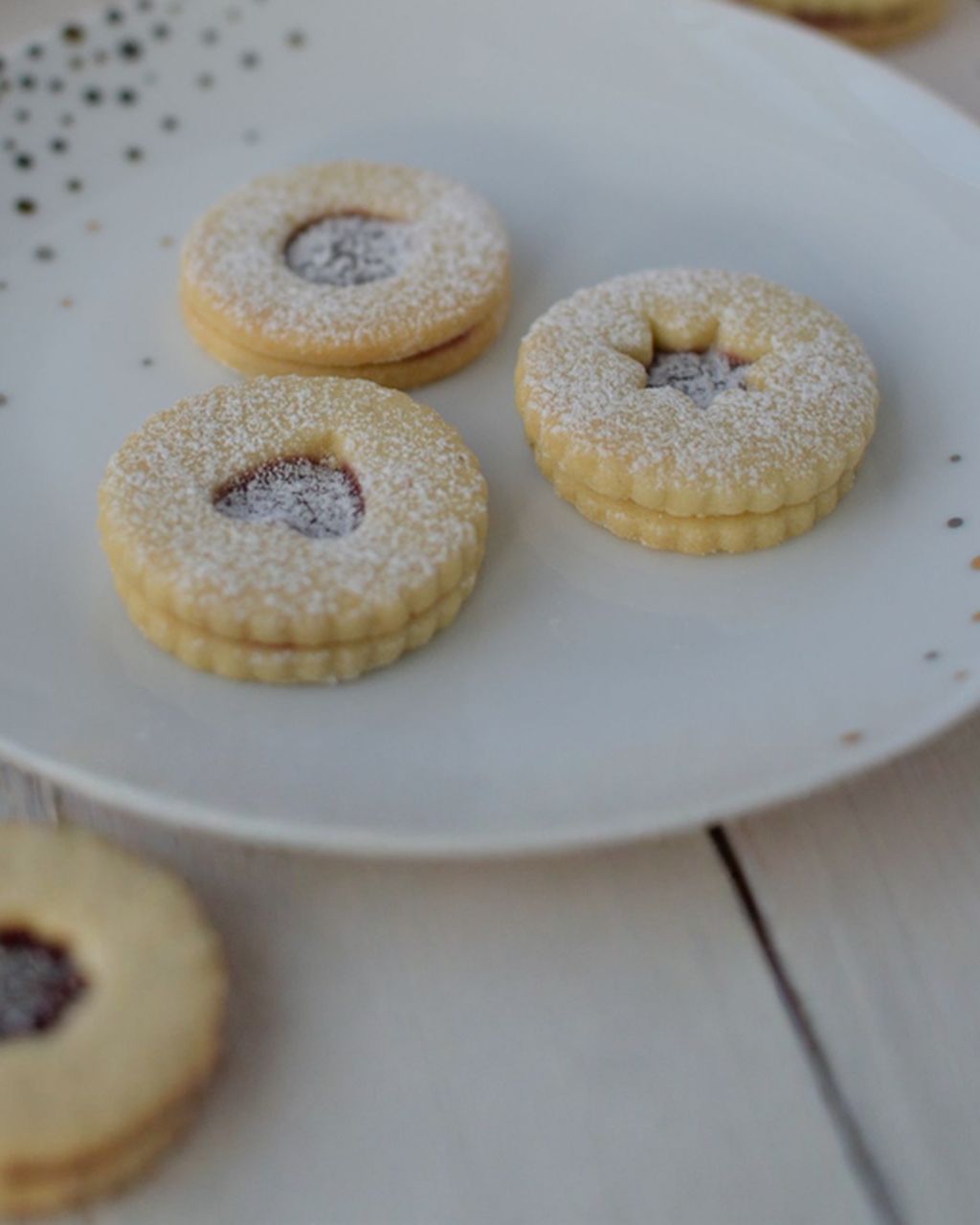
Classic christmas cookies: delicate linzer cookies
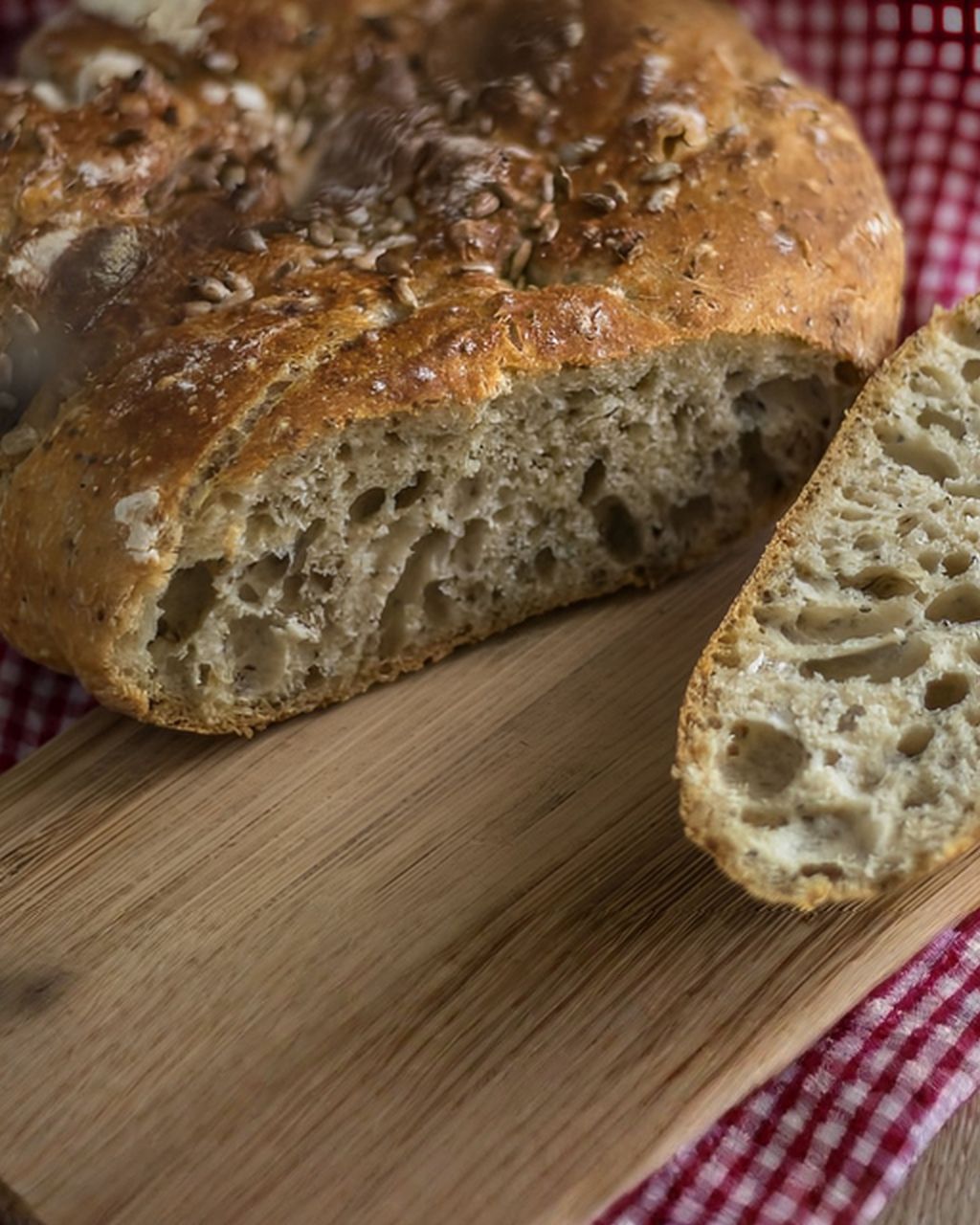
Homemade bread
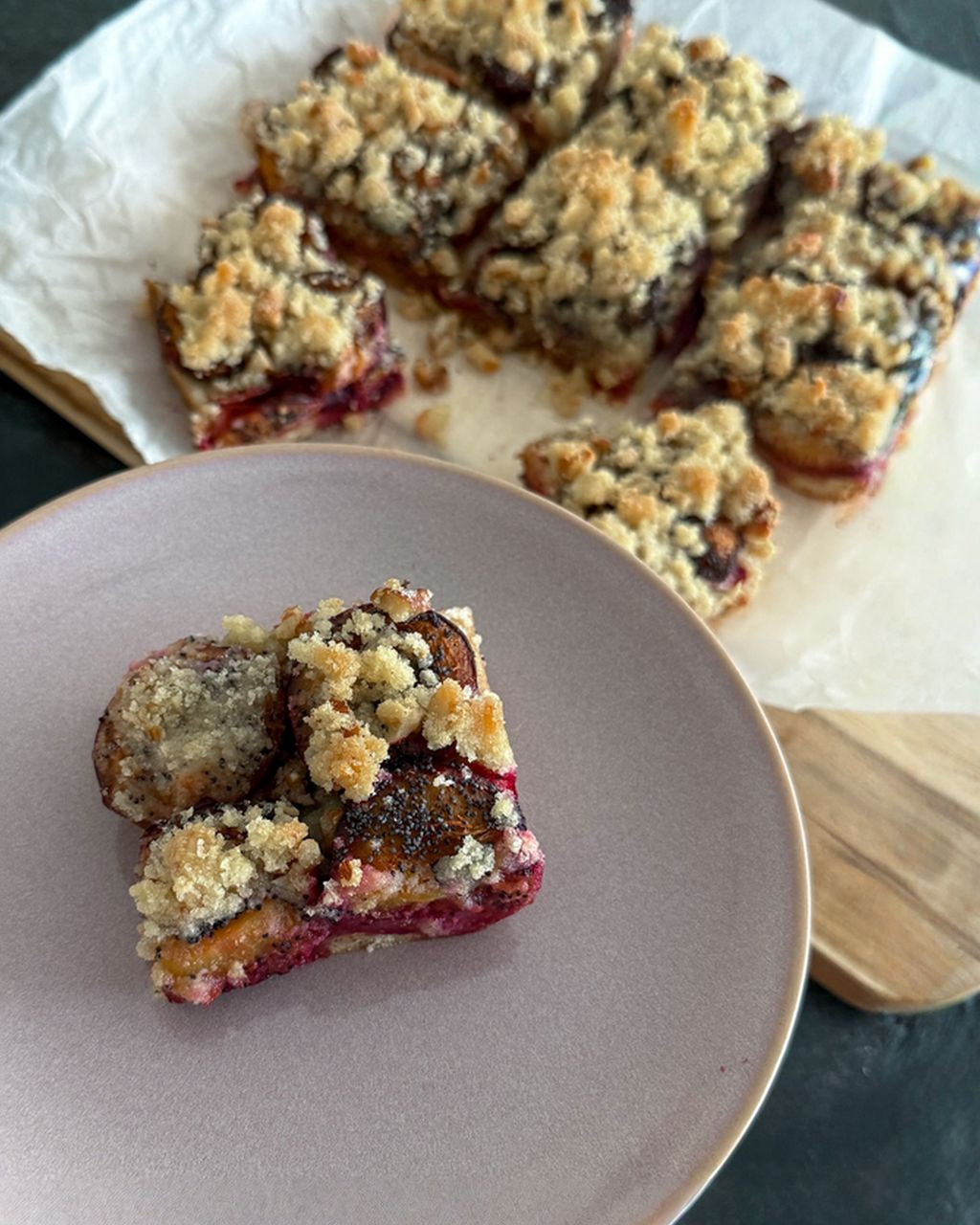
Classic yeasted plum sheet cake with crumble topping
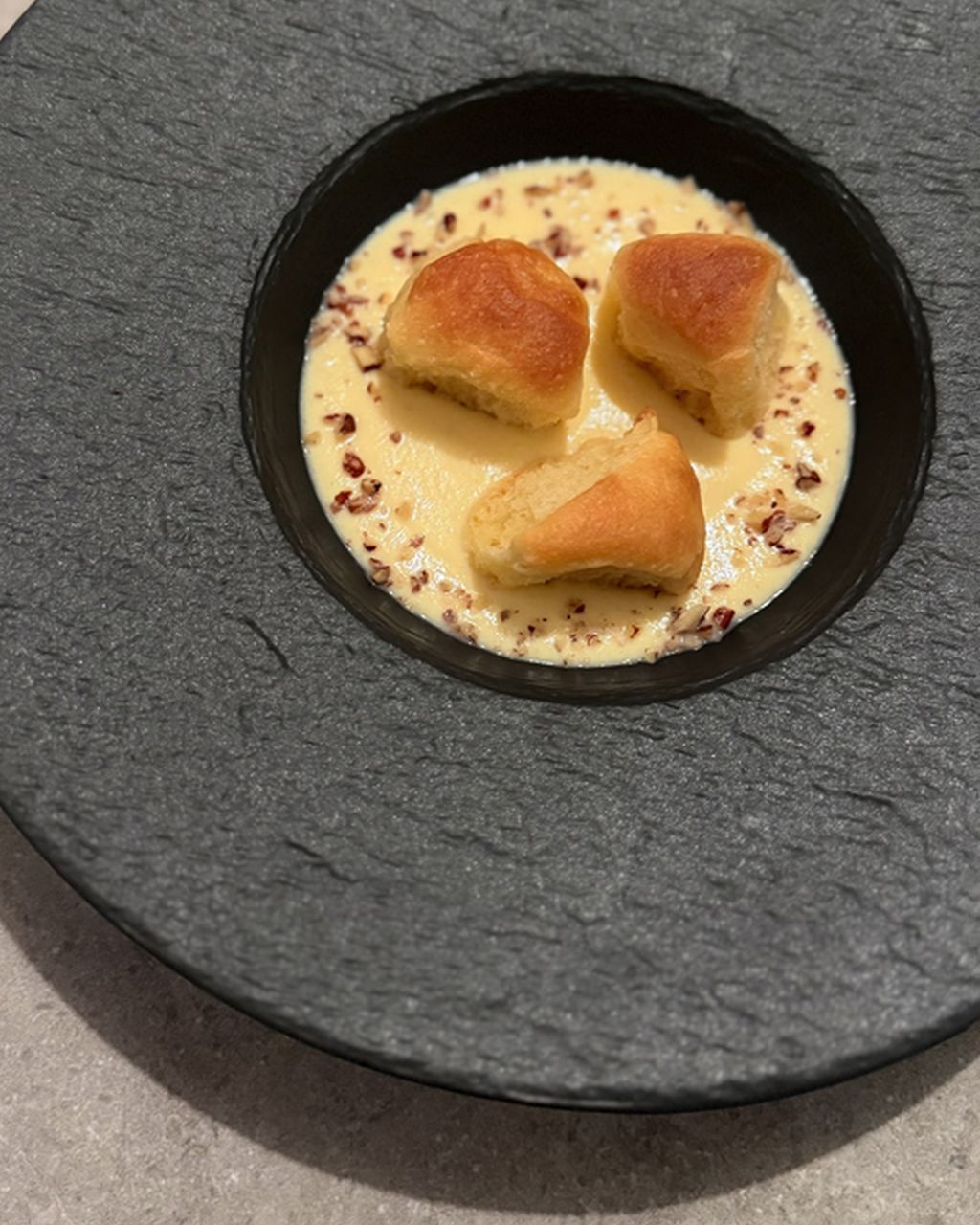
Fluffy sweet buns with chaudeau (egg custard) sauce

Homemade pizza with overnight dough
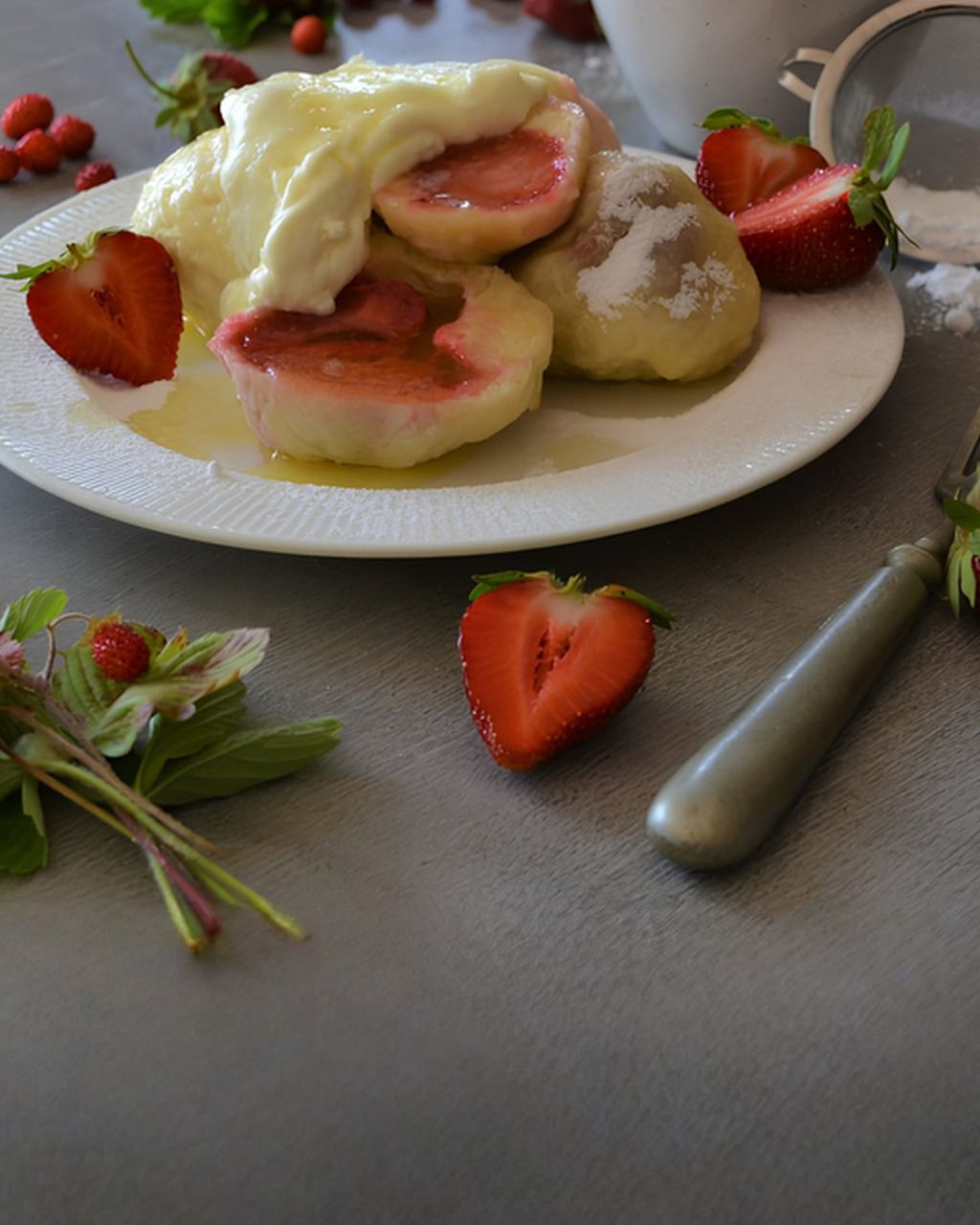
Yeast dumplings with fruit
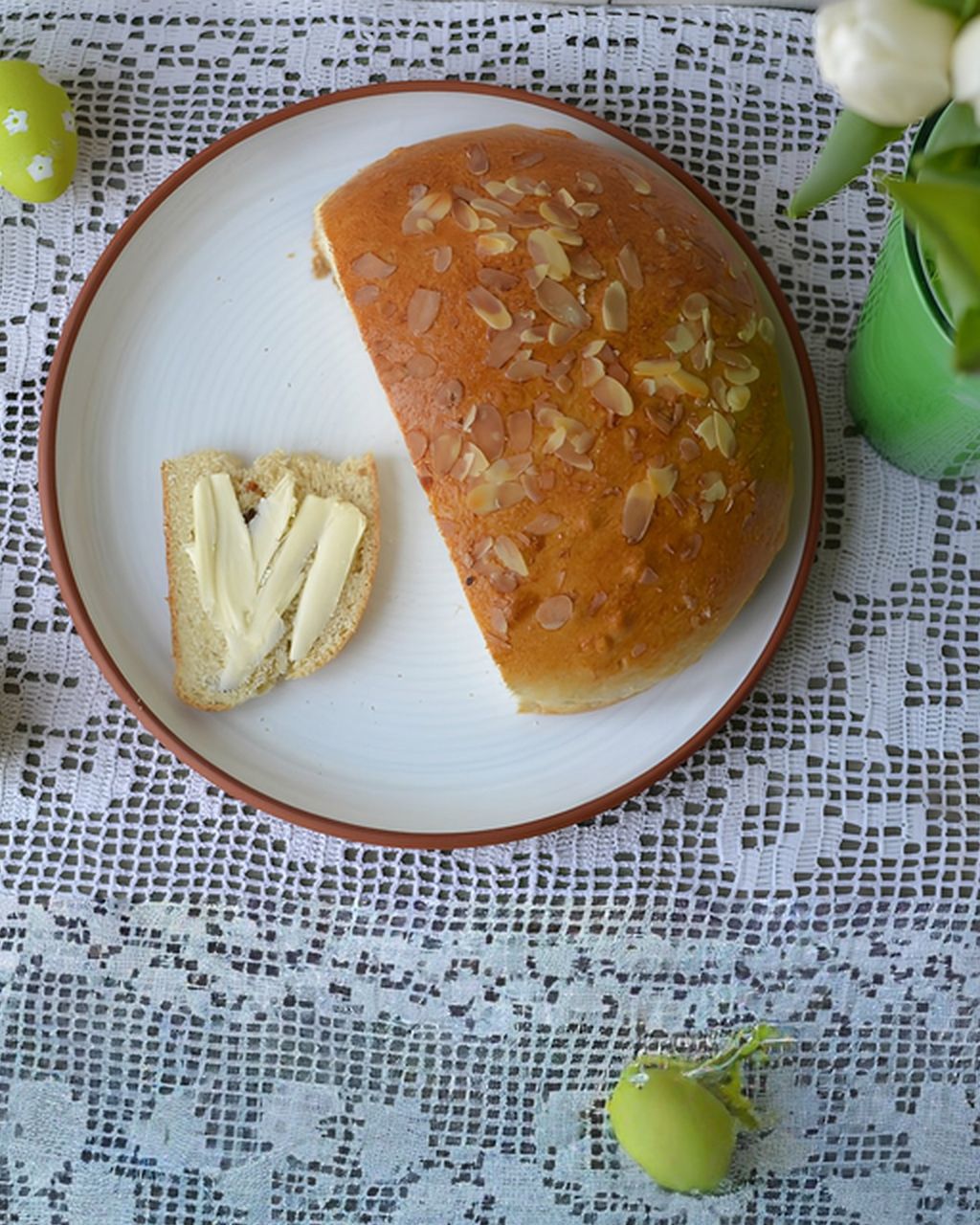
Easter classic: fragrant mazanec bread
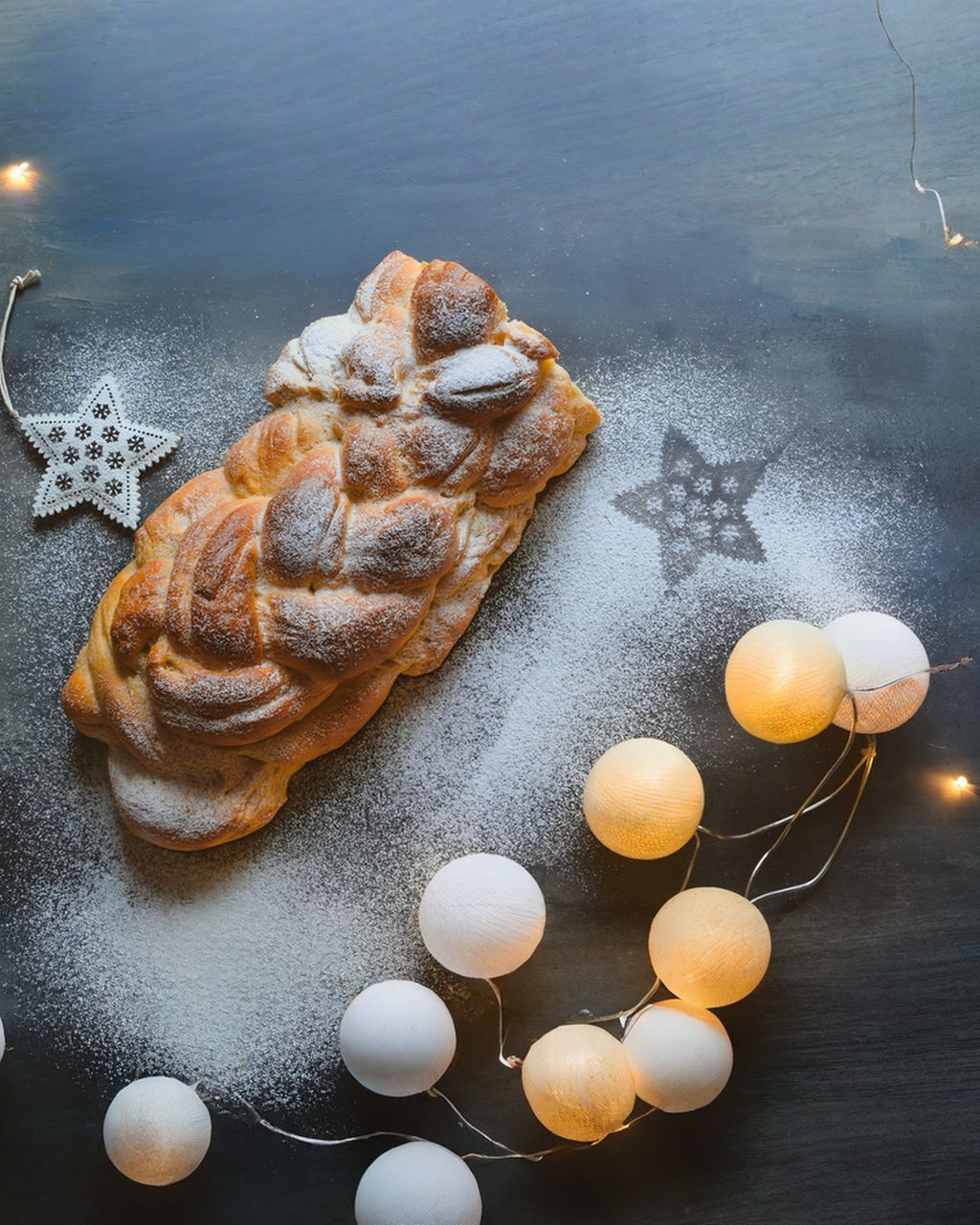
Homemade butter christmas braid
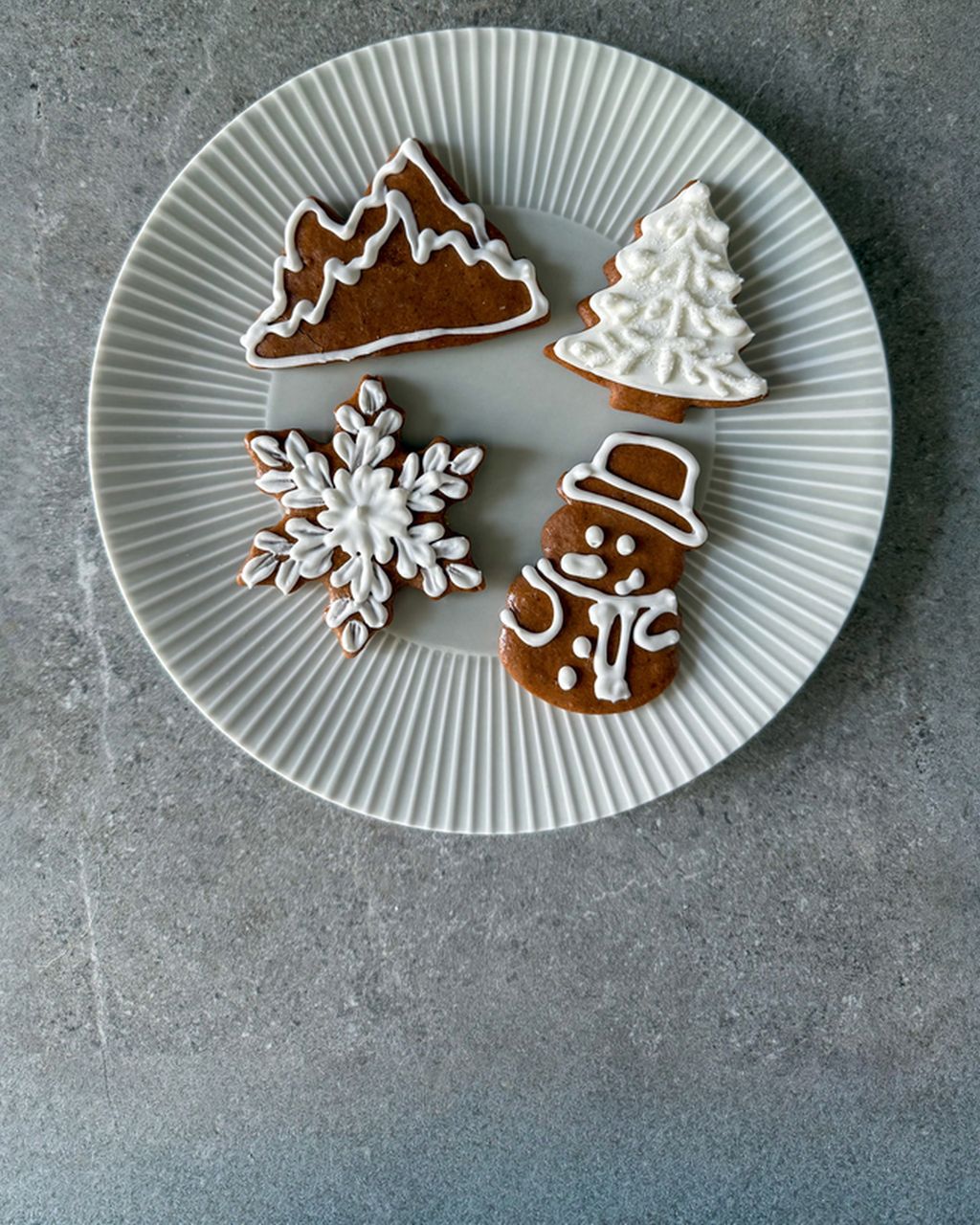
Soft honey gingerbread cookies that never go hard
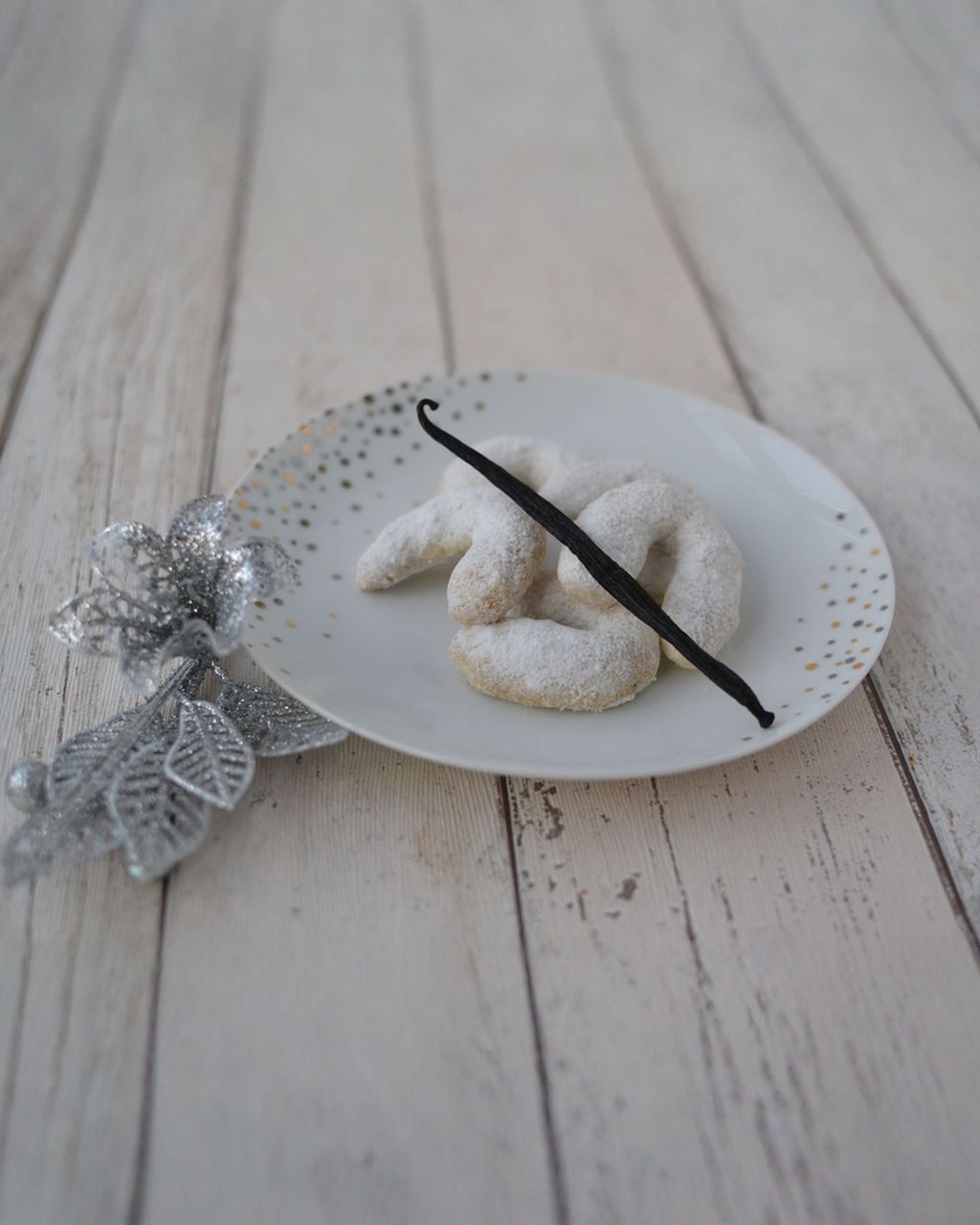
The best christmas cookies? vanilla crescents, of course!
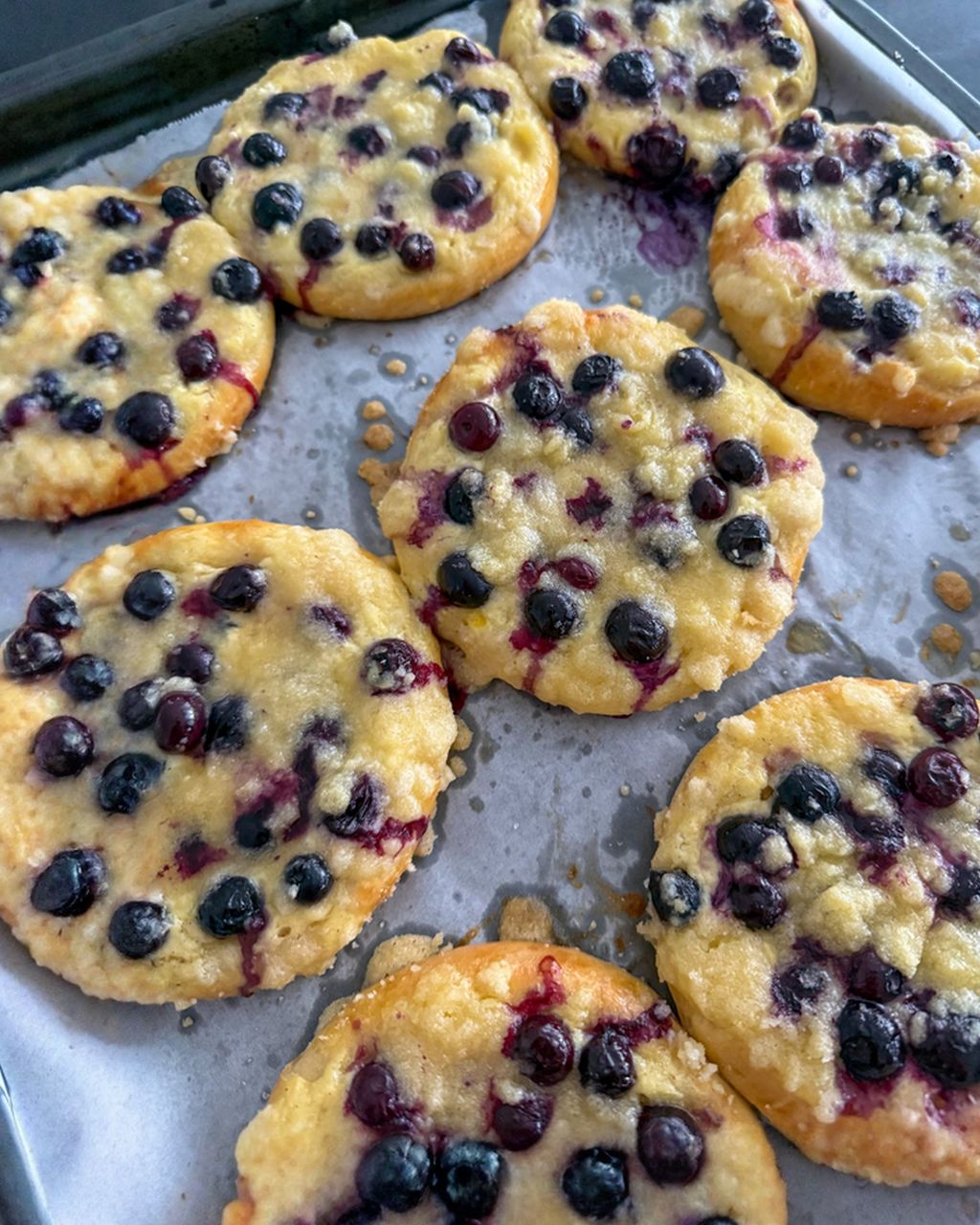
Yeasted blueberry buns with curd cheese and crumble
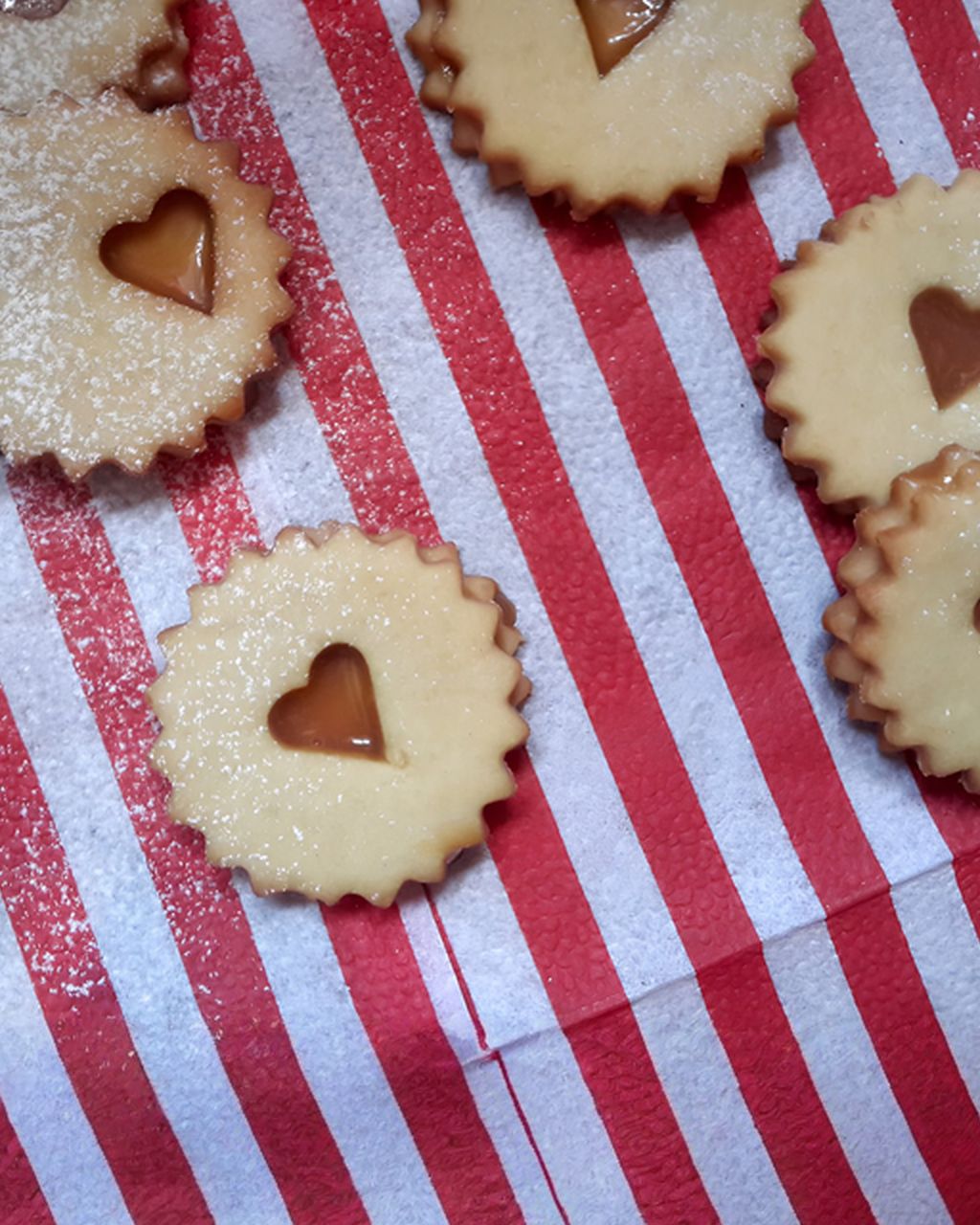
Linzer cookies filled with salted caramel
Cinnamon rolls stay raw in the middle when the oven is too hot, so the tops brown before the center bakes, when the pan is crowded with large or tightly packed rolls, or when the rolls go in cold from the fridge. The reliable test is a thermometer: King Arthur Baking and America's Test Kitchen treat about 88°C (190°F) in the center as baked for soft, enriched rolls. Here is how to fix a gooey batch now and avoid it next time.
Bread that is doughy in the middle is almost always underbaked: the crust browned before the center reached the temperature at which the crumb sets. A cool oven, a loaf too big for its pan, a very wet or underproofed dough and slicing while hot all make it worse. A thermometer in the center tells you for sure.
Bread dough that rises well and then collapses has usually overproofed: the yeast made more gas than the gluten could hold, so the bubbles burst and the dough sank. A warm kitchen, too much yeast, too little salt, very wet dough or weak flour make it more likely. The poke test tells you when to bake before it happens.
To measure flour without a scale, fluff it, spoon it lightly into a dry measuring cup until it overflows, and level it with a straight edge without pressing or tapping. Done that way, a US cup (236.6 ml) of all-purpose flour weighs about 125 g and a metric cup (250 ml) about 132 g. Scooping straight from the bag packs in much more.
Dense sourdough is most often underproofed: the dough went into the oven before fermentation had made enough gas, often because the starter was weak or the kitchen was cool. Overproofing, too much whole grain, weak shaping, too little steam and cutting the loaf while hot can also leave it dense or gummy. Here is how to tell which one you have.
A tough or dense pizza crust usually comes from too much flour, a dough that didn't rise enough, or a long bake in an oven that isn't hot enough. Each one is easy to fix once you know which it is. Here is how to read your crust and what to change.
Pizza dough is sticky when it has more water than the flour can hold, when the gluten hasn't developed yet, or when it has overproofed and gone slack. A little tackiness is normal and makes a lighter crust, so before you pile in flour, check which of the three you have. Here is how to tell, how to handle a wet dough, and what to change next time.
Pizza dough that won't stretch is almost always tight gluten: the dough was just shaped, is still cold from the fridge, or hasn't rested long enough to relax. Cover it, let it rest and warm up, and it will open out instead of snapping back. If it tears instead, the gluten is underdeveloped or overworked, and the fix is different.
Banana bread turns gummy mostly because it is underbaked in the middle, and often because the batter has more banana or liquid than the recipe can carry, was overmixed, or was sliced while still hot. A dense, heavy loaf has the same causes plus tired leavening. Here is how to tell which it is, how to check a loaf is really done, and what to do with one that is already gummy.
Banana bread sinks in the middle mostly because it came out of the oven underbaked, and less often because it rose on too much baking soda or powder, carried too much banana, or had the oven door opened early. A loaf that never rose at all usually had old leavening, or sat too long before baking. Here is how to tell which happened from the shape of the loaf, and how to get a domed, cooked-through loaf next time.
You can bake sourdough without a Dutch oven by baking it on a hot stone or heavy tray and either covering it with an upturned oven-safe pan or adding steam with a tray of boiling water for the first 20 minutes. The point of a Dutch oven is to trap steam so the loaf can rise before the crust sets, and these methods do the same job.
You don't need a banneton for sourdough: a bowl or colander lined with a well-floured linen or thin cotton tea towel does the same job. Dust the cloth with rice flour so the dough releases, and pick a container about the size and shape of the loaf you want.
Sourdough discard is the part of your starter you remove before feeding it, so the starter doesn't grow huge and keeps the right balance of flour, water and culture. It is raw flour and water with a sour, tangy flavor, and you can bake with it in pancakes, crackers, flatbreads and quick breads, or freeze it until you need it.
Puff pastry is a laminated dough with no yeast that rises from steam between hundreds of butter layers; croissant dough is laminated too but contains yeast, so it bakes up bready and soft inside; phyllo is paper-thin sheets with almost no fat, layered with butter or oil by hand. Each gives a different crunch, so they swap only in some recipes. Here is how they differ and which to choose.
You can make pizza dough without olive oil: swap in the same amount of any neutral oil, or leave the oil out entirely, as Neapolitan pizza makers do. Oil makes the dough easier to stretch and the crust softer and browner, so a dough without it bakes up a little crisper and leaner. Here is what each substitute changes.
The quickest safe way to thaw frozen puff pastry is in a sealed, leak-proof bag in cold water, changing the water every 30 minutes and baking it as soon as it is pliable, which follows the USDA's cold-water method. A short microwave thaw also works if your pack gives one, and the fridge thaw is the easiest of all. Whichever you use, keep the pastry cold so the butter layers stay intact and the sheets unfold without cracking.
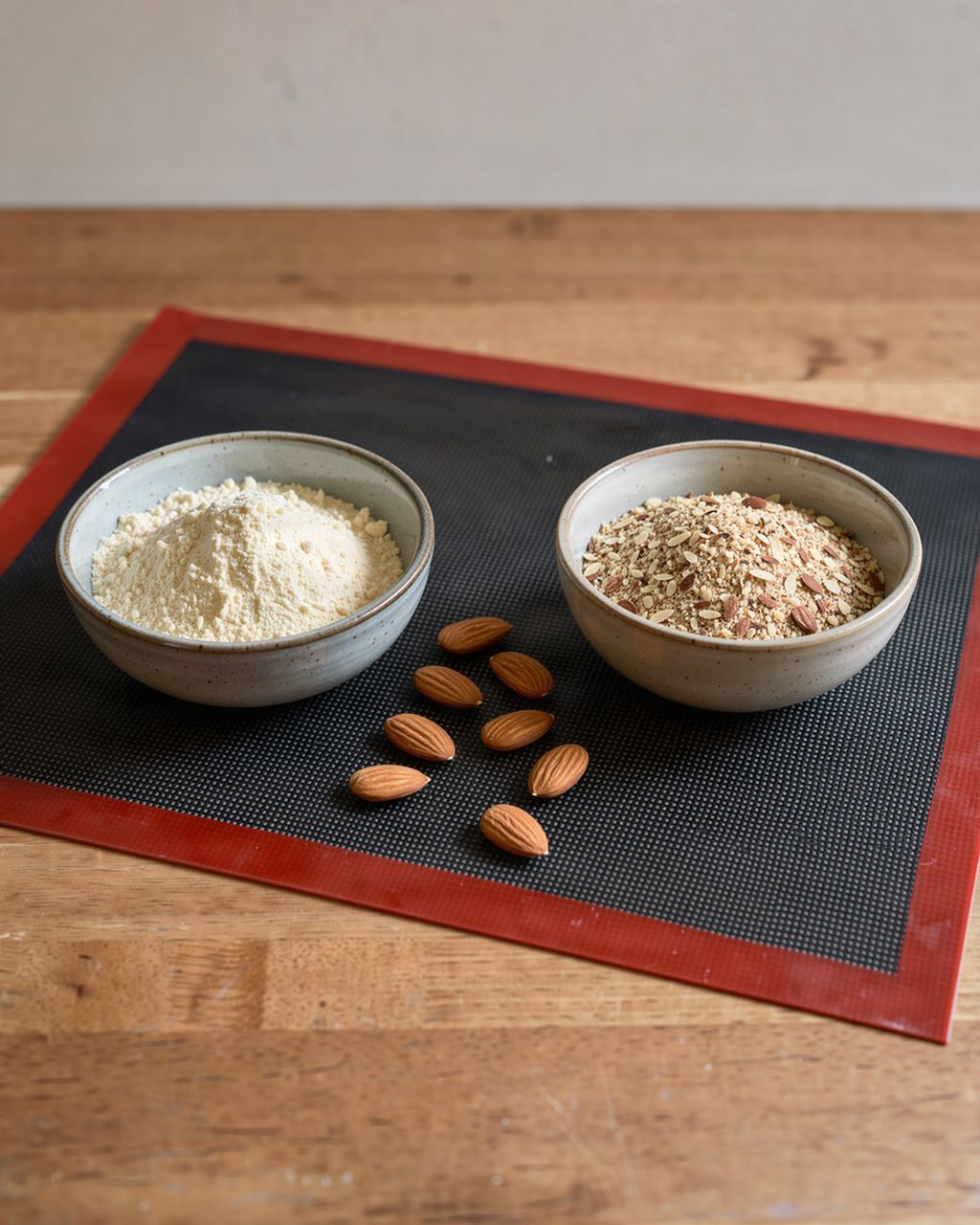
Almond flour can't replace all-purpose flour one for one, because it has no gluten, much more fat and far less starch, so bakes come out denser, moister and more crumbly. You can swap in part of the flour easily, or use a recipe written for almond flour. Almond flour is ground almonds, a tree nut, so it is not suitable for anyone with a tree-nut allergy.
Homemade panettone usually turns out dense because the starter or preferment was not strong enough, one of the long rises was cut short, or the loaf was cooled upright so its soft crumb sank under its own weight. Panettone is one of the hardest breads to bake at home: a very rich dough that has to climb tall on wild yeast over a day or two. Here is where each problem starts and how bakers avoid it.
Brioche dough rises slowly by nature: the butter, sugar and eggs that make it rich also slow the yeast down, and most brioche is mixed cold and chilled, so it can look like nothing is happening for hours. If it truly isn't moving, the usual causes are dead yeast, a cold kitchen, or a chilled dough that hasn't had time to warm up. Here is what normal looks like, and how to get a stalled dough going.
Brioche turns out dense mostly because the gluten was not developed enough before the butter went in, the butter was added too fast or too warm so it broke out of the dough, or the loaf was baked before it had fully risen. Dry brioche usually means too much flour or too long in the oven. Here is how to spot which one happened and what to change next time.
Cinnamon rolls usually fail to rise because the yeast was dead or killed by hot liquid, the kitchen was too cold, or the dough simply needed more time: a rich dough with butter, sugar, egg and milk rises much more slowly than plain bread. Below are the causes in order of likelihood, how to rescue a slow batch, and two quick tests that tell you when the rolls are ready to bake.
Cinnamon rolls turn out hard or dry mostly because the dough got too much flour, usually from scooping cups or flouring the counter heavily, or because they baked too long or too hot. Underproofed rolls are also tight and tough, and even good rolls go dry fast if they are stored uncovered or in the fridge. Here is how to find your cause, plus the milk roux (tangzhong) trick for rolls that stay soft.
You can shape cinnamon rolls the night before, cover the pan and let them rise slowly in the fridge, then bake in the morning; most tested recipes aim for about 8 to 12 hours and treat about 16 hours as the limit, because after that the yeast overproofs and the rolls can sink. Keep them covered, in the fridge, not on the counter. For longer than one night, freeze them instead.
Brioche dough is meant to be very sticky: it carries so much egg and butter that it clings to the bowl and your hands until the gluten is fully developed, and it only firms up once the butter is chilled. Don't add flour, which makes the bread dense and dry; keep mixing until it passes the windowpane test, then chill it, covered, in the fridge. If it is greasy and soupy rather than sticky, the butter got too warm, and that has its own fix.