Why Is My Pizza Dough Not Stretching? Springing Back, Tearing, Fixes
Why Is My Pizza Dough Tough or Dense? Flour, Proofing and Oven Heat
Updated Nov 21, 2026
A tough or dense pizza crust usually comes from too much flour, a dough that didn't rise enough, or a long bake in an oven that isn't hot enough. Each one is easy to fix once you know which it is. Here is how to read your crust and what to change.
Tough and dense are related but not the same. Tough means the crust is hard to bite and leathery. Dense means the inside is tight, with few holes. Look at your crust and match it:
Tough, dry, hard to chew: too much flour, too little water, or baked too long at too low a heat.
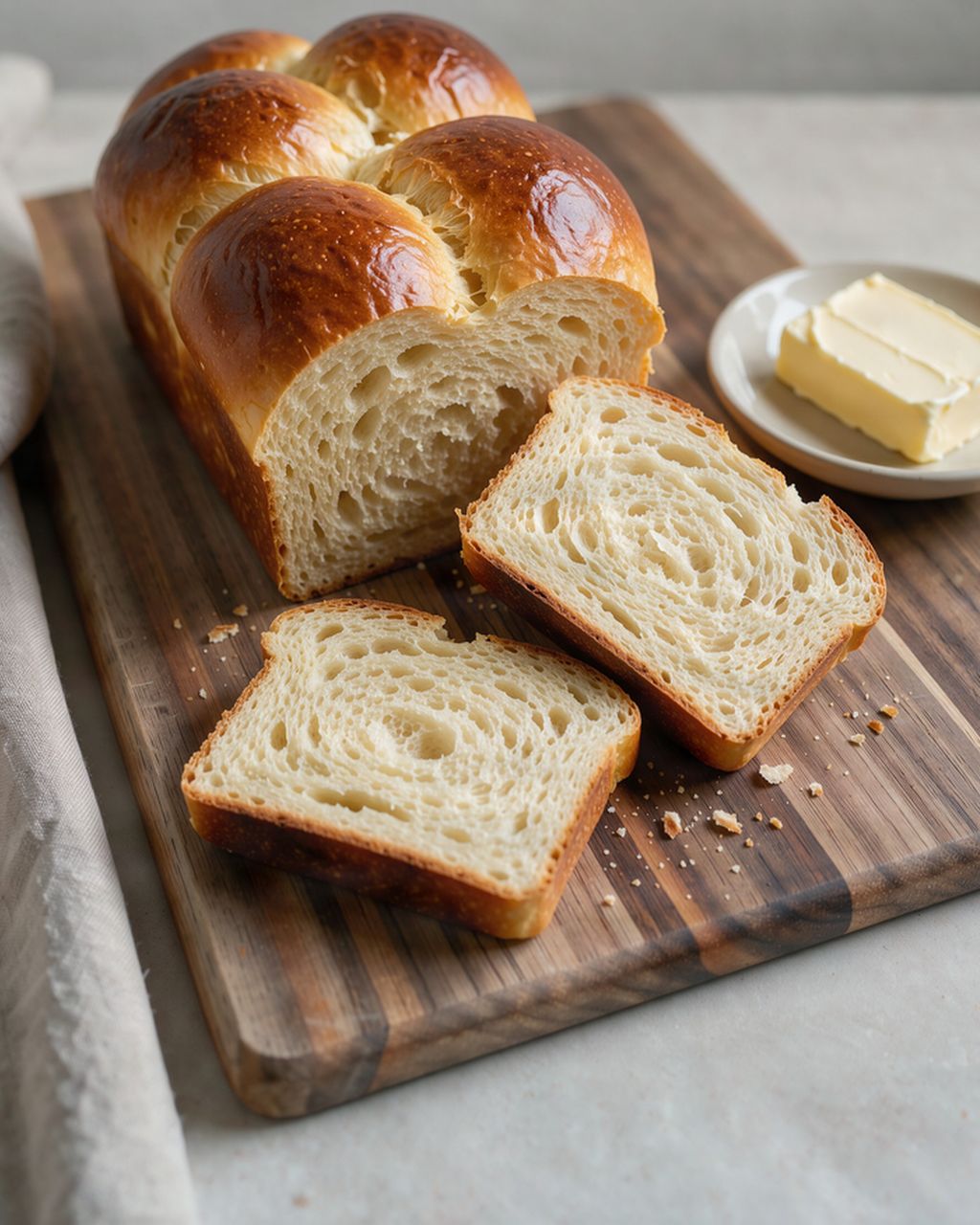
Dense, heavy, few holes: underproofed, weak yeast, or the gas was rolled out.
Pale and dense: usually both a low oven and an underproofed dough.
Chewy and elastic: very strong flour in a stiff dough.
Most crusts have one main cause. Fix that first.
The most common reason for a tough crust is a dry dough. It happens in three ways:
Measuring flour by cups. A packed US cup holds much more than the 125 g a spooned and leveled cup of all-purpose flour weighs. Weigh, or use our cups and spoons to grams calculator.
Adding flour to fix stickiness. A slightly tacky dough is normal. Every handful of extra flour makes the crust drier and tougher.
Heavy dusting while shaping. Shake off the excess flour; what stays on the base bakes into a dry, floury crust.
A soft dough with enough water bakes into a crust that is crisp outside and tender inside. Our guide to how much water pizza dough needs gives the ranges for each style and flour.
A dough that didn't rise properly bakes dense. Check these in order:
The yeast is old or dead. Stir a little into lukewarm water with a pinch of sugar. Foam within about 10 minutes means it is alive. Our guide to whether yeast is dead covers the test in detail.
The liquid was too hot. Bob's Red Mill notes that yeast in liquid starts to suffer above about 49 °C (120 °F) and dies at about 60 °C (140 °F). Lukewarm is enough.
The kitchen is cold. Yeast slows right down in a cool room. The dough isn't failing, it just needs more time or a warmer spot.
The rise was too short. Judge by the dough, not the clock: it should look clearly puffy and soft.
Too little yeast, or the wrong conversion. If you swapped fresh yeast for dried or the other way round, check the amount with our yeast converter.
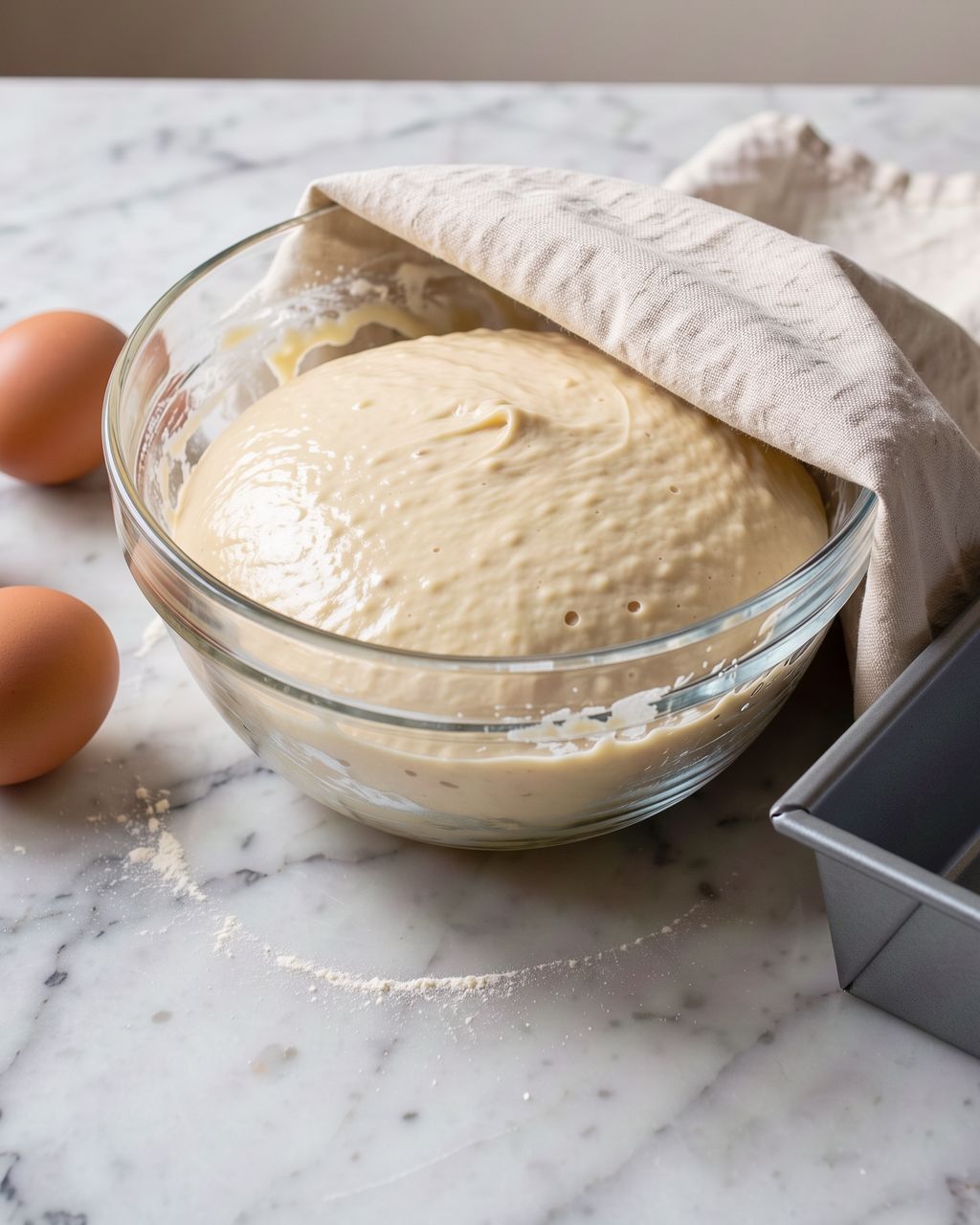
The opposite also bakes dense. A dough that rose too far, in a warm room or for too long, has a weakened gluten network that can't hold gas any more. It deflates when you touch it, spreads flat and bakes into a thin, tight crust. If your dough looked huge and then collapsed, shorten the rise or use less yeast next time.
A dough that rose in the fridge often looks only slightly bigger. That is normal; fermentation still happened, and it will relax and puff as it warms.
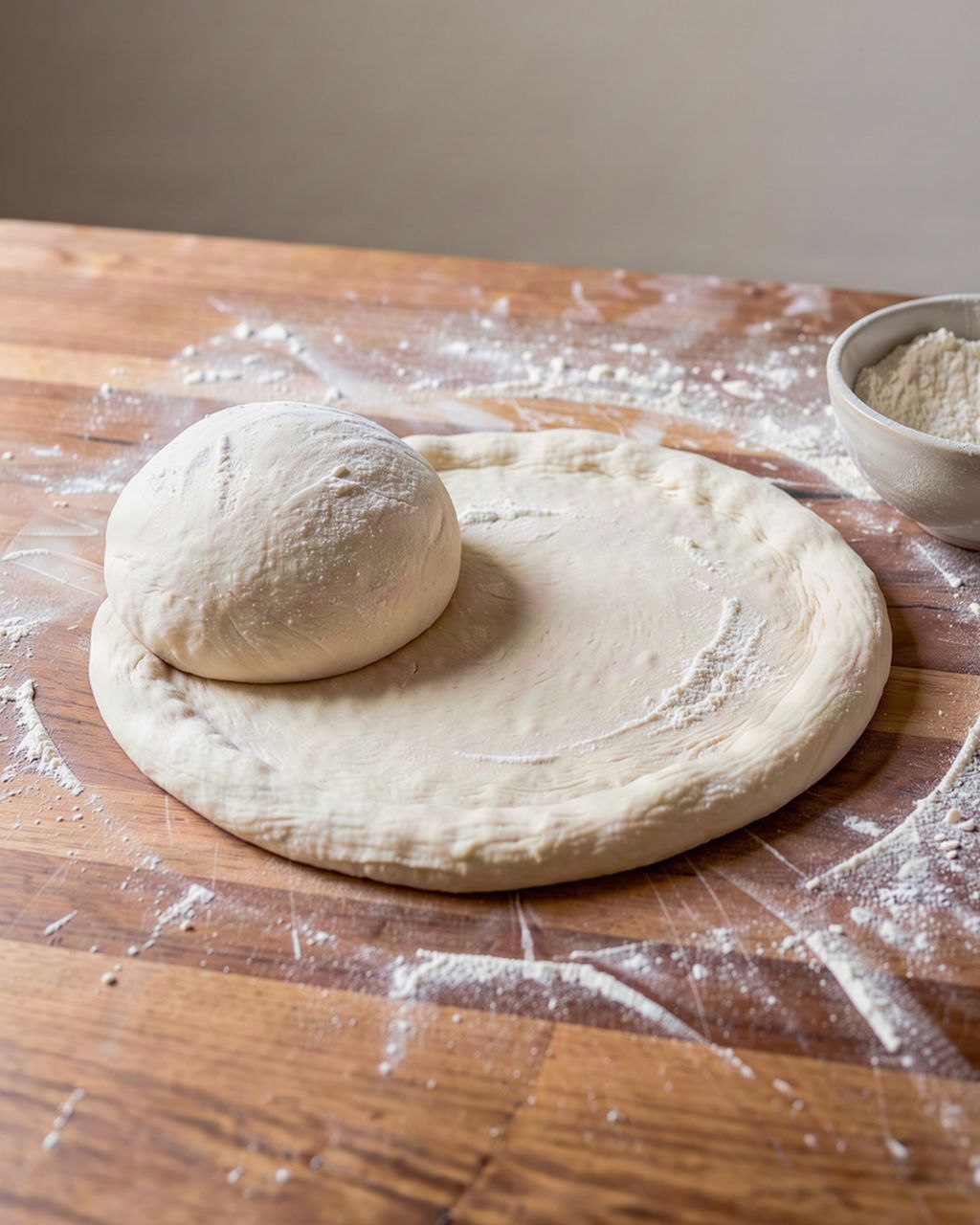
The puffy, airy rim of a good pizza is gas trapped in the dough during fermentation. A rolling pin flattens that gas out, and so does pressing the whole round flat with your palms.
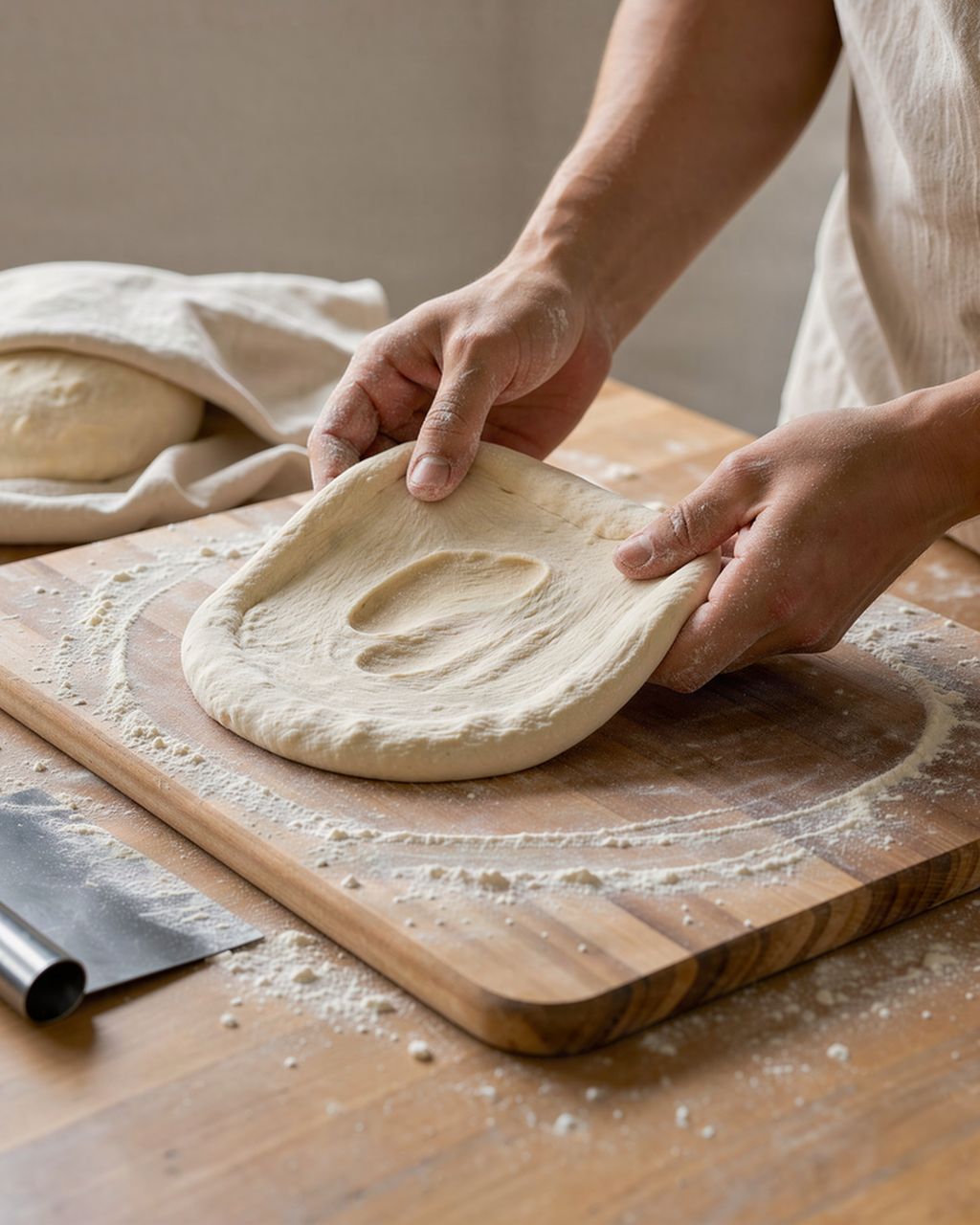
For an airy rim, press the dough from the center outwards with your fingertips, leaving the outer edge untouched, then stretch it over your knuckles.
A rolling pin is fine if you want a thin, cracker-like crust. Just expect a flat, even base.
If the dough is too tight to stretch, rest it covered rather than rolling it into submission. Tight dough is a gluten problem, not a strength contest.
Pizza wants strong heat. In a hot oven the outside sets and browns fast while the inside stays soft. In a cooler oven the pizza needs much longer to brown, and in that time the crust dries out and turns leathery and dense.
How to get more heat from a home oven:
Preheat fully, on the highest setting. Use top and bottom heat (conventional) and give the oven time to come up to temperature.
Use a pizza stone or steel, or an upturned heavy baking sheet, heated with the oven. It hits the base with stored heat.
Bake on a low shelf so the base browns before the top dries out.
Know your oven. Ovens can run hotter or cooler than the dial, so an oven thermometer is worth having.
If you reheat leftover slices, a dry skillet works better than the microwave, which turns crust rubbery; see how to reheat pizza.
Recipe of the week, one tip that saves you time and one deal from the shop. Unsubscribe in one click.
The next issue goes out on Thursday, November 26.
Bread flour or UK strong white flour gives a chewy crust, and that is part of the style for New York pizza. It turns tough when the dough is also stiff. Higher-protein flour needs more water to stay soft, so if you swap from all-purpose to bread flour, the same recipe will feel firmer.
Fixes:
Add a little more water to strong flour.
Mix bread flour half and half with all-purpose for a softer bite.
Give the dough a longer, slower rise, such as a night covered in the fridge, which also relaxes the gluten and helps flavor.
A tough crust usually means too much flour in the dough, a very strong flour with too little water, or a long bake at a low temperature that dries the crust out. Weigh the flour, keep the dough soft and bake it as hot as your oven allows.
Dense pizza dough has usually not risen enough, because the yeast was weak, the kitchen was cold or the rise was cut short. Rolling it out with a pin also presses out the gas that makes an airy rim.
Pizza dough that doesn't rise usually has dead or old yeast, was mixed with liquid that was too hot, or is sitting somewhere cold. Test the yeast in lukewarm water with a pinch of sugar, and give the dough a warmer spot and more time.
Some chew is normal with bread flour, but a very chewy crust comes from high-protein flour in a stiff dough, or from a slow bake that dries the crust. A softer dough and a hotter oven give a crisper outside and lighter inside.
By hand it is very hard to over-knead; most tough crusts come from extra flour, not extra kneading. A powerful stand mixer run on high for a long time can overwork dough, so stop once it is smooth and stretchy.
One recipe worth heating the oven for, one tip, and one deal from the shop. Nothing else.