Why Is My Pizza Dough Not Stretching? Springing Back, Tearing, Fixes
Why Is My Pizza Dough Sticky? Hydration, Flour and How to Handle It
Updated Nov 21, 2026
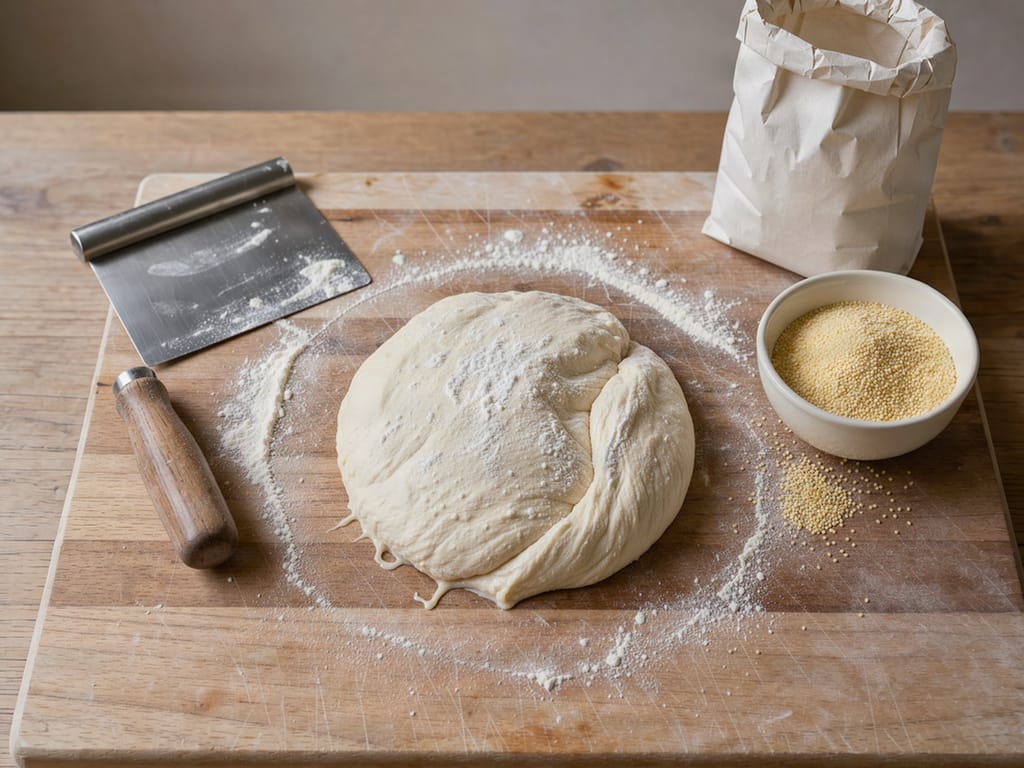
Pizza dough is sticky when it has more water than the flour can hold, when the gluten hasn't developed yet, or when it has overproofed and gone slack. A little tackiness is normal and makes a lighter crust, so before you pile in flour, check which of the three you have. Here is how to tell, how to handle a wet dough, and what to change next time.
Sticky dough is one of three things. Work out which before you reach for the flour bag.
Too much water for the flour. The most common cause, especially if you measured by cups or swapped flours.
The gluten isn't developed yet. Fresh, barely mixed dough is always sticky. It firms up and turns smooth as you knead or as it rests.
It has overproofed. Long or warm fermentation weakens the gluten, and the dough turns slack, wet and hard to hold.
Humidity and warm hands make all three feel worse, but they rarely cause the problem on their own.
Recipe of the week, one tip that saves you time and one deal from the shop. Unsubscribe in one click.
The next issue goes out on Thursday, November 26.
A little, yes. A good pizza dough feels soft and slightly tacky, like the back of a sticky note: it touches your finger and lets go cleanly. That tackiness is water, and water turns into steam in the oven, which is what puffs the rim and gives an open, airy crust.
A dough that is too sticky is different. It clings to your hands in strings, won't hold a ball, and leaves a film on the counter. Compare the two:
Normal: tacky, smooth, holds its shape, releases from a floured hand.
Too wet: stringy, shiny, spreads flat, glues itself to everything.
Many home bakers dry a normal dough out with extra flour because it feels unfamiliar, then wonder why the crust is tough. If yours is only tacky, flour your hands and the counter and carry on.
Bakers talk about hydration: the weight of water as a percentage of the flour's weight. 600 g of water to 1,000 g of flour is 60% hydration. Our guide to how much water pizza dough needs gives the ranges for each style, so we won't repeat them here.
What matters for stickiness is that the same amount of water feels very different in different flours:
Stronger, higher-protein flour (bread flour, strong white flour) absorbs more water and holds a wetter dough together.
Weaker flour (all-purpose, plain, cake flour) absorbs less, so a recipe written for bread flour can turn into a puddle.
Wholemeal flour drinks more water but takes time to absorb it, so the dough can feel wet at first and then firm up.
If you follow a recipe written for a different flour, hold back some of the water and add it only if the dough feels stiff. Our guide to types of flour explains which is which in the US, UK and Europe.
How much flour fits in a US cup (236.6 ml) depends a lot on how you fill it: scooping straight from the bag packs in noticeably more than spooning. Spooned and leveled, all-purpose flour is about 125 g per US cup. A metric cup (250 ml) holds about 132 g. If you lightly spoon in your flour and the recipe writer packed theirs, your dough ends up much wetter than intended.
Weighing is the simple fix. If you only have cups, use our cups and spoons to grams calculator, or the shortcut for a cup of flour in grams.
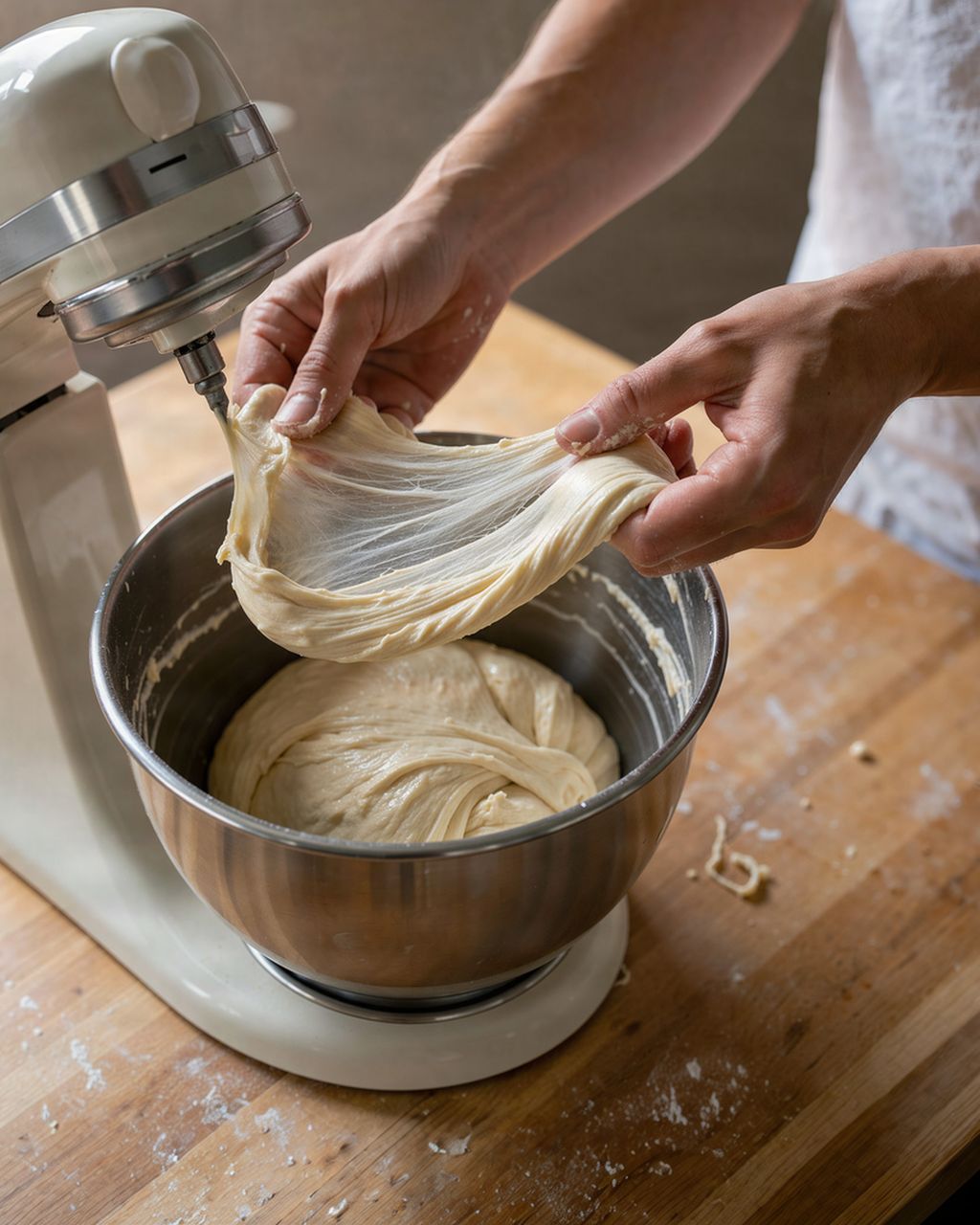
Right after mixing, every pizza dough is sticky and shaggy. Gluten forms over time and with work, and as it forms, the dough grabs the water and turns smooth.
Knead a little longer before deciding the dough is too wet. Use a bench scraper to lift it off the counter instead of adding flour.
Wet your hands, not the counter. Damp hands stick less than floured ones on a wet dough.
Try stretch-and-folds. Every 30 minutes or so during the first rise, lift one side of the dough, fold it over, turn the bowl and repeat. A few rounds turn a sticky mass into a smooth, elastic dough without extra flour.
Rest it. Even 20 minutes covered lets the flour hydrate fully, and the dough feels noticeably less sticky afterwards.
If the dough was fine at first and went sticky later, it has probably fermented too far. Signs:
It spreads into a flat puddle instead of holding a ball.
It smells strongly sour or of alcohol.
It tears easily when you lift it, and big bubbles collapse.
You can still use it. Flour the counter well, handle it as little as possible, and shape it on parchment or straight in an oiled pan for a thicker pan pizza. Next time, shorten the rise, use less yeast, or move the dough covered into the fridge sooner. Our yeast converter helps if you are switching between fresh and dried yeast and want to get the amount right.
A soft, tacky dough bakes into a lighter crust, so it's worth learning to handle it rather than drying it out:
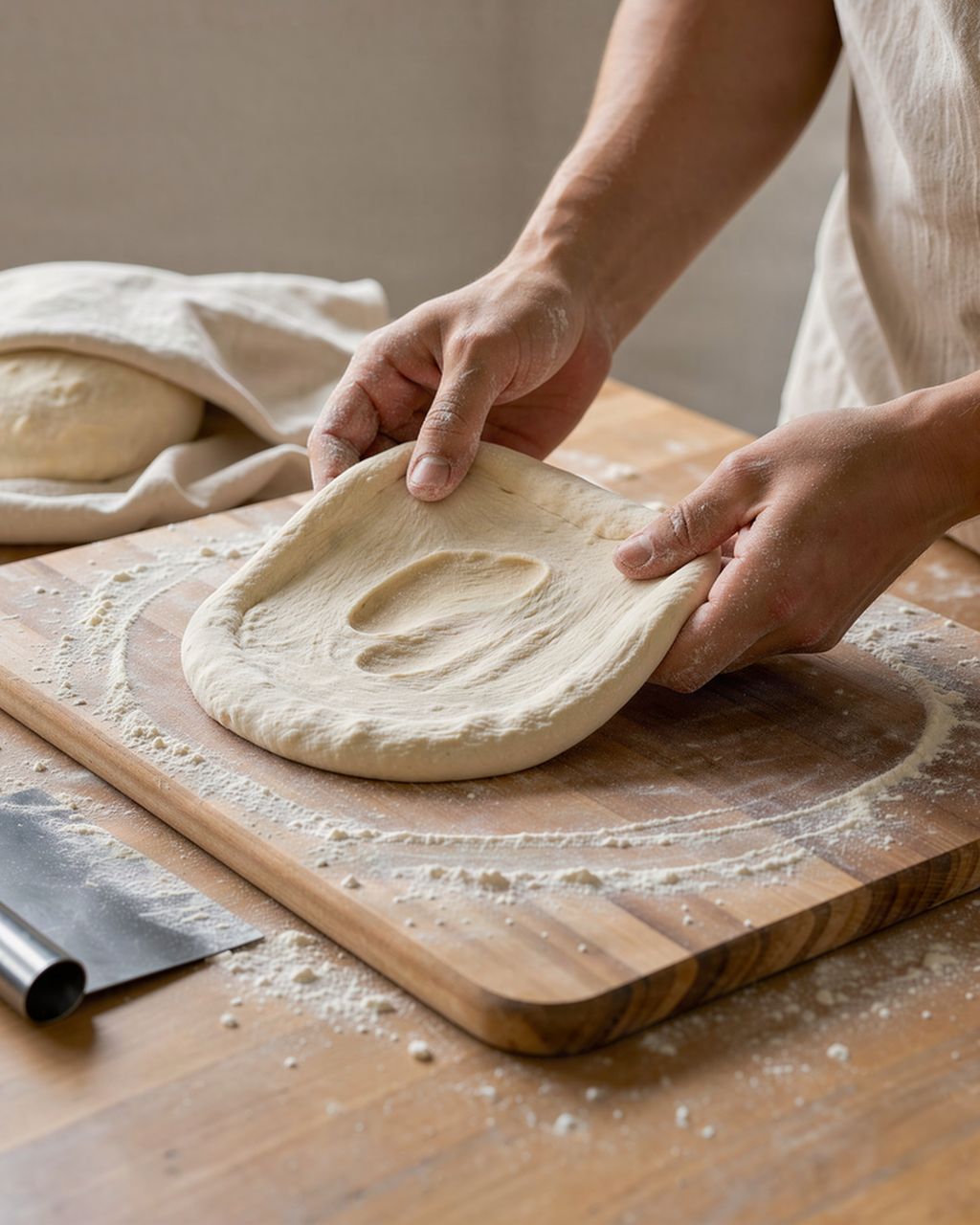
Flour the dough ball generously, press it into a bowl of flour on both sides, then shake off the excess.
Shape on a floured counter and keep your movements quick.
Dust the peel with semolina. Coarse semolina acts like tiny ball bearings. You can use fine wheat semolina or a mix of semolina and flour.
Top fast. The longer the dough sits on the peel under wet sauce, the more it sticks.
Use parchment if all else fails. Slide the pizza in on parchment and pull the paper out after a few minutes, once the base has set. Don't use parchment in a gas or wood-fired pizza oven, where it will burn.
Pizza dough is usually sticky because it has too much water for the flour, hasn't been kneaded enough to form gluten, or has overproofed. Knead or rest it first; add flour only a spoonful at a time if it is still unmanageable.
Only a little, and only after kneading or resting it, because many doughs stop being sticky once the gluten develops. Too much extra flour gives a dry, tough crust.
Slightly tacky is normal, especially for higher-hydration doughs that bake up airy. A good dough feels soft and a little tacky but comes away from a floured hand cleanly.
Dough often feels wetter after a long fridge rest because enzymes and fermentation slowly loosen the gluten. Flour the surface well when you shape it, and handle it gently.
Dust the peel with semolina or a mix of semolina and flour, build the pizza quickly, and give the peel a shake before it goes into the oven. A wet spot or a hole in the base will glue the dough down.
One recipe worth heating the oven for, one tip, and one deal from the shop. Nothing else.