Why Are My Cinnamon Rolls Hard or Dry? Flour, Baking Time and Storage
Overnight Cinnamon Rolls: How Long Can They Rise in the Fridge?
Updated Nov 20, 2026
You can shape cinnamon rolls the night before, cover the pan and let them rise slowly in the fridge, then bake in the morning; most tested recipes aim for about 8 to 12 hours and treat about 16 hours as the limit, because after that the yeast overproofs and the rolls can sink. Keep them covered, in the fridge, not on the counter. For longer than one night, freeze them instead.
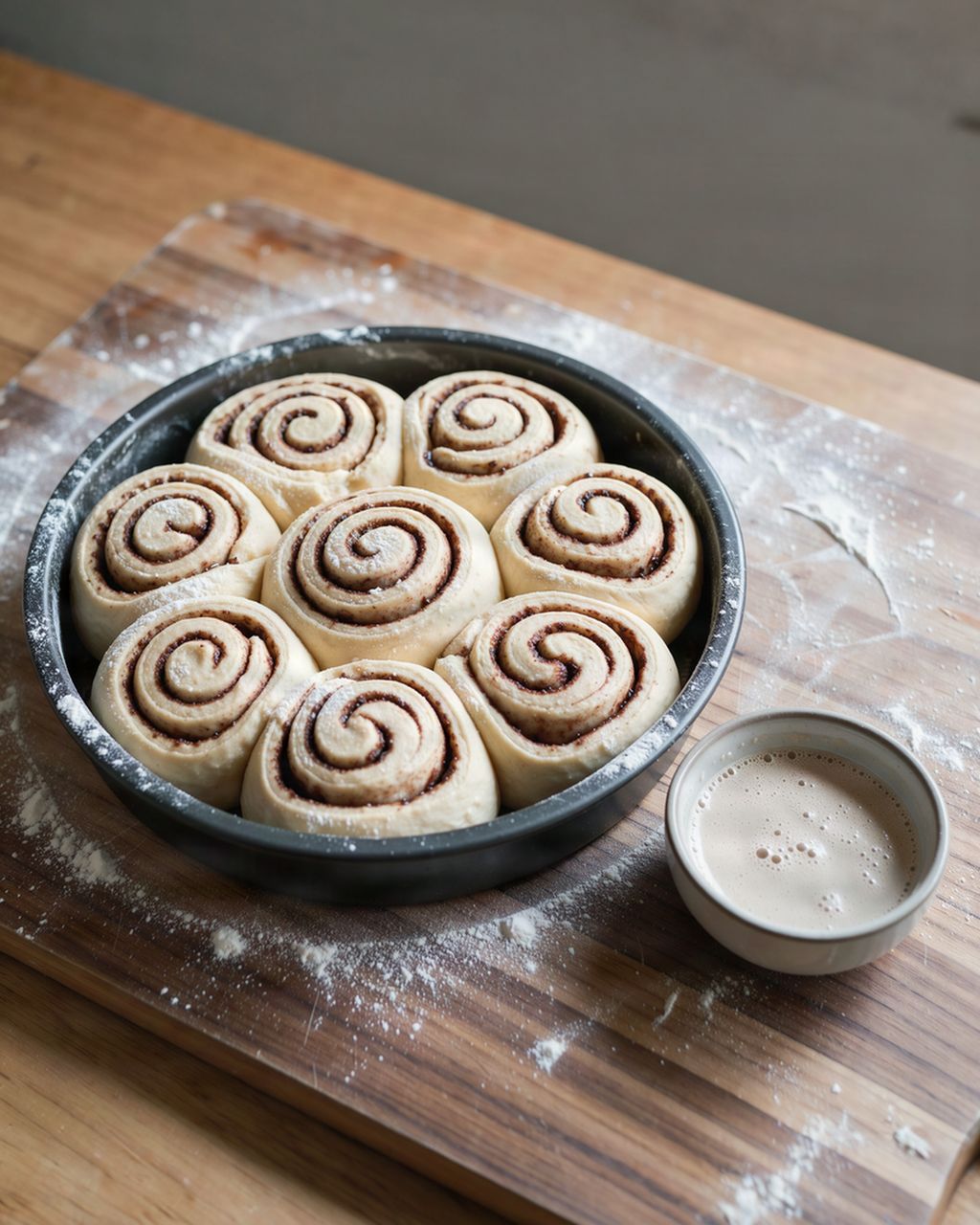
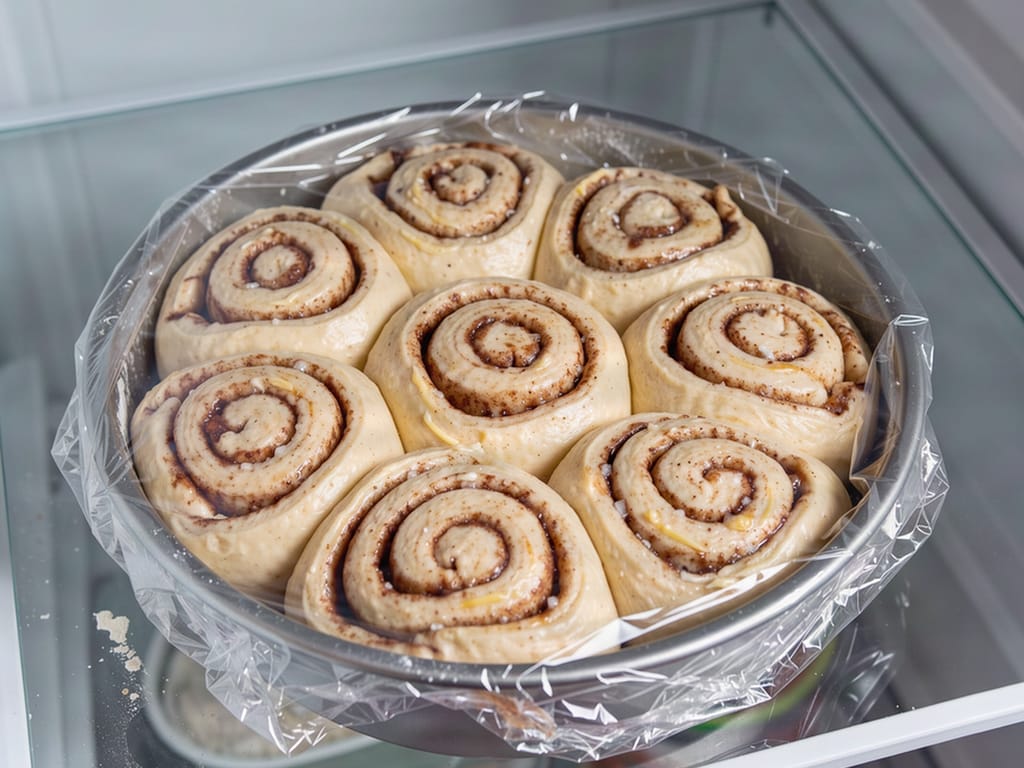
Yes, and it is one of the best ways to bake them. You make the dough, roll and shape the rolls, set them in the greased pan, cover it well and put it straight in the fridge. The cold slows the yeast right down, so the rolls rise slowly overnight. In the morning they need only a short rest while the oven heats.
The slow rise also gives a little more flavor. For the Christmas morning crowd, it means fresh rolls without getting up at 5 a.m.
Two rules matter more than anything else:
Covered, in the fridge. Wrap the pan tightly with plastic wrap or a tight lid so the rolls don't dry out or pick up fridge smells. USDA recommends keeping the fridge at or below 4°C (40°F).
Not on the counter overnight. A whole night at room temperature overproofs the rolls into a collapsed mess, so an overnight rest belongs in the fridge.
Enriched dough, which usually contains egg and milk, is normally left to rise at room temperature only for the time your recipe gives, usually 1 to 2 hours per rise. Keep the room comfortable, not hot, and bake the dough as soon as it has risen. For any longer rest, including overnight, cover the dough and put it in the fridge.
Seasonal baking plans, tested recipes and kitchen tricks that save you time. Unsubscribe in one click.
For quality, the answer most tested recipes give is:
8 to 12 hours: the sweet spot. The rolls rise slowly and bake up tall.
Up to about 16 hours: still fine for most recipes. Sally's Baking Addiction and others give this as the limit.
Longer: yeast keeps working slowly even in the cold. Rolls can overproof, deflate and leak filling, and the dough can taste boozy.
These are quality limits, set by the yeast. For holding the rolls longer than a night, freeze them (see below) rather than leaving them in the fridge.
Your fridge temperature matters too. Dough rises noticeably more in a fridge running near 4°C (40°F) than in one at 2°C (36°F) (and if your fridge is warmer than 4°C, turn it down), and a big, warm batch of dough takes hours to cool down to fridge temperature. If your rolls are already well risen when they go in, they will be ready sooner.
You don't need a special recipe. Make the dough as written and let it have its first rise at room temperature. Then:
Roll, fill and shape the rolls, and set them in the pan.
Cover the pan tightly and put it in the fridge straight away, without the second rise.
Bake the next morning, within the 8 to 16 hours above.
Some bakers reduce the yeast a little for very long holds, which slows the rise further. If you use fresh yeast or switch types, our yeast converter gives the equivalent amounts, and our proofing dough guide explains how temperature changes rising time.
Rolls that go straight from the fridge into the oven often bake unevenly, with a doughy middle. Give them a short rest instead:
Take the covered pan out and turn the oven on.
Leave the rolls on the counter for about 30 to 60 minutes, until they look puffy and soft and spring back slowly when poked. Keep it short; this is a warm-up, not a second overnight rise.
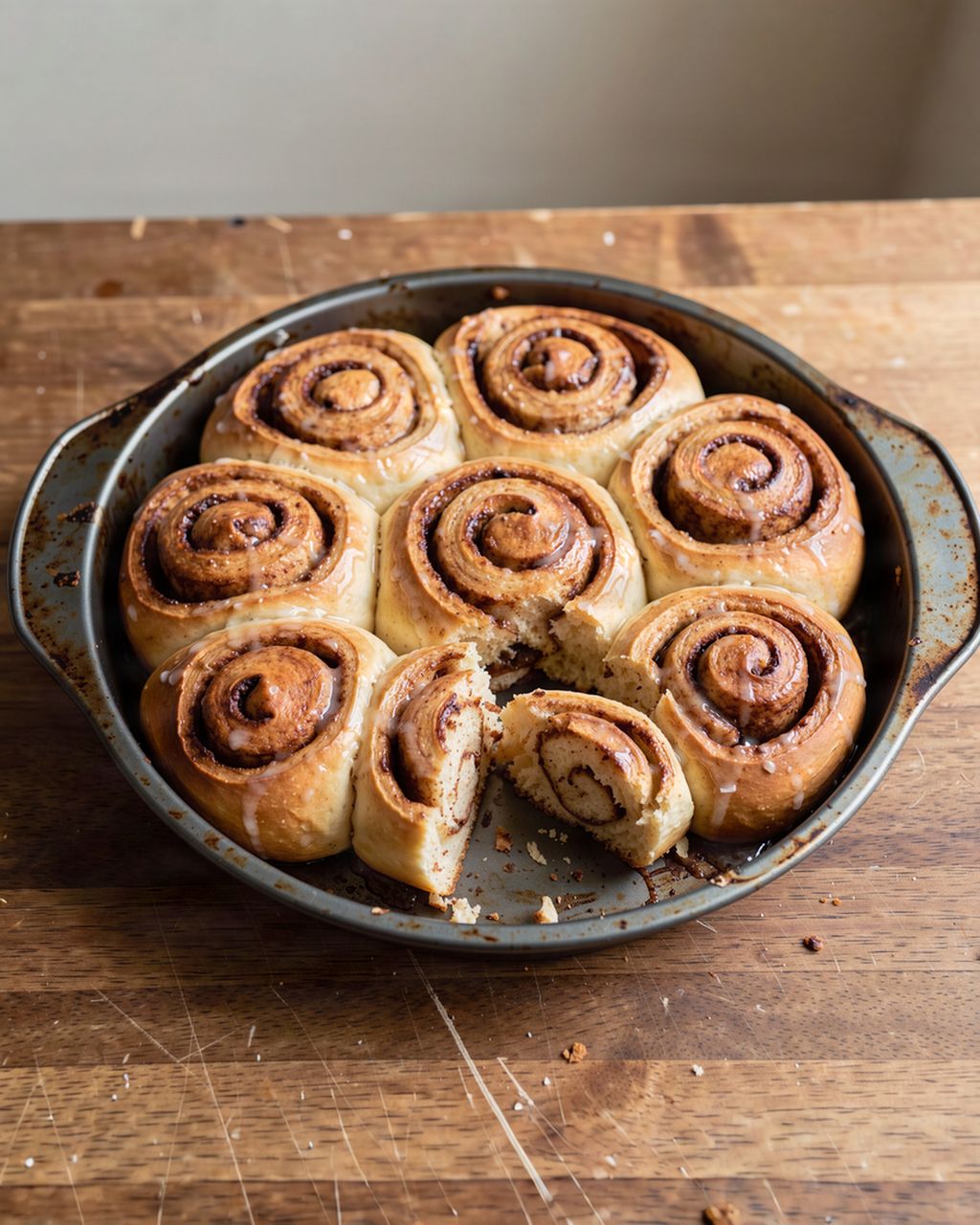
Bake, allowing a few minutes longer than the recipe, and check that the center roll reaches about 88°C (190°F), the figure King Arthur Baking gives for soft rolls.
If the rolls look underproofed after an hour, bake them anyway. They will be a little denser, but they will still be good. For gooey centers, see our tips in underbaked vánočka; the same foil trick works for rolls.
For a longer lead time, freeze the rolls shaped but not risen:
Shape the rolls and set them in a freezer-safe pan, or freeze them on a tray and then move them to a freezer bag.
Wrap tightly to prevent freezer burn.
The night before baking, move the covered rolls to the fridge to thaw slowly.
In the morning, give them a short warm-up on the counter while the oven heats, then bake. Thawed frozen rolls may need longer to look puffy than fresh ones; give them that extra time in the fridge, not on the counter.
Frozen rolls rise more slowly than fresh ones, because the yeast is sluggish after freezing. To give them more time without leaving them out, thaw them in the fridge a little longer, for example from the morning before for an evening bake, rather than stretching the counter time. Most recipe writers suggest baking them within about two to three months for the best rise.
On safety, USDA says food kept frozen at -18°C (0°F) stays safe, though quality slowly declines. Our guide to storing food in the freezer covers packing and quality.
Freezing rolls after baking is the simpler, more predictable option. King Arthur Baking's Baker's Hotline prefers this for best results: bake until just done, a little pale, then freeze.
Bake the rolls, let them cool completely, and leave them unfrosted.
Wrap the pan, or individual rolls, tightly, then bag them.
Thaw in the wrapping, so moisture goes back into the bread, then warm them briefly in the oven and frost them fresh.
Our guide to thawing bread and rolls explains why thawing in the wrapping keeps them soft. Planning a whole holiday bake ahead? See our Christmas freezer plan.
Most tested recipes plan about 8 to 12 hours and give about 16 hours as the upper limit. That limit is about quality: after that the yeast tends to overproof, so rolls rise too far, leak filling and can sink in the oven.
No, use the fridge. A whole night at room temperature overproofs the rolls into a collapsed mess, so for an overnight rest the shaped rolls belong covered, in the fridge.
They do better with a short rest: leave the covered pan on the counter while the oven heats, about 30 to 60 minutes, until the rolls look puffy. Then bake, allowing a few extra minutes and checking that the center roll reaches about 88°C (190°F).
Both work. Freezing shaped, unbaked rolls gives the freshest result on the day, while freezing baked rolls is simpler and more predictable; King Arthur Baking's Baker's Hotline prefers freezing them baked, until just done and a little pale.
Move the covered pan from the freezer to the fridge the night before so the rolls thaw slowly, then give them a short warm-up on the counter while the oven heats and bake as usual. Frozen rolls rise more slowly, so if they need more time, give it to them in the fridge rather than on the counter.
One recipe worth heating the oven for, one tip, and one deal from the shop. Nothing else.