Why Is My Brioche Dense or Dry? Gluten, Butter and Proofing Fixes
Brioche Dough Too Sticky? Why It's Normal and What to Do Instead
Updated Nov 20, 2026
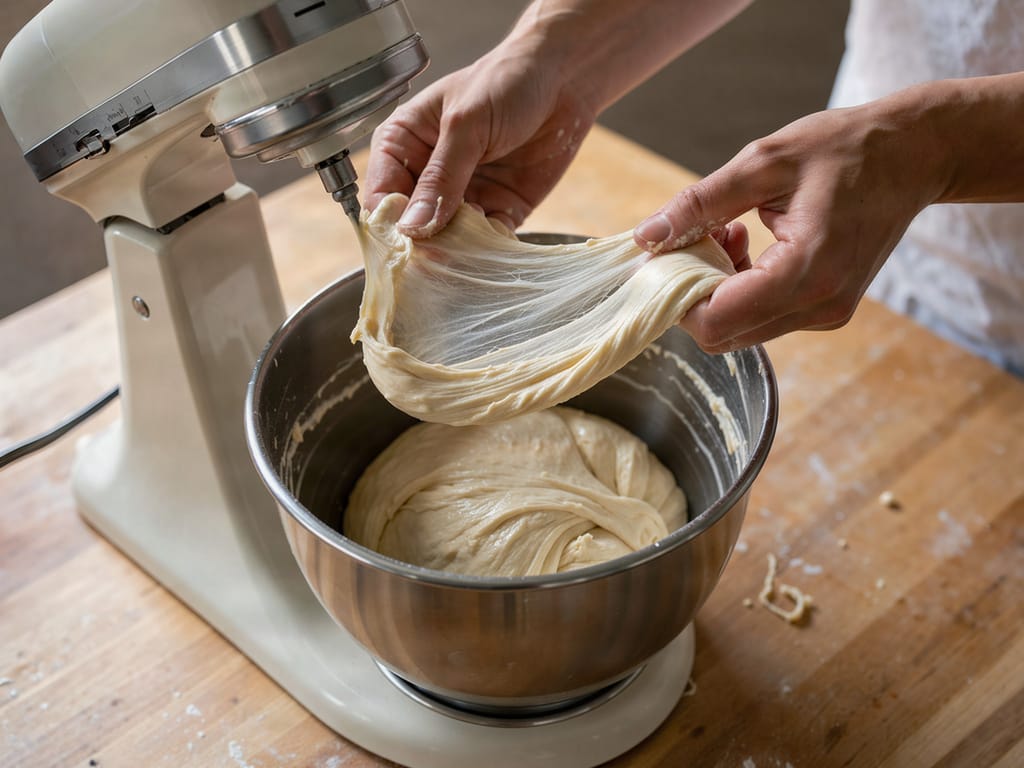
Brioche dough is meant to be very sticky: it carries so much egg and butter that it clings to the bowl and your hands until the gluten is fully developed, and it only firms up once the butter is chilled. Don't add flour, which makes the bread dense and dry; keep mixing until it passes the windowpane test, then chill it, covered, in the fridge. If it is greasy and soupy rather than sticky, the butter got too warm, and that has its own fix.
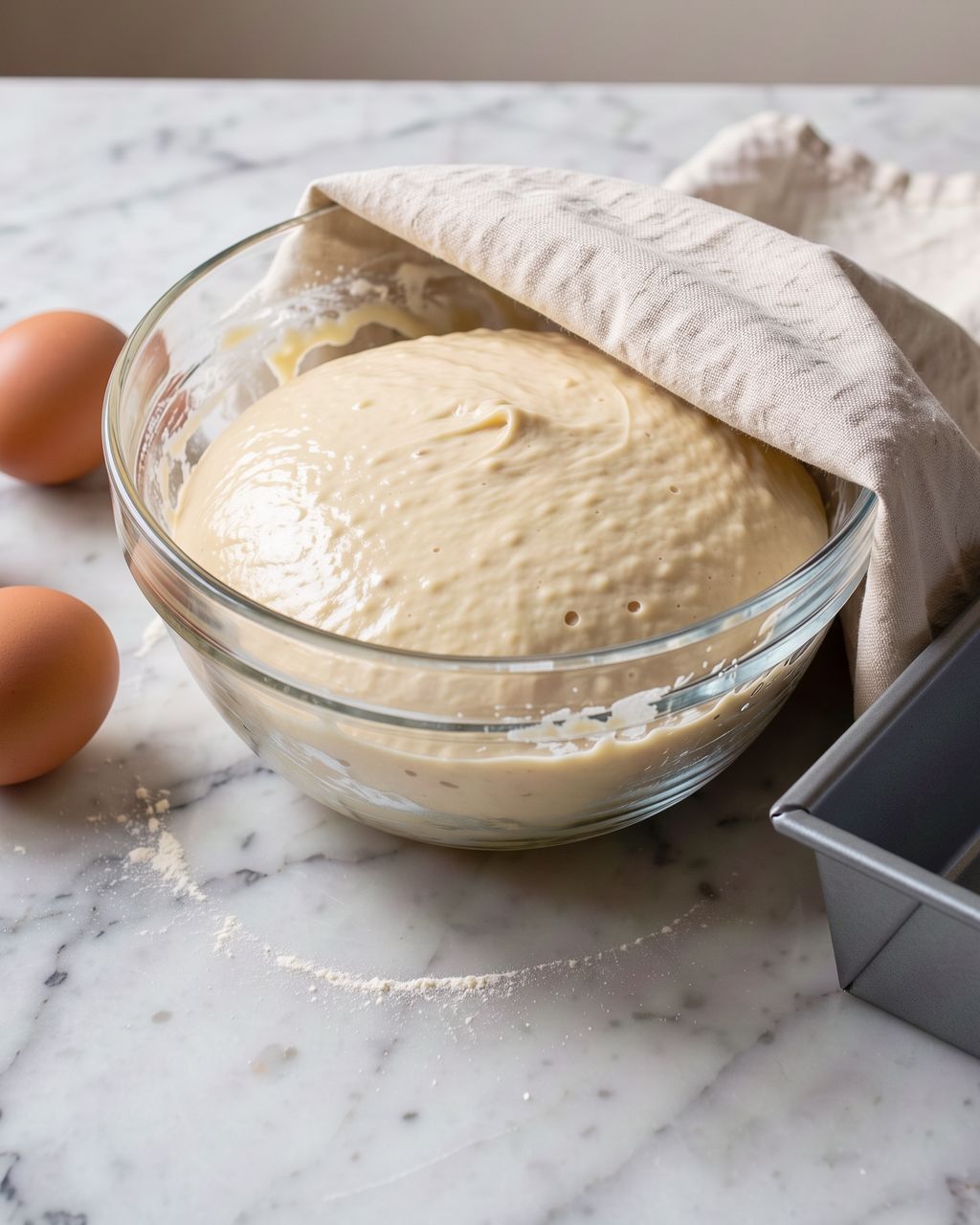
Yes. A classic brioche dough has a lot of egg and butter for the amount of flour. Before the gluten is developed, it behaves more like a thick batter: it sticks to the bowl, the hook and your fingers.
That is the normal starting point, not a mistake. Two things turn it into a dough you can work with:
Mixing builds the gluten until the dough pulls away from the bowl in one smooth, shiny mass.
Chilling firms the butter, so the dough can be rolled and shaped.
What is not normal is a dough that turns soupy, greasy or shiny with liquid fat. That is a butter problem, covered below.
Seasonal baking plans, tested recipes and kitchen tricks that save you time. Unsubscribe in one click.
It is tempting to tip in flour until the dough stops sticking. Every extra spoonful changes the recipe: the bread bakes up drier, tighter and less rich, and it stales faster.
As a sense of scale, a level tablespoon of all-purpose flour is about 7.9 g on our tool, so ten spoonfuls "just to stop it sticking" add about 80 g to a dough built on 500 g of flour, roughly 16% more. Our tablespoon of flour in grams page has the figures.
If you measured with cups, weigh next time. A packed, scooped US cup holds a lot more than the 125 g per US cup (236.6 ml) our tool uses, and the dough may already be drier than intended. Weighing is also the easiest way to trust a sticky dough.
Brioche needs a long mix, usually in a stand mixer. Butter coats the flour and slows down gluten forming, so most methods mix the flour, eggs and liquid first, then add soft butter in portions once the gluten is under way, as Modernist Cuisine describes.
After the last of the butter, keep going. A stand mixer often needs 15 to 25 minutes in total. The dough is ready when:
it pulls cleanly away from the sides of the bowl and gathers around the hook
it looks smooth and glossy, not ragged
a small piece, stretched slowly, turns thin enough to see light through without tearing (the windowpane test)
It will still feel tacky. That's fine. Our guide to stand mixer and bread machine doughs covers speeds and times, and basic yeast dough ratios explains how much liquid different doughs carry.
This is the real fix for sticky brioche. Cold butter is firm, so a chilled brioche dough feels almost like cool modeling clay.
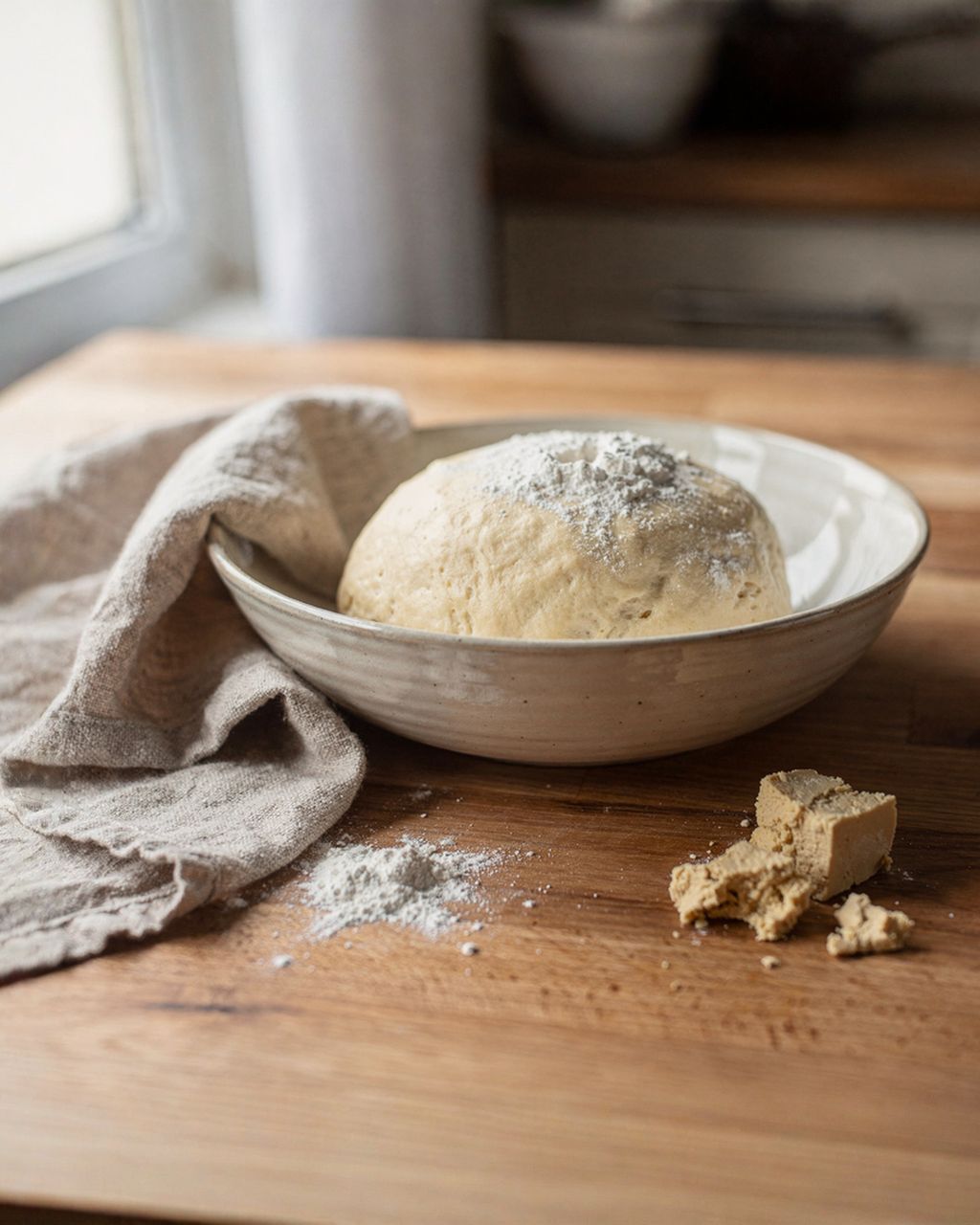
Put the dough in a lightly greased bowl, cover it tightly, and refrigerate it. Many recipes chill it overnight, which also deepens the flavor. Bake chilled brioche dough within about 24 hours; after that the yeast tires and the flavor turns sour.
Shape it straight from the fridge, working quickly so the butter stays cold.
If the dough softens while you shape it, return it to the fridge for 15 to 20 minutes.
Enriched dough with egg and milk is normally left to rise at room temperature only for the time your recipe gives, usually 1 to 2 hours per rise. Keep the room comfortable, not hot, and bake the dough as soon as it has risen. For any longer rest, including overnight, cover the dough and put it in the fridge.
Don't taste the raw dough; it contains raw egg and raw flour, and the FDA advises against eating raw dough.
A dough that gets too warm during mixing behaves differently: it goes slack, shiny and oily, and the butter smears on the bowl. Long mixing heats the dough through friction, and some bakers set a ceiling of about 24°C (75°F) for the dough temperature.
To fix it:
Stop the mixer.
Cover the bowl and chill it in the fridge for about 15 to 20 minutes, until the butter firms up again.
Mix again on medium speed until the dough comes back together.
To prevent it, start with cold eggs and milk, use butter that is soft but still cool, and add it a piece at a time, letting each one blend in before the next.
Yes, but expect a workout. Without a mixer, a very sticky dough is easiest to develop with the slap-and-fold method:
Mix the flour, eggs, liquid, sugar, salt and yeast into a rough dough and knead it, still without the butter, until it starts to turn smooth.
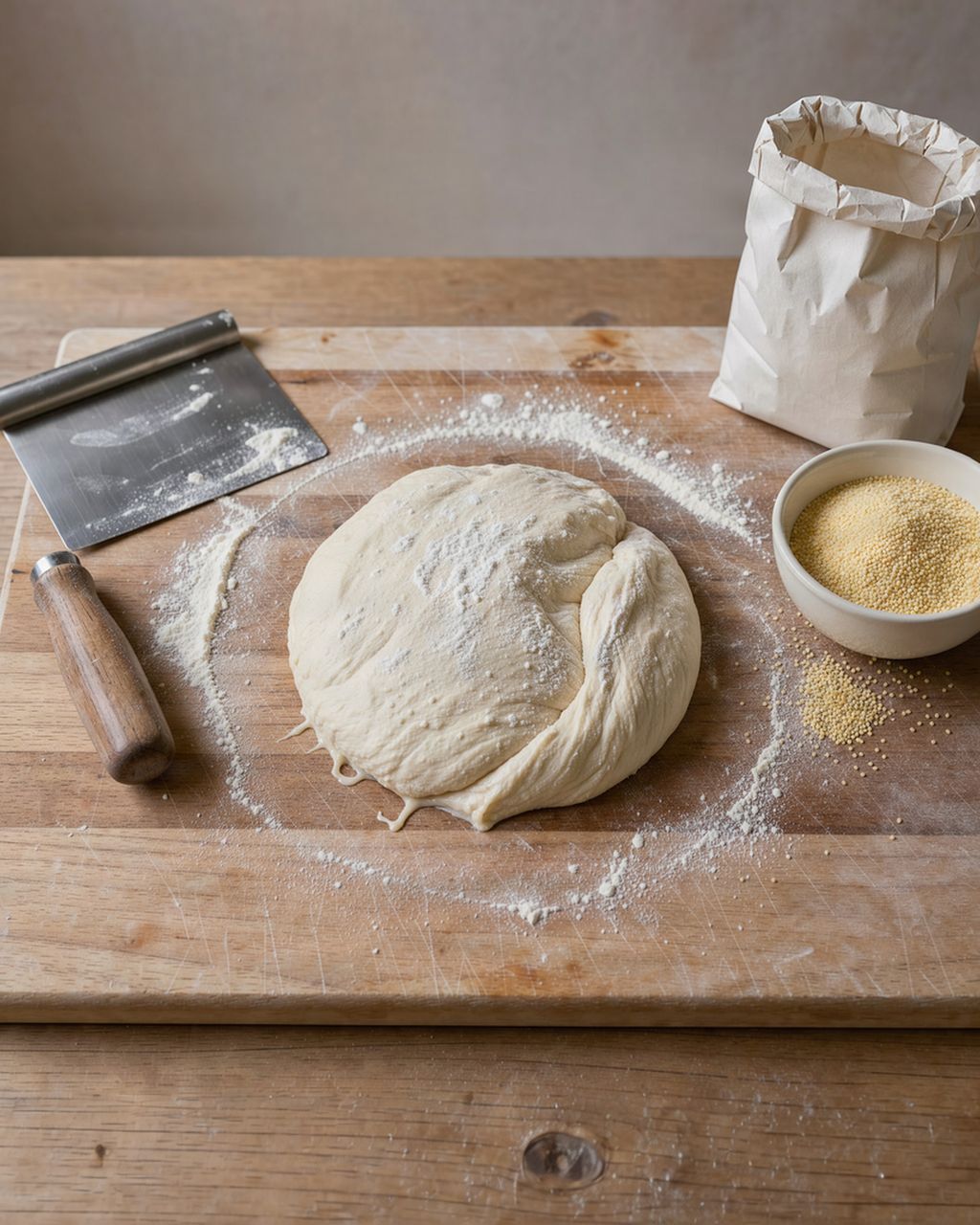
Lift the dough with both hands, slap the bottom onto the counter, stretch the top toward you and fold it over. Turn it a quarter and repeat. Don't add flour; it gets less sticky as you work.
Work in the soft butter a piece at a time by squeezing it through the dough, then go back to slapping and folding until it is smooth and passes the windowpane test.
It can take 20 minutes or more. Rest the dough, covered, for a few minutes whenever it fights back or starts to feel warm. A dough scraper makes the whole job cleaner.
Small habits make sticky dough easy:
A bench scraper lifts and folds the dough without it sticking to your hands.
Lightly oiled hands work better than floured ones for moving dough from bowl to bowl.
A light dusting of flour on the counter when shaping is fine. The goal is to stop it sticking, not to work flour into the dough.
Work cold and fast, and chill again if it softens.
Our guide to rolling dough to an even thickness has more handling tips. Czech home bakers deal with the same thing in rich doughs like mazanec (Easter sweet bread); see our guide to fluffy mazanec.
Brioche is sticky because it holds a lot of egg and butter compared with flour, and it stays sticky until the gluten is fully developed and the butter is chilled. Keep mixing until it is smooth and stretchy, then refrigerate it, covered, before shaping.
No, extra flour is the most common reason brioche turns out dense and dry. Mix longer and chill the dough instead; a small dusting of flour only when shaping is fine.
A dough that turns slack and oily has usually got too warm, so the butter is melting out of it. Stop mixing, chill the bowl, covered, in the fridge for about 15 to 20 minutes, then mix again.
Chill it first, covered, in the fridge until firm, then shape it quickly on a lightly floured counter with a bench scraper. Lightly oiled hands also help when you move it between bowls.
Stretch a small piece of dough slowly between your fingers: if it turns thin enough to let light through without tearing, the gluten is developed. If it tears quickly, mix a few minutes more and test again.
One recipe worth heating the oven for, one tip, and one deal from the shop. Nothing else.