Puff Pastry: Store-Bought, Homemade, or Rough Puff — When Each Is Worth It
Puff Pastry vs Phyllo vs Croissant Dough: Differences and When to Use Each
Updated Nov 21, 2026
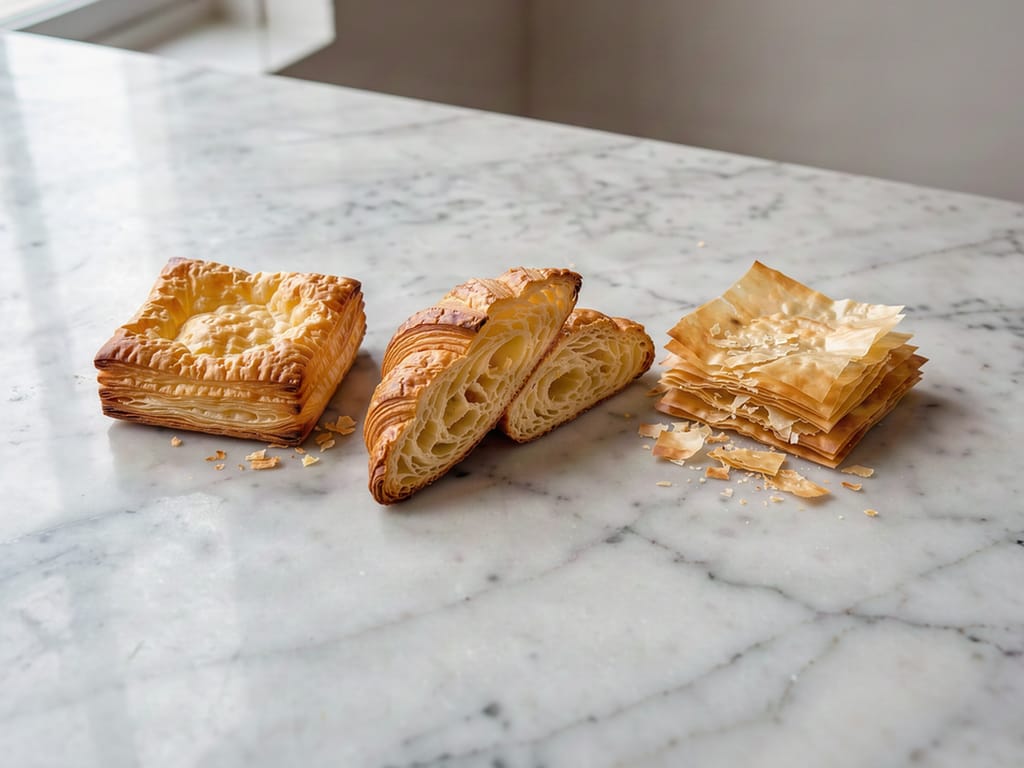
Puff pastry is a laminated dough with no yeast that rises from steam between hundreds of butter layers; croissant dough is laminated too but contains yeast, so it bakes up bready and soft inside; phyllo is paper-thin sheets with almost no fat, layered with butter or oil by hand. Each gives a different crunch, so they swap only in some recipes. Here is how they differ and which to choose.
Puff pastry: flour, water, salt and a lot of butter (or a vegetable fat) folded into the dough in many thin layers. No yeast. It rises because the water in the dough and butter turns to steam and pushes the layers apart. Bakes tall, light, crisp and flaky.
Croissant dough: also laminated with butter, but the dough contains yeast, and usually milk and a little sugar. It rises from both yeast and steam. Bakes into a soft, bready, honeycombed inside with a flaky shell.
Phyllo (filo): flour, water, a little oil and often a splash of vinegar, rolled or stretched into sheets so thin you can almost read through them. Not laminated. You make the layers by brushing each sheet with melted butter or oil. Bakes thin, crisp and shattering, with no rise.
Seasonal baking plans, tested recipes and kitchen tricks that save you time. Unsubscribe in one click.
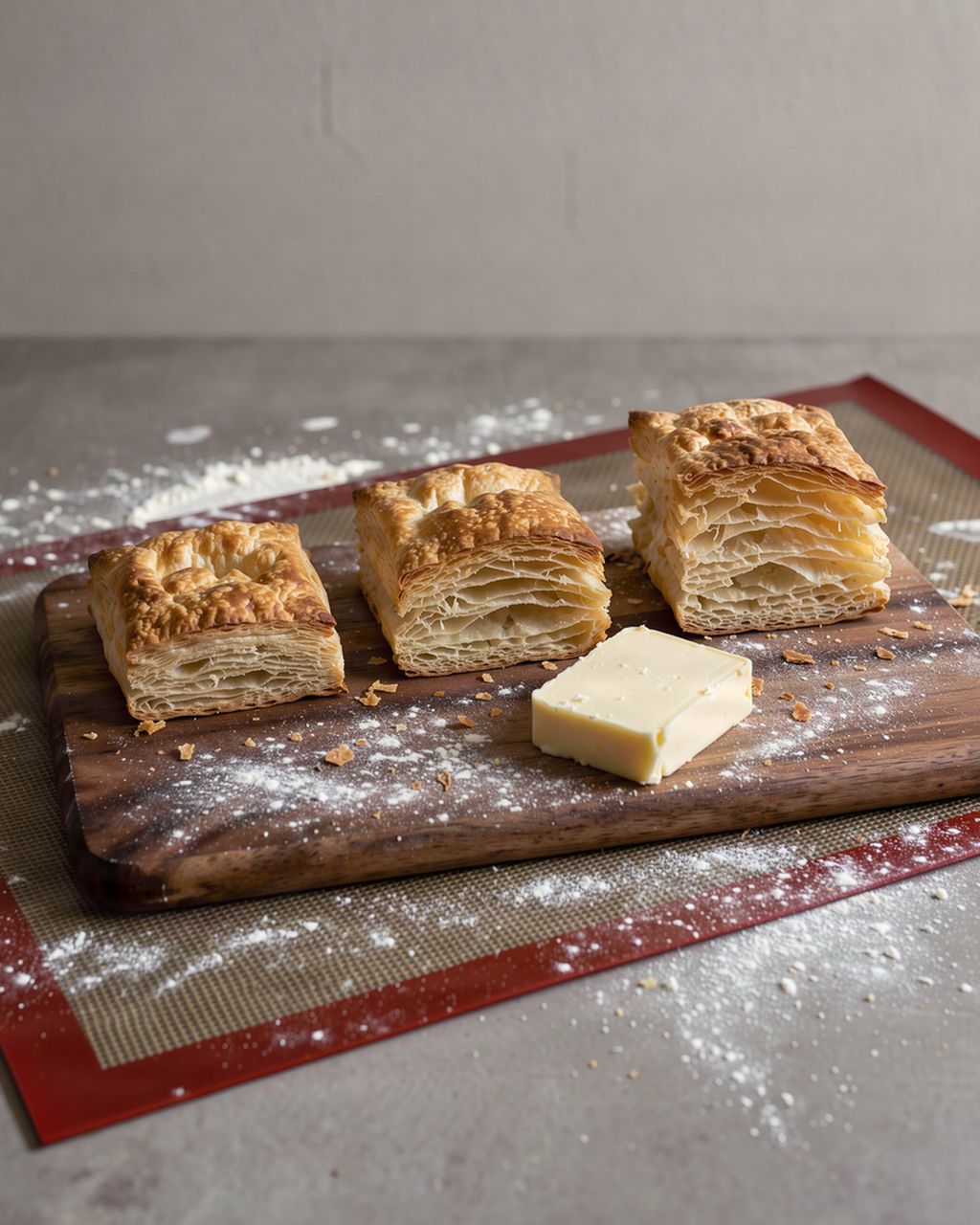
Puff pastry starts with a block of butter wrapped in a simple dough. The package is rolled out and folded in three, again and again. Each fold multiplies the layers. In the classic method of six such folds, the count reaches 729 layers of butter (3 × 3 × 3 × 3 × 3 × 3).
In the oven, each thin sheet of dough is separated by a film of fat. Water in the dough and butter turns to steam and pushes the sheets apart, while the fat keeps them from sticking together. That is why puff pastry needs a hot oven and cold, firm butter: if the butter melts out before the steam builds, the layers fuse and the pastry bakes flat and greasy.
Store-bought puff pastry is made either with all butter or with vegetable fat. All-butter pastry tastes better; vegetable-fat pastry is easier to handle. Don't assume either is free of milk or other allergens: read the ingredient list and the "may contain" line, and check the package. Our guide to store-bought, homemade and rough puff explains when making it yourself is worth the work.
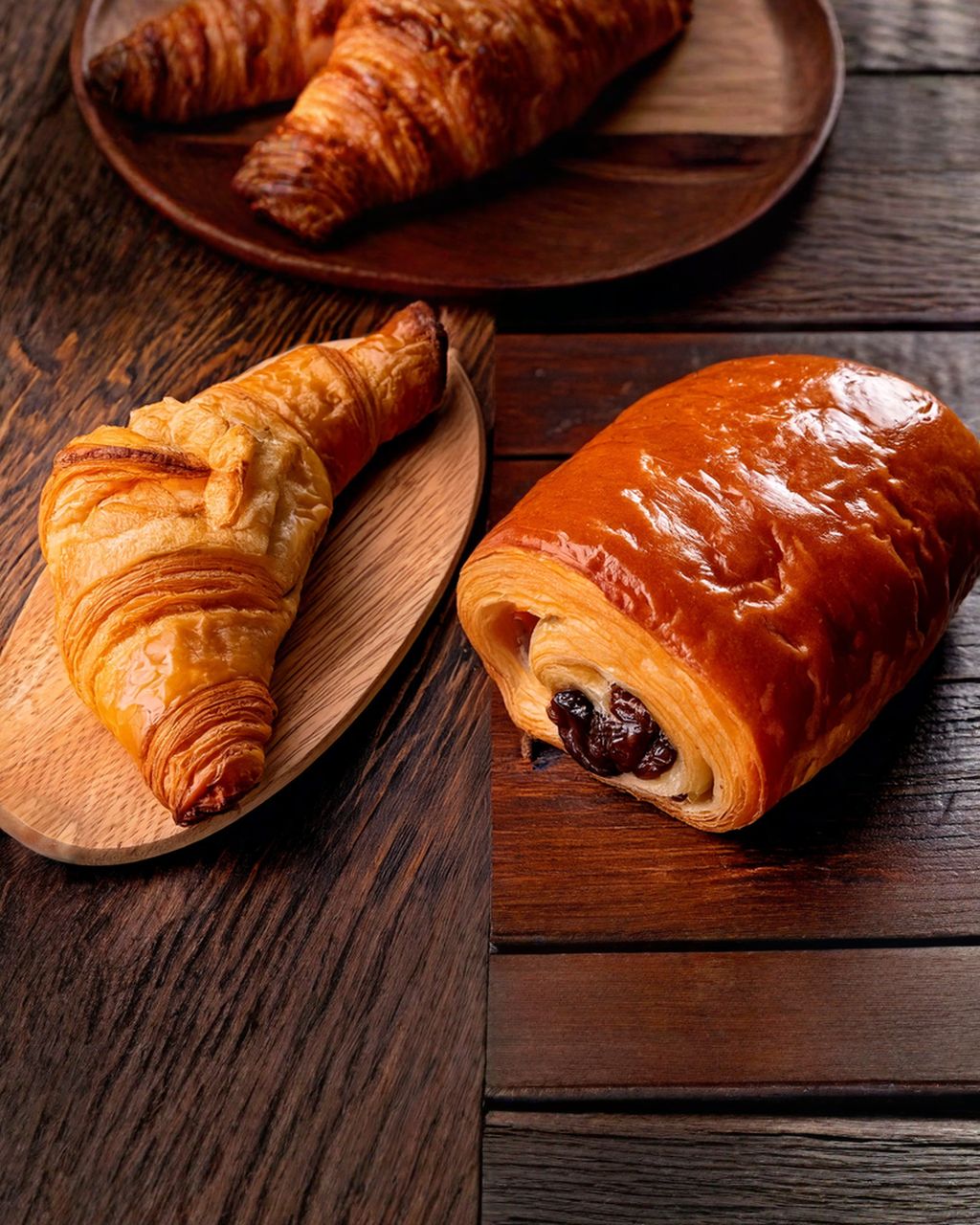
Croissant dough is a yeasted dough, often enriched with milk and sugar, laminated with butter in the same way as puff pastry but usually with fewer folds. Fewer, thicker layers survive the yeast's rise and give the classic croissant look: a crisp, shattering shell around a soft, open, honeycomb crumb.
Because it contains yeast, croissant dough needs a rise after shaping, and it tastes bready and slightly sweet rather than purely buttery. Danish pastry dough is a close cousin, usually richer, often with egg.
Raw croissant dough is rarely sold in shops, so most home bakers either make it or swap in puff pastry and accept a crisper, less bready result. Our guide to croissant vs pain au chocolat shows how the same dough becomes different pastries.
Phyllo (also spelled filo, from the Greek for leaf) has very little fat in the dough itself. The fat goes between the sheets: you brush each one with melted butter or oil as you stack them. That gives you control: more layers and more butter for a rich baklava, fewer for a light, crisp wrapper.
Phyllo dries out and cracks within minutes in open air, so keep the stack you aren't using covered with a clean cloth while you work.
In Czech kitchens, phyllo's closest relative is hand-pulled strudel dough (tažené těsto), stretched over a floured cloth until it is thin enough to see the pattern through. Our step-by-step guide to strudel dough shows how it is done. Store-bought phyllo is a fine stand-in for it in apple strudel.
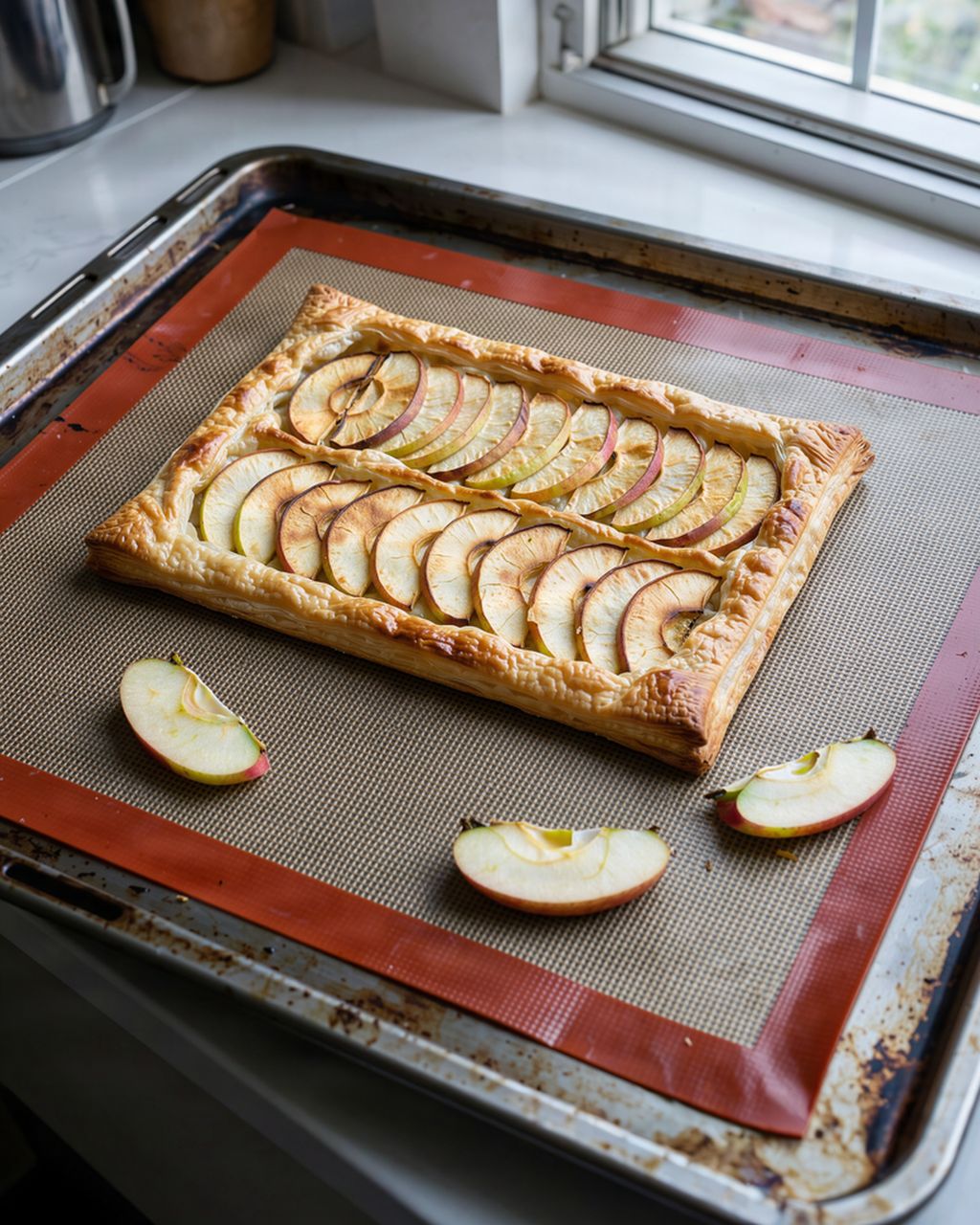
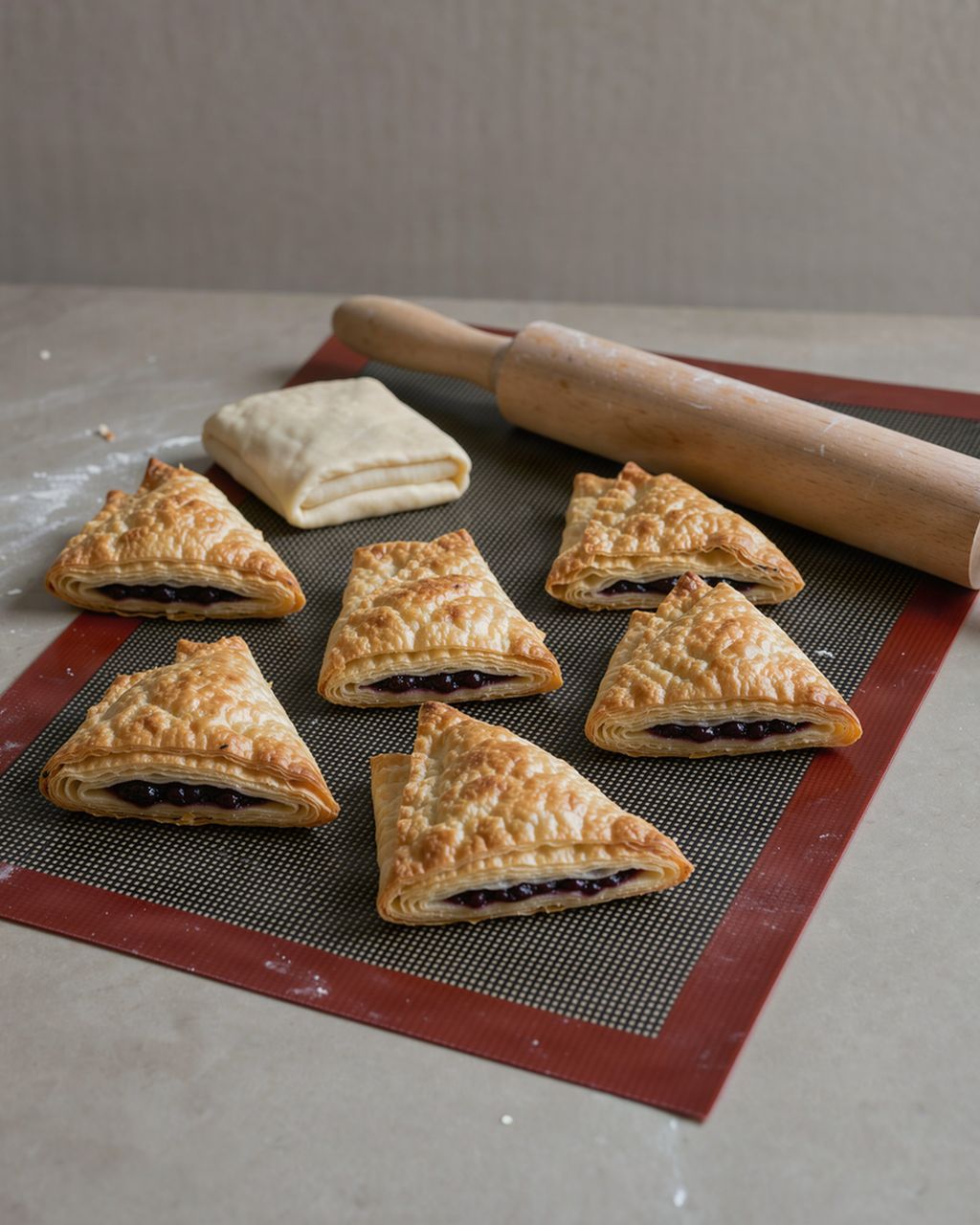
Choose puff pastry for: - Anything that needs height: vol-au-vents, palmiers, cream horns, pie lids that puff. - Sausage rolls, turnovers, pastry-wrapped beef or cheese. - Quick Czech treats like boží milosti (sugar-dusted fried pastry ribbons); see our version from puff pastry in the oven.
Choose phyllo for: - Baklava, spanakopita, börek and other layered pies. - Crisp parcels, cigars and cups. - Strudel, when you don't want to pull the dough yourself.
Choose croissant dough for: - Croissants, pain au chocolat, Danish pastries and other breakfast pastries where you want a soft, bready inside.
If your filling is wet, puff pastry is the most likely to go soggy; our guide to filled puff pastry without a soggy bottom has the fixes.
Phyllo for puff pastry: works for wrappers, pie tops and pastry cups. Use several buttered layers. It won't rise, so skip it for anything that needs height.
Puff pastry for phyllo: works in pies and turnovers, but baklava and thin, crisp wrappers turn thick and puffy.
Puff pastry for croissant dough: fine for quick shapes and fillings; you get flaky pastry, not a soft croissant crumb.
Croissant dough for puff pastry: rarely worth it; the yeast makes it bready and it won't hold crisp, hollow layers.
Shortcrust or pie dough for any of them: a different family entirely. Shortcrust has the fat rubbed into the flour, not layered, so it bakes crumbly and tender, not flaky and tall.
Canned crescent roll dough (US): a soft, ready-made roll dough layered with vegetable shortening rather than a true butter-laminated pastry. It works for quick wraps but bakes up soft, not crisp.
Puff pastry has butter folded into the dough in many layers and puffs up tall in the oven, while phyllo is paper-thin sheets of almost fat-free dough that you layer with melted butter or oil yourself. Puff pastry bakes up flaky and buttery; phyllo bakes thin, crisp and shattering.
Both are laminated with butter, but croissant dough contains yeast and usually milk and sugar, while puff pastry has no yeast. Croissant dough bakes up soft and bready inside with flaky layers; puff pastry is crisper, lighter and hollow-layered.
Sometimes. Layered phyllo brushed with butter works as a crisp topping, wrapper or pie crust, but it won't rise, so it can't replace puff pastry in vol-au-vents, palmiers or anything that needs height.
For shapes and fillings, yes, but the result is a flaky pastry, not a soft, bready croissant. Puff pastry rises from steam alone, so it bakes crisper and lighter.
No. Canned crescent roll dough sold in the US is a soft, ready-to-bake dough, not a true butter-laminated pastry, and bakes up more like a soft roll. Puff pastry is crisper, flakier and puffs much higher.
One recipe worth heating the oven for, one tip, and one deal from the shop. Nothing else.