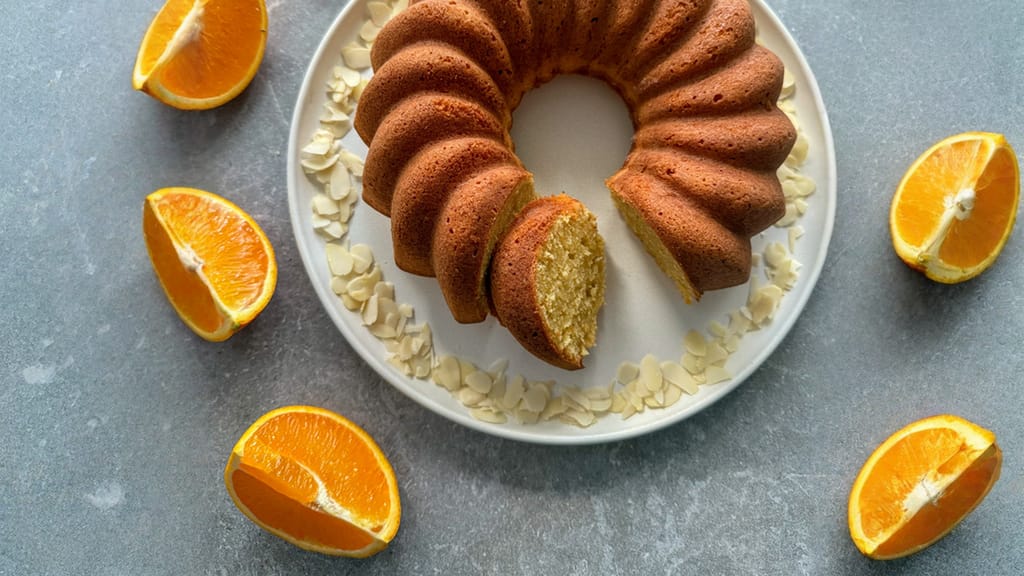
Orange bundt cake with almonds, cinnamon and cardamom
Curdled Batter: How to Spot It, Fix It and Prevent It
Updated Jul 19, 2026
Curdled batter is simply a broken emulsion – the fat and liquid have stopped holding together, so instead of a smooth, fluffy mixture you're left with little lumps in the bowl and liquid pooling against the sides. The usual culprit is a cold egg dropped into whipped butter, or too much liquid added all at once. The good news: as long as the batter is still raw, you can almost always rescue it – and better still, you can learn to avoid curdling altogether. Here's both sides of the story: how to tell your batter has curdled, how to bring it back to smooth, and what to do so it doesn't happen again next time.
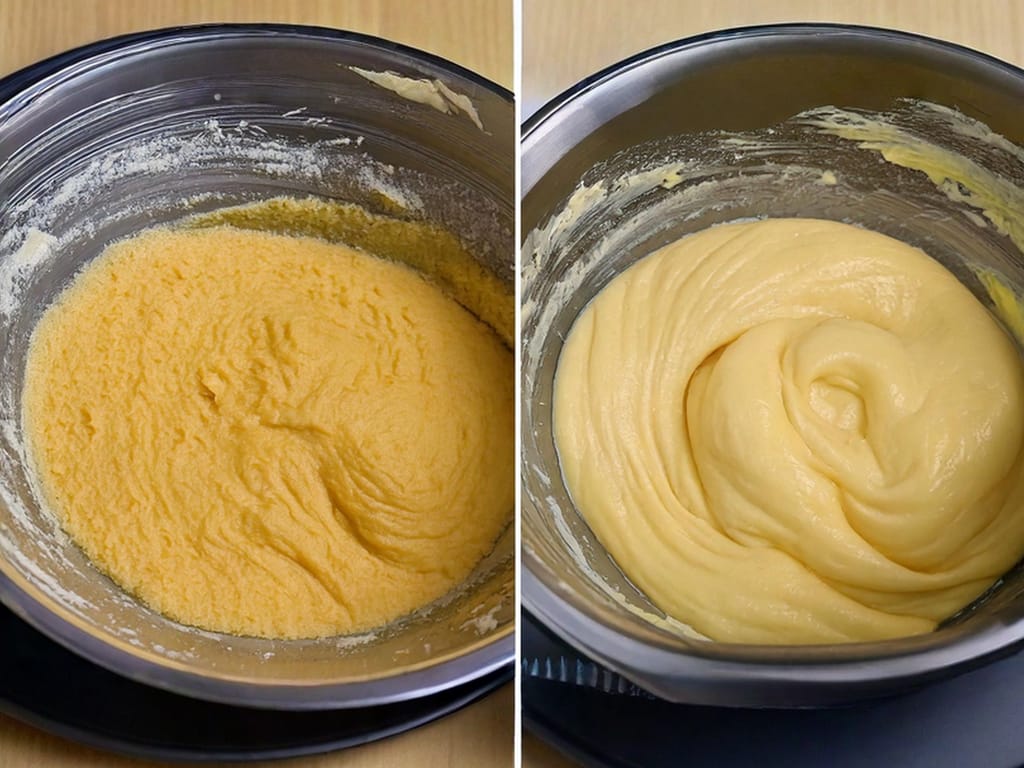
Curdled (or 'broken') batter is batter where the emulsion between the fat and the water-based ingredients has fallen apart – you'll spot it by little grains of fat, small lumps, and liquid pooling against the sides of the bowl. Instead of a smooth, glossy, fluffy mixture, you'll see something that looks curdled and grainy.
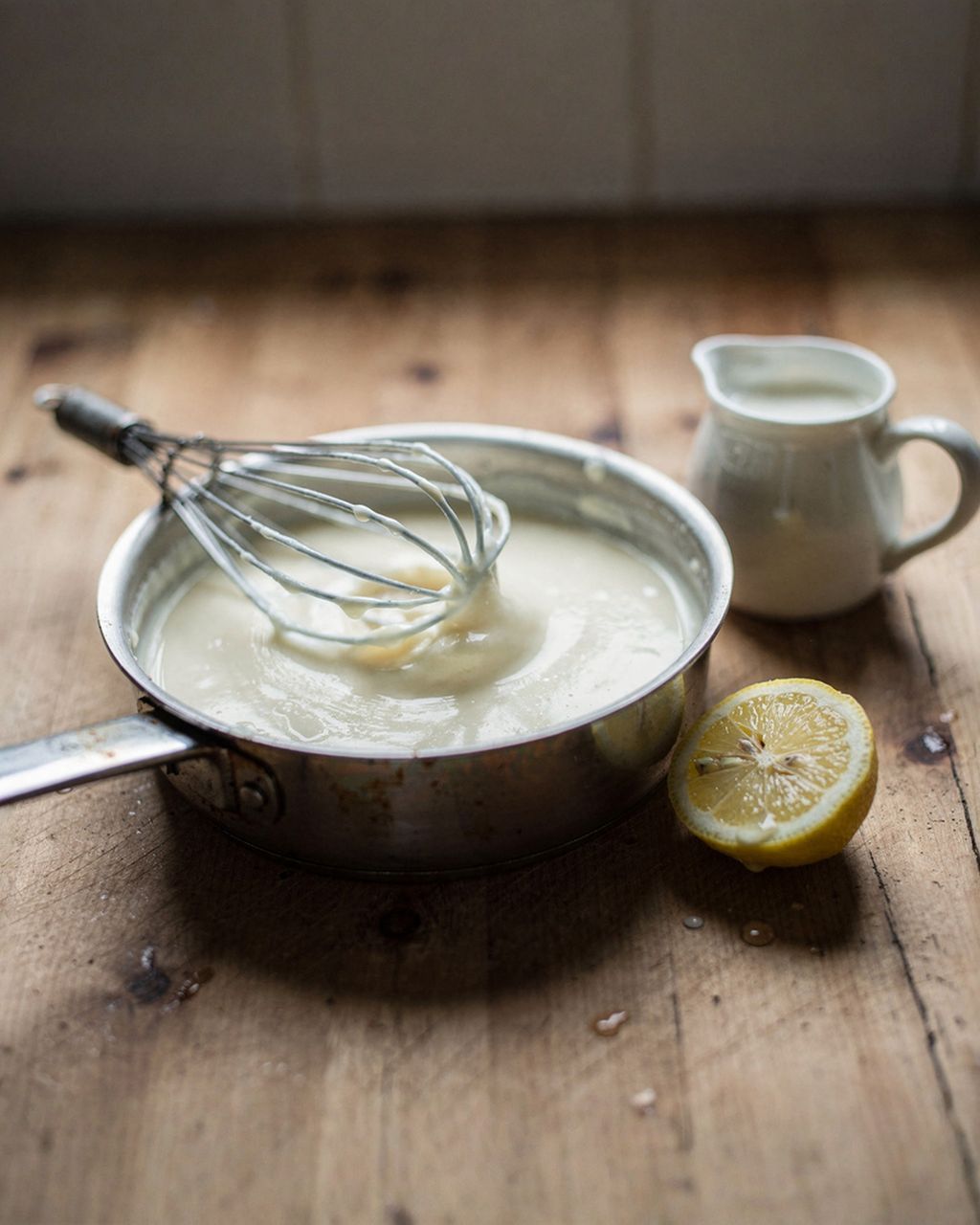
That's because creamed butter batter is essentially an emulsion: tiny droplets of water (from eggs and milk) suspended in fat. Pastry chefs often compare it to mayonnaise or hollandaise – it only holds together as long as the fat can keep the water in check. Once that balance tips, the emulsion 'breaks' and the components separate.
Signs your batter has curdled:
tiny grains or flecks of fat throughout the mixture
glossy liquid separating and collecting at the sides of the bowl
the mixture looks curdled and grainy rather than smooth and silky
Don't confuse curdled batter with overmixed batter: overmixed batter is smooth, but dense and rubbery, because gluten has developed. Each problem needs a different fix.
Seasonal baking plans, tested recipes and kitchen tricks that save you time. Unsubscribe in one click.
Batter curdles for four main reasons: cold ingredients, too much liquid added at once, adding things in the wrong order, or overmixing. Almost every case comes down to temperature or pace – and you're fully in control of both.
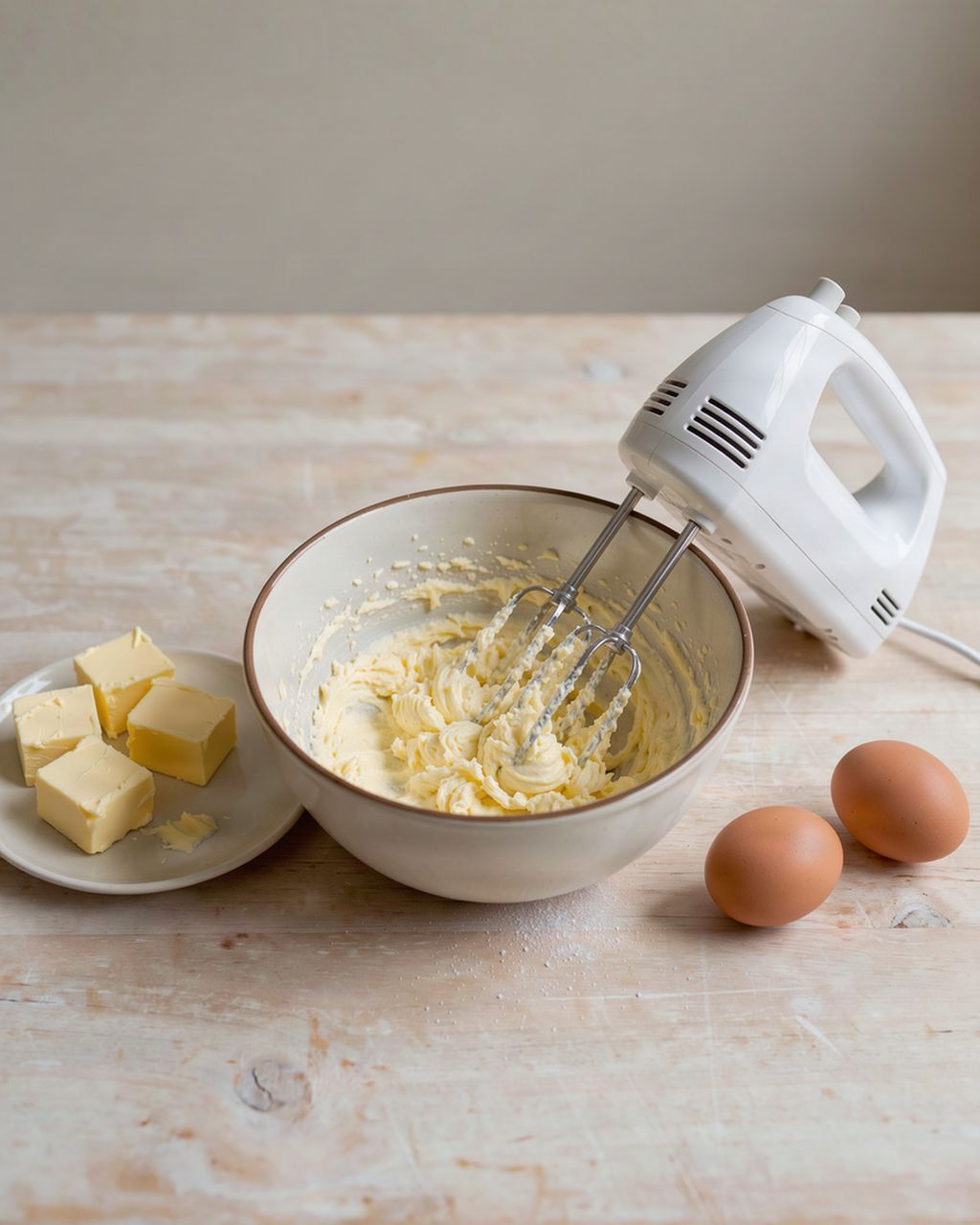
The number one cause of curdled batter is cold eggs or milk going into whipped butter. The cold liquid chills the butter, the fat firms back up into little granules, and the emulsion that was forming falls apart.
Butter stays soft and able to hold water at around 18–20°C (64–68°F). Eggs straight from the fridge sit at around 5°C (41°F), and that gap is enough to make the butter in the bowl 'seize up'. That's why almost every creamed-butter recipe starts with the instruction to let your ingredients come to room temperature first.
If you pour in all the eggs or milk at once into whipped butter, the fat can't coat the liquid fast enough and the excess water separates out. Instead, add eggs one at a time, and don't add the next until the previous one is fully incorporated and the mixture looks smooth again. The same goes for milk or cream – add it gradually, not in one big pour.
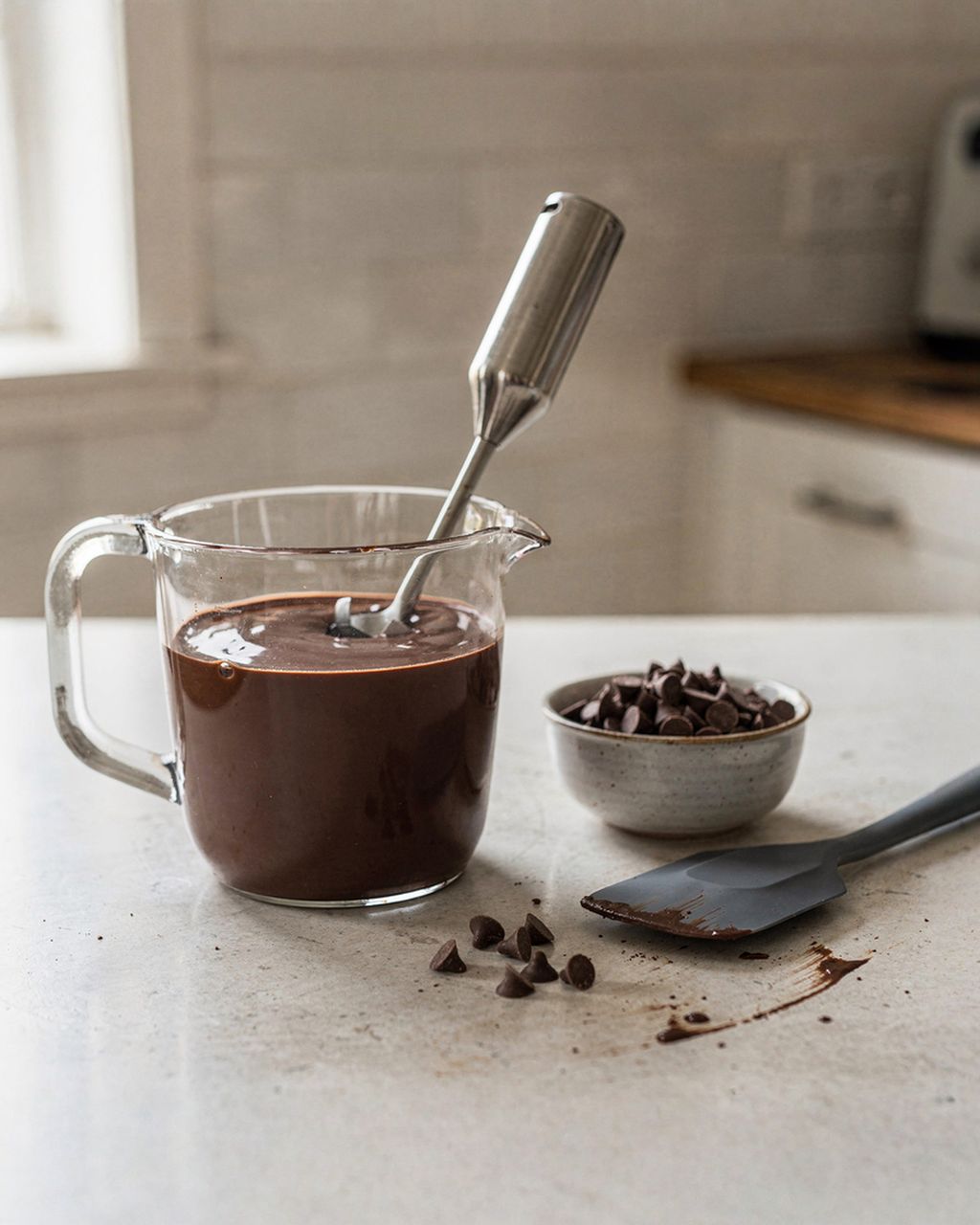
The wrong order can also cause curdling. If you add eggs to the butter and sugar before it's been properly beaten light and fluffy, the fat hasn't built the structure it needs to hold the water. It's just as risky to pour cold liquid quickly into warm chocolate. Stick to the order given in the recipe, and always make sure two ingredients are fully combined before adding a third.
The opposite extreme is overmixing. Beating the batter too much after adding the flour won't technically 'curdle' it, but it will develop the gluten, leaving you with a dense, rubbery result. Once the flour goes in, mix just until combined – not a minute longer.
You can rescue raw curdled batter in three steps, from gentlest to strongest: 1) warm the bowl and keep mixing, 2) add a spoonful of flour, 3) for thinner batters, add a splash of warm liquid. Work through them in this order, checking the texture after each step – usually the first one alone does the trick.
Most of the time, a bit of warmth is all it takes. Set the bowl over a larger bowl of warm (not hot) water for a few seconds, or give it a quick pass with a hair dryer, then keep beating on medium speed. Once the fat warms back up to around 20°C (68°F), the little lumps will melt back in and the mixture will pull together into a smooth batter. A few minutes of patient beating can work wonders.
If warmth alone isn't enough, stir in a spoonful of flour (or a bit of the dry mix from the recipe). Flour acts as a binder – according to pastry expert Susan Reid of King Arthur Baking, it settles between the water and fat molecules and helps hold them together. Add it a spoonful at a time, mixing well between additions, and stop as soon as the mixture turns smooth. It works best if you add the flour the moment the emulsion starts to break, not after it's fully separated.
For thinner batters, a spoonful of warm milk or cream mixed into the broken batter can help – it restores the water phase, and beating brings the emulsion back together. Add it cautiously, a little at a time, so you don't thin the batter out too much. Save this step for last.
The easiest way to prevent curdling is temperature: let your butter, eggs, and milk sit at room temperature for at least an hour so everything's around 18–20°C (64–68°F). Beyond that, a few habits make all the difference:
Take ingredients out of the fridge about an hour ahead (or quickly warm cold eggs by placing them, still in their shells, in a bowl of warm water for 5–10 minutes)
Add eggs one at a time, waiting until each is fully incorporated before adding the next
Mix dry and wet ingredients just until combined, no longer
Add liquid to chocolate or ganache while it's lukewarm, never cold
Weigh your ingredients and sift the flour – a more even mixture is less likely to curdle

Creamed butter batters and mixtures with lots of eggs or cream cheese are the most at risk: buttery bundt cakes and layer cakes, cupcakes, cheesecake, and buttercream. The rule is simple – the more liquid the fat has to absorb, the easier it is for the emulsion to break. Here are three classics where keeping an eye on ingredient temperature really pays off.
Orange bundt cake with almonds, cinnamon and cardamom
Orange and almond bundt cake – a creamed butter batter where room-temperature ingredients matter most
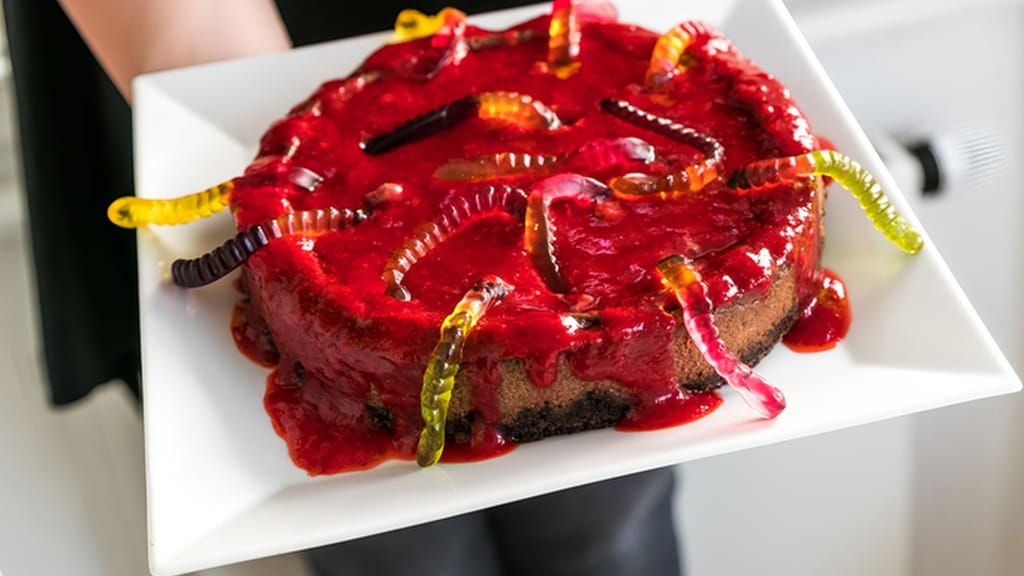
Halloween cheesecake
Halloween cheesecake – a cream cheese mixture that's sensitive to temperature, a prime candidate for curdling
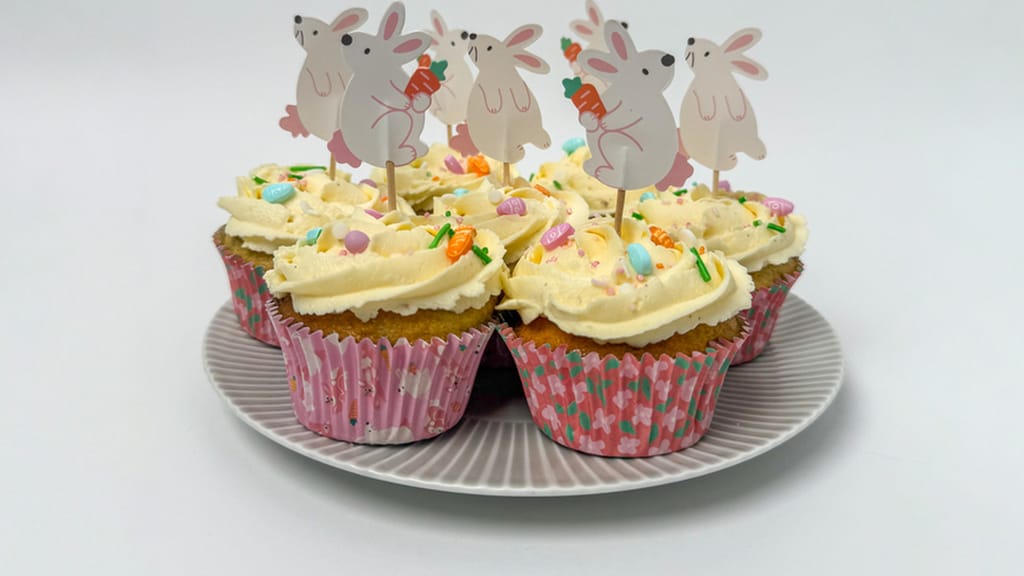
Pistachio cupcakes with lemon curd and mascarpone cream
Pistachio cupcakes with lemon curd – a creamed batter where eggs need to go in one at a time
Macarons and chocolate glaze go wrong in different ways from creamed batter. Macarons aren't about a fat-and-water emulsion at all, but about over-whipped or overmixed egg white foam (macaronage) – the fix is a different technique, not heat or flour. With macaron filling you need to watch the temperature of the butter and chocolate instead. And chocolate ganache separates when the chocolate is too hot or cold cream is added to it; you can rescue it with a spoonful of warm (or cold) milk and some stirring. So always choose your fix based on what actually went wrong.
Professionals rely on three things: precision, temperature, and adding eggs one at a time. The rest is just paying attention.
Weigh your ingredients on a kitchen scale and sift the flour – an even mixture holds the emulsion together better
Bring eggs to room temperature and add them one at a time, beating smooth after each before adding the next
Watch the emulsion and add flour the moment it starts to break, not after it's fully separated
Mix ganache and buttercream when both components are lukewarm and at a matching temperature
What it is: curdled batter is a broken emulsion of fat and liquid – little lumps and separated liquid
Main cause: cold ingredients and too much liquid added at once
The fix (raw batter): heat → a spoonful of flour → a splash of warm liquid
Prevention: room-temperature ingredients (18–20°C/64–68°F), eggs added one at a time, mix just until combined
No – once it's baked, there's no fixing the emulsion; heat and mixing only work on raw batter. That said, go ahead and bake curdled batter anyway: the crumb will be denser and coarser, but it's completely edible. Always try to rescue it before it goes into the oven.
Oil-based batters curdle far less often. Oil stays liquid even when cold, so it doesn't form the little fat granules that can separate out – that's why oil-based bundt cakes and muffins are more forgiving than creamed butter ones. That said, the emulsion can still break if you add too much liquid at once.
Pop the whole eggs, still in their shells, into a bowl of warm (not hot) water for 5–10 minutes. They'll come up to room temperature quickly without cooking. You can speed up cold milk the same way – just warm it gently until it's lukewarm.
Buttercream most often curdles because of a temperature mismatch between its parts – cold butter meeting a warm base, or vice versa. Let both components come to the same room temperature, then keep beating; it usually comes together. If it's gone too soft and runny, chill it briefly and beat again.
Even with everything at room temperature, batter can curdle if you add too much liquid at once or eggs too quickly one after another – the fat simply can't coat it in time. Add eggs one at a time, and don't add the next until the previous one is fully incorporated. Butter that's gone too soft (above 20°C/68°F) and nearly melted can also cause curdling, since it can no longer hold onto water; chill it briefly in the fridge before beating again.
One recipe worth heating the oven for, one tip, and one deal from the shop. Nothing else.