Why Are My Cinnamon Rolls Not Rising? Causes, Fixes and Proof Tests
Why Is My Brioche Dough Not Rising? Butter, Sugar, Cold and Time
Updated Nov 20, 2026
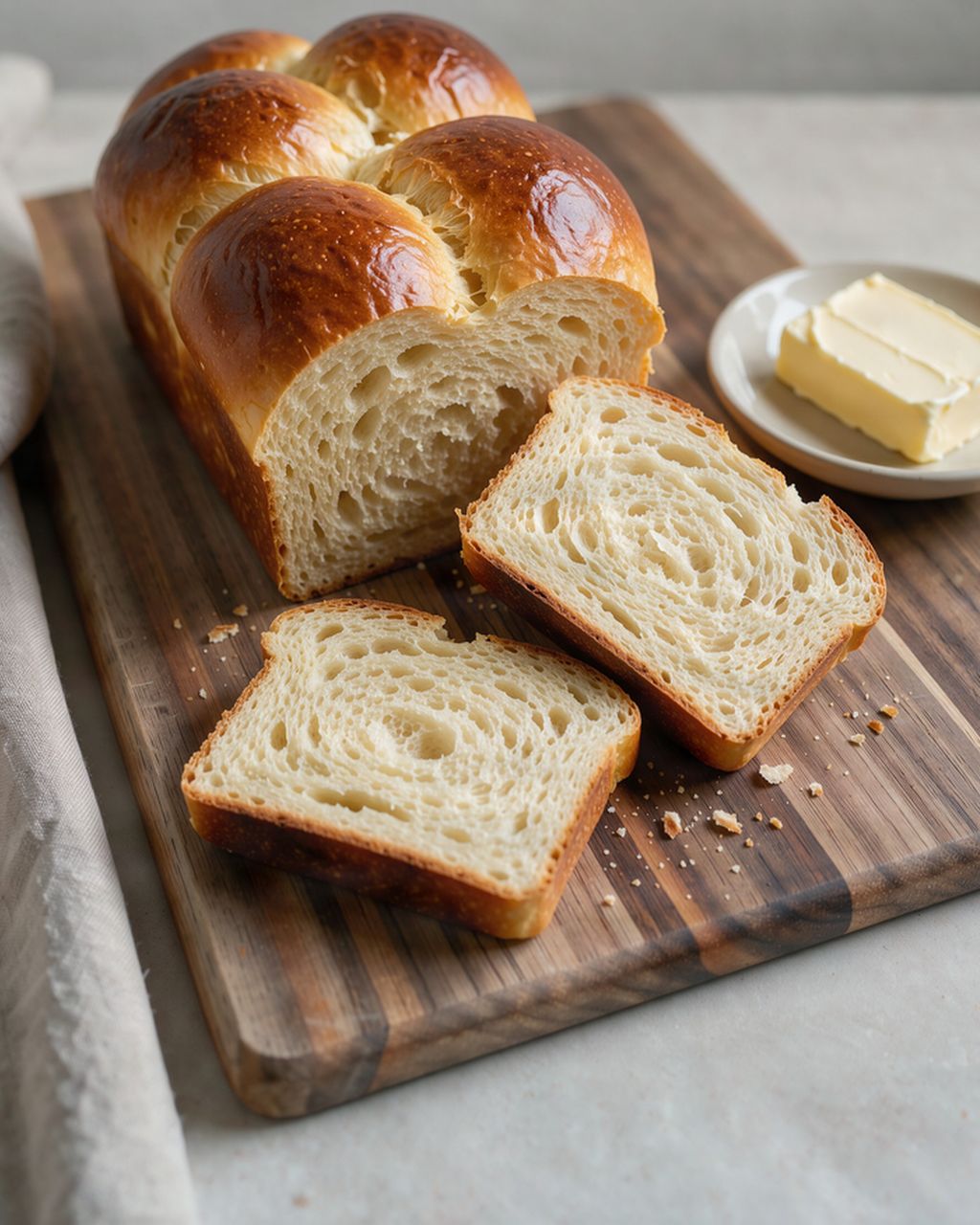
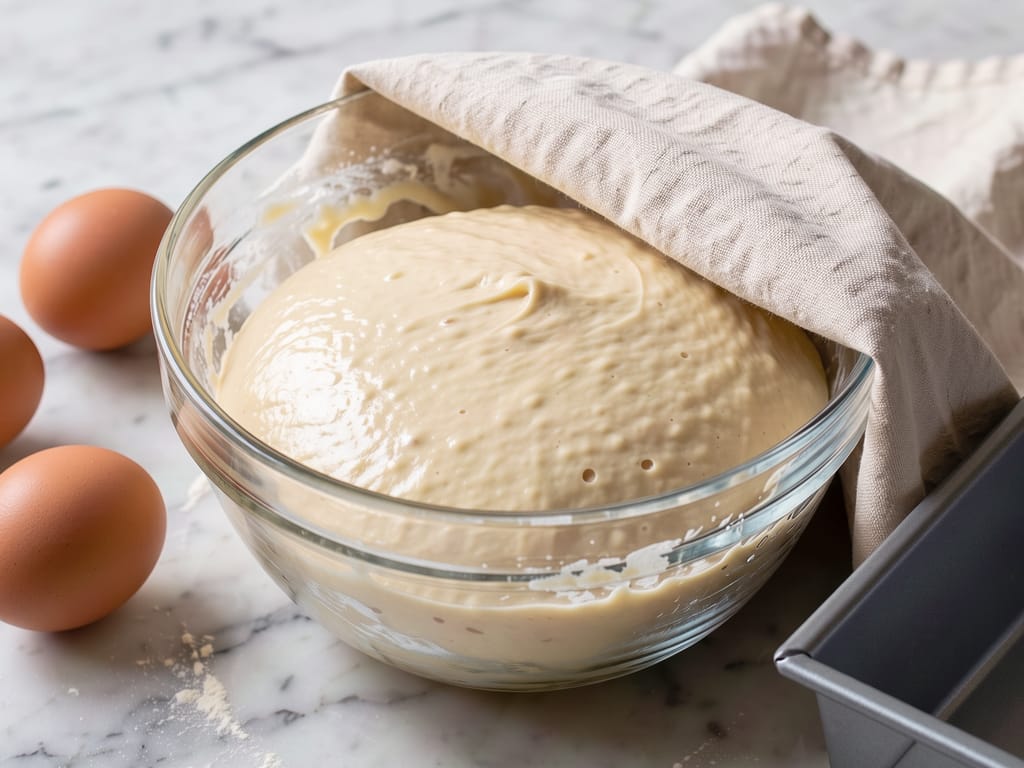
Brioche dough rises slowly by nature: the butter, sugar and eggs that make it rich also slow the yeast down, and most brioche is mixed cold and chilled, so it can look like nothing is happening for hours. If it truly isn't moving, the usual causes are dead yeast, a cold kitchen, or a chilled dough that hasn't had time to warm up. Here is what normal looks like, and how to get a stalled dough going.
Start by asking whether it is slow or dead. Brioche is one of the slowest doughs you can make, and most "not rising" problems are really just impatience with a cold, rich dough.
The causes, from most to least common:
It's cold. Brioche is often mixed with cold eggs and chilled to firm the butter. A dough at fridge temperature barely moves.
Butter, sugar and eggs slow the yeast. That's normal, and it means every stage takes longer than plain bread.
The yeast is dead or weak. Old yeast, or yeast that touched very hot liquid.
Too much sugar for regular yeast. Very sweet brioche benefits from osmotolerant yeast.
The butter broke out. If the dough got warm and greasy during mixing, it can struggle to hold gas.
Recipe of the week, one tip that saves you time and one deal from the shop. Unsubscribe in one click.
The next issue goes out on Thursday, November 26.
Classic brioche can contain half as much butter as flour, plus several eggs and sugar. Each of these slows the rise:
Sugar draws water away from the yeast cells (osmotic pressure). A little feeds yeast; a lot holds it back.
Butter coats the flour and the yeast and weighs down the dough. It also slows gluten forming if it goes in too early.
Eggs and milk add more weight and, straight from the fridge, keep the dough cold.
So a dough that would double in an hour as plain bread can take two or three hours as brioche. In Czech kitchens we see the same with vánočka (braided Christmas bread) and mazanec (Easter sweet bread); our guide to fluffy mazanec explains how we handle a heavy, rich dough.
Osmotolerant yeast is instant yeast bred to work in high-sugar doughs. It is often sold as "gold" instant yeast; Lesaffre markets its SAF-Instant Gold for doughs with roughly 10–30% sugar relative to flour weight.
In one home bakers' comparison, regular and osmotolerant yeast behaved much the same below about 10% sugar, and regular yeast got noticeably slower above it. Sugar starts slowing fermentation well before that, so treat 10% as a rough guide, not a hard line.
To check your dough, divide the sugar weight by the flour weight. 50 g of sugar to 500 g of flour is 10%. If you are well above that and only have regular yeast, expect longer rising times; some bakers also add a little more yeast. Our yeast converter helps if you are switching between fresh, active dry and instant yeast.
If a dough has sat in a warm room for two or three hours with no change at all, suspect the yeast.
Check the date and how it was stored. Opened yeast kept in a warm cupboard loses strength.
Test it. Stir a little into lukewarm water with a pinch of sugar. Foam within about 10 minutes means it is alive. Our guide to proofing yeast explains the test, and how long yeast lasts covers storage.
Think about the liquid. If you warmed milk, it should be lukewarm, about 38–43°C (100–110°F) for active dry yeast, as Fleischmann's advises. Bob's Red Mill notes that above about 49°C (120°F) yeast in liquid starts to suffer, and by about 60°C (140°F) it dies. Instant yeast mixed into the flour first tolerates warmer liquid; follow the packet.
If the yeast is dead, you can knead fresh yeast dissolved in a spoonful of lukewarm milk into the dough. It is fiddly with a buttery dough, but it can save the batch.
Many brioche recipes chill the dough, covered, in the fridge, often overnight. There are good reasons:
Cold butter makes the dough firm enough to shape.
The slow rise develops flavor.
It splits the work over two days.
The cost is time. In the fridge, the dough rises only a little. After shaping, a cold dough may sit for an hour or more before it even starts to grow. That isn't failure; it is warming up.
Enriched dough with egg and milk is normally left to rise at room temperature only for the time your recipe gives, usually 1 to 2 hours per rise. Keep the room comfortable, not hot, and bake the dough as soon as it has risen. For any longer rest, including overnight, cover the dough and put it in the fridge. An overnight rise on the counter would also overproof the dough.
Warmth fixes most stalled brioche, but not too much:
Aim for a warm spot around 24–27°C (75–80°F), for example the oven with only the light on (check it with a thermometer, since some ovens get warmer than 30°C this way), or the oven switched off with a pan of hot water on the shelf below.
Don't go above about 30°C (86°F). The butter starts to melt out, the dough turns greasy, and the loaf bakes up heavy.
Keep the dough covered, so the surface stays soft.
Judge by volume, not time. The shaped dough should look clearly puffy, with a dent from a floured finger springing back slowly. In a loaf pan, many bakers wait until the dough nearly reaches the rim.
Our guide to proofing dough covers temperatures and timing, and basic yeast dough ratios shows how a rich dough differs from a lean one.
Brioche rises slowly because butter, sugar and eggs all slow yeast, and a dough that has been chilled needs time to warm before it moves. If it doesn't rise at all after a few hours in a warm room, the yeast is likely dead or the dough is far too cold.
Much longer than plain bread: a first rise of 1 to 2 hours at room temperature is common, and many recipes then chill the dough overnight, covered, in the fridge. The shaped loaf often needs about 2 hours to rise before baking.
Yes, slowly, and many recipes rely on it: an overnight rest, covered, in the fridge firms the butter and develops flavor. Expect only a modest rise in the cold, then a longer rise at room temperature after shaping.
No, regular instant or active dry yeast works, just more slowly. Osmotolerant yeast, sold as gold instant yeast, is made for high-sugar doughs and can speed up very sweet brioche.
Brioche that barely rises in the oven was usually underproofed or very cold when it went in, or the yeast was weakened. Let the shaped dough rise until it is clearly puffy and a gentle poke springs back slowly before baking.
One recipe worth heating the oven for, one tip, and one deal from the shop. Nothing else.