Panettone: Italy's Christmas bread, from its history to baking and serving it at home
Why Is My Homemade Panettone Dense? Starter, Proofing and Cooling
Updated Nov 20, 2026
Homemade panettone usually turns out dense because the starter or preferment was not strong enough, one of the long rises was cut short, or the loaf was cooled upright so its soft crumb sank under its own weight. Panettone is one of the hardest breads to bake at home: a very rich dough that has to climb tall on wild yeast over a day or two. Here is where each problem starts and how bakers avoid it.
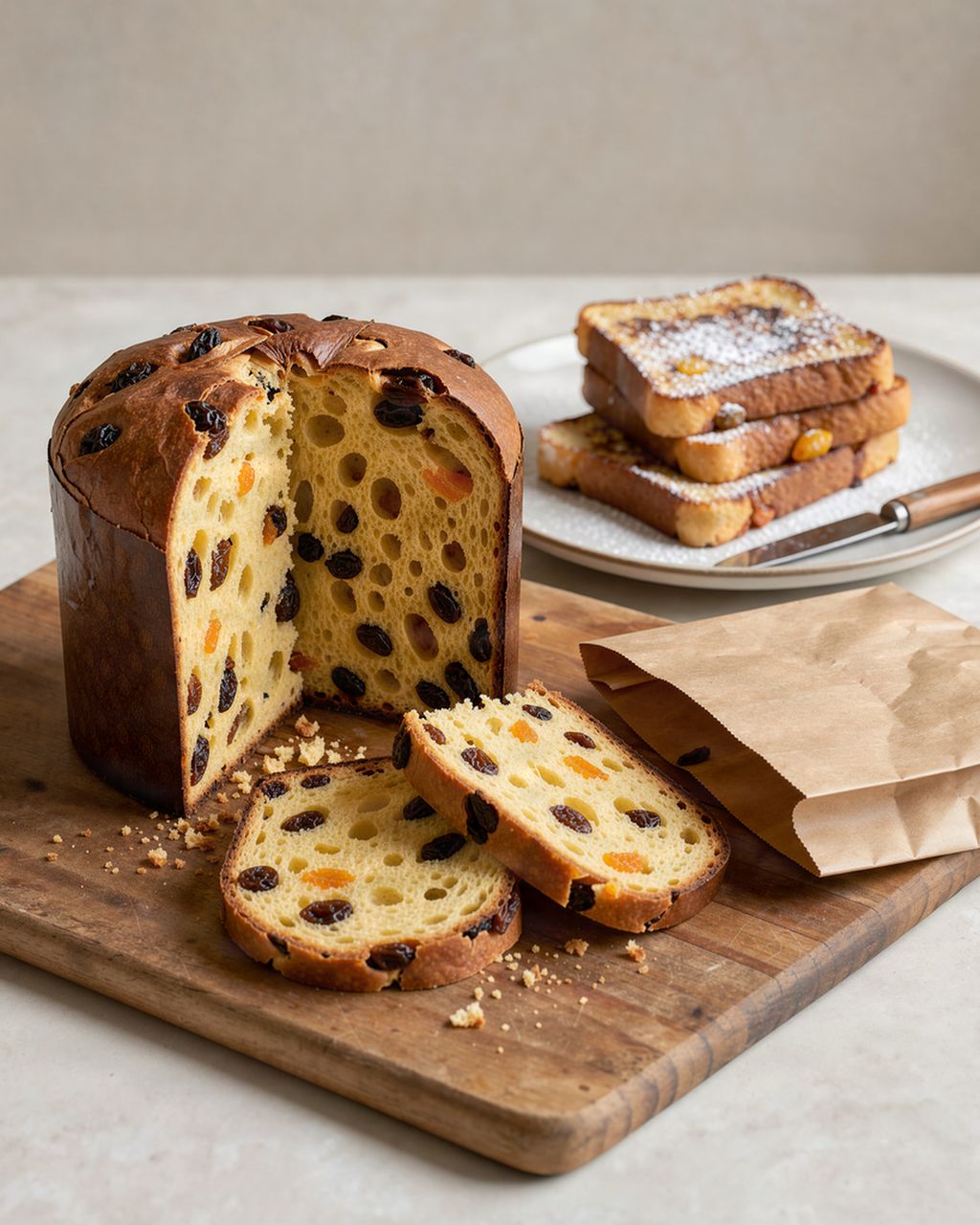
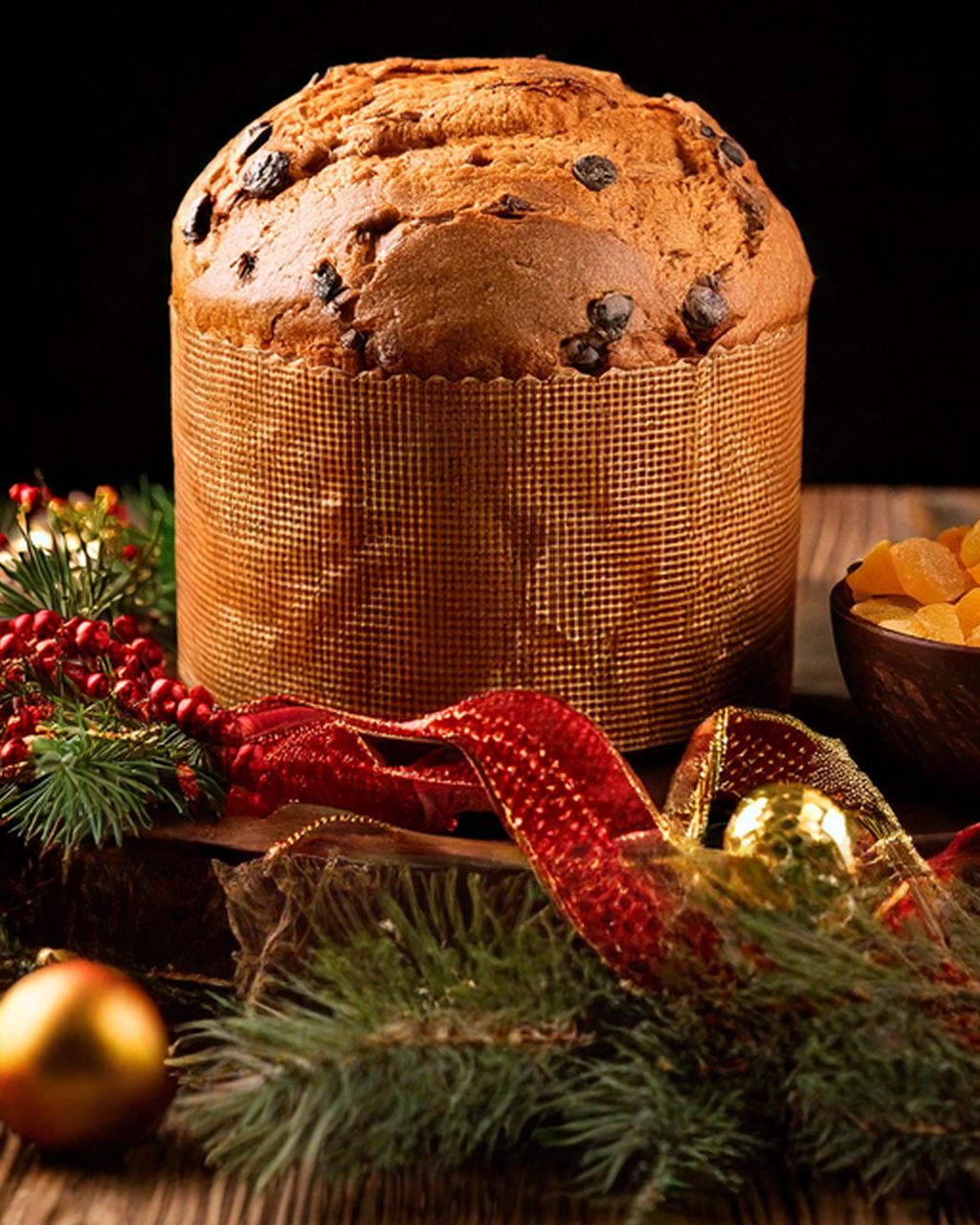
Commercial Italian panettone is tall, light and pulls apart in long, silky strands. Getting that at home is hard, because the dough is extremely rich and it rises on a slow, sometimes temperamental, starter.
The common causes of a dense, heavy loaf:
A weak starter or preferment. Not enough lift to raise all that butter and sugar.
A first dough that didn't triple. Cutting the first rise short starves the second.
Weak gluten or broken butter. The dough can't hold the gas.
Fruit added too early, or too wet. It tears the gluten.
Underproofing in the mold. Baked before it rose to the top.
Cooling it upright. The soft, hot crumb sinks and compacts.
This article explains the process and each fix. It isn't a full recipe; if you want to understand where panettone comes from first, read our panettone history and guide.
Seasonal baking plans, tested recipes and kitchen tricks that save you time. Unsubscribe in one click.
Traditional panettone is a two-day sourdough bread:
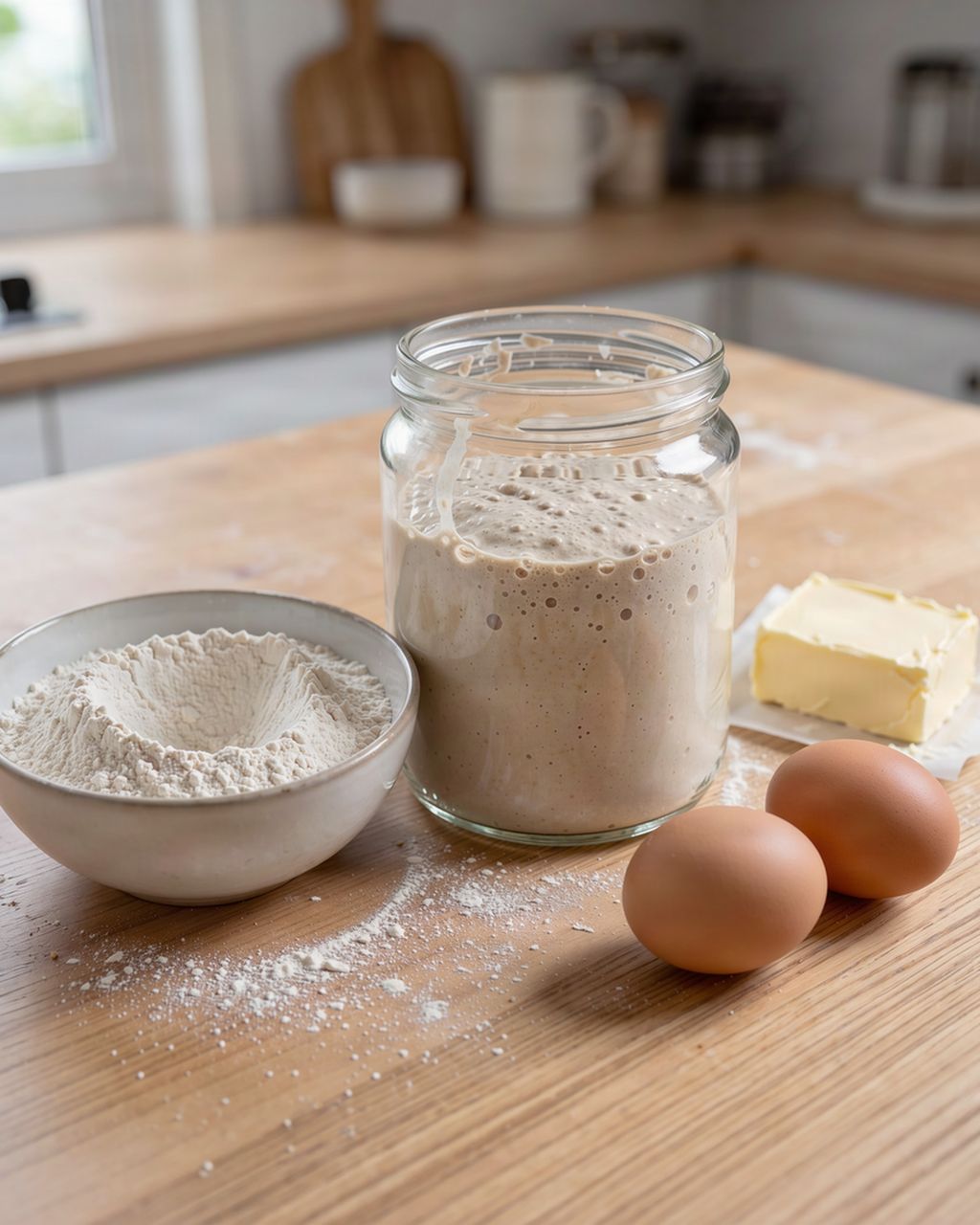
The starter. Italian bakers use lievito madre, a stiff wheat sourdough. Before baking day it is refreshed several times, often three times about four hours apart in a warm place, until it reliably triples in volume.
The first dough (primo impasto). Starter, strong flour, water, sugar, egg yolks and butter, mixed until very elastic, then left to rise, often overnight for about 12 hours, until it has tripled.
The second dough (secondo impasto). More flour, yolks, sugar, butter, honey and flavorings go in, then the raisins and candied peel at the very end.
Shaping and final proof in a tall paper mold, often 5 to 6 hours or more in a warm spot, until the dough domes just above the paper.
Baking, then hanging upside down to cool.
For context, Italy regulates what can be sold as panettone. Under a 2005 ministerial decree, as summarized by Italian food press and Britannica, it must be leavened by natural sourdough (baker's yeast is allowed only in small amounts, under 1%), contain at least 16% butter and 4% egg yolk, and, when it has fruit, at least 20% raisins and candied citrus peel. That is a lot of richness for wild yeast to lift.
If your starter is sluggish, everything downstream will be slow and heavy. Signs it isn't ready:
it doesn't triple within a few hours of feeding in a warm spot
it smells strongly sour or of acetone rather than mildly tangy and sweet
it has been kept in the fridge without several warm refreshments before baking
Bakers fix this by refreshing the starter several times in the days before, keeping it warm, about 26–28°C (79–82°F), and only mixing when it triples on schedule. Our guide to sourdough starter covers the basics of feeding and reading a starter.
If you use a yeasted preferment instead, the same rule applies: it must be clearly bubbly and domed when you mix.
Every stage of panettone is judged by volume, not by the clock:
The first dough should triple. If you mix the second dough before that, the final loaf has less strength and lift. Bakers on The Fresh Loaf note that skimping on the first rise lengthens the second, and often still gives a denser loaf.
The final proof should fill the mold. A typical target is the dough peaking about 1 cm (½ inch) above the paper. Saveur's method gives about 6 hours at a warm temperature, around 29°C (84°F).
Temperature matters. Too cold and the rise stalls. Too warm, above about 28°C (82°F) during mixing, and the butter softens and the dough loses strength.
A long rise needs a controlled warm place, such as the oven with only the light on. Check it with a thermometer and crack the door if it runs warmer than about 29°C (84°F). Keep the dough covered so the top doesn't dry out and crack.
Panettone needs a very strong dough to carry its butter and fruit.
Flour: strong, high-protein flour. Italian bakers use flour such as Manitoba; our flour numbers guide explains what to look for in Europe.
Mixing: each dough is mixed until it is smooth and stretches into a thin windowpane without tearing.
Butter: added soft but cool, a piece at a time, so it blends in rather than smearing out.
Fruit: added only at the very end, on low speed. Very wet or warm fruit tears the dough; drain soaked raisins well.
The Czech holiday bread vánočka (braided Christmas bread) shares many of these rules, on a simpler dough; see our sourdough vánočka guide.
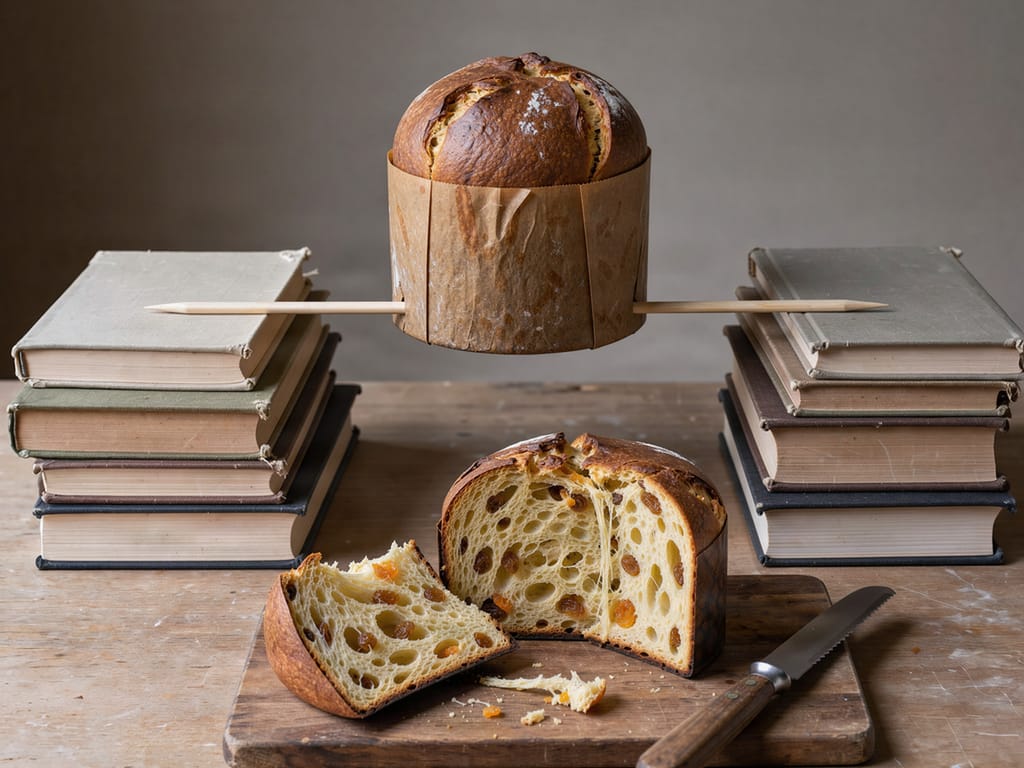
Hot panettone is so soft and rich that it can't support itself. Cooled upright, the top sinks, the sides pull in and the crumb at the bottom compresses, which looks and eats like a dense loaf even when the dough was perfect.
So bakers hang it upside down straight from the oven:
As soon as it comes out of the oven, push two long metal skewers (sold as panettone pins) straight through the base of the paper mold, near the bottom, parallel to each other.
Turn the panettone over and rest the skewer ends across two supports, such as two stacks of books or two chair backs, so the dome hangs freely.
Leave it hanging until the crumb has fully set. Guides suggest several hours, and one Italian pastry chef recommends 12 to 14 hours.
Don't cut it warm. That squashes the crumb too.
The usual causes are a weak starter, a first dough that did not triple before the second mix, an underproofed loaf, or a panettone cooled upright that sank as it cooled. A strong, active starter, full rises judged by volume and cooling upside down fix most dense loaves.
Panettone is hung upside down because its crumb is so soft and rich when hot that it would collapse under its own weight if cooled upright. Bakers push skewers through the base and hang it, often for several hours or overnight, until the crumb sets.
A panettone that won't rise usually has a starter that isn't active enough, a dough that is too cold, or very sweet, buttery dough slowing the yeast. Bakers refresh the starter several times until it reliably triples, and keep the dough warm, around 26–28°C (79–82°F).
Yes, many home recipes use commercial yeast and a preferment, and they give a good sweet bread, though usually less tall and stringy than a sourdough panettone. In Italy, a product sold as panettone must be made by natural sourdough fermentation under a 2005 decree.
Typically a full day or more: many sourdough methods let the first dough rise about 12 hours until tripled, then give the shaped dough about 5 to 6 hours or more in its mold. Watch the volume, not the clock.
One recipe worth heating the oven for, one tip, and one deal from the shop. Nothing else.