Why Did My Banana Bread Sink in the Middle or Not Rise?
Why Is My Banana Bread Gummy or Dense? Causes and How to Fix It
Updated Nov 21, 2026
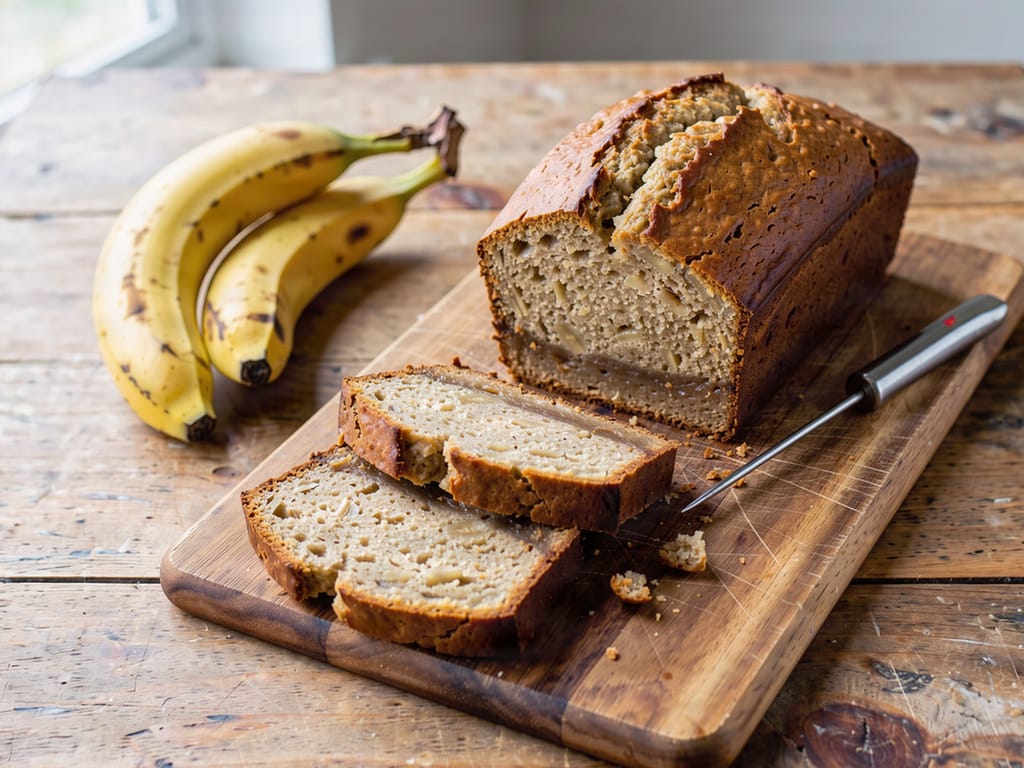
Banana bread turns gummy mostly because it is underbaked in the middle, and often because the batter has more banana or liquid than the recipe can carry, was overmixed, or was sliced while still hot. A dense, heavy loaf has the same causes plus tired leavening. Here is how to tell which it is, how to check a loaf is really done, and what to do with one that is already gummy.
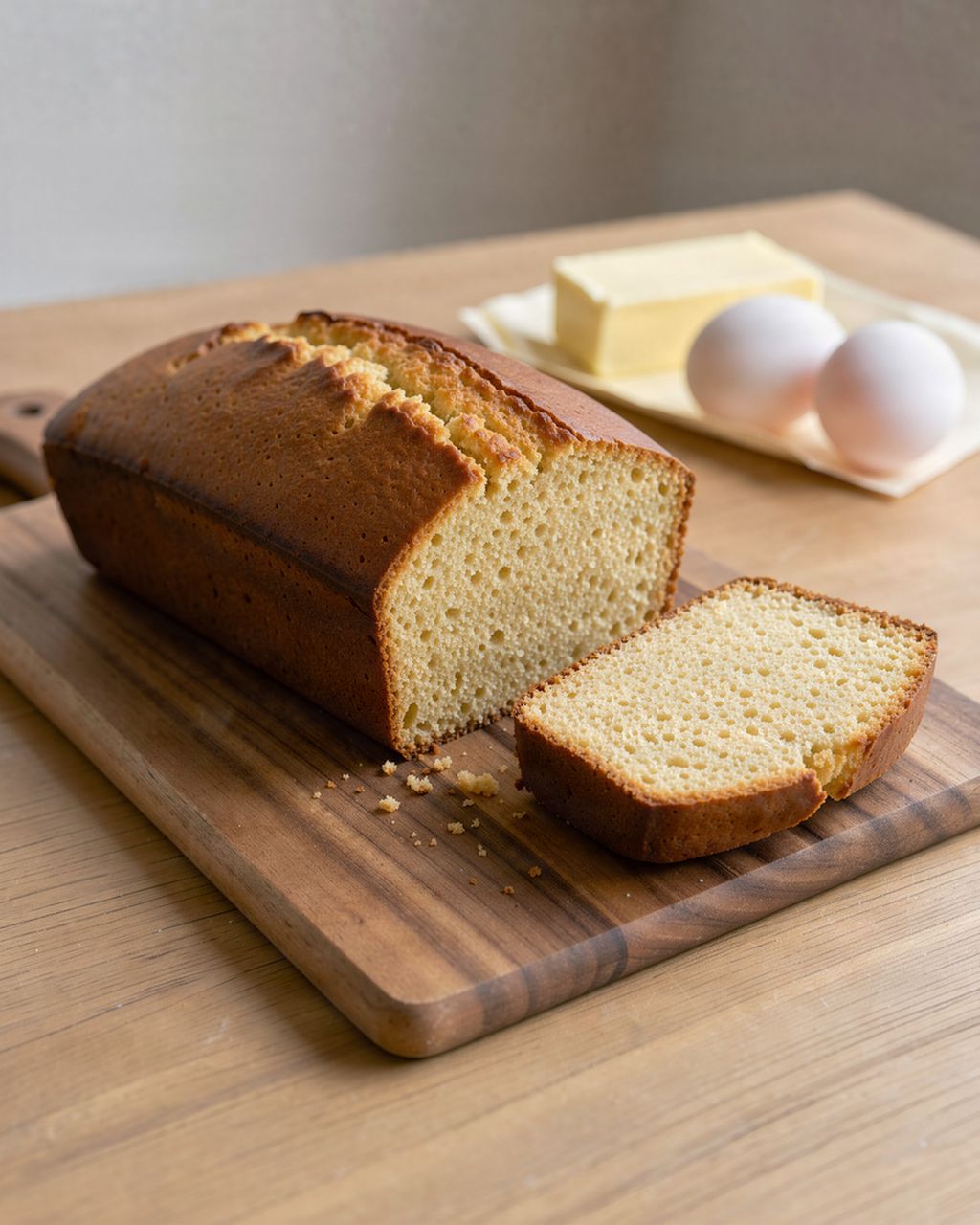
Cut the loaf from top to bottom and look before you change anything.
A wet, shiny band in the middle or under the top crust: underbaked.
A heavy, pasty band at the bottom: too much banana or liquid sank and never set, or the leavening was weak.
Tough, chewy crumb with long holes (tunnels): overmixed.
Even, close and heavy all through: dense rather than gummy; check your baking soda or baking powder and the amount of banana.
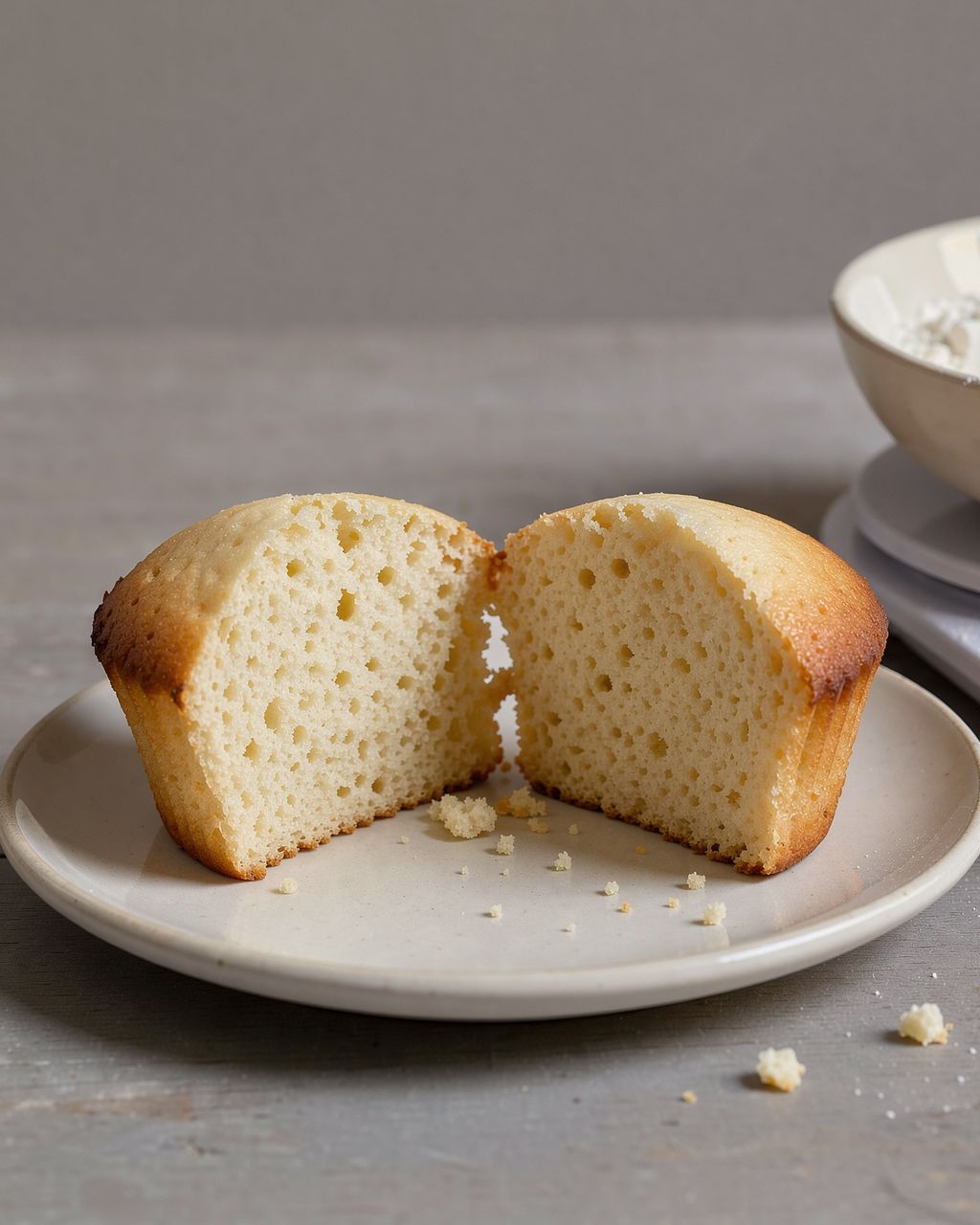
Soft and slightly damp, springs back when pressed: that is how banana bread should be.
Gummy also shows up when you slice too early. A loaf that tests done but is cut hot can look pasty, because the crumb is still setting as it cools.
Recipe of the week, one tip that saves you time and one deal from the shop. Unsubscribe in one click.
The next issue goes out on Thursday, November 26.
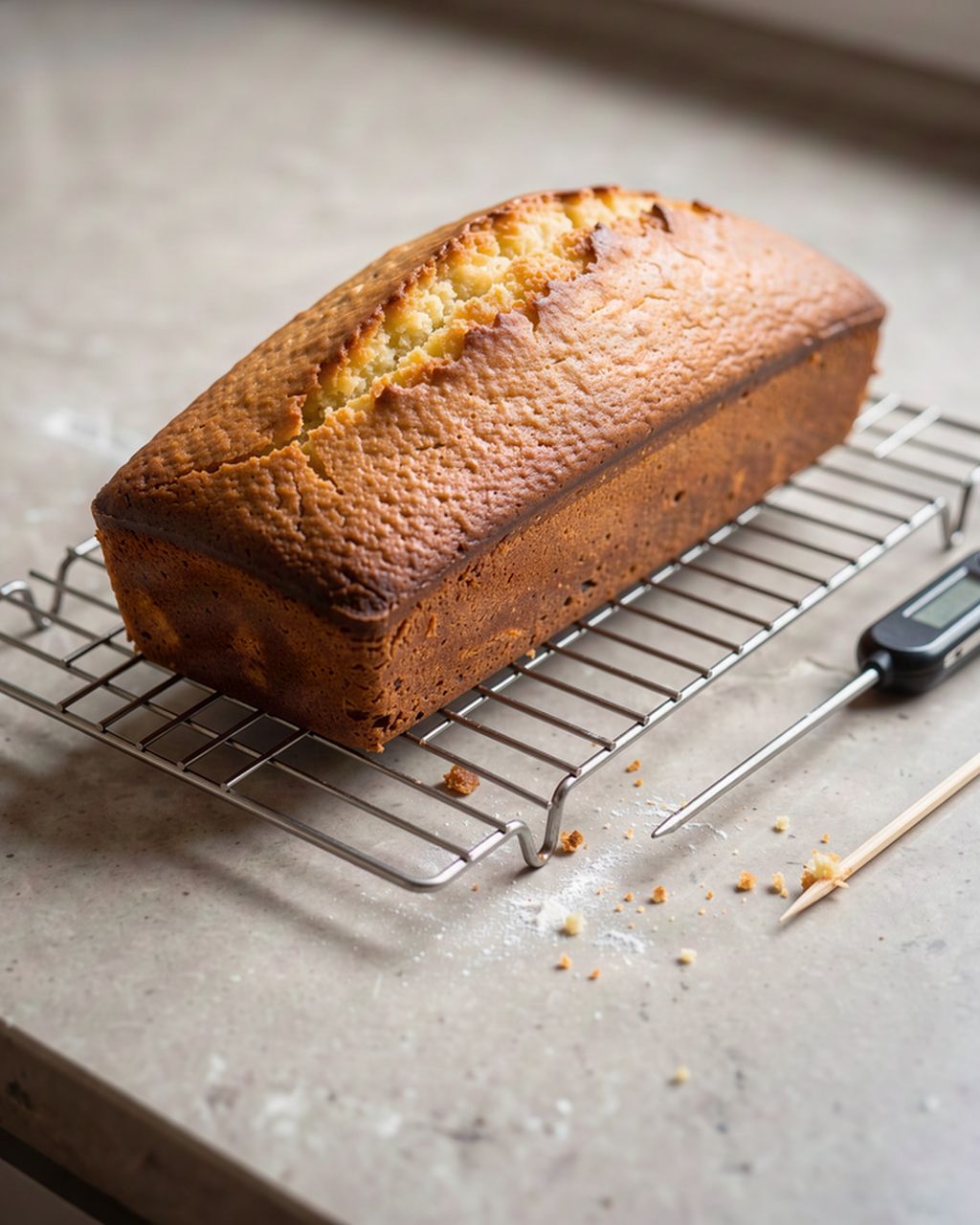
Banana bread is a wet, heavy batter in a deep pan, and the middle is the last part to cook. King Arthur Baking and ThermoWorks both put a done loaf at about 93–96 °C (200–205 °F) in the center, and ThermoWorks says to pull banana bread at 93 °C (200 °F), the bottom of that range. Pulled earlier, it can look fine on top and still be raw inside.
Reasons it ends up underbaked:
The oven runs cool or hot. Ovens can run hotter or cooler than the dial. A cool oven leaves the middle raw; a hot one browns the top early and tempts you to stop. An oven thermometer tells you which.
The oven was not fully preheated. King Arthur found an oven can signal "ready" well before it has really heated through.
The pan. Glass and ceramic bake more slowly than metal; a smaller, deeper pan holds a taller loaf that needs longer.
The fan setting. If you bake with the fan on, follow the recipe's fan temperature or convert it; see fan oven or conventional.
Testing too early or by the clock. Recipe times are a guide only.
Most banana bread recipes bake at around 175–180 °C (350 °F) in a conventional oven, and a standard 23 × 13 cm (9 × 5 in) loaf often needs an hour or more. If the top browns before the middle is done, lay a loose sheet of foil over it and keep going.
More banana sounds like more flavor, but past a point it just adds water and sugar.
Count by weight, not by bananas. Bananas vary a lot. USDA FoodData Central gives about 118 g for a medium banana and 136 g for a large one, and about 225 g for 1 US cup of mashed banana. "3 bananas" can mean anything from about 300 g to well over 400 g.
Frozen bananas release liquid as they thaw. If your mash is much wetter than usual, use only as much as the recipe's weight or cup measure asks for.
Extra oil, yogurt or sour cream on top of the recipe makes the batter loose.
Swapping sugar for honey or syrup adds liquid too.
Ripe, heavily speckled bananas are right for banana bread. They are sweeter and softer, not wetter by much, so you don't need to cut them back as long as you measure them. For more uses for very ripe fruit, see what to bake with bananas.
Banana bread is a quick bread: it should be mixed like muffins, not like cake.
Overmixing builds gluten. The loaf rises in tunnels, then turns tough and dense. Stir until the flour disappears and stop, even if the batter looks lumpy.
Batter left to stand. Baking soda starts working as soon as it meets the acidic banana. If the batter waits on the counter, much of the lift is gone before it reaches the oven.
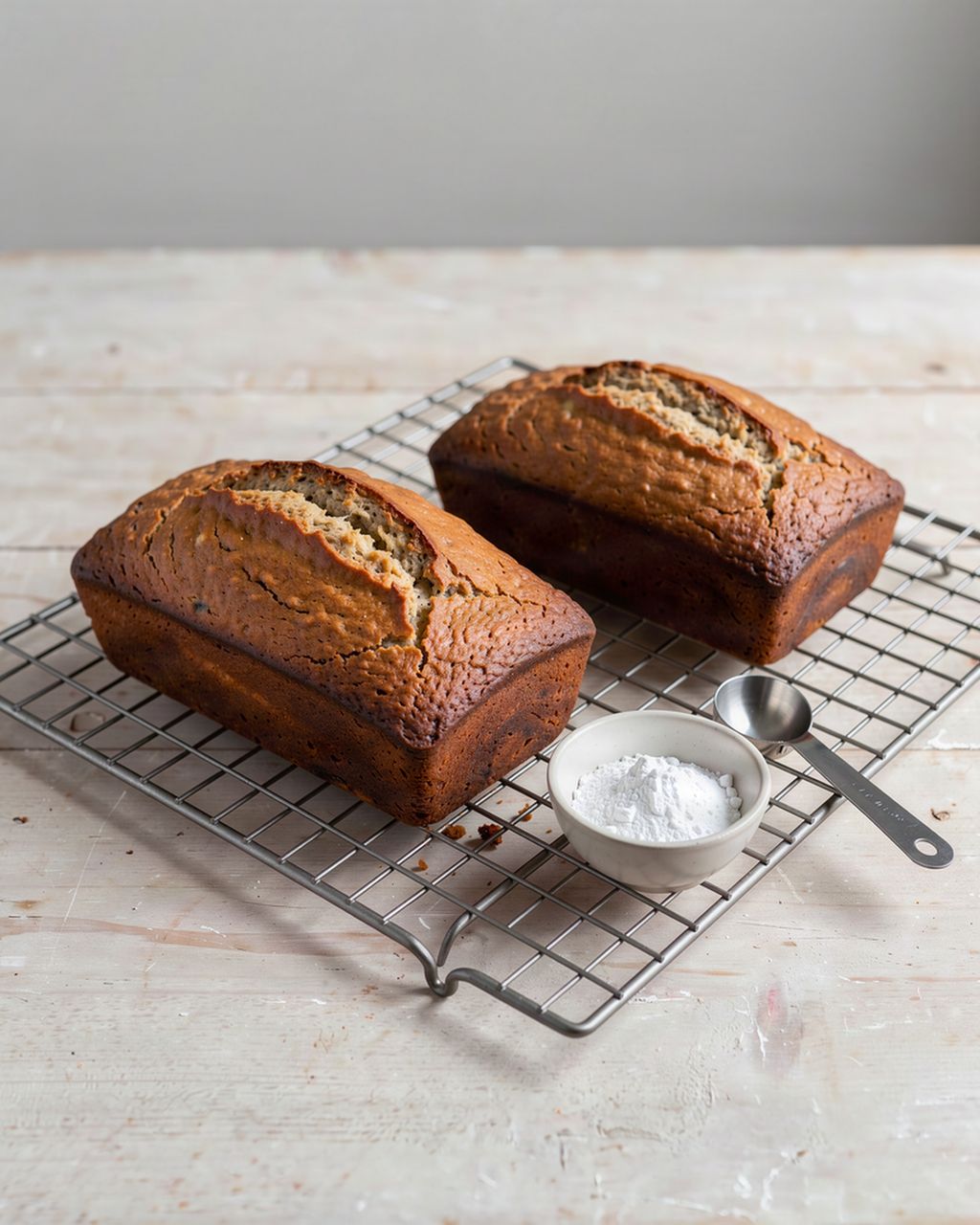
Old leavening. Baking soda and baking powder lose strength once opened. A pinch of baking soda in a spoon of vinegar should fizz hard; a little baking powder in hot water should bubble.
Too little flour. Underfilled or heaped-then-shaken cups, or a recipe converted from a different cup standard, can leave the batter short of flour. Scooping straight from the bag goes the other way and packs in too much. Weighing avoids both: use the gram weight your recipe gives when it has one. Published figures for a US cup of all-purpose flour range from about 120 g (King Arthur Baking) to about 142 g (America's Test Kitchen); our cups and spoons to grams calculator uses 125 g.
Gluten-free or whole-grain flour swapped in one for one needs a longer bake and often a little more structure. King Arthur Baking gives about 96–99 °C (205–210 °F) in the center for gluten-free banana bread; whole-grain loaves use the standard 93–96 °C (200–205 °F).
It depends on how fast you catch it.
You cut it hot and the middle is wet: put it straight back in the oven, in or out of the pan, and bake until the center reaches temperature. A loaf caught this way usually recovers.
It is cooked through but slightly pasty: it may simply have been cut too warm. Let it cool fully, then toast slices in a dry pan or toaster. Toasting firms up a damp crumb.
It has a raw, wet center and has been out of the oven for more than 2 hours: throw it away rather than baking it again. It contains egg, and USDA FSIS advises not leaving perishable food out for more than 2 hours (1 hour above 32 °C / 90 °F).
Next time, change one thing at a time: weigh the banana, check the oven, test the center.
A gummy loaf often sinks in the middle too, because the soft center cannot hold its own weight as it cools. The causes overlap, but sinking also comes from too much leavening and from opening the oven too early. For cakes that fall in the middle more generally, see sunken sponge cake: 7 causes, and for a loaf cake that stays raw inside, underbaked Bundt cake.
A gummy middle almost always means the loaf is underbaked: the center has not reached the 93–96 °C (200–205 °F) that King Arthur Baking gives for done banana bread. A cool oven, a deep pan or extra banana all slow the bake down.
Yes. Banana is mostly water and sugar, so extra banana makes the batter wetter and heavier than the flour can set. Measure mashed banana by weight or US cups instead of counting bananas; USDA FoodData Central puts 1 US cup of mashed banana at about 225 g.
It can make it tough, dense and tunnelled. Stir the dry ingredients into the wet ones only until no streaks of flour remain, then stop.
Dense banana bread comes from old baking soda or baking powder, overmixing, too much banana or fat, or batter left standing before it went into the oven. Check your leavening and get the loaf in the oven as soon as it is mixed.
Moist, not gummy. A good loaf is tender and slightly damp, but a slice should spring back and not look shiny, wet or pasty, especially in a band near the bottom or the top.
The oven is probably running cool or too hot, the pan is deep, dark or glass, or the loaf is very full. Check the oven with a thermometer, tent the top with foil if it browns early, and test the center rather than going by the clock.
One recipe worth heating the oven for, one tip, and one deal from the shop. Nothing else.