Homemade bread
How Long Does Yeast Last, and How to Tell if It's Dead
Updated Oct 25, 2026
How long yeast lasts depends mainly on whether it's fresh or dried. Fresh yeast keeps in the fridge at 2–8 °C (36–46 °F) for about 4–6 weeks from the production date (once you've bought it, you often have only 2–3 weeks left). Dried yeast in an unopened packet keeps for up to 2 years from the production date. Always go by the date on the package, though, as shelf life varies by manufacturer. Yeast is made of living organisms, so it weakens over time even when it looks fine. You can find out whether it will still raise your dough in 10 minutes with a simple test using sugar and lukewarm water.
Fresh yeast keeps in the fridge for about 4–6 weeks from the production date (often 2–3 weeks after you buy it), in the freezer for about 3 months, and dried yeast in an unopened packet for up to 2 years. Here's the overview by type and storage place:
Fresh yeast, unopened, in the fridge (2–8 °C / 36–46 °F): about 4–6 weeks from the production date, often 2–3 weeks after purchase. Shelf life varies by manufacturer, so always go by the date on the package.
Fresh yeast, opened cake, in the fridge (2–8 °C / 36–46 °F): wrapped tightly, within 1 week, and no later than the date on the package.
Fresh yeast in the freezer (−18 °C / 0 °F): about 3 months, but it gets weaker with every week. Use more of it after thawing.
Dried yeast, unopened (in a dry place below 25 °C / 77 °F): up to 2 years from the production date, according to the date on the packet.
Dried yeast, opened small packet: ideally use it up right away, or within a few days at most, and close it well.
Dried yeast, opened large package (100–500 g): within 4 months in a tightly sealed container in the fridge (2–8 °C / 36–46 °F) or freezer (−18 °C / 0 °F); the freezer is better. This is what the manufacturer Red Star states.
Past the best-before date: dried yeast often still works, just more weakly, so test it first. Fresh yeast only a few days past the date, and only if it looks and smells normal and passes the test.
At room temperature (20–25 °C / 68–77 °F): fresh yeast weakens within a day, so don't leave it on the counter.
Baker's yeast, which makes dough rise, comes in three forms: fresh, instant dried and active dried. All three are living Saccharomyces cerevisiae yeast; they differ in water content, shelf life and how you handle them.
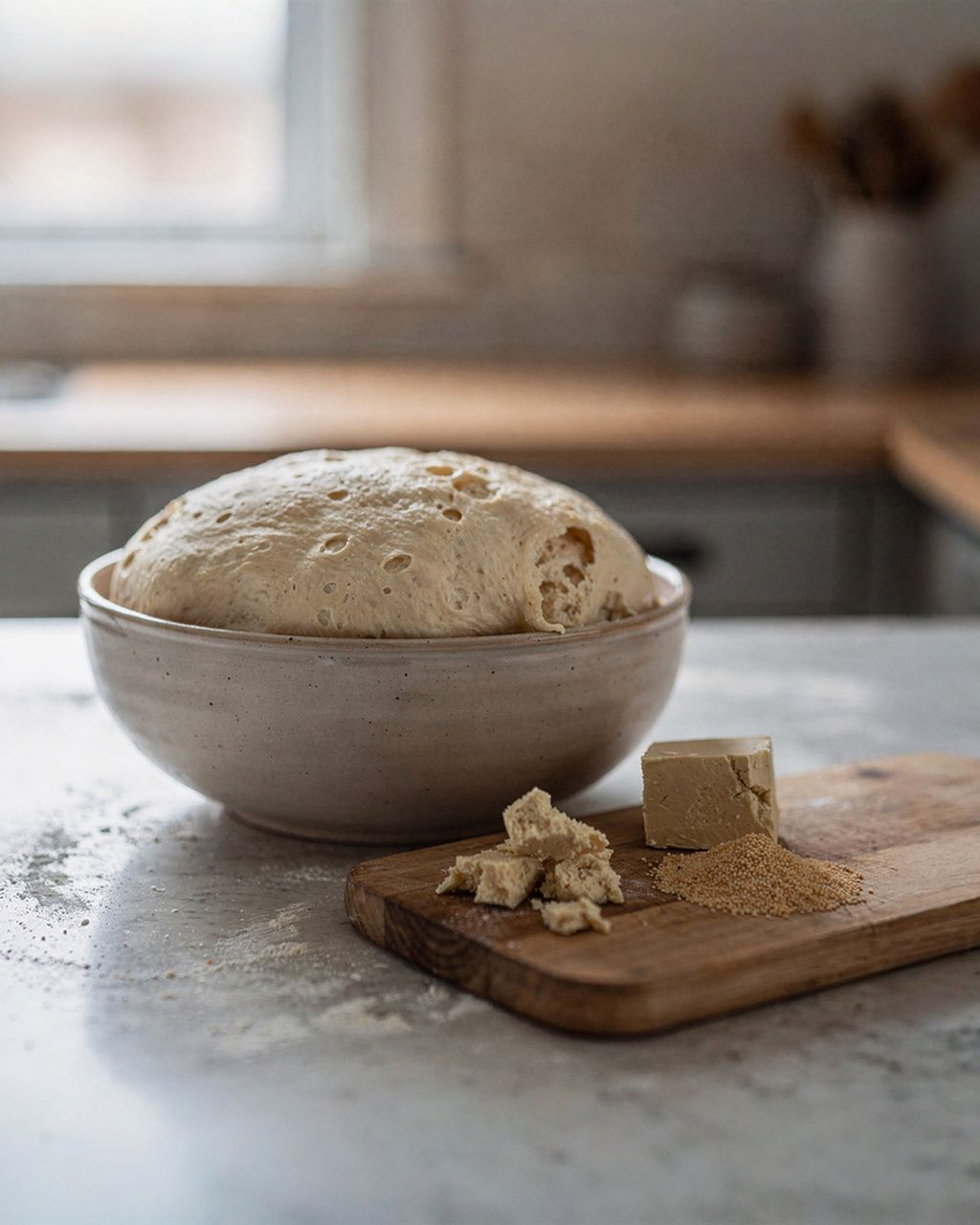
Fresh (compressed) yeast: a 42 g cake, about 70% water, and it must go in the fridge. One cake is usually enough for 0.5–1 kg of flour, depending on the type of dough. Crumble it into lukewarm milk or water, or use it to make a sponge starter.
Instant dried yeast: fine granules in packets, most often 7 g or 10 g. Amounts vary by brand, so follow the packet. You sprinkle it straight into the flour without dissolving it.
Active dried yeast: coarser pellets that first need to be dissolved in lukewarm water (35–40 °C / 95–104 °F) for about 10 minutes. It's less common in Czech shops than instant.
Two products have similar names, but they won't make your dough rise:
Nutritional yeast is deactivated yeast. The yeast in it has been killed by heat, so it adds a nutty, cheesy flavor but won't raise dough.
Baker's ammonia isn't yeast but ammonium (ammonium bicarbonate), a chemical leavener for gingerbread and crisp cookies. There's no yeast in it at all.
To learn how much dried yeast equals a cake of fresh and how to proof dough with each, see Dried vs. Fresh Yeast: Conversion and How to Use Each for Rising.
Fresh yeast keeps in the fridge at 2–8 °C (36–46 °F) for about 4–6 weeks from the production date, but always go by the date on the package. Figures vary by manufacturer and retailer. Part of that time the yeast also spends in distribution and in the shop, so at home you often have only 2–3 weeks left. Treat the date on the package as an upper limit, not a promise.
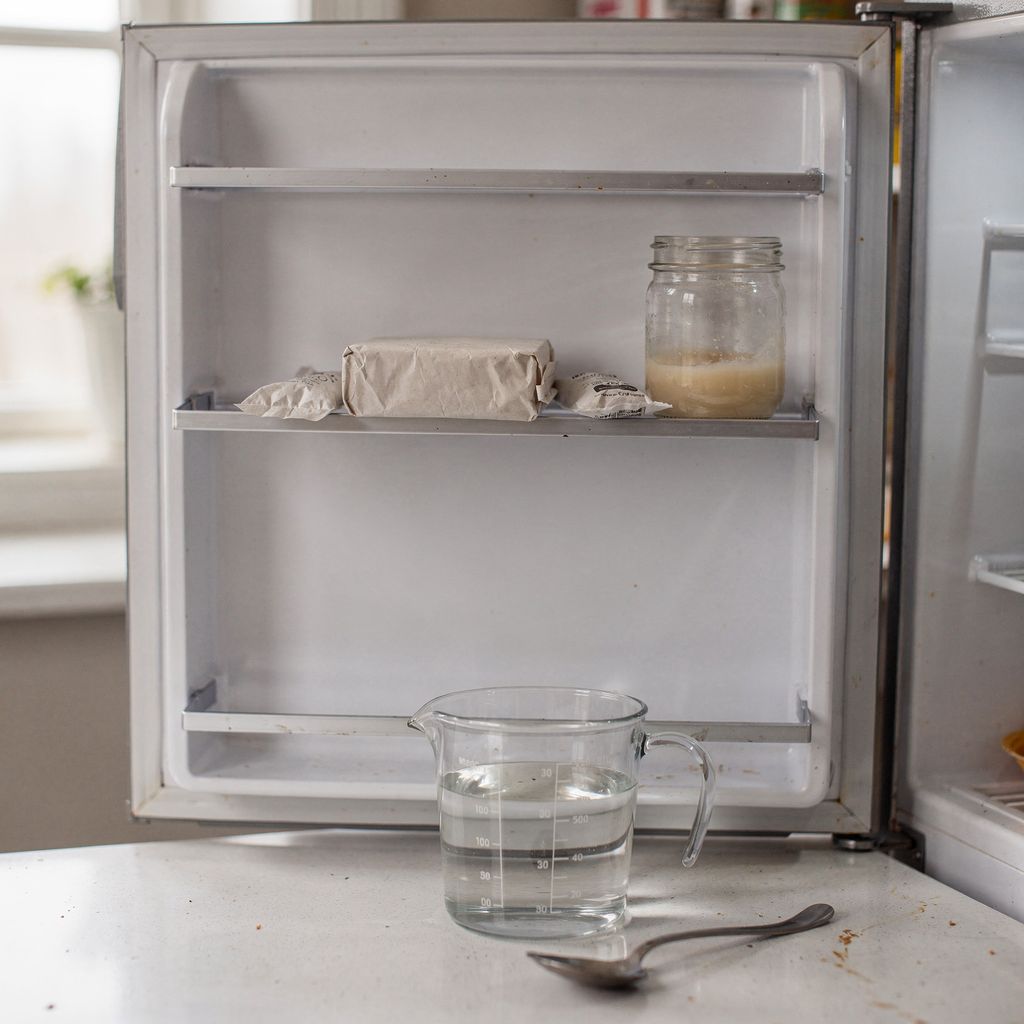
Fresh (compressed) yeast contains about 70% water, and the yeast in it is fully active. Cold only slows its metabolism down rather than stopping it, which is why fresh yeast ages even in the fridge. Put it in the coldest part of the fridge (toward the back wall, not in the door, where the temperature swings every time you open it) and keep it wrapped so it doesn't dry out or absorb odors.
Wrap an opened cake tightly in plastic wrap or its original paper, put it in a lidded container and use it within a week. Air dries it out and the edges darken. If you know you won't get through it, portion it and freeze it right away.
In practice: buy fresh yeast only a few days before you actually plan to use it. A 42 g cake that sits in the fridge for a month "just in case" is more likely to ruin your weekend bake.
Unopened dried yeast lasts up to 2 years from the production date if you store it in a dry place below 25 °C (77 °F). You'll find the exact date on the packet. The yeast has been dried into a dormant state, and as long as you keep moisture, air and heat away from it, it loses strength only very slowly.
Once opened, though, it weakens much faster:
Small packet (7–10 g): it's best to use the whole packet at once. Ideally use an opened packet up right away, or within a few days at most, and close it well.
Large package (100–500 g): transfer it to a tightly sealable jar and put it in the fridge or freezer. The manufacturer Red Star recommends using an opened package within 4 months and calls the freezer the better choice. Write the date you opened it on the jar.
Frozen dried yeast doesn't need thawing; you sprinkle it straight into the flour. Red Star advises letting the amount you take out rest at room temperature for 20–30 minutes. Close the jar again right away so moisture doesn't condense on the cold yeast.
Store it in a dry, dark place, not next to the oven or above the stove.
Yes, you can freeze fresh yeast and it will keep for about 3 months. Just be aware that some of the yeast won't survive freezing and it will be weaker. Manufacturers don't recommend freezing outright; for compressed yeast, Lesaffre explicitly says it can reduce performance. Still, for a home baker the freezer can save a cake that would otherwise run out its time in the fridge.
Cut the cake into 10–20 g portions so you don't have to thaw the whole thing.
Wrap each portion tightly in plastic wrap and put it in a bag or container. Write the date on it.
Thaw slowly in the fridge (2–3 hours), not on a radiator or in the microwave. Sudden heat kills the yeast.
Thawed yeast is often sticky and runnier. That's normal after freezing: ice ruptures some of the cells and releases water from them. Use it right away and, before baking, it's best to test it (see below).
Use roughly a quarter more thawed fresh yeast than you would fresh, and after 3 months in the freezer, even half as much again. This is a practical estimate based on how much of the yeast freezing kills. A scientific study on freezing baker's yeast (Effects of Yeast Freezing in Frozen Dough) found that compressed yeast after 90 days in the freezer had significantly more dead cells and produced a 27.7% smaller volume of baked bread.
Frozen up to 1 month: use about 25 g instead of 20 g.
Frozen around 3 months: use about 30 g instead of 20 g, and expect a longer rise.
Always do the 10-minute test first. The strength of the foam tells you whether to add more.
Be careful with rich doughs like Christmas braided bread or Easter bread. Sugar, fat and eggs slow yeast down on their own, so weakened yeast rises even more slowly in them. A fresh cake is worth it there.
You can't reliably dry fresh yeast at home: no manufacturer recommends home drying, and you can't know how much of the yeast survives. It isn't a proven method and the result is unpredictable, so you won't even know how much of that yeast to put in your dough.
Store-bought dried yeast is made from selected yeast strains prepared for drying, and it's dried in a factory under precisely controlled temperature and humidity. A cake crumbled onto a plate beside a radiator doesn't have those conditions. Some of the yeast dies, some stays moist, and the yeast can turn musty or moldy before it dries out.
If you have a cake left over, it's more reliable to freeze it (see above) or bake with it right away. If you dry it at home anyway, treat the result as weak yeast of unknown strength: test it before every use and use noticeably more.
You can tell fresh yeast has gone bad by a dark brown color, a dry cracked surface, a sticky texture, a sour or cheesy smell, or mold. Good fresh yeast, by contrast, is light beige to grayish beige, crumbly, smooth where it breaks, and has a pleasant yeasty smell. Warning signs:
Color: dark brown edges or a whole cake that has turned brown. The yeast is aging and weakening.
Surface: a dry, cracked, hard crust. The yeast has dried out and its strength is much lower.
Texture: sticky, tacky or runny (unless it was frozen). The yeast is breaking down.
Smell: a sour, cheesy or unpleasantly sharp odor instead of a fresh yeasty aroma.
Mold: any fuzzy spots, whether white, green, gray or pink.
Darker edges and a slightly dry surface don't necessarily mean the end; test that yeast. Don't bother with a bad smell, a slimy surface or mold. Throw the yeast out.
Dried yeast spoils differently: from the outside you can hardly tell anything. Clumps or stuck-together granules mean moisture has got in. A musty smell or mold means it belongs in the bin. Otherwise, only the test will decide.
Mix the yeast with a teaspoon of sugar and lukewarm water at 35–40 °C (95–104 °F). If it hasn't foamed within 10 minutes, it's dead. It's the same method you'd use to make a yeast starter (sponge) and let it rise. It works for both fresh and dried yeast, and it can save you from wasting a whole batch of flour.
Pour 100 ml of lukewarm water (35–40 °C) into a cup. On your wrist it should feel pleasantly warm, not hot.
Add 1 teaspoon of sugar and stir.
Sprinkle in 1 teaspoon of dried yeast (about 3 g), or crumble in about 10 g of fresh yeast.
Stir and leave it for 10 minutes somewhere warm (around 25 °C / 77 °F).
Here's how to read the result after 10 minutes:
Thick foam (at least 1–2 cm / ½–¾ in), risen volume, and a yeasty smell: the yeast is fine. Go ahead and use the mixture in your dough, and subtract 100 ml from the liquid in the recipe.
Just a few bubbles at the surface: the yeast is alive but weak. Use more of it, or allow for a longer rise.
Nothing happens: the yeast is dead. Throw it out and buy fresh.
Watch the water temperature: around 50 °C (122 °F) yeast already struggles, and according to the manufacturer Red Star it dies at 60 °C (140 °F). If you're not sure, cooler water is the safer choice. The yeast will just work more slowly, but it will survive. If the test passes and your dough still won't rise, the problem is usually the temperature or the proofing time. Our article Proofing dough: temperature, time and the proofing basket can help.
Dried yeast often still works after the date, just more weakly, so always test it before using. Under EU Regulation No. 1169/2011, the best-before date is the date until which a food retains its specific properties when stored correctly. For yeast, that means its full leavening power. It doesn't say when yeast stops being safe. If it passes the foam test, bake with it. If the foam is weak, use a third more.
Be more careful with fresh yeast. It's a moist, living food and spoils faster than dried after the date. A few days past the date, use it only if it looks and smells normal and passes the test. As soon as it shows any of the warning signs above, it's not worth the risk. A new cake costs a few coins; ruined dough costs you the whole morning.
Fresh yeast that's nearing its date is best used up in a yeasted bread or cake, so it doesn't die in the fridge. The easiest start is homemade yeast bread, a good weekend bake is a yeasted plum sheet cake with streusel, and for Easter there's a fragrant Easter bread.
In December, it's Christmas braided bread that uses up the most fresh yeast. For that, buy a fresh cake a few days before baking. A rich dough full of butter and egg yolks needs yeast at full strength. You'll find out how to bake one fluffy in The Softest Christmas Braided Bread: Why It Turns Out Dry and What to Put in the Dough.
Homemade bread
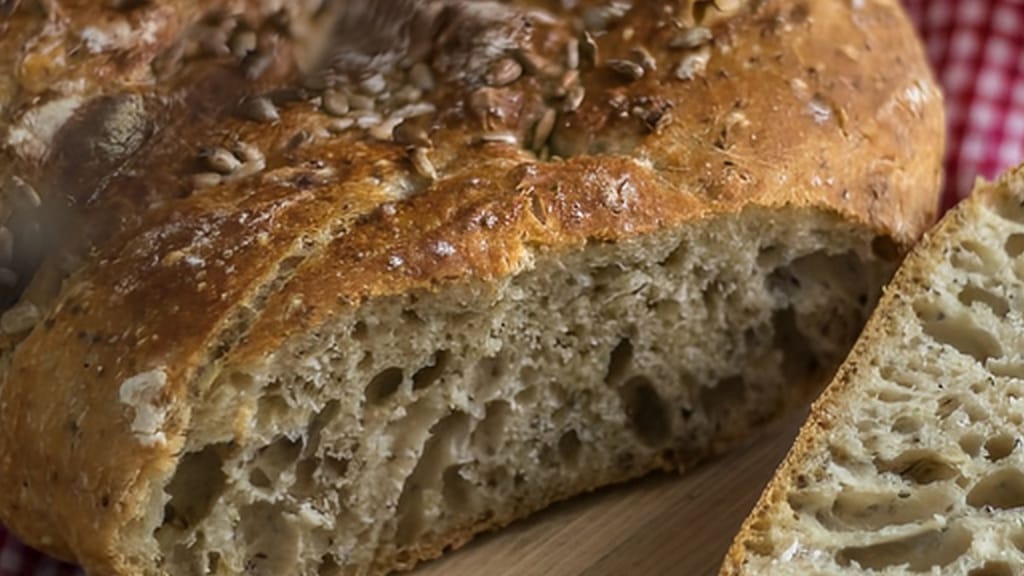
Homemade yeast bread – the best way to use up a fresh cake
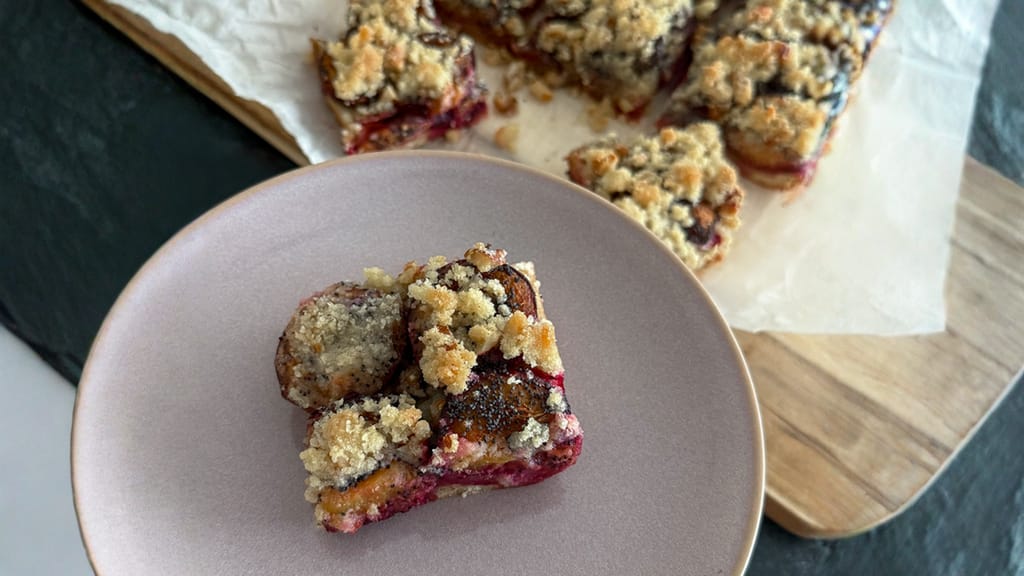
Classic yeasted plum sheet cake with crumble topping
Classic yeasted plum sheet cake with streusel
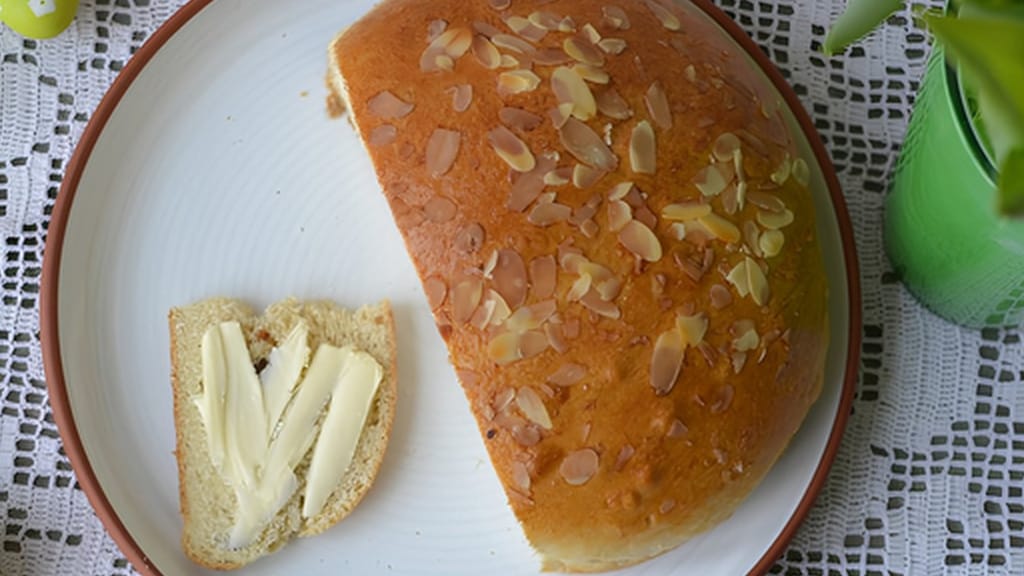
Easter classic: fragrant mazanec bread
Fragrant yeasted Easter bread
A cake of fresh yeast (42 g) is replaced by about 14 g of instant dried yeast, which is two 7 g packets. The usual ratio of fresh to dried yeast is roughly 3:1.
No, you can sprinkle instant dried yeast straight into the flour without dissolving it. The test with sugar and lukewarm water only makes sense if you're not sure how old the yeast is. In that case, do the test and use the mixture in the dough right away.
When dough won't rise even though the yeast is fine, temperature is the most common culprit. In a cool kitchen below 20 °C (68 °F), dough rises very slowly, and hot milk or water above 50 °C (122 °F) damages the yeast. Other culprits are salt poured directly onto the yeast, a lot of sugar or fat in the dough (Christmas braided bread and Easter bread rise more slowly), and not giving it enough time. Rich doughs can easily need 1.5–2 hours.
No, a float test doesn't reliably show whether yeast is still active. That test is meant for sourdough starter, not for baker's yeast. A more reliable method is the test with a teaspoon of sugar and 100 ml of lukewarm water: live yeast will visibly foam within 10 minutes.
Yes, you can dissolve yeast in milk. Just heat it to no more than 35–40 °C (95–104 °F). Milk is easy to overheat, and above 50 °C (122 °F) the yeast starts to suffer. If your milk is boiling, let it cool to lukewarm first.
No, don't refreeze thawed fresh yeast. Every freeze and thaw kills off more of the yeast, so it would be weak and unpredictable. That's why you should freeze it in small 10–20 g portions and thaw only as much as you'll use right away.
One recipe worth heating the oven for, one tip, and one deal from the shop. Nothing else.