Perforated Silicone Baking Mat
Almond Flour vs. Ground Almonds: What's the Difference, When to Use Each, and What to Substitute
Updated Oct 17, 2026
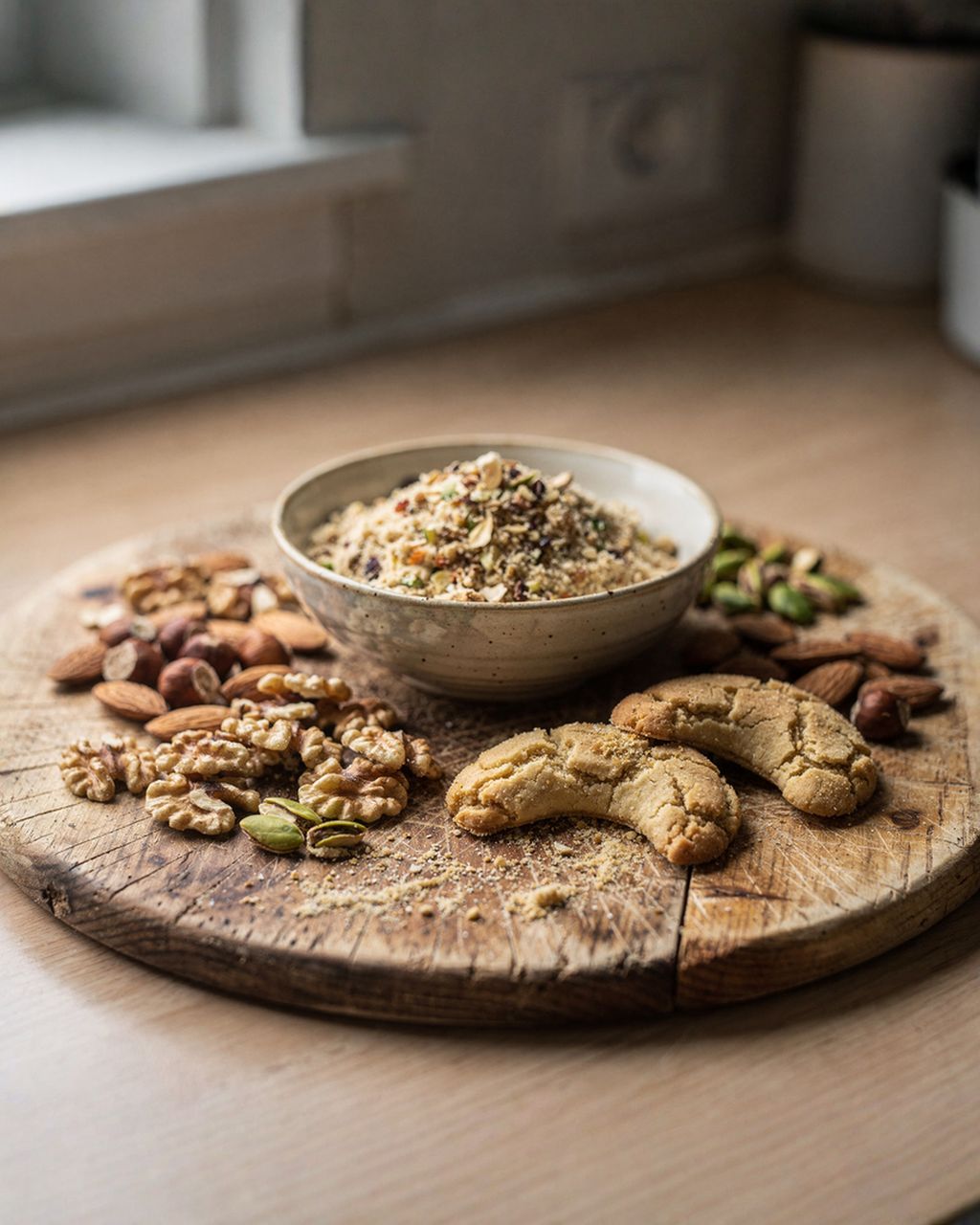
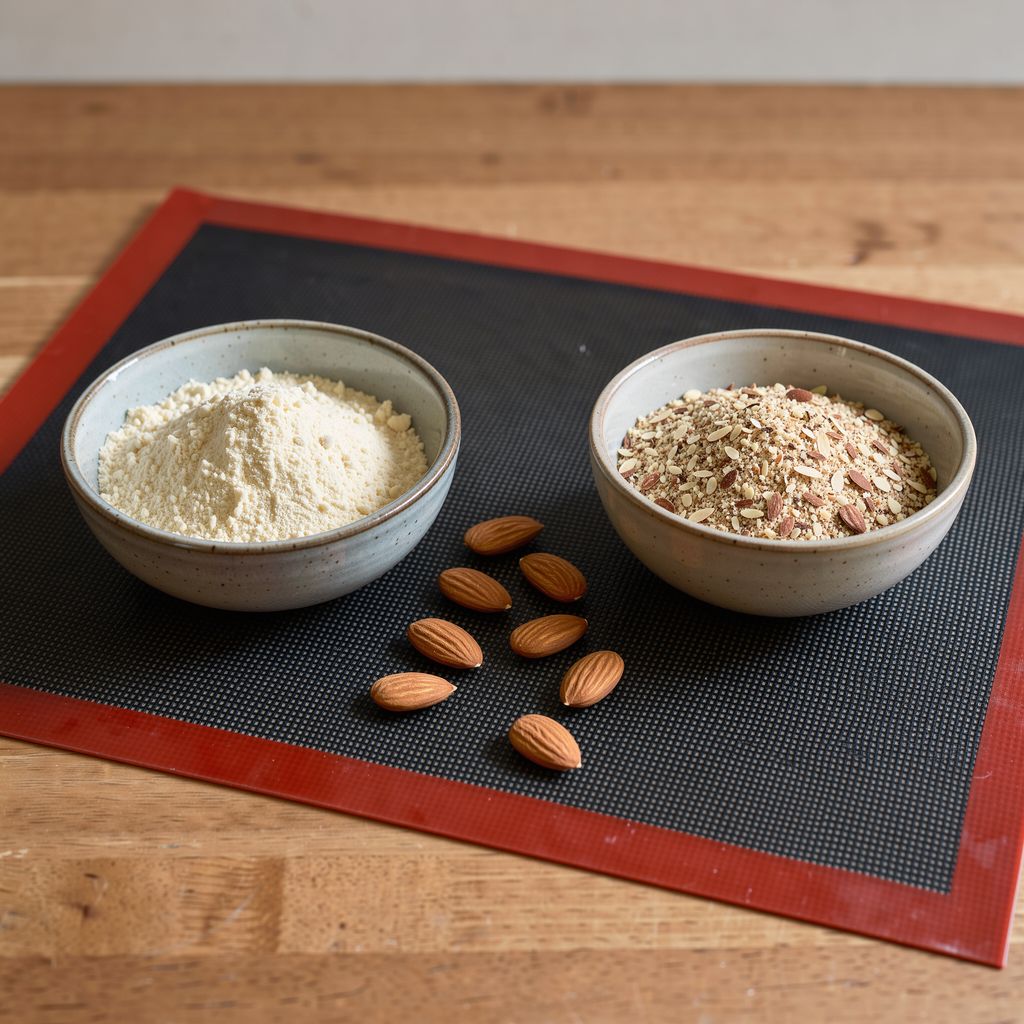
Almond flour is made from finely ground blanched almonds, meaning almonds with the skins removed, milled to a fine powder. Ground almonds (almond meal) are coarser and often include the skins. In a Bundt cake or linzer cookies you'll barely notice the difference, but in macarons it decides whether the shells come out smooth or bumpy and greasy. Here's how the two differ, where each one works best, and what to use in place of almond flour when you don't have it or can't eat it.
Almond flour is blanched and finely ground, while ground almonds are coarser and often include the skins. They're the same ingredient with the same composition. The difference is in the processing, and that changes how each behaves in a batter or dough.
Almond flour (blanched, superfine): skinless almonds, pale cream in color, loose and powdery like plain flour. It sifts through a fine sieve with nothing left behind.
Ground almonds (almond meal): a coarser grind, with grains easily 1–2 mm. With the skins on, it has brown flecks and a slightly tannic taste. A lot gets left behind in the sieve.
Defatted almond flour: what's left after pressing almond oil. Depending on how far it's defatted, it has roughly 8–35% fat (check the pack). It's drier and more absorbent, and it isn't a 1:1 substitute. It soaks up liquid almost like coconut flour.
Read the label carefully: "almond flour" on a pack sometimes just means coarsely ground almonds with the skins on. For macarons, look specifically for blanched almond flour (in French, poudre d'amande blanchie).
Seasonal baking plans, tested recipes and kitchen tricks that save you time. Unsubscribe in one click.
Almonds contain around 50 g of fat per 100 g (according to USDA tables), so almond flour doesn't behave like regular flour. It behaves like a finely crushed oily nut. Three practical things follow from that:
It forms no gluten. The batter holds together thanks to eggs, butter and sugar, not the flour. That's why almond bakes are tender and crumbly.
It releases oil when ground or mixed. The longer you grind or mix it, the more it turns into a paste. In macarons, greasy flour gives blotchy, shiny shells that can sink.
It holds on to moisture. The fat and fine grain keep a baked cake moist for days, which is why financiers and almond cakes don't dry out like sponge cake.
Moisture matters most in macarons: flour that has absorbed humidity from your kitchen air makes a runnier batter. That's why pastry cooks sometimes dry it in the oven at 60–80 °C (140–175 °F) for 10–15 minutes and let it cool. For cookies you don't need to bother.
Almond flour is most worth it where it's the main building block rather than just a flavoring: macarons, financiers and almond cakes, marzipan and delicate cookies. Where it makes up only a small part of the dough, feel free to use cheaper ground almonds.
For macarons you need blanched, superfine almond flour. Ground almonds don't work here. The classic ratio is tant pour tant, meaning almond flour and powdered sugar 1:1 (say 150 g + 150 g), sifted together and folded into the meringue.
Coarse grains or skins show up right away: a bumpy surface, specks and weaker "feet". You'll find the full method in Macarons Step by Step: How to Bake Perfect French Macarons, and if your shells are cracking, read 8 Reasons Why Macarons Crack and Have No Feet. For fillings, try salted caramel macaron filling or white chocolate and coffee macaron filling.
Both work in financiers and almond cakes. Almond flour gives a fine, velvety crumb, while ground almonds make it coarser and more rustic. Financiers rely on almond flour, egg whites, sugar and brown butter, and it's the fat from the almonds together with the butter that keeps these little cakes moist for several days.
In cakes where almonds replace most of the flour, almonds with the skins on give a stronger, slightly bitter flavor. To see how that looks in practice, try this Swedish almond cake.
In cookies and Bundt cakes where almonds make up only part of the dough (linzer cookies, crescents, biscuits), ground almonds are enough, as long as they're as fine as possible. Almond flour gives a slightly smoother, more tender result, but the difference isn't dramatic.
Linzer cookies: you can swap part of the plain flour for almond flour and the dough will be even more tender. The basic version is in the recipe for tender linzer cookies, and a nutty variation is in linzer cookies with pistachios.
Bundt cake: here almonds add flavor and moisture, and how finely they're ground barely matters. Try this orange Bundt cake with almonds and cardamom.
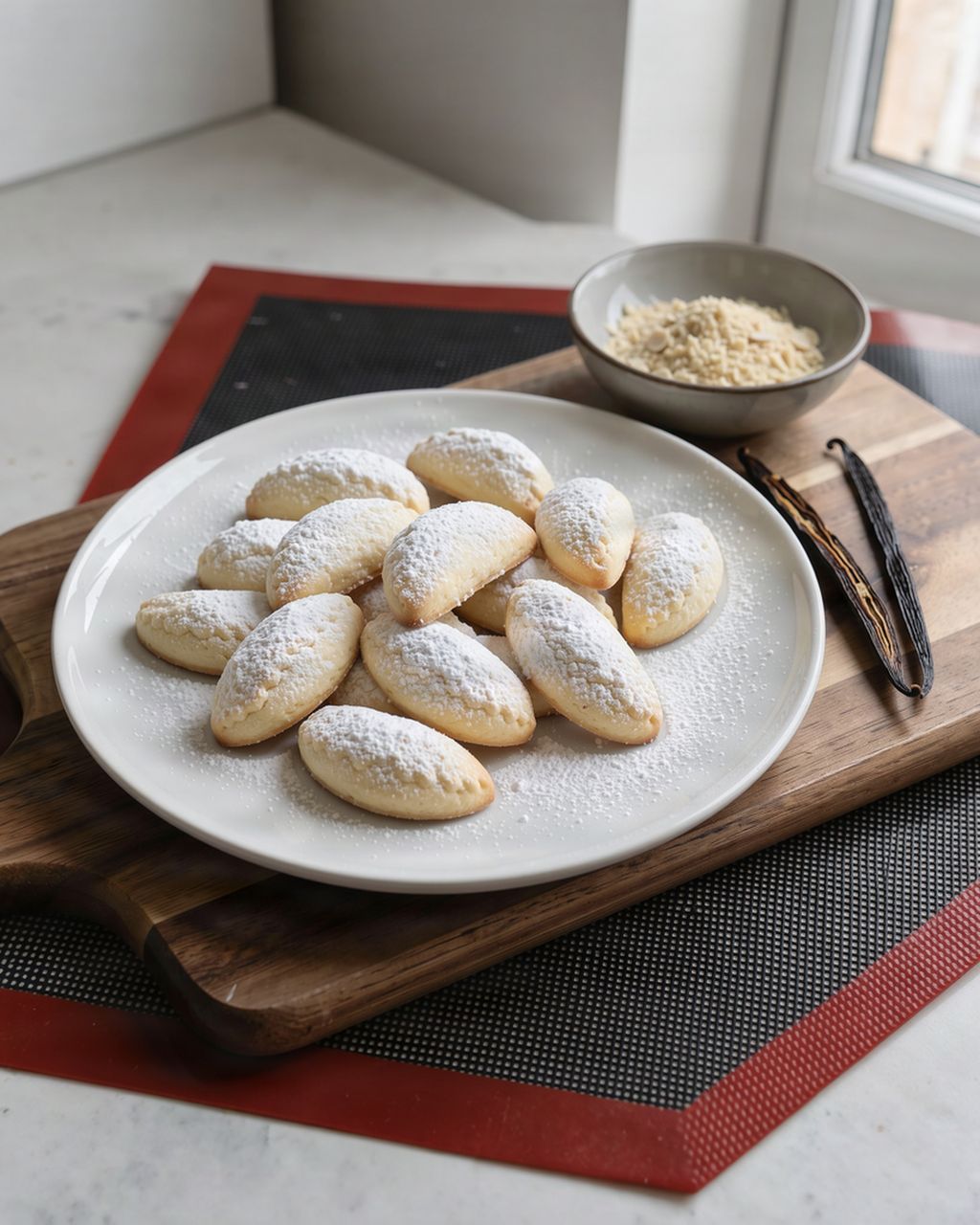
Vanilla crescents: finer flour means a smoother surface and crescents that melt in your mouth. The article Vanilla Crescents: Which Nuts and Flour to Use explains why the choice of nuts matters, and you can try these vanilla crescents.
Shortbread-style cookies: for example, tender almond cookies.
Marzipan: fine blanched flour is the clear choice here, otherwise the mixture will be grainy and dark. Read more in Marzipan: How It Differs from Marzipan Paste.
For an overview of which nut belongs where, take a look at Types of Nuts in Baking.
You can grind almond flour at home from blanched almonds in short pulses, ideally with some of the sugar from the recipe, and then sift it. The sugar absorbs the oil that gets released, so the almonds don't turn into butter.
Take blanched almonds (or blanch whole almonds in boiling water for 1 minute, peel them and let them dry completely).
The almonds must be cold and dry. Feel free to put them in the freezer for 15 minutes.
Grind in 2–3 second pulses, with 1–2 tablespoons of powdered sugar per 100 g of almonds.
Sift, and regrind the coarse bits (or use them in cookies).
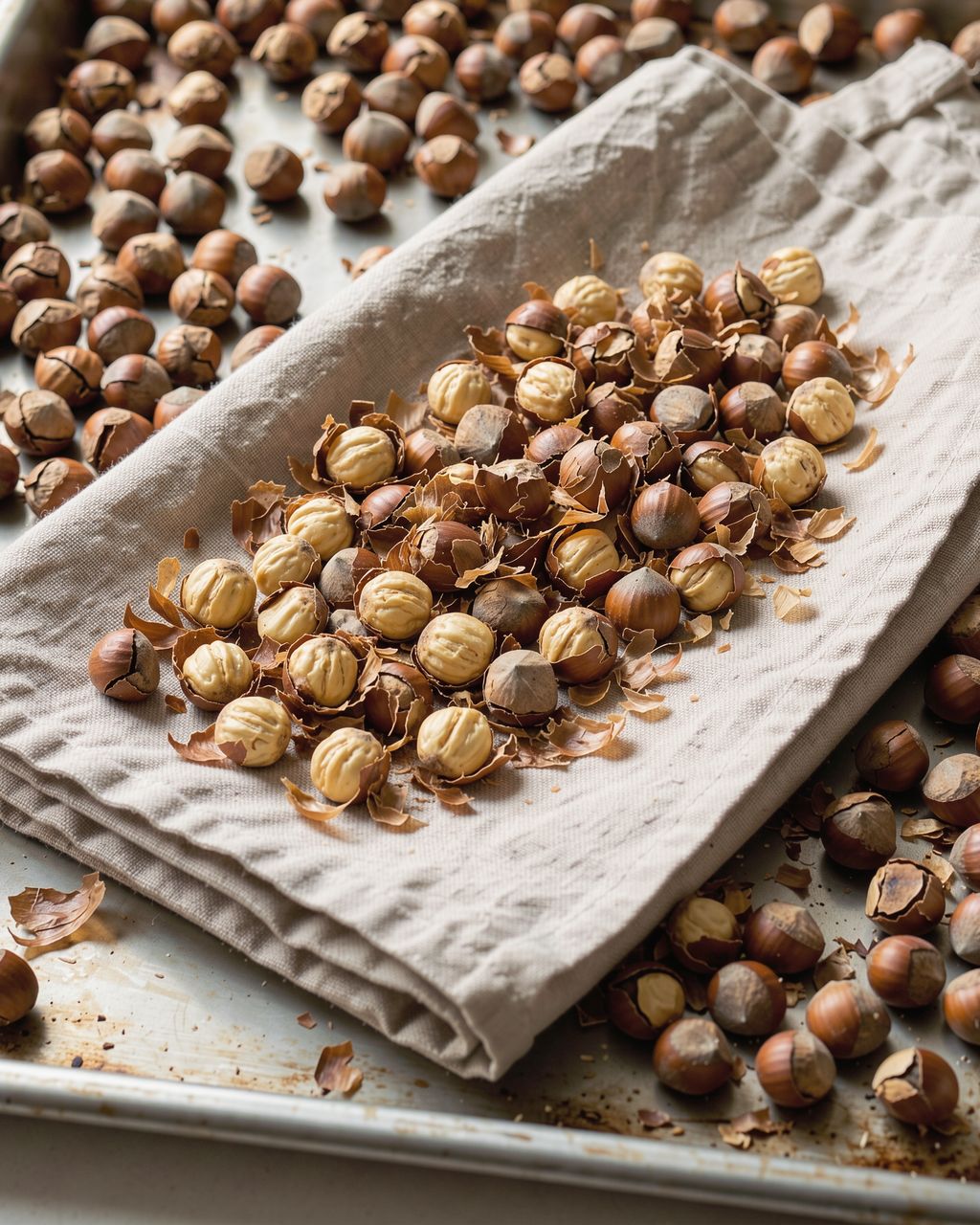
For cookies and cakes that's more than enough. For macarons, homemade flour tends to be coarser and oilier than store-bought, so expect a rougher surface. We cover roasting, peeling and grinding without releasing oil in detail in Nuts for Baking: How to Roast, Peel and Grind Them.
The best substitute for almond flour is another nut or seed flour at a 1:1 ratio: pistachio, hazelnut, cashew, pumpkin seed or sunflower seed. Walnuts work only in cookies, grain flour only in cookies and with adjustments (never in macarons), and coconut flour is never a 1:1 swap.
Pistachio flour – 1:1. The closest substitute, even for macarons. It has a similar fat content (around 45%), gives a green color and a pronounced flavor. It's considerably more expensive, though.
Hazelnut flour – 1:1 in cookies and cakes. Fattier (around 60%), with a roasted aroma. In macarons, use it half and half with almond flour, since on its own it tends to be greasy.
Cashew flour – 1:1. Fine, buttery and neutral. It works in cakes and cookies, while in macarons the batter is softer.
Pumpkin seed flour – 1:1, nut-free. The choice for nut-free baking, even for macarons. For allergy sufferers, choose packs without a "may contain traces of nuts" warning. The shells will have a greenish tint.
Sunflower seed flour – 1:1, nut-free. Another option for nut-free baking, but be careful: in a batter with baking soda or baking powder it can turn green after baking. It's a harmless reaction with chlorogenic acid, but it looks odd.
Walnuts – cookies only. Very oily, and they release fat quickly when ground. Not for macarons.
Plain wheat flour – cookies and cakes only, not macarons. Use roughly a quarter less and expect a firmer, less tender and less moist result.
Coconut flour – never 1:1. It soaks up liquid, so use about a quarter of the amount and add an egg or extra liquid.
If you're replacing almonds for gluten-free baking, you'll find ratios and flour blends in What to Use Instead of Flour in Gluten-Free Cookies, an overview of individual flours in Gluten-Free Flour: Rice, Buckwheat, Corn and Coconut, and completely nut-free options in Nut-Free Cookies. You'll find more baking ingredients together in the baking ingredients category.
Pistachio flour stays green when you grind it from peeled, unroasted pistachios and bake at a lower temperature. The purple-brown skin dulls the color, while roasting and baking longer above about 160 °C (320 °F) push it toward olive or brown.
In macarons, a half-and-half mix with almond flour works well: strong flavor, a more stable batter and a lower price. You can then boost the green with a drop of gel food coloring. The article Pistachio Cake Cream explains how to get pistachios into a cream, and for a finished combination, see the recipe for pistachio cupcakes with lemon curd.
Store almond flour in a sealed container somewhere cool and dark, and keep an opened pack ideally in the fridge or freezer. Because of its high fat content, it goes rancid much faster than wheat flour.
Pantry, sealed container: roughly 1–2 months after opening.
Fridge: around 3–6 months.
Freezer: up to a year. Before using, let it come up to room temperature in the sealed container so water doesn't condense on it. For macarons, that would cause problems.
Rancid flour smells sharp, like old oil or paint, and tastes bitter. Throw it out, because baking won't fix it.
If you're buying almond flour for macarons, three more things matter: the baking surface, a stable meringue and a food coloring that doesn't add water.
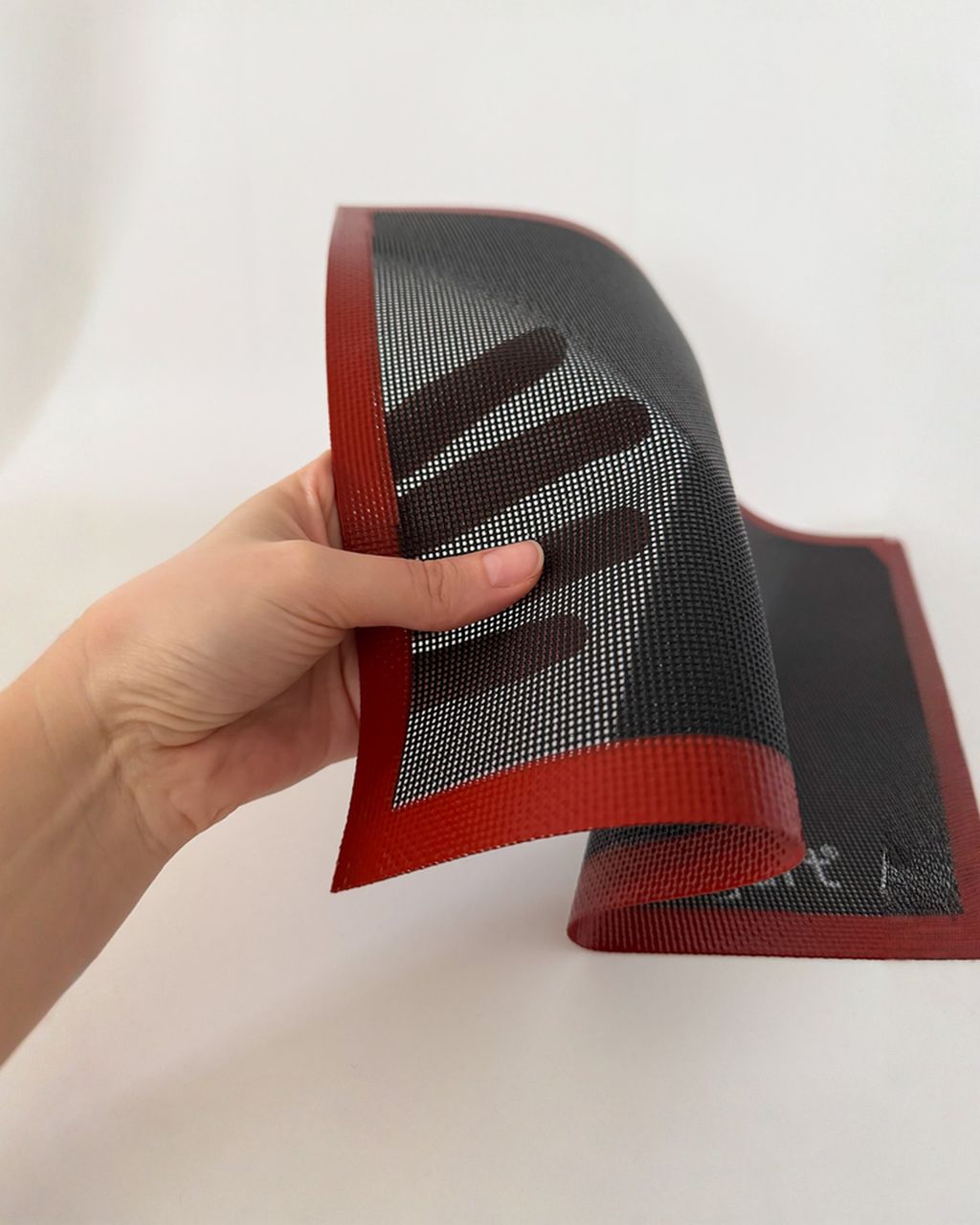
Baking surface: parchment paper works, but it buckles and the shells bake less evenly on it. A perforated silicone baking mat lets air reach the bottoms too, so the shells bake evenly and peel off easily. A standard non-perforated silicone mat is a compromise, as things bake more slowly on it. You'll find a comparison in Macarons on a Silicone Mat or on Parchment.
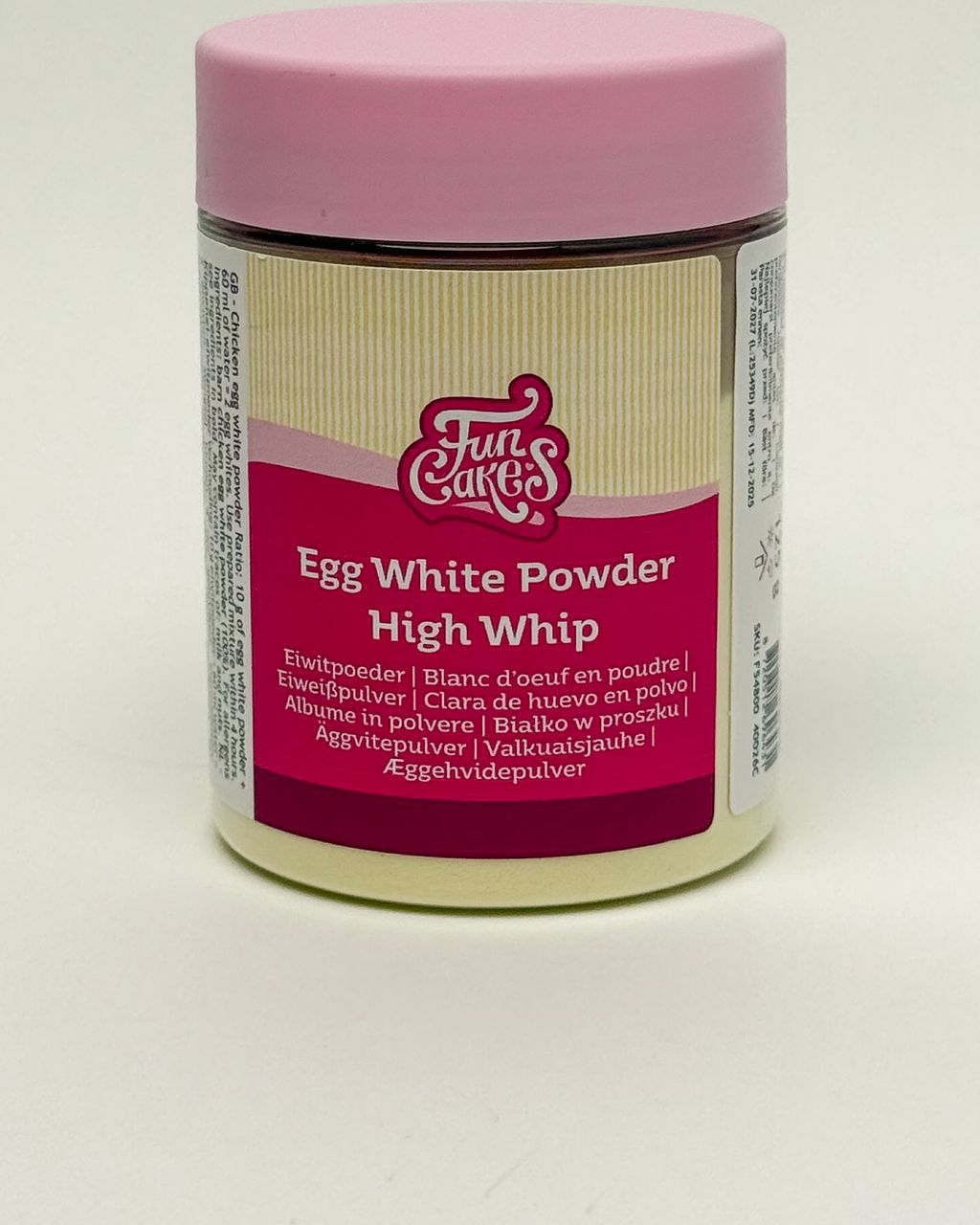
Meringue: ordinary egg whites are fine, ideally aged a day or two. Dried egg white powder firms up and "dries" the meringue, so the batter tolerates folding with almond flour better. You only need a small amount, and the exact dose per 100 g of fresh egg whites is on the label. Instead, you can try a pinch of cream of tartar or lemon juice, which stabilizes but doesn't dry.
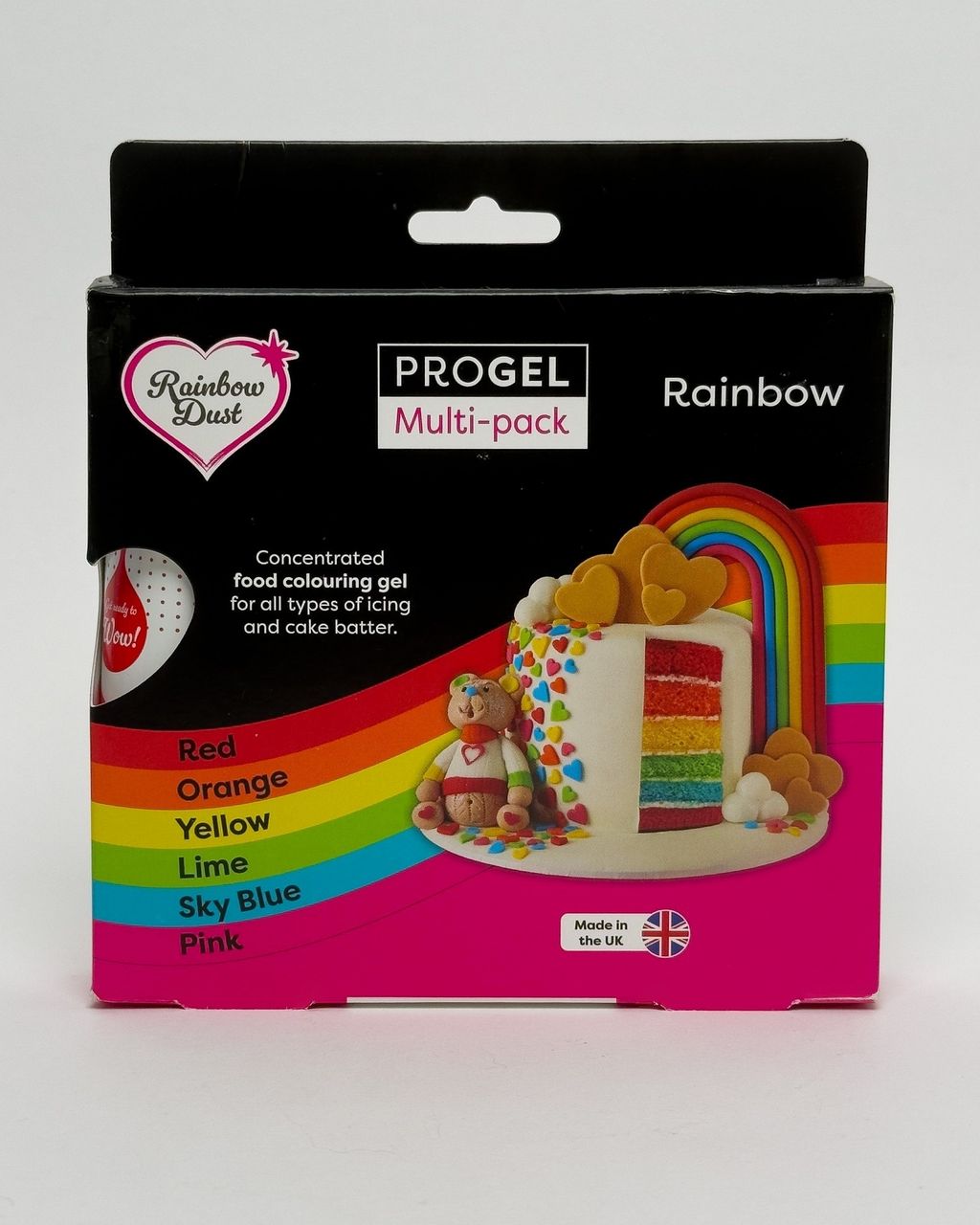
Color: liquid supermarket food colorings add water and the batter thins out. Gel colors such as the ProGel Rainbow Set color well even in small amounts, and powder colors work just as well. Add the color to the meringue, not to the finished batter.
Yes, almond flour is naturally gluten-free because almonds aren't a grain. If you're baking for someone with coeliac disease, look for a "gluten-free" label on the pack. That wording can only be used for products with no more than 20 mg/kg of gluten (Regulation (EU) No 828/2014), since flour may be processed on the same line as wheat.
For 100 g of almond flour you need roughly 100–110 g of blanched almonds. Grinding doesn't change the weight. You only lose the coarse bits left behind in the sieve.
Almond flour only works in yeast dough or bread as a replacement for a small part of the wheat flour. On its own it isn't enough, because it has no gluten to trap the gas from the yeast. Baked goods made with it turn out moister and nuttier, but also lower and denser. The more almond flour you add, the less the dough rises.
Almond flour is expensive because it's practically pure almond, peeled and finely ground on top of that. You need more than a kilo of almonds for a kilo of flour. Where you don't need a fine texture (cookies, cakes), you can save money with ground almonds or by mixing half and half with hazelnut flour.
Yes, almond flour works as a coating for chicken cutlets, fish or vegetables and gives a crisp, lightly nutty crust. Because of its high fat content, though, it browns faster than breadcrumbs, so fry or bake at a lower temperature and watch the color. It isn't suitable for thickening sauces. It has no starch, so it won't thicken a sauce the way a roux does.
One recipe worth heating the oven for, one tip, and one deal from the shop. Nothing else.