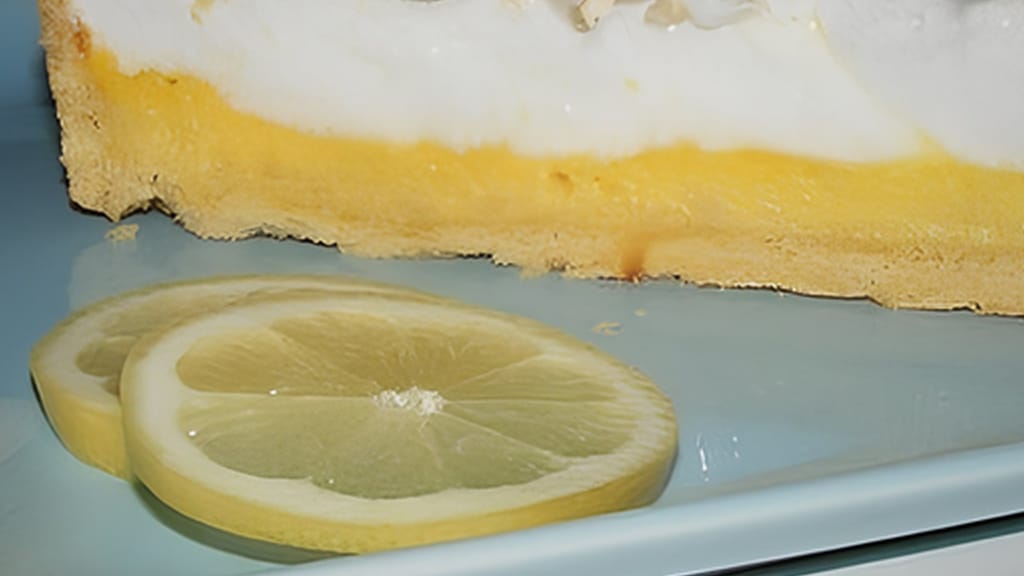
Tarte au citron – french lemon tart
Pâte Sablée: Buttery Shortcrust Pastry Step by Step

Updated Jul 19, 2026
Pâte sablée is a sweet, delicate butter pastry that shatters into fine, sandy crumbs on your tongue once baked — hence its French name (sable means sand). It's the sweetest and most delicate of the classic French tart pastries, forming the base of most tarts, tartlets, and linzer-style biscuits. In this article you'll make it step by step, understand why it crumbles the way it does, dodge the most common mistakes when rolling and blind baking — and find real recipes to put it to use in.
Pâte sablée is a sweet, crumbly pastry made from plain flour, cold butter, sugar and eggs, baked as the base for tarts and tartlets. Its trademark is a melt-in-the-mouth crumbliness paired with a full, buttery flavour.
That texture is no accident. The dough is made using a method called sablage — cold butter is rubbed into the flour until the mixture looks like fine sand. As it does, the butter coats the flour granules in fat and stops them absorbing water, so almost no gluten develops during mixing. That's exactly why the baked shell stays short and crumbly rather than tough and chewy.
Compared with a plain shortcrust pastry, pâte sablée contains more sugar and butter — French pastry sources put it at roughly 40–60% sugar and 60–80% butter relative to the flour's weight. That's where the richness and the delicate crust on top come from. Because it holds its shape and doesn't buckle, it's the perfect base for tarts with a creamy or fruit filling.
Tarte au citron – french lemon tart
Tarte au citron – French lemon tart on a delicate pâte sablée base
The classic French tart pastries differ in how much sugar they contain, their butter ratio, and how they're mixed — and that shapes both flavour and use:
Pâte sablée – the sweetest and most crumbly, ~40–60% sugar and 60–80% butter relative to the flour, made by the sablage method. Crumbles and melts away. Used for sweet tarts, tartlets and linzer biscuits.
Pâte sucrée – also sweet, but the butter is beaten with the sugar (the creaming method), giving a firmer shell that holds up better under a liquid filling. Used for tarts filled after baking.
Pâte brisée – almost no sugar, less butter, neutral in flavour and crisp rather than crumbly. The classic choice for savoury quiches and fruit pies.
In short: sablée melts in the mouth, sucrée gives you a sturdy base, and brisée works for almost anything savoury.
Pâte sablée rests on four ingredients plus a pinch of salt — and each one has a job to do:
Plain flour (200g) – the structural ingredient. Choose a plain flour with a lower protein content; less gluten means a more delicate shell.
Cold butter (100g) – the source of both flavour and crumbliness. Use good-quality unsalted butter with at least 82% fat. Its low water content keeps the dough dry and short. Cut it into cubes straight from the fridge.
Icing sugar (80g) – sweetens and creates a fine crust. Icing sugar (not granulated) dissolves evenly and gives a smoother texture.
Egg (1) – the binder. The yolk adds colour and flavour, while the white helps bind the dough without extra liquid.
A pinch of salt – balances the sweetness and brings out the buttery flavour.
Think of cold as your fifth ingredient: the colder the butter and egg, the better the dough holds onto its crumbly texture.
Perfect pâte sablée comes down to five steps: rub cold butter into the dry mix, bind it with egg, briefly smear it together with the heel of your hand, chill, then roll and bake. The key is to work quickly, keep everything cold, and never overwork the dough.
For one tart shell (a tin of about 24cm) you'll need:
200g plain flour
100g cold butter, cubed
80g icing sugar
1 egg (cold)
a pinch of salt
Dry mix. Sift the flour into a bowl, add the icing sugar and salt, and stir together.
Sablage. Add the cold butter and rub it into the flour with your fingertips (or short pulses in a food processor) until the mixture looks like coarse sand or crumbs. Don't try to work the butter in completely.
Binding. Add the egg and mix just until the dough starts to come together. Stop as soon as it holds — overworked dough turns tough.
Fraisage and chilling. Smear the dough a few times across the work surface with the heel of your hand to bring the butter together, then shape it into a disc (not a ball, so it chills evenly), wrap in plastic and chill for at least an hour. Chilling relaxes the gluten and firms up the butter.
Rolling and baking. Roll the chilled dough to 3mm between two sheets of baking paper, line the tin, and chill for another 15–20 minutes before baking. Blind bake at 170°C until golden (see below).
Blind baking means baking the empty shell before it's filled, so it stays crisp and doesn't collapse. For pâte sablée this is standard practice, since it's often filled with a cold cream or fruit.
Here's how to do it:
Prick the base with a fork (these days called "docking") – this lets steam escape so the pastry doesn't puff up.
Weigh the shell down. Line it with baking paper and fill with ceramic baking beads, dried beans or rice. Bake at 170°C for about 15 minutes, until the edges start to turn golden.
Finish baking without the weights. Remove the paper and beads and bake for another 5–10 minutes so the base dries out too.
Brush with egg yolk. Brush the hot shell with beaten egg yolk and return it to the oven for 2 minutes — this creates a thin seal that stops a moist filling soaking into the pastry.
Let the finished shell cool completely in the tin before filling it.
Most pâte sablée mishaps come down to the same handful of causes — and all of them are easy to fix:
The dough crumbles and won't hold together. Not enough liquid, or the wrong butter-to-flour ratio. Add a little extra yolk and chill the dough thoroughly before rolling.
The shell turns out tough. You've overworked it and activated the gluten. Mix only until it comes together — never knead it for long.
The dough sticks and tears when rolling. Roll it between two sheets of baking paper and keep it well chilled — the fix is cold, not extra flour.
The shell shrinks in the tin. The rolled dough didn't get to rest. Chill it in the tin for at least 15–20 minutes before baking.
Burnt edges, raw base. Blind bake with weights, then finish the base separately without the paper.
Pâte sablée is a versatile base: perfect for large tarts, small tartlets, linzer biscuits and small creamy desserts. Roll out the shell, blind bake it, and fill it however you like — from lemon curd to chocolate ganache to caramel with nuts.
A classic that never disappoints: a crumbly shell, a sharp lemon curd, and perhaps a lightly toasted meringue topping. The same shell also works beautifully under fresh fruit with pastry cream, or a light ricotta-and-curd cheese cream.
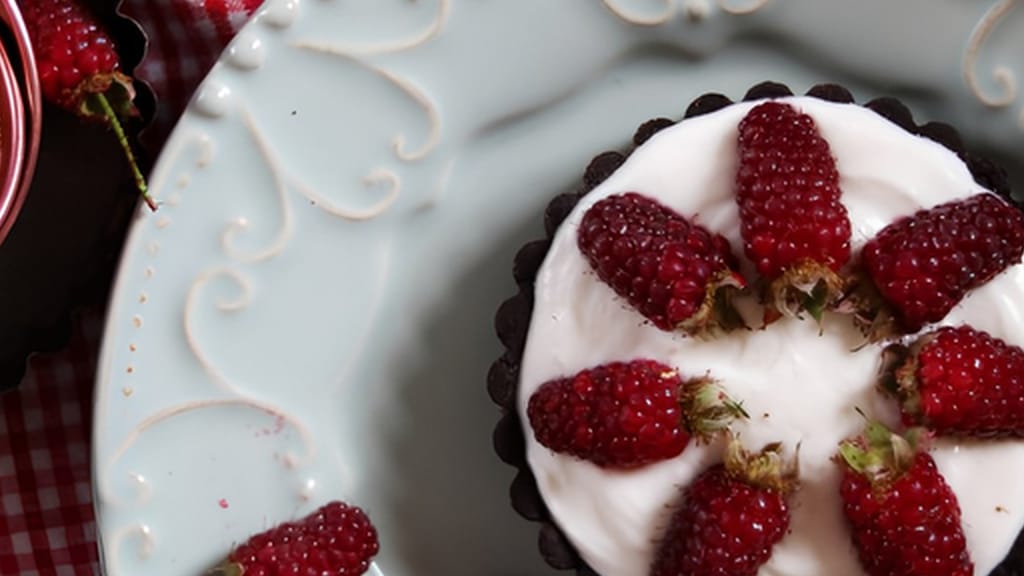
Tartlets with light ricotta and curd cheese cream
Tartlets with a light ricotta and curd cheese cream on pâte sablée
For a more contemporary dessert, bake the shell until golden and fill it with a rich chocolate ganache or salted caramel. The combination of buttery crumbliness and a dense filling is a sure thing that pâte sablée pulls off effortlessly.
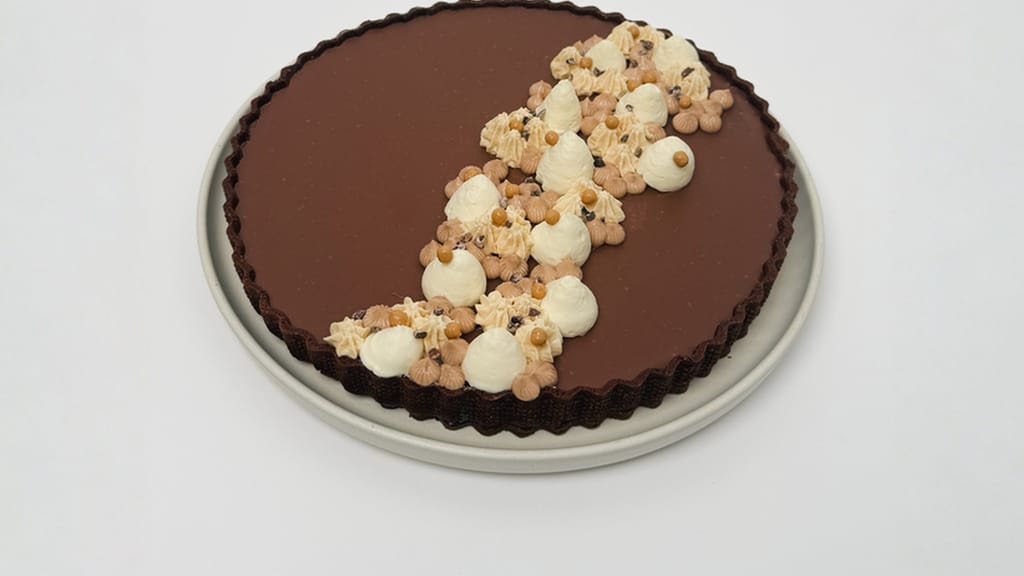
Chocolate tart with salted caramel
Chocolate tart with salted caramel on a delicate buttery base
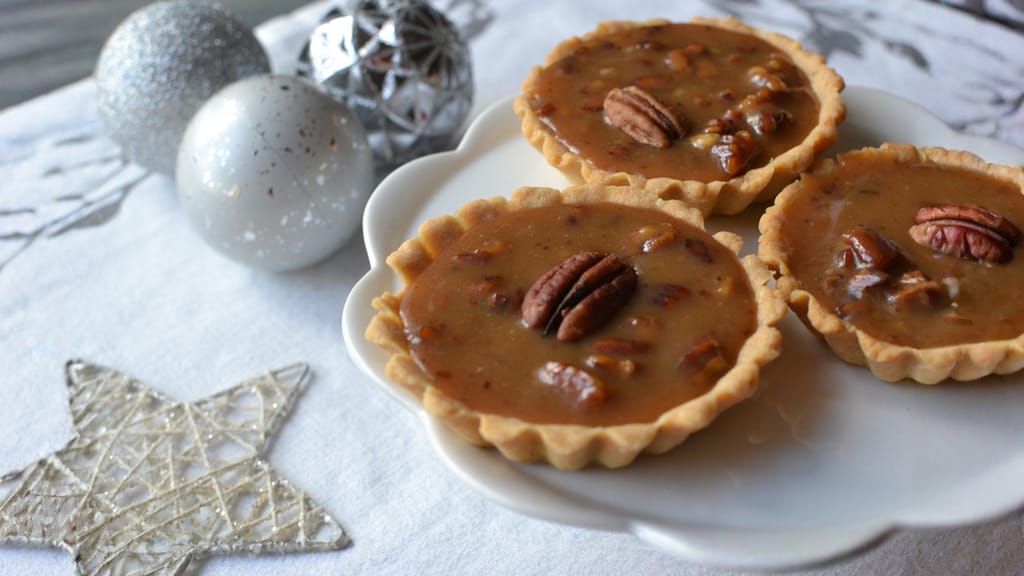
Pecan caramel tartlets
Tartlets with caramel and pecans on pâte sablée
Cut-out linzer biscuits are essentially pâte sablée in miniature — the same buttery crumbliness, just rolled thin and cut into shapes. A brilliant all-rounder for festive and everyday baking alike.
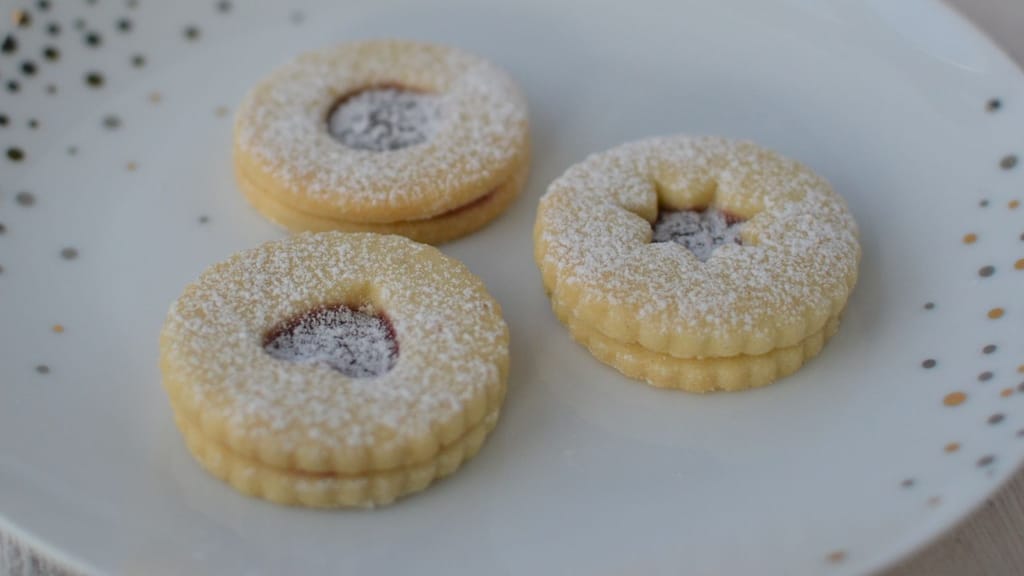
Classic christmas cookies: delicate linzer cookies
Classic Christmas biscuits: crumbly linzer cookies made from butter pastry
Raw pâte sablée keeps for 2–3 days in the fridge wrapped in plastic, and up to 2 months in the freezer. You can freeze either the disc of dough or a rolled-out shell in its tin; the shell can go straight from the freezer into the oven, while a disc for rolling should be thawed in the fridge first. Baked, empty shells keep for 2–3 days in a dry spot.
Yes — swap the egg for 2–3 tablespoons of cold cream or milk to bring the dough together. Without a binder it'll be more fragile and trickier to handle, so chill it well and roll it between sheets of paper. Using just a yolk instead of a whole egg gives a richer colour and an even more delicate crumb.
They're very closely related — both are crumbly butter pastries made by rubbing butter into flour. Linzer pastry tends to be slightly less sweet and often includes ground nuts or almonds, while classic pâte sablée is smooth and sweeter. The method and how they behave in the oven are essentially the same.
The easiest way is to add vanilla, lemon or orange zest, a pinch of cinnamon, or cocoa (replacing about 15g of the flour) into the dry mix. For a nutty version, work 30–50g of finely ground almonds or hazelnuts into the flour. Always add flavourings to the dry mix, never into the finished dough.
For tarts and tartlets, roll pâte sablée to 2–3mm; for linzer-style biscuits, 3–4mm is fine. A thinner shell is more delicate and bakes faster, while a thicker one holds up better under a moist filling. Always roll between two sheets of baking paper so the dough doesn't stick and you don't need to dust it with extra flour.
One recipe worth heating the oven for, one tip, and one deal from the shop. Nothing else.