Why Did My Bread Dough Rise Then Fall? Overproofing and Other Causes
Why Is My Sourdough Dense or Gummy? Underproofed vs Overproofed
Updated Nov 21, 2026
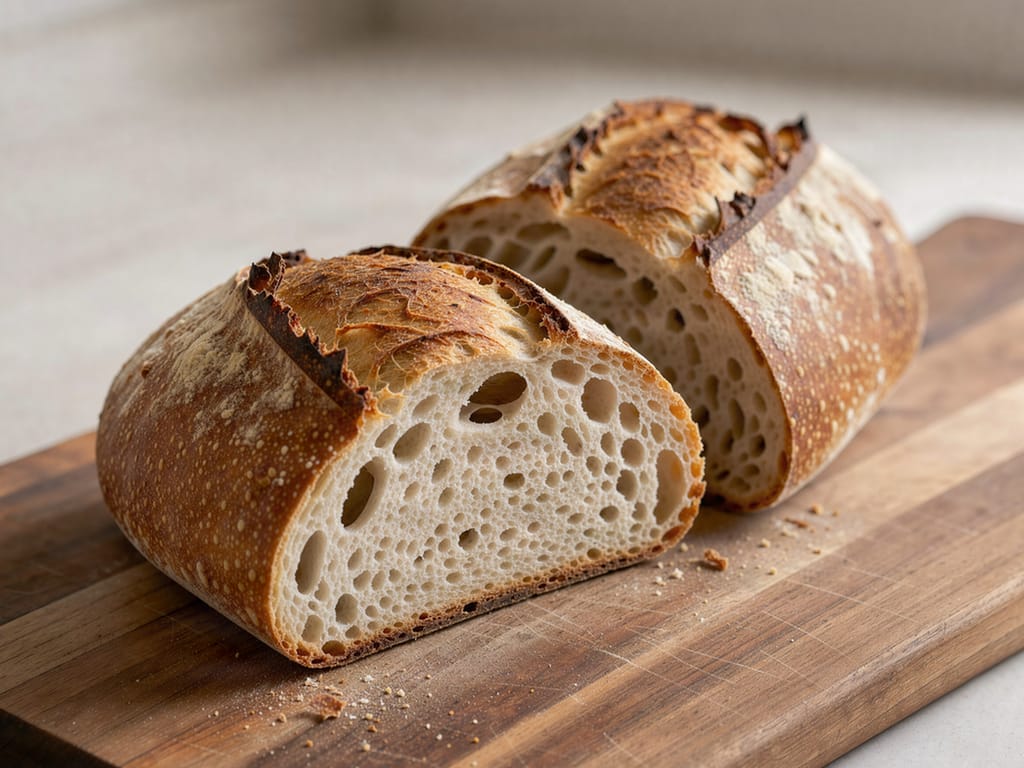
Dense sourdough is most often underproofed: the dough went into the oven before fermentation had made enough gas, often because the starter was weak or the kitchen was cool. Overproofing, too much whole grain, weak shaping, too little steam and cutting the loaf while hot can also leave it dense or gummy. Here is how to tell which one you have.
A dense loaf didn't get enough gas into the dough, or couldn't hold the gas it had. The usual suspects, most common first:
Underproofed dough, usually a too-short or too-cold bulk fermentation.
A weak or past-peak starter.
Overproofed dough that collapsed.
Too much whole grain or rye for the recipe.
Weak shaping, so the loaf spreads instead of rising.
Not enough heat or steam in the oven.
Underbaking or cutting too early, which shows as gumminess.
Look at the crumb and the shape of the loaf to work out which.
Seasonal baking plans, tested recipes and kitchen tricks that save you time. Unsubscribe in one click.
Underproofed (most common):
tight, dense, sometimes gummy crumb
a few big, shiny holes just under the top crust, with dense bread below
a loaf that burst open along the side or bottom rather than at the score
dough that sprang back fast when poked
Overproofed:
a loaf that spread flat on the tray and barely rose in the oven
a pale crust, and a score that didn't open
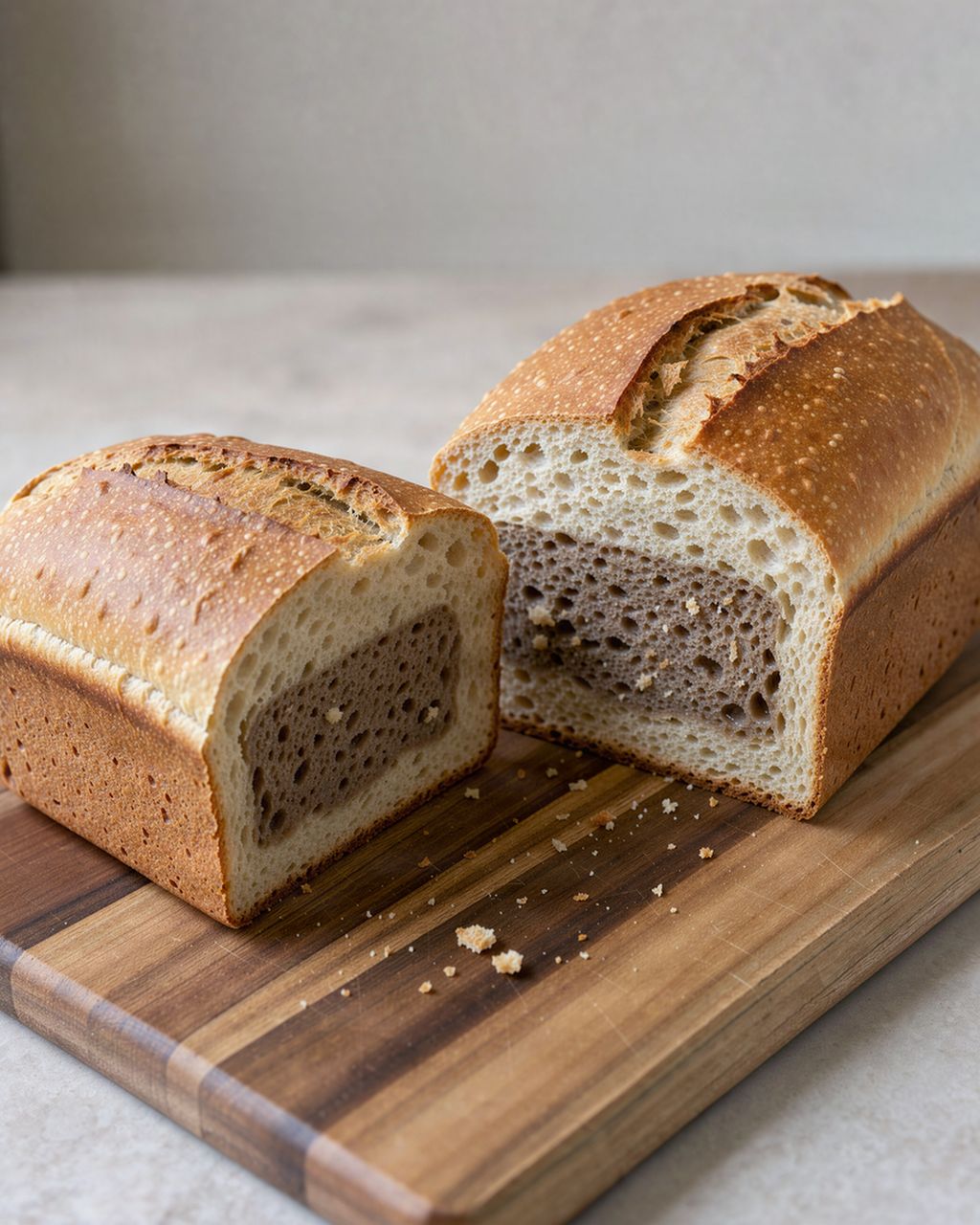
an uneven crumb with large holes, dense patches and a gummy layer
dough that felt slack and kept the dent when poked
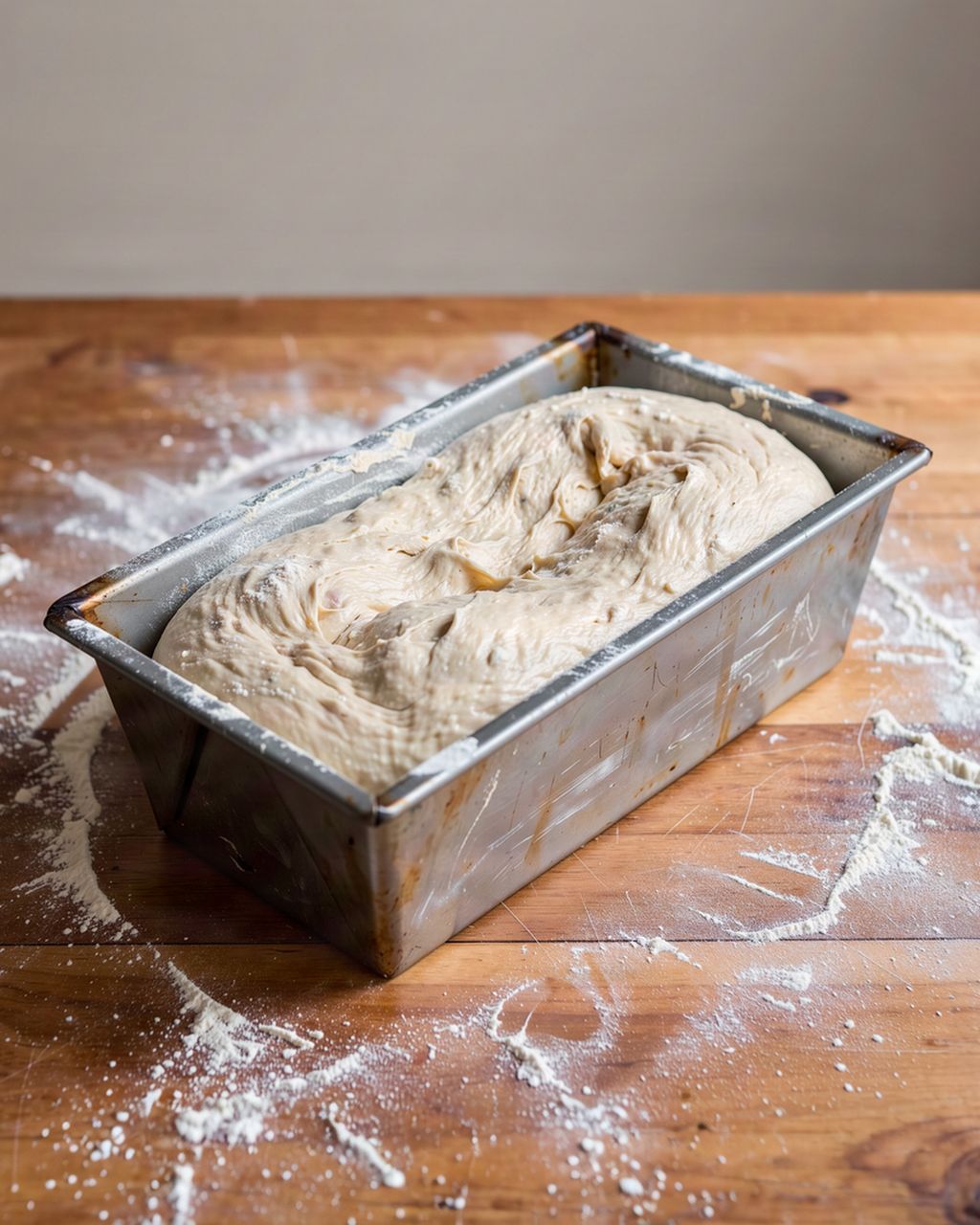
The poke test before baking: press a floured finger about 1 cm into the dough. If it springs back quickly, give it more time. If it springs back slowly and leaves a slight dent, bake. If the dent stays, bake right away. Our guide to proofing dough explains temperature and timing.
Recipe times assume a warm kitchen. In a cool room, sourdough ferments much more slowly, and following the clock leaves you with an underproofed loaf.
Watch the dough, not the timer. At the end of bulk fermentation, a well-fermented dough is usually:
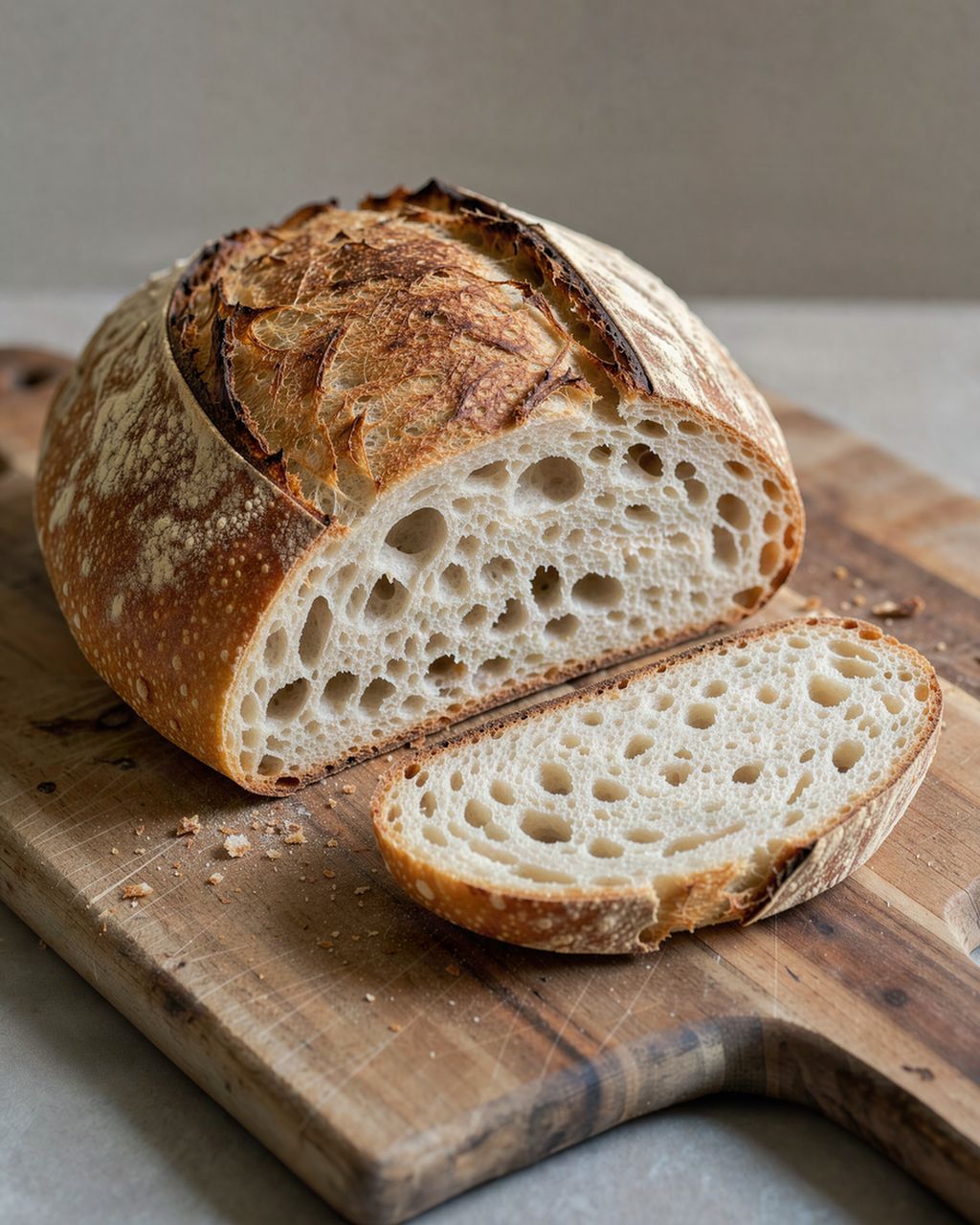
noticeably bigger, often by about half or more, depending on the recipe
domed at the edges, with bubbles on the top and sides
airy and wobbly when you shake the container
If your kitchen is cold, find a warmer spot or simply give it longer. If you cold-proof the shaped loaf, keep it covered, in the fridge, and remember that the fridge slows fermentation: it doesn't make up for a short bulk rise.
If the starter isn't strong, the dough can't rise in a sensible time.
Use the starter at or near its peak: well risen, bubbly and domed, usually a few hours after feeding.
A starter that hasn't been fed for a while, or has collapsed and turned runny, has fewer active yeasts.
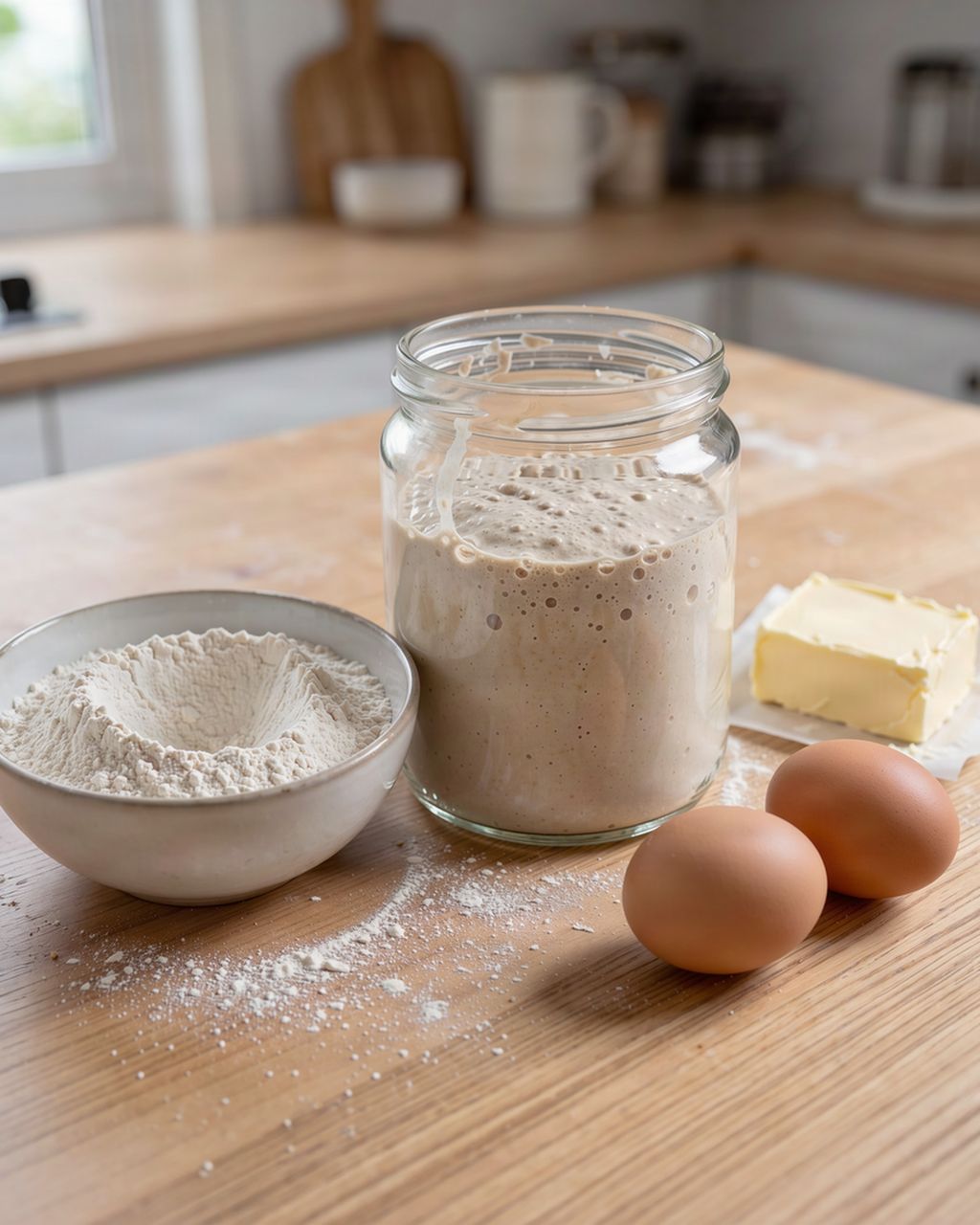
A starter straight from the fridge needs one or two feeds at room temperature before it is ready to bake with.
Our guide to the sourdough starter covers feeding and how to tell it is ready.
Flour: whole wheat and rye make denser bread, because the bran cuts gluten strands and the flours absorb more water. If you swap in whole grain flour, expect a closer crumb and add a little more water. A strong bread flour gives more structure; our guide to types of flour helps you pick in Europe. Czech rye sourdough bread is meant to be dense and moist, so judge it by its own standard.
Shaping: a loose loaf spreads sideways. Shape with enough tension that the surface looks tight and smooth.
Oven: sourdough needs strong heat and steam for the first part of the bake to rise fully. Preheat thoroughly and bake covered or with steam for the first 20 minutes or so. Ovens can run hotter or cooler than the dial, so an oven thermometer is worth having.
Hydration, the weight of water compared with flour, changes how a loaf rises.
Too dry: a stiff dough resists the gas and bakes up tight and dense. Often this comes from adding flour by the cup or adding extra flour while kneading.
Too wet for your flour or skill: a very slack dough spreads instead of rising and can bake gummy. High-hydration recipes from bakers with strong bread flour may not work the same with a weaker flour.
The fix: weigh flour and water, and if a recipe's dough is impossible to shape, hold back some of the water next time. If your recipe is in cups, our tool uses 125 g of all-purpose flour per US cup (236.6 ml) and 132 g per metric cup (250 ml).
Flour from different countries absorbs water differently, so the same recipe can feel wetter in Europe than in the US. Our guide to flour numbers helps match a European bag to a recipe.
A gummy, wet-looking crumb, especially near the base or center, usually comes from one of three things:
Underbaking. The crust colored before the center was done. King Arthur Baking gives about 88–91 °C (190–195 °F) in the center for most sourdough loaves and 96–99 °C (205–210 °F) for rye. Our guide on how long to bake bread lists other signs.
Cutting it hot. The crumb is still setting as the loaf cools. Let it cool on a rack for at least an hour, longer for a large loaf or rye.
Underproofing, as above, which often shows as a gummy band.
Usually because the dough was underproofed: it didn't ferment long or warm enough before baking, often because the starter wasn't active. A weak starter, too much whole grain flour, poor shaping and too little steam in the oven are the other common causes.
A gummy crumb usually means the loaf was underbaked, underproofed or cut while still hot. Bake until the center is fully done, then let the loaf cool on a rack for at least an hour before slicing.
Underproofed loaves are tight and dense, often with a few big holes under the crust and a burst along the side. Overproofed loaves spread flat, have a pale crust and a crumb with uneven holes and gummy patches. The poke test before baking helps you catch both.
The dough was usually either underproofed, so it had too little gas, or overproofed, so the gluten was too weak to hold more. Low oven heat or no steam also limits oven spring.
Yes. A starter used before or long after its peak has too few active yeasts to raise the dough well. Use it when it has risen well and is bubbly, usually a few hours after feeding.
One recipe worth heating the oven for, one tip, and one deal from the shop. Nothing else.