Quick answer
How do I store potatoes over winter?
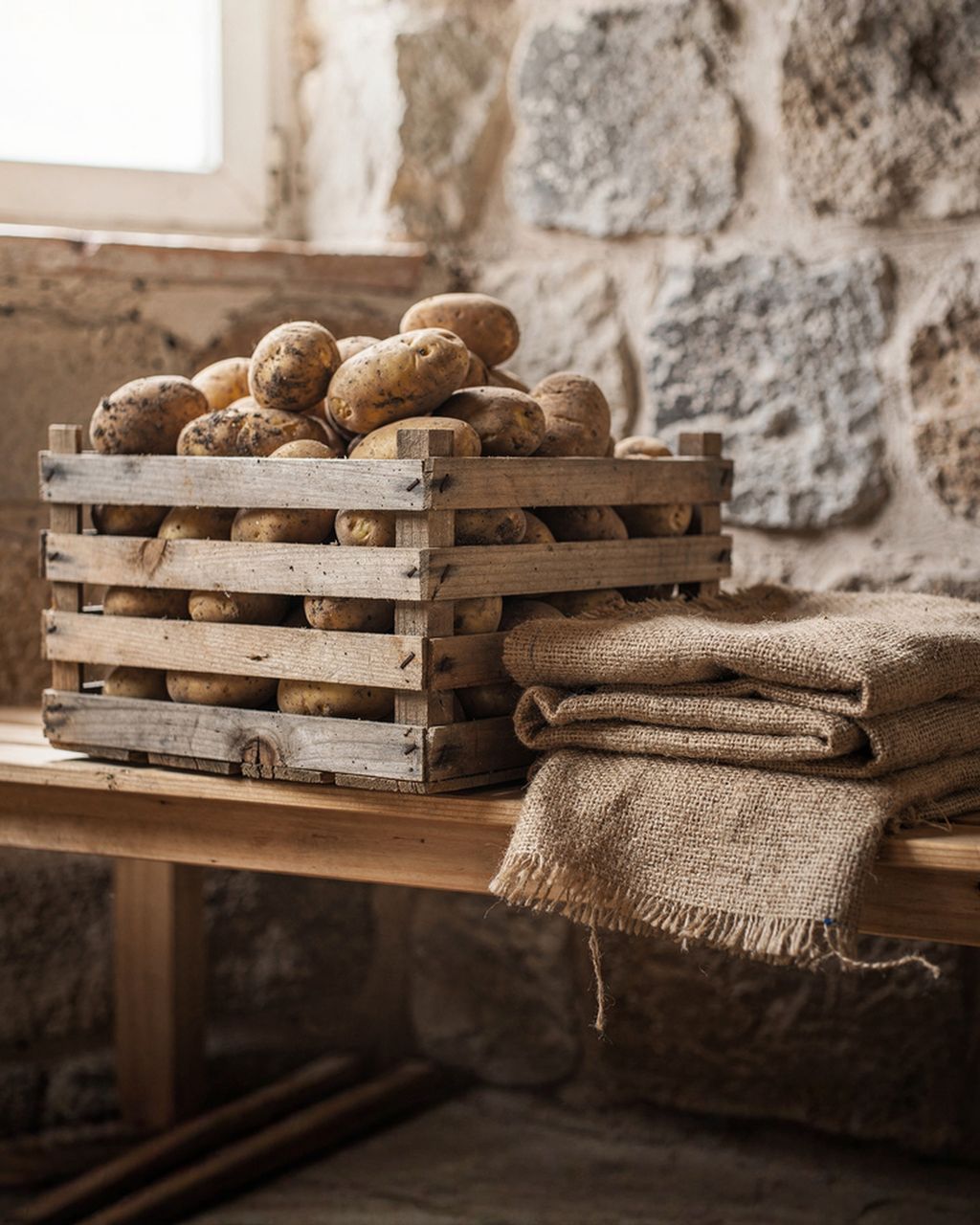
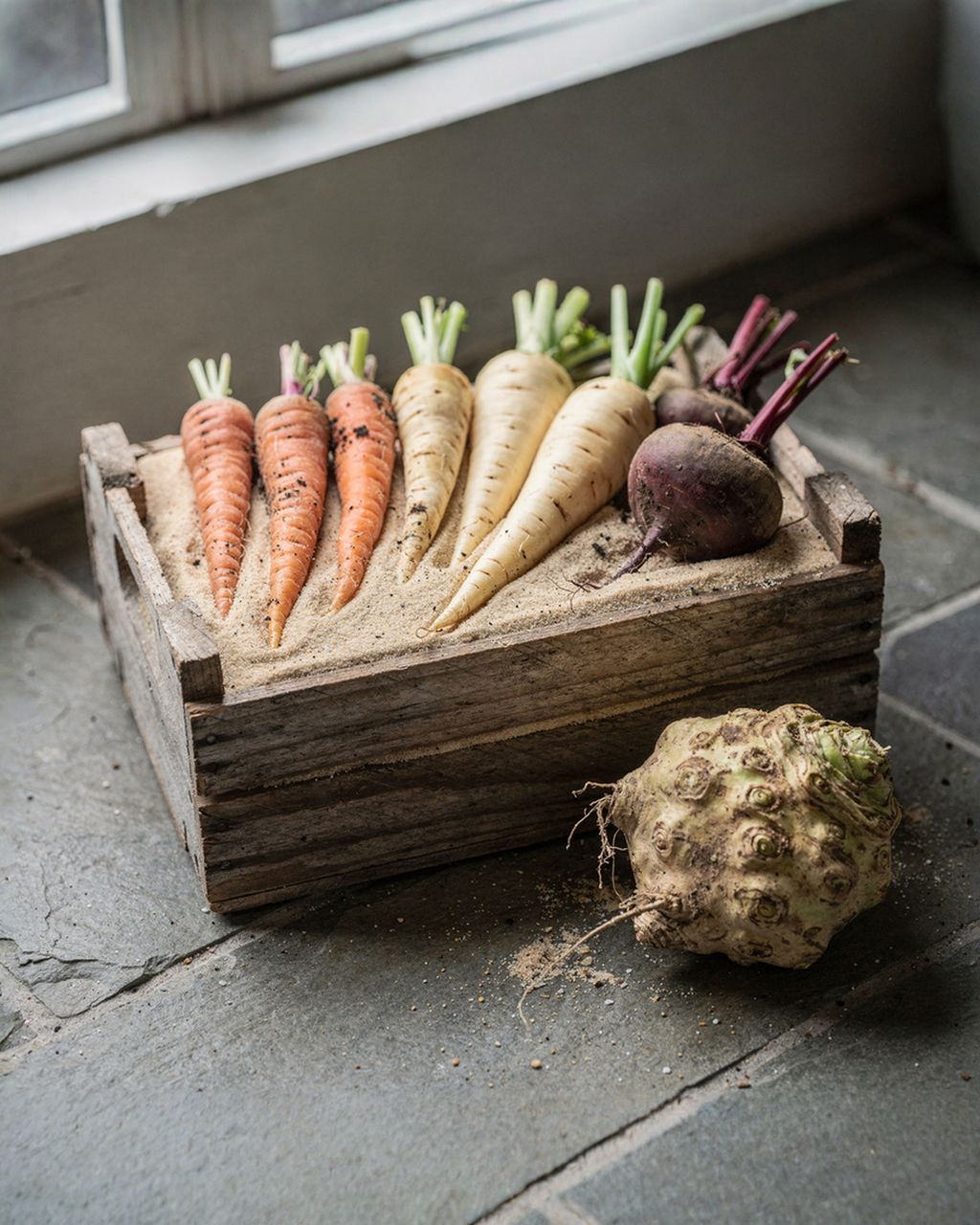
In the dark, at 4–8 °C, in humid air, ideally in a cellar in a slatted crate or a paper or jute sack. Warmth makes them sprout, below 4 °C they turn sweet, and light turns them green.
How to clean, cook and roast vegetables so they taste of something. What to do with windfall apples, a glut of zucchini or forest mushrooms. How to tell an avocado is ripe, how long produce keeps in the fridge and when to add herbs so they don't turn bitter.
Quick answer
In the dark, at 4–8 °C, in humid air, ideally in a cellar in a slatted crate or a paper or jute sack. Warmth makes them sprout, below 4 °C they turn sweet, and light turns them green.
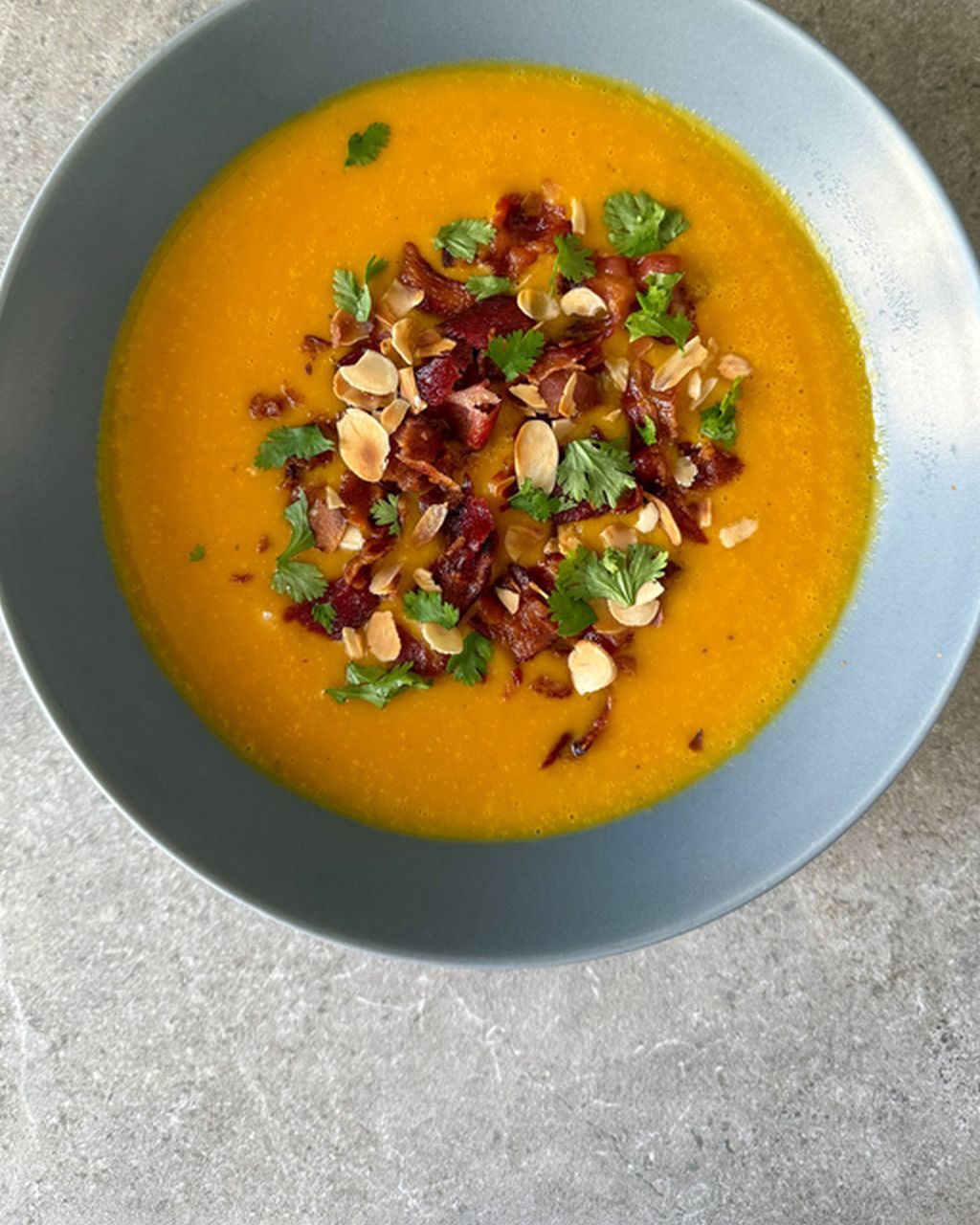
Pumpkin soup with crispy bacon
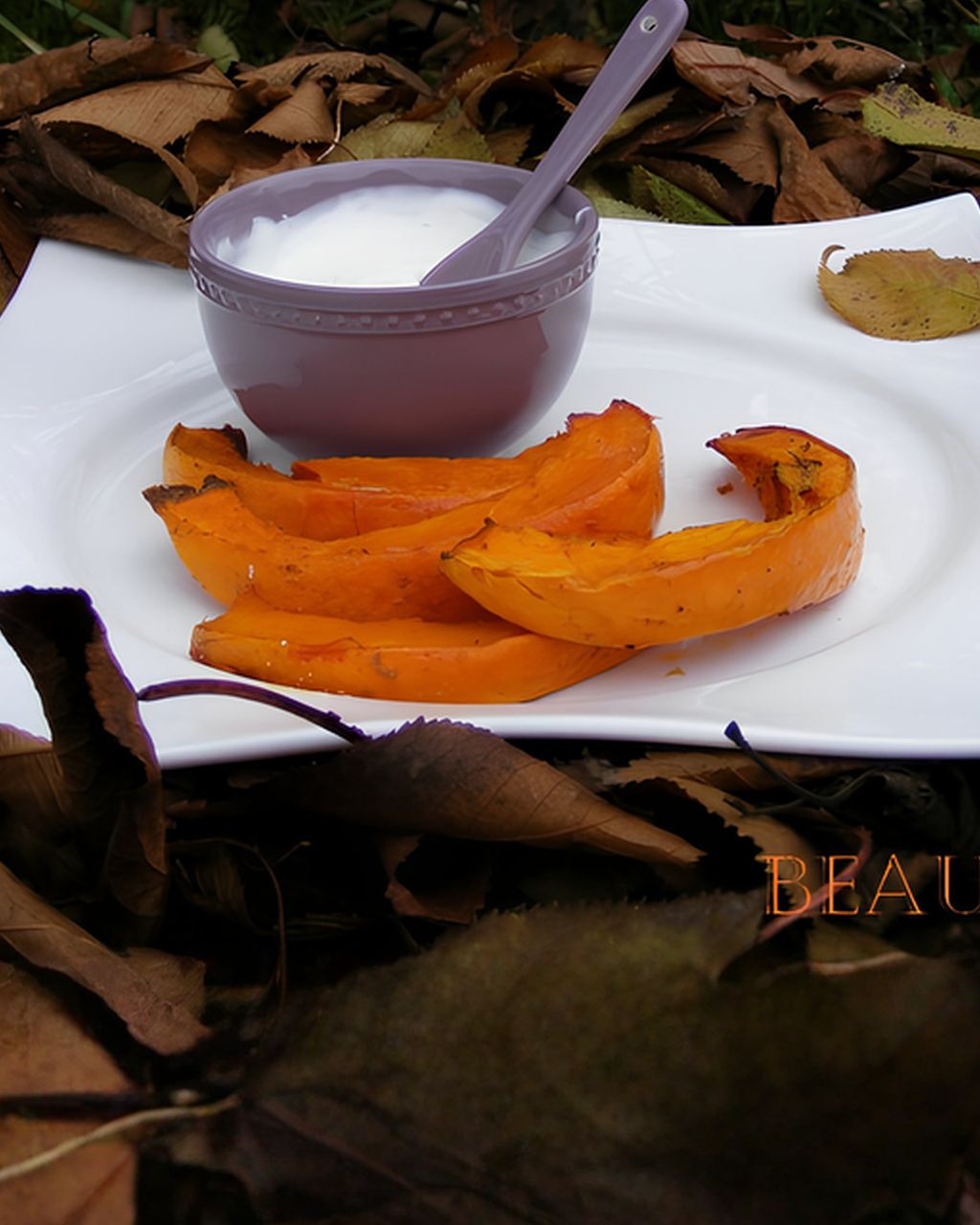
Hellishly spicy roasted pumpkin
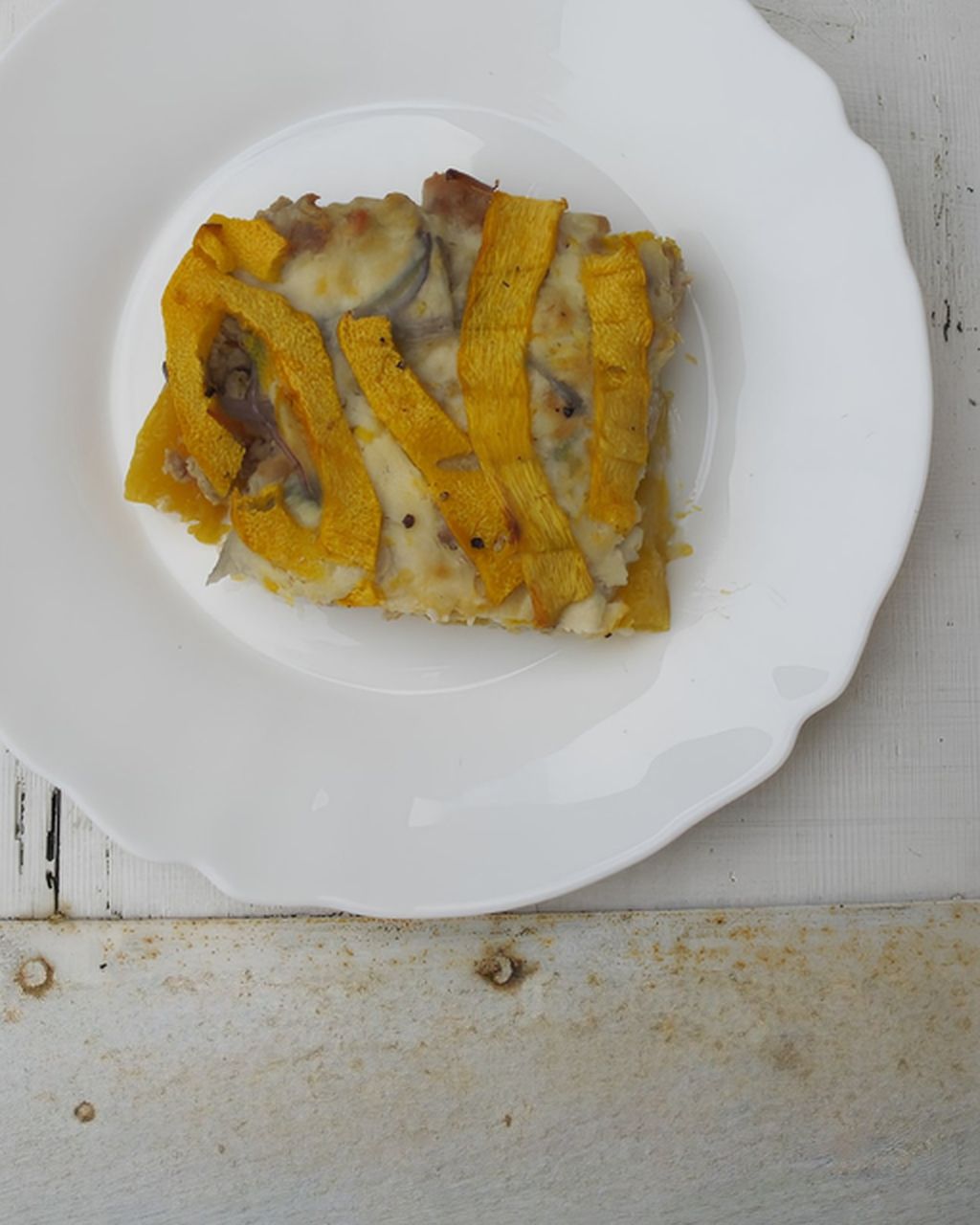
Baked pumpkin with ground meat
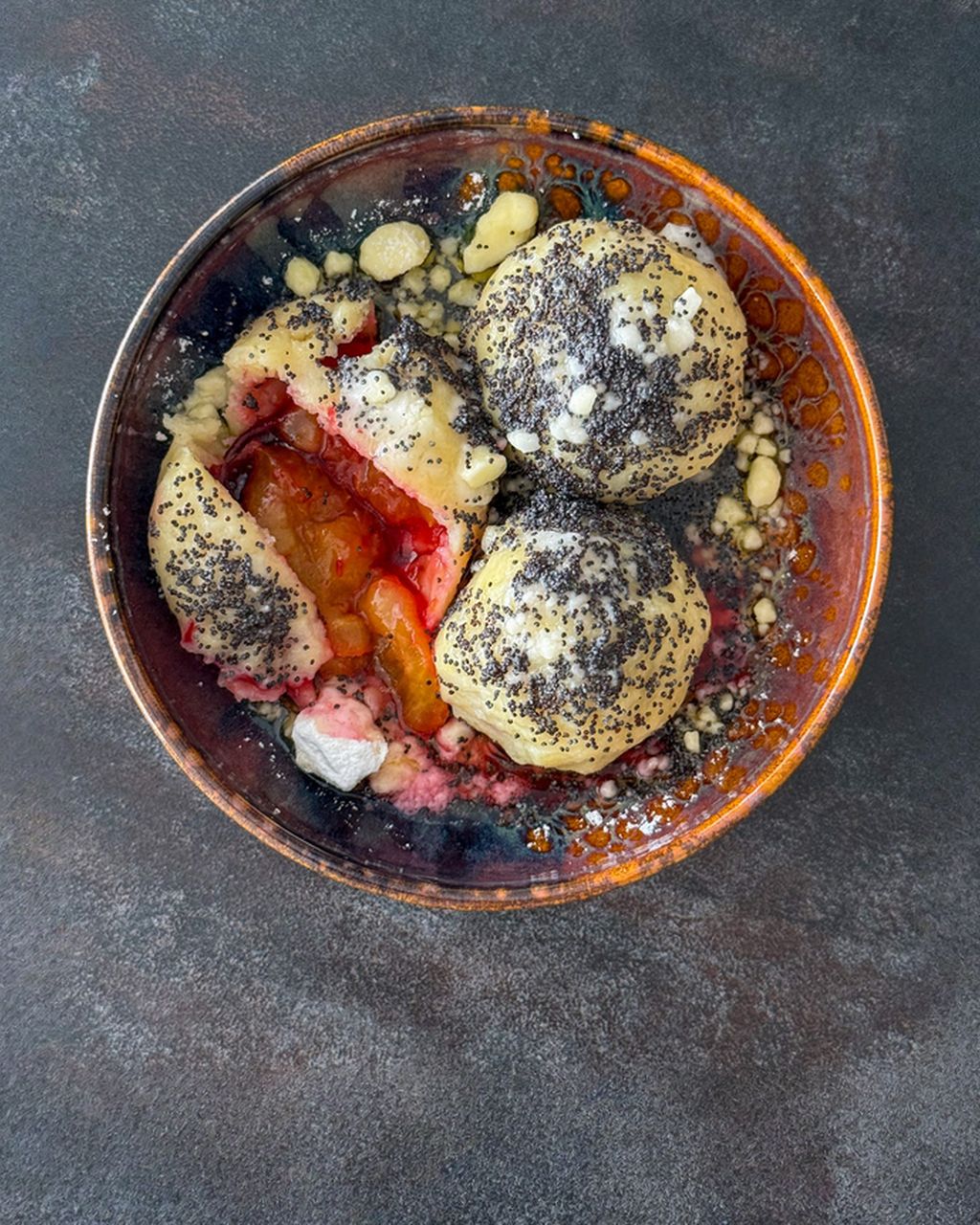
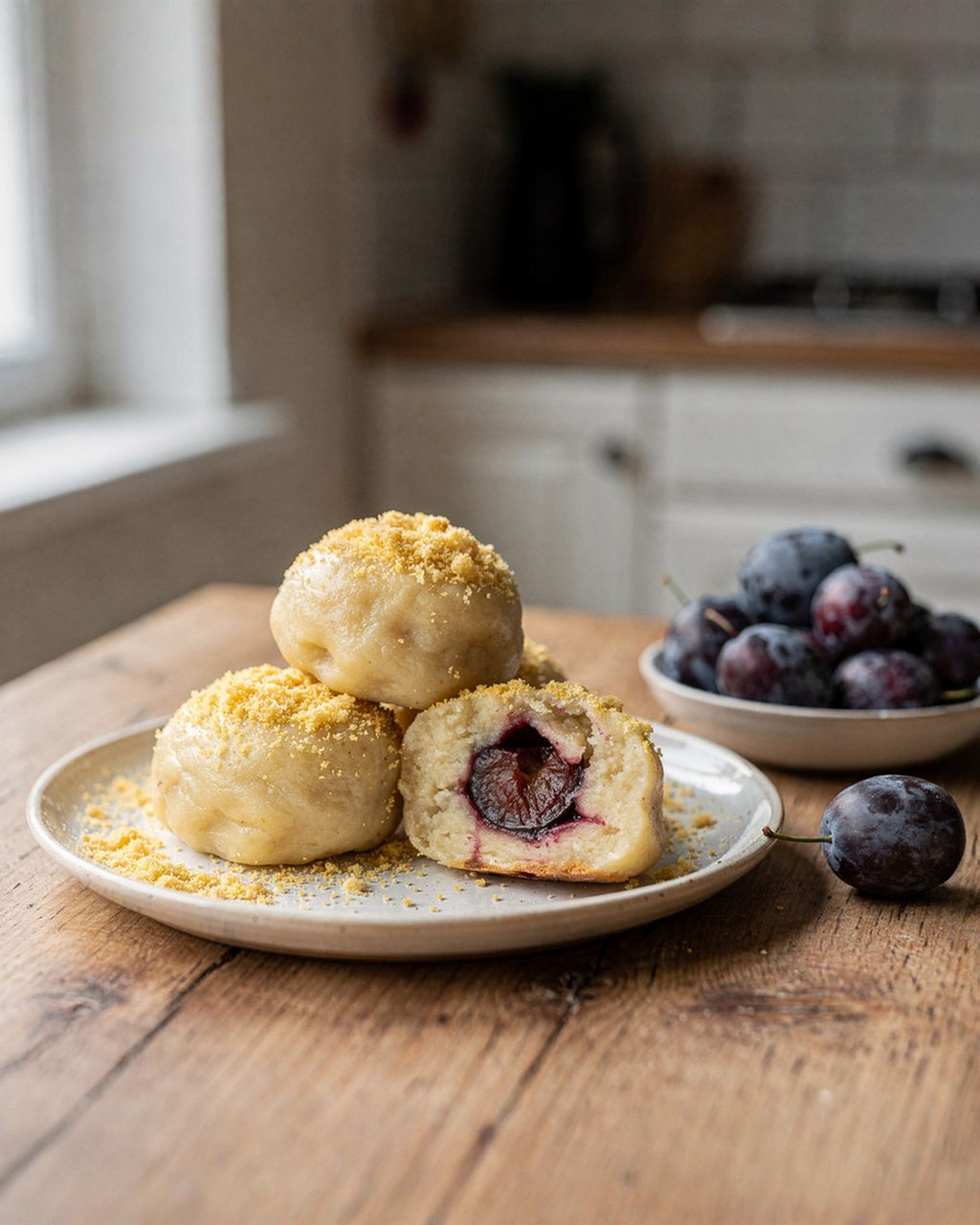
Plum dumplings with potato dough
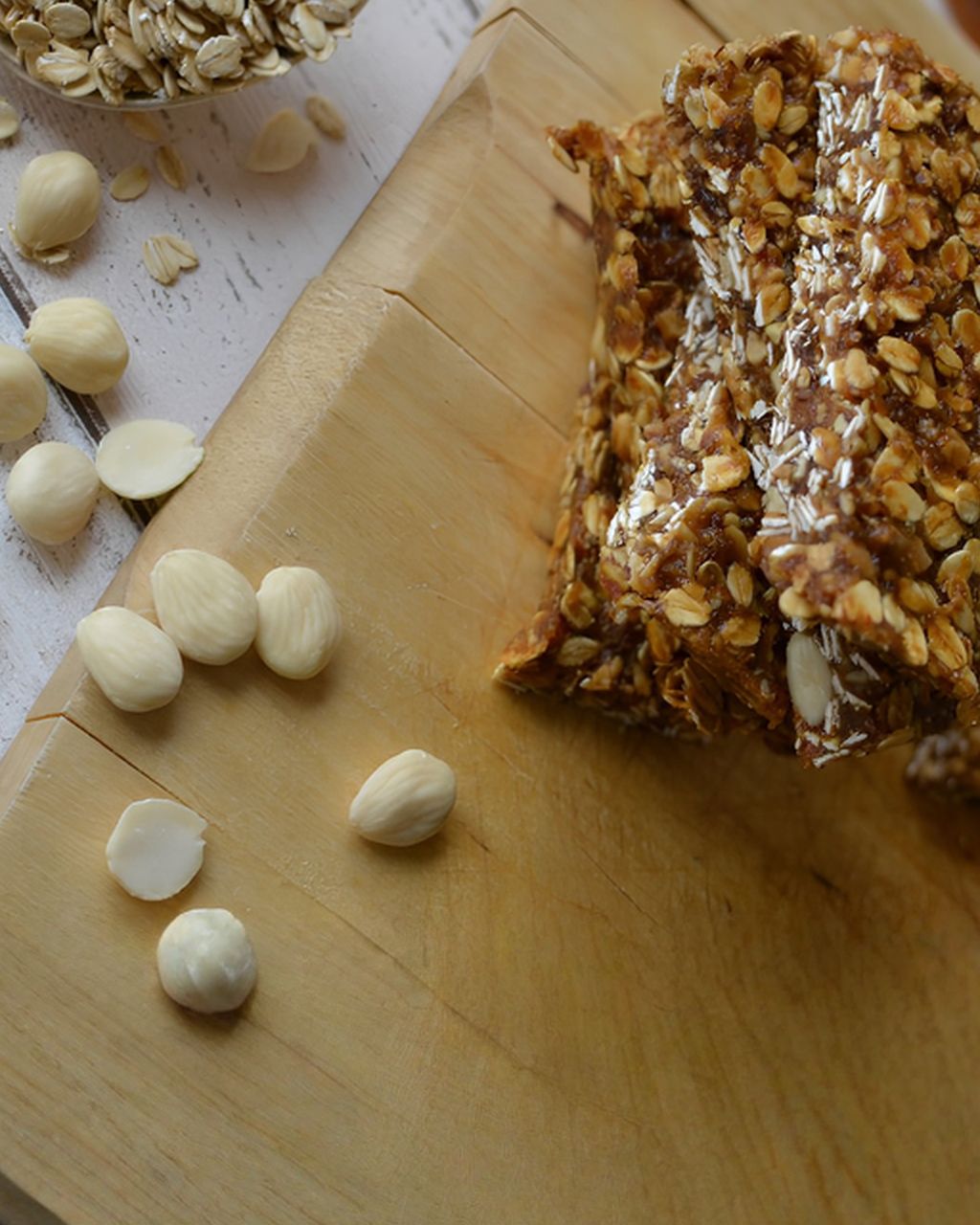
Homemade almond muesli bars

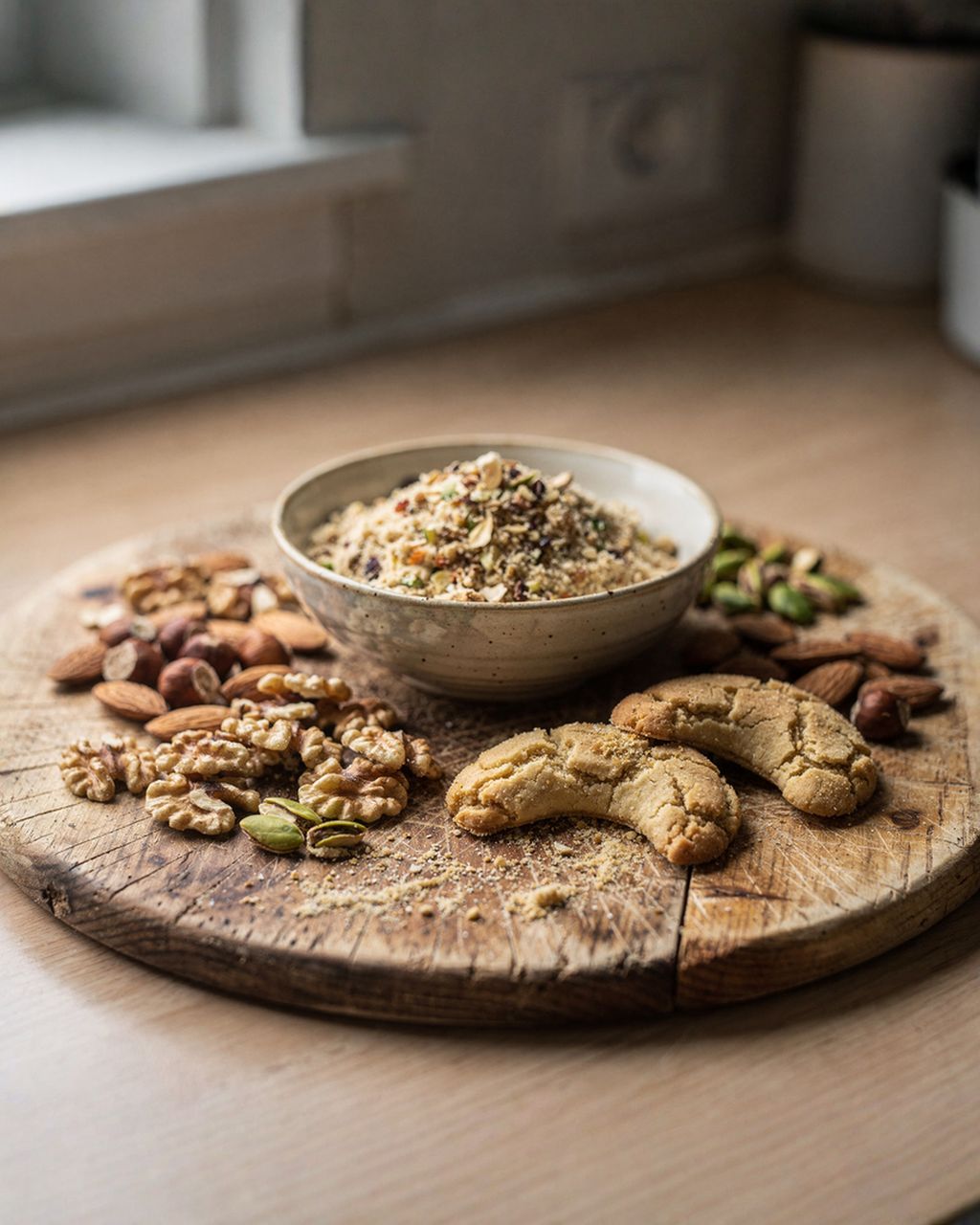
Hollow walnut crescents

The best christmas cookies? vanilla crescents, of course!
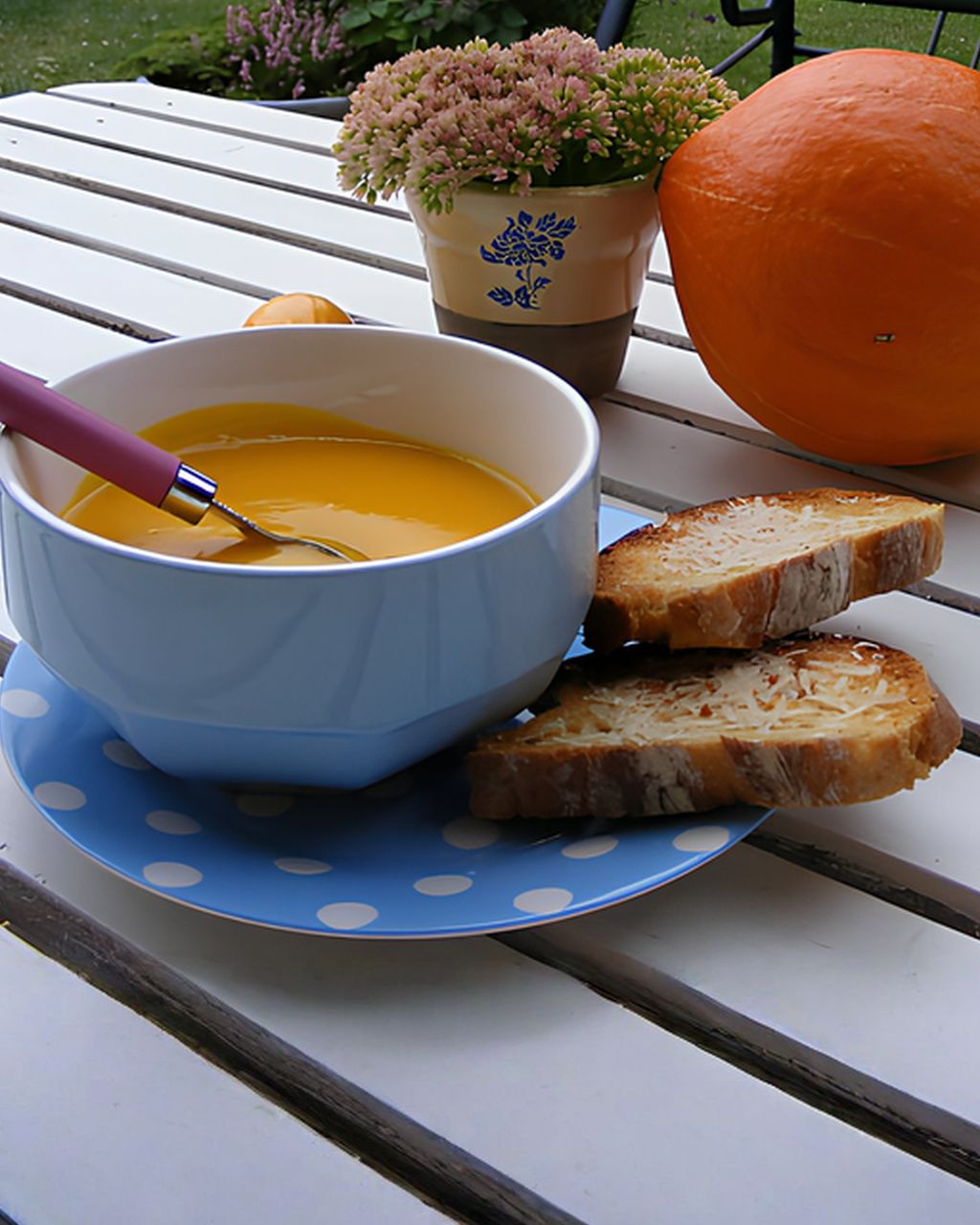
Pumpkin cream soup with garlic toasts
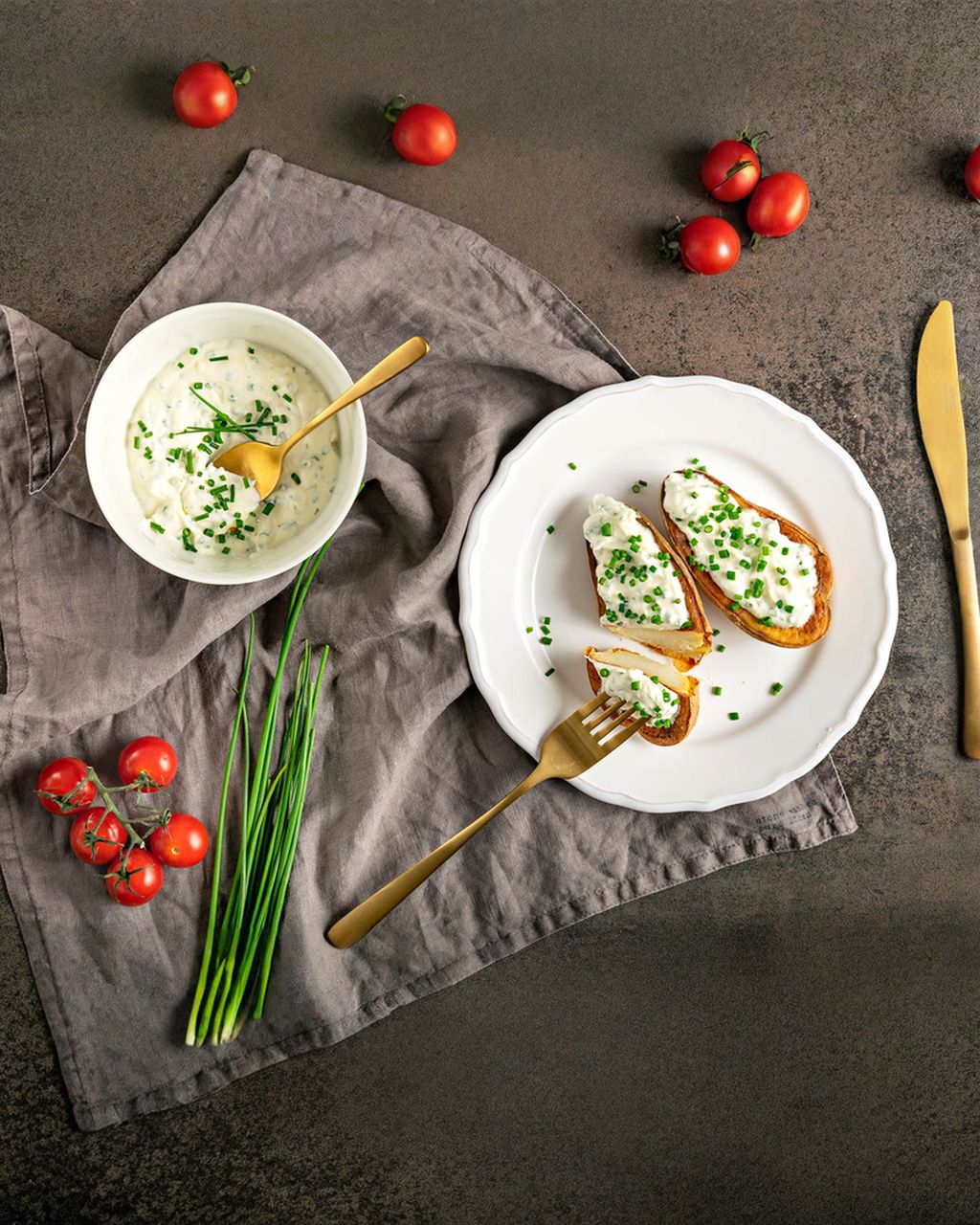
Baked potato with whipped herb curd cheese

Orange bundt cake with almonds, cinnamon and cardamom
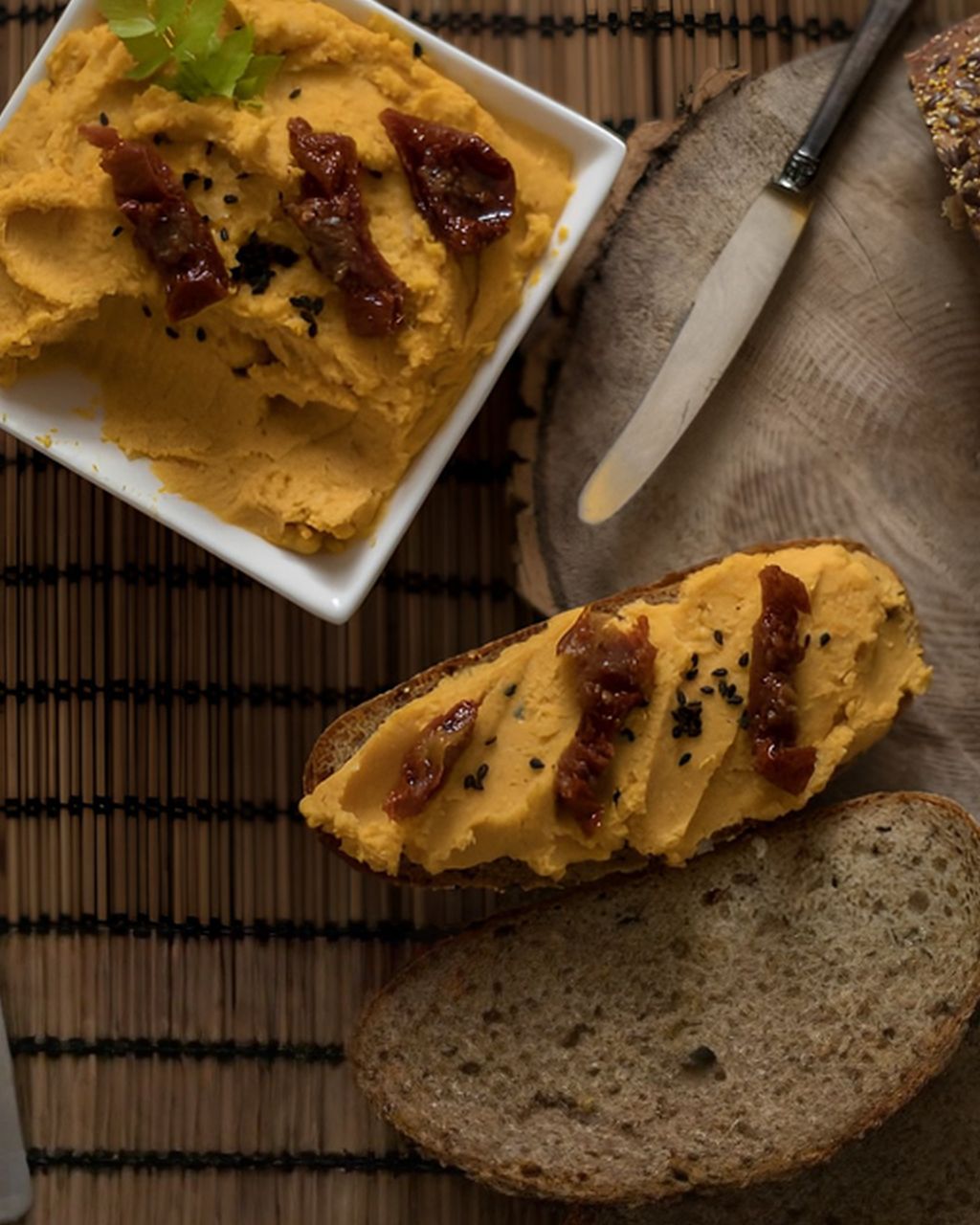
Carrot hummus
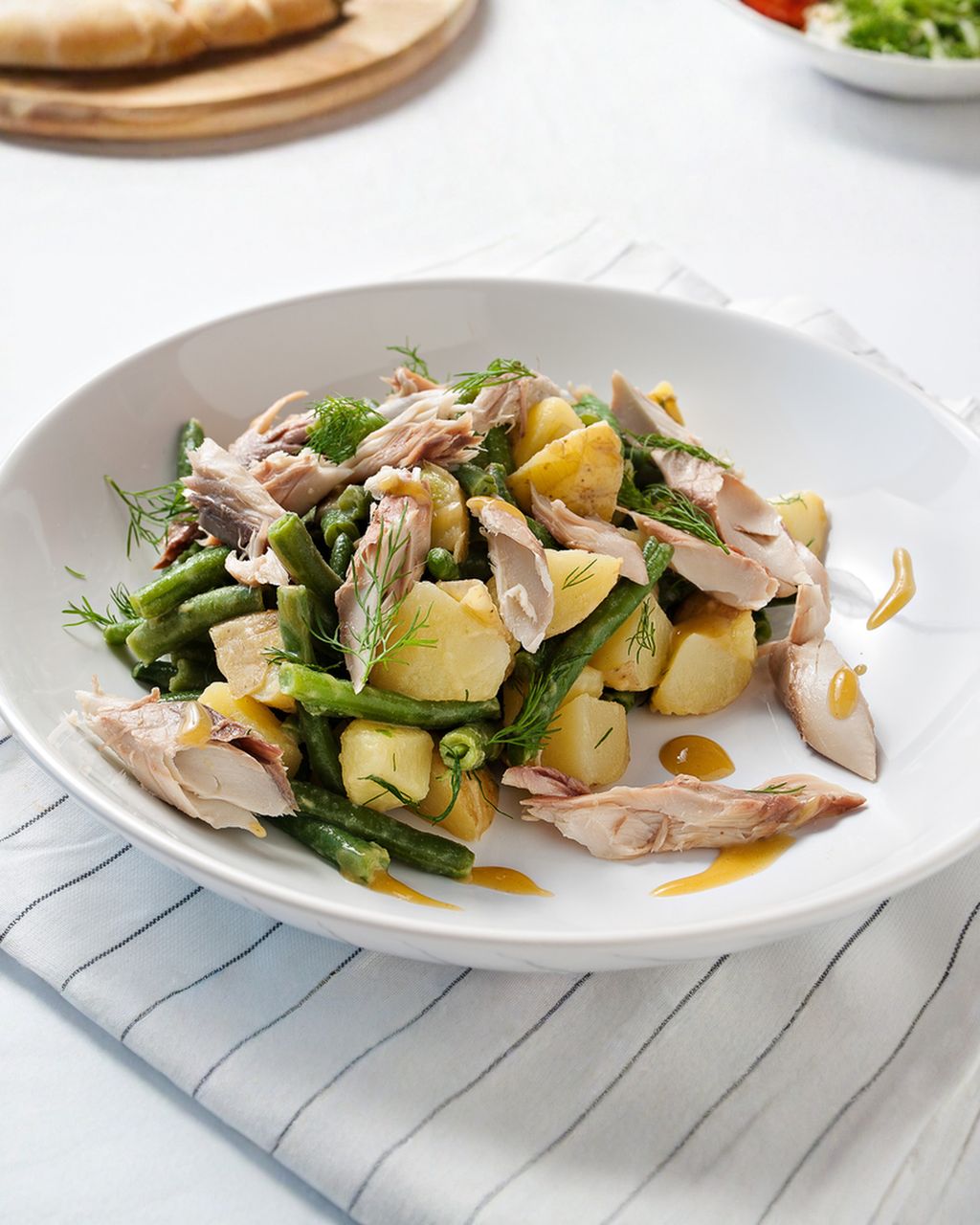
Potato salad with green beans and smoked mackerel
Cooked cabbage usually turns harsh and sulfurous because it was cooked too long: the longer it cooks, the more strongly its sulfur compounds break down into smelly ones. Natural bitterness in the head itself, a scorched pan and an unbalanced pot (no fat, salt, sweetness or acid) do the rest. Cook it just until tender, then balance it the way Czech kitchens do, and most bitterness disappears.
Red cabbage turns blue because its purple pigments, anthocyanins, change color with acidity: they are red in acid and turn blue, and then green, as the pot becomes neutral or alkaline. A splash of vinegar, lemon juice or tart apple brings the red back within a minute. That is why Czech and German red cabbage is traditionally cooked sweet-sour.
To caramelize onions, cook thinly sliced onions slowly in butter or oil over medium-low heat, stirring now and then, for about 45 minutes to an hour, until they are soft, sticky and deep brown. They burn when the heat is too high, and they stay pale when the pan is crowded or the lid is on. Sugar isn't needed, and baking soda speeds things up at a cost.
Marjoram and oregano are close cousins in the same plant genus, but marjoram is sweeter, softer and more floral, while oregano is sharper, more peppery and holds up better to long cooking. You can swap one for the other if you adjust the amount: about two thirds as much oregano in place of marjoram, or about half as much again of marjoram in place of oregano. In Czech kitchens marjoram is the one that matters, because potato soup, potato pancakes and goulash don't taste right without it.
Juniper berries taste piney, resinous and lightly citrusy, the same aroma you know from gin, and in Czech cooking they go into game, marinated beef for svíčková and sauerkraut. Use only a few, usually 3 to 6 lightly crushed berries for a pot of sauerkraut and around 5 to 10 for a kilo of game, and crush them just before use so the oils come out. Cook only with culinary juniper berries from common juniper, bought as a spice, and never pick berries from garden junipers.
Czech zelí, the side dish served with roast pork and dumplings, is cabbage stewed with onion, lard and caraway and balanced sweet and sour with sugar and vinegar, while German Sauerkraut is usually simmered more simply, often with juniper, bay, wine or apple, and served with sausages or smoked pork. The fermented cabbage can be the same; the difference is how it is cooked and seasoned. Polish kapusta sits between the two, from roux-thickened kapusta zasmażana to the long-cooked meat stew bigos.
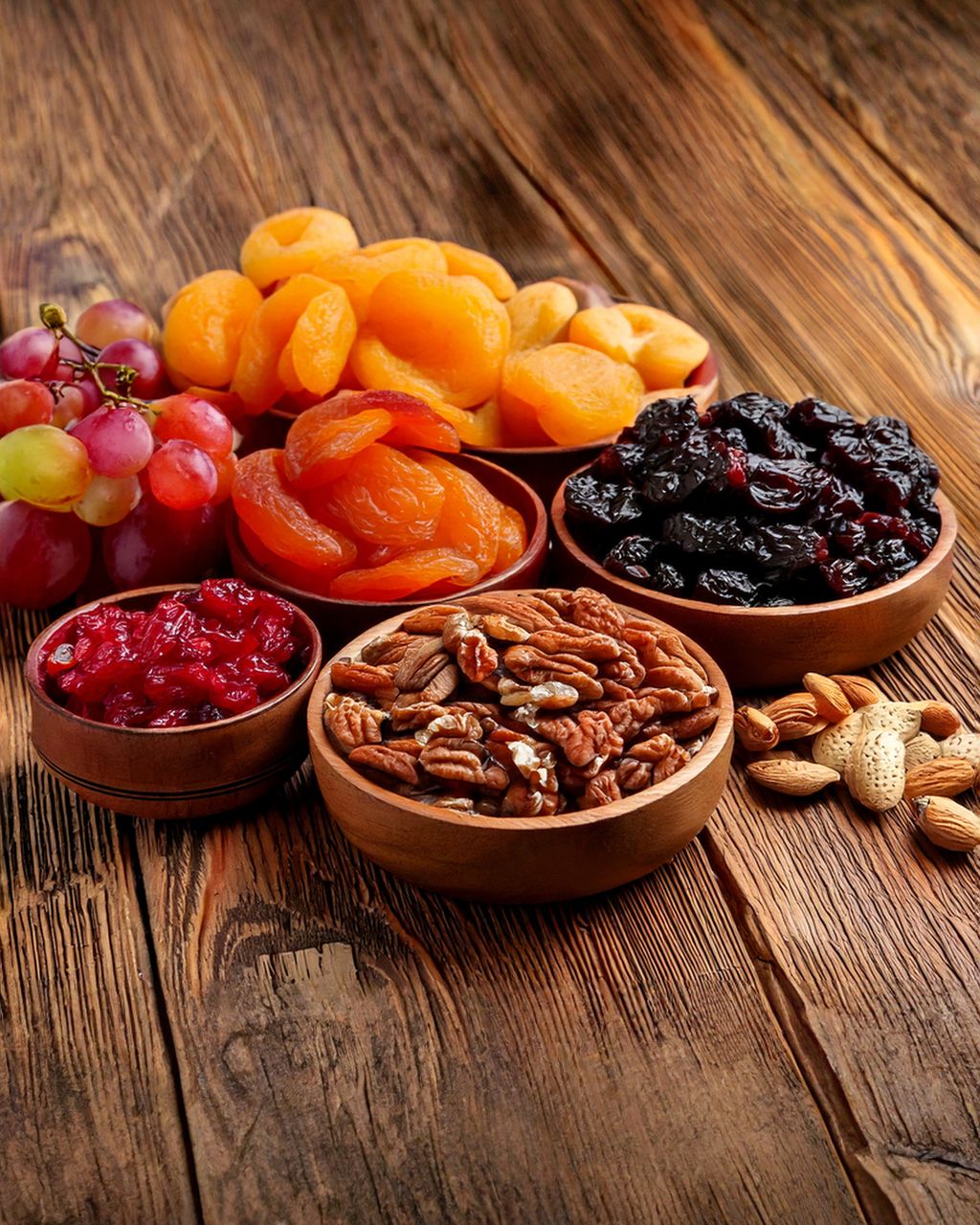
A US cup (236.6 ml) of raisins weighs about 145 g loosely filled and about 165 g packed, according to USDA FoodData Central, and golden raisins weigh the same. A metric cup (250 ml) holds about 153 g loose and 174 g packed. Dried currants land in the same range: about 144 g per US cup in USDA's reference data and about 160 g in its survey data.
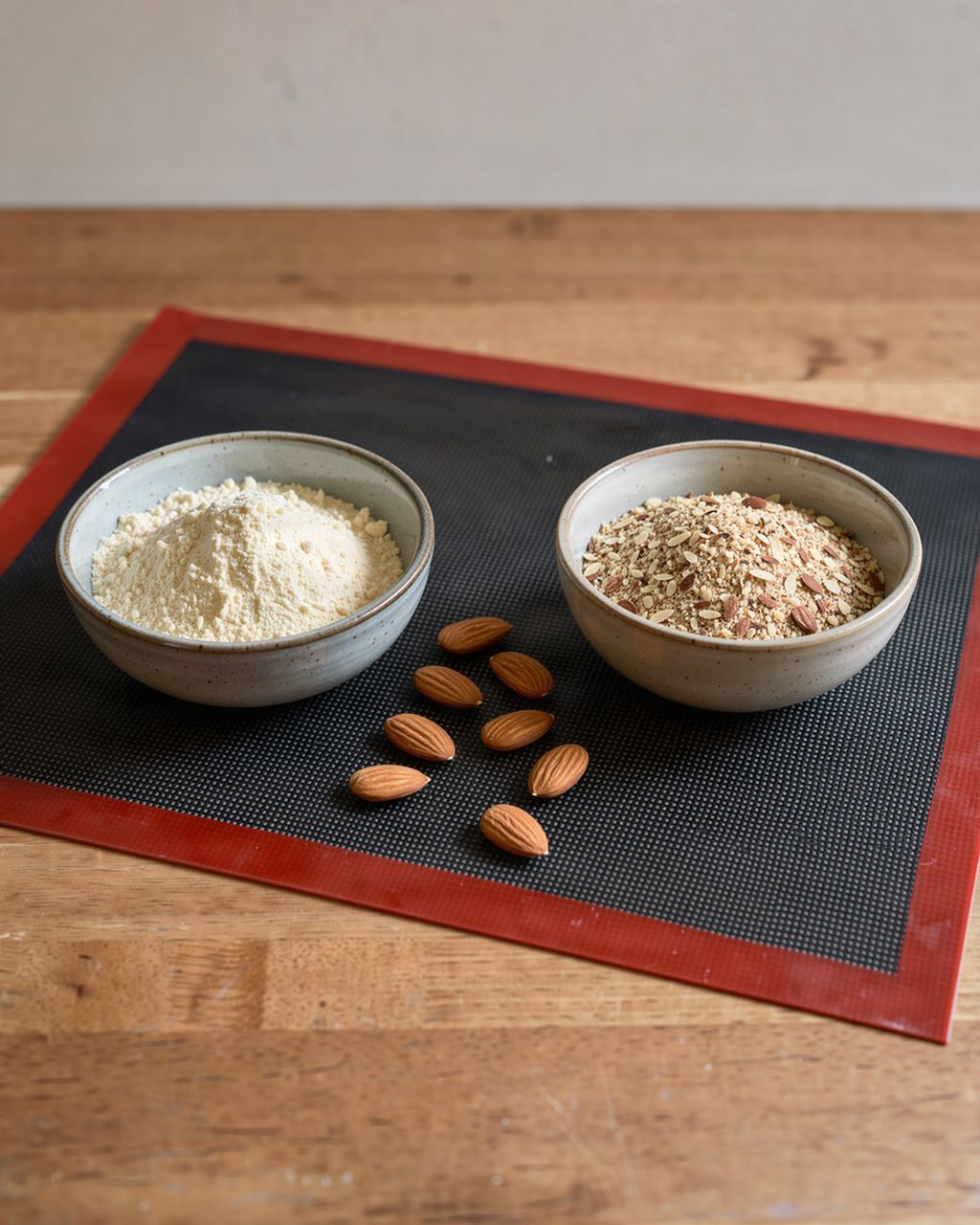
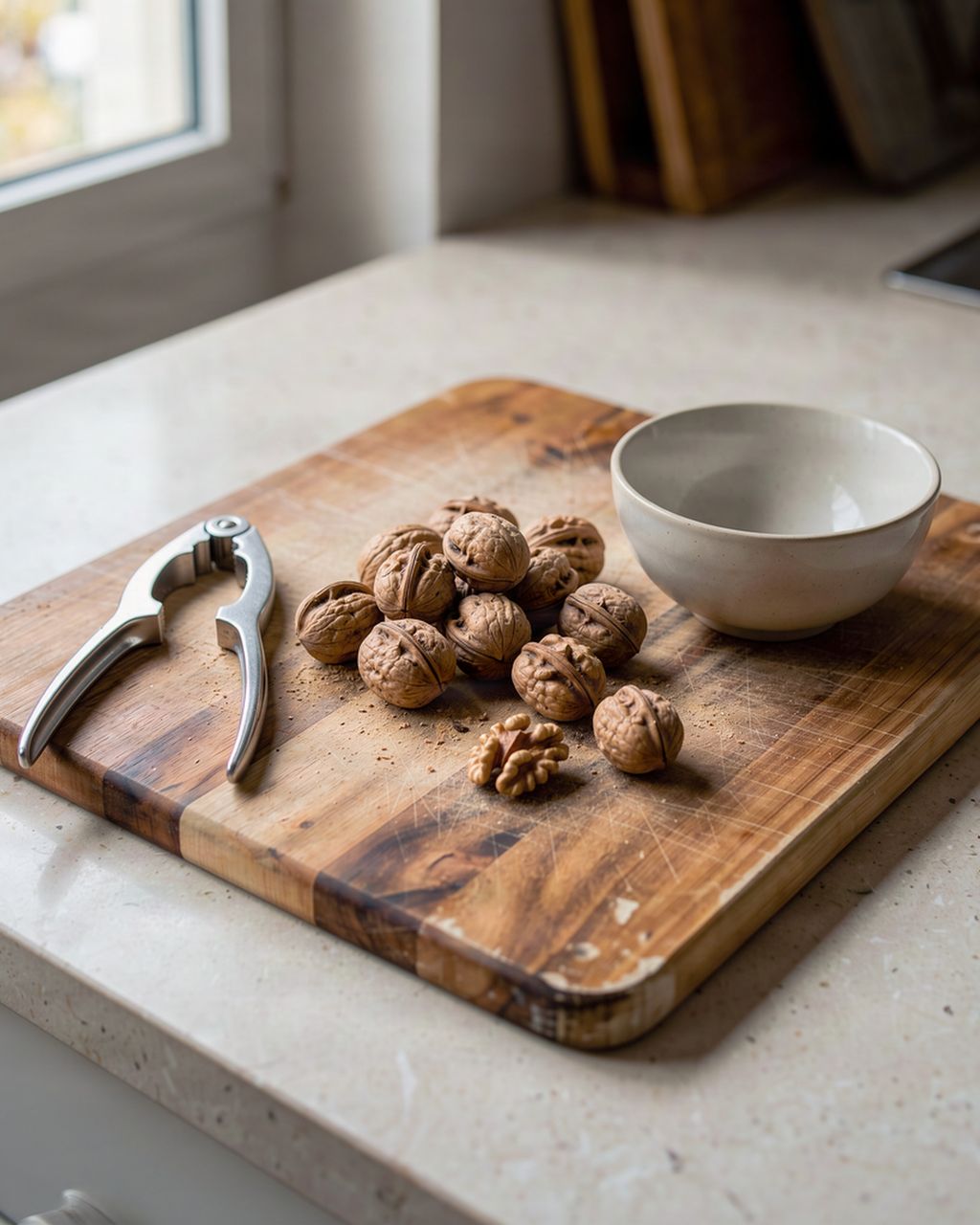
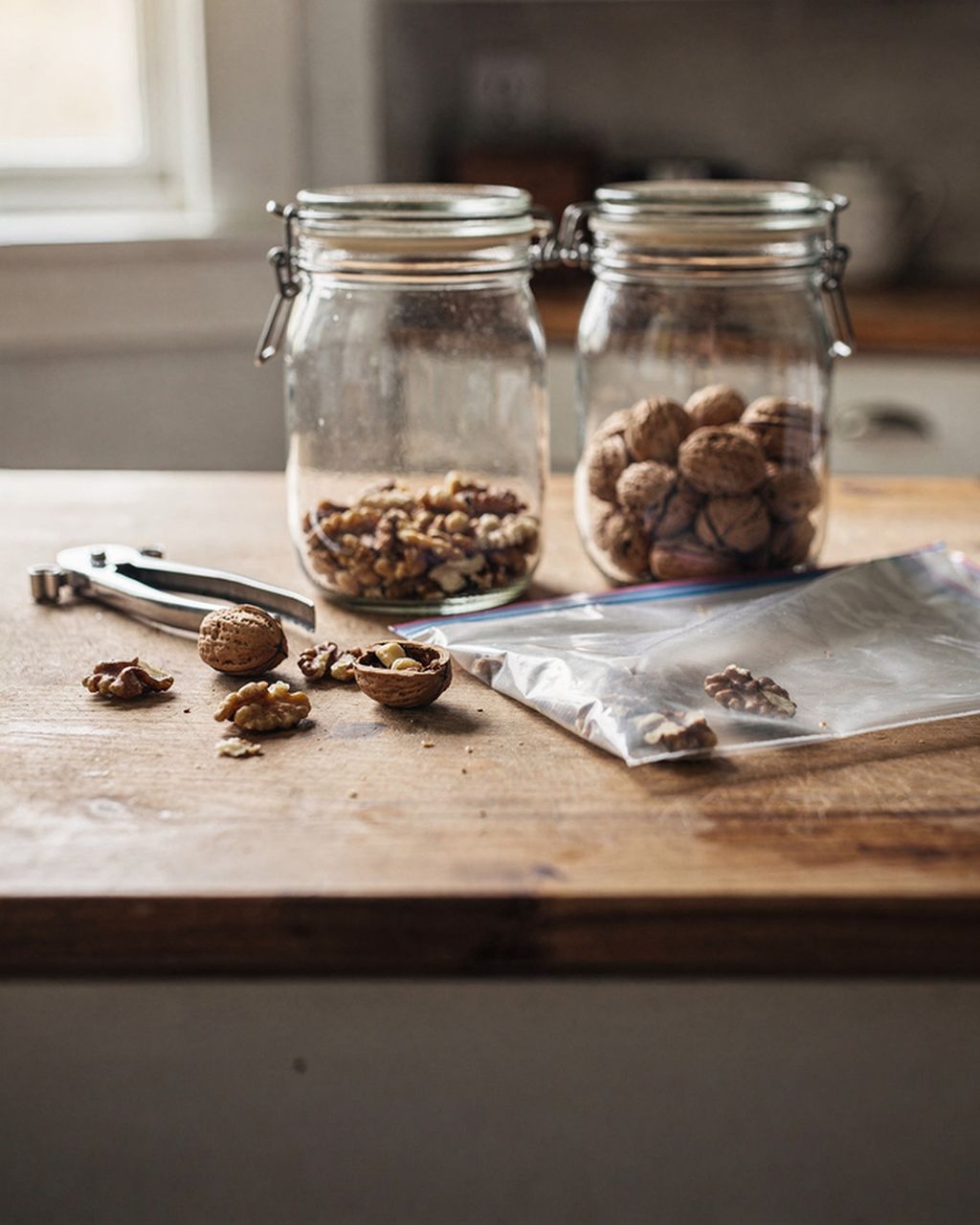
A US cup (236.6 ml) of chopped walnuts weighs about 117 g, chopped pecans about 109 g and chopped hazelnuts about 115 g, according to USDA FoodData Central. Whole almonds are heavier, about 140 g per US cup, while ground nuts are much lighter, about 75 to 95 g. A metric cup (250 ml) holds about 6% more of each.
Halušky are small, soft potato dumplings from Slovakia, and the famous version, bryndzové halušky, tosses them with bryndza sheep cheese and crisp bacon. In the US, especially around Pittsburgh, haluski usually means something else: egg noodles fried with cabbage, butter and onion. Here is what each one is, what bryndza is, and what to use when you cannot buy it.
Czech potato salad is a cold mayonnaise salad with finely diced cooked root vegetables, pickles, peas, onion and egg, and it is the classic side for fried carp on Christmas Eve. Southern German potato salad has no mayonnaise at all: warm potatoes are dressed with broth, vinegar, oil and onion. American potato salad is a creamy mayonnaise and mustard salad with celery, onion and often egg and pickle relish.
Czech fruit dumplings, ovocné knedlíky, are whole fruits such as plums, apricots or strawberries wrapped in dough, boiled or steamed, and served as a sweet main course with melted butter, sugar and a topping. The dough can be made with tvaroh, yeast, potato or choux. Here is how each dough differs, which fruits work best, and how Czechs top them.
Czech bramborák is a potato pancake seasoned with garlic and marjoram, which sets it apart from Jewish latkes, Polish placki ziemniaczane and German Reibekuchen, usually flavored with onion, and from Swiss rösti, which is plain potato. All five start with grated potato fried in fat. Here is what makes each one different.
The best salad for schnitzel is one that balances the fried breadcrumb coating with acidity and crunch: potato, cucumber, cabbage or a fresh leafy salad with a vinegar dressing. Potato salad is the classic for Christmas Eve and Sunday lunch, cucumber and cabbage are the quickest and freshest, and a leafy salad works when you already have potatoes or mash with your schnitzel. Below you'll find a method for each, links to our recipes, and a Christmas salad with no mayonnaise and one with no potatoes at all.
Mango recipes live or die by the ripeness of the fruit. Use ripe, fragrant mango in coconut sticky rice, desserts and smoothies, firmer mango in salads and with meat. Unripe mango suits a tart salad or chutney, and overripe or frozen mango is best blended into a purée. Below you'll find recipes for sticky rice, desserts, salad, curry and breakfast, plus a guide to what to do with overripe, unripe and frozen mango.
You can make homemade Christmas liqueurs in four styles: creamy eggnog (Czech vaječný koňak, a thick egg liqueur similar to advocaat), a spiced ginger liqueur made with slivovice (Czech plum brandy), lemon limoncello and rybízák, a blackcurrant liqueur. They differ most in how much time they need. Limoncello takes three weeks, ginger liqueur one to two, rybízák a day of steeping (in December made from frozen blackcurrants), and eggnog is made just a few days before Christmas Eve because it doesn't keep for long. Below you'll find what each one depends on, how to handle egg yolks safely, liqueurs without eggs, a sweet alcohol-free option for kids, and tips for wrapping liqueur as a gift.
A lentil salad works when you pick lentils that hold their shape (black beluga, green or brown), cook them only until tender, and toss them with the dressing while they're still warm. Everything else, whether eggs, tuna, cheese, roasted vegetables or meat, just depends on what you're in the mood for. Below you'll find how each type of lentil behaves, how to mix a dressing that doesn't sink to the bottom of the bowl, and six salads from Yumsto, from a 15-minute quickie to a festive New Year's plate.
What can you cook with tomatoes? Almost anything: salsa, a salad or roasted cherry tomatoes from fresh ones, a quick soup from canned, a tomato sauce from tomato paste, and pasta or a spread from dried. Below is an overview based on the kind of tomatoes you happen to have at home. Each dish comes with the one trick that matters most with tomatoes and a link to the full recipe.
What can you make with avocado? The quickest options: mash it onto toast with an egg, whip up guacamole, spread it on smoked salmon canapés, add it to a lunch plate, or blend it into a sweet cream. A ripe avocado is buttery soft and only mildly nutty on its own, so it almost always needs three things: salt, acid and something crunchy. Below you'll find nine recipes from Yumsto, each with a tip on why avocado works in it, plus answers on what to do when your avocado is rock hard or overripe.
Winter salads are built on what actually grows and keeps in the cold months: roasted and boiled root vegetables, beets, pumpkin, celeriac, fennel, hardy greens like lamb's lettuce (corn salad), and citrus, which is in season right now. Unlike summer salads, they often warm you up and are hearty – warm lentils, melted goat cheese or squash straight from the oven turn them into a full lunch. Below you'll find how to make warm salads, roasted vegetable salads and beet salads, raw winter combinations, how to use citrus, dressings, and how to prep a winter salad two days ahead.
Potato bakes and baked pasta work on the same principle: a starchy base, a liquid that binds it (cream, eggs or béchamel), and cheese that turns golden on top. All you need is one baking dish and an oven at 180–200°C (350–400°F), for 20–60 minutes depending on whether you start with raw or precooked ingredients. Below you'll find the basic method and ratios that work, followed by specific variations: potatoes with cream, smoked meat, ground meat, chicken, pork and vegetables, plus pasta with cheese, ham, smoked meat, ground meat, broccoli and mushrooms.
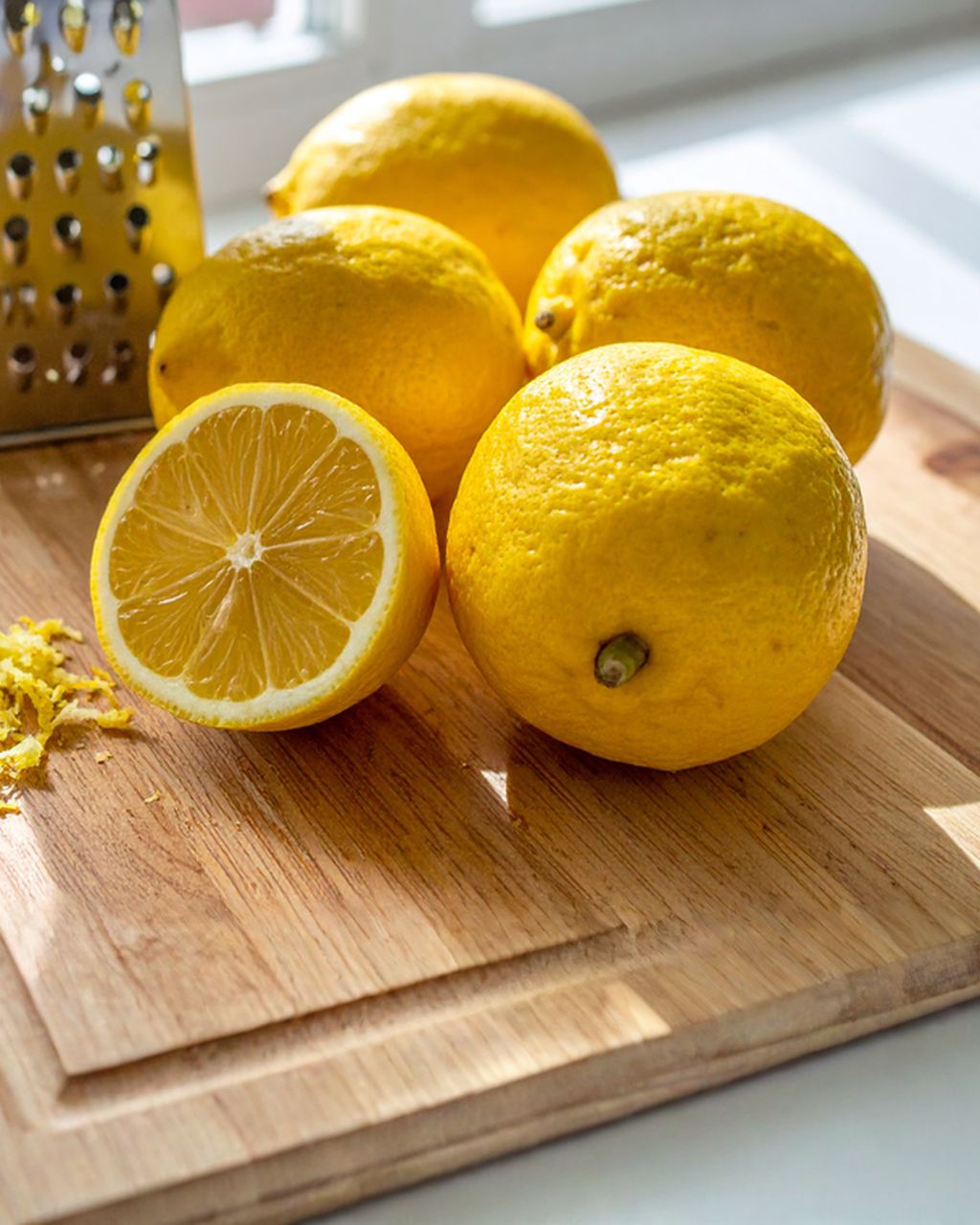
What can you bake with oranges and lemons? The surest bets are an orange almond Bundt cake, the French lemon tart (tarte au citron) and carrot muffins with orange. For winter desserts, try crêpes Suzette, crema catalana and no-bake orange mascarpone cakes. They all rely on the same trick: the aroma lives in the zest, while the juice brings the acidity.
Bramboráky are Czech potato pancakes made from raw grated potatoes with garlic, marjoram and caraway, fried thin and hot in lard or oil until the edges are crisp and golden. An egg and a little all-purpose (plain) flour hold the batter together. The whole secret lies in how much water you squeeze out of the potatoes, how thin you spread the batter and how hot the pan is. Below you'll find the traditional method and why it works, plus more Czech potato flatbreads and cakes: lokše and patenty made from boiled potatoes, potato lívance (small pancakes), baked potato patties, a zucchini version and oven-baked bramboráky.
A smoothie comes down to one ratio: for each glass, use about 150 ml (⅔ cup) of liquid, 150 g (5 oz) of fruit and one ingredient to thicken it (half a banana, three tablespoons of yogurt or a tablespoon of rolled oats). Once you know the ratio, the rest is just swapping ingredients: banana and yogurt, a handful of spinach, a piece of cooked beet, frozen berries, or the thick spoonable version known as a smoothie bowl. Below you'll find exact amounts and steps for each variation, plus how to make a smoothie without a blender, what to give kids and how long a smoothie keeps in the fridge.
How to boil potatoes: start them in cold salted water, bring to a boil, then cook at a gentle simmer until tender – whole medium potatoes 20–25 minutes, halves 15–20 minutes, cubes 10–15 minutes. They're done when a knife or skewer slides in with no resistance. Everything else – potato type, skin, water, heat – decides whether you end up with a firm salad potato, fluffy mash, or mash you didn't want. Below you'll find times for every method, from the pot to steaming, the microwave and the rice cooker, plus why it all works.