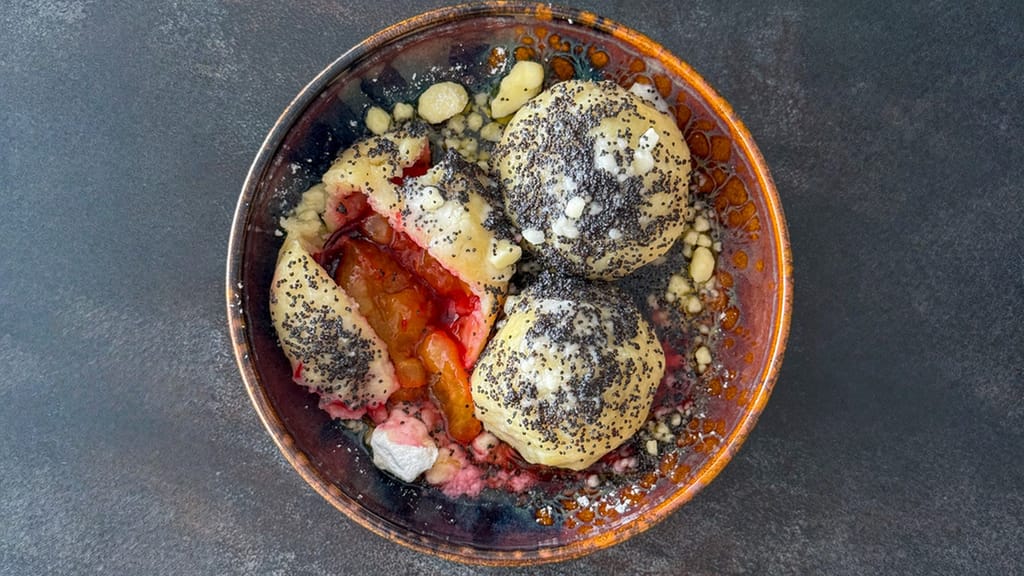
Plum dumplings with potato dough
Plum Dumplings: Which Dough to Choose and Why They Fall Apart
Updated Aug 23, 2026
Plum dumplings are made from three types of dough — potato, curd cheese, and yeast — and each gives a different result: potato is the most traditional and least forgiving, curd cheese is the fastest and most foolproof, yeast is the fluffiest. They fall apart for almost always the same four reasons: too much water in the dough, overworked dough, a poorly sealed seam, or too rapid a boil. Below you'll find which dough to pick, how to wrap the dumpling so it holds together, how long to boil it, and what to do with leftovers the next day.
Three types of dough are used for plum dumplings: potato, curd cheese and yeast. They differ in how much work they take, how easily they burst in the water, and how the finished result tastes.
Potato — the most traditional and most filling, the flavour most people grew up with. It's the trickiest when it comes to choosing the right potatoes and working quickly.
Curd cheese — ready in ten minutes, least prone to splitting, with a light, slightly tangy taste. The best choice if you're making fruit dumplings for the first time.
Yeast — the lightest and most airy, but it needs time to rise and is the most sensitive to a rapid boil in the water.
If you're deciding based on risk: curd cheese dough is the safest bet, potato dough is the trickiest.
Potato dough for plum dumplings lives or dies by the type of potato you use — you need type C starchy potatoes, or type B as a second choice. Type C potatoes are high in starch and low in water, so once cooked they turn mealy and break down easily. That's exactly why you won't need to add as much flour to the dough, and the dumpling stays soft instead of turning rubbery.
Here's what that means in practice:
Boil the potatoes in their skins and not all the way to mush. The skin stops them soaking up extra water, which you'd otherwise have to counteract with more flour.
Let them cool completely, ideally cooked the day before. Warm potatoes release steam into the dough and thin it out.
Keep the ratio at roughly 2:1 — about 250g of plain flour, an egg and a pinch of salt for every 500g of cooked potatoes. The potatoes themselves will tell you the exact amount you need.
Work quickly and knead as little as possible. Prolonged kneading releases gluten from the flour and starch from the potatoes, making the dough sticky — and once cooked, the dumpling turns tough and gluey.
On top of that, potato dough gets wetter the longer it sits. Don't let it rest — shape it and cook it straight away.
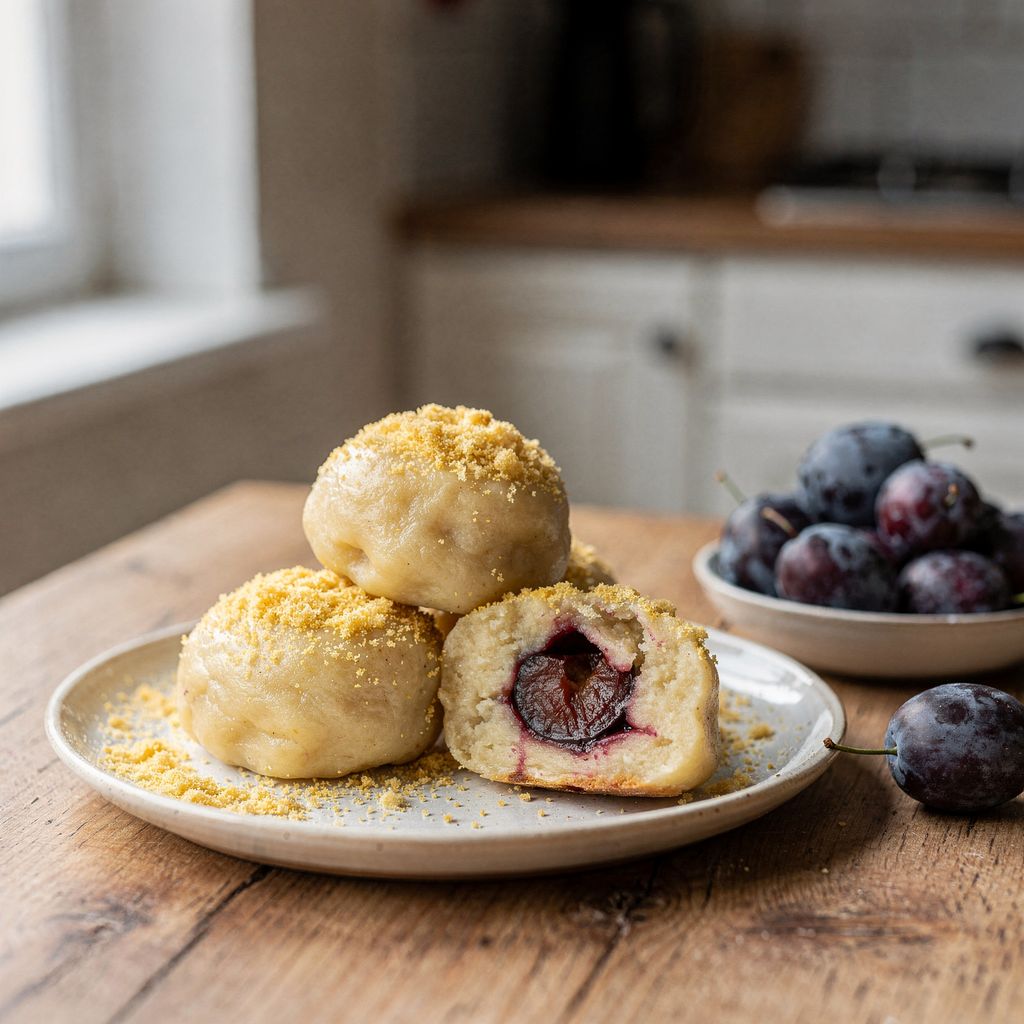
Plum dumplings with potato dough
Plum dumplings made with potato dough — traditional ratios and a step-by-step method
Of the three options, curd cheese dough is the most forgiving — it doesn't need to rise, barely needs kneading, and after half an hour in the fridge it holds its shape better than any of the others. The base is roughly a 1:1 ratio of curd cheese to plain flour, plus an egg.
The one thing that can ruin it is wet curd cheese. Use firm block-style curd cheese, not the soft tub kind, and if any liquid is dripping from it, leave it in a sieve for an hour first. That whey is exactly the kind of water that will dissolve the seam once it hits the boiling water.
We go into exact ratios, kneading technique and the most common mistakes in a separate article on curd cheese dumplings — here it's enough to know that the same dough wraps a plum just as well as it wraps an apricot.
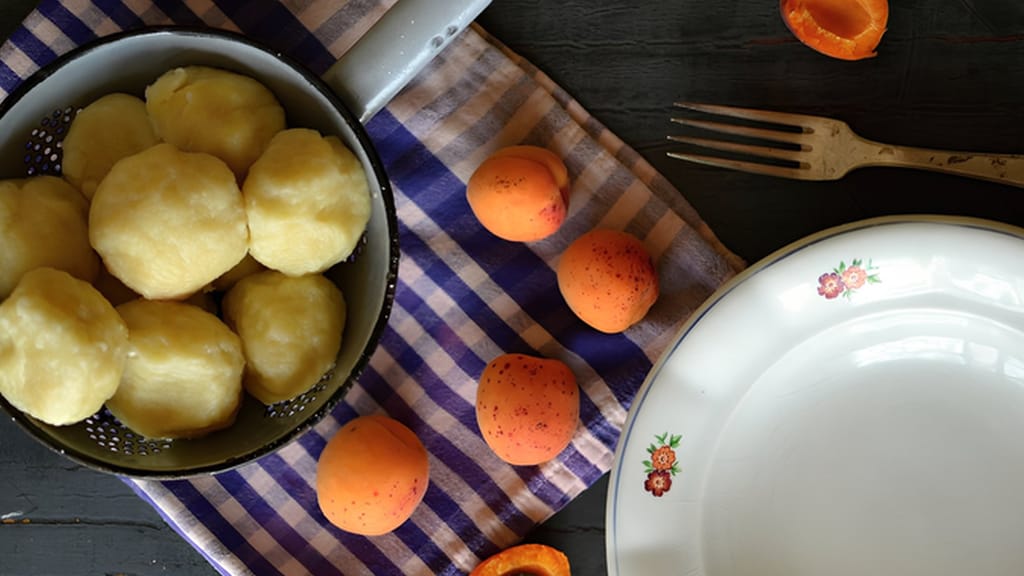
Perfect apricot dumplings with curd cheese dough
Apricot dumplings made with curd cheese dough — the same dough works for plums too
Yeast dough gives you the lightest, most airy plum dumplings, but it needs to rise twice and must be boiled more gently than any other type.
Use only lukewarm milk, around 35°C. Hot milk kills the yeast and the dough won't rise.
Let the shaped dumplings rise a second time — 15–20 minutes on a floured board, before they go into the water. Skip this and they'll turn out dense.
Boil them as gently as possible, or steam them instead. Yeast dough is soft, and rapidly boiling water will practically shred it apart.
Prick each dumpling with a skewer as soon as it comes out of the water. This lets the steam escape so the dumpling doesn't collapse into a flat disc.
Yeast dough is also the trickiest to fill: it's soft and stretchy and tends to tear under the weight of the plum. Flatten it a bit thicker than you would with the other doughs.
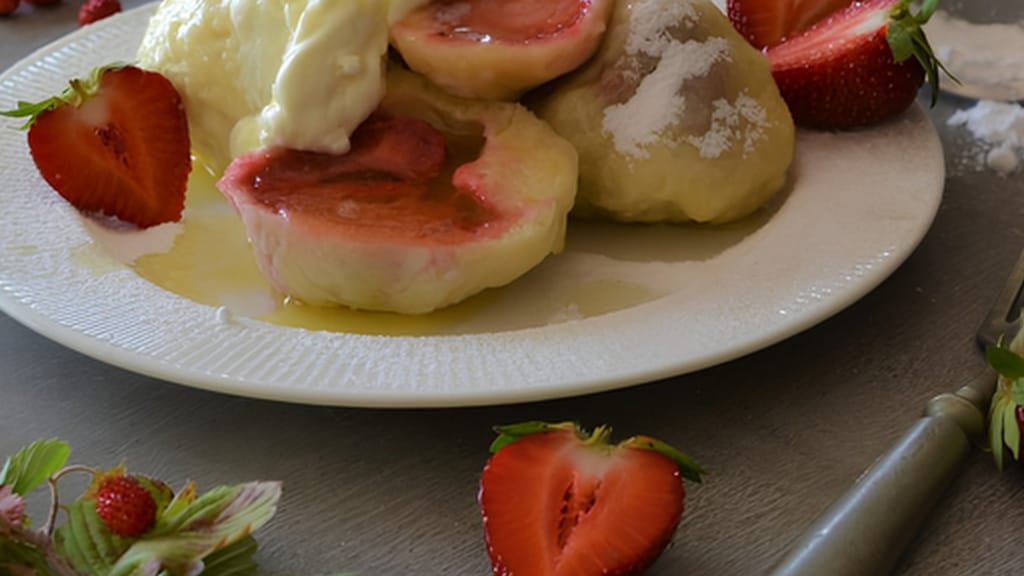
Summer craving: steamed yeast dumplings with fruit
A summer favourite: yeast dumplings with fruit — light, airy yeast dough for fruit dumplings
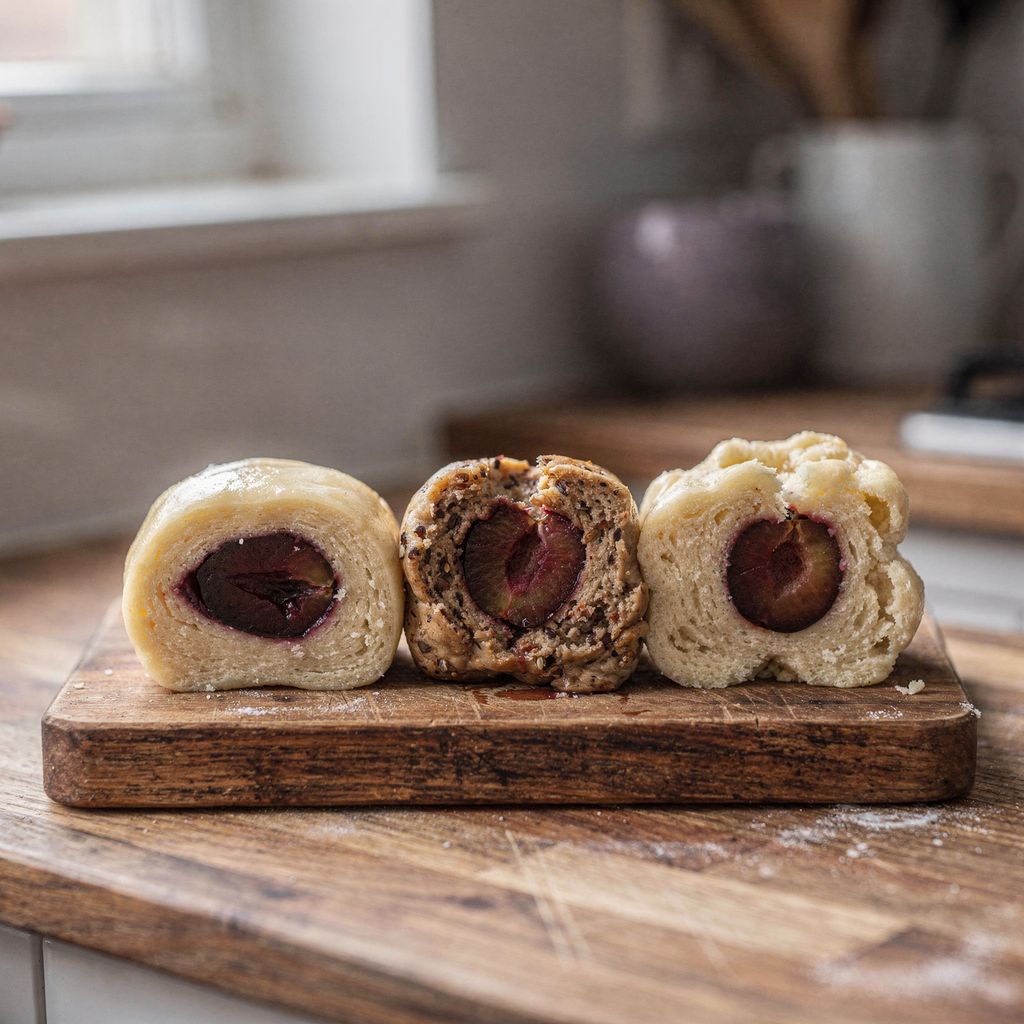
Plum dumplings fall apart for four main reasons: too much water in the dough, overworked dough, a poorly sealed seam, or water boiling too hard. It's almost always one of these — not bad luck.
Too much water in the dough. Watery potatoes or curd cheese that hasn't been drained properly make for a runny dough. Don't try to fix it by dumping in more flour — that just toughens the dumpling and it'll still fall apart anyway. Fix it at the source instead: use type C potatoes, boil them in their skins, and drain the curd cheese properly.
Overworked dough.Kneading releases gluten from the flour and starch from the potatoes, turning the dough sticky and, once cooked, gluey. Just bring the ingredients together, and stop the moment they hold as one.
A poorly sealed seam. A dumpling almost never splits open in the middle — it splits exactly where the dough was pressed together lightly instead of properly sealed.
A rapid boil. The single most common cause of all. The bubbles physically tear the dumplings, and water floods in through the opening.
On top of that, there's the juice from the plum itself. A large, very ripe plum releases juice as it cooks, and the steam building up inside creates pressure that pushes against the seam from within. That's exactly why the plum gets coated in flour before wrapping.
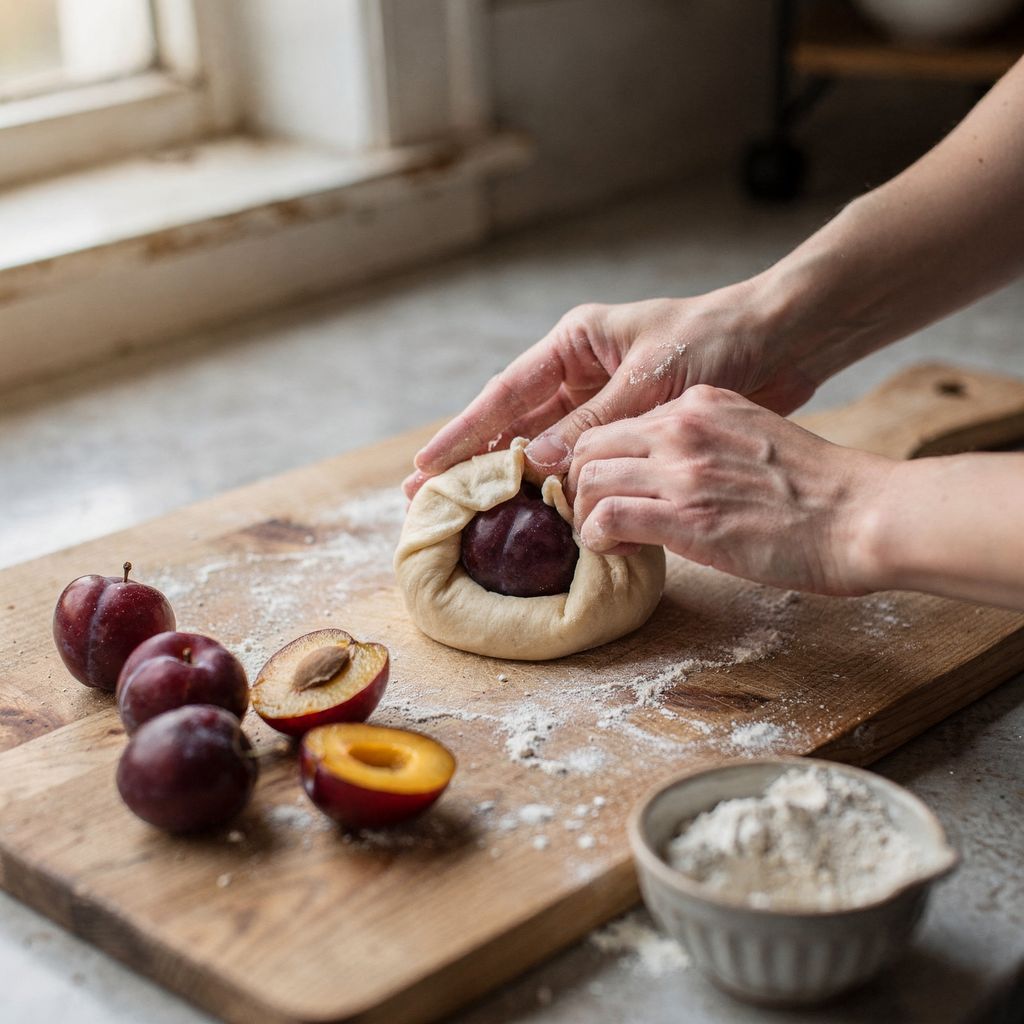
A dumpling holds together when the plum is lightly coated in flour, the dough is an even thickness all the way round, and the seam is firmly pressed shut with your fingers. Here's how:
Wash the plums and dry them thoroughly. A wet skin will soften the dough from the inside before the dumpling even reaches the pot.
Remove the stones — split the plum along its natural seam and take out the stone. You can leave it whole with the stone in if you prefer, but allow extra cooking time and let people know at the table.
Coat the plum in a spoonful of plain flour or starch. This soaks up the juice that would otherwise press against the seam from the inside. This is the step people skip most often.
Roll the dough into a log and cut it into equal pieces. Flatten each piece into a disc about 5mm thick — a bit thicker for yeast dough.
Bring the edges up over the plum and press the seam firmly shut with your fingers. Don't just fold it lightly — really press it until the dough merges into one piece.
Roll the dumpling between your palms, seam-side down, until the surface is smooth. Any visible crack will open up in the water.
Make all the dumplings the same size. Different sizes mean different cooking times, and one batch ends up half raw, half overcooked.
Cooking time depends on the dough: potato dough 8–10 minutes, curd cheese dough 6–8 minutes, yeast dough 10–12 minutes — always in salted water at a gentle simmer.
Potato dough: 8–10 minutes
Curd cheese dough: 6–8 minutes
Yeast dough: 10–12 minutes, ideally covered or steamed
Frozen dumplings: add 3–4 minutes and drop them straight into the water from the freezer
After going in, the dumplings sink to the bottom and float back up after a short while — start counting the cooking time from when they float up, not from when they went in. Give them room to move freely so they don't touch each other; with a large pot, it's better to cook two smaller batches.
The only reliable way to check they're done is to sacrifice one: take it out and cut it in half. The dough needs to be cooked through right up to the plum — if there's a denser, glossier layer in the middle, boil for another two minutes. Prick yeast dumplings with a skewer as soon as they come out of the water.
Plum dumplings are most commonly topped with breadcrumbs toasted in butter or curd cheese with icing sugar — breadcrumbs are heartier and pair best with potato and yeast dough, while curd cheese is lighter and its tartness balances out the sweetness of the plum. Most households serve both, and honestly, that's the best option.
Buttered breadcrumbs: melt about 3 tablespoons of butter in a pan, add 4 tablespoons of breadcrumbs and toast over low heat until golden. Add sugar only off the heat — on hot fat it caramelises and turns bitter.
Sweetened curd cheese: push soft curd cheese through a sieve so there are no lumps, then mix in icing sugar to taste. Sprinkle it on at the table, since it melts fast on a hot dumpling.
Gingerbread breadcrumbs: crushed gingerbread in place of some of the breadcrumbs. It goes exceptionally well with plums — clove and cinnamon are exactly what a plum can handle.
Poppy seeds with sugar: freshly ground, otherwise they taste of nothing.
Whatever you choose, pour melted butter over the dumplings the moment they come out of the water. Without the fat they'll stick together within a minute and tear when you try to pull them apart.
Let cooked plum dumplings cool, store them in the fridge, and the next day reheat them in steam for 5–8 minutes — they come out almost like fresh. They'll keep in the fridge for two days.
Steaming works best. A colander over a pot of water with a lid on is enough. The dough softens back up without drying out.
The microwave works in a pinch.Cover the dumplings with a damp cloth or a lid and microwave for 30–60 seconds. Without covering, the surface turns rubbery.
Pan-fried in butter is the best version for day two. Slice the dumplings and fry them in butter until golden. They stop being lunch and become dessert — sprinkle with sugar and you're done.
Freezing: it's better to freeze them cooked. Spread the cooled dumplings on a tray so they don't touch, freeze for two hours, then transfer to a bag. Raw potato-dough dumplings can technically be frozen, but you risk them falling apart when cooked — the dough thins out as it sits.
What not to do: don't reheat dumplings by boiling them again. Dough that's already been cooked once will soak up water and fall apart in the pot.
No, plums for dumplings don't need peeling. The skin holds the fruit together, so it doesn't fall apart during cooking and doesn't release too much juice into the dough. It also adds colour and a nice tartness. Just wash the plums and dry them thoroughly.
Peak plum season is September, and for late varieties like Damson-type plums, it runs from late September into the first half of October. For dumplings, smaller, firm, fully ripe plums work best — large, juicy plums release more liquid during cooking and are more likely to burst the seam.
Yes, plum dumplings can be made with frozen plums — just wrap them while still frozen. Don't let them thaw: a thawed plum releases juice into the dough and the dumpling will fall apart before it even reaches the pot. Coat it in flour just like a fresh plum and add 2–3 minutes to the cooking time.
It depends on the dough: curd cheese dough, yes; potato dough, no. Curd cheese dough can sit in the fridge for a few hours and actually firms up in the cold. Potato dough gets wetter over time as the potatoes release water, and after an hour it's no longer workable — so shape and boil it straight away.
A sugar cube inside the plum isn't necessary and tends to do more harm than good. Sugar draws juice out of the plum, which turns to steam during cooking and pushes against the seam from the inside — making the dumpling more likely to split. If you want a sweeter filling, tuck in a small piece of gingerbread or a pinch of cinnamon instead, and add sugar at the table on top.
One recipe worth heating the oven for, one tip, and one deal from the shop. Nothing else.