Pumpkin soup with crispy bacon
How to Prepare Hokkaido Squash: Spotting Ripeness, Peeling and Cutting
Updated Oct 6, 2026
How do you prepare hokkaido squash? Pick a ripe one with a dry, woody stem, give it a wash, leave the skin on, halve it, scoop out the seeds, and cut it into cubes or wedges – on a tray at 200°C (400°F) it's done in 20–30 minutes. Hokkaido is the most forgiving squash you can buy here: small, sweet, nutty, and with a thin skin that softens completely once cooked. Below you'll find how to spot a ripe one, when peeling is actually worth it, and how to cut it without the knife slipping.
Hokkaido is a small Japanese variety of winter squash (*Cucurbita maxima*) with an edible skin and sweet, chestnutty flesh. It usually weighs 1–3 kg (2–6.5 lb), has a flattened, onion-like shape, and deep orange skin. It's harvested from late August through October, but you'll find it in shops all winter long.
It has three big advantages over other squashes: you don't need to peel it, the flesh is drier and sweeter (so it caramelises in the oven instead of turning watery), and one squash is just the right size for a soup for four or a tray of roasted veg.
You can spot a ripe hokkaido squash by five signs: a dry, woody stem, even orange colour, hard matte skin, a hollow sound, and good weight. Here's exactly what to look for in each:
Stem – dry, hard, corky, brownish-grey, often slightly cracked. A green, flexible stem means the squash was picked too early.
Colour – even, deep orange to brick-red. Greenish or yellowish patches near the stem signal it's underripe (the exception is the spot where the squash sat on the ground – that patch is naturally paler, and that's fine).
Skin – matte and hard. Try pressing it gently with your fingernail: a ripe squash won't dent. Shiny, soft skin means the squash isn't ready yet.
Sound – knock on it with your knuckles. A ripe squash sounds hollow and deep, an underripe one sounds dull and "full".
Weight – it should feel heavier than it looks. A light squash is often dried out or stringy inside.
What to avoid: squash with soft, sunken or weeping spots, mould near the stem, or no stem at all – a torn-off stem is an open door for rot, and that squash won't keep nearly as long.
Tip: you can rescue a slightly underripe home-grown hokkaido. Leave it somewhere warm and airy (ideally around 25–30 °C / 77–86 °F) for 10–14 days – the skin will harden, some of the starches will convert to sugars, and it'll keep better. This won't fix a truly unripe squash, though.
No, you don't need to peel hokkaido squash – the skin is thin and softens so much once roasted or boiled that you'll barely notice it in the finished dish. That's the main reason it's such a popular squash: it saves you time, waste, and the odd nicked finger.
Leave the skin on when you're:
roasting wedges or cubes – the skin holds its shape and crisps up nicely,
making a creamy soup – once blended, it just deepens the colour to a rich orange,
baking the squash with a filling or in a casserole dish.
It's worth peeling when:
you want a completely smooth purée for desserts or baby food, where little bits of skin would be noticeable,
you're briefly braising or sautéing it (under 10 minutes) – the skin won't have time to soften,
the skin is damaged, scarred, or has hard, corky patches – just cut those bits away.
Either way, always scrub it well under running water before cooking to get rid of any soil. If you do want to peel it, the easiest way is after cutting it into wedges: lay a wedge on its side and slice the skin off along the curve with a knife. A peeler doesn't work well on tough squash skin. Alternatively, roast it skin-on and just scoop the flesh out with a spoon afterwards.
To cut hokkaido squash safely, stabilise it first – slice a piece off the bottom so it sits flat – then halve it from the top, next to the stem, using a large, sharp knife. A round, hard squash loves to roll, and that's exactly when most knife accidents happen.
Set up a stable chopping board. Put a damp tea towel underneath so it doesn't slide around.
Use a large chef's knife (ideally 20 cm/8 in or longer), sharp and with some weight to it. A small knife will get stuck in the firm flesh.
Slice a piece off the bottom (or the side) so the squash sits flat and won't roll.
Halve it. Push the tip of the knife in next to the stem and press straight down with your whole palm on the back of the blade. Don't try to cut through the stem itself – it's hard as wood – go right alongside it, then turn the squash and finish the cut from the other side.
Scoop out the seeds with a sharp-edged spoon or a metal ice cream scoop. Scrape the stringy bits out thoroughly, as they're sticky and tend to burn during roasting.
Lay each half cut-side down and continue cutting into whatever shape your recipe calls for.
If the squash is really hard: pierce it a few times with a fork and microwave it whole on full power for 2–3 minutes (or bake it at 180 °C/350 °F for 10 minutes). The skin will soften slightly, and the knife will go through much more easily.
The shape you choose depends on what you're making: wedges for roasting, large cubes for soup, small cubes for the pan, halves for stuffing, and raw grated for salads. Here's a quick guide by use:
2–3 cm (1 in) wedges – for roasting as a side dish or in a salad. Lay the halved squash cut-side down and slice it like a melon.
2–3 cm (1 in) cubes – for soup, curry, risotto, or a tray of roasted vegetables. Cut the wedges crosswise.
1 cm (½ in) cubes – for pan-frying, omelettes, stuffing, or pasta; these soften in 8–10 minutes.
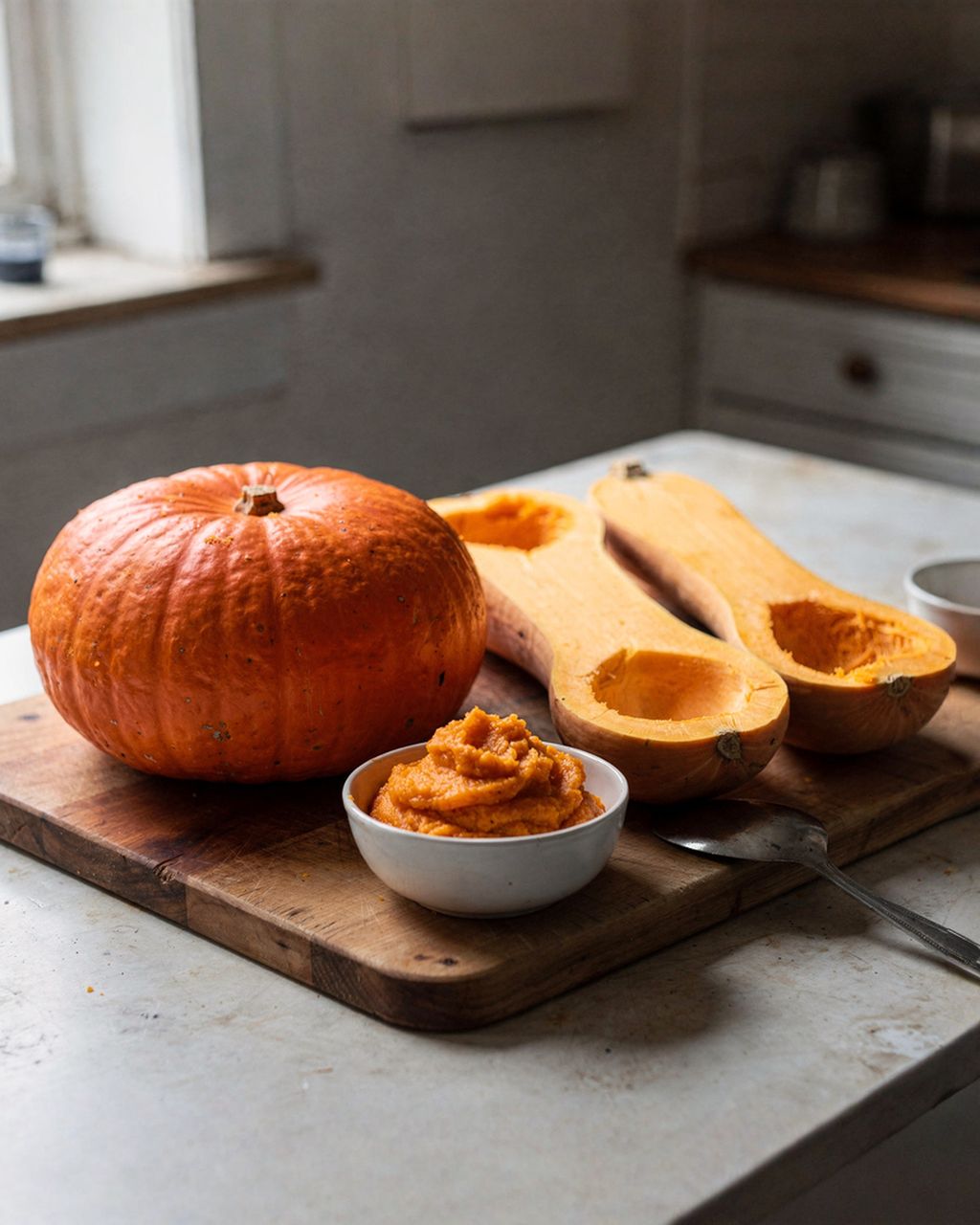
Halves or quarters – for stuffed, baked dishes or purée; roasted whole, then the flesh is scooped out afterwards.
Grated or julienned – raw, for salads, or mixed into pancake or muffin batter.
Keep the pieces a consistent size. Hokkaido softens quickly, and if you put 1 cm and 4 cm cubes on the same tray, the small ones will fall apart long before the big ones are done.
Hokkaido cubes or wedges roast at 200 °C (400 °F) in 20–30 minutes, and become tender in water or stock in 15–20 minutes. Rough timings for 2–3 cm (1 in) pieces:
Roasting on a tray, 200 °C/400 °F: 20–30 minutes, turning halfway. Drizzle with oil (about 1–2 tablespoons per 1 kg/2.2 lb of squash), season with salt, and add thyme, rosemary, chilli, or smoked paprika if you like.
Roasting halves, 180–190 °C (350–375 °F): 40–50 minutes, cut-side down on baking paper.
Boiling for soup: 15–20 minutes from the boil.
Steaming: 12–15 minutes.
Pan-frying, 1 cm (½ in) cubes: 8–10 minutes over medium heat, faster with a lid on.
The squash is done once a knife slides in with no resistance and the edges start turning golden and caramelised. Don't stack pieces on the tray – spread them in a single layer, as crowding them makes them steam in their own moisture and stay pale.
Hokkaido works equally well in savoury and sweet dishes: creamy soup, a roasted side, baked casseroles, and even desserts. Thanks to its sweet, dry flesh, it shines in dishes where a wetter squash would disappoint. Here are a few tried-and-tested recipes from Yumsto where you can happily leave the skin on:
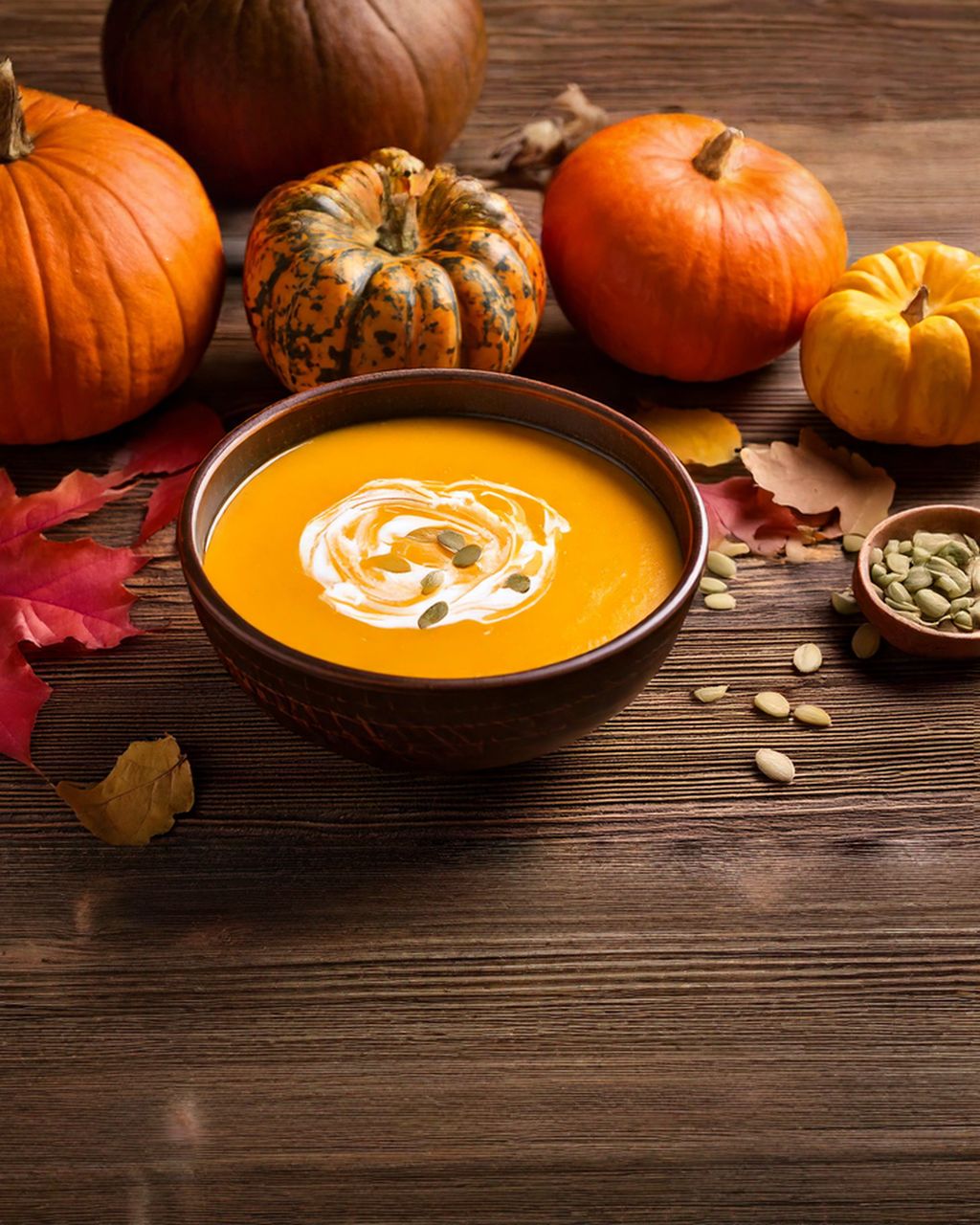
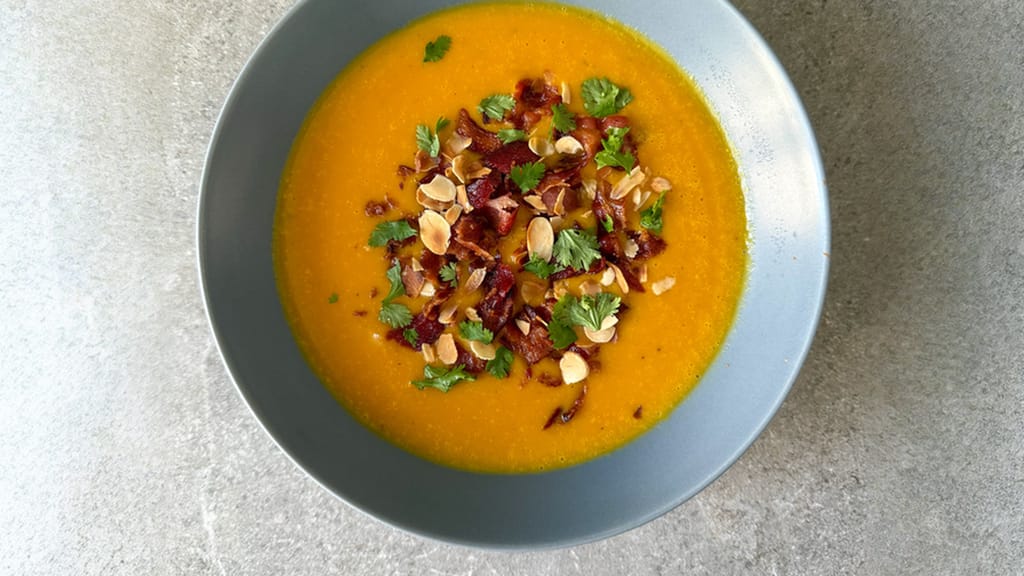
Pumpkin soup with crispy bacon
Pumpkin soup with crispy bacon – a creamy hokkaido soup made with the skin on
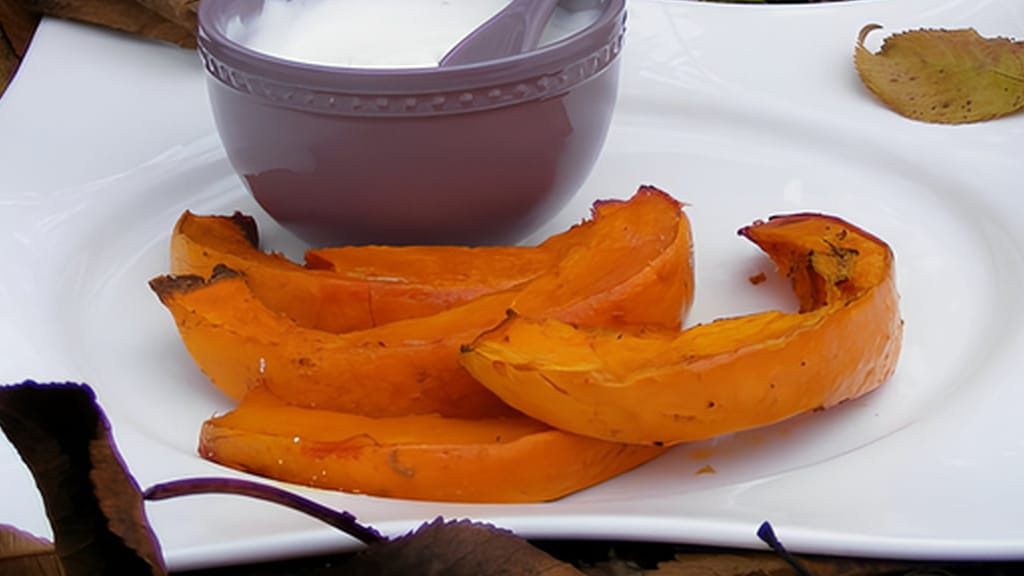
Hellishly spicy roasted pumpkin
Hellishly spicy roasted squash – oven-roasted hokkaido wedges as a side dish
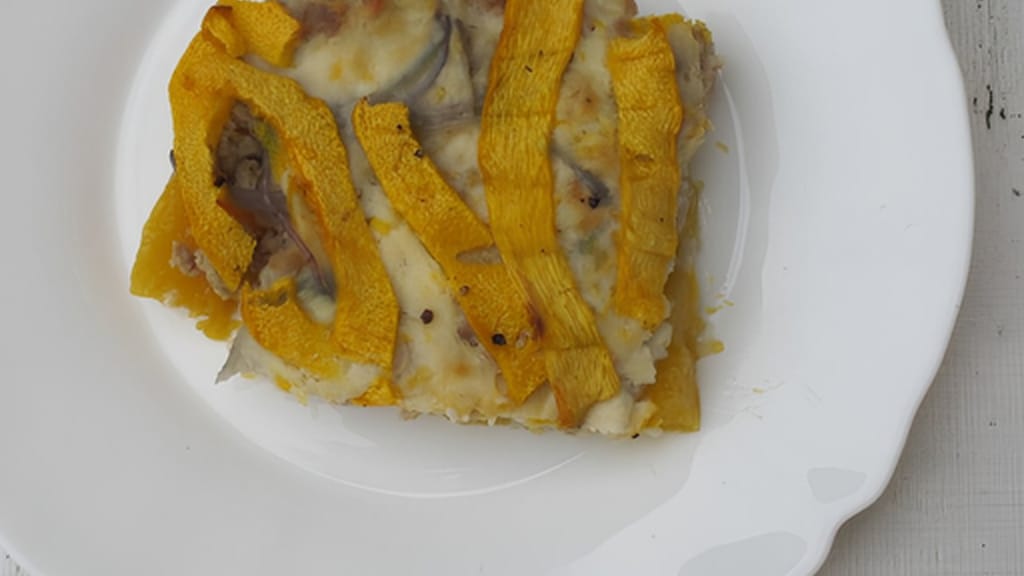
Baked pumpkin with ground meat
Squash baked with minced meat – a hearty dinner made with roasted hokkaido squash
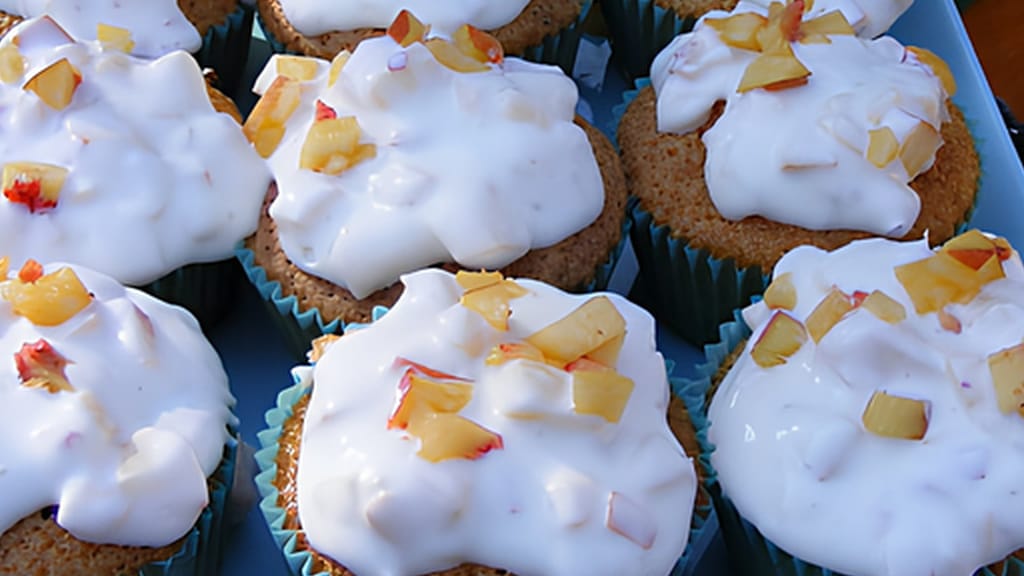
Hokkaido pumpkin cupcakes with nectarine frosting
Hokkaido squash cupcakes with nectarine icing – a sweet way to use hokkaido purée
Yes, you can eat raw hokkaido squash – it's best finely grated or cut into thin strips for a salad. It tastes nutty and lightly sweet, a bit like raw carrot. Try it in a salad with apple, a tangy dressing and toasted seeds; it's best to trim off the skin when eating it raw, as it's quite tough uncooked.
Pale, yellowish or greenish flesh means the hokkaido squash was picked before it was fully ripe. It's still edible, just less sweet and a bit more watery. If it tastes normal (not bitter), use it in soup or curry, where the seasoning can carry the flavour, rather than roasting it on its own.
Raw cut hokkaido squash keeps in the fridge for about 3–5 days if wrapped in film or stored in a sealed container. The cut surfaces dry out and turn slimy over time – once the flesh softens or starts to smell off, throw it away. For longer storage, cut it into raw cubes and freeze it.
Yes, hokkaido freezes well – raw in cubes, roasted, or as ready-made purée. Spread raw cubes on a tray first, freeze them, then transfer to a bag so they don't clump together. Once thawed, the flesh is softer, so it's best suited to soups, curries and purées rather than crispy roasting.
Butternut or kabocha-style musk squash are the best substitutes for hokkaido. Both are a bit more watery and have tougher skin, so peel them before cooking and allow for a slightly longer cooking time. Large carving pumpkins (the Halloween type) aren't a good substitute – they're watery and not very sweet.
One recipe worth heating the oven for, one tip, and one deal from the shop. Nothing else.