Homemade lemonade syrup and other fruit syrups
Lemon Zest: How to Use It, Store It and Grate It Right

Updated Jul 19, 2026
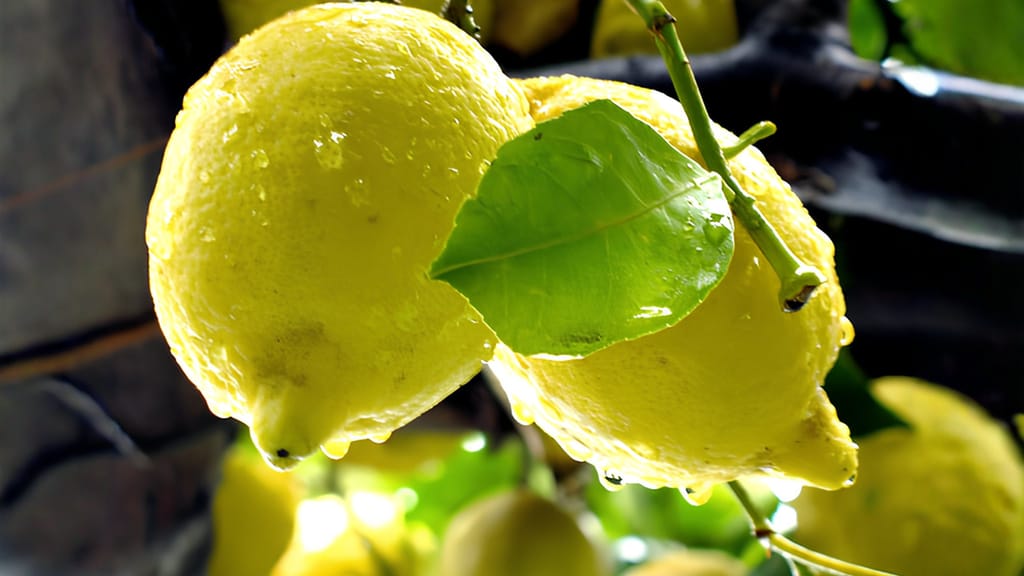
Lemon zest is the most aromatic part of the whole lemon – tucked into that thin yellow skin is a concentrate of fragrant oils that gives food a freshness the juice alone could never match. Here you'll learn how to wash a lemon properly, how to remove just that fragrant yellow layer without the bitter white pith, how to dry, freeze and candy the zest, and how to use it cleverly in both sweet and savoury cooking.
Lemon zest is the outer, bright yellow layer of the lemon peel – it's where the essential oils (mainly d-limonene) live, carrying that classic citrus fragrance. The layer beneath it, the white pith (albedo), is bitter and has no place in your cooking.
Zest has one big advantage over lemon juice: it adds aroma without acidity. That means you can perfume a dish you don't want to make sour – anything from a Bundt cake to a risotto.
Wash the lemon in warm water before zesting (for non-organic fruit, soak it for 10–15 minutes in a vinegar-and-water solution in a 1:3 ratio) and grate only the thin yellow layer – skip the white pith, as it's bitter.
Below you'll find how to strip the wax off the peel and the best tools for removing the zest.
Most non-organic lemons have waxed skins and may carry traces of pesticide residue. Soak the fruit for 10–15 minutes in a solution of one part vinegar to three parts water; a tablespoon of baking soda in a bowl of water works just as well instead of vinegar. Then rinse the lemons thoroughly and dry them. If you plan to eat the zest raw or grate it finely, reach for organic lemons instead – a simple wash is enough for those.
Choose your tool based on what you need:
Fine grater (Microplane): tiny fragrant flecks for batters, creams and sauces.
Peeler or channel knife: long, pith-free strips for candying, syrups and garnishing.
Knife: thicker strips; just trim off the white pith from the underside afterwards.
There are four ways to keep lemon zest: dry it (lasts up to a year), freeze it (about 6 months), stir it into sugar or salt, or candy it. Fresh zest only keeps for a few days in the fridge, so process any extra straight away – ideally while you're already zesting the whole lemon.
Peel or grate the thin yellow layer and spread it out on a baking sheet lined with parchment paper. Let it air-dry for a few days, or dry it in the oven at 50°C (120°F) for 2–3 hours with the door slightly ajar so moisture can escape. Transfer the dried zest to an airtight container and store it somewhere dark and dry – it will keep for up to a year. Crush it into a fine powder in a mortar before using, if you like.
Divide grated or strip-cut zest into small portions and pack it into airtight freezer bags or containers. Smaller portions are handy, so you don't have to thaw your whole stash at once. Frozen zest holds its aroma for around 6 months, and you can add it straight from the freezer – into pots, pans or batter.
Stir freshly grated zest into sugar or salt at a ratio of about one tablespoon of zest per 100g. The zest infuses its aroma while the sugar (or salt) preserves it by drawing out moisture. Use lemon sugar in batters, tea and on strawberries, and lemon salt on fish, chicken and dressings.

Long strips of zest cut with a channel knife or peeler are perfect for three things: candying, homemade syrups, and limoncello.
Candied zest: blanch the strips 2–3 times briefly in boiling water (draining and refreshing the water each time removes bitterness), then simmer them in a 2:1 sugar-to-water syrup for about an hour, until translucent. Lift out, let dry on a rack, and dip in chocolate or roll in sugar if you like. It's a lovely cake decoration, works beautifully in festive breads and Bundt cakes, and keeps for weeks in a jar. A dedicated recipe is still in the works.
Syrups and liqueurs: the strips hold the most fragrant oils, which is why they're the base of homemade lemonade cordial and limoncello – the zest steeps in sugar or alcohol and releases pure lemon aroma without any sourness.
Homemade lemonade syrup and other fruit syrups
Homemade lemonade cordial and other zest-based syrups
Limoncello – italian liqueur
Limoncello: the Italian liqueur made from lemon zest
Lemon zest works in both savoury and sweet dishes. In savoury cooking, it brightens marinades for fish and chicken, can stand in for some of the salt in sauces and dressings, and perfumes pasta and risotto beautifully. In baking, it lifts Bundt cake batter, biscuits and muffins, and freshens up creams, icings and fillings.
Zest loves herbs – it pairs beautifully with thyme, rosemary and oregano. Stir it into a marinade for fish or chicken, add it near the end to a creamy pasta sauce (the heat draws out its aroma), or use it to replace some of the salt in a dressing. It's best added towards the end of cooking, since the essential oils fade with long cooking times.

Quick zucchini and lemon pasta
Quick courgette and lemon pasta – zest brings the freshness here
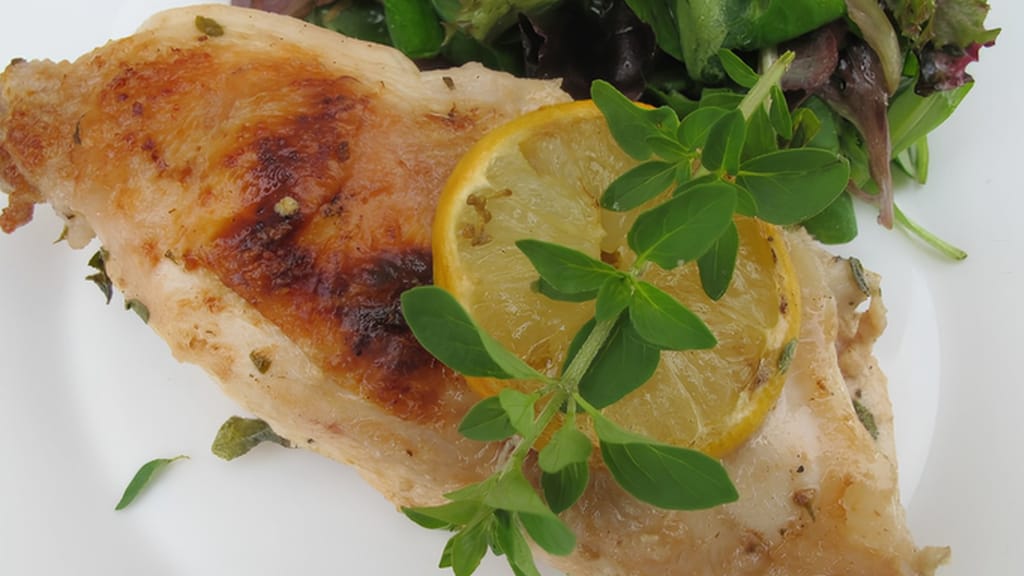
Chicken with lemon and oregano
Chicken with lemon and oregano: zest in the marinade
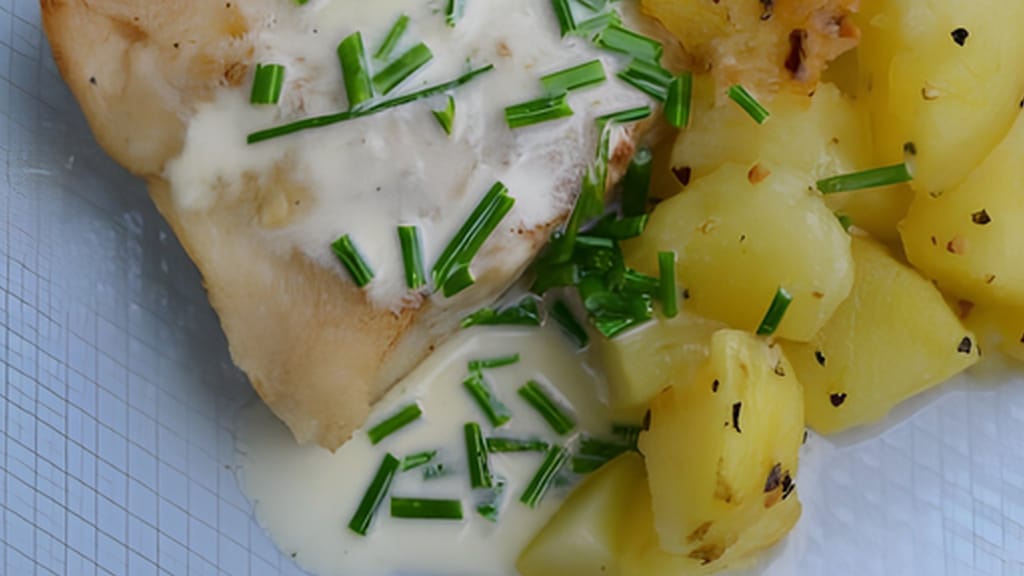
Cod with a delicate lemon-chive sauce
Cod in a delicate lemon and chive sauce
A teaspoon of grated zest in the batter can work wonders on a plain Bundt cake or a batch of biscuits. Rub the zest into the sugar with your fingers before adding it to the batter – this releases the oils and spreads the aroma evenly. It's lovely in creams, cheesecake fillings and icings, where it cuts through the sweetness and adds freshness. Our own lemon Bundt cake recipe is still on the way; until then, try the same trick on its orange cousin.

Easter judas buns with honey and lemon zest
Easter honey buns with lemon zest

Pistachio cupcakes with lemon curd and mascarpone cream
Pistachio cupcakes with lemon curd and mascarpone frosting

Orange bundt cake with almonds, cinnamon and cardamom
Orange Bundt cake: a citrus classic you can perfume with lemon zest too

Fresh zest has a more intense aroma and works best where you want that flavour to really shine – in creams, marinades and light, airy batters. Dried zest is handy for dry spice mixes, seasoning blends and teas, and stores brilliantly. It's more concentrated, so use about a third of the amount you would with fresh.
Lemon zest is the most nutrient-dense part of the lemon. Available analyses show it contains more vitamin C than the flesh or juice alone, plus fibre (pectin), flavonoids and the essential oil d-limonene, all of which act as antioxidants.
Vitamin C and flavonoids support immunity and help the body deal with free radicals; some studies suggest d-limonene may also influence digestion and metabolism, though human evidence isn't conclusive yet. Pectin is a soluble fibre that supports digestion.
Think of it as a nice bonus rather than a remedy – zest is used in cooking in small amounts.
Dried zest is more concentrated, so use about a third of the amount – roughly 1 teaspoon of dried zest is equivalent to the zest of one lemon (about 1 tablespoon fresh). Add dried zest a bit earlier too, so it has time to release its aroma into the dish.
Yes, lime and orange zest are grated and used the same way. Lime is sharper and more bitter, orange sweeter and milder, so expect a shift in flavour – use slightly less lime. Avoid the white pith on any citrus.
Zest first, then squeeze. Once a lemon is cut and juiced, it's much harder to zest, whereas a whole fruit zests easily. Dry or freeze any zest you won't use right away.
Wash waxed peel thoroughly before zesting – soak the lemon for 10–15 minutes in a vinegar-and-water solution (1:3) or a baking soda solution, then rinse and dry. If you eat zest regularly or raw, it's best to buy unwaxed, unsprayed organic lemons.
No, freshly grated zest goes straight into batters, creams and sauces. Blanching (pouring boiling water over it 2–3 times) is only needed for candying, where you need to remove bitterness from the strips.
One recipe worth heating the oven for, one tip, and one deal from the shop. Nothing else.