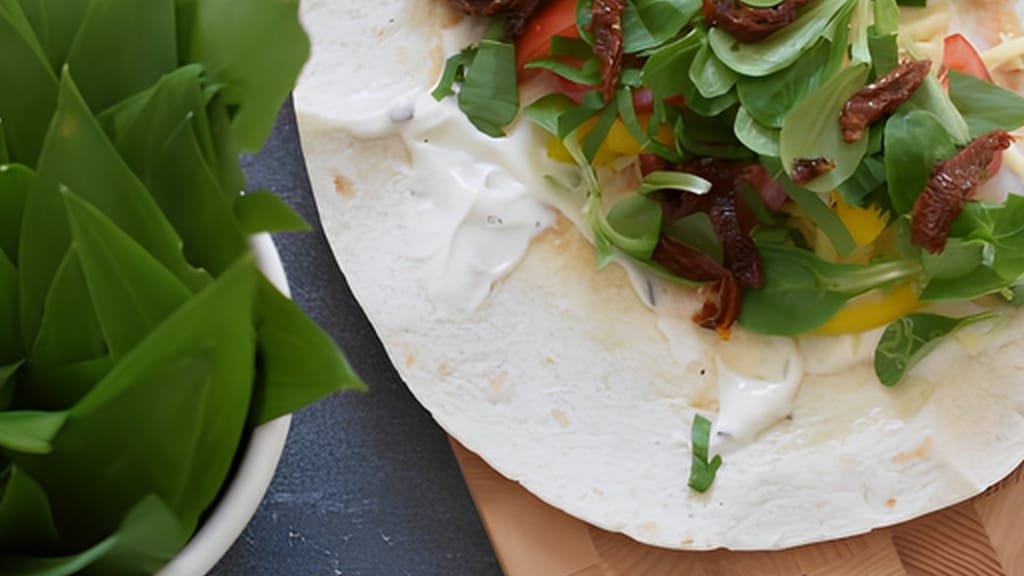
Grilled chicken tortillas with wild garlic
What to Eat on a Road Trip: Filling Food Without Crumbs or Mess

Updated Jul 18, 2026
The best road trip food is one you can eat with one hand — no crumbling, no dripping: a wrap rolled tight in foil, a salad in a jar, a granola bar, or chopped veggies with hummus. In this article you'll find concrete food ideas, ready-made recipes from Yumsto, and tips on packing everything so it stays fresh without leaving crumbs or grease stains on your seats. We've also got a special section on kid-friendly snacks and keeping your car clean.
The best road trip food is something you can eat with one hand, that holds together and doesn't drip: wraps rolled tightly in foil, mayo-free sandwiches, salads in a jar, savory muffins, granola bars, dried fruit, nuts, and chopped vegetables with hummus. The common thread is simplicity — the fewer sauces, crumbs, and loose pieces, the better.
Why does this matter? Dealing with crumbs stuck in the seat crack or a grease stain on the steering wheel isn't fun for anyone, but it's about more than comfort. Eating while driving is just as distracting as using a phone: according to the European Transport Safety Council (ETSC), more than 60% of drivers have eaten while driving in the past year, and according to Czech statistics, inattention is behind roughly a quarter of fatal accidents. Light, compact food reduces this risk — you don't need to take your eyes or both hands off the road for it.
Seasonal baking plans, tested recipes and kitchen tricks that save you time. Unsubscribe in one click.
The best travel food has three qualities: it holds its shape, doesn't leak juice, and still tastes good hours later without a fridge. Here are tried-and-true options and ready-made recipes you can count on.
A wrap is perfect for the car because the filling stays sealed inside the tortilla and doesn't go anywhere. The trick is in the ratio and the wrapping: fill it with grilled chicken, crunchy bell pepper, and cucumber, but only lightly spread the dressing on the tortilla so it doesn't get soggy. Roll it tightly, tuck in the end, and wrap it in foil — then just peel back the foil bit by bit as you eat, so it stays together and your hands stay clean.
Skip tomato and seeded cucumber if you're packing the wrap more than a couple of hours ahead — their juice is exactly what soaks through the tortilla. Drier fillings (cheese, leafy greens, sautéed meat) stay fresh the longest.
Grilled chicken tortillas with wild garlic
Grilled chicken tortilla wrap — a filling handheld wrap, perfect for road trips
A sandwich holds up on the road when you skip the mayo and watery ingredients. Spread whole-grain bread with butter or pesto (the fat protects the bread from getting soggy), add slices of cheese — cheddar or gouda hold their shape better than soft cheeses — and fresh arugula. Wrap the sandwich tightly in wax paper or foil, and pack it on top in your bag so nothing squashes it.
Want something warm, mess-free, and safe to eat on the go? Savory cheese-and-vegetable muffins are eaten with one hand, don't crumble like flaky pastries, and can be baked a day ahead.
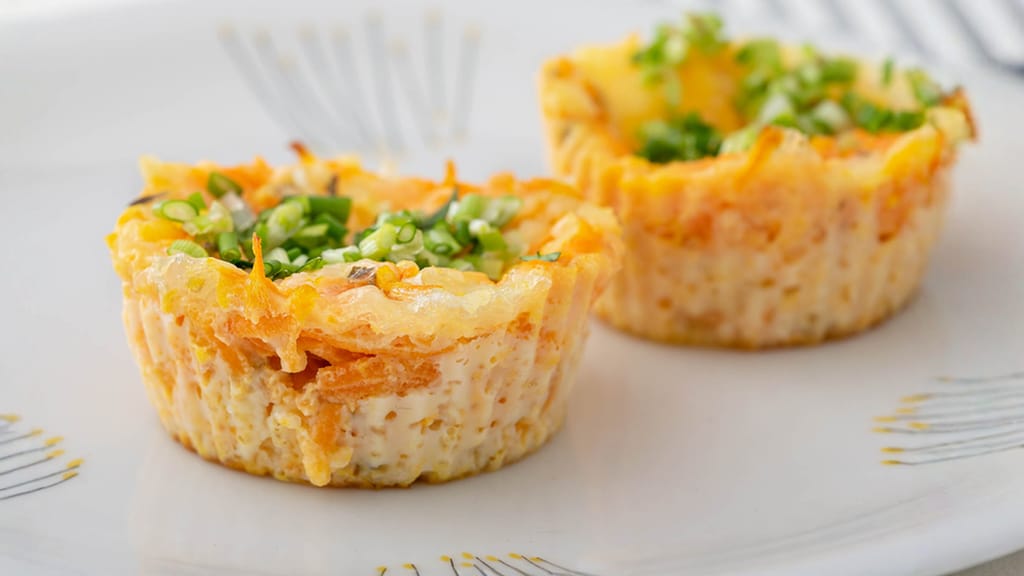
Veggie & cheese muffins
Vegetable and cheese muffins — a savory handheld snack that won't crumble in the car
A jar salad won't get soggy or wilt in the car because you layer it from the bottom up by sturdiness: dressing right at the bottom, then hard vegetables (carrot, bell pepper), then legumes or pasta, softer ingredients like tomato, and leafy greens right on top so they never touch the dressing. Eat it straight from the jar, or shake it and tip it onto a plate just before eating.
A hearty salad with legumes works better for travel than a purely leafy one — lentils stay crunchy even after a day in the fridge and keep you full for hours. For a sweet option, fruit in a jar makes a light dessert.
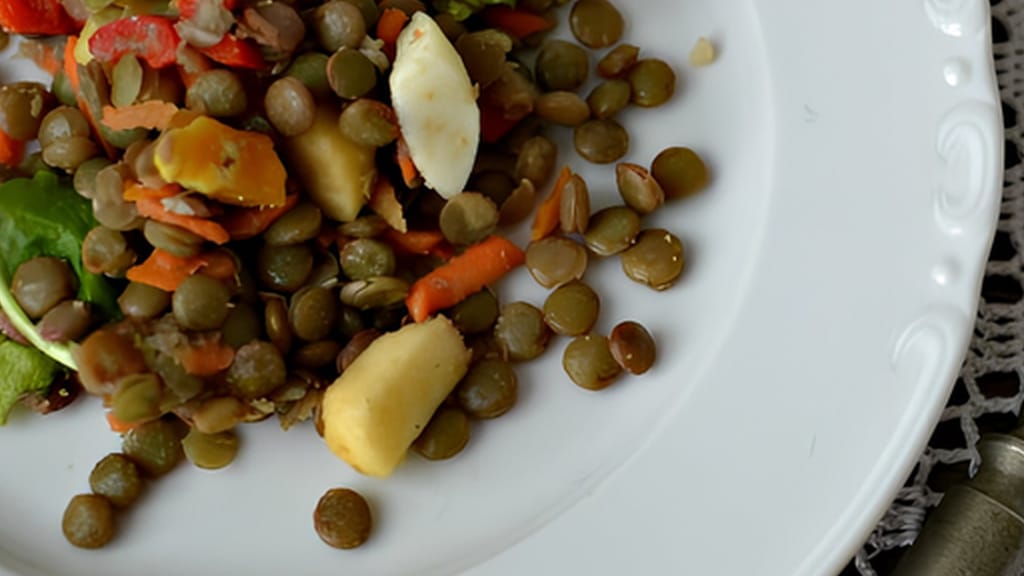
Lentil salad
Lentil salad — a filling jar salad that stays fresh on the road
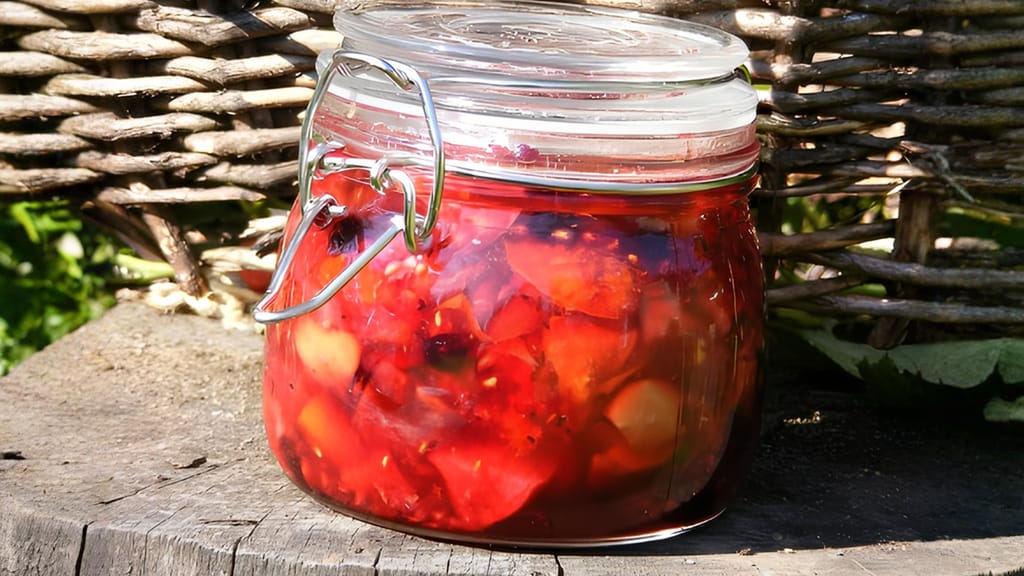
Summer fruit in a jar
Summer fruit in a jar — a refreshing, mess-free dessert for travel
Store-bought cereal bars are convenient, but homemade granola bars let you control the sweetness and portion size exactly, and they tend to be less sugary. They're compact, eaten with one hand, and crumble far less than cookies. Round them out with dried fruit — apricots, cranberries — and a handful of nuts for an energy boost without sticky fingers.
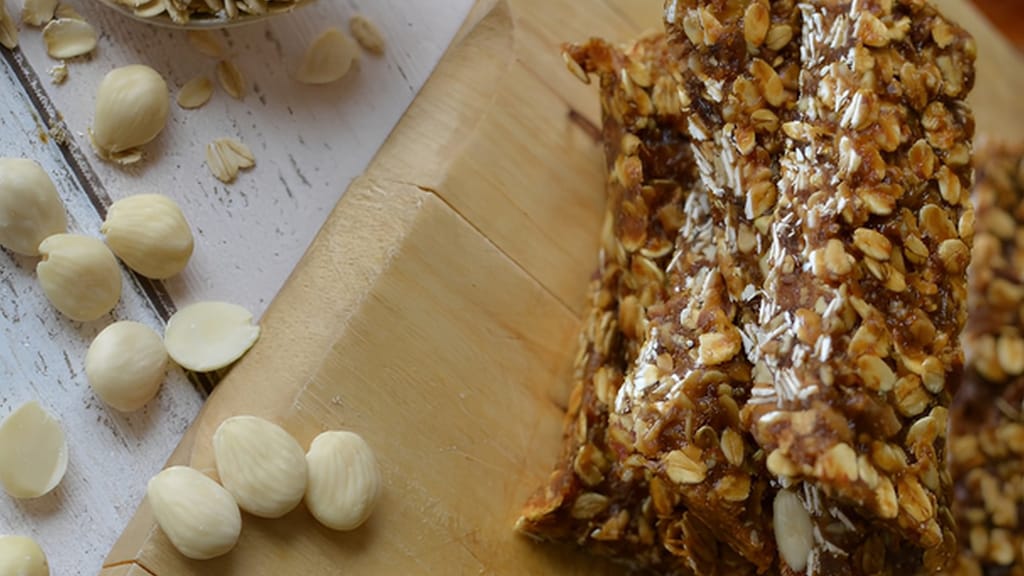
Homemade almond muesli bars
Homemade almond granola bars — a handheld energy snack for long drives
Pack car food in sealable containers and keep it below 5°C (41°F) — otherwise it enters the "danger zone" between 5°C and 60°C (41–140°F), where, according to the USDA, bacteria multiply fastest. A handy rule: perishable food (meat, eggs, mayonnaise, cut fruit) shouldn't sit out of the cold for more than 2 hours, and in hot weather above 30°C (86°F), just one hour.
Good packing comes down to three things: the right containers, keeping the temperature steady, and minimizing mess.
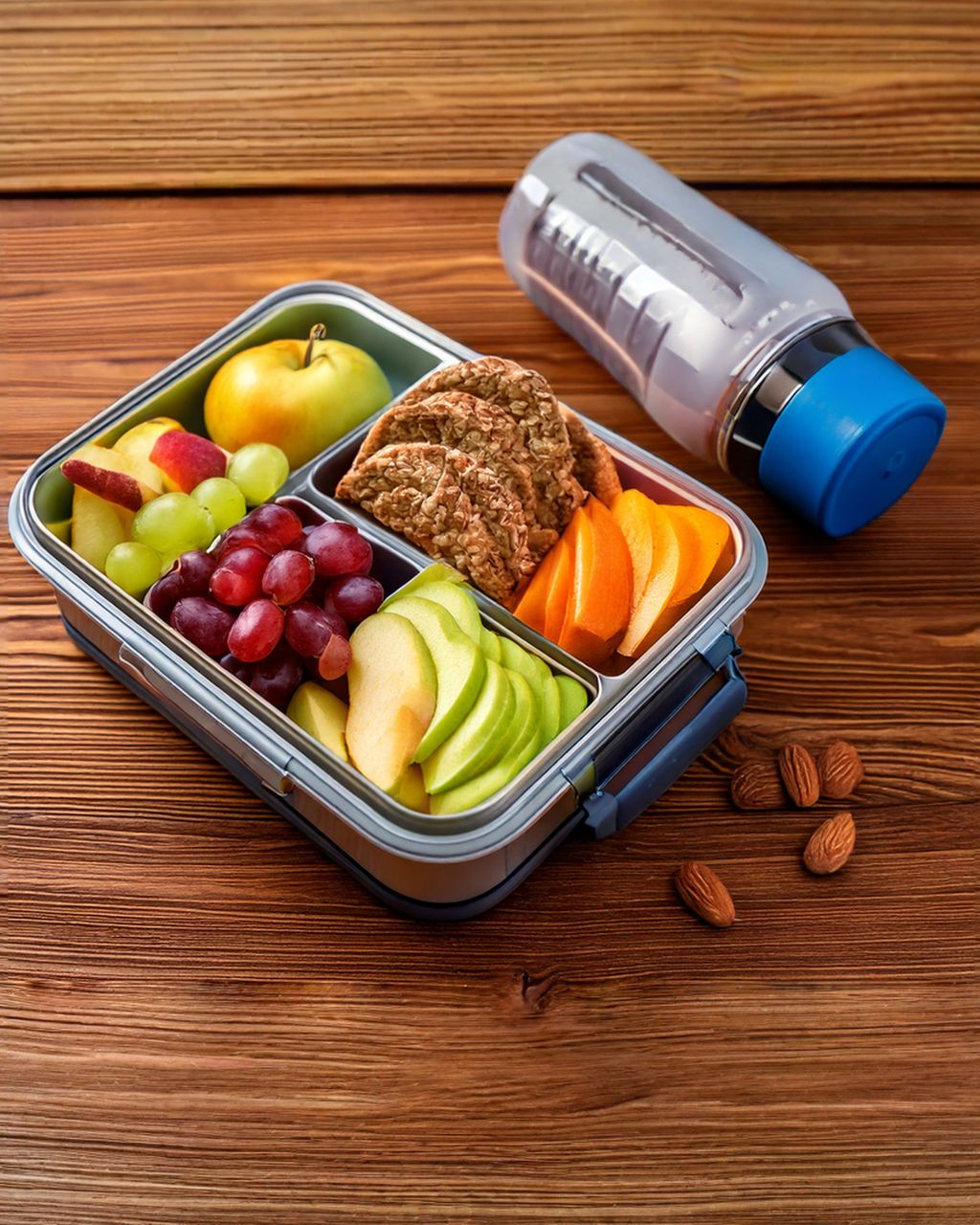
The basics are sturdy, sealable containers in a few sizes — smaller ones for sides and salads, bigger ones for main dishes. Loose snacks that tend to crumble in a bag are best kept in resealable pouches.
Foil keeps wraps and sandwiches warm and holds their shape.
Wax paper is eco-friendly and keeps baked goods from getting sweaty.
Glass jars with screw-on lids are best for layered salads.
A thermos keeps soup or tea warm for hours.
Keep cold food in a cooler bag with ice packs, and hot food in a thermos — never both together. A full cooler bag holds its temperature longer than a half-empty one, so fill any gaps with chilled drinks or an extra ice pack. Keep the cooler bag out of direct sun and off a hot dashboard; the coolest spot in the car is usually down by the floor in the back.
Separate different foods in a container with paper towels — flavors won't mix and juices won't run together. Always keep wet wipes or hand sanitizer in the car, along with a few empty bags for trash, so crumbs and wrappers don't pile up on the seats. Smaller portions in several containers spill less than one big one.
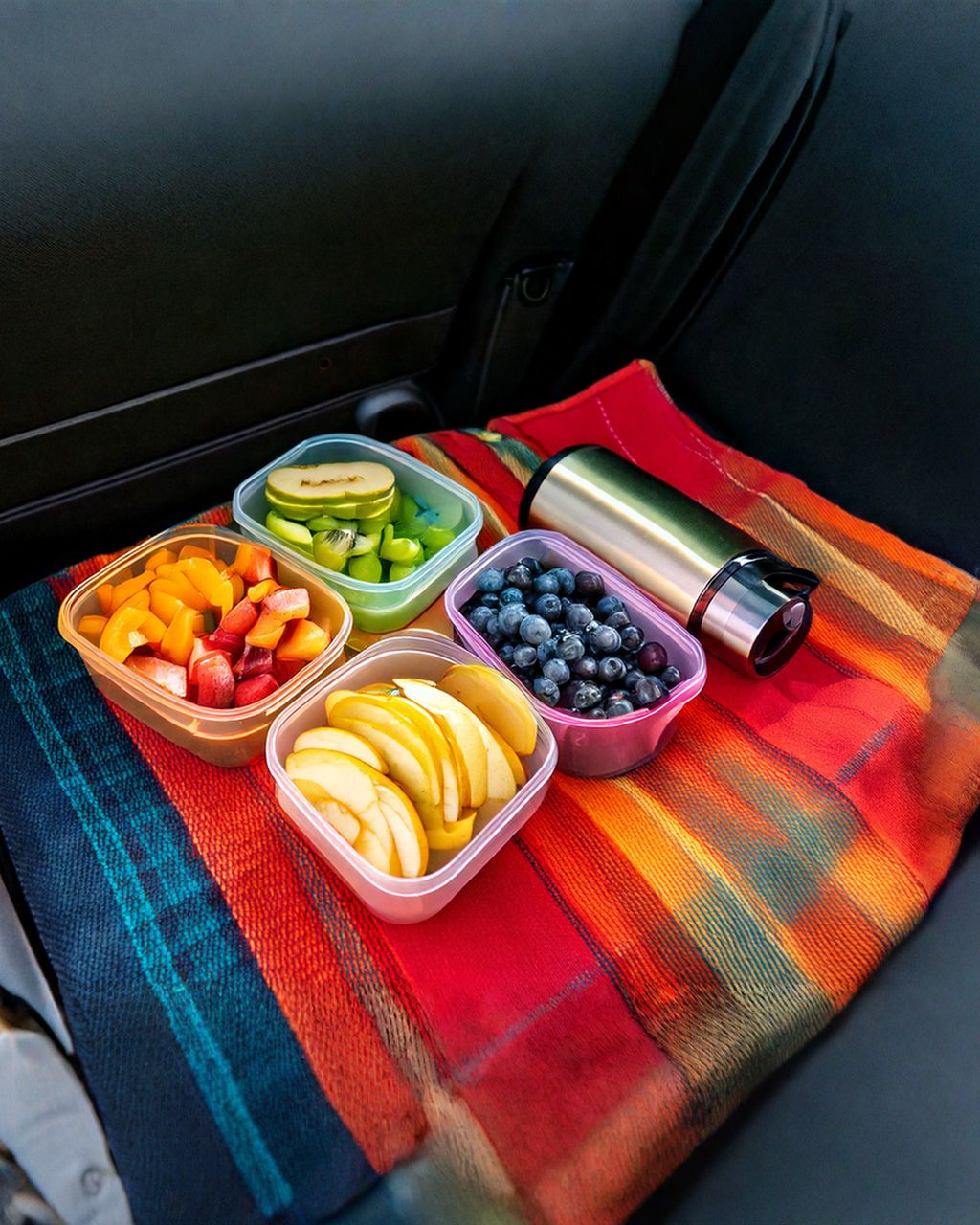
For kids, colorful, bite-sized snacks work best — ones that won't crumble or get greasy: fruit skewers, mini cheeses, a mild nut mix, carrots with hummus, and banana bread. Smaller portions handed out gradually also keep them entertained longer than one big box all at once.
When it comes to car-sickness, go for lighter, less greasy snacks and split them into smaller portions — heavy, fatty food makes motion sickness worse in kids.
Fruit skewers take just a few minutes: pick seedless, peeled fruit — melon, grapes, banana chunks — and thread it onto short skewers with blunted tips. Kids love them for the colors, and they're easy to hold without getting sticky fingers. Pair them with individually portioned mini cheeses for protein — they'll keep kids full longer than fruit alone on a long drive.
Make a kid-friendly nut mix with softer nuts — cashews, sliced almonds — plus raisins or cranberries for sweetness; avoid hard, whole nuts for younger kids because of the choking risk. A crunchy alternative is sliced carrot or bell pepper with hummus in a small container: the vegetables won't crumble, and hummus is easy to scoop even on the move.
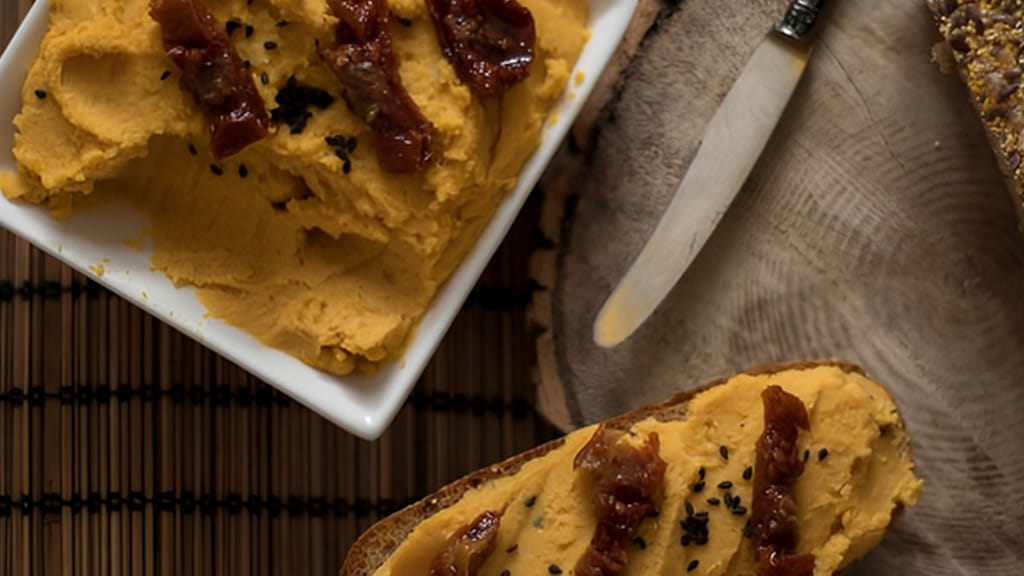
Carrot hummus
Carrot hummus — a dip for chopped vegetables, a practical road trip snack for kids
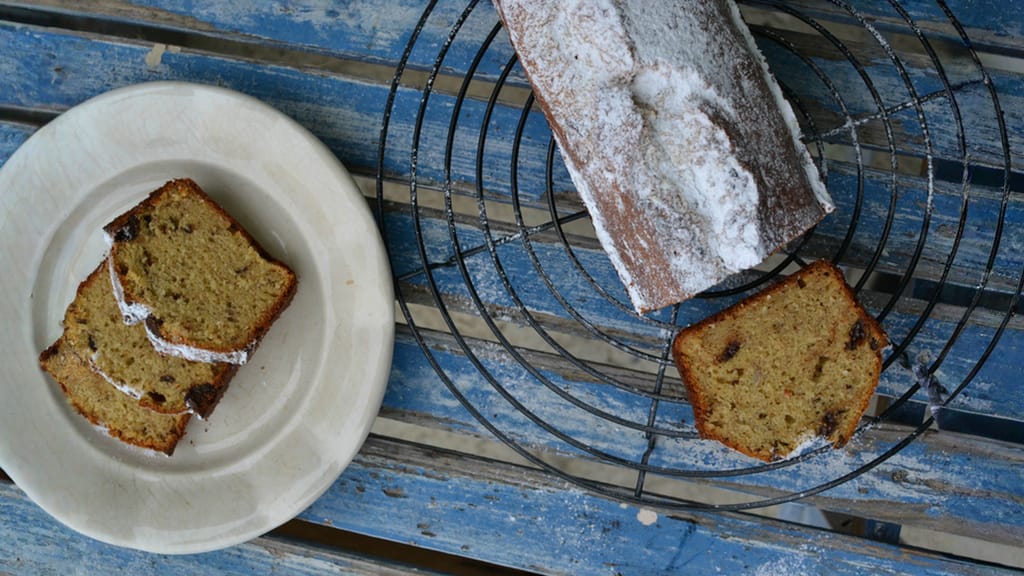
Banana bread
Banana bread — a soft handheld snack that won't crumble in the car
You can keep your car clean with a few handy tools and a quick tidy-up after every stop. The biggest time-saver is giving food and drinks a fixed spot in the car.
Cup holders are your first line of defense against spills — adjustable ones hold cups and bottles firmly in place.
Backseat organizers keep snacks, napkins, and bottles out of the driver's reach but still within easy reach for kids in the back.
Seat covers and mats protect the upholstery from stains and are easy to clean after the trip.
A quick clean-up after each stop — vacuuming crumbs, wiping up spills — stops small messes from turning into stuck-on stains.
Perishable food (meat, eggs, mayonnaise, cut fruit and vegetables) stays safe in a cooler bag for about 2 hours if you keep the inside below 5°C (41°F); in hot weather above 30°C (86°F), only about an hour. A full cooler bag with plenty of ice packs stays cold longer than a half-empty one, so keep it out of the sun and fill any gaps with chilled drinks.
Eating behind the wheel isn't explicitly banned in the Czech Republic, but the driver must always keep full control of the vehicle. If food is proven to distract you or makes you lose control, you can be fined for not paying attention to the road, and after an accident your insurer may reduce your payout. The safest option is always to eat during a stop.
Without refrigeration, stick to shelf-stable snacks that don't need a fridge: granola and nut bars, dried fruit, nuts, banana bread, whole-grain bread with a hard cheese, or savory muffins. Avoid mayonnaise, raw meat, and cut fruit, which spoil quickly without cooling.
Give kids smaller portions of light, less greasy snacks, and offer them gradually rather than all at once. Heavy, fatty, or overly sweet food makes motion sickness worse, while dry snacks like a bar, a cracker, or a piece of bread, along with plenty to drink, help calm it. A break for fresh air helps too.
Yes, you can easily prep a jar salad a day or two ahead if you layer it correctly: dressing at the very bottom, then hard vegetables and legumes, softer ingredients in the middle, and leafy greens on top where they won't touch the dressing. Seal the jar tightly with its lid, keep it in the fridge, and shake it just before eating.
One recipe worth heating the oven for, one tip, and one deal from the shop. Nothing else.