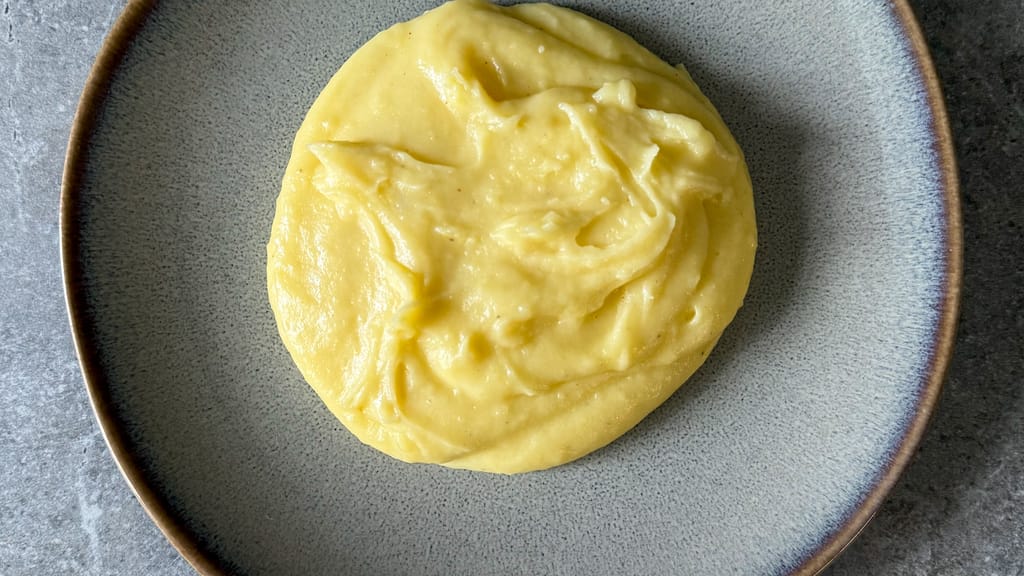
Silky smooth creamy mashed potatoes with nutmeg
How to Store Potatoes So They Last Until Spring
Updated Sep 25, 2026
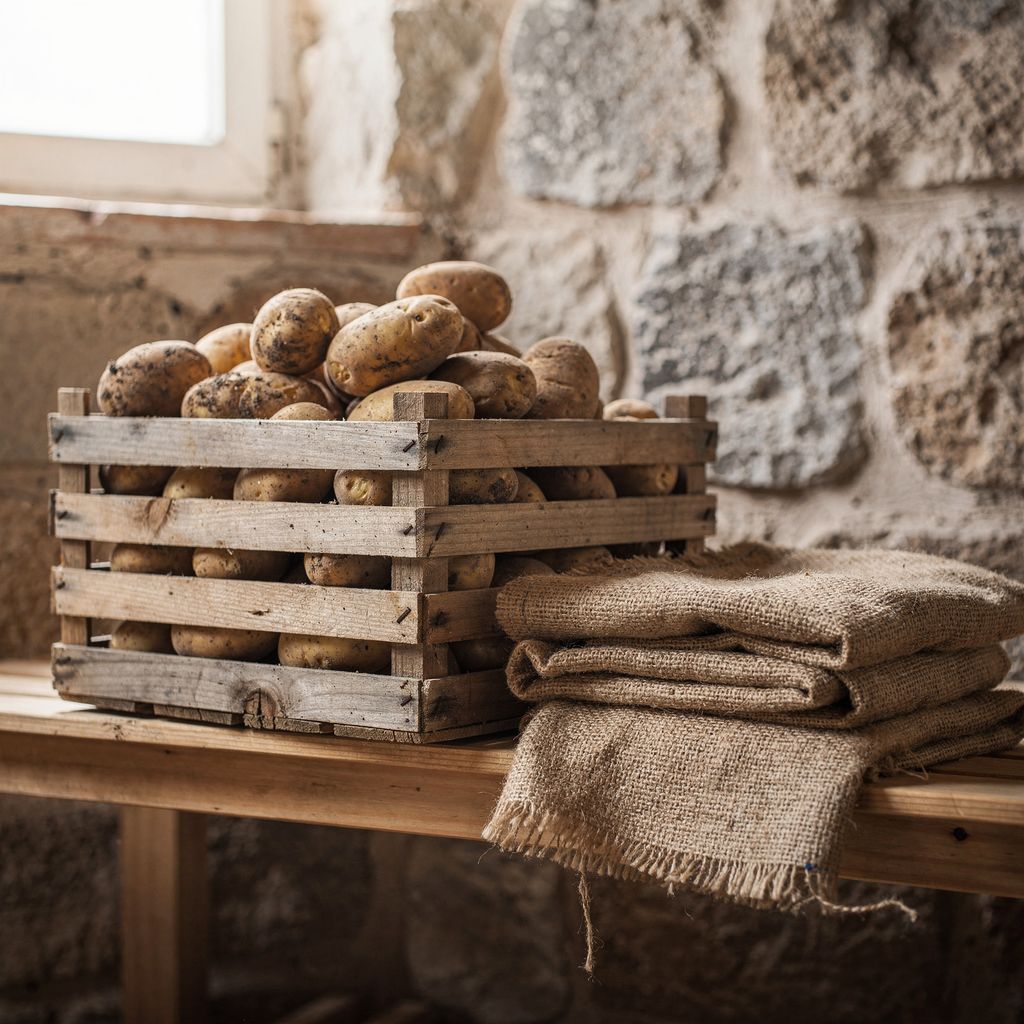
If you want to store potatoes all the way through to spring, they need three things: darkness, a temperature of 4–8°C (39–46°F), and humid air around 85–95%. They're happiest in a cellar, in a slatted wooden crate or a paper or jute sack. Warmth makes them sprout, cold below 4°C makes them turn sweet, and light turns them green. Below you'll find how to prep potatoes for winter storage, where to keep them if you don't have a cellar, and how to tell which ones belong straight in the compost bin.
Store potatoes at 4–8°C, ideally around 6°C. Within this range, the tuber "sleeps": it breathes slowly, doesn't sprout and doesn't lose moisture. Late-season varieties will keep for 4–6 months, so roughly from October through to March or April.
What happens outside this range:
Above 8°C, the potato wakes up. According to Oregon State University, above 8°C storage life drops to just 2–3 months, and potatoes start sprouting and shrivelling. At room temperature (20–22°C) in a flat, expect them to stay in good condition for only 1–3 weeks.
Below 4°C, some of the starch converts into sugars — known as cold sweetening. The potatoes then taste sweetish and turn dark quickly when fried or roasted.
Around 0°C and below, the tuber freezes. The cells rupture, and once thawed the potato turns glassy and wet and rots quickly.
Just as important is 85–95% humidity. In dry air, potatoes shrivel and go soft; in damp conditions (condensation on the skin), they rot. And whatever else, keep them in the dark: light triggers a green pigment in the skin, along with bitter glycoalkaloids.
Choose late-season varieties, don't wash them, sort through them, let them dry out for 1–2 weeks at 12–15°C in the dark, and only then move them to 4–8°C. During those 1–2 weeks, small cuts and bruises heal over and the skin toughens up. This is done deliberately in mild warmth, because in the cold, wounds heal much more slowly — and it's through those wounds that rot gets into the tuber.
Choose storage varieties. For winter, go for late-season potatoes with a firm, thicker skin. Early potatoes with thin skins won't last until spring. Keep those cool (6–8°C) and use them within 1–2 weeks.
Don't wash them. Dried-on soil protects the skin; a wet potato rots. Only wash what you're about to cook.
Sort through them. Set aside any cut or bruised ones and cook them within the next few days. Bin any potato with a soft, wet or smelly patch entirely — rot goes deeper than it looks and spreads to neighbouring tubers in storage.
Let them dry out. Spread them in a single layer on newspaper or a slatted tray, in the dark, at 12–15°C, for 1–2 weeks.
Move them somewhere cool. Only then should they go into the cellar or another spot at 4–8°C.
Potatoes store best in a slatted wooden crate, or a jute or paper sack — something that breathes and blocks out light. A plastic bag is the worst option: moisture from the breathing tubers condenses inside it, and the potatoes rot from within the bag.
Don't pile them too high. The bottom layers get crushed under the weight and don't get enough airflow. Several shallower crates work better than one deep one.
Keep them off the wall and off the floor, for example on a pallet or slats. Cold walls and floors are exactly where condensation forms.
Cover them with jute, paper or an old blanket if any light gets into the room.
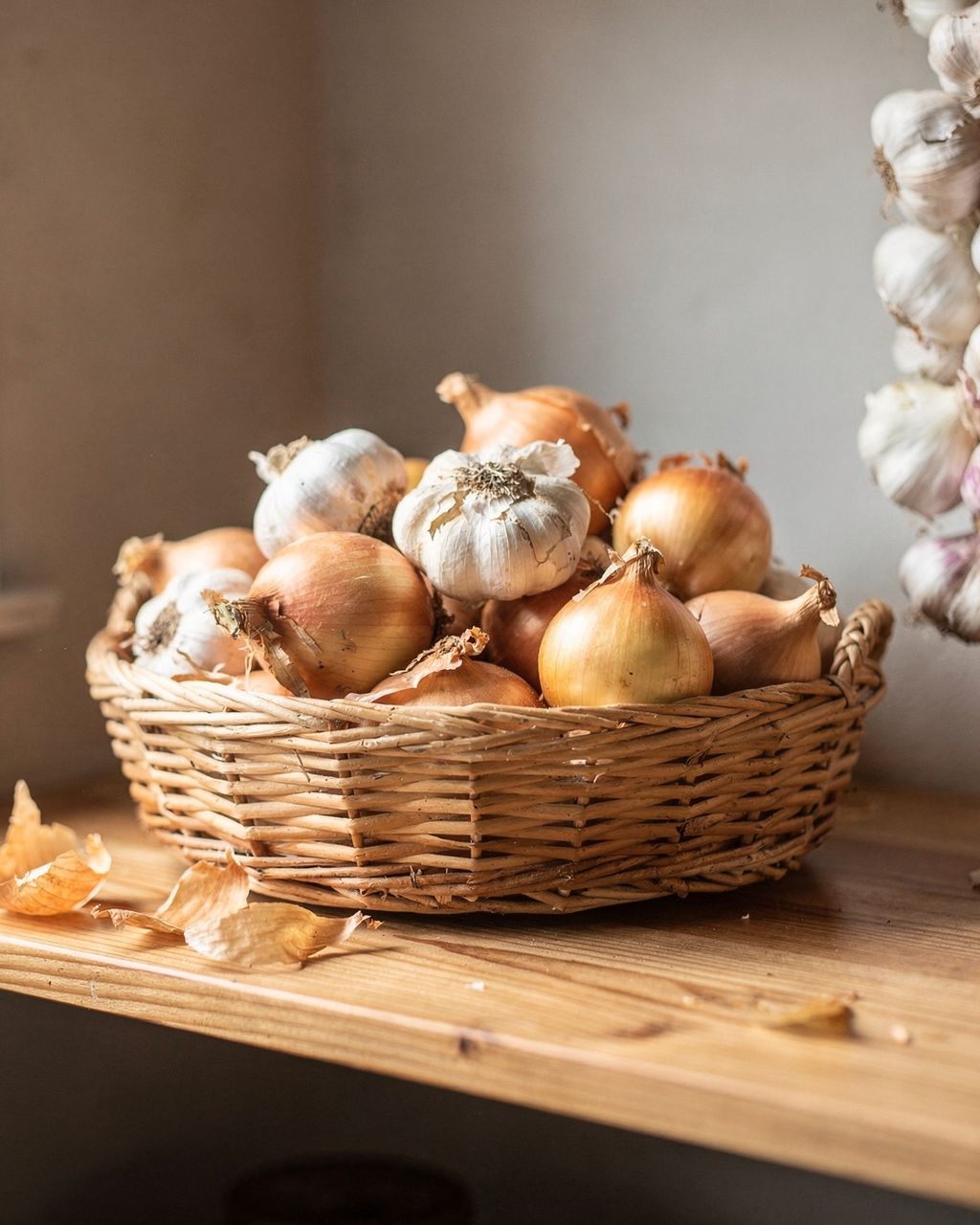
Don't store them next to onions. Onions need dry air, potatoes need humid air, so one of the two always suffers.
Don't store them next to apples. Apples need different conditions, and the two can pass smells and moisture to each other. Keep them in a different room, or at least at opposite ends of the cellar.
Sort through them every 2 weeks. A single rotting potato can spoil a whole crate within a few weeks. Checking also lets you catch it early if the stock is starting to wake up and sprout.
Without a cellar, look for the coldest dark spot where the temperature stays between 4 and 8°C. A cheap min/max thermometer will tell you more in a week than any guess. If the temperature dips to 2–4°C for a few days, the potatoes will survive, but it's only a short-term compromise: they'll turn sweeter and darken when fried.
An unheated pantry or larder. Ideal, as long as it stays below 8°C through winter.
A cellar storeroom in a block of flats, or an insulated garage. Watch that it doesn't drop below 4°C during hard frosts — and definitely not down to freezing.
A balcony, in an insulated box. Line the box with polystyrene or blankets and monitor the temperature inside. Once it drops to around 4°C, move the potatoes indoors.
A flat at 20–22°C. You won't keep potatoes here through winter. Buy smaller batches every 2–3 weeks and keep them in the coldest, darkest cupboard you have, well away from the heating, oven and dishwasher.
Raw potatoes can go in the fridge for a few days, but not for winter storage: fridges run at 2–5°C, below the 4°C threshold where potatoes start to turn sweet. The UK's Food Standards Agency (FSA) updated its guidance in 2022, saying that newer data shows fridge storage doesn't significantly raise acrylamide risk after all. Taste and colour still suffer, though: potatoes from the fridge tend to taste sweetish and brown quickly when fried or roasted.
If your potatoes have been in the fridge and you're about to fry or roast them, let them sit for 1–2 weeks at 15–20°C in the dark first. Over that time, some of the sugars convert back into starch. For boiling or mash, it matters much less.
If you do put them in the fridge, use a paper bag, not a plastic one. Otherwise moisture condenses in the salad drawer.
Potatoes sprout because the tuber's natural dormancy ends after a few weeks to a few months after harvest, and warmth and light then wake it up. You can't stop sprouting entirely, but you can delay it significantly:
Keep the temperature at 4–8°C. Cold is the strongest brake on sprouting.
Total darkness. Light speeds up sprouting and turns potatoes green.
Snap off short sprouts as soon as they appear. Sprouts draw water and nutrients from the tuber, so removing them keeps the potato firm for longer. New ones will grow back, though, so it's only a delaying tactic.
Bin whole any potatoes that are rotting, mouldy, smelly, or soft and oozing. The same goes for potatoes that are green over a large area, taste bitter, or are shrivelled with long sprouts. There's no salvaging these.
Green colour on its own is just chlorophyll and is harmless. But it does mark the spot where light has caused solanine and other glycoalkaloids to build up. These are highest in the skin, the sprouts and the green parts, taste bitter, and in larger amounts can cause nausea, vomiting and diarrhoea. Cooking or roasting won't reliably get rid of them — normal kitchen temperatures only break them down partially. Some of the alkaloids leach into the cooking water, which is why Germany's BfR advises not reusing the water potatoes were boiled in, for example in a soup or sauce.
How to decide:
A firm potato with a small green patch: cut out the green patch and any eyes generously, and peel the potato. According to Germany's BfR, it's then fine to eat. Cut away short sprouts (up to about 1 cm) along with the surrounding flesh in the same way.
A heavily sprouted tuber, green over a large area, shrivelled and rubbery: throw it out.
Soft, oozing patches, mould, or a sweetish rotten smell: bin the whole potato, don't try to cut around it. And check its neighbours in the crate, since rot spreads from tuber to tuber.
In spring, go through your stock every week and use it up before it wakes up properly. In March and April, cellars warm up above 8–10°C, dormancy ends, and potatoes start sprouting and softening quickly.
Move the crates to the coldest spot you have, say near the floor or against a north-facing wall.
Snap off sprouts while they're still short.
Cook the ones that are still firm but starting to wrinkle first. Within a week they might no longer be fit to eat.
Throw out any that are shrivelled and rubbery with long sprouts, and anything that's gone soft or smells off. If you want to plant potatoes, set aside a few healthy, firm ones to sprout for that purpose — but keep those out of the kitchen.
Floury potatoes (cooking type C) are best for mash, potato pancakes and dumplings, while firm ones (type A) are better for salads — try a potato salad with green beans and smoked mackerel. For mash, go for a smooth, creamy nutmeg mashed potato, turn grated potatoes into traditional crispy potato pancakes, and when you need warming up, make a creamy milk-based potato soup. Large firm potatoes from your stock are perfect for baked potatoes with whipped herb curd cheese, and floury potatoes are also great for plum dumplings made from potato dough.
Boiled potatoes often leave leftover salad. You can read how long it keeps in our article on how long potato salad lasts in the fridge.
Silky smooth creamy mashed potatoes with nutmeg
Creamy nutmeg mashed potatoes
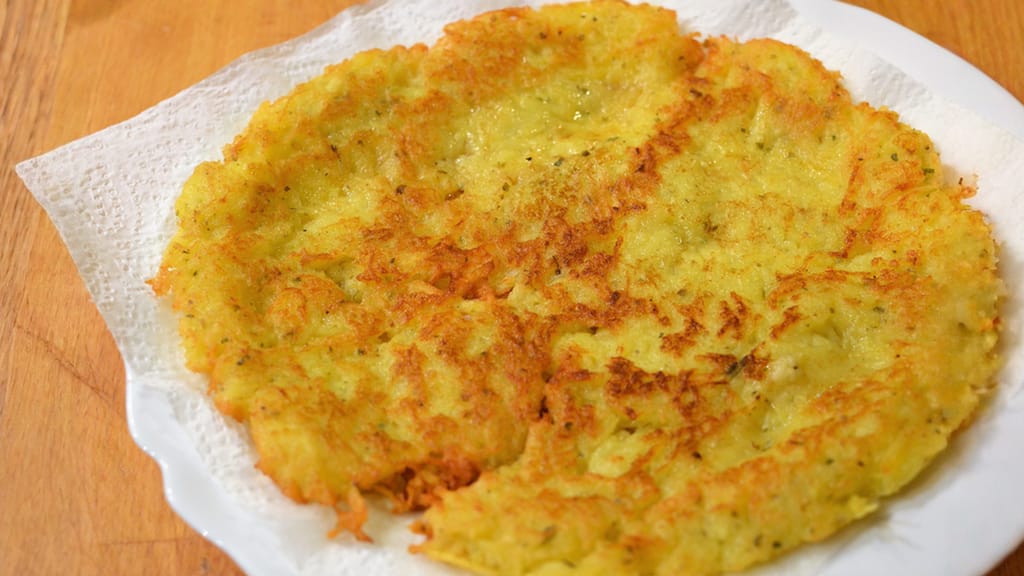
Traditional crispy garlic potato pancakes
Traditional crispy potato pancakes from your winter stock
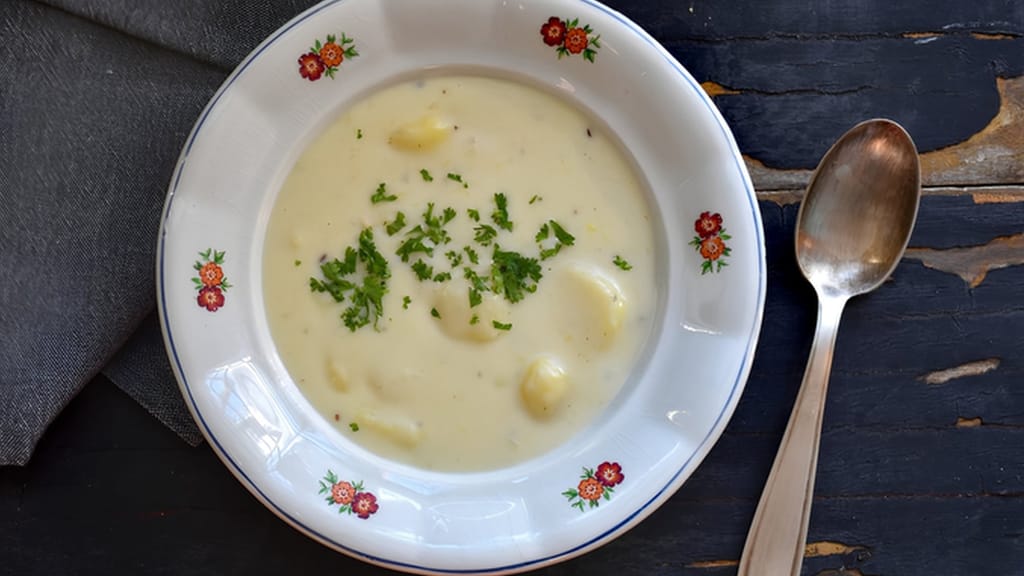
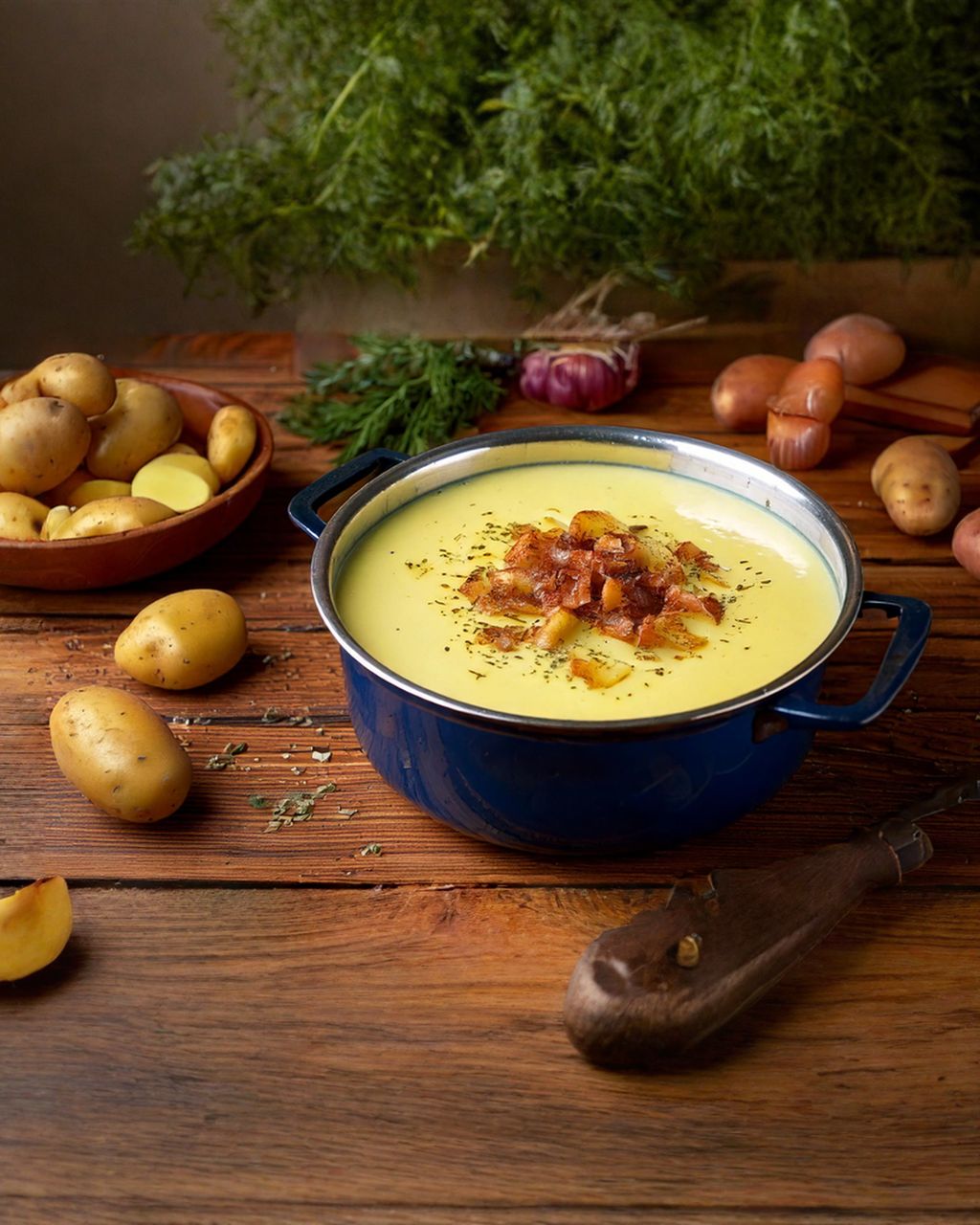
Creamy, comforting, wonderful: milky potato soup
Creamy milk-based potato soup from winter potatoes
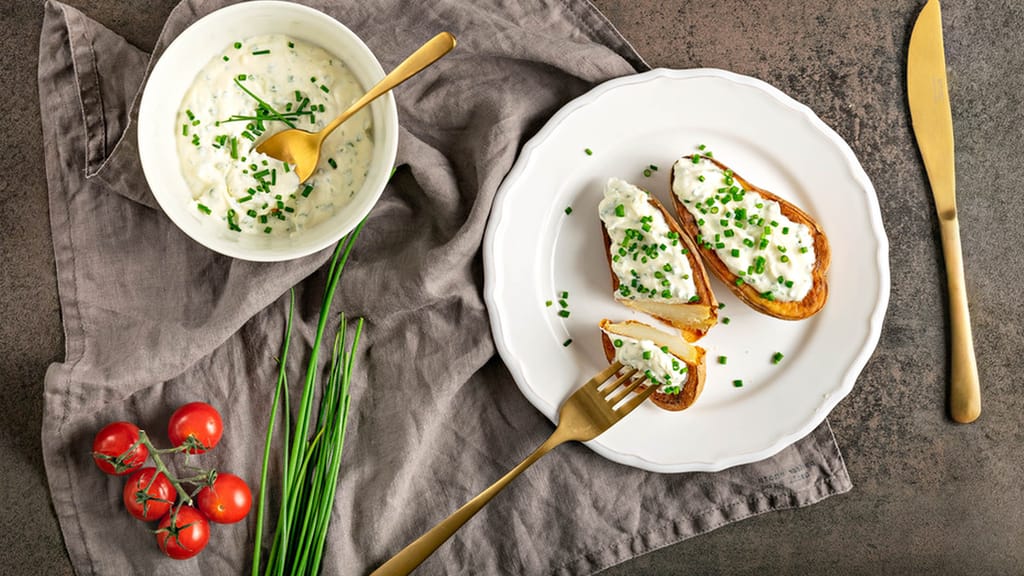
Baked potato with whipped herb curd cheese
Baked potatoes with whipped herb curd cheese
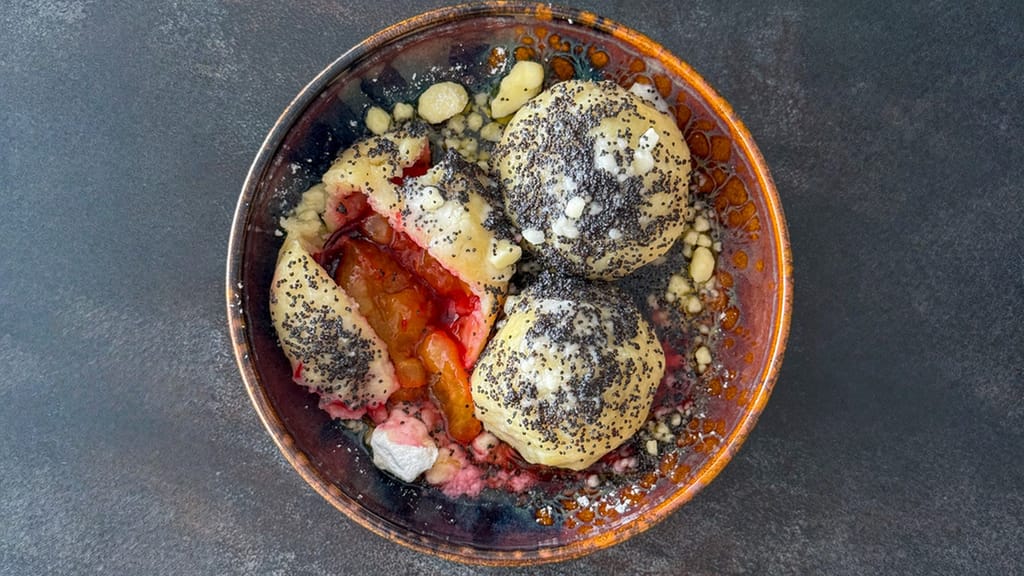
Plum dumplings with potato dough
Plum dumplings made from potato dough
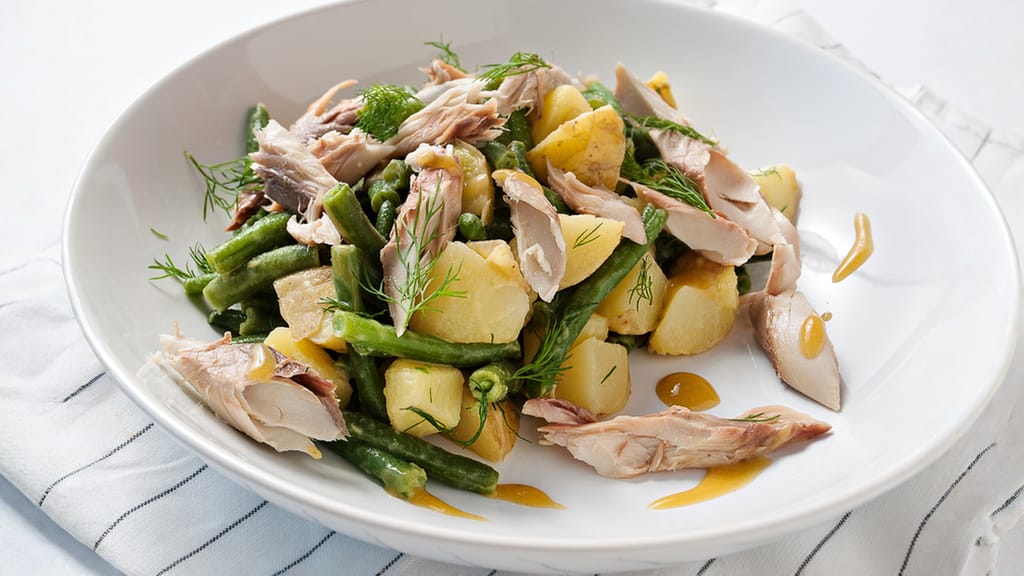
Potato salad with green beans and smoked mackerel
Potato salad with green beans and smoked mackerel, made from firm potatoes
Supermarket potatoes aren't really suited to storing for months, since they're usually washed, bagged in plastic, and have already spent a long time under shop lighting. They'll keep for weeks rather than months. For winter storage, buy unwashed late-season potatoes in a sack straight from a grower or at a market, and store them at 4–8°C in the dark.
A family of four needs roughly 100–200 kg (220–440 lb) of potatoes to get through winter (October–March, about 25 weeks). As a rough guide, allow 1–2 kg per person per week if potatoes are on the plate several times a week. Average consumption is around 1.3 kg per person per week. But only buy as much as you can actually store at 4–8°C. Without a cellar, it's better to buy smaller batches every 2–3 weeks.
Cooked potatoes keep in the fridge at up to 5°C for 3–4 days. Put them in the fridge in a sealed container no later than 2 hours after cooking, since bacteria multiply quickly in them at room temperature. If they smell off, feel slimy or start growing mould, throw them out.
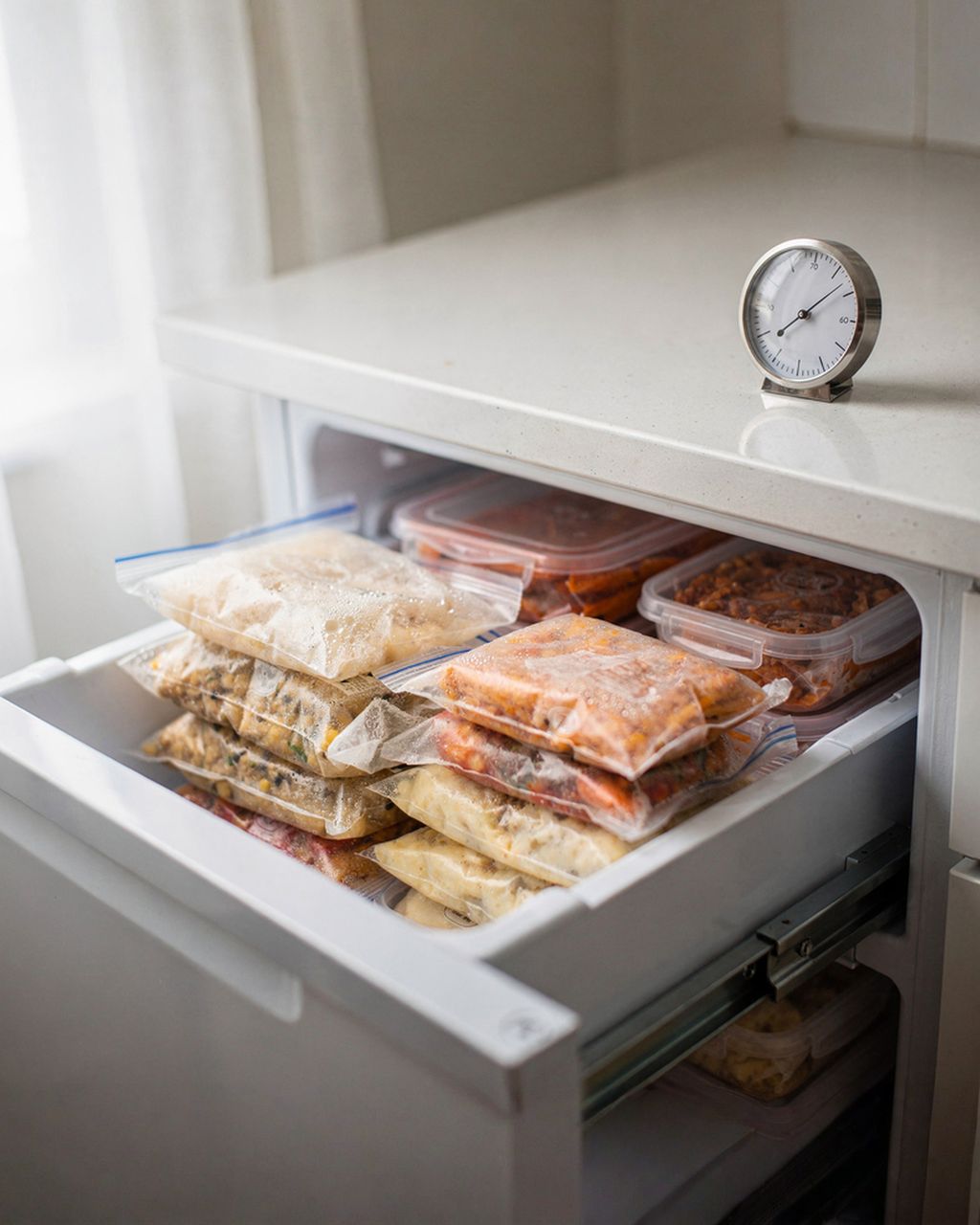
Freezing whole raw potatoes isn't worth it, since once thawed they turn watery, glassy and discoloured. Par-boiled or fully cooked potatoes freeze much better. For chips or diced potatoes, blanch them in boiling water for 2–3 minutes first, cool in cold water, pat dry, then freeze at −18°C. They'll keep for about 6–12 months this way; mashed potato keeps for around 3 months.
Throw away any potatoes that have gone soft, glassy or watery after thawing, since they rot quickly and will spread rot to the rest of your stock. Move any firm pieces the frost didn't damage to somewhere at 4–8°C, keep an eye on them for a few days, and use them first. Bin them the moment they start to soften or smell off.
One recipe worth heating the oven for, one tip, and one deal from the shop. Nothing else.