Gnocchi with butternut squash noodles, sage and italian salsiccia
Types of Squash and What to Make With Each: Soup, Roasting, Pickling
Updated Oct 6, 2026
Types of squash differ in the kitchen mainly by how much water, starch and fibre they contain – and that's what decides what each one is best used for. In short: **kabocha (Hokkaido)** for soup and roasting (no need to peel), **butternut** for smooth purées and creamy soups, **muscat pumpkin** for pickling and big batches, **spaghetti squash** as a pasta substitute, and **pattypan** sliced and breaded. A Halloween pumpkin is for carving, not for the pot. Below you'll find how to recognise each one, how to prepare it, and exactly how many minutes and degrees it needs.
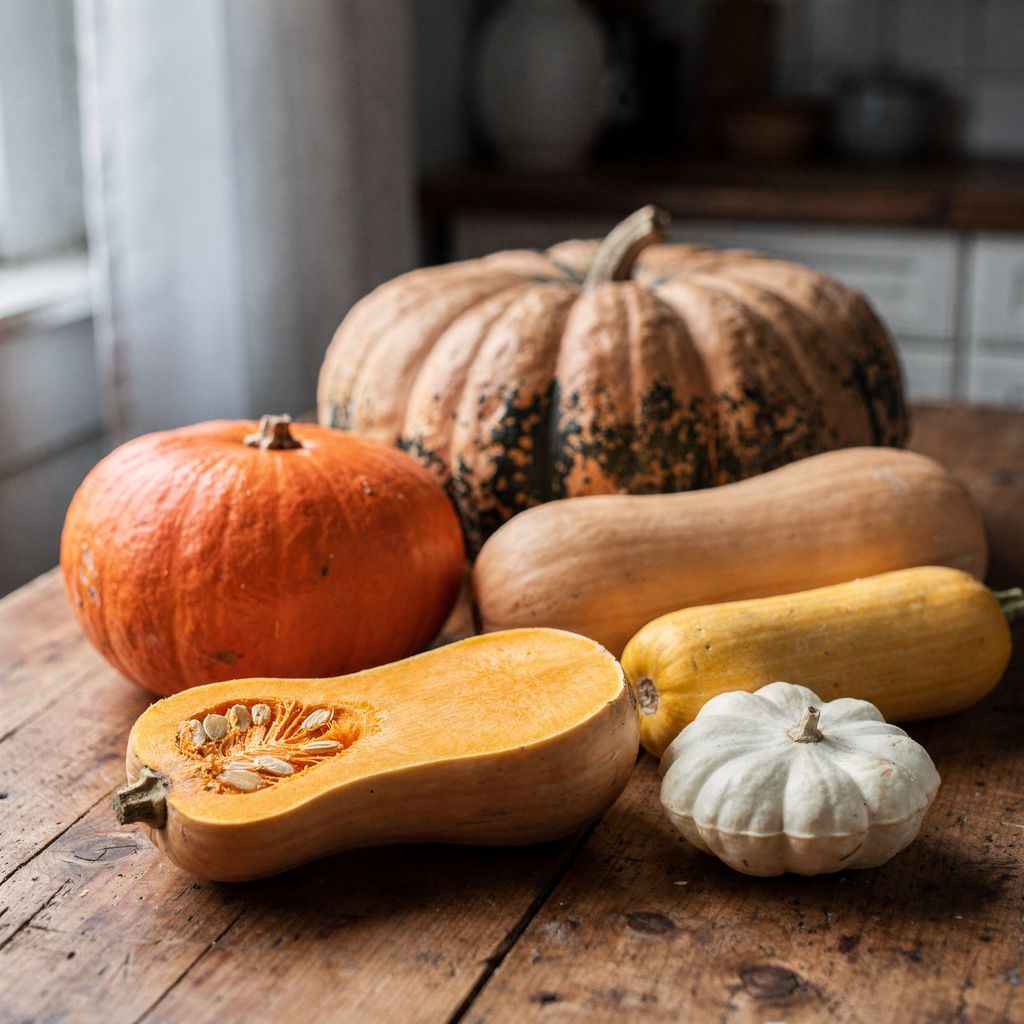
In Czech shops and gardens, you'll mostly come across six types of squash – and each one is best suited to something different:
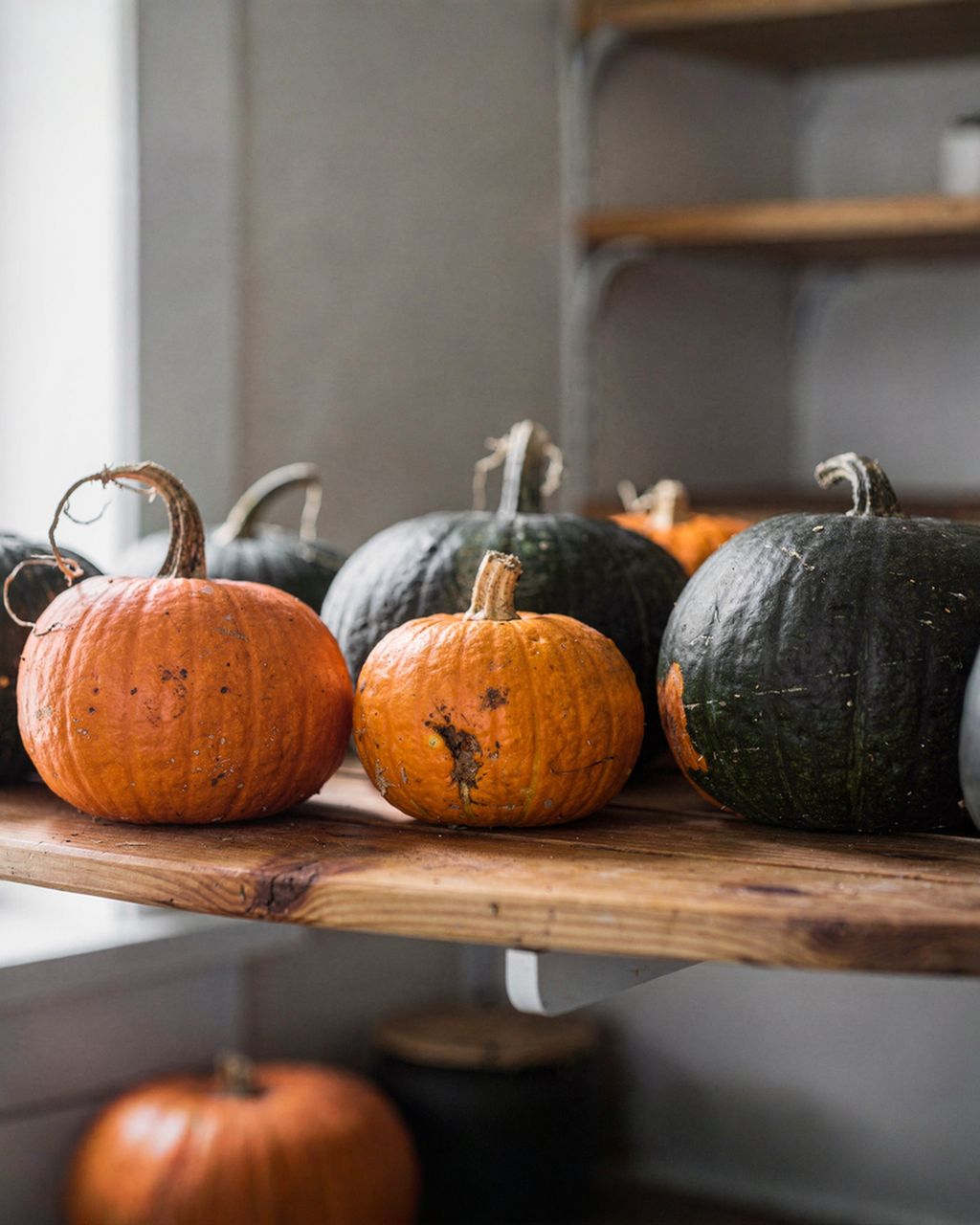
Kabocha (Hokkaido) – a small orange globe, 1–2.5 kg, with skin you don't need to peel. Great for soups, roasting, risotto.
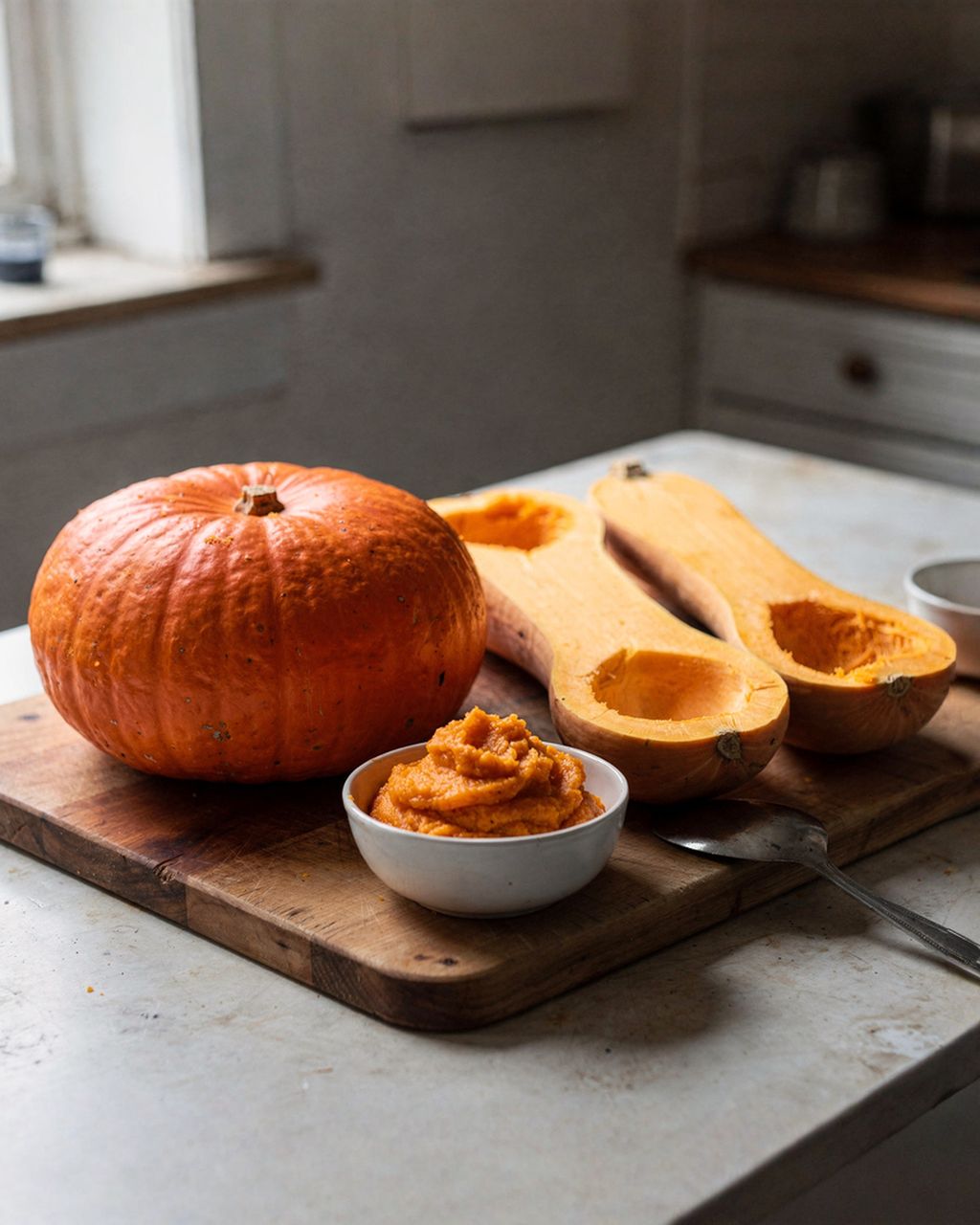
Butternut – a beige "pear," 1–2 kg, with smooth, sweet, fibre-free flesh. Perfect for purées, creamy soups, stuffing.
Musquée de Provence (muscat pumpkin) – large, flattened, deeply ribbed, usually 3–10 kg, often sold cut into pieces. Good for pickling, stews, big batches.
Spaghetti squash – a yellow oval, 1–3 kg, whose flesh falls apart into strands once roasted. Works as a pasta substitute.
Pattypan squash – a white or yellow scalloped "saucer," eaten young. Great sliced for the pan, breaded, or pickled.
Halloween pumpkin (carving pumpkin) – large, orange, watery and fibrous. For jack-o'-lanterns, not for cooking.
Quick rule of thumb: the denser, drier and sweeter the flesh, the better it works roasted or pureed. The more watery it is, the more it belongs in soup – or on the doorstep as decoration.
Kabocha is the most versatile squash for savoury cooking, and among the squashes you'll commonly find here, it's the one whose skin softens enough after cooking or roasting that you don't need to peel it – just 20 minutes or so of boiling or roasting does the trick. The flesh is a deep orange, dense, slightly floury, and tastes nutty, a bit like chestnuts.
Soup: cut into 2–3 cm cubes, simmer 15–20 minutes, then blend. Thanks to the skin, the soup gets a deeper orange colour and more flavour.
Roasting: cut into 2 cm wedges, roast at 200°C (390°F) for 25–30 minutes. The edges caramelise while the centre stays creamy.
Risotto, curry, stew: add the cubes about 20 minutes before the end of cooking so they don't boil down to mush.
We cover how to spot a ripe kabocha, when it's worth peeling after all, and how to cut it safely in a separate article: Kabocha squash: how to tell it's ripe, when to peel it, and how to cut it.
Butternut has the smoothest flesh of all the squashes – no fibres, sweet, and velvety once blended. That's why it's the first choice whenever you want a creamy texture without having to strain anything.
Skin: thin but tough – peel it with a vegetable peeler. If you're roasting it in halves, leave the skin on and scoop the flesh out with a spoon afterwards.
Yield: the seeds sit only in the bulbous base, so the long neck is pure flesh. It's the most rewarding squash to cube.
Roasting: 2–3 cm cubes at 200°C (390°F) for 30–35 minutes; halves, cut side down, for 45–55 minutes.
Stuffing: a butternut squash halved lengthways is a ready-made "bowl" – pre-roast for 20 minutes, fill, then bake for another 20.
Botanically, butternut belongs to the same species as the muscat pumpkin (Cucurbita moschata), which is why both have similarly sweet, dense flesh.
The muscat pumpkin is the giant of the kitchen squashes – flattened, deeply ribbed, dark green at first and turning ochre-brown as it ripens – and thanks to its firm, sweet flesh, it's the best choice for pickling. Cut into cubes, it holds its shape even after sterilising.
Where to find it: whole, it usually weighs 3–10 kg, which is why markets and shops sell it cut into pieces.
Peeling: the skin is tough – trim it off slices with a knife rather than trying to peel the whole squash with a vegetable peeler.
Uses: pickling, stews and curries, big-pot soups, baked mixes. It stands up well to strong spices – ginger, cinnamon, chilli, cloves.
If you're left with flesh from a big piece, our article on what to carve out of a squash and what to do with the flesh can help.
Once roasted, spaghetti squash separates on its own into thin strands that look just like spaghetti – you simply scrape them out of the skin with a fork. It tastes mild, almost neutral, so it works as a base for sauce rather than a flavour of its own.
How to roast it: halve lengthways, scoop out the seeds, rub with oil, season with salt, and roast cut side down at 200°C (390°F) for 40–50 minutes. It's done once the strands pull apart easily with a fork.
Don't overcook it: after an hour or more, the strands soften and turn mushy. Start checking from the 40-minute mark.
What to do with it: toss with sauce like pasta, serve with butter and sage alongside meat, or stir into soup.
It's not a good fit for purée or creamy soup – it's too watery and fibrous.
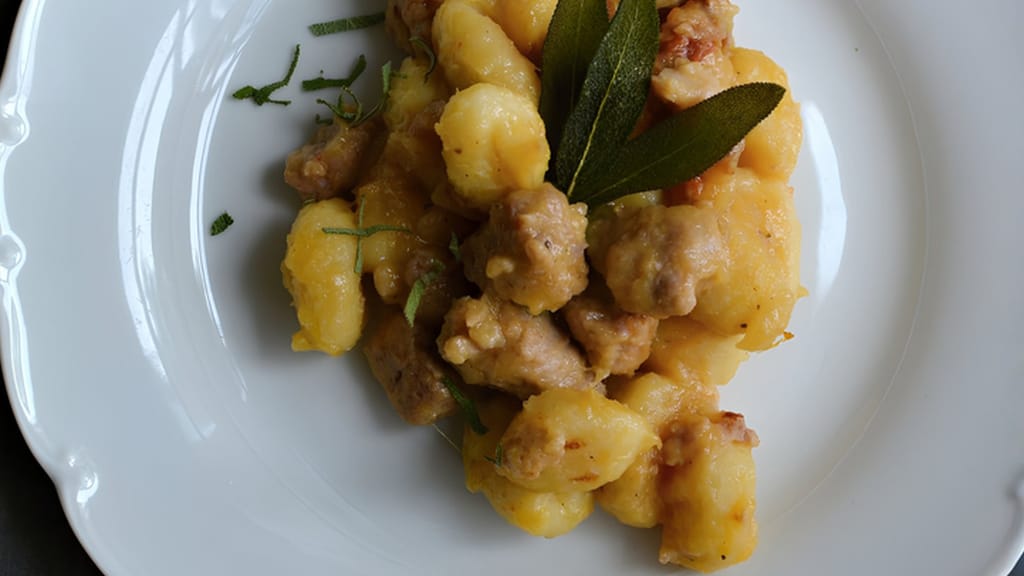
Gnocchi with butternut squash noodles, sage and italian salsiccia
Spaghetti squash gnocchi with sage and salsiccia
Pattypan is a summer squash shaped like a little saucer, best eaten young, at about 5–10 cm across, when the skin is still soft and it has barely any seeds. Bigger ones have already gone past their best. It behaves like courgette in the kitchen, just a bit firmer.
Breaded slices: cut 1 cm thick and fry until golden – a classic that tastes a bit like a courgette schnitzel.
Pan or grill: slices or wedges, 4–6 minutes per side.
Pickling: small pattypans under 5 cm can be pickled whole, like gherkins.
An overgrown pattypan with tough skin is best hollowed out, stuffed and baked – or just left on display as decoration.
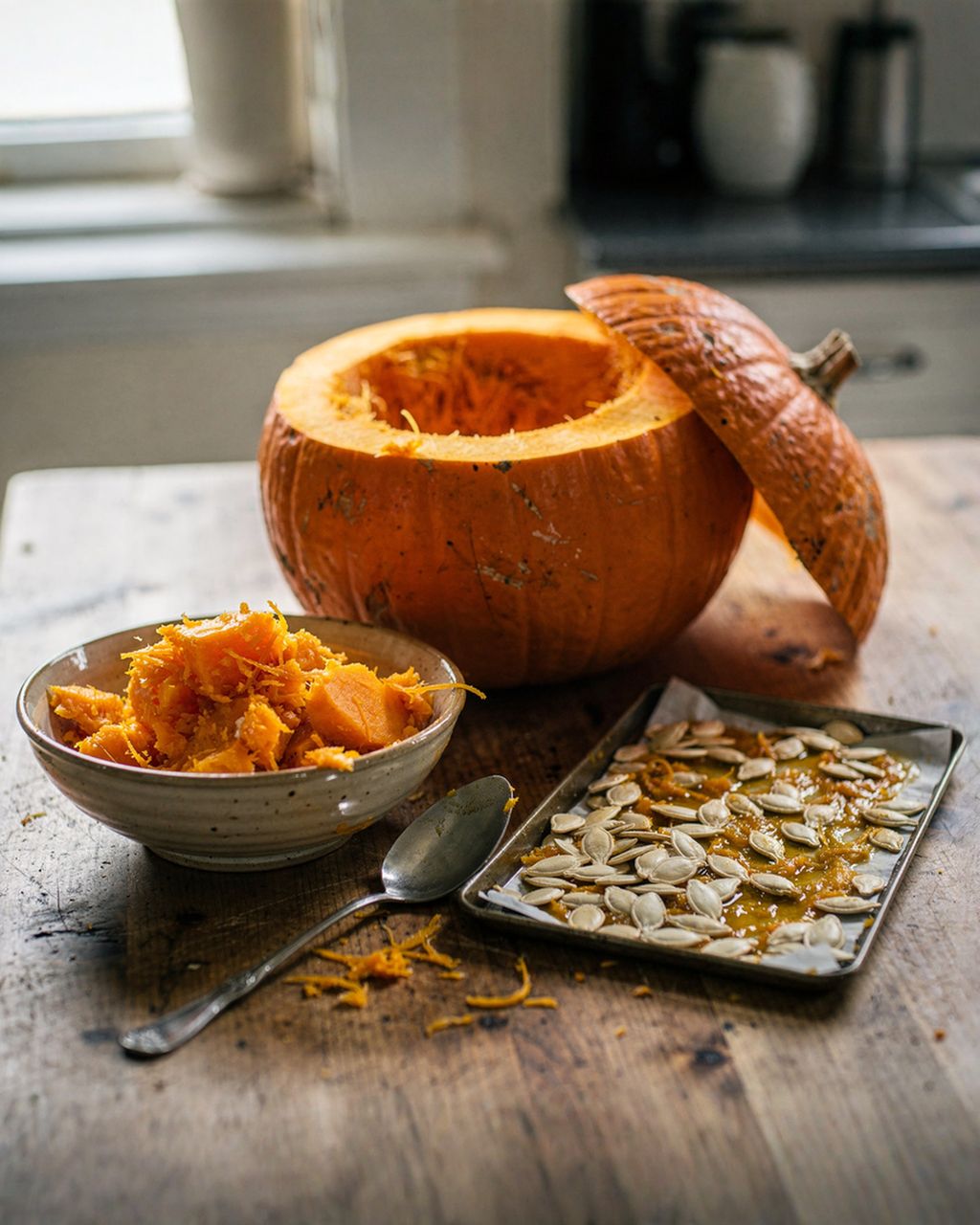
Yes, Halloween pumpkin is edible, but it's not great for cooking: it's bred for size and thin walls, not for flavour. The flesh is watery, fibrous and bland – soup made from it comes out thin and greyish.
You can stir the scooped-out flesh into soup at roughly a 1:1 ratio with kabocha or butternut so the blandness disappears.
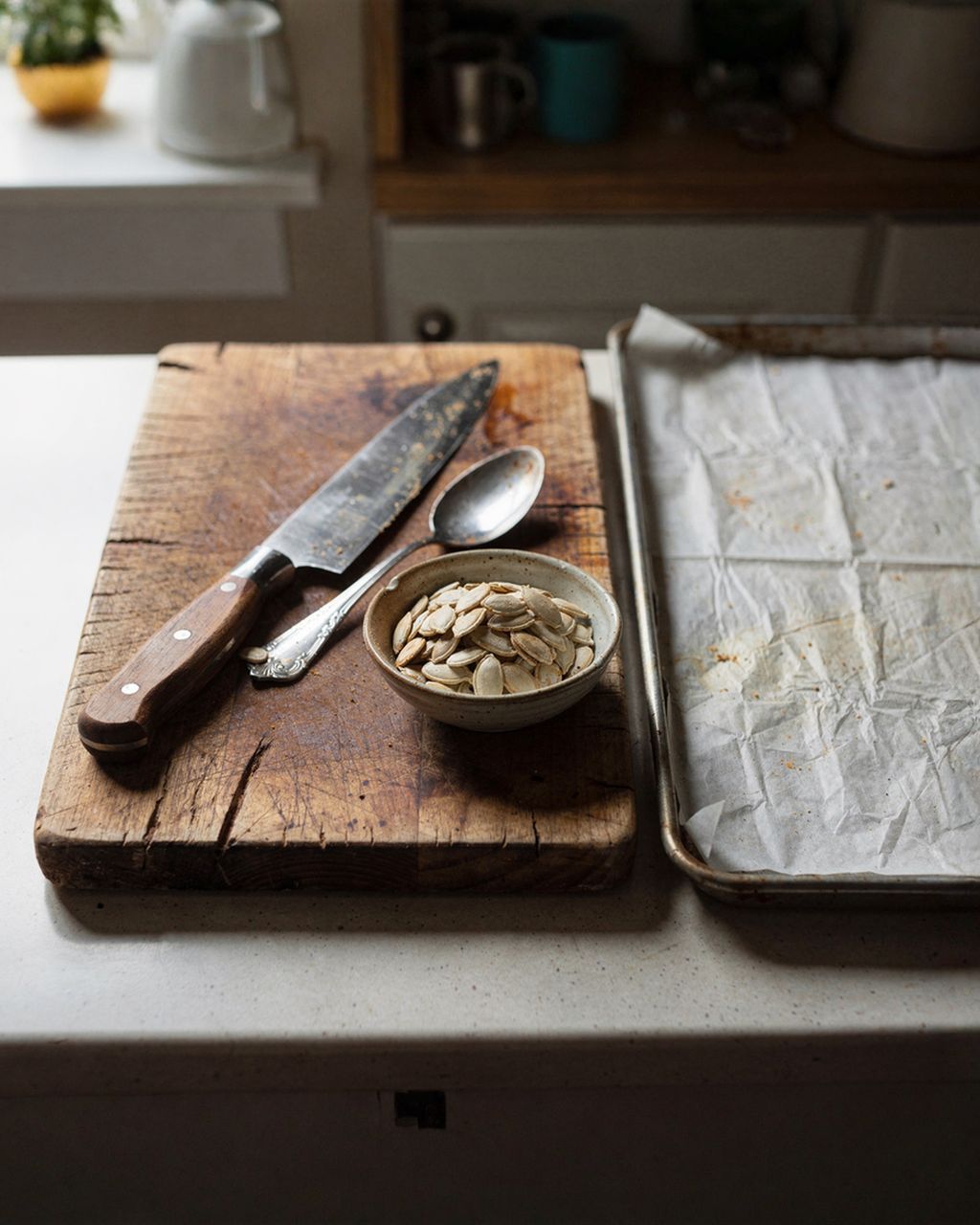
The seeds, on the other hand, are excellent – rinse, dry, and roast at 160°C (320°F) for 15–20 minutes.
Don't eat a pumpkin that's already been carved and had a candle in it – the flesh dries out on the surface and can grow mould.
For soup, the best choices are kabocha (bold flavour, no need to peel) or butternut (the smoothest, sweetest cream). Muscat pumpkin works well when you're cooking a big pot.
Ratio: roughly 1 kg flesh to 1 litre of stock gives a thick cream for 4 people. For a thinner soup, add more stock after blending.
Balance the flavour with acidity: a spoonful of lemon juice or apple cider vinegar at the end beautifully offsets the squash's sweetness.
For deeper flavour, roast the squash first (200°C/390°F, 25 minutes) and only then simmer and blend it – caramelising adds flavour that boiling alone won't give you.
Fat: cream, coconut milk, or a knob of butter. A cream soup without any fat tastes flat.
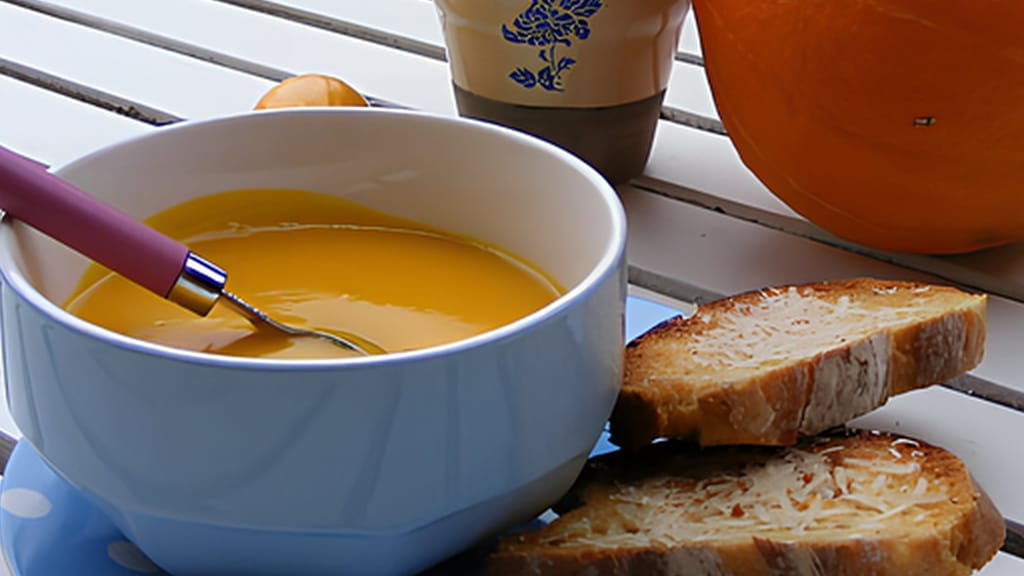
Pumpkin soup – the tastiest soup in autumn colours
Classic creamy pumpkin soup
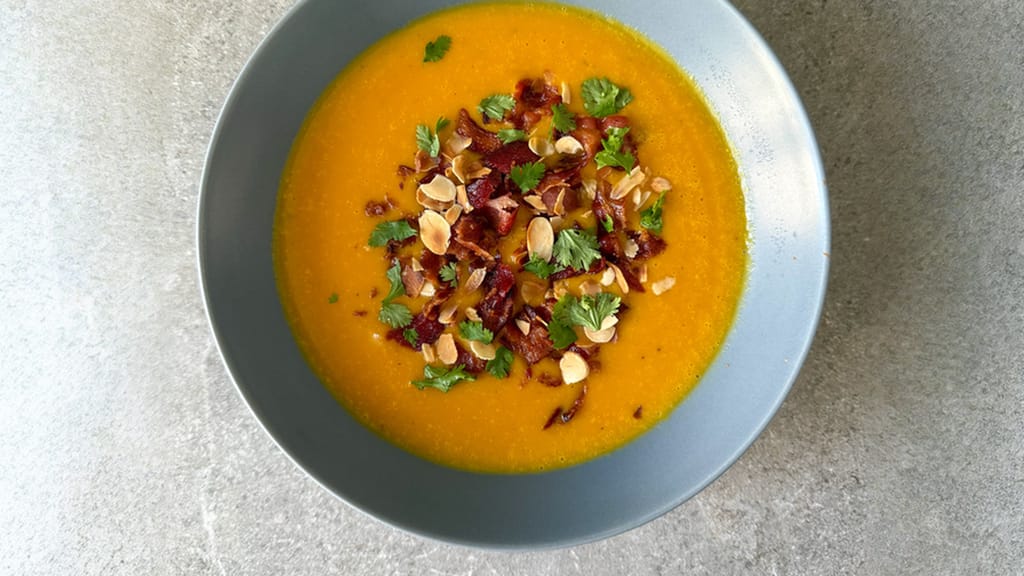
Pumpkin soup with crispy bacon
Pumpkin soup with crispy bacon
For oven roasting, the best choice is kabocha – the wedges hold their shape with the skin on, and the edges caramelise beautifully. Close behind is butternut, sweeter and creamier, just needs peeling first.
Kabocha, 2 cm wedges: 200°C (390°F), 25–30 minutes.
Butternut, 2–3 cm cubes: 200°C (390°F), 30–35 minutes.
Butternut halves: 200°C (390°F), 45–55 minutes.
Spaghetti squash halves: 200°C (390°F), 40–50 minutes.
Three things that make or break the result:
Don't crowd the tray. The pieces need space between them, otherwise they steam in their own moisture instead of browning.
Oil and salt from the start, but save spices with sugar (honey, maple syrup) for the last 10 minutes – otherwise they'll burn.
Flip halfway through so the squash browns evenly on both sides.
Once roasted, use the squash as a side dish, in a salad with goat's cheese, in risotto, or as the base for soup.
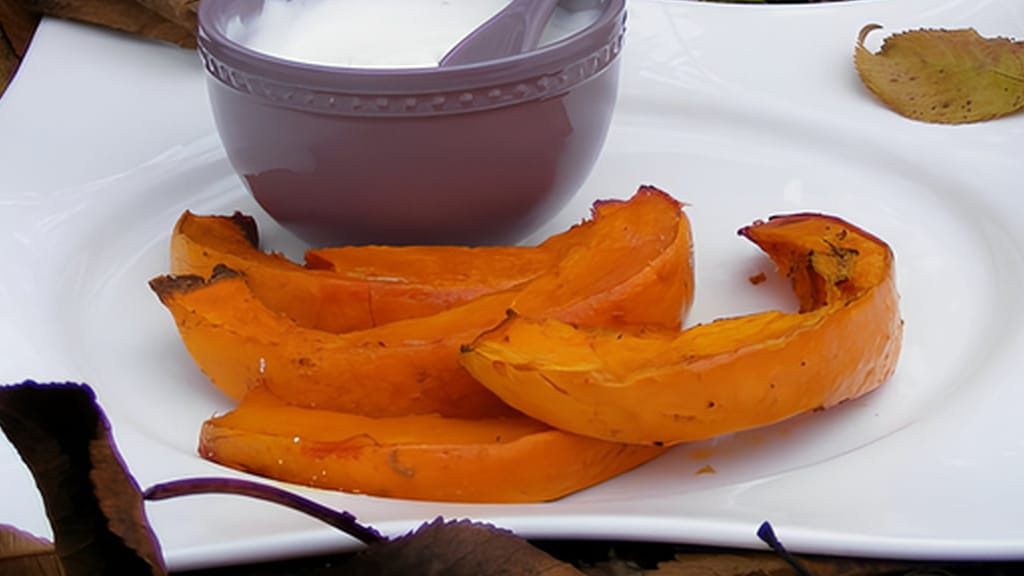
Hellishly spicy roasted pumpkin
Fiery hot roasted squash
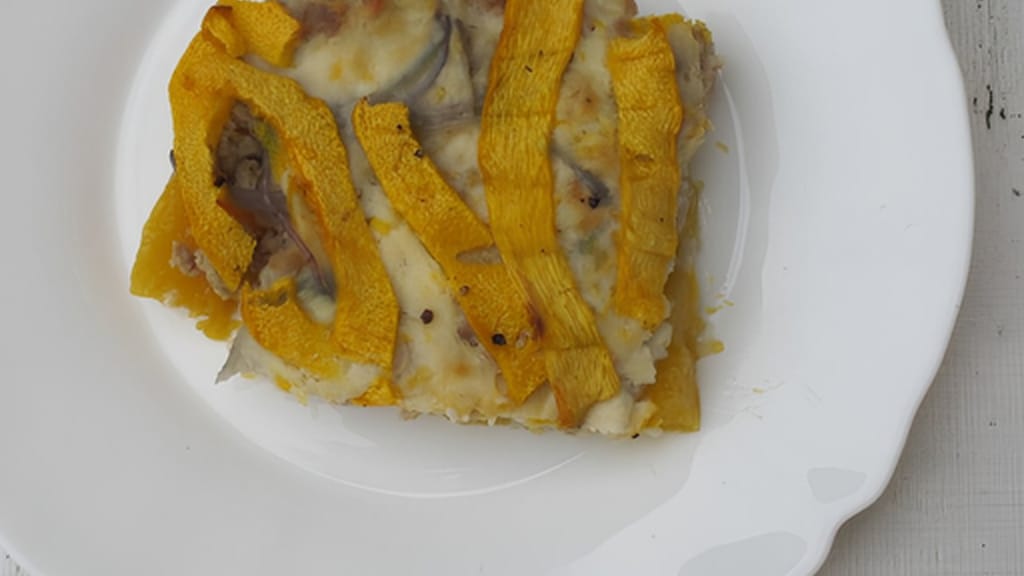
Baked pumpkin with ground meat
Squash baked with minced meat
For pickling, the best choice is muscat pumpkin, or butternut for smaller batches – both have firm flesh that holds up in cubes through sterilising and months in the jar. Kabocha goes too soft and spaghetti squash falls apart.
Cutting: 1.5–2 cm cubes, peeled, with the fibrous centre removed.
Pickling liquid – rough ratio: per 1 litre of water, roughly 200–250 ml of 8% vinegar and 150–200 g sugar, plus a pinch of salt. More sugar brings it closer to a compote; more vinegar makes it more of a tangy side.
Spices: ginger, cloves, star anise, cinnamon, mustard seed, chilli.
Sterilising: filled jars for 20–30 minutes at 85°C (185°F), depending on jar size.
What to serve it with: roast meat, game, pâtés and cheese boards – sweet-and-sour squash works just like a chutney.
If you'd rather keep squash without vinegar, our article on how to make squash last longer covers freezing and storing whole squash.
For sweet baking – cakes, loaf cakes and muffins – the best choices are butternut and kabocha, because their flesh is dense and sweet, and it's easy to get rid of excess water from their purée. It's exactly that moisture in the purée that decides whether your batter turns out light and fluffy or dense and gummy. You'll find how to choose the right variety, make the purée, and balance the batter's moisture in the article Squash in baking: choosing a variety, making purée, and balancing the batter's moisture.
Botanically, there's no difference between a pumpkin and a squash – both are fruits of plants in the genus Cucurbita. In everyday English, "pumpkin" tends to be used for the round orange types (like Halloween pumpkins), while "squash" is the broader term covering butternut, spaghetti squash, pattypan and the rest. They're all the same family of fruit.
Yes, butternut squash skin is edible, but even after roasting it stays fairly tough and a bit leathery. Peel it for soup and purée; if you're roasting it in halves, leave the skin on and scoop the flesh out with a spoon afterwards.
No, small ornamental pumpkins and gourds aren't meant for the kitchen. They're bred for shape and colour, have hard, woody flesh, and may contain bitter cucurbitacin, which toxicologists say can irritate the digestive system. Keep them on the table as decoration only.
From a 1 kg butternut squash, once peeled and deseeded, you'll get about 800 g of flesh – roughly 80% of the weight. With muscat pumpkin, the tough skin means you get a bit less flesh. Kabocha gives the highest yield, since you don't peel it and only lose the seedy centre.
A fresh squash feels heavy for its size, the skin is firm with no soft or weepy patches, and the stem is dry and hard. Only buy pre-cut pieces of muscat pumpkin if the flesh is firm and glossy, with no dried-out or slimy edges.
Any type of squash can be frozen, but kabocha and butternut hold up best in the freezer. Raw cubes turn watery once thawed, so they're really only good for soup, risotto or purée afterwards – not for roasting into crispy wedges. Freeze purée in batches of 250–500 g.
One recipe worth heating the oven for, one tip, and one deal from the shop. Nothing else.