Cocoa date & oat balls

Updated Jul 19, 2026
The easiest swap for raisins is a 1:1 switch to dried cranberries, apricots, figs or dates, nuts for crunch, or fresh grapes and blueberries when you want extra juiciness in your batter. But every substitute changes the flavour and moisture level differently — and that's exactly what we'll walk through here, so you know which one to reach for and when. Whether you're baking, mixing up muesli, or building a salad, we'll cover sweet and tart options, dried and fresh, plus a few exotic picks. And we'll also tell you when it's best to just leave the raisins be.
The easiest ways to replace raisins are dried cranberries, chopped apricots, figs or dates, nuts for crunch, or fresh grapes and blueberries when you want extra juiciness in the batter. Here's a quick rundown of what to swap in and what it does to the dish:
Dried cranberries – the most versatile 1:1 swap, just tangier; cut back slightly on sugar in the recipe.
Dried apricots, figs, dates – chop them to raisin-size; dates are the sweetest and can even replace added sugar.
Nuts (walnuts, almonds) – swap sweetness for crunch and healthy fats; toast them first.
Fresh grapes and blueberries – for extra juiciness and freshness; keep in mind they add moisture to the batter.
Goji berries and mulberries – an exotic twist with a striking nutritional profile for muesli, porridge or yoghurt.
Use dried substitutes at roughly a 1:1 ratio; for fresh fruit, use a bit less and reduce the liquid in the batter.
There are three main reasons people swap out raisins: taste and chewy texture, allergies or dietary restrictions, or simply the urge to try something new. Their concentrated sweetness and chewy consistency isn't for everyone — and that's a perfectly good reason to reach for something else.
Another group is people with dietary or health restrictions. Raisins are often billed as a healthy snack packed with fibre and antioxidants, but they can cause problems for some people — for instance due to histamine intolerance or sensitivity to salicylates, which raisins contain in notably higher amounts than most other fruit, according to available sources.
And then there's the purely culinary motivation: a different substitute can genuinely elevate a dish. Tangier cranberries cut through excess sweetness, nuts add crunch, fresh grapes bring juiciness. Whatever your reason, there's no shortage of options — let's get into them.
Dried cranberries are the easiest 1:1 raisin swap — similar in size and chew, but with a bolder sweet-tart flavour. That tartness is their secret weapon: it cuts through one-note sweetness and adds contrast.
In baked goods (muffins, cakes, cookies) they work just like raisins. In cooking, they really shine wherever you need a tart counterpoint to fat — in salads, sauces, or alongside roast meat and poultry. Since they're tangier than raisins, cut back slightly on sugar or other sweeteners in the recipe so the result doesn't come out too sharp.
It mostly comes down to sugar. Unsweetened dried cranberries have a lower glycaemic index (around 45) than raisins (around 64), according to nutritional comparisons, and they also contain vitamin C, which raisins barely have. The catch is that most cranberries sold in shops are sweetened — and the sweetened version matches raisins in both glycaemic index (around 62) and sugar content.
If keeping sugar to a minimum matters to you, look for "no added sugar" on the label. Raisins, on the other hand, lead in iron, potassium and magnesium, so it's not a clear-cut winner either way — more a matter of different flavour and different nutritional profile.

Apricots, figs and dates all work as raisin substitutes when you want to keep that chewy dried texture but shift the flavour: apricots bring sweet-tart freshness, figs bring honeyed sweetness with crunchy little seeds, and dates bring intense, caramel-like sweetness. Chop all three into raisin-sized pieces so they distribute evenly through your batter or salad.
Dried apricots have a bold sweet-tart flavour and a soft, meaty texture. Their tanginess also makes them great in savoury dishes — stir them into morning oatmeal, or chop them into stuffed meat rolls, where they pair beautifully with pork and poultry.
Figs stand out for their honeyed sweetness and tiny seeds, which add a gentle crunch. They're perfect in bread dough and cakes, and classically pair with nuts and ripened cheeses — on a cheese board or in a salad alike.
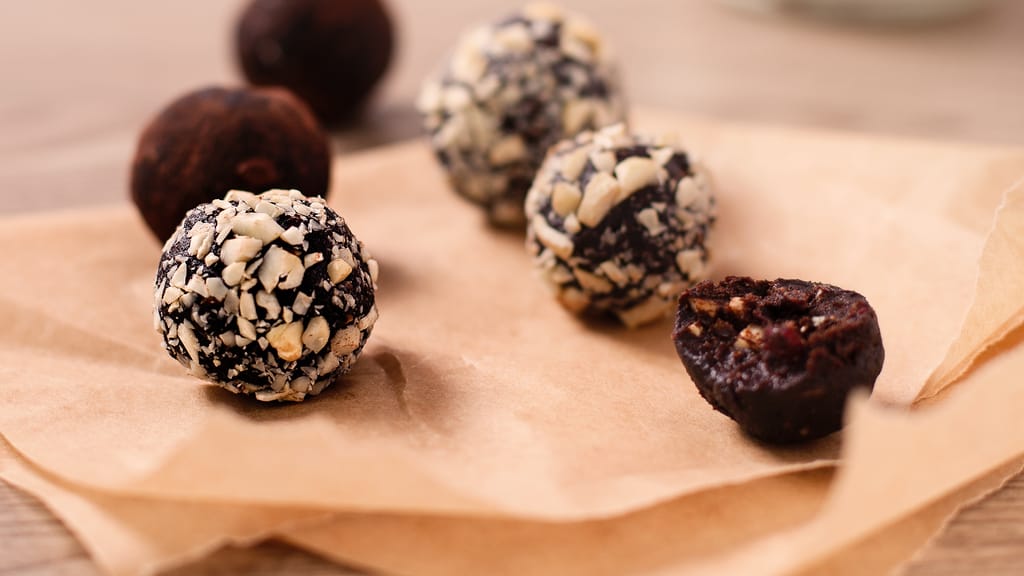
Dates are the sweetest of the bunch, and their soft, caramel-like flesh means they work as a natural sweetener — blend a handful into smoothies, energy balls or batter and you can skip the added sugar. You can even try making your own homemade date syrup to sweeten porridge or pancakes.
Cocoa date & oat balls
Cocoa oat balls with dates – dates as a natural sweetener instead of raisins
Nuts are the way to go when you're not after sweetness but texture — instead of a chewy sweet pocket, you get crunch and earthy depth. As a bonus, they bring healthy fats, vitamin E and magnesium, so the swap makes sense nutritionally too.
Walnuts have a bold, earthy flavour and work well in sweet baked goods and salads. Almonds are milder and crunchier, and suit both desserts and savoury dishes. For muesli and granola, feel free to use a mix — each nut adds its own layer of flavour.
Toast nuts briefly, dry, in a pan or oven (around 8–10 minutes at 160°C) before using them — this brings out their nutty aroma and drives off excess moisture. Then chop them to whatever size suits your batter: coarser pieces for crunch, finer crumbs for even distribution.

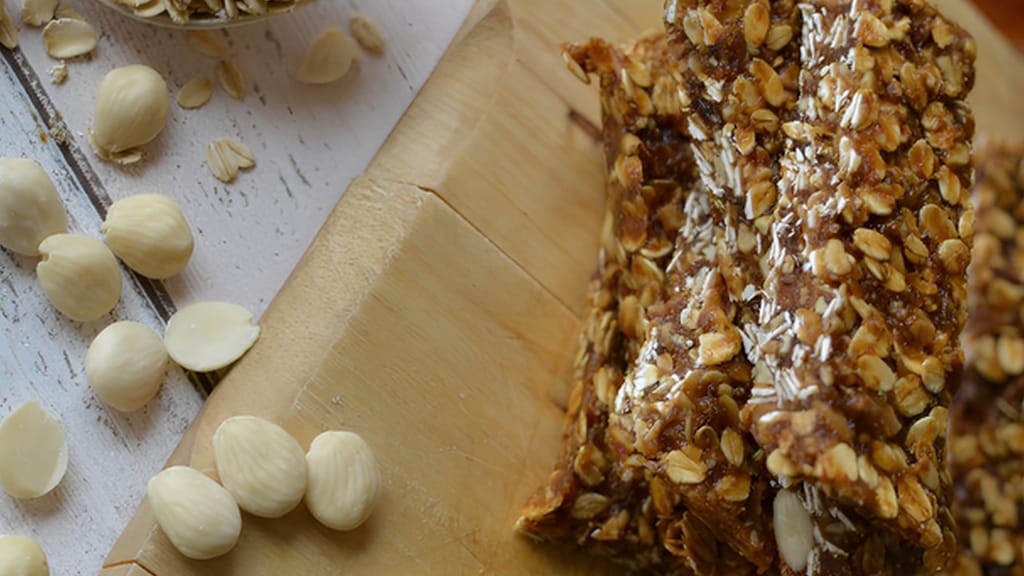
Homemade almond granola bars
Homemade almond muesli bars – nuts instead of raisins in practice
Fresh grapes and blueberries make a great raisin substitute anywhere juiciness and freshness are welcome — in porridge, salads and baking alike. Just one rule to keep in mind: they add moisture to the batter, so when baking, use a little less liquid overall and handle the fruit gently so it doesn't bleed colour through the whole batter.
Grapes are juicier than raisins, which makes them a great way to liven up dishes where dried fruit would feel too dry. Add them whole to oatmeal porridge, or halve them in salads — like in a goat cheese salad with apples and walnuts, where their crisp sweetness stands in for raisins better than almost anything else.
Blueberries are a secret weapon in muffins, bundt cakes and other bakes: they add colour and a subtly tart edge that balances out the sweetness of a dessert. To stop them sinking to the bottom or bleeding blue into the batter, toss them in a spoonful of flour before folding in. Fancy a fresh, no-bake dessert instead? Try a blueberry pudding.
If you want to swap raisins for something a bit more unusual, reach for dried goji berries or mulberries. Both are small, sweet, and easy to sprinkle into porridge, muesli or yoghurt — and they come with an interesting nutritional profile to boot.
Goji berries are small red berries with a sweet-tart flavour and a light bitterness. According to nutritional charts, they're rich in vitamin C and beta-carotene (provitamin A), and contain the antioxidant zeaxanthin, which studies link to eye health protection. They work well in both sweet porridges and savoury mixes — just don't overdo it, a small handful is plenty.
Dried mulberries have a honey-sweet flavour and rank among the more surprisingly nutritious dried fruits — available sources point to a decent amount of iron, fibre and plant protein, which is unusual for a fruit. They're a great addition to muesli, yoghurt and baked desserts.
In some recipes, raisins are simply part of the dish's identity, and swapping them out changes it more than it should. In traditional vánočka (Czech Christmas bread) and Easter mazanec, raisins are part of the flavour we're used to — if you still want to leave them out, soaked cranberries or chopped dates are the closest substitute that won't disrupt the character of the dough. In other words: experiment where the recipe can take it, and leave the classics as they are.
For dried substitutes (cranberries, chopped apricots, figs, dates), stick to roughly a 1:1 swap. For fresh fruit (grapes, blueberries), use a little less and cut back on liquid in the batter, since fresh fruit adds moisture. Nuts should be measured to taste — usually a bit less, since they're not a sweet ingredient.
Fresh fruit is your best bet — grapes or blueberries work well. Other dried fruits (figs, dates, dried apricots) generally won't help, since drying concentrates the histamine in fruit. Always check your personal tolerance with a doctor or nutritionist.
Go for unsweetened dried cranberries (look for "no added sugar" on the label), nuts, or fresh fruit like blueberries and grapes. Watch out for standard sweetened cranberries and for dates — they sweeten naturally, but they're still high in sugar.
Keep them in an airtight container in a cool, dry, dark spot, where they'll stay good for several months. For longer storage, pop them in the fridge or freezer to keep their flavour and softness.
Yes, but adjust the recipe for the extra moisture. Use a bit less fruit, cut back on the liquid in the batter by about one to two tablespoons, and toss the fresh fruit in a spoonful of flour before folding it in so it doesn't sink to the bottom or bleed juice through the whole batter.
One recipe worth heating the oven for, one tip, and one deal from the shop. Nothing else.