Peanut butter banana smoothie
Smoothie Recipes and Ratios: Banana, Green, Beet, Smoothie Bowls and No-Blender Smoothies
Updated Nov 20, 2026
A smoothie comes down to one ratio: for each glass, use about 150 ml (⅔ cup) of liquid, 150 g (5 oz) of fruit and one ingredient to thicken it (half a banana, three tablespoons of yogurt or a tablespoon of rolled oats). Once you know the ratio, the rest is just swapping ingredients: banana and yogurt, a handful of spinach, a piece of cooked beet, frozen berries, or the thick spoonable version known as a smoothie bowl. Below you'll find exact amounts and steps for each variation, plus how to make a smoothie without a blender, what to give kids and how long a smoothie keeps in the fridge.
For one glass (about 300–350 ml, or 10–12 oz) you need 150 ml (⅔ cup) of liquid, 150 g (5 oz) of fruit or vegetables and one thickener. So the ratio of liquid to fruit is roughly 1 : 1, and the thickener is an extra that decides how creamy the smoothie turns out.
Liquid (150 ml): milk, plant-based drink, water, kefir, buttermilk or juice.
Fruit and vegetables (150 g): fresh or frozen, one kind or a combination of two or three.
Thickener (1 portion): ½ banana, 3 tablespoons of plain yogurt, 1 tablespoon of rolled oats, 1 tablespoon of nut butter or ¼ avocado.
Want a thicker smoothie? Reduce the liquid to 100 ml or use frozen fruit. Want it thinner? Add 30 ml at a time until you like it. For two glasses, double everything. Don't put more than three or four flavors in one smoothie, or they'll blur into one dull taste.
Use milk or a drinkable yogurt for a creamy smoothie, water for a fresh one, and juice cut half and half with water for a tangier, sweeter one. Each liquid changes both flavor and thickness:
Milk gives a mild, round flavor and suits banana, cocoa and berries.
Plant-based drinks (oat, almond, coconut) add their own aroma. Oat is slightly sweet and the most neutral; coconut is pronounced and goes well with pineapple.
Water lets the fruit shine. It's ideal for melon, green smoothies and anything that should taste fresh.
Kefir and buttermilk make the smoothie slightly tangy, so it tastes similar to a drinkable yogurt.
Juice (orange, apple) adds tartness and sweetness. You need less of it, and it's fine to cut it half and half with water.
The most reliable thickener is a ripe banana: it's creamy, naturally sweet and doesn't overpower the other flavors. If you don't want banana, there are several substitutes:
Plain yogurt: 3 tablespoons (about 60 g) per glass. The smoothie turns thicker and pleasantly tangy.
Rolled oats: 1 tablespoon of fine oats. Let them soak in the mixture for five minutes, then blend again, otherwise you'll get tiny bits in the drink.
Nut butter: 1 tablespoon adds creaminess and a nutty flavor. It goes well with banana and cocoa.
Avocado: ¼ of a fruit makes the smoothie velvety, and you'll barely notice the flavor.
Frozen fruit: it thickens and chills at the same time, so you don't need ice.
Chia seeds: 1 teaspoon. In ten minutes the smoothie visibly thickens, best in a bowl.
Liquid first, then soft and leafy ingredients, and hard and frozen pieces last. The blades spin in the liquid and create a vortex that pulls heavier pieces down. If you pour frozen fruit onto the bottom dry, the blades jam and the motor just heats up.
Pour in the liquid.
Add leaves (spinach, herbs) and blend briefly.
Add yogurt, banana and soft fruit.
Finally add frozen fruit, ice or cooked beet.
Blend for 30–60 seconds on the highest speed until the smoothie is completely smooth. Then taste and adjust.
A smoothie most often fails for five reasons: too little liquid at the start, too many kinds of fruit, the wrong temperature, leaves and seeds that aren't fully blended, and sweetener added in advance.
Too little liquid at the start. The blender jams and you keep pouring in more until the smoothie is watery. Start with 150 ml and only then add a little at a time.
Too many kinds of fruit. Five flavors blur into one brownish one. Stick to two or three.
The wrong temperature. A smoothie made only from fresh fruit tends to be lukewarm. On the other hand, frozen fruit alone without banana or yogurt is just icy slush. Combine fresh with frozen.
Leaves and seeds not fully blended. Blend green smoothies for longer, and blend the leaves with the liquid alone first.
Sweetener added in advance. Ripe fruit is usually sweet enough. Add syrup or honey only after tasting, and only a teaspoon at a time.
Seasonal baking plans, tested recipes and kitchen tricks that save you time. Unsubscribe in one click.
A banana smoothie is the surest place to start: the banana supplies both creaminess and sweetness, so all you need is liquid and yogurt. The riper the banana (brown spots on the peel are a good sign), the sweeter and more fragrant the smoothie.
Banana yogurt smoothie (1 glass):
1 ripe banana (about 120 g without the peel)
100 ml milk
a pinch of ground cinnamon
Pour the milk into the blender and add the yogurt.
Peel the banana, break it into pieces and add it.
Blend for 30 seconds until smooth and sprinkle with cinnamon.
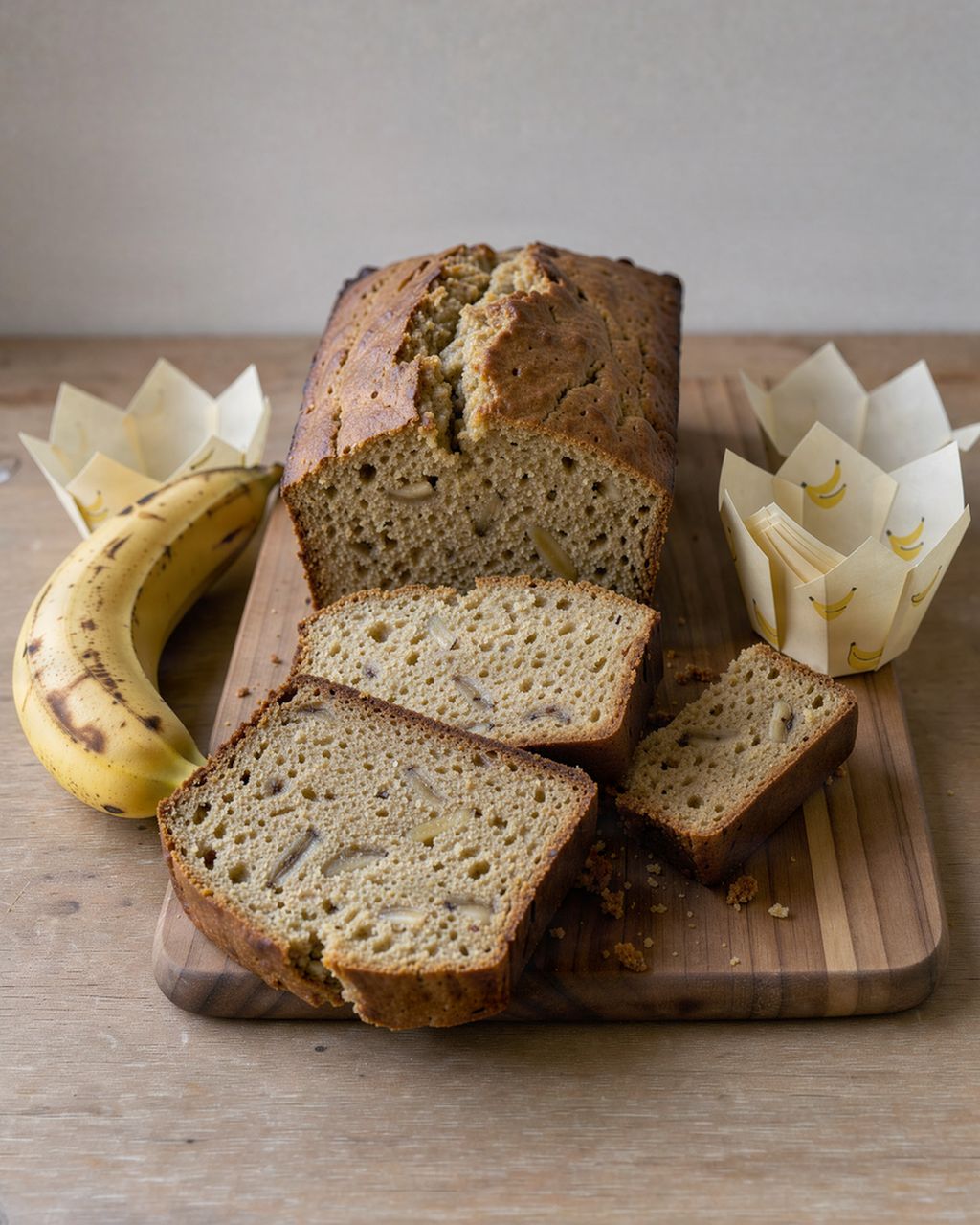
If you slice ripe bananas into rounds and freeze them in a bag, you'll always have a base on hand that also chills the smoothie. The rounds keep in the freezer for several weeks and go straight into the blender frozen. And if you end up with more overripe bananas than you can drink, find inspiration in our article on what to bake with bananas.
These four smoothies on Yumsto are also built around banana. All of them are vegan and are thickened with nuts or coconut instead of yogurt:
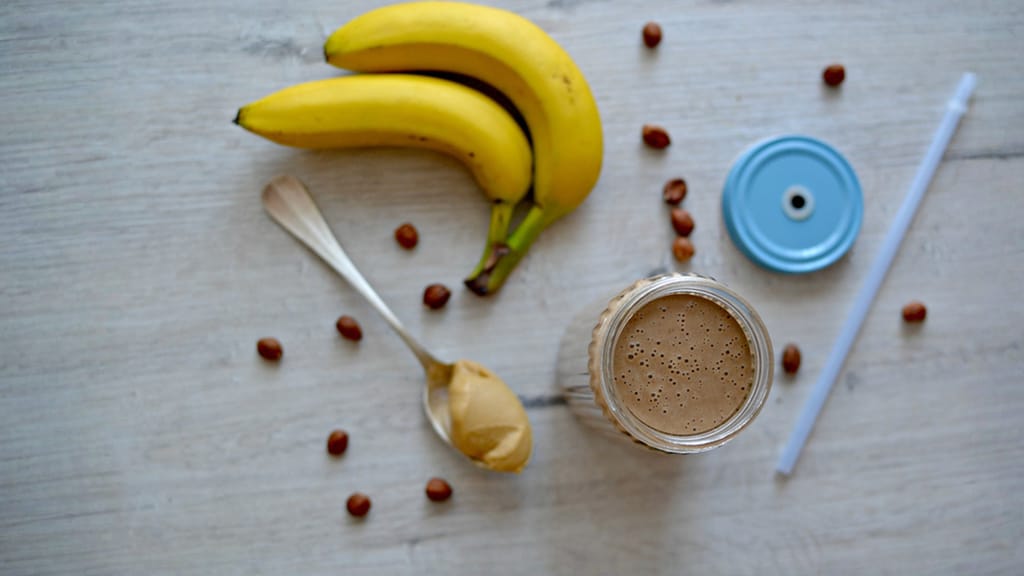
Peanut butter banana smoothie
Peanut butter banana smoothie: 2 bananas, 20 g peanut butter, hazelnuts and almond milk, ready in two minutes
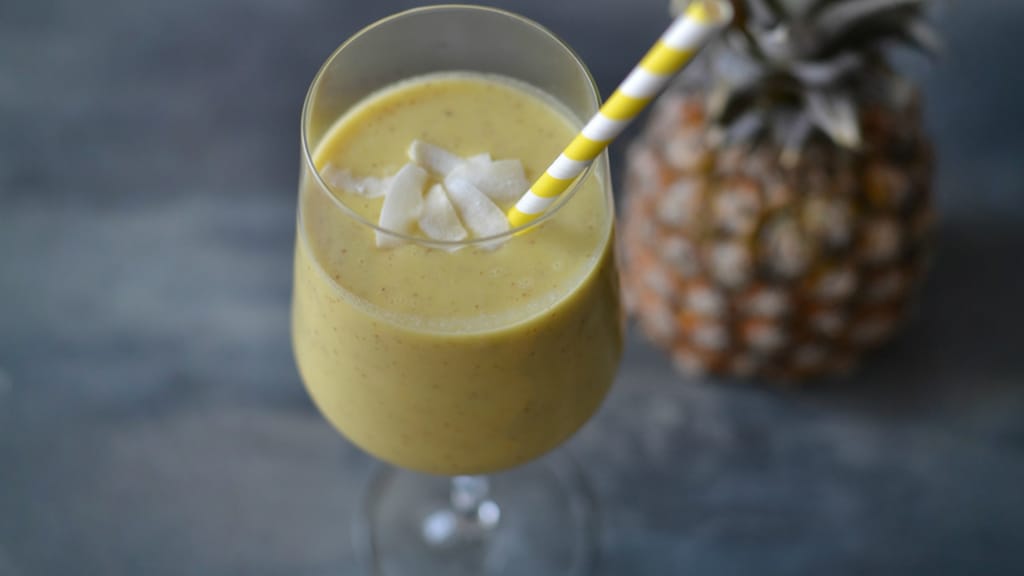
Piña colada smoothie
Piña colada smoothie with banana and pineapple: coconut flakes, almonds and oat milk
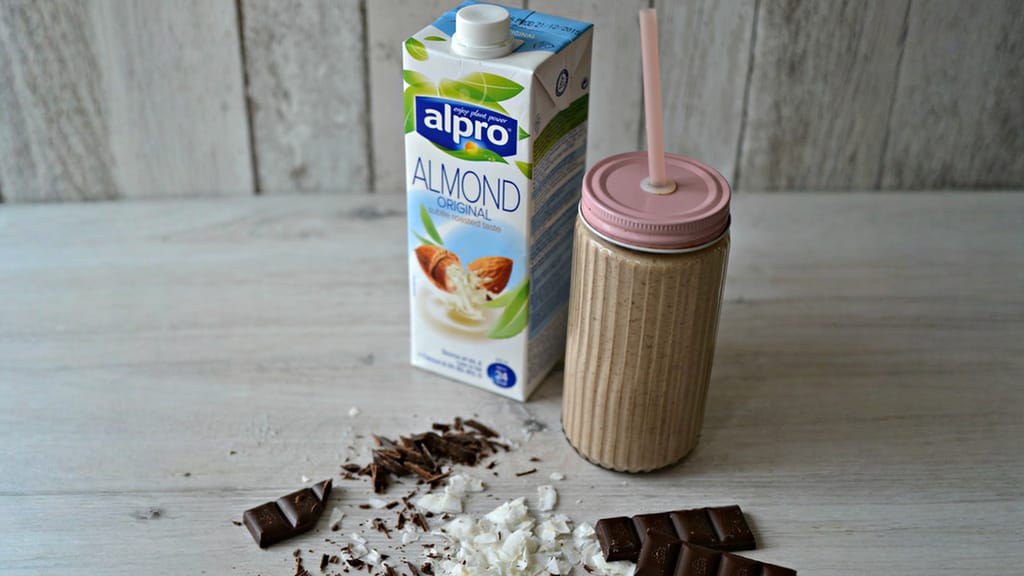
Chocolate coconut smoothie
Chocolate banana coconut smoothie: 85% dark chocolate, ground coconut and almonds, thick almost like a dessert
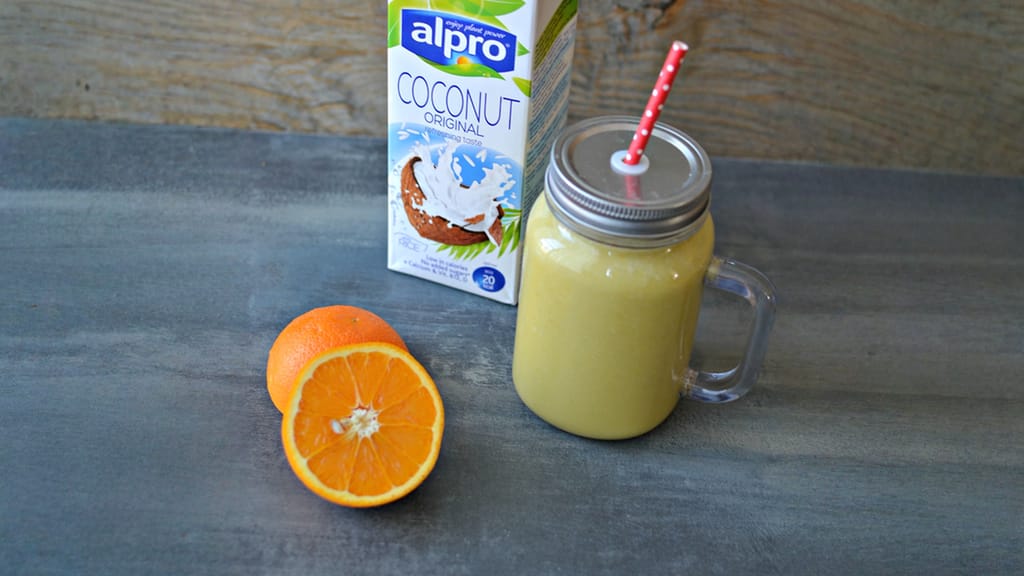
Pistachio and basil smoothie
Banana smoothie with pistachios and basil: grapes, orange and coconut milk
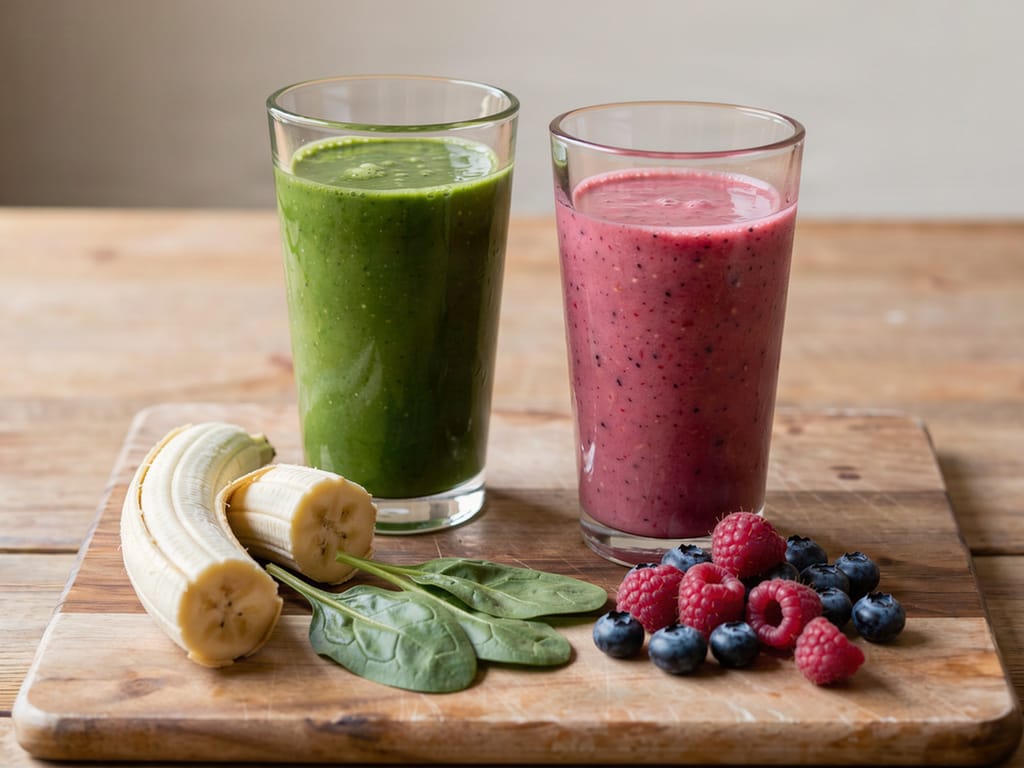
A green smoothie is simply a fruit smoothie with a handful of leafy greens added. Young spinach is the best place to begin: it has a mild flavor, and combined with banana and apple you'll barely notice it. It will, however, turn the smoothie a deep green. Sturdier leaves, such as kale or older spinach, are more bitter and fibrous, so use less and blend for longer.
Green spinach and banana smoothie (1 glass):
30 g baby spinach (a big handful)
1 banana, ideally frozen in rounds
½ apple (about 80 g), cored
200 ml water or milk
1 teaspoon lemon juice
Rinse the spinach thoroughly in cold water so no grit is left in the leaves, and let it drain.
Pour the water or milk into the blender, add the spinach and blend for about 20 seconds, until you have a green liquid with no bits of leaf.
Add the banana, chopped apple and lemon juice and blend for another 30–40 seconds until smooth.
Blending the leaves with just the liquid first is the trick that keeps stringy green bits out of your smoothie. Lemon juice softens the "green" taste and helps the smoothie hold its color longer. If it tastes too "grassy," add more banana next time, or use milk instead of water.
If a savory version appeals to you, try this leafy green smoothie with tomato and spinach. It has 70 g tomato, 70 g lettuce, 30 g spinach, basil, a little garlic, salt and pepper, so it tastes more like a cold soup than a fruit drink. A spring option is the nettle smoothie with banana, apple and orange, made from young nettle leaves, banana, apple and orange. Wild-growing herbs such as nettles don't belong in smoothies for small children or pregnant women, though.
For a beet smoothie, use cooked beets and plenty of fruit. Raw beet tastes strongly earthy and only a powerful blender will make it smooth, while cooked beet is soft and milder. The easiest option is to buy vacuum-packed precooked beets. If you cook beets at home, boil them in their skins until tender (about 40–60 minutes depending on size) and let them cool.
Beet and strawberry smoothie (1 glass):
80 g cooked beet
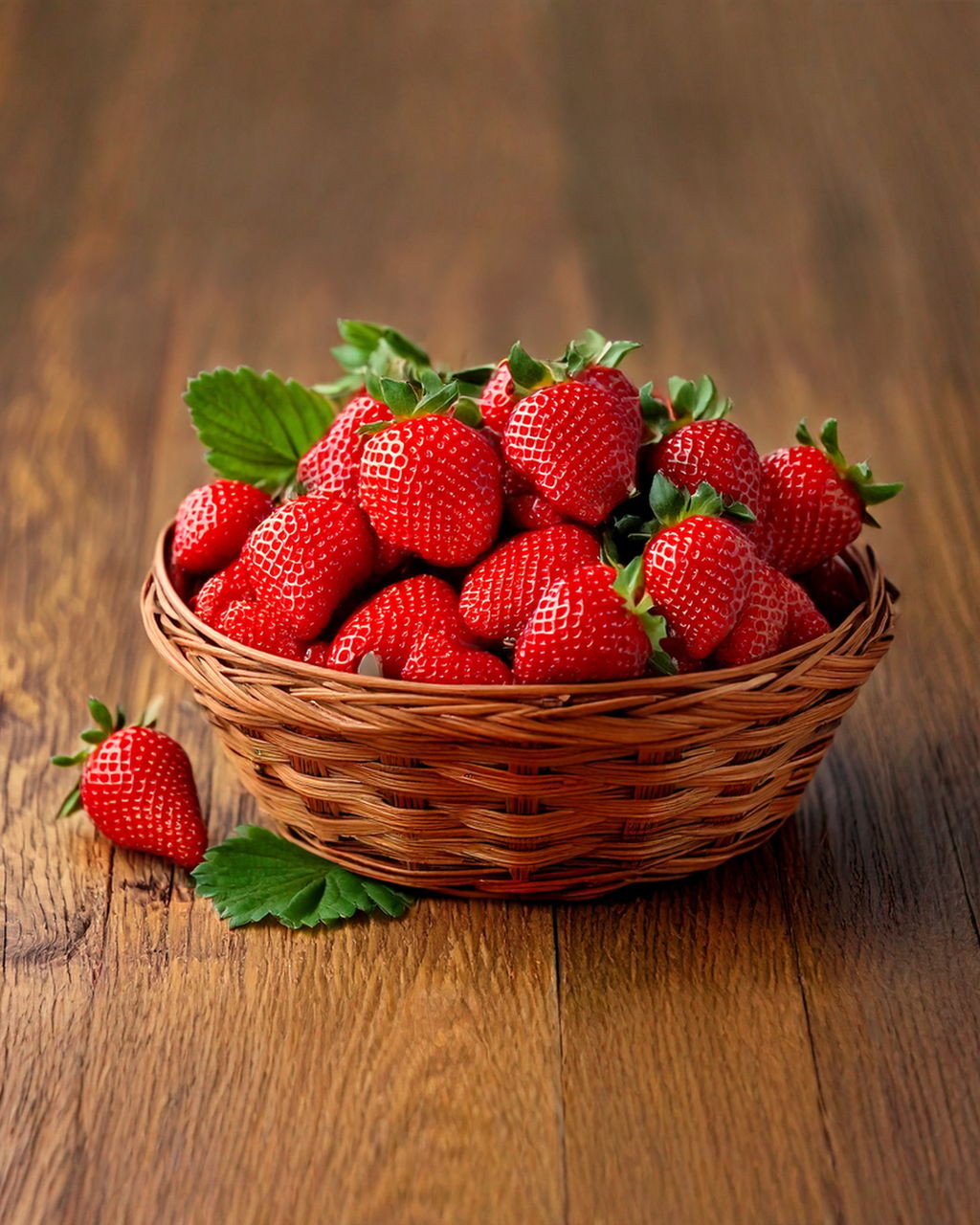
100 g strawberries (fresh)
½ banana
100 g plain yogurt
100 ml water or milk
a piece of peeled ginger about 1 cm (½ in) long
Cut the beet into cubes. Work on a cutting board that won't stain, or on parchment paper.
Pour the water or milk into the blender and add the yogurt, banana, strawberries and ginger.
Add the beet last and blend for 40–60 seconds until completely smooth.
Beet goes best with tart, fragrant fruit: strawberries, raspberries, orange, apple or sour cherries. Ginger and lemon cut the earthiness, and banana rounds it out. If you want to use raw beet, grate 40–50 g finely and add more fruit. Be aware that beet stains your fingers, cutting board and dish towel. Rinse them right away with cold water, before the color dries.
If you have raw beet left over, you can roast it and make a roasted beet salad with ginger and balsamic or a roasted beet spread with ricotta and goat cheese.
The best choice for a berry smoothie is a frozen mix of blueberries, raspberries, blackberries and currants. It's available all year, thickens and chills the smoothie and gives it a deep wine-red color. Add frozen fruit to the blender after the liquid and blend for longer, even a full minute.
Frozen berry smoothie (1 glass):
150 g frozen mixed berries
½ banana
150 g plain yogurt
100 ml milk
1 teaspoon honey or maple syrup, to taste
Pour the milk into the blender and add the yogurt and banana.
Add the frozen fruit and blend at a lower speed at first, then on the highest, for 45–60 seconds in total.
Taste. Berries tend to be tart, so add the sweetener only now, and only as much as you need.
On Yumsto you'll also find a berry smoothie with sour cream and vanilla ice cream: 125 g blueberries, 125 g raspberries, 250 g sour cream (15% fat), 10 g agave syrup and 40 g cream ice cream are blended together to make four portions. A thick, almost dessert-like version with chia seeds is this quark chia dessert with berries. You blend raspberries, blueberries, quark (tvaroh, a Czech fresh curd cheese), milk and banana with chia seeds and leave them to swell.
A watermelon smoothie needs no extra liquid, because watermelon is mostly water. Just blend it with a little acidity and ice. It's thinner than other smoothies and tastes best well chilled in summer.
Watermelon smoothie with mint and lime (1 large glass):
300 g watermelon without the rind (choose seedless parts)
5 mint leaves
juice of ½ lime
3–4 ice cubes
Cut the melon into cubes and pick out the large black seeds.
Put everything in the blender and blend for 20–30 seconds.
Pour into a glass right away. Watermelon separates quickly, so stir before drinking.
For a thicker watermelon smoothie, cube part of the melon and freeze it beforehand, or add 100 g of strawberries. The savory watermelon version is a cold soup: watermelon gazpacho with 100 g watermelon, tomato, cucumber and red bell pepper, blended until smooth.
A smoothie bowl is a smoothie so thick that you eat it with a spoon from a bowl, topped with fruit, oats or seeds. The ratio is therefore different from a drink: use about a third of the liquid, that is 40–60 ml per bowl, and mostly frozen fruit. The result should have the consistency of soft-serve ice cream, and a spoon should stand in it for a moment.
Banana raspberry smoothie bowl (1 bowl):
1 frozen banana in rounds (about 120 g)
100 g frozen raspberries or strawberries
50 g plain yogurt
40–60 ml milk
For topping:
2 tablespoons rolled oats or granola
a handful of fresh fruit (blueberries, banana slices, kiwi)
1 teaspoon seeds (chia, pumpkin, sunflower)
1 teaspoon nut butter
Put the milk and yogurt in the blender, then the frozen banana and raspberries on top.
Blend in short pulses, scraping the mixture toward the blades with a spatula in between. Add milk only by the spoonful, and only if the blender really jams.
Transfer the thick mixture to a bowl and smooth it with a spoon.
Arrange the toppings in rows or little piles and eat right away, before the mixture softens.
A good bowl is built on contrast: a cold, creamy base, something crunchy (granola, seeds, chopped nuts) and something fresh and juicy. Add the toppings only to the finished bowl, otherwise the crunchy bits turn soggy. Only a stronger countertop blender can handle the thick mixture. If the motor heats up or you smell burning, stop and let it cool down. If you're making a bowl for small children or pregnant women, the same applies as above: heat frozen berries first, or use fresh fruit and let a frozen banana take care of the thickness.
Without a blender you can make a smoothie from soft fruit mashed with a fork and yogurt, shaken together in a jar with a lid. It won't be quite as smooth as one from a blender, but it tastes good. It works with a very ripe banana, soft strawberries, raspberries, peaches or mango. Hard apples, carrots, frozen fruit and leaves can't be broken down without a blender.
No-blender banana smoothie (1 glass):
1 very ripe banana (with brown spots)
150 g plain yogurt
100 ml cold milk
1 tablespoon fine rolled oats (optional)
a pinch of cinnamon
Mash the banana in a bowl with a fork into the finest purée you can, with no lumps. It takes about a minute.
Stir in the yogurt and cinnamon. Add the oats now and let them soak for five minutes.
Transfer to a glass jar with a lid, pour in the milk, screw the lid on tightly and shake hard for 30 seconds.
A fine grater helps too: finely grated apple or pear mixes into a no-blender smoothie surprisingly well. You can press soft berries through a sieve, which also removes the seeds from the smoothie. A good middle step is an immersion (stick) blender: if you have one at home, you can blend the smoothie in a tall container, the kind you'd use for soup.
Four types of appliance are used for smoothies: an immersion (stick) blender, a personal bottle blender, a countertop blender with a jug and a high-powered countertop blender. What matters most is power and the shape of the container:
Immersion (stick) blender: inexpensive and compact. It handles soft fruit, banana and yogurt without trouble, but copes less well with frozen fruit and leaves. Blend in a tall, narrow container, otherwise it will splash.
Personal bottle blender: you blend straight in the bottle, which you then take with you. It's ideal for a single portion, but usually isn't enough for a thick smoothie bowl.
Countertop blender with a jug: the all-round choice for a family. It makes two to four portions at once and, with enough power, blends frozen fruit too.
High-powered countertop blender: blends nuts, raw beet, kale and a thick smoothie bowl until smooth. It's worth it if you make smoothies every day.
On a countertop blender, a tamper (a stick you push through the lid to press ingredients toward the blades) helps, as does a jug that narrows toward the bottom, because it creates a better vortex. After each use, rinse the blender right away with warm water and a drop of dish soap and run it briefly. Do it before the residue dries and you'll save yourself the scrubbing.
For kids, make smoothies in a smaller portion, from mild, sweet flavors and without risky ingredients. For a small glass (about 150 ml) half an adult portion is enough, and more kids will try a smoothie that's pink or yellow rather than green.
Kids' strawberry banana smoothie (1 small glass):
½ ripe banana
50 g fresh strawberries (or frozen ones that have been boiled and cooled)
80 g plain yogurt
50 ml milk
Wash the strawberries and remove the stems.
Put the milk, yogurt, banana and strawberries in the blender.
Blend for 30 seconds until smooth and serve right away.
What to watch out for with kids:
Babies under one year don't need smoothies. The UK's National Health Service (NHS) says that children under 12 months don't need fruit juices or smoothies; the main drink is breast milk or infant formula, plus water from 6 months.
No honey before one year. The NHS recommends not giving honey to children under one year old. If you sweeten a smoothie for such a small child, leave it out.
Boil frozen berries. BfR recommends heating frozen berries for sensitive groups (to above 90°C / 194°F throughout). Bring them to a boil, let them bubble for at least 2 minutes and then cool them.
No wild-growing herbs. Don't put nettles or other herbs from the wild into a kids' smoothie. Pregnant women should be just as careful.
Serve smoothies fresh. Don't send one to school or on an outing to sit in the warmth all day.
Kids like to help, so let them choose the fruit, mash the banana or press the blender button. If any smoothie is left over, you can pour it into popsicle molds and freeze it right away. Kids will then eat it like ice cream.
It's best to drink a smoothie right away. If you can't, put it in the fridge and drink it the same day. BfR recommends consuming smoothies as soon as possible after making them and, until then, storing them in the fridge at no more than 7°C (45°F), and only on the day they're made. So don't keep it for the next day.
Once a smoothie has been sitting, you'll find that it:
separates. The liquid sinks to the bottom and the pulp rises to the top. Just stir or shake it.
changes color. Banana, apple and pear turn brown in the air and a green smoothie turns gray. A teaspoon of lemon juice and a container filled right to the brim, so there's no air in it, will slow this down.
thickens. Chia seeds, oats and banana keep absorbing liquid. Before drinking, add a little milk or water.
If you want to save time in the morning, don't blend the night before. Instead prepare a freezer bag: put in chopped fruit, banana and a handful of spinach, measured for exactly one glass, and freeze it. In the morning, tip the contents into the blender, pour in the liquid and it's done in a minute. For frozen berries in the bag, the same applies to children and pregnant women as above, so boil them first or use other fruit instead.
A smoothie gets foamy because air is whipped in when you blend on the highest speed. Apples, pears and pineapple foam the most. Try blending for less time, turning the speed down toward the end, or letting the smoothie sit for two to three minutes and then stirring the foam in or skimming it off with a spoon.
Bitter smoothies are usually down to older leaves (kale, mature spinach), the white pith of citrus fruit, cores or too much ginger. Use fewer leaves, trim the fruit properly and balance the flavor with a ripe banana or a squeeze of lemon.
Use water or an unsweetened plant-based drink as the base, add a larger share of vegetables (spinach, cucumber) and less fruit, and don't sweeten with syrup or honey. Thicken it with plain yogurt or a spoonful of oats.
A smoothie is made by blending whole fruit or vegetables, pulp included, so it's thick. Fresh juice is just the pressed liquid, with the rest left behind in the juicer. That's why juice is thin and clear, while a smoothie is creamy.
You don't need to peel apples, pears or peaches for a smoothie; just wash them and remove the core or pit. Do peel bananas, citrus fruit, kiwi, pineapple and melon. With oranges, remove the white pith too.
Yes, 3–4 ice cubes will chill the smoothie and thin it slightly. Add the ice to the blender last and blend for longer. If you use frozen fruit, you usually don't need ice, because the fruit chills and thickens the smoothie by itself.
One recipe worth heating the oven for, one tip, and one deal from the shop. Nothing else.