Potato Soup: Classic Czech Bramboračka and How to Level It Up
Bramborák vs Latkes vs Placki vs Rösti: Potato Pancakes Compared
Updated Nov 20, 2026
Czech bramborák is a potato pancake seasoned with garlic and marjoram, which sets it apart from Jewish latkes, Polish placki ziemniaczane and German Reibekuchen, usually flavored with onion, and from Swiss rösti, which is plain potato. All five start with grated potato fried in fat. Here is what makes each one different.
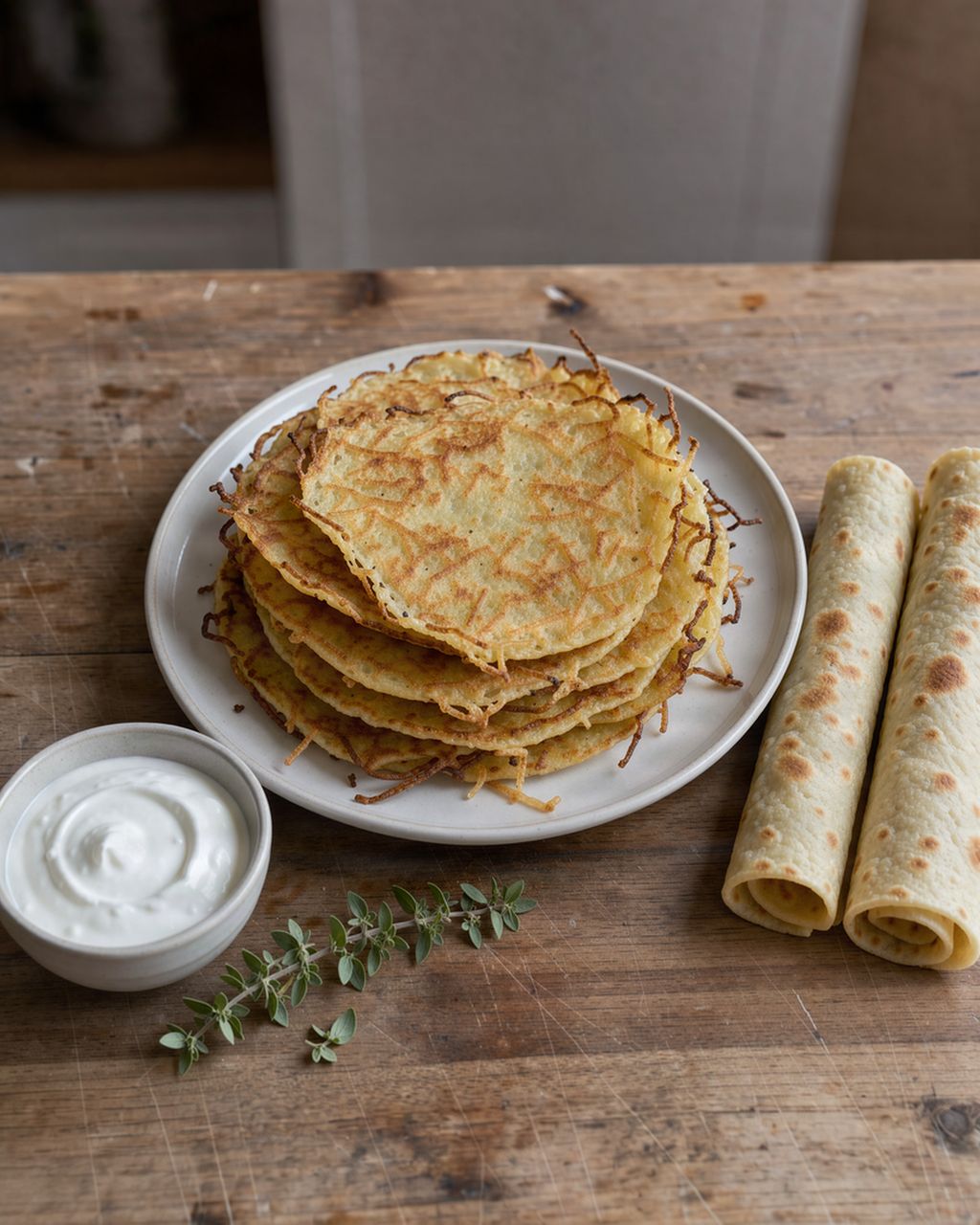
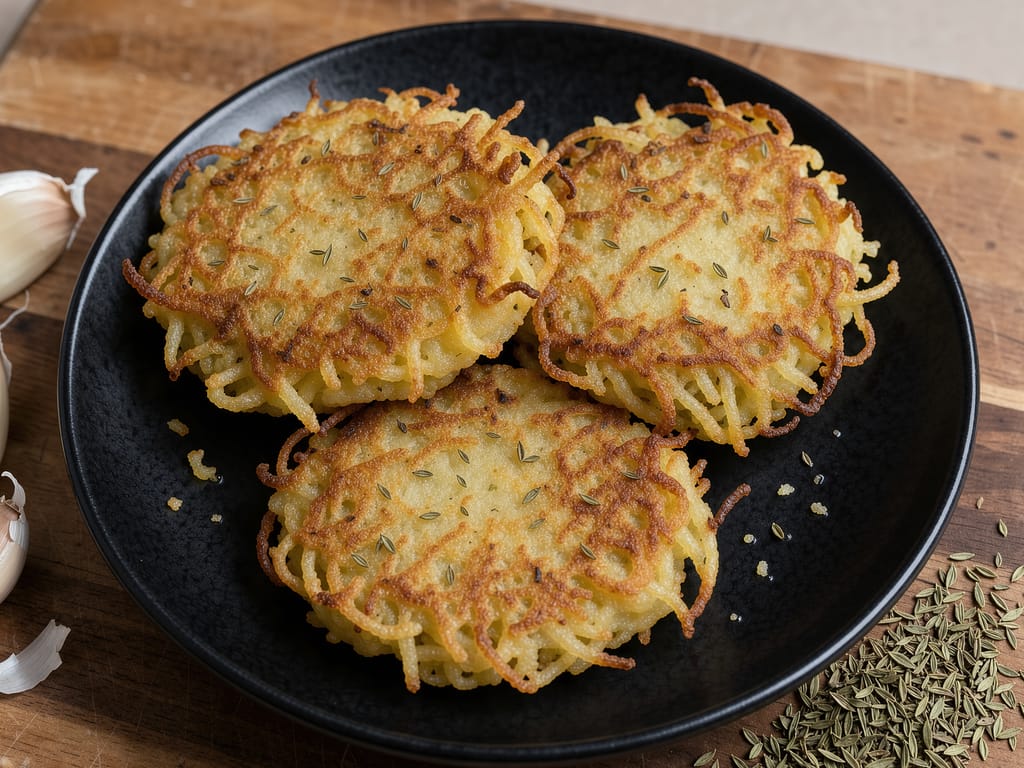
Bramborák (Czech potato pancake, plural bramboráky) is made from raw, finely grated potato mixed with egg, a little flour, salt, and two seasonings that define it: garlic and marjoram. The batter is spread thin in a pan with a generous layer of fat and fried until the edges are dark gold and lacy.
It is a cheap, hearty dish that Czechs eat on its own: at home as a meatless lunch, at fairs and markets as street food, and in pubs as a snack with beer. A bramborák is usually the size of a small plate and thinner than most other potato pancakes.
It goes by local names too: cmunda is heard across much of Bohemia, and around Plzeň it is called vošouch. Some pubs serve a version wrapped around a filling of meat or vegetables, but the plain one is the classic.
The smell of garlic and marjoram frying is the giveaway. If you have dried marjoram and garlic in the kitchen, you have everything that makes it Czech.
Recipe of the week, one tip that saves you time and one deal from the shop. Unsubscribe in one click.
The next issue goes out on Thursday, November 26.
Grate the potatoes. Raw, peeled, on the fine side of the grater. Starchy potatoes work best; see floury potatoes.
Drain. Grated potato releases a lot of liquid. Most cooks squeeze it or pour it off so the pancakes fry rather than steam.
Mix. Egg, a little flour (some cooks add milk or semolina), salt, pepper, crushed garlic and dried marjoram. Caraway appears in some family recipes.
Fry. Spread thin in hot fat, traditionally lard, and fry on both sides until deep golden.
Work quickly once the potatoes are grated, since they turn grey as they sit. It changes the look more than the taste, but you want the potato to stay pale until it hits the pan.
Latkes are the potato pancakes of Ashkenazi Jewish cooking, eaten especially at Hanukkah. Frying in oil is part of the point: it recalls the miracle of the oil in the Hanukkah story.
Base: grated raw potato, often with grated onion.
Binder: egg with flour or matzo meal.
Seasoning: salt, pepper and onion. No garlic or marjoram in the classic version.
Shape: smaller and thicker than bramborák, a few bites each.
Served with: applesauce or sour cream, or both.
Potato latkes are newer than the holiday itself. Earlier latkes were made from other ingredients, such as cheese, and potato versions became common in Eastern Europe in the 19th century.
Placki ziemniaczane (Polish potato pancakes) are a staple of Polish home cooking and milk bars.
Base: finely grated raw potato, with onion.
Binder: egg and flour.
Seasoning: salt and pepper; onion carries the flavor.
Shape: medium-sized, thicker than bramborák.
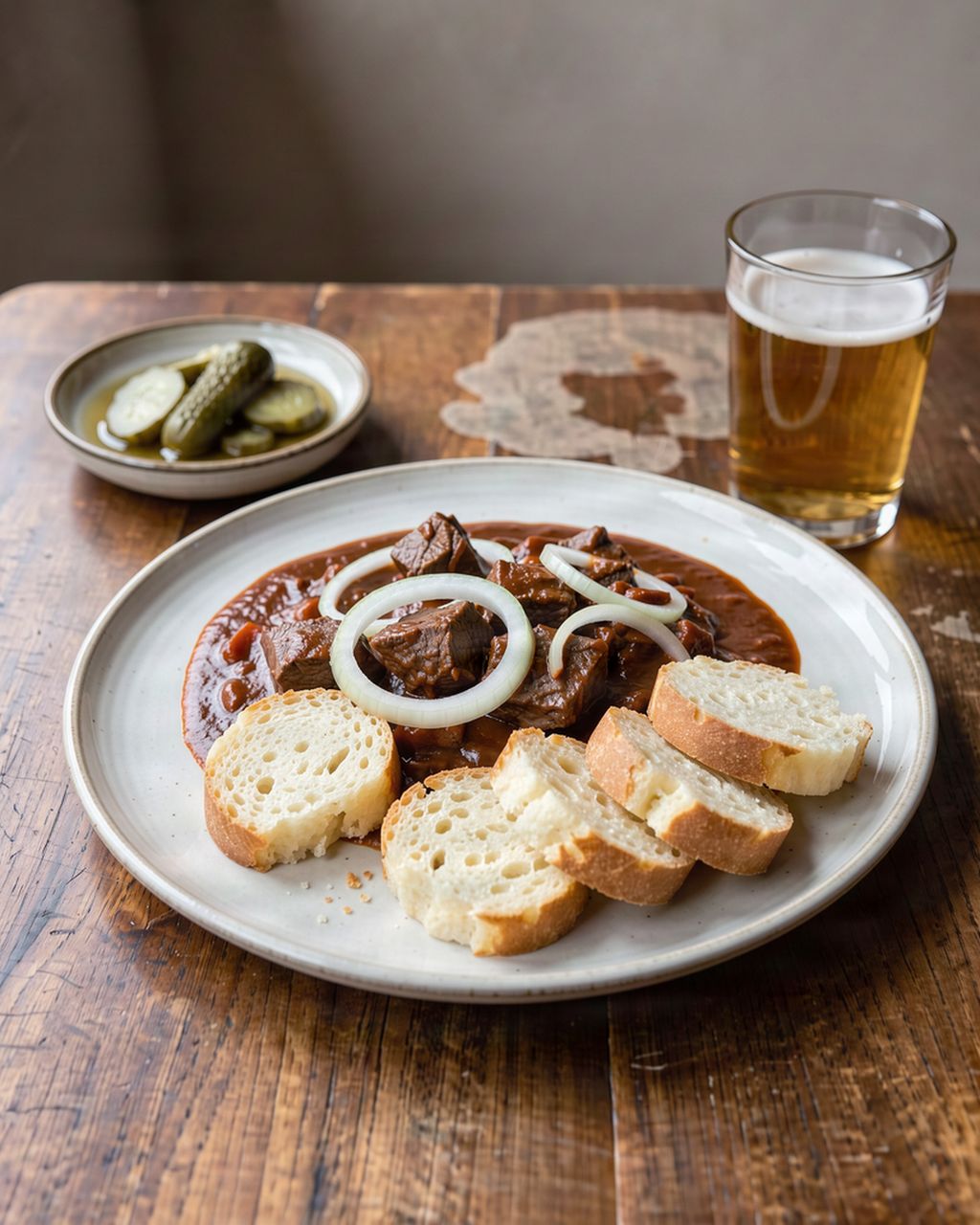
Served with: sour cream; or sugar, as a sweet meal; or topped with goulash or a meat sauce. The goulash-topped version is known as a Hungarian-style pancake.
In practice placki and latkes can be nearly identical in the pan. The difference is in the toppings and the occasion. Slovakia has its own version, zemiakové placky, close to the Czech one.
Reibekuchen (also Kartoffelpuffer, German potato pancakes)
Base: finely grated raw potato with onion.
Binder: egg and a little flour.
Seasoning: salt, pepper, onion; nutmeg in some recipes.
Served: savory as a side, or sweet with applesauce, or with blueberries, sugar and cinnamon. They are a familiar snack at German markets and fairs in the colder months.
Rösti (Swiss)
Base: coarsely grated potato, either raw or parboiled.
Binder: usually none. The potato starch holds it together.
Seasoning: salt; onion, bacon or cheese are common additions.
Shape: often one large cake pressed into the pan and flipped, then cut into wedges.
Origin: a farmers' breakfast from the canton of Bern, now eaten all over Switzerland.
Rösti is the odd one out: it is closer to American hash browns than to a pancake batter.
The short version, side by side:
Bramborák (Czech): fine raw potato, egg, flour, garlic and marjoram. Thin and large. Eaten on its own.
Latkes (Jewish): fine or coarse raw potato, onion, egg, flour or matzo meal. Small and thick. Hanukkah, with applesauce or sour cream.
Placki ziemniaczane (Polish): fine raw potato, onion, egg, flour. Medium. Sour cream, sugar or goulash on top.
Reibekuchen (German): fine raw potato, onion, egg, flour. Medium. Applesauce, or as a side.
Rösti (Swiss): coarse raw or parboiled potato, usually no egg or flour. One large cake. A side or a breakfast.
If a recipe calls itself a Czech potato pancake but has no garlic and no marjoram, it is really one of its neighbors.
The fat matters too. Bramborák is traditionally fried in lard, which gives it a savory, slightly porky depth and very crisp edges. Latkes are fried in oil: oil is central to the Hanukkah story, and lard, being pork fat, has no place in a kosher kitchen. Polish and German cooks use oil or lard, and rösti is often fried in butter or clarified butter.
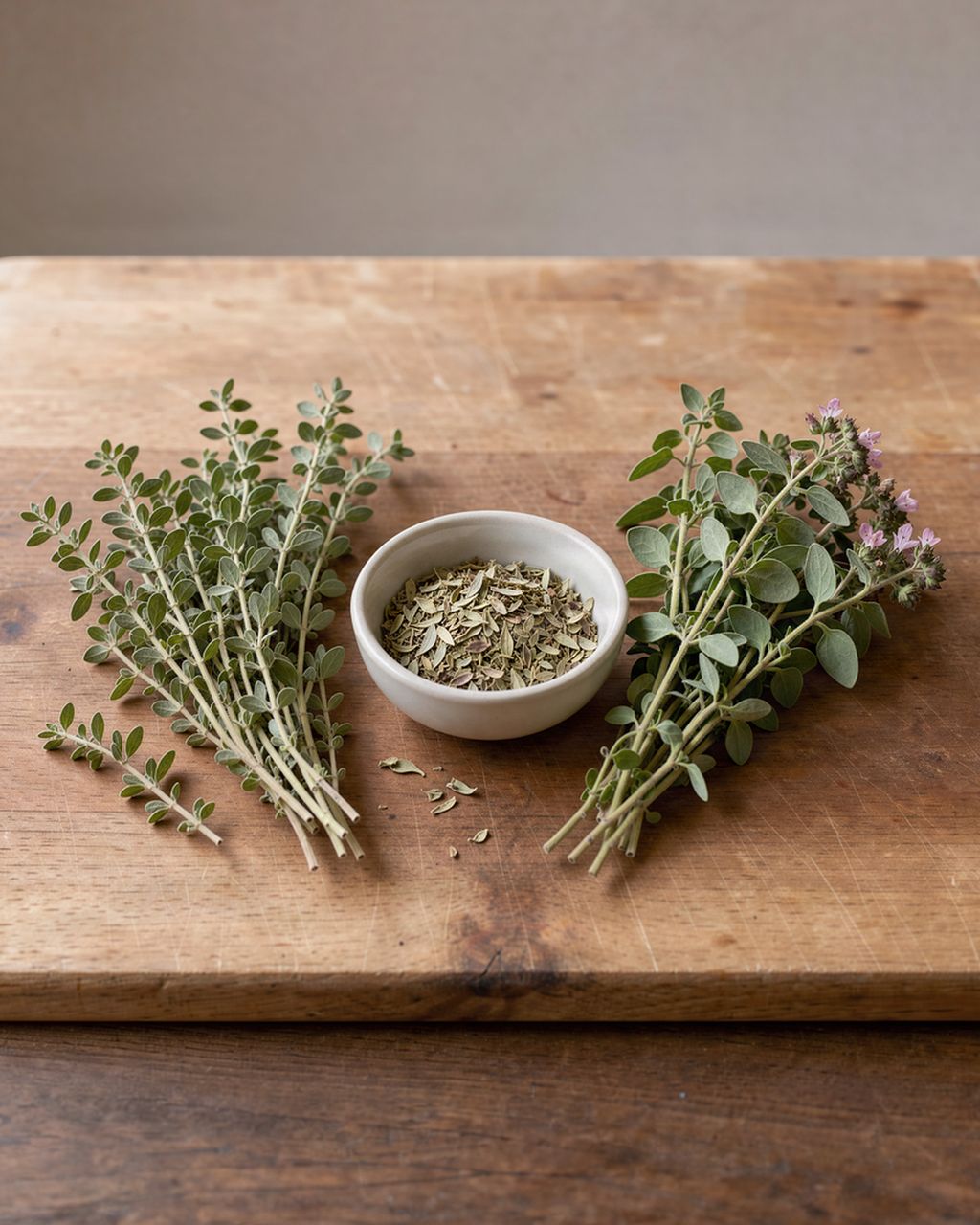
Marjoram is what makes bramborák taste Czech, so leaving it out changes the dish more than any other swap. Dried marjoram is easy to find in most supermarkets; look in the spice aisle, sometimes next to oregano.
If you have none, a smaller amount of dried oregano is the closest stand-in. It is sharper and more resinous, so use less. Thyme works in a pinch. Our guide to herb substitutes covers the ratios.
Garlic is the other non-negotiable. Fresh, crushed cloves give the classic flavor; garlic powder is a poor substitute here because the fresh garlic flavor is what people remember.
If you end up with leftover potatoes, our article on what to cook with potatoes has more Czech ideas.
Bramborák is a Czech potato pancake made from raw grated potato, egg and flour, seasoned with garlic and marjoram and fried in fat. It is eaten on its own as a snack or a meatless meal.
The main difference is the seasoning: bramborák tastes of garlic and marjoram, while latkes are usually seasoned with onion. Latkes are also tied to Hanukkah, when frying in oil is part of the tradition.
Placki ziemniaczane and latkes are close cousins and are often made in very similar ways, with grated potato, onion, egg and flour. The difference is mostly in how they are served: Polish placki are often topped with sour cream, sugar or goulash.
Rösti is usually made from coarsely grated potato alone, raw or parboiled, without egg or flour, and is often fried as one large cake. Most other potato pancakes use egg and flour to bind smaller pancakes.
Bramborák is usually called a Czech potato pancake in English. In some Czech regions it also has local names, such as cmunda or vošouch.
One recipe worth heating the oven for, one tip, and one deal from the shop. Nothing else.