Creamy roasted celeriac soup
Storing Root Vegetables Over Winter: How to Keep Them Fresh Until Spring
Updated Sep 25, 2026
Root vegetables keep longest over winter in the cold — 0–4°C (32–39°F), with high humidity around 90–95%, and in the dark — ideally packed in slightly damp sand. Stored this way, they'll last anywhere from 1 to 6 months depending on the type: carrots can easily make it to spring, celeriac lasts 3–4 months, parsnips and parsley root 2–6 months, and beets a shorter stretch, roughly 1–3 months. The rules are simple: don't wash them, trim off the tops, sort them, and check on them regularly. Below you'll find out why this works, how to pull it off whether you've got a cellar or live in a flat, and what mistakes to avoid.
Root vegetables do best at 0–4°C (32–39°F), with relative humidity of 90–95%, and in the dark. That's what agricultural extension services recommend too.
Cold slows down the root's respiration — vegetables are still alive after harvest and keep burning through their own sugars and water. The warmer it is, the faster they wilt and lose flavour.
Humidity matters more for root vegetables than for anything else in your pantry. Carrots or parsnips have thin skins and will turn rubbery within days in dry air.
Darkness stops the roots from sprouting and keeps the top of the root from turning green.
They must not freeze. Below freezing point, ice crystals form inside the tissue, and once thawed, the root turns mushy. Brief dips around 0°C are fine, but a prolonged hard freeze isn't.
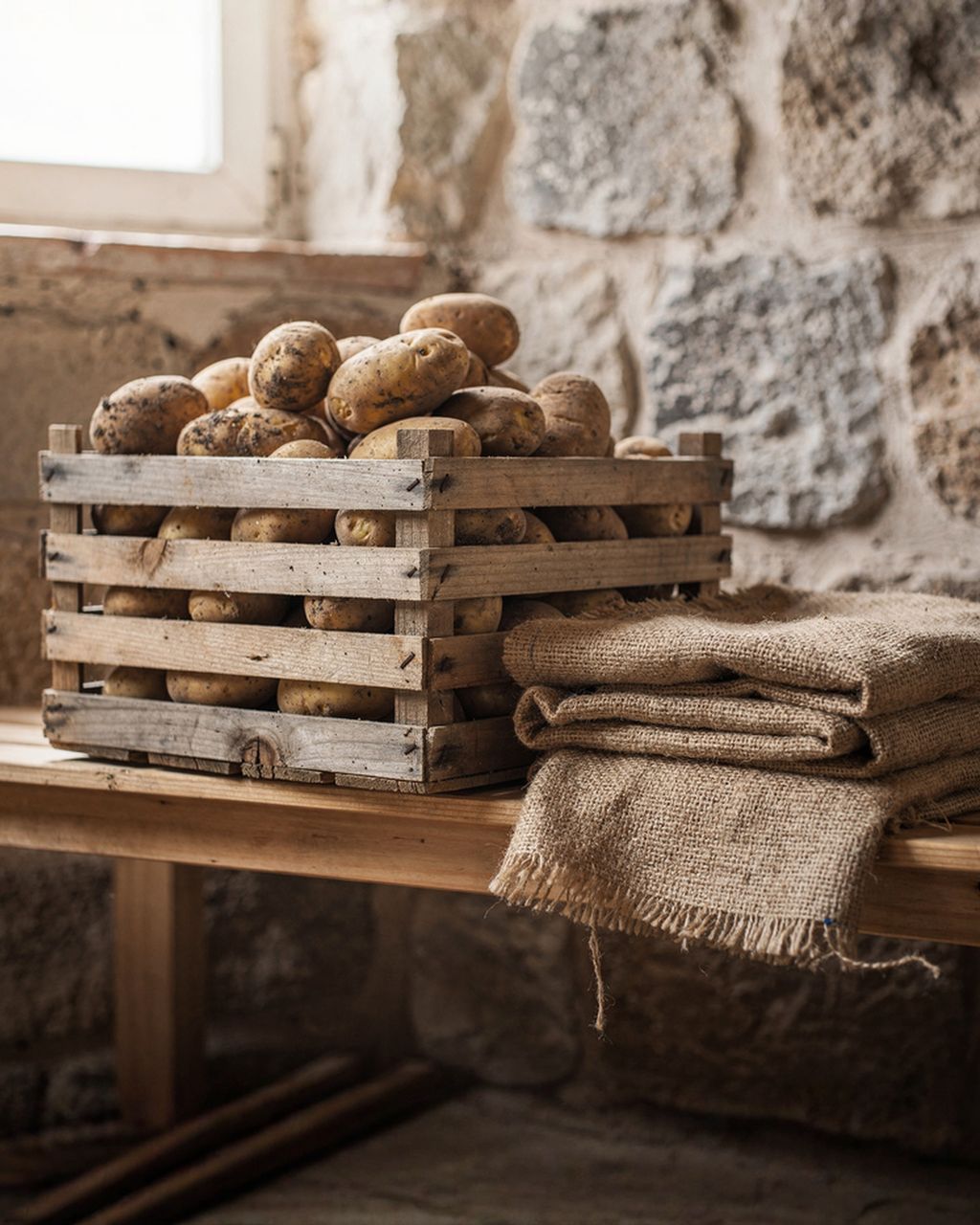
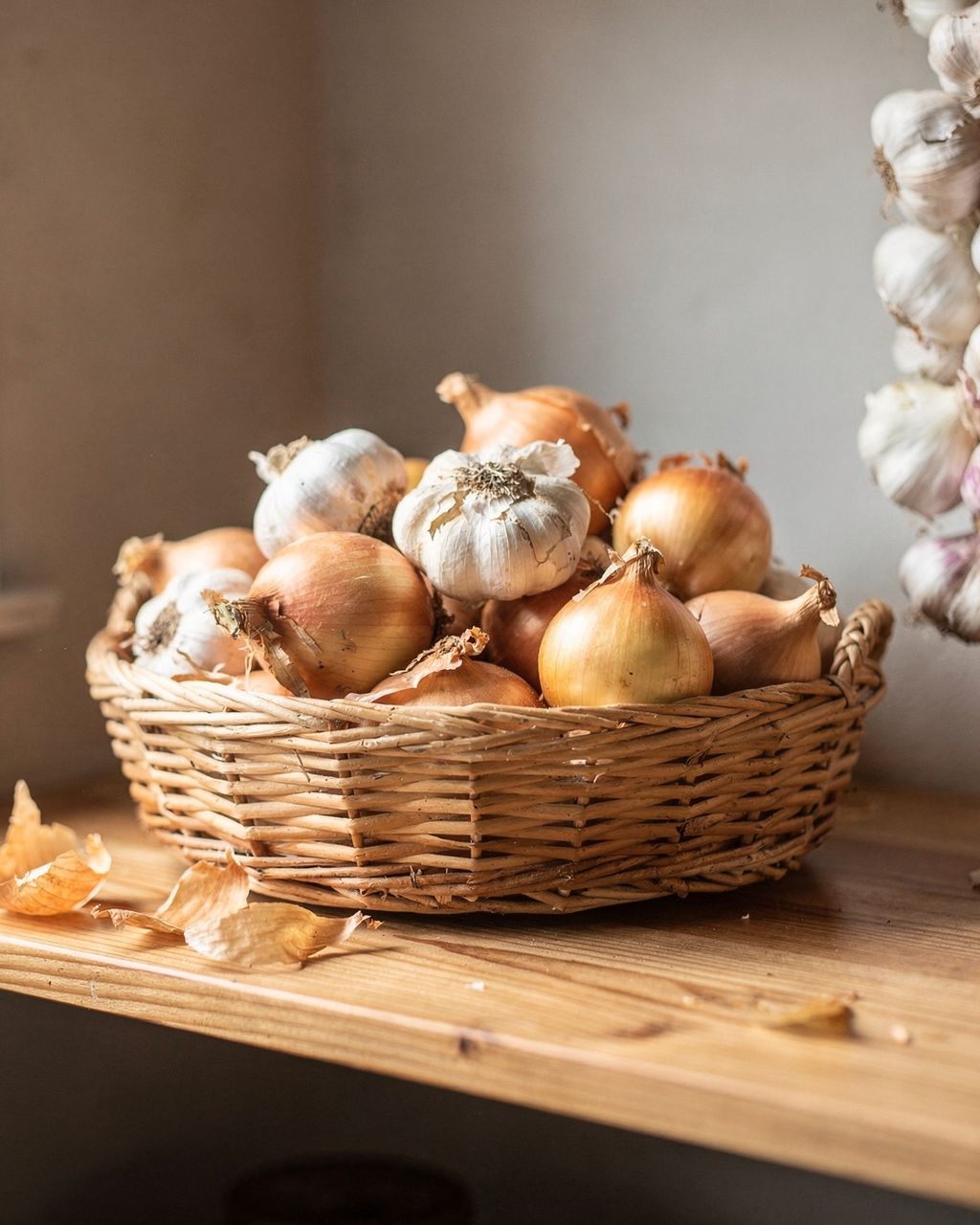
Potatoes, onions, and garlic have different needs — you'll find tips on combining them in the same cellar in the FAQ at the end of the article.
For winter storage, only use healthy, undamaged, unwashed root vegetables with the tops trimmed off. How you prepare them decides whether your stash lasts until March or only until Christmas.
Harvest when dry, ideally after a few rain-free days. Wet soil clinging to the roots means rot.
Don't wash them. Just gently knock off the dirt or wipe it away by hand. Washing damages the skin and adds surface moisture, which mould loves.
Cut off the tops, leaving a 1–2 cm stub. The leaves would otherwise keep drawing water out of the root. But don't cut into the root itself — every wound is an open door for rot.
Treat beets more gently. Twist off the tops rather than cutting them, and leave the little taproot on. Injured beets "bleed" and dry out.
Sort them. Only firm, straight, unbruised pieces go into long-term storage. Use up any cracked, split, or nibbled ones (from rodents or pests) first — they won't keep, and they'll spread rot to the rest.
Let them air-dry for a few hours in the shade, not in direct sun.
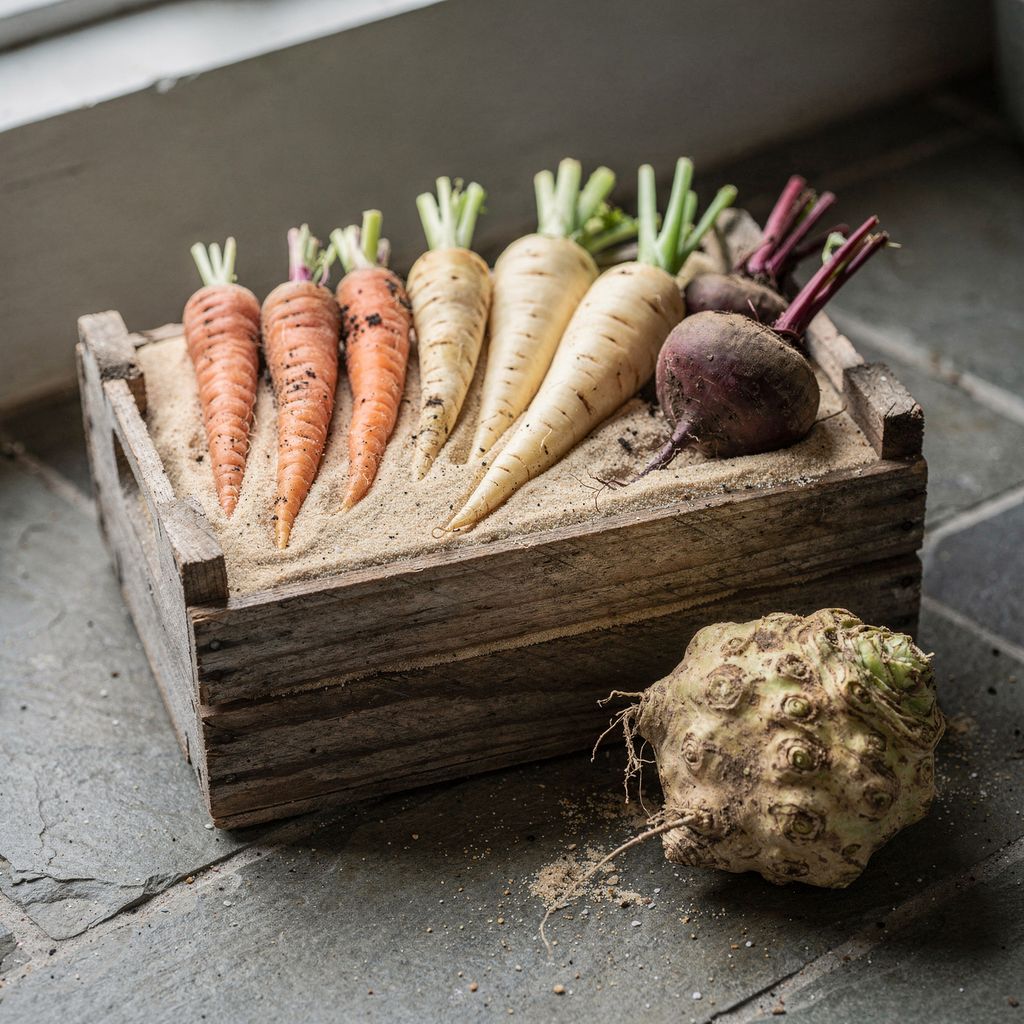
The most reliable home method is to layer the roots in a crate with slightly damp sand so they don't touch each other. The sand keeps moisture around each piece while also stopping rot from spreading from one root to the next.
Grab a wooden crate, a plastic tray, or a large bucket.
Spread 3–5 cm (about 1.5–2 inches) of sand on the bottom.
Lay down a layer of roots — carrots and parsnips can go on their side or point-down, just as they grew. Leave a gap between pieces.
Cover them completely, then start another layer.
Finish with one more solid layer of sand on top.
What kind of sand: clean builder's sand or play sand from a sandbox. Not sea sand — the salt damages the vegetables. How damp: just lightly — if you squeeze a handful, it should hold its shape but not drip water. Sand that's too wet means mould, too dry lets the vegetables wilt.
Instead of sand, you can also use peat, coconut coir, or wood shavings/sawdust — the principle is the same: keep the pieces apart and keep moisture around them.
Without a cellar, look for the coldest frost-free spot in your home or around it: an unheated hallway, pantry, garage, a storage locker in an apartment block, or an enclosed balcony/loggia with an insulated crate.
Apartment block storage lockers. These often run too warm because heating pipes pass nearby. Check the temperature with a thermometer before you put any vegetables in.
Balcony or loggia. Place the crate of sand against the house wall, wrap it in an old blanket or polystyrene, and during hard frosts (below −5°C/23°F) bring it indoors for a few days. Sand acts as a thermal buffer, but it won't hold up against a prolonged freeze.
Garage or shed. Often ideal — cold and dark. Just make sure it doesn't drop below freezing in January; a cheap thermometer will tell you the truth.
Fridge. Perfectly fine for smaller amounts. Put carrots, parsnips, or parsley root in the crisper drawer in a perforated bag (keeps moisture in, lets condensation escape), and wrap celeriac in a tea towel or bag. This way they'll last roughly 3–5 weeks, carrots even longer.
A cool pantry in a flat (10–15°C/50–59°F) isn't ideal — plan on weeks rather than months, and keep the vegetables in a box of sand or at least a bag so they don't dry out.
What not to do: don't leave root vegetables loose in a basket in the kitchen. At room temperature and with dry heated air around, they'll wilt within days.
In sand at 0–4°C, carrots last 4–6 months, parsnips and parsley root 2–6 months, celeriac 3–4 months, and beets 1–3 months. Rough guidelines by type (based on US agricultural extension data, though actual results vary by variety and quality):
Carrots: 4–6 months
Parsnips and parsley root: 2–6 months
Celeriac: 3–4 months
Beets: 1–3 months, longer in a good cellar
Turnips and rutabaga: 2–4 months
As a rule, late, storage-type varieties keep far longer than early ones. Early-summer carrots aren't meant for winter storage — they're tender and thin-skinned. If you grow your own, sow varieties labelled as storage or late-season types for winter keeping.
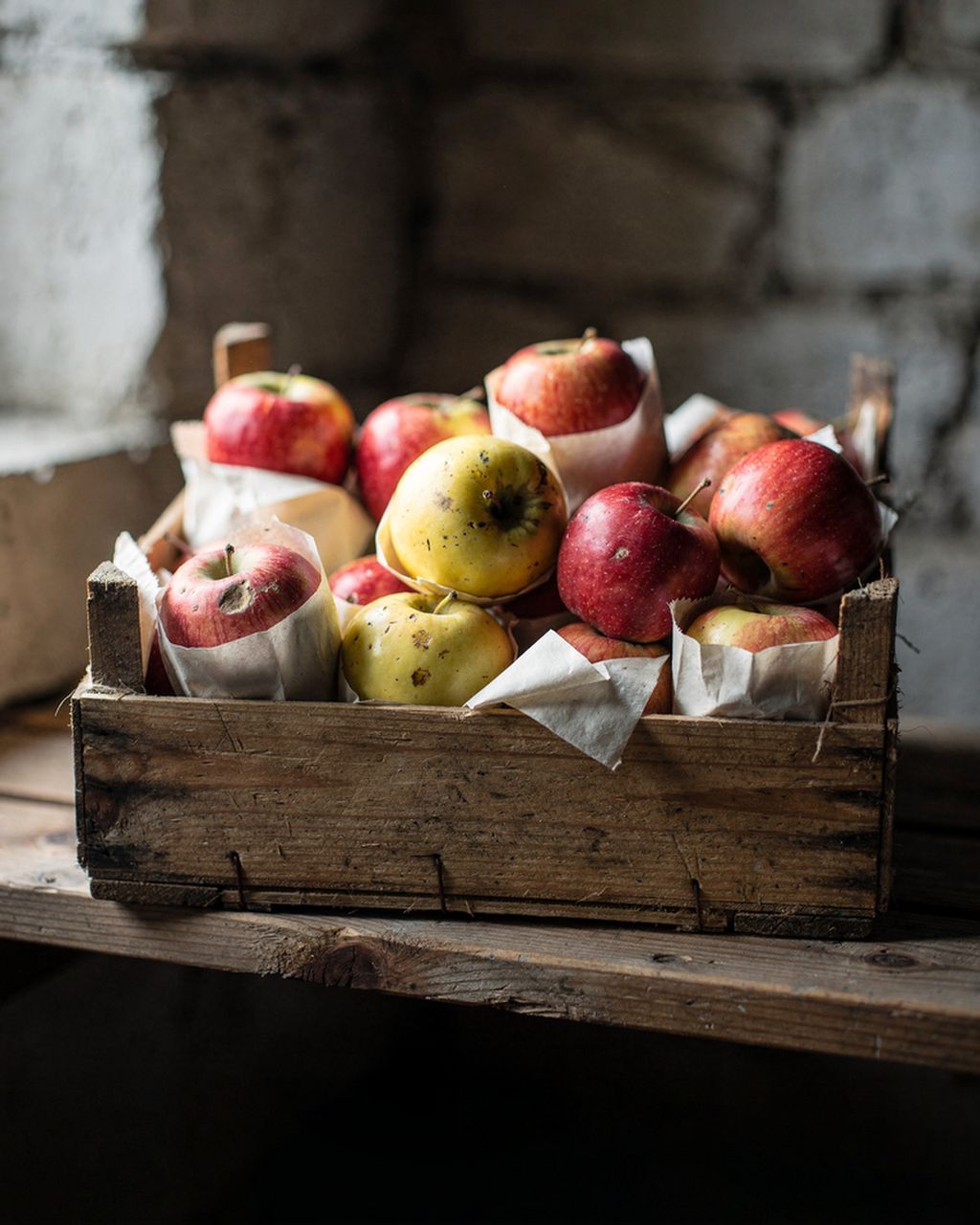
Carrots shouldn't sit next to apples because apples and pears release ethylene, a gas that turns carrots bitter within about two weeks. According to postharvest research from the University of California, Davis, even a very small amount of ethylene is enough — it triggers the carrot to produce a compound called isocoumarin, which is what causes the bitter taste.
In practice, that means:
Store apples and pears in a different room, or at least a different drawer in the fridge.
In the cellar, keep them as far as possible from the crates of root vegetables, ideally with something separating them.
Bitterness is just a flavour flaw, not a health risk — you can still eat bitter carrots, they just won't taste sweet anymore.
Yes, parsnips and parsley root handle frost well and can happily stay in the ground all winter. Gardeners also say they get sweeter after the first frosts — the cold triggers the plant to convert some of its starch into sugar.
Cover the bed with 10–20 cm (4–8 inches) of straw or leaves so the soil doesn't freeze solid and you can still dig into it.
Only dig up as much as you'll use in the next few days.
Dig up the rest before spring. Once it warms up and the plant starts growing again, the root turns woody and loses flavour.
Carrots and beets aren't as frost-hardy, so it's better to harvest them before the first hard frosts.
Check stored root vegetables roughly every 2–4 weeks and remove anything that's gone soft, rotten, or mouldy. One rotting piece can ruin the whole layer.
Gone soft but still sound? Use limp carrots or parsnips first — they're still great in soups or stock. Soaking them in cold water for a few hours can help them perk up a bit.
Wet, slimy surface, a bad smell, or fuzzy growth — toss that piece, and ideally replace the sand around it.
Sprouting white roots? Storage is too warm. Snap off the sprouts, use the piece soon, and try to find a cooler spot.
Sand dried out? Gently mist it from above with a spray bottle.
If you don't have a cold spot, freeze, ferment, pickle, or dry your vegetables instead — they'll then keep for months even in a warm flat.
Freezing: peel carrots and parsnips, cut into cubes or rounds, and blanch for 2 minutes in boiling water (whole baby carrots need about 5 minutes), then cool immediately in ice water, pat dry, and freeze. This is the method recommended by the US National Center for Home Food Preservation. Blanching stops the enzymes that would otherwise ruin the flavour and colour in the freezer. Beets don't need blanching first — instead, boil them until tender (25–30 minutes for small beets, 45–50 for medium ones), peel, chop, and freeze. Use within about 8–12 months.
Fermenting: grated carrot or beet ferments with salt much like sauerkraut, and keeps for months in the cold.
Pickling: classic jarred, sterilised beets in brine will keep in the pantry until next season.
Drying: thin slices of carrot, celeriac, and parsley root dried at 50–60°C (120–140°F) make a great base for a homemade soup mix.
Frozen root vegetables lose their crunch, so they're best suited to soups, sauces, purées, and braises rather than salads.
Your winter root vegetable stash is best turned into creamy soups, pan-roasted vegetables, and salads or spreads made from roasted beets. Start with the pieces that are already starting to soften — they're still excellent for roasting or soup.
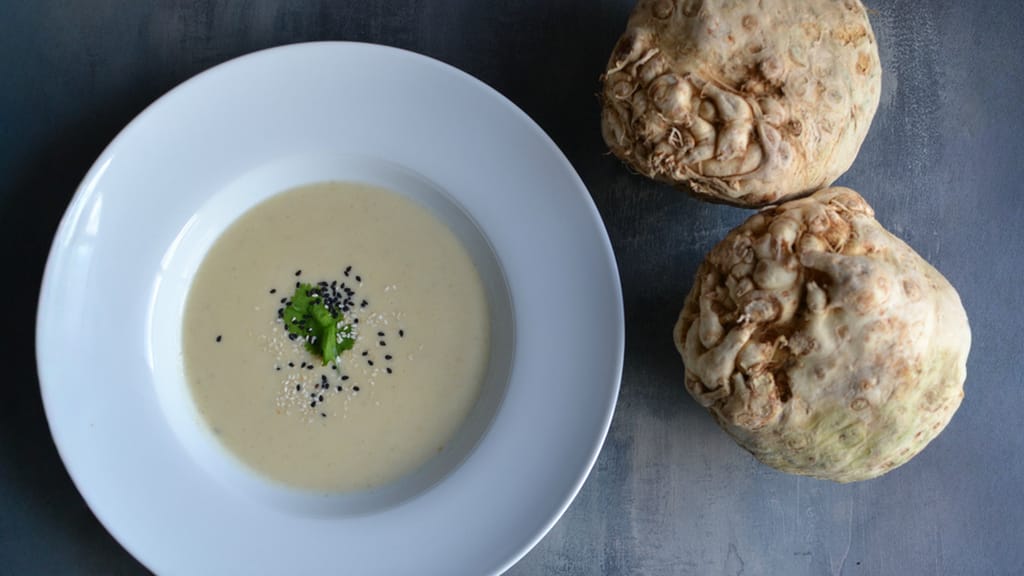
Turn celeriac that's no longer perfectly firm into a creamy roasted celeriac soup.
Use up leftover carrots, parsnips, and celeriac in a chestnut and root vegetable soup.
For a quick one-pan dinner, try mustard pork neck with root vegetables.
Roast beets — the ones with the shortest shelf life — into a roasted beet salad or a roasted beet spread.
Simply cut parsnip into fries, drizzle with oil and honey, and roast at 200°C (400°F) until golden — the sweetness it picked up over winter really shines in the oven.
Creamy roasted celeriac soup
Creamy roasted celeriac soup — the best way to use up winter celeriac
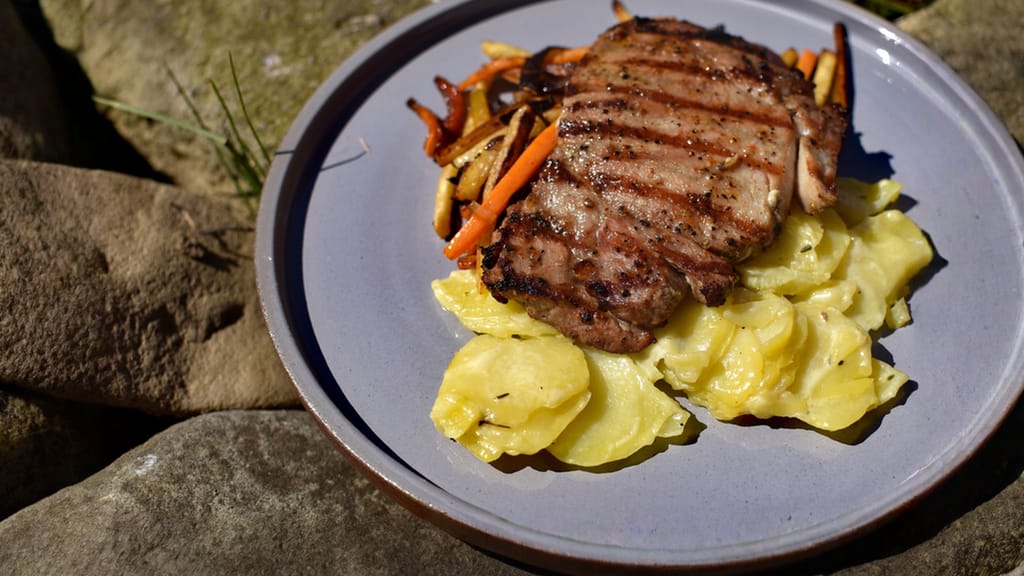
Pork neck in mustard marinade with pan-roasted root vegetables
One-pan mustard pork neck with root vegetables — carrots, parsnips, and celeriac from a single pan
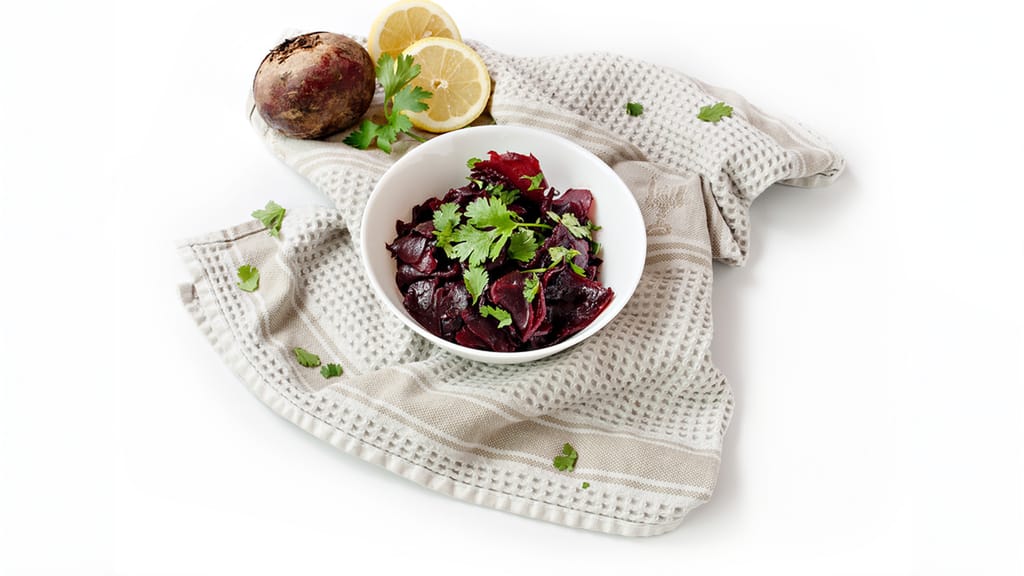
Roasted beetroot salad
Roasted beet salad — a great way to use up your winter beet stash
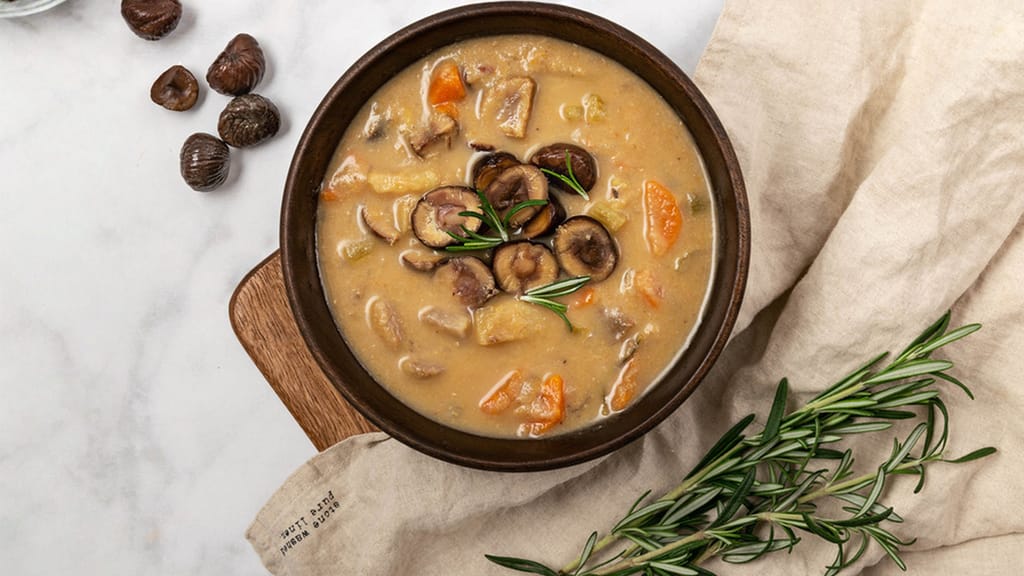
Chestnut vegetable soup
Chestnut and root vegetable soup
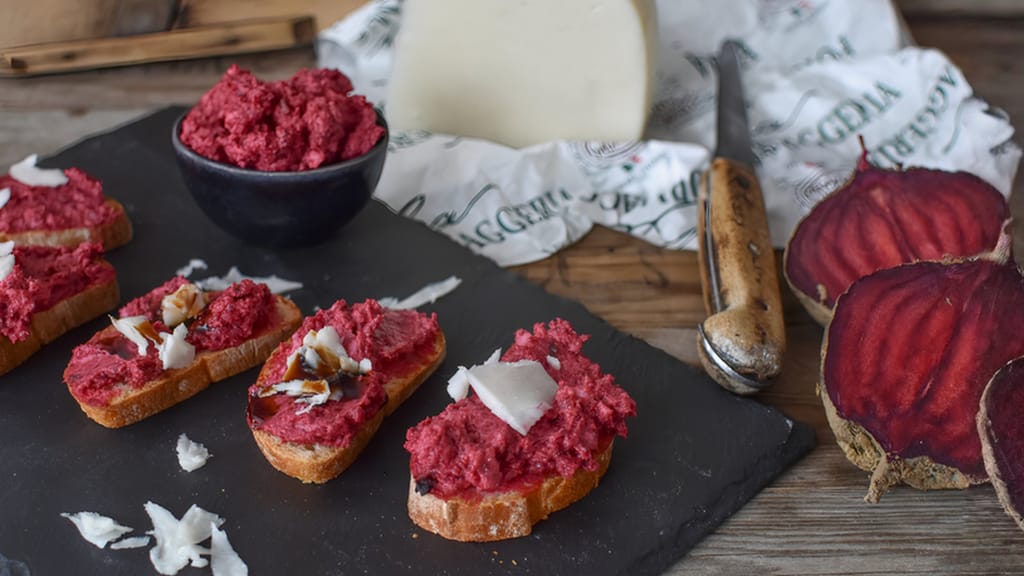
Roasted beetroot spread the whole family will love
Roasted beet spread from your winter stash
You can, but don't expect the same staying power — shop-bought carrots are usually washed and have often already been sitting around for a while, so in cold storage they'll last weeks rather than months. Let them dry thoroughly first, then keep them in a perforated bag in the fridge's crisper drawer; washed carrots have a damaged skin and mould more easily, so use them up before any unwashed ones. If you want a proper winter stash, buy unwashed carrots straight from growers in autumn, right after harvest.
Yes, you can keep root vegetables, potatoes, and onions in the same cellar, just as long as each group has its own spot with a different microclimate. Potatoes tolerate slightly warmer temperatures (around 4–7°C/39–45°F), while root vegetables want it closer to freezing and more humid, so put them in a crate of sand in the coldest corner, maybe near the floor. Onions and garlic, on the other hand, need dry conditions, so keep them away from the damp sand.
You can eat stored carrots or beets with a small mould spot as long as they're otherwise firm — according to USDA guidance, for firm vegetables it's enough to cut away at least 2–3 cm (roughly an inch) around and beneath the spot.
Don't store root vegetables in a sealed plastic bag in the cellar — moisture condenses inside and the vegetables mould quickly. If you don't have sand, use a perforated bag or one with holes punched in it, or a crate lined with damp newspaper, and check on it more often.
One recipe worth heating the oven for, one tip, and one deal from the shop. Nothing else.