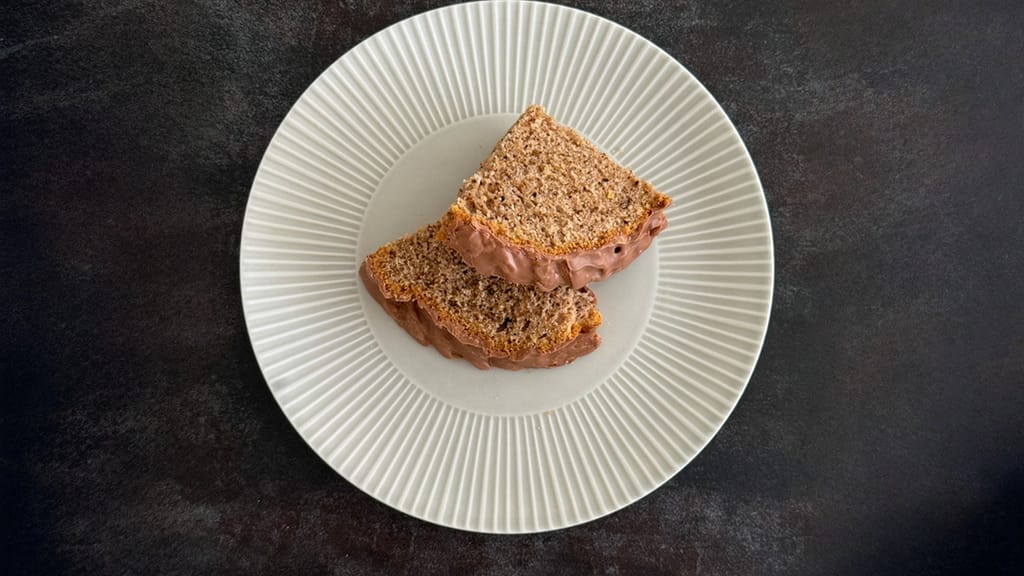
Traditional walnut easter lamb cake with chocolate glaze
Types of Nuts for Baking: How They Differ and Where Each One Belongs
Updated Oct 25, 2026
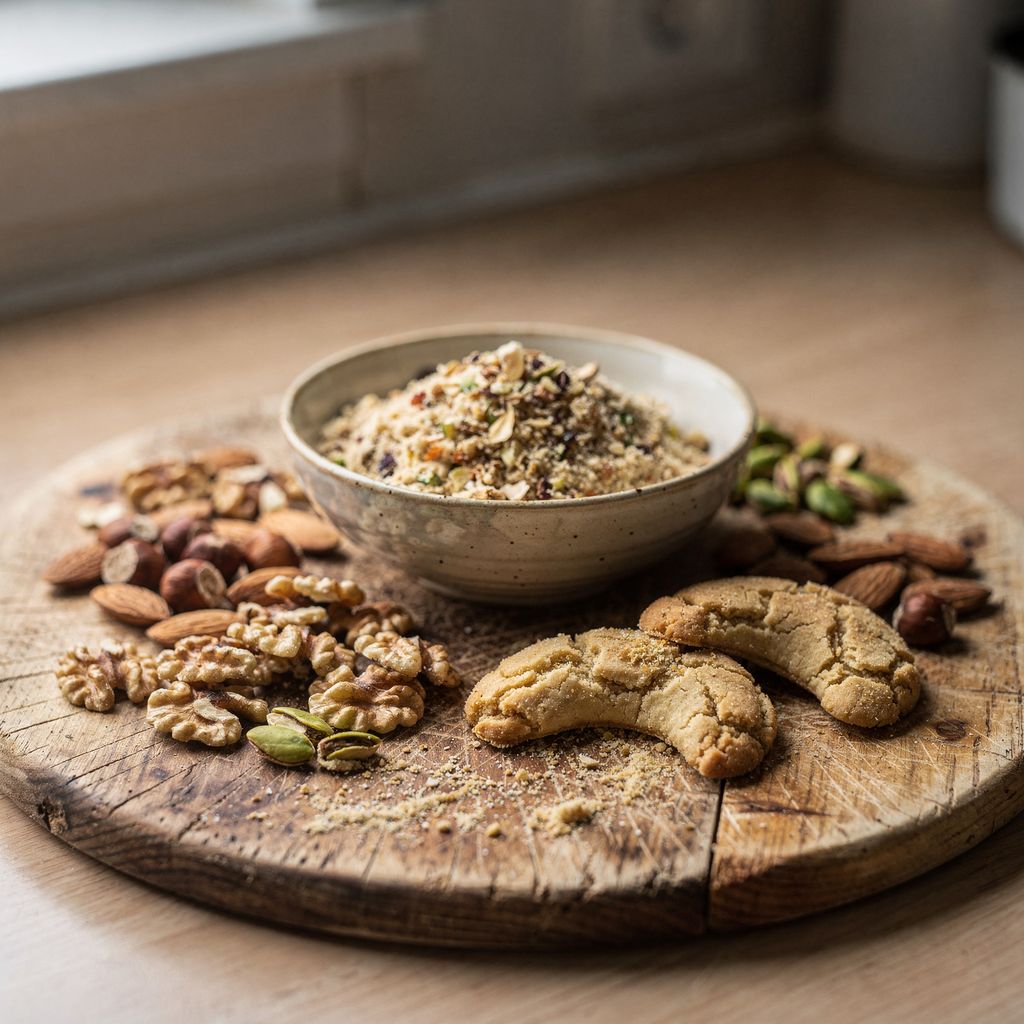
The main types of nuts for baking are walnuts, hazelnuts, almonds and pistachios, along with pecans, cashews and macadamias. That makes seven, plus peanuts. Each has a different fat content, hardness and flavor, which is why walnuts don't behave in a batter the same way almonds do. Walnuts bring a bold, slightly bitter flavor and moisture, hazelnuts an aromatic sweetness, almonds a neutral base that grinds beautifully, pistachios color, and pecans a buttery sweetness. Below you'll find a quick guide to which nut goes into which Christmas cookie, how to toast and grind it, and what to swap in, even if you're baking with no nuts at all.
Seven types are used most often in baking: walnuts, hazelnuts, almonds, pistachios, pecans, cashews and macadamias, plus peanuts. They differ mainly in three things that decide how your bake turns out:
Fat: more fat means a moister but also greasier batter, and nuts that scorch faster when toasted. Macadamias and pecans are the fattiest, cashews and pistachios the leanest.
Hardness: hard almonds and hazelnuts stay crunchy in a batter, while soft cashews and macadamias turn tender once baked.
Skin flavor: the thin brown skin on walnuts and hazelnuts contains tannins that make them bitter. Sometimes that's welcome, sometimes you want it gone.
A quick rule of thumb: for ground nuts in cookies and Linzer cookies, reach for almonds or hazelnuts; for fillings and gingerbread flavors, walnuts; for color, pistachios; and for caramel tarts and pies, pecans.
Seasonal baking plans, tested recipes and kitchen tricks that save you time. Unsubscribe in one click.
Of the nuts in this guide, only the hazelnut is a true nut in the botanical sense. The rest are seeds of drupes, or a legume. It makes no difference in the kitchen, but it does for allergen labeling (more on that below). Fat content is based on the USDA FoodData Central database for raw kernels, per 100 g:
Hazelnuts (common hazel): a true nut botanically. About 61 g fat. Sweet, and like nougat once toasted. A classic for hazelnut Linzer cookies, crescents and pralines.
Walnuts (English or Persian walnut): botanically the kernel of a drupe. About 65 g fat. Full-flavored and slightly bitter. A classic for vanilla crescents, "bear paw" cookies, wreath cookies and walnut filling.
Almonds (a relative of the apricot): the seed of a drupe, not a nut. About 50 g fat. Mild and lightly sweet. A classic for crescents, macarons, marzipan and pale cookies.
Pistachios: the seed of a drupe. About 45 g fat. Delicate, slightly resinous. Used in baking mainly for their green color: crescents and Linzer cookies.
Pecans (a relative of the walnut): the kernel of a drupe. About 72 g fat. Buttery and sweet. For caramel pies and tartlets.
Cashews: the seed of the cashew apple's fruit, not a nut botanically. About 44 g fat. Mild and creamy. For cookies and raw desserts.
Macadamias: a seed. About 76 g fat, the most of any of them. Buttery. For white chocolate cookies.
Peanuts: a legume. About 49 g fat. Distinctly roasted. For cookies and bars; they barely appear in traditional Czech Christmas cookies.
The fat figures describe only the composition. For a deeper look at toasting, peeling and grinding nuts, see Nuts for Baking: Toasting, Peeling and Grinding.
Walnuts are the boldest nut in Czech baking: a full, slightly bitter flavor and plenty of fat, so the batter or dough stays moist.
Where they belong: walnut fillings for rolled strudels and sweet buns, gingerbread, Bundt cakes, Easter lamb cakes, bread and banana bread.
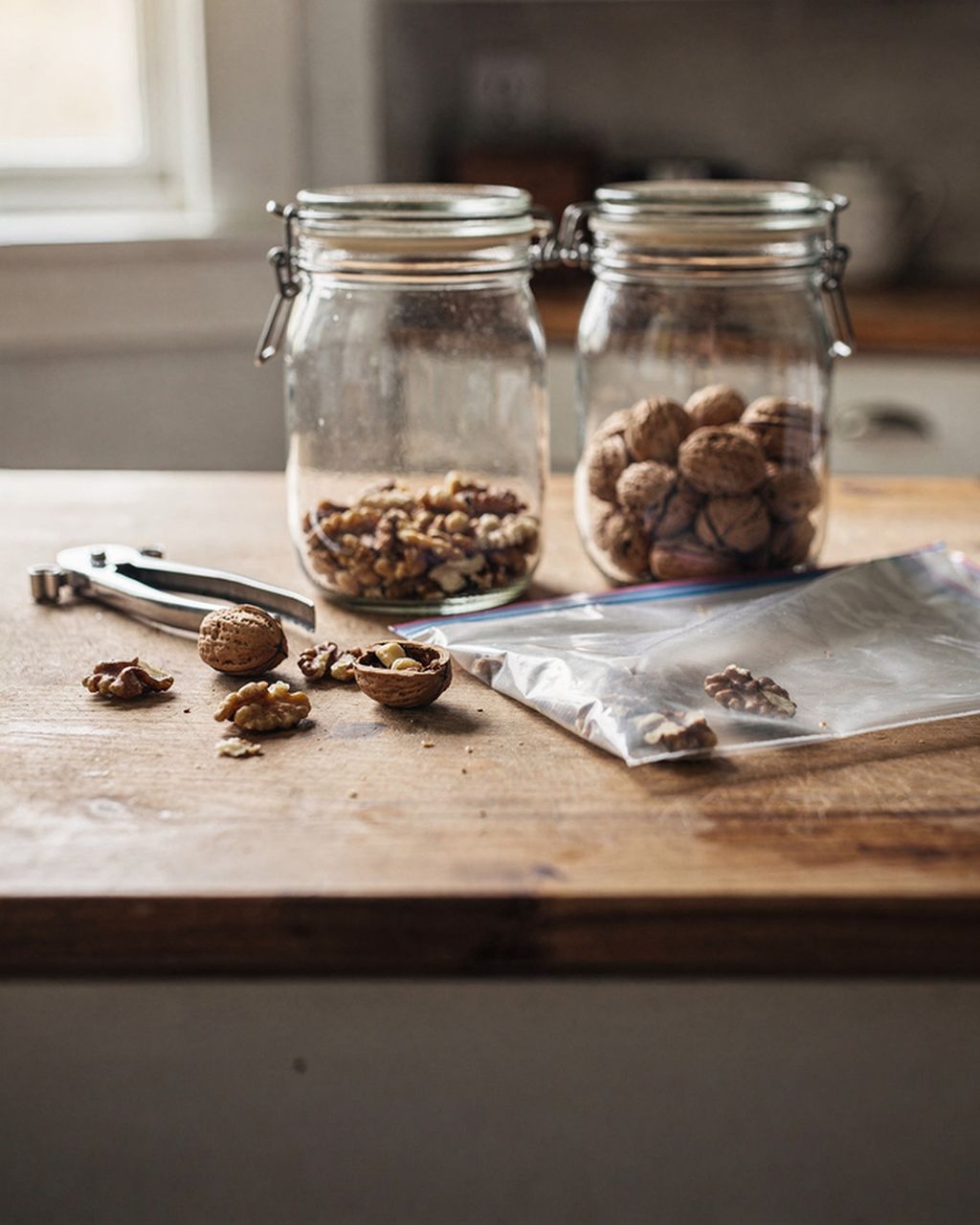
Halves or pieces: in shops you'll find halves (for decoration) and pieces (cheaper, for grinding and fillings). Pieces are enough for the batter, and the flavor is the same.
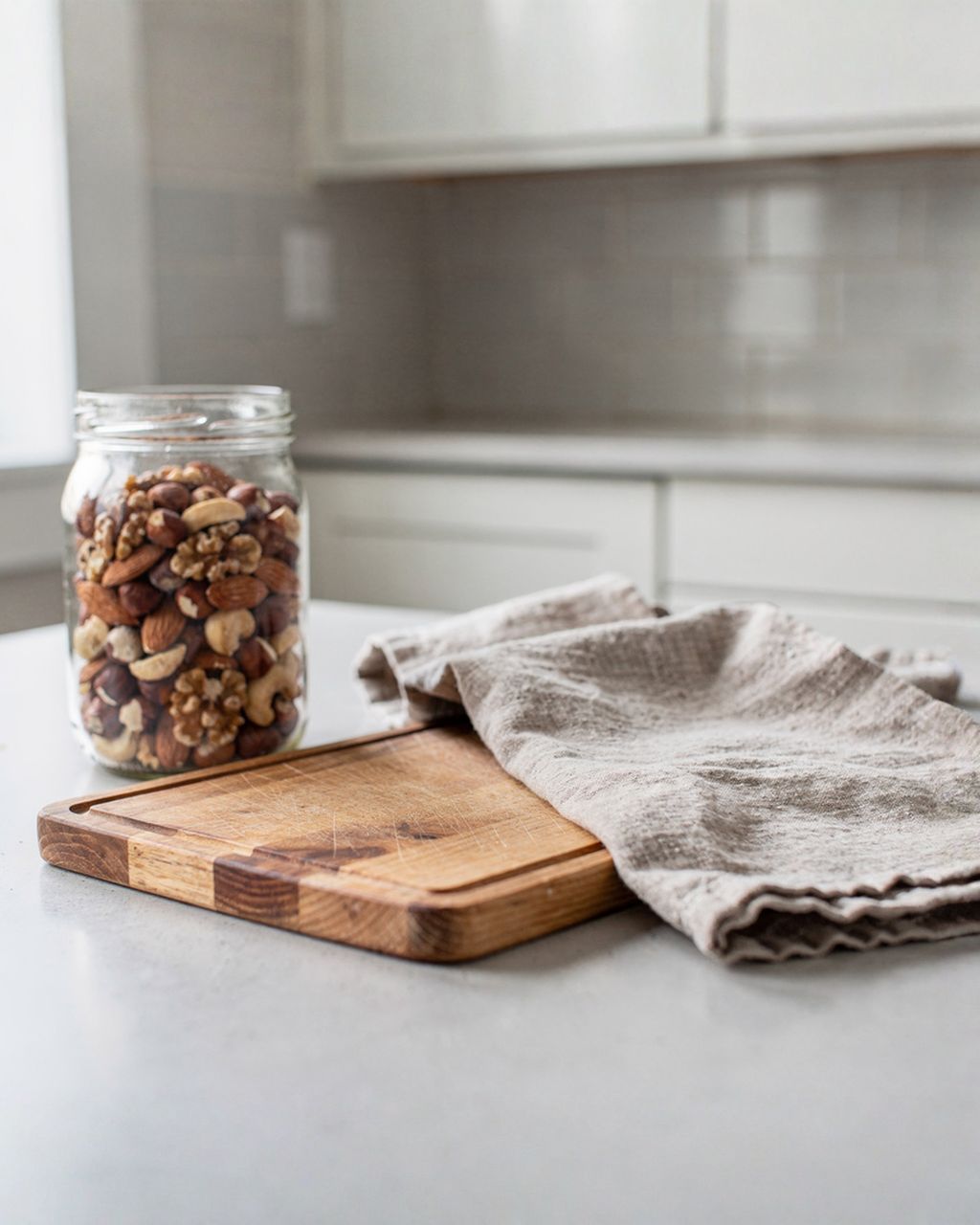
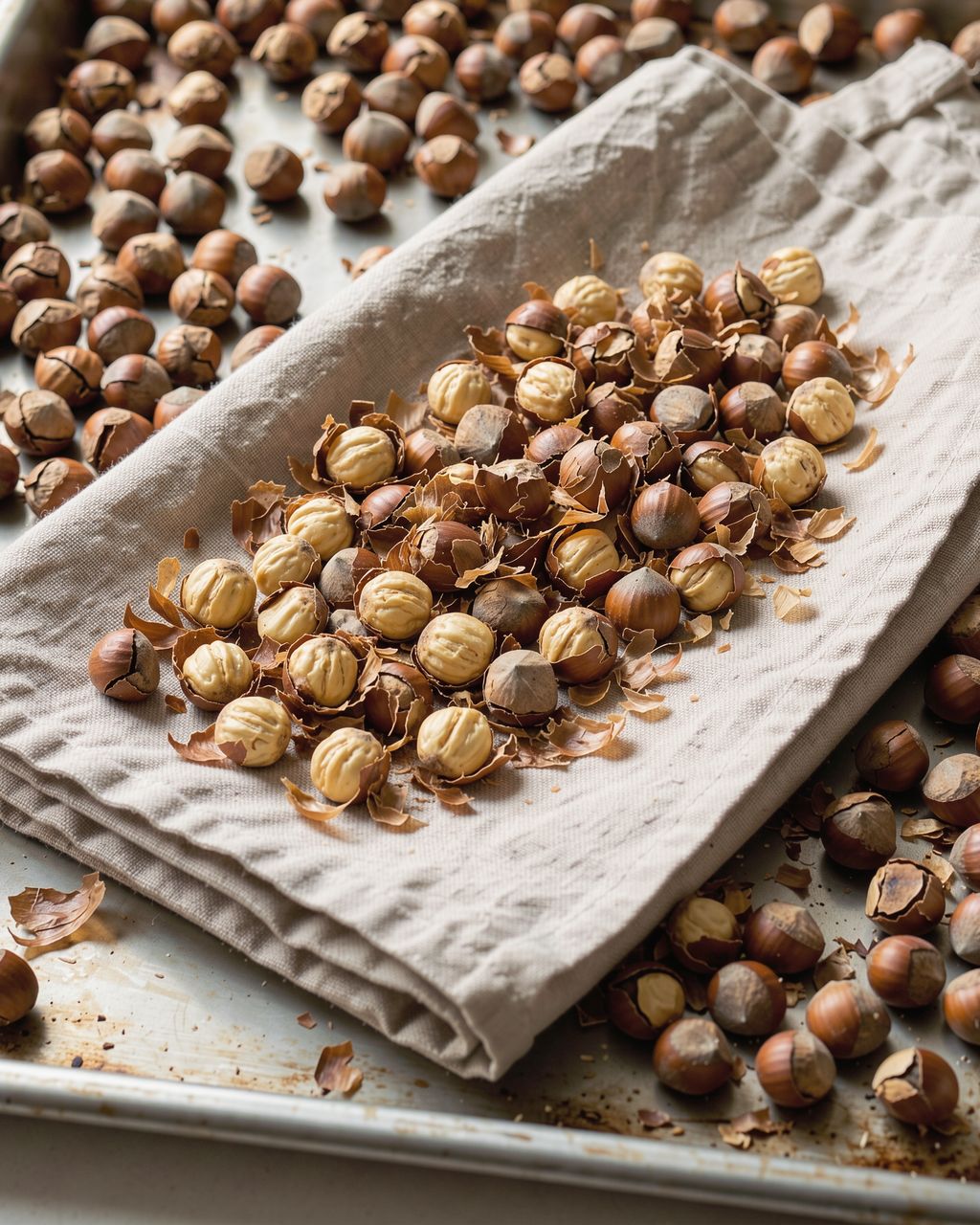
The bitterness comes mostly from the skin. For a milder flavor, toast the nuts briefly and rub off what loosens in a kitchen towel. The skin won't come off completely, but the bitterness softens noticeably.
Watch for rancidity: walnuts contain the most polyunsaturated fat of all the common nuts, so they go rancid the fastest. A stale, waxy or sharp off-flavor means they belong in the bin, because baking won't cover it up.
If you're cracking your own harvest from the garden, you'll find the method in Walnuts: How to Shell Them Quickly and Tell Whether They've Gone Rancid.
You can see a typical use in a traditional walnut Easter lamb cake, where ground walnuts carry both the flavor and the moistness of the whole cake.
Traditional walnut easter lamb cake with chocolate glaze
Traditional walnut Easter lamb cake with chocolate glaze
Hazelnuts are the most aromatic nut for sweet baking: once toasted they smell like nougat, and with chocolate they form the base of gianduja. They're hard, so they hold their structure in a batter.
Where they belong: Linzer cookies and crescents, chocolate cakes, pralines, nougat, cookies and granola.
What form to buy: with skins (natural), blanched, roasted, ground or sliced. For grinding into cookies, blanched are the most convenient, since you don't have to deal with the bitter skin.
Always toast them. Raw hazelnuts taste flat, while toasted ones are far more pronounced. While they're still warm, wrap them in a kitchen towel and rub firmly, and most of the brown skin will come off.
Ground hazelnuts are fattier than almonds, so doughs made with them tend to be more tender and crumble more.
Almonds are the most versatile "nut" in baking. They have a mild, lightly sweet flavor and a firm structure, so they grind into a loose powder and don't turn to paste as easily as other nuts.
Blanched (peeled) almonds give a pale, fine flour. It belongs in macarons, marzipan and pale cookies.
Unpeeled almonds have a stronger flavor and darker color, and suit gingerbread, cookies and biscotti.
Sliced almonds are for sprinkling on cakes. They brown within minutes, so add them on top rather than into the batter.
For almonds in a cake, try this plum and ricotta cake with almonds; for cookies, the classic is vanilla crescents.
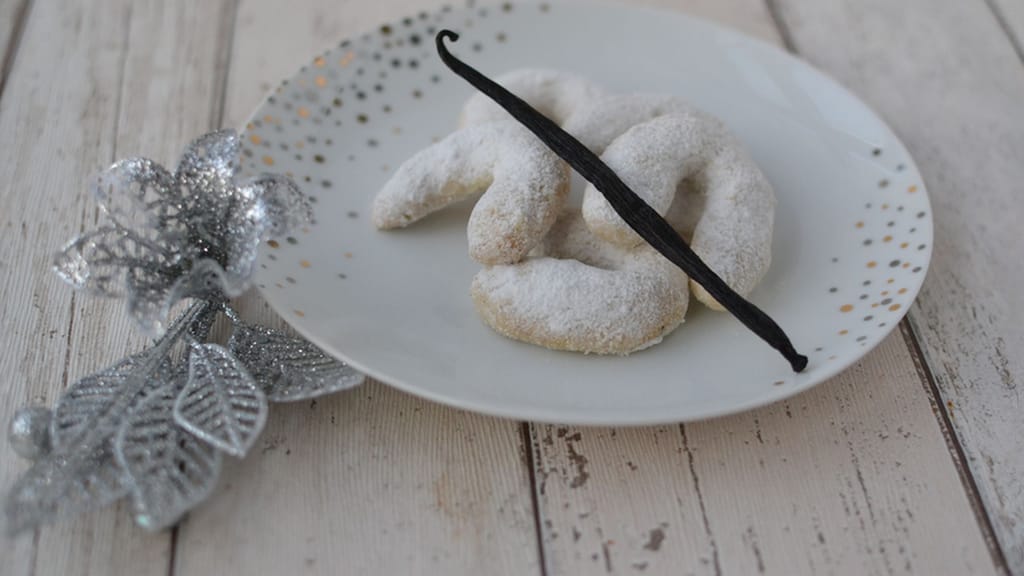
The best christmas cookies? vanilla crescents, of course!
Vanilla crescents made with ground nuts, a Christmas cookie classic
Pistachios are used in baking mainly for their color and their delicate, slightly resinous flavor. They're among the drier nuts.
The green color survives only gentle handling: don't toast them, or only briefly at up to 150 °C (300 °F). Pistachios baked longer turn brown and lose their flavor.
Where they belong: crescents and Linzer cookies, cupcakes, cake fillings and frostings, and as a topping for desserts.
The most vivid green comes from shelled pistachios with the purple skin removed.
To see how this works in practice, try pistachio crescents or Linzer cookies with pistachios.
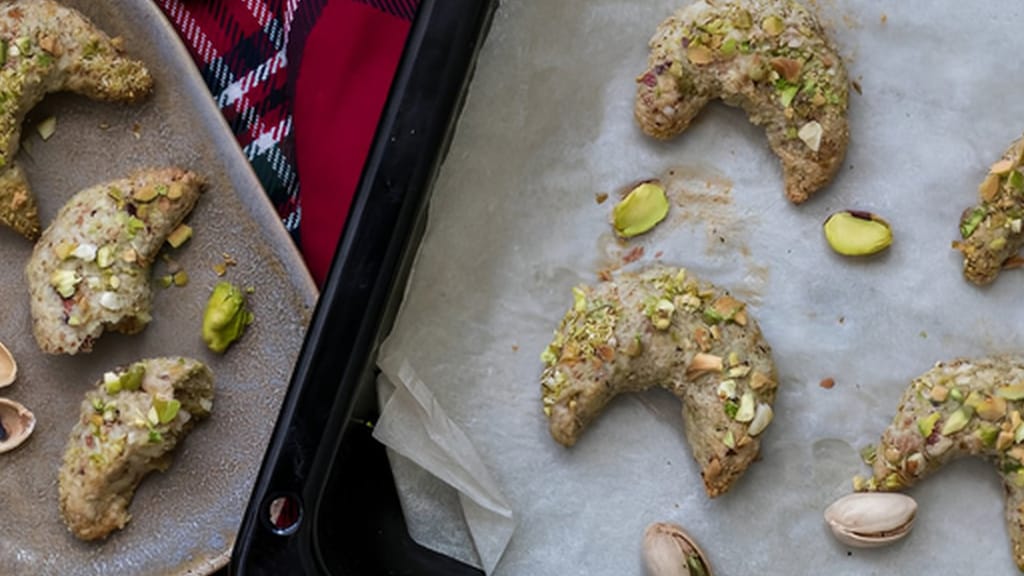
Pistachio crescent cookies
Pistachio crescents, green Christmas cookies made with ground pistachios
Pecans are the sweeter, butterier and less bitter cousins of walnuts. They have more fat and a thinner skin, so they lack that typical astringency.
Where they belong: pies with caramel and maple syrup, brownies, cookies and cinnamon rolls.
You can swap them 1:1 into a walnut recipe, and the result will be sweeter and more delicate.
Because of their high fat content they scorch quickly, so toast them for less time and keep a close eye on them.
For pecans paired with caramel, see these caramel and pecan tartlets.
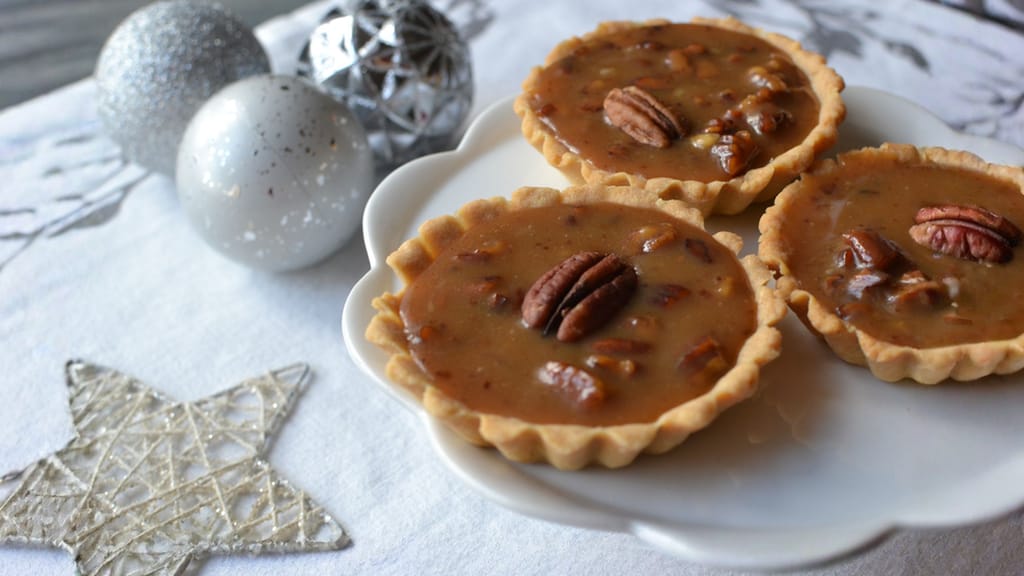
Pecan caramel tartlets
Caramel and pecan tartlets
Cashews and macadamias are soft and buttery. They don't stay crunchy in a batter, they soften and add creaminess. Peanuts bring a strong roasted flavor at a low price.
Cashews have a mild, sweet flavor. They suit cookies and raw desserts, and when soaked they can stand in for cream in fillings and frostings.
Macadamias are the fattiest of all. White chocolate cookies are the classic. Toast them only briefly, as they turn golden very quickly.
In baking, use peanuts mainly as peanut butter or chopped into cookies and bars. In EU allergen labeling they're a separate item, listed apart from tree nuts.
Three types of nuts dominate Czech Christmas cookies: walnuts (crescents, bear paws, wreaths, fillings), hazelnuts (nut Linzer cookies) and almonds (pale crescents, macarons). Pistachios are a modern variation, chosen for their color. Here's your December map:
Vanilla crescents: traditionally made with ground walnuts. Almonds give a more delicate, paler cookie, and hazelnuts a more aromatic one. For a classic dough ratio, try vanilla crescents, and for a green version, pistachio crescents. Why the choice of nut and flour matters is covered in Vanilla Crescents: Which Nuts and Which Flour.
Linzer cookies: the basic tender Linzer cookies are baked without nuts. The nut version replaces part of the flour with ground hazelnuts or blanched almonds. Hazelnuts add aroma, almonds a pale color. You can even make Linzer cookies with pistachios for something untraditional. How to work nuts into the 3:2:1 ratio is explained in Linzer dough 3:2:1.
Walnut wreath cookies: ground walnuts in the dough, often with coarsely chopped ones on top as well. Hazelnuts work too, they just make a more fragile cookie.
Bear paws (pracny): traditionally ground walnuts with cocoa and gingerbread spice. You can replace part of the nuts with almonds for a milder flavor.
Walnut filling (for strudel rolls, nut crescents, bejgle): walnuts, and nothing else gives that flavor. Grind them coarsely and scald them with hot milk or syrup so the filling doesn't dry out. Walnut flavor also shines in these hollow walnut crescents.
For one round of Christmas baking, 200–250 g (7–9 oz) of ground nuts is usually enough per batch of crescents or bear paws. Buy them all at once and fresh, so you don't have to top up later and mix old nuts with new.
Toast nuts in the oven at 160–170 °C (320–340 °F) in a single layer on a baking sheet for 6–15 minutes, depending on the type, until they smell fragrant and turn lightly golden inside. Toasting evaporates residual moisture and kicks off Maillard reactions, so the nuts taste stronger and stay crunchy longer in a batter.
Approximate times at 165 °C (330 °F):
sliced almonds: 5–7 minutes
walnuts, pecans, cashews, macadamias: 7–10 minutes
whole almonds: 9–12 minutes
hazelnuts: 12–15 minutes
pistachios: don't toast, or at most 5 minutes at 150 °C (300 °F), to protect the color
A few rules that make the difference:
Shake the pan halfway through so the nuts around the edges don't blacken.
Trust your nose over the timer. Once you smell a strong nutty aroma, a minute or two remain. Break one nut open: inside it should be pale golden, not brown.
Tip them off the pan right away into a bowl. On a hot pan they keep cooking, and within two minutes they're burnt.
Let them cool completely before grinding, or they'll release their fat.
Ground nuts replace part of the flour and fat in a batter or dough, chopped nuts add crunch, and whole nuts are mostly for decoration. The form affects the result as much as the type.
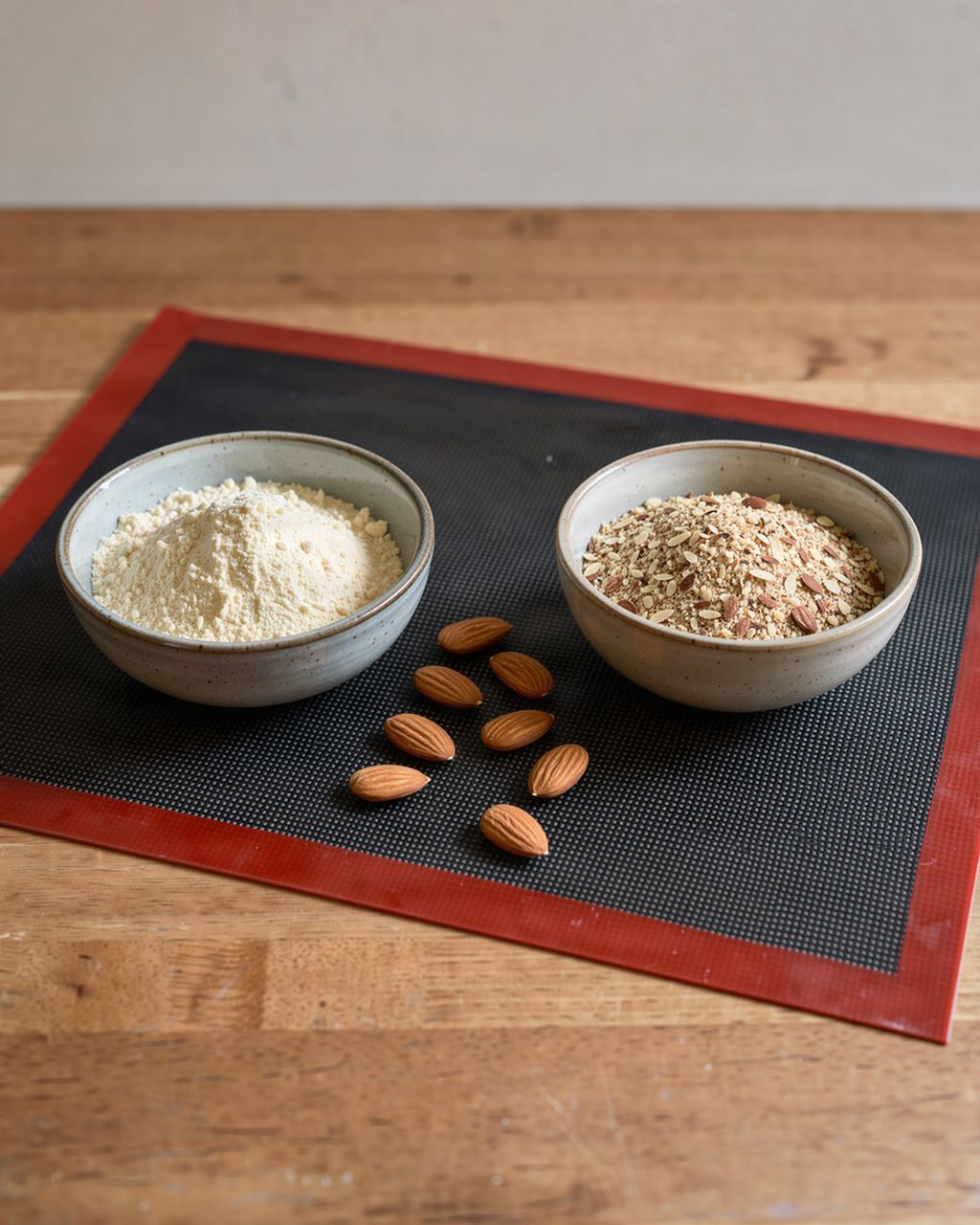
Ground nuts belong in Linzer cookies, crescents, flourless sponges and fillings. Grind them in short pulses, in small batches, and add a spoonful of the recipe's sugar or flour. It absorbs the released fat, so the nuts don't turn into nut butter.
Store-bought almond flour is finer and drier than home-ground almonds (it's often made from defatted or blanched almonds). It's better for macarons, but for crescents you can happily use home-ground almonds.
Chopped pieces of about 5 mm (¼ inch) stay put best in a Bundt cake or loaf. Larger pieces sink and the batter around them tears.
Whole or halved nuts go on top just before baking, otherwise they scorch before the batter is done.
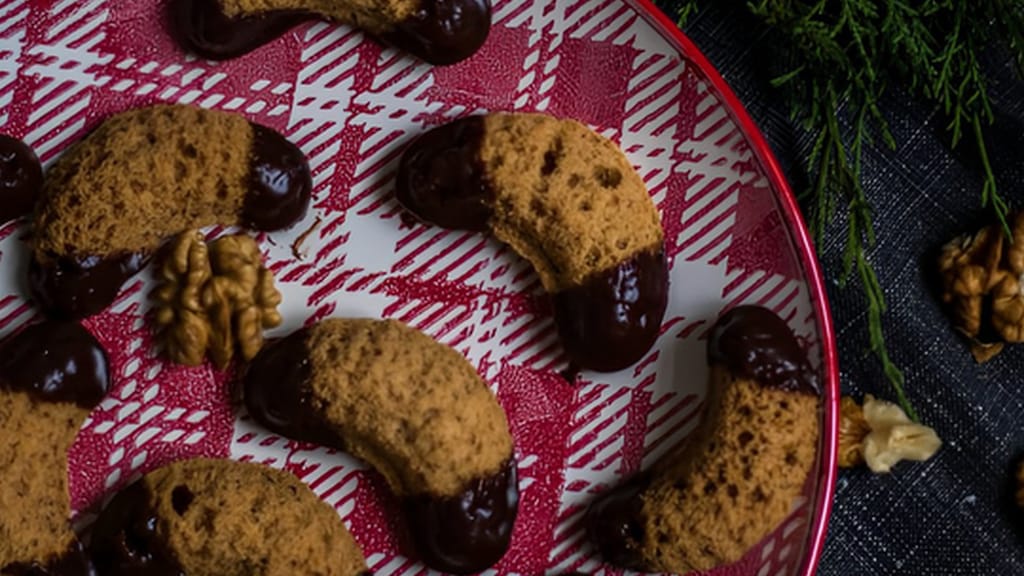
Hollow walnut crescents
Hollow walnut crescents made with ground nuts
You can swap nuts in a recipe 1:1 by weight, not by volume. It almost always works, but the flavor and, to a degree, the texture will change.
Walnuts ↔ pecans: the safest swap. Pecans are just sweeter and less bitter.
Almonds ↔ hazelnuts: works in cookies and cakes. Hazelnuts add more aroma, and the dough will be a little more tender.
Almonds → walnuts: the batter will be moister, darker and bolder. Don't do this in pale cookies or macarons.
Walnuts → hazelnuts or almonds (in crescents, for example): works, and the cookies will be paler and less bitter, with hazelnuts adding more fragrance.
Anything → cashews or macadamias: only where a softer structure doesn't matter. Better not in Linzer cookies, where the dough will spread more.
You can replace pistachios with anything, but you'll lose the color, and that's often why they're in the recipe.
To bake without nuts (because of an allergy, for example), use these in place of ground nuts, 1:1 by weight:
shelled sunflower seeds: the closest in flavor and richness; with baking soda or baking powder they can turn green (see the FAQ),
pumpkin seeds: a stronger flavor and a greenish color,
shredded coconut: sweeter and moister. Coconut isn't among the tree nuts listed for allergen labeling in Regulation (EU) No 1169/2011,
ground poppy seeds in fillings instead of walnut,
finely ground rolled oats for crescents and Linzer cookies: the dough will be drier, so reduce the flour carefully.
For exact ratios and recipes for a whole round of Christmas baking, see Nut-Free Christmas Cookies: What to Use Instead of Nuts and in What Ratio.
Bitter nuts in baking almost always come down to one of three causes: they're rancid, they're burnt, or the skin is bitter.
Rancid nuts have a sharp, waxy or "paint-like" off-flavor. Always taste them before they go into the batter, because a single rancid nut can spoil the entire filling. To learn how to prevent rancidity, read How to Store Nuts So They Don't Go Rancid.
Burnt nuts are dark brown inside. Next time, toast at a lower temperature and take them out a minute sooner.
The skin turns bitter mainly on walnuts and hazelnuts. With hazelnuts, rub it off after toasting; with walnuts, toast them for less time or swap in pecans for a milder flavor.
Nuts sink when the pieces are too large or the batter is too thin. Chop them to about 5 mm (¼ inch) and toss them in a spoonful of the recipe's flour before folding them in. The flour gives them some grip, so they stay evenly distributed in the batter.
Pour boiling water over the almonds, leave them for 1–2 minutes, drain and rinse under cold water. You can then squeeze each almond out of its skin with your fingers. Let them dry completely before grinding, ideally for a short spell in a 100 °C (212 °F) oven, or the flour will clump.
Sunflower seeds contain chlorogenic acid, which turns green in an alkaline environment created by baking soda or baking powder. It's harmless, it just doesn't look appealing. Reduce the amount of leavening or add a little acidic ingredient to the dough, such as lemon juice.
You can add raw nuts to a batter, but they won't toast inside it. They only reach about 100 °C (212 °F) in there and stay bland and softer. Use raw nuts only where the recipe explicitly calls for them, or where they sit on the surface and toast on their own.
Ground nuts go rancid much faster than whole ones because more of their surface is exposed to air. Store them in an airtight container in the fridge, where they last roughly 1–2 months, or in the freezer for about six months. At room temperature, use them within a few weeks, and always taste them before baking: a sharp or waxy off-flavor means they're no longer good to use.
One recipe worth heating the oven for, one tip, and one deal from the shop. Nothing else.