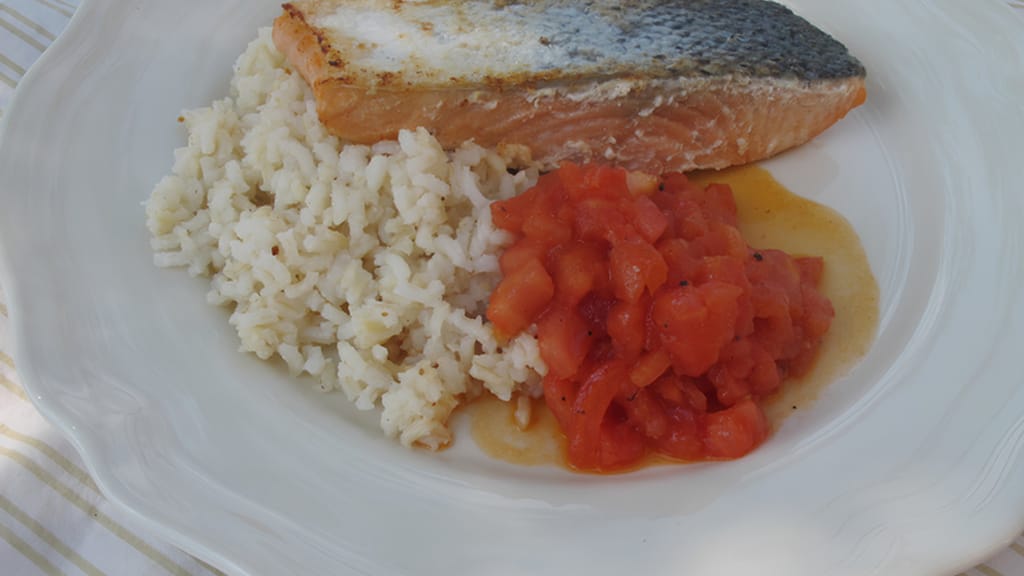
Salmon with tomato salsa
What to Cook With Tomatoes: Canned, Dried and Fresh, Soups, Sauces and Salads
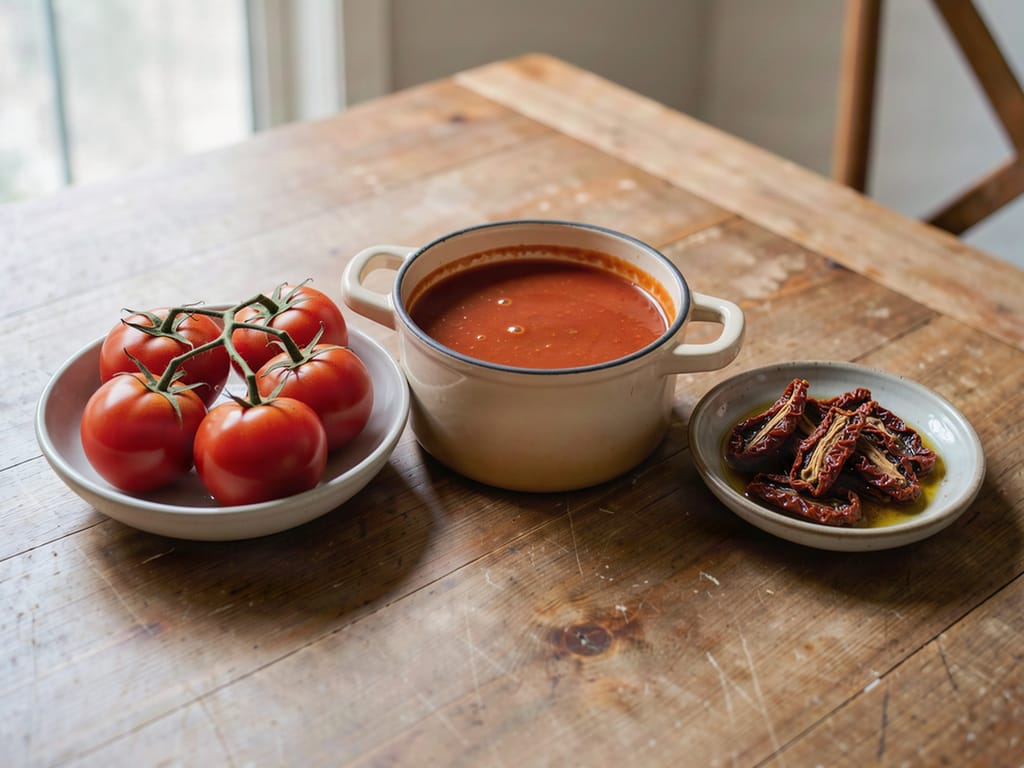
Updated Nov 20, 2026
What can you cook with tomatoes? Almost anything: salsa, a salad or roasted cherry tomatoes from fresh ones, a quick soup from canned, a tomato sauce from tomato paste, and pasta or a spread from dried. Below is an overview based on the kind of tomatoes you happen to have at home. Each dish comes with the one trick that matters most with tomatoes and a link to the full recipe.
You can make soup, sauce, salad, goulash, a spread or breakfast from tomatoes. The best choice depends on which tomatoes you have on hand:
Fresh tomatoes: salsa for fish, arugula salad, roasted cherry tomatoes, braised meat.
Tomatoes and peppers: shakshuka with eggs, lečo (a Czech pepper-and-tomato stew), cold gazpacho.
Zucchini and tomatoes: zucchini goulash, savory zucchini loaf.
Tomato paste and purée: tomato sauce, thick soup with lentils or legumes.
Canned tomatoes: tomato soup with rice, quick soup with beans.
Dried tomatoes: pasta, a spread, leafy green salad.
One rule will save you a lot of disappointment: fresh tomatoes are best raw or only briefly warmed through, while canned and concentrated tomatoes need time on the stove. Over twenty minutes of gentle simmering, the sharp, tinny acidity disappears and the flavor rounds out. Treat dried tomatoes more like a seasoning. A few pieces are enough to give a dish a salty, almost meaty depth.
One more thing about the season. Store-bought tomatoes tend to be pale and mealy in winter, so from November until spring a good can, passata or jar of dried tomatoes will usually give you more flavor. Save fresh ones mainly for summer, when they ripen in the sun and smell wonderful right on the cutting board.
We send seasonal cooking and baking plans and recipes made from everyday ingredients. Unsubscribe in one click.
With fresh tomatoes, the dishes that pay off most are the ones where the tomato stays nearly raw or is only briefly warmed: salsa, salad, roasted cherry tomatoes, and braised meat, where tomatoes add juiciness and acidity.
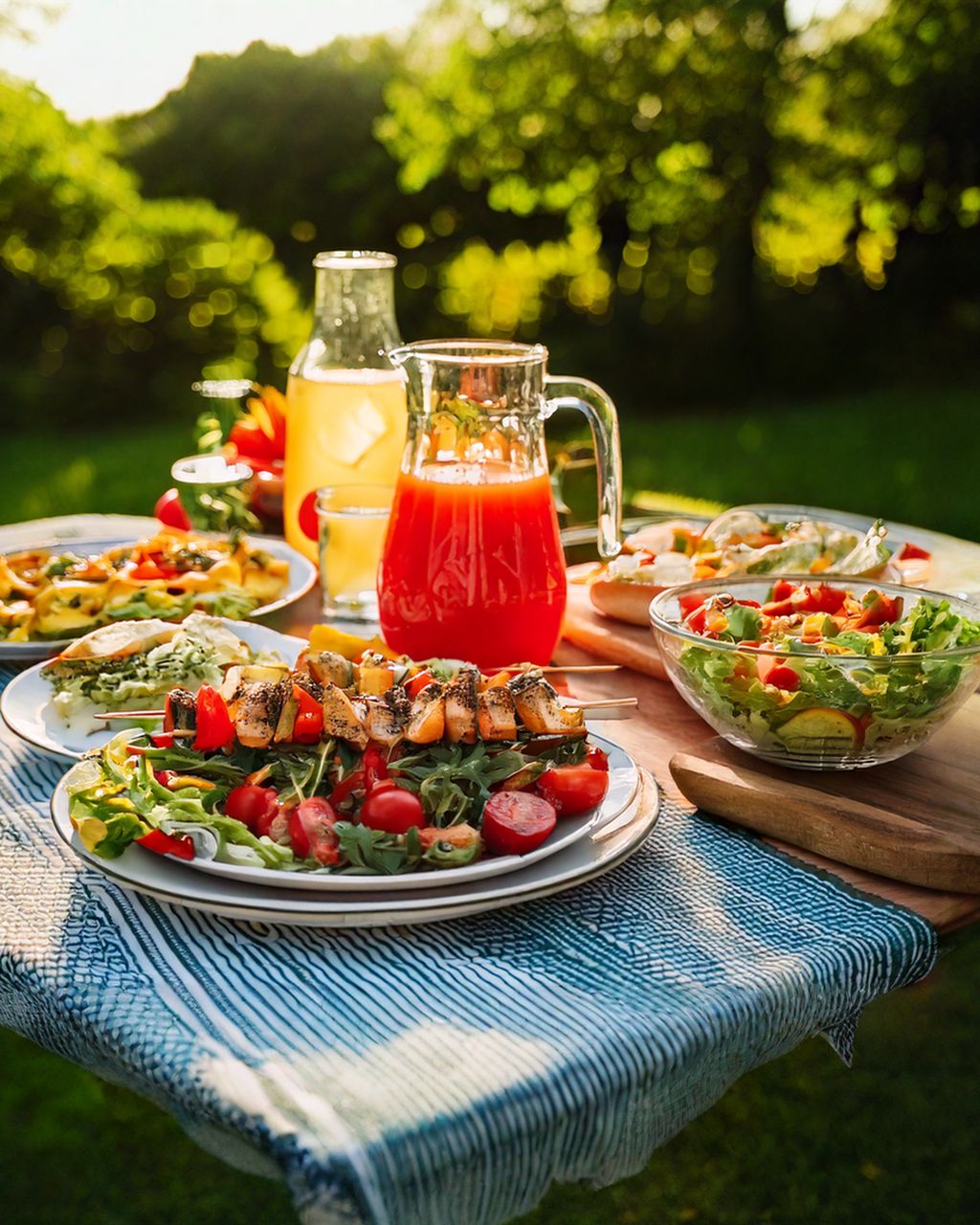
Salmon with tomato salsa is a 45-minute dinner served with basmati rice. You peel the tomatoes for the salsa and add the garlic and basil at the very end, only warming the salsa through so the garlic doesn't turn bitter.
Arugula salad with tomatoes and Parmesan is ready in a quarter of an hour and has no meat. The riper the tomatoes, the less dressing the salad needs.
If you have cherry tomatoes, roast them: polenta porridge with roasted tomatoes and onion chutney is meat-free and ready in under an hour. You roast the little tomatoes with balsamic vinegar at a low 160°C (320°F), so they don't burn and their flavor concentrates.
Fresh tomatoes also suit slow braising, where they fall apart and become part of the sauce. Pork cheeks with olives and tomatoes in red wine is a three-hour weekend project. Tomatoes cut into larger pieces cook down during braising, and together with the wine they make a sauce without any thickening.
Ripe tomatoes and stale bread are also the base of the Italian salad panzanella: hardened bread soaks up the tomato juice and olive oil and softens within a quarter of an hour.
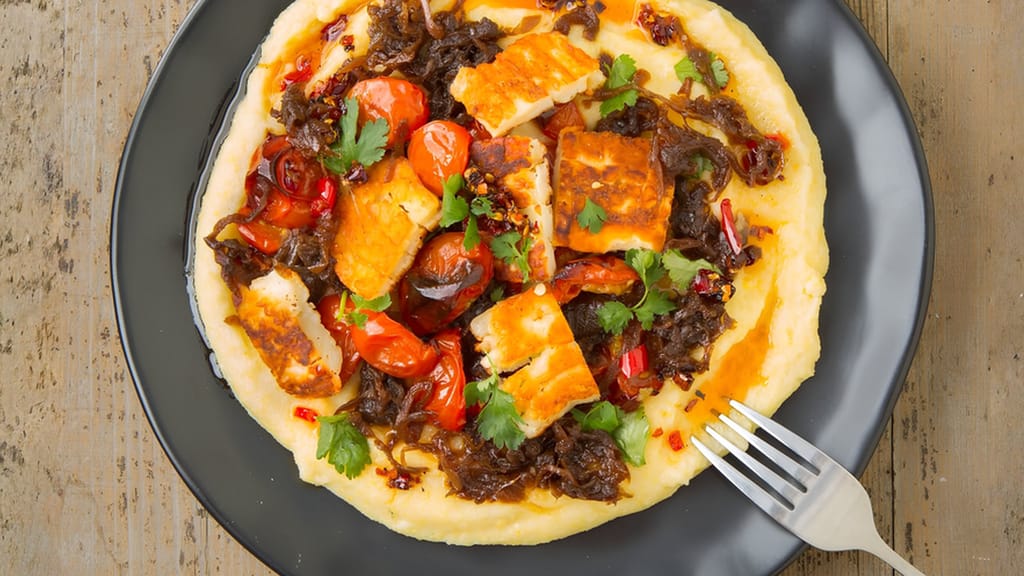
Creamy polenta with roasted tomatoes and onion chutney
Polenta porridge with roasted cherry tomatoes
The easiest way to peel a tomato is to blanch it: score the skin in a cross, pour boiling water over it, after 20 to 30 seconds move it to cold water and slip the skin off with your fingers. You put it into cold water right away so the flesh under the skin doesn't start to cook and stays firm.
Removing the skin pays off mainly for salsa, sauces and soups you don't blend. During cooking it curls into tough strips that feel unpleasantly scratchy in the mouth. In a salad you can leave it on, where it holds the tomato together.
For salsa and for putting on bread, halve the peeled tomato and scoop out the seeds with the gel around them using a teaspoon. The salsa then won't be watery and the bread won't go soggy. Don't throw the gel away, though, because it's full of flavor. Pour it into a soup or sauce that's cooking at the moment.
From tomatoes and peppers you can make three proven dishes: shakshuka with eggs, Czech lečo and cold gazpacho. Peppers bring sweetness, tomatoes bring acidity and juice, and if you let them caramelize a little in the pan, you get a thick sauce without any thickening at all.
Royal Breakfast Shakshuka is ready in 36 minutes and has no meat. Let the tomatoes and peppers caramelize in the pan with a spoonful of tomato paste, without stirring too much, and only then crack the eggs into the sauce.
Lečo is a Czech classic of peppers stewed with tomatoes and onion, which you can thicken with an egg at the end.
In summer, when tomatoes and peppers are at their best, try watermelon gazpacho. It's vegan, ready in 10 minutes, and you simply blend the tomato with the watermelon, pepper and cucumber.
For both shakshuka and lečo, peppers need more time than tomatoes. So put them in the pan first, so they soften and release their sweetness, and add the tomatoes afterward.
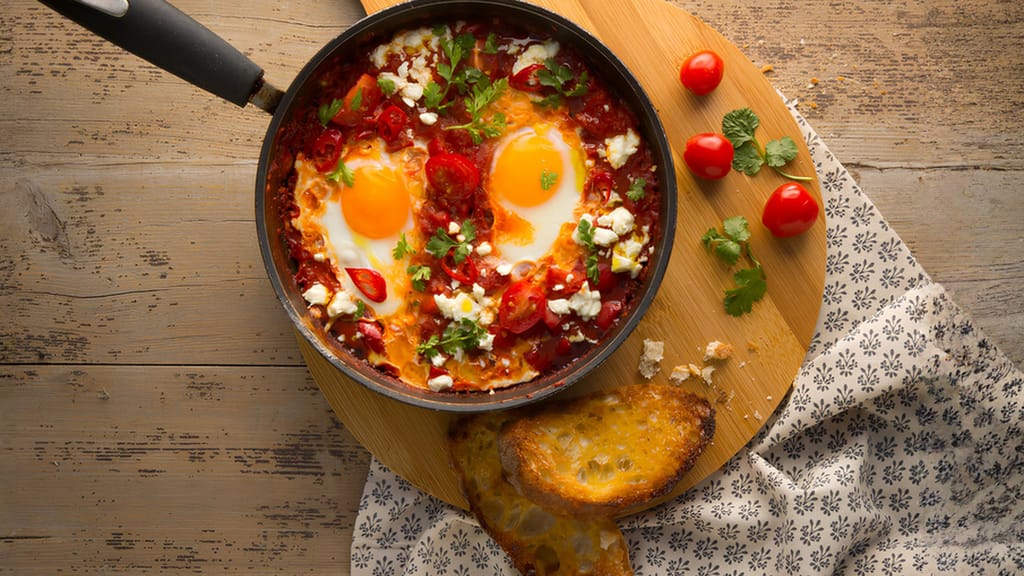
Royal shakshuka breakfast
Shakshuka with eggs in a tomato and pepper sauce
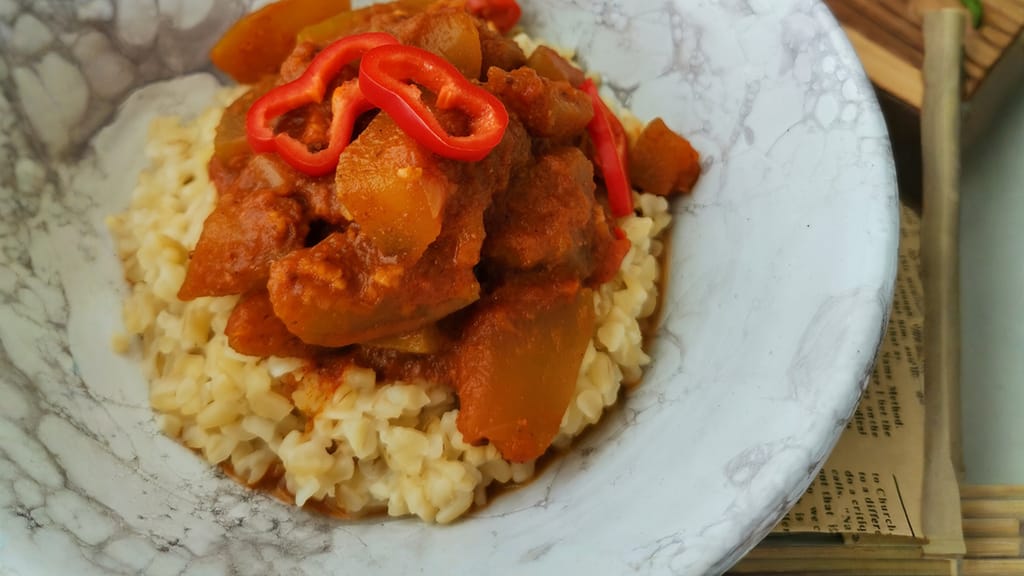
The easiest things to make from zucchini and tomatoes are zucchini goulash with tomato passata, or a savory zucchini loaf with dried tomatoes. Zucchini has a mild flavor and a lot of water, and tomatoes give it punch and acidity, so the two ingredients complement each other.
Zucchini goulash is vegan and on the table in 46 minutes. Scoop out the soft center with the seeds from the zucchini, otherwise it would cook down to mush and the goulash with passata would be watery.
Zucchini loaf with dried tomatoes is a savory bake with no meat, ready in 55 minutes. The dried tomatoes give it a salty flavor, but you must first squeeze the water thoroughly out of the grated zucchini.
With both dishes, the key is to keep an eye on the water from the zucchini. Put only the firm flesh into the goulash and only squeezed zucchini into the batter, and the result won't be soggy.
Tomato paste is mainly for tomato sauce and thick soups. It is a concentrated tomato base, so you always thin it with broth or water and let it cook to lose its raw acidity.
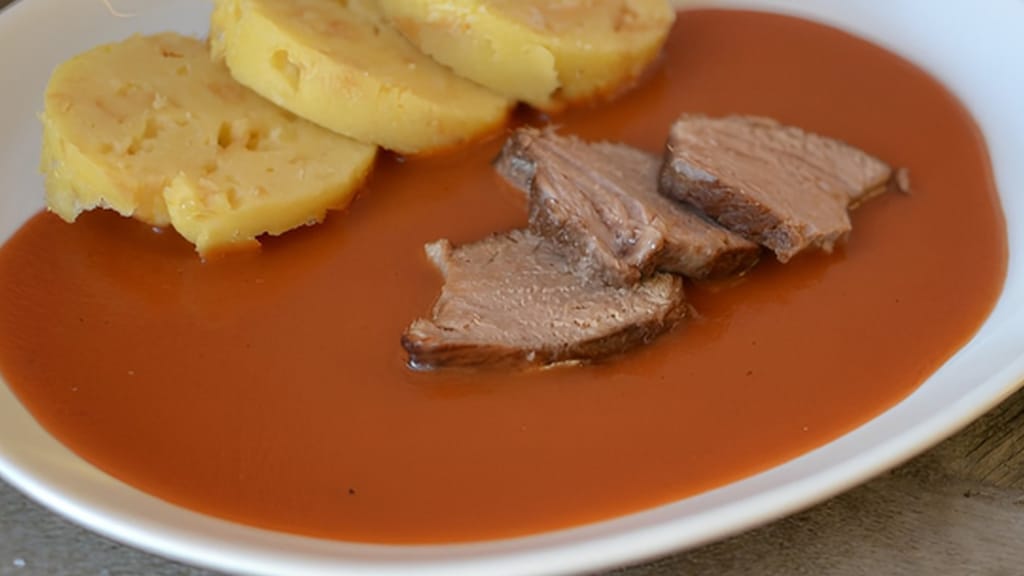
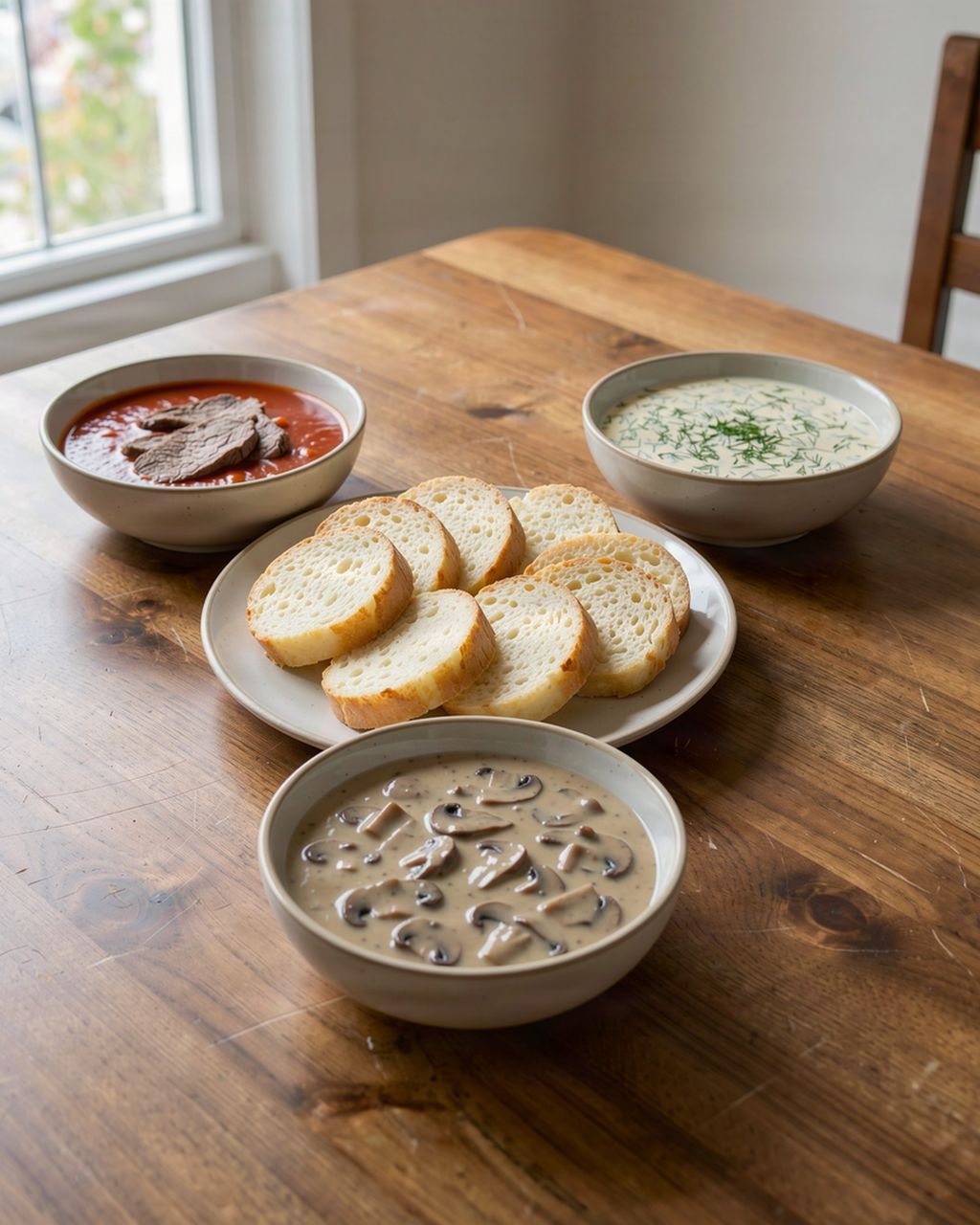
Tomato sauce with beef is a Czech classic that takes about three hours, though most of that time it cooks on its own. The acidity of the paste is balanced here mainly by onion browned until golden, cinnamon with star anise, and a piece of cold butter whisked in at the end.
Easy tomato soup with red lentils is vegan and ready in 35 minutes. The lentils cook down in the tomato purée and thicken the soup by themselves, so you don't need flour.
Italian tomato soup with legumes is meat-free and cooks in 44 minutes. Add the tomato purée with chickpeas and red kidney beans after the vegetable base, and the herbs only at the very end.
If you want a thinner, more delicate base for a sauce or goulash, reach for tomato passata instead of paste. It is strained tomato pulp without skins and seeds, so you only need to warm it through and season.
A cook's trick for tomato paste to finish: when you use it in a small amount, say a spoonful in shakshuka or goulash, fry it for a minute in fat before adding the liquid. It darkens slightly, loses its raw sharpness and gives the dish a deeper tomato flavor.
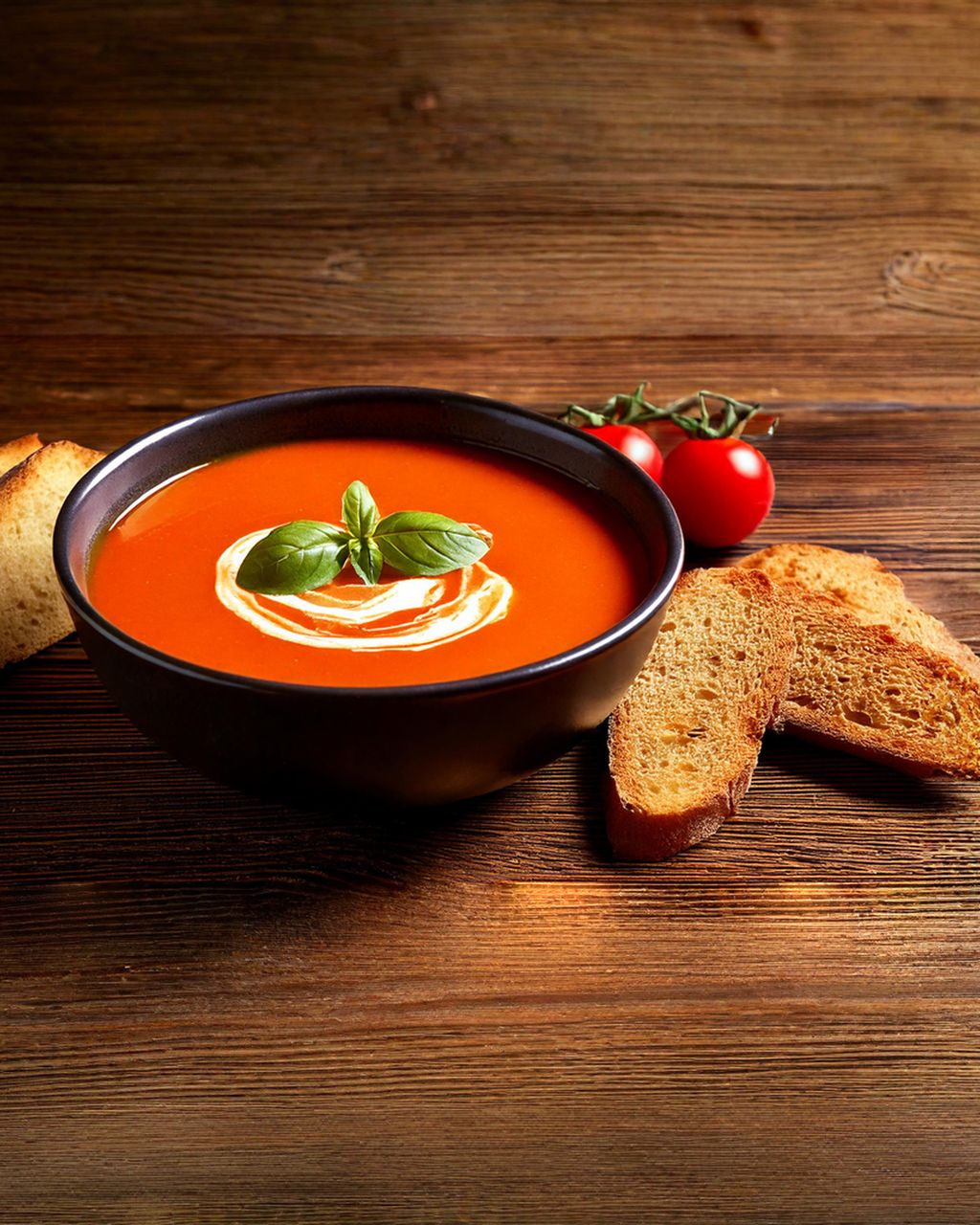
The quickest thing to make from canned tomatoes is tomato soup: diced or peeled tomatoes in juice need to simmer only about 20 minutes with a vegetable base and broth. The advantage of canned tomatoes is that they are packed ripe, so in winter they give more flavor than pale ones from the shelf.
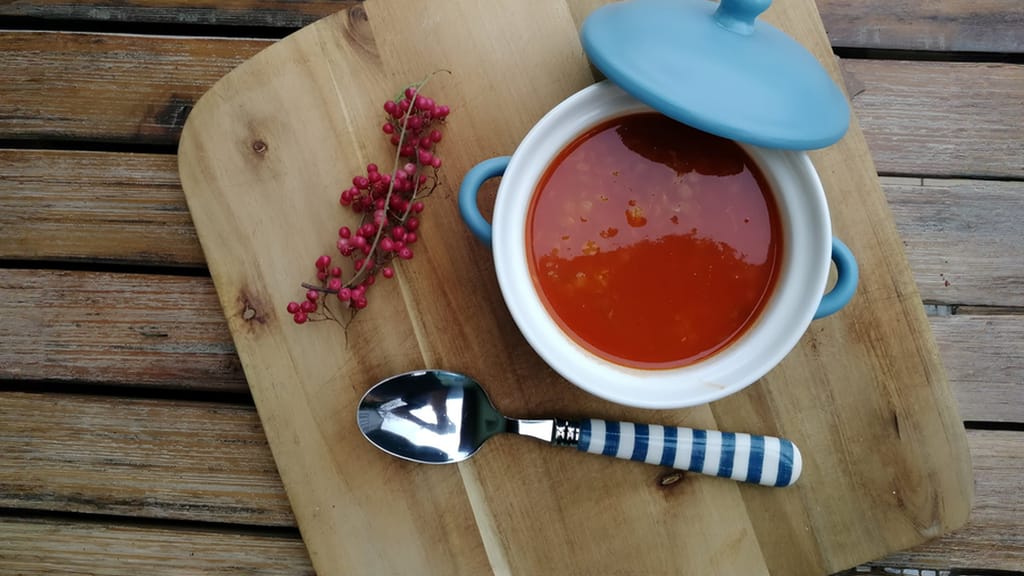
Tomato soup with rice from diced tomatoes serves two in under an hour. You cook the rice separately so it doesn't soak up all the liquid in the soup, and add it to the bowl only once the soup is blended.
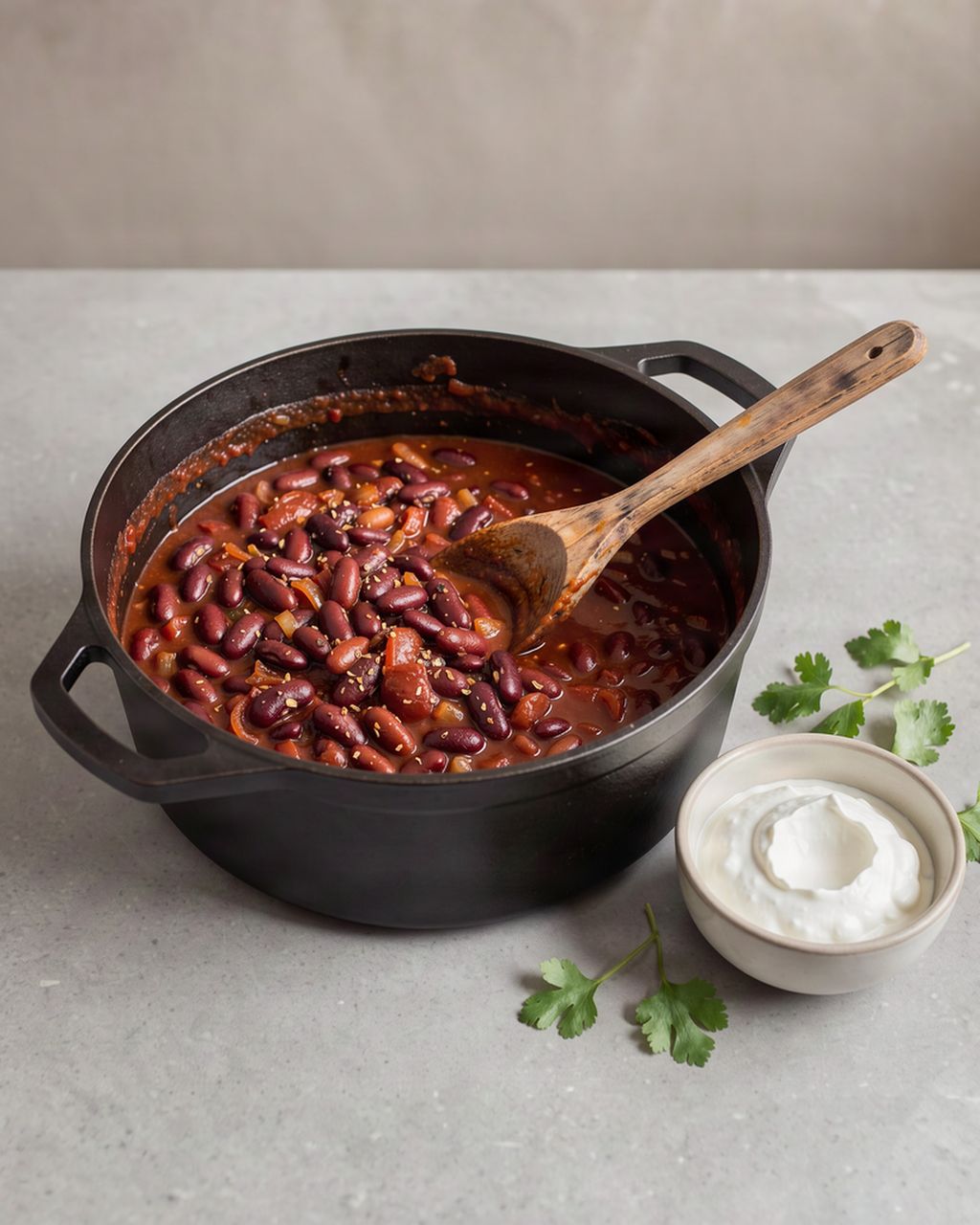
Quick tomato soup with beans is meat-free and ready in 38 minutes. Let the diced tomatoes simmer gently for 20 minutes so they lose their raw acidity, and only then add the white beans.
If you're curious about soup in more depth, such as how to get a velvety texture, we have a whole article on it: tomato soup, recipe, tips and variations.
Diced tomatoes are the most convenient, but peeled tomatoes in juice have firmer flesh and more flavor in the juice around them. For sauces and soups, just crush them by hand right over the pot or blend them. Whole peeled tomatoes suit dishes where you want to feel pieces in the sauce.
If a soup from canned tomatoes tastes sharply sour, let it cook longer and adjust with a pinch of sugar or salt. Taste only after it has simmered, because earlier the acidity is misleading.
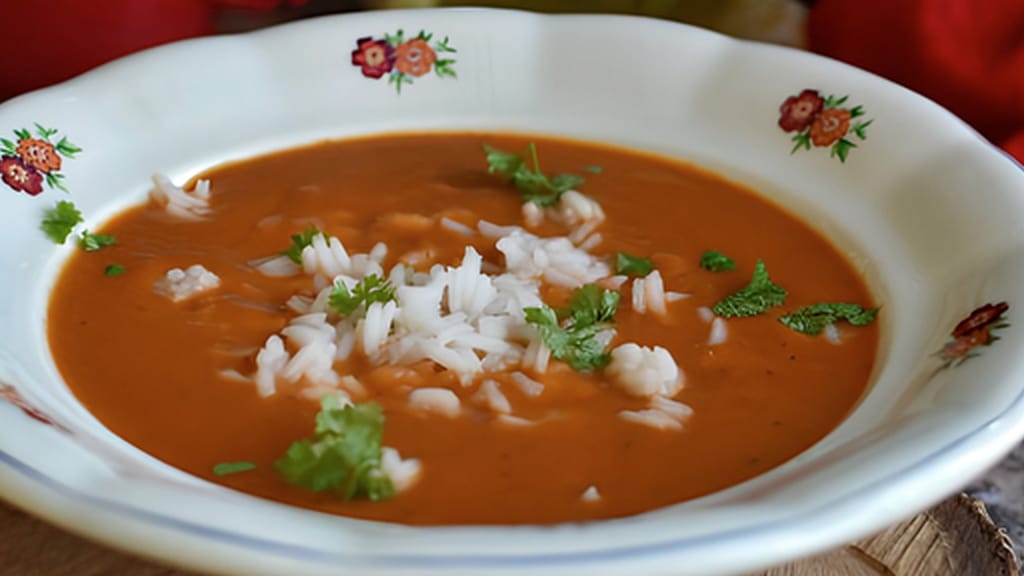
Chase away the winter chill! tomato soup with rice
Tomato soup with rice made from canned diced tomatoes
From dried tomatoes you can make quick pasta, a spread for bread and a leafy green salad. A few pieces are enough, because they have a concentrated, salty and slightly sweet flavor, and you can use the oil from the jar as a ready-made flavored fat.
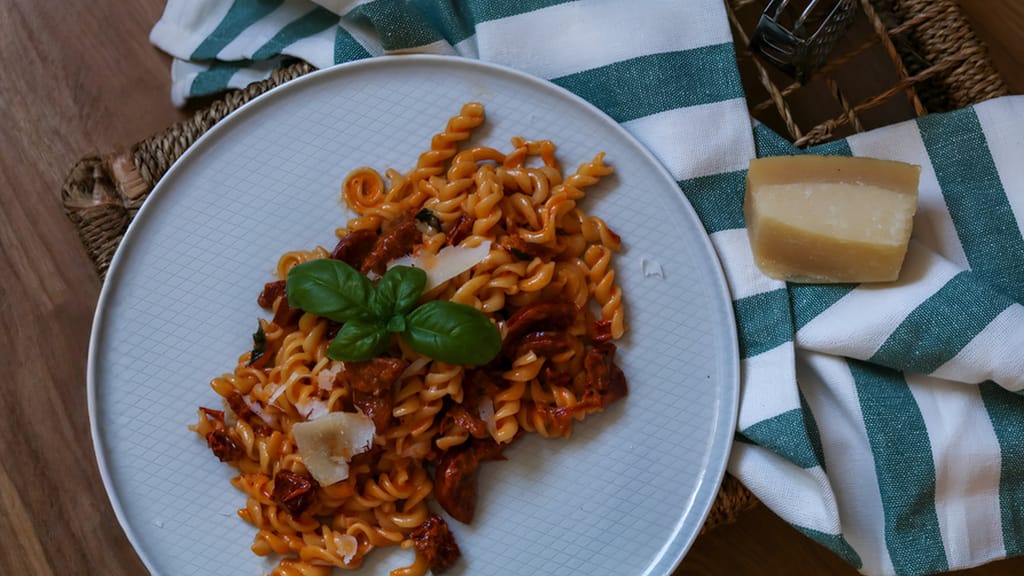
Quick pasta with chorizo and dried tomatoes is ready in 26 minutes. You simmer the dried tomatoes in the rendered fat from the chorizo, so the sauce needs almost nothing else.
Asparagus spaghetti with dried tomatoes is meat-free and ready in 25 minutes, topped with Parmesan. You sauté the onion right in the oil from the jar of dried tomatoes, and the pasta cooking water joins it with the tomato juice into a glossy sauce.
Spread with dried tomatoes and olives is meat-free and ready in 15 minutes. Let the tomatoes drain from the oil first, otherwise the spread would turn thin.
Leafy green salads with olives and dried tomatoes are meat-free and ready in ten minutes. The oil from the tomato jar serves as the base of the dressing.
For cooking, the most practical are dried tomatoes in oil. They are soft, you can slice them right away, and the oil carries the flavor of tomatoes and herbs. Tomatoes dried without oil are tougher. You can put them straight into dough, but for a salad or spread, soak them first in hot water for a few minutes to soften.
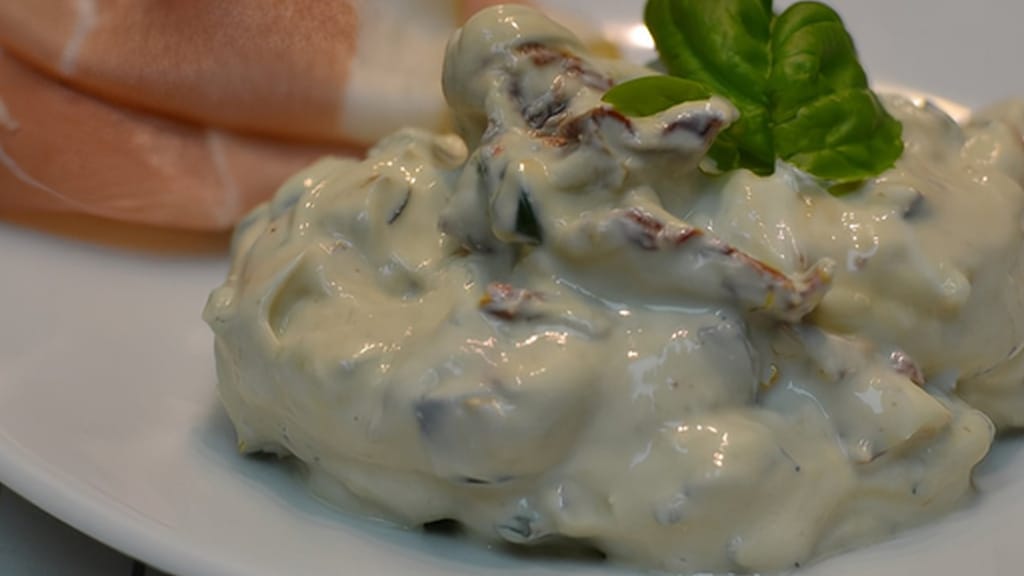
Sun-dried tomato and olive spread
Spread with dried tomatoes and olives
Processed tomatoes differ mainly in thickness and in how much structure is left in them. That is why each suits something different:
Tomato paste: the thickest, concentrated tomato mass. It belongs in tomato sauce and thick soups, and you always thin it with broth or water.
Tomato passata: strained tomato pulp without skins and seeds, smooth and thinner. It's the quickest base for pasta sauce, goulash and soup.
Tomato purée: smooth tomato mass. Thickness varies between brands, so always check the label.
Peeled tomatoes in juice: whole fruit without the skin. They keep their structure, so they suit dishes where you want pieces in the sauce.
Diced tomatoes in juice: cubes ready to go straight into the pot, ideal for a quick soup.
Dried tomatoes in oil: concentrated flavor for pasta, salads, spreads and baked goods.
Names on packaging aren't entirely consistent, so when choosing, the thickness of the contents and the share of tomatoes in the ingredients tell you more than the name. If a recipe calls for passata and you only have paste, thin it with water or broth to the thickness the recipe needs, and taste. The other way around isn't as easy: from passata or diced tomatoes you have to slowly cook off liquid to get a thick sauce.
Fresh tomatoes can replace canned in soup and sauce, but you'll need more of them and a longer cooking time, because they release more water. Peel them first for a sauce. Conversely, don't use canned tomatoes in a salad or salsa, because broken-down tomatoes have no place there.
For a quick soup and sauce reach for canned tomatoes or passata, for tomato sauce and thick soups reach for paste, for salad and salsa reach for fresh tomatoes, and for pasta, spreads and baked goods reach for dried. You can swap them, just not all of them equally easily:
Diced or peeled canned tomatoes and passata: here you can swap 1:1. Passata gives a smoother result, canned tomatoes more pieces. Peeled tomatoes only need crushing by hand or blending and you have almost passata.
Tomato paste instead of passata or canned tomatoes: not 1:1. Paste is concentrated, so always thin it with water or broth to the thickness the recipe wants, and taste.
Passata or canned tomatoes instead of paste: also not 1:1. You have to slowly cook off the liquid until the sauce thickens, so allow for longer cooking.
Fresh tomatoes instead of canned: in soup and sauce yes, but use more, peel them first and cook them longer because they release more water.
Canned instead of fresh: only in cooked dishes. Broken-down tomatoes don't suit salad, salsa or putting on bread.
Dried tomatoes: they don't replace any of the other kinds. Treat them like a seasoning; a few pieces give a dish depth, but they won't make juice for a sauce.
In practice, two staples at home are enough: canned tomatoes or passata for everyday cooking, and tomato paste for thicker sauces and seasoning. Buy fresh tomatoes by the season, and keep dried tomatoes in oil for the moments when a dish lacks punch.
With fresh tomatoes, choose according to what you're cooking. For salad and salsa take firm, juicy ones; for sauce the softer, overripe ones are fine, since they often have the most flavor. Cherry tomatoes are best for roasting, because they don't fall apart in the oven and their flavor concentrates.
One more note on flavor. Canned tomatoes are packed ripe, so they taste similar all year round, and fresh tomatoes match them mainly in summer. When you're cooking with pale tomatoes from the shelf in winter, feel free to mix them with a can. The soup will be fuller and you'll use what you have at home.
Tomato sauce and tomato soup rest on the same base: onion browned until golden, tomatoes, liquid and time at a gentle simmer. They differ mainly in thickness and in what you add at the end.
Brown finely chopped onion in fat until golden. Don't rush; the sweetness of the onion will later balance the acidity of the tomatoes.
If you're cooking with tomato paste, add it to the onion and fry it for a minute before pouring in the liquid. It darkens slightly and loses its raw sharpness.
Pour in broth or water, more for soup, only enough for a thick juice for sauce. Add canned tomatoes or passata right away.
Let everything simmer gently for at least 20 minutes. Only then taste, because earlier the acidity is misleading.
Season with salt and a pinch of sugar. Blend the soup; leave the sauce chunky or blend it smooth too.
Finally, off the heat, soften the sauce with a piece of cold butter.
Add herbs according to how long they cook. Bay leaf and thyme can stay for the whole cooking time, while basil and parsley go in at the end, otherwise they lose their aroma.
Czech tomato sauce for beef goes further: it cooks longer and is seasoned with cinnamon and star anise, as the recipe for tomato sauce with beef higher up in the article shows. A soup can be thickened with red lentils that cook down, and if you want rice in it, cook it separately so it doesn't soak up all the liquid.
You can quickly turn tomato soup into a sauce and vice versa: cook the soup down to the thickness of a sauce, or thin the sauce with broth. That's why it pays to make a bigger pot of the base and use half of it the next day in a different way, for example as a pasta sauce or the base for zucchini goulash.
There are three common mistakes: cooking the tomatoes too briefly so the soup is sharp, only sweating the onion so the sweetness is missing, or seasoning with sugar right at the start and then oversweetening. If the sauce catches on the bottom, turn down the heat, add a little water and stir, because tomatoes with paste scorch easily.
It's better not to put ripe tomatoes in the fridge, because the cold takes away their aroma. A 2016 study in the journal PNAS found that after a week at 5°C (41°F), roughly fridge temperature, tomatoes lose some of their aroma compounds and don't fully recover them even after one to three days at room temperature. After one to three days in the cold, the aroma content hadn't changed significantly. So keep them at room temperature out of direct sunlight and use them within a few days.
Opened canned tomatoes keep 5–7 days in a covered container in the fridge. That is what the US agency USDA FSIS gives for opened high-acid canned foods such as tomatoes. Transfer what's left from the can into a sealed glass or plastic container and don't leave it at room temperature.
Yes, you can freeze tomatoes, but once thawed they're only good for cooking. Ice crystals break down the flesh, so they turn into a soft pulp that suits soup, sauce or goulash, not salad. The practical way is to freeze them whole and peel them under warm water, where the skin slides off almost by itself.
Overripe tomatoes are ideal for soup, sauce, goulash or lečo, where they cook down anyway. Cut off bruised spots if you like, but as soon as there is mold on a tomato, even a small patch, throw the whole thing out, because in soft, juicy fruit it grows below the surface. Soft tomatoes often have the most flavor; they just no longer hold their shape.
Tomato sauce tends to be sour when it has cooked too briefly or when the tomatoes were underripe. Let it simmer gently for at least 20 minutes, adjust with a pinch of sugar, and off the heat whisk in a small piece of cold butter, which softens the acidity. Onion browned until golden at the start of cooking adds sweetness too.
The easiest way to thicken tomato sauce without flour is to simmer it gently for longer without a lid so the water evaporates. A spoonful of tomato paste fried in fat or a handful of red lentils that cook down in the sauce will speed it up. For soup, it's enough to blend it together with the softened vegetables from the base.