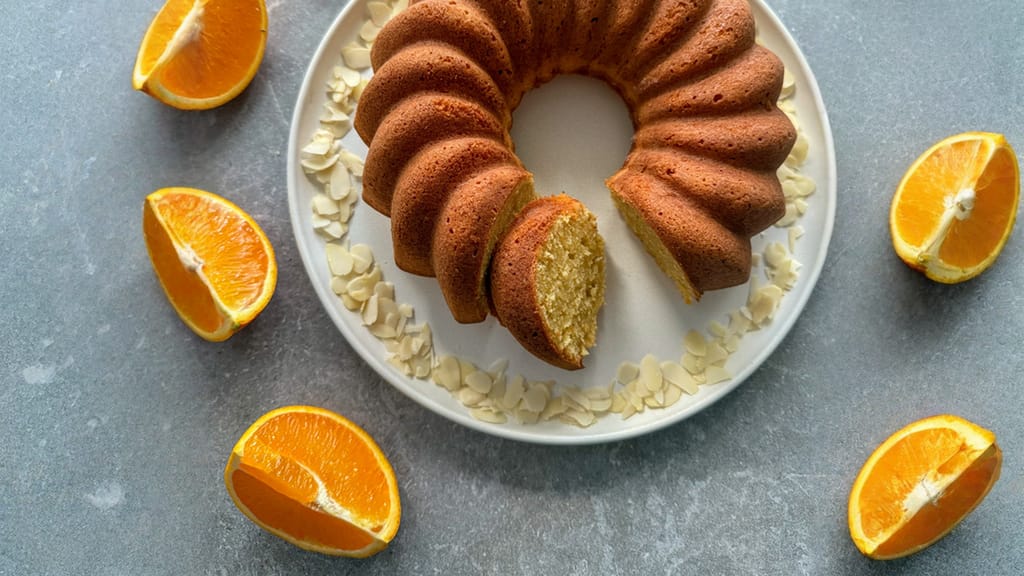
Orange bundt cake with almonds, cinnamon and cardamom
What to Bake with Oranges and Lemons: Bundt Cake, Lemon Tart and Winter Desserts
Updated Nov 20, 2026
What can you bake with oranges and lemons? The surest bets are an orange almond Bundt cake, the French lemon tart (tarte au citron) and carrot muffins with orange. For winter desserts, try crêpes Suzette, crema catalana and no-bake orange mascarpone cakes. They all rely on the same trick: the aroma lives in the zest, while the juice brings the acidity.
Depending on your time and taste, bake one of these seven desserts with oranges and lemons:
Orange almond Bundt cake – no rising or chilling, scented with cardamom and cinnamon, ready in under an hour and a half.
Tarte au citron – a crisp tart shell with a baked lemon filling and a meringue topping, for a weekend or guests.
Carrot muffins with orange – twelve muffins in 43 minutes, ideal for a snack box.
Crêpes Suzette – thin pancakes in a caramel orange sauce, a showstopping winter dessert.
Crema catalana – a Catalan custard scented with orange zest and cinnamon, with a crisp caramel crust.
Orange mascarpone cakes – a nut base, orange cream and amaretto jelly; no baking, just chilling overnight.
Jidáše with lemon zest – yeasted spirals brushed with honey, where lemon adds only aroma.
In baking, oranges and lemons do two different jobs. The zest carries the aroma – the aromatic oils sit in the thin colored layer of the peel, not in the juice. The juice carries acidity and moisture. Good recipes therefore use both: the zest goes into sugar, milk or batter, the juice into cream, sauce or syrup. If a dessert tastes "not citrusy enough," it's almost always the zest that's missing, not more juice.
We send seasonal cooking and baking plans and recipes made from everyday ingredients. Unsubscribe in one click.
With oranges, bake a Bundt cake or carrot muffins, make crêpes Suzette for a winter evening, and if you don't want to turn on the oven, cook a crema catalana or put together mascarpone cakes. An orange is sweeter and less acidic than a lemon, so it can handle a lot of juice right in the batter without turning it sour. Its zest pairs beautifully with cinnamon, cardamom, almonds, walnuts and dark chocolate – which is why you'll find it in almost every winter dessert.
One orange gives you three different ingredients, and each belongs somewhere different. The zest goes into sugar, milk or cream – fat and sugar capture the aroma and carry it through the whole dessert. That's why the Bundt cake starts by rubbing zest into sugar and crema catalana by infusing milk. The juice goes into batter, cream, sauce or syrup; in a batter it replaces part of the milk and adds moisture, in a syrup or caramel it reduces and thickens. The segments, with their little pieces of flesh, are for when you want a bite of fruit – in a Suzette sauce or as a garnish.
Three practical rules: always grate the zest before you cut the orange open, because a whole fruit is much easier to grate. Grate only the colored layer, and stop as soon as white shows on the grater. And squeeze juice from room-temperature fruit, rolling it firmly under your palm on the counter first – it squeezes more easily and yields more.
Orange Bundt cake is the simplest way to use up a single orange: the batter is just whisked and stirred, with no rising or chilling. The key trick in the recipe for orange Bundt cake with almonds, cinnamon and cardamom is to rub the orange zest between your fingers with 180 g of sugar until the sugar turns damp and fragrant – this releases oils that would otherwise stay locked in tiny pieces of zest. The batter then gets 120 ml of orange juice, ground almonds and a combination of oil and butter; it bakes at 175°C (350°F) for about 40 minutes and makes 8 servings.
Why it works: ground almonds and oil keep the cake moist, yogurt adds gentle acidity, and cardamom with orange is a classic winter pairing. If your Bundt cake cracks, bulges or doesn't rise, the causes are covered in why a Bundt cake cracks or doesn't rise.
Orange bundt cake with almonds, cinnamon and cardamom
Orange almond Bundt cake with cinnamon and cardamom – step-by-step recipe
Carrot muffins with orange are quick muffins made with grated carrot, orange zest and juice, topped with an almond crumble and ready in 43 minutes. In the recipe for carrot muffins with orange, the batter gets the grated zest and juice of one orange along with 300 g of finely grated carrot and cinnamon, and a buttery almond crumble goes on top. They bake at 200°C (400°F) for about 20 minutes and make 12 muffins. The main rule: mix the batter only until the dry flour disappears – overmixing gives tough muffins.
The carrot does the same job here as the almonds in the Bundt cake: it holds moisture. The orange juice and zest also brighten the sweet, slightly earthy flavor of carrot, so the muffins taste like dessert, not an obligatory snack.
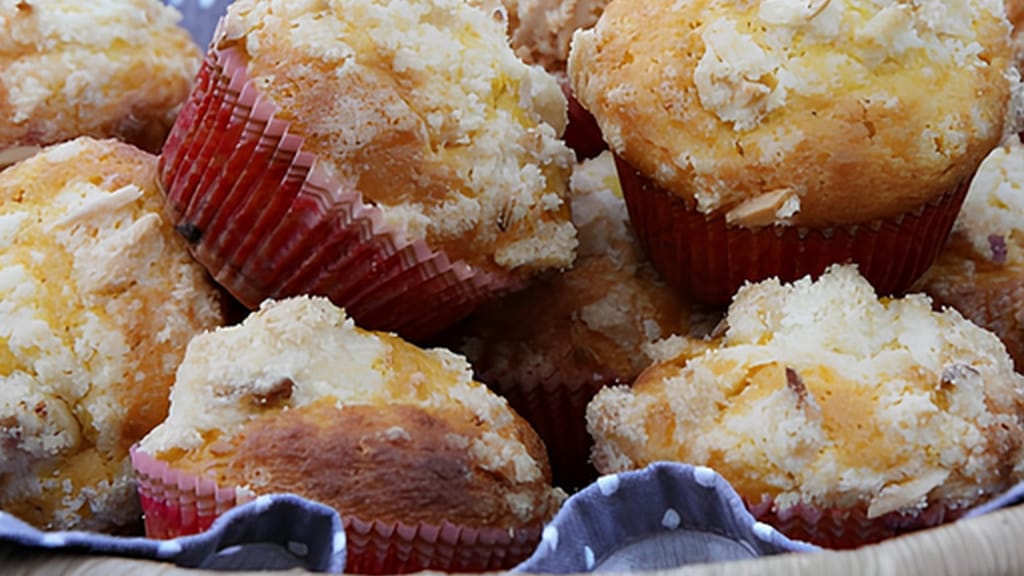
Carrot muffins with a hint of orange
Carrot muffins with orange zest and crumble – recipe
Crêpes Suzette are thin French pancakes warmed through in a sauce of caramel, orange juice and orange liqueur. Here the orange becomes the sauce: in the recipe for crêpes Suzette with orange sauce, you melt butter with sugar, let it caramelize to a light brown – darker caramel turns bitter – and only then carefully pour in the juice of two oranges and the liqueur. The batter needs at least an hour's rest in the fridge so the crêpes are pliable and don't tear when you flip them.
The whole dessert takes about an hour and a half, but most of that time the batter just sits in the fridge, so feel free to make it in the morning and finish the sauce after dinner. If you enjoy pancakes in general, continue with pancakes: batter recipe and fillings.
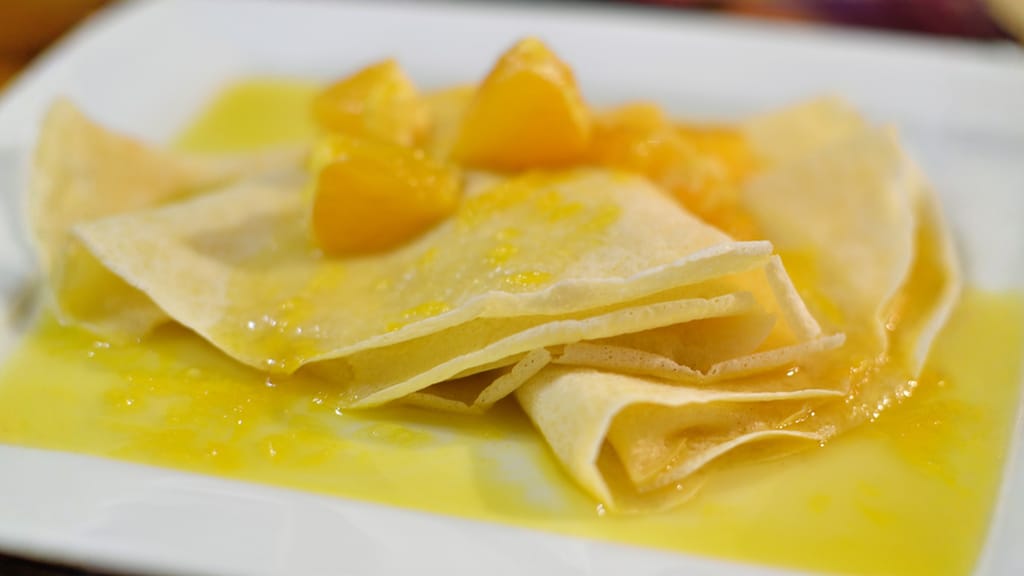
Crêpes suzette with orange sauce
Crêpes Suzette – pancakes in orange caramel sauce
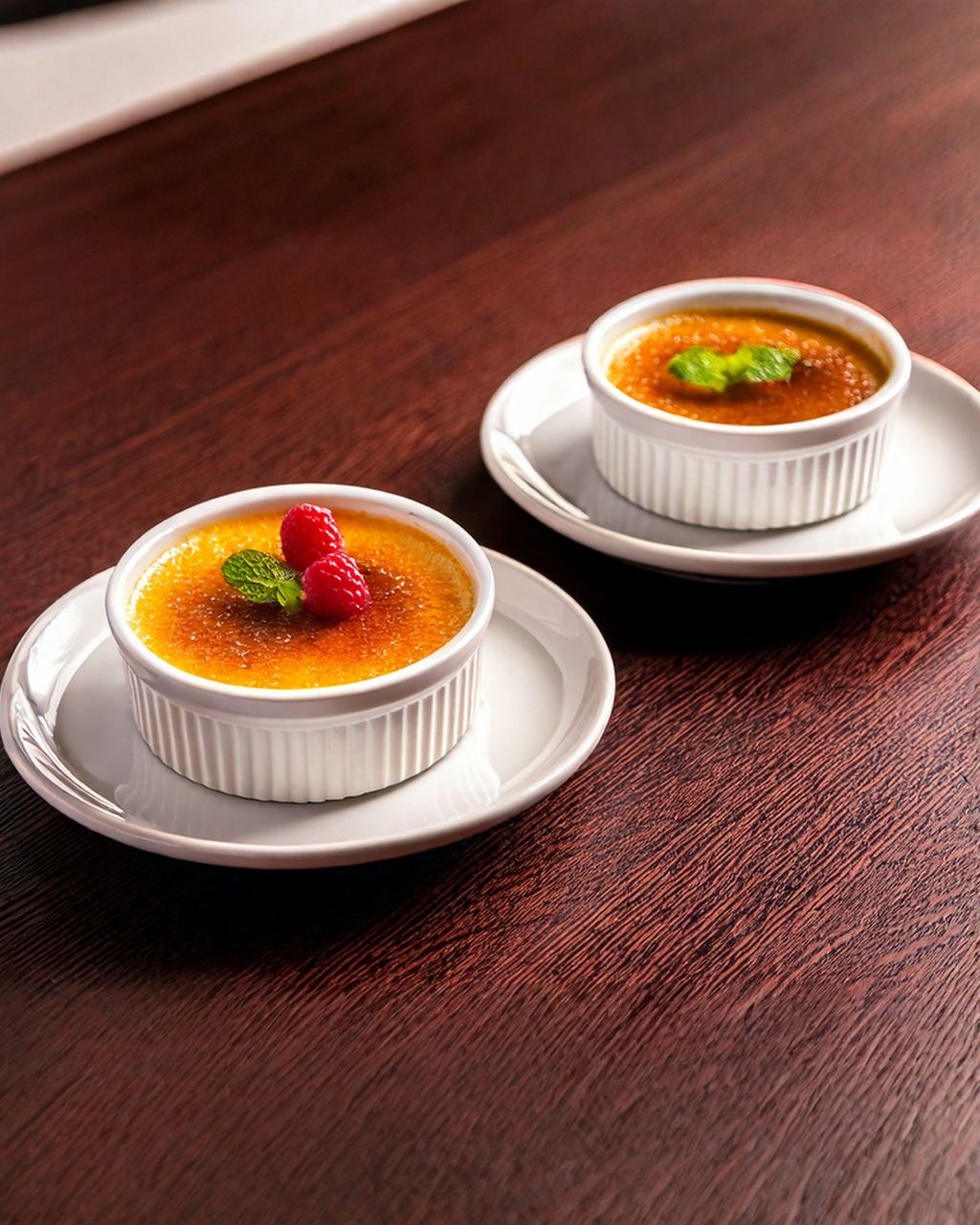
Crema catalana is the Catalan cousin of crème brûlée: the custard is usually not baked in a water bath but cooked on the stovetop and thickened with starch. In the recipe for crema catalana with orange zest and cinnamon, you infuse 250 ml of milk with strips of orange zest and a toasted cinnamon stick, then combine it with two egg yolks and 12 g of cornstarch and stir over low heat until the custard thickens. The recipe makes two servings, and the custard needs a few hours to chill.
The zest works twice here: in the warm milk it gives a round, deep aroma, and freshly grated on top it adds sharp freshness. Torch the sugar crust just before serving – in the fridge it would go soft.
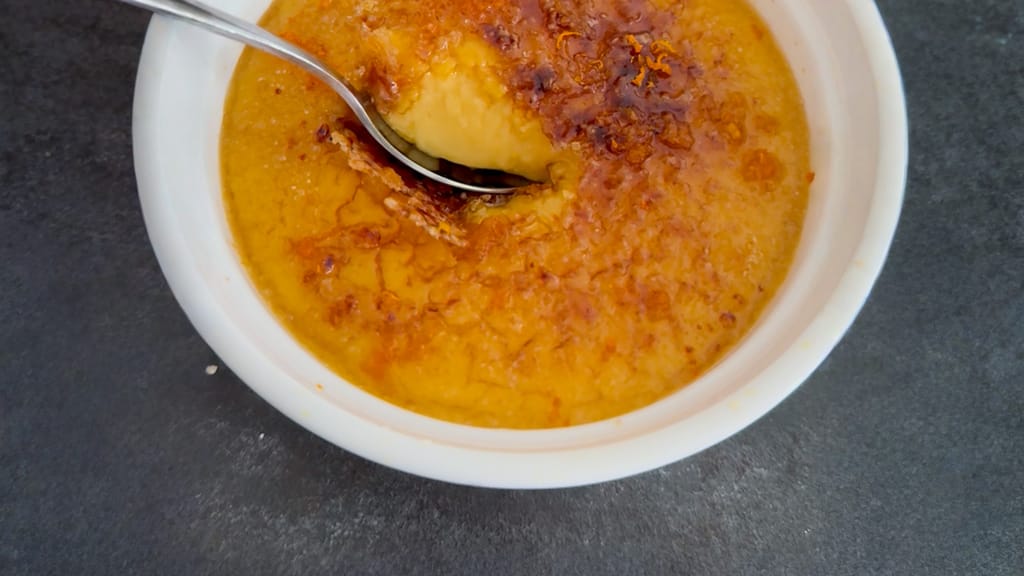
Crema catalana with orange zest and cinnamon
Crema catalana with orange zest and cinnamon – Catalan custard with a caramel crust
Orange cakes are a no-bake dessert in three layers: a caramelized walnut base, a mascarpone cream with the juice of three oranges, and amaretto jelly on top. The recipe for orange cakes hinges on simmering the orange juice with sugar and dissolving the gelatin in it – don't boil it again, or it loses its strength. The cream then needs at least three to four hours in the fridge, ideally overnight; count on just under ten hours overall, though the active work is only a fraction of that.
The cakes contain gelatin, so they aren't vegetarian. You'll find more oven-free desserts in no-bake desserts with cookies, ladyfingers and mascarpone.
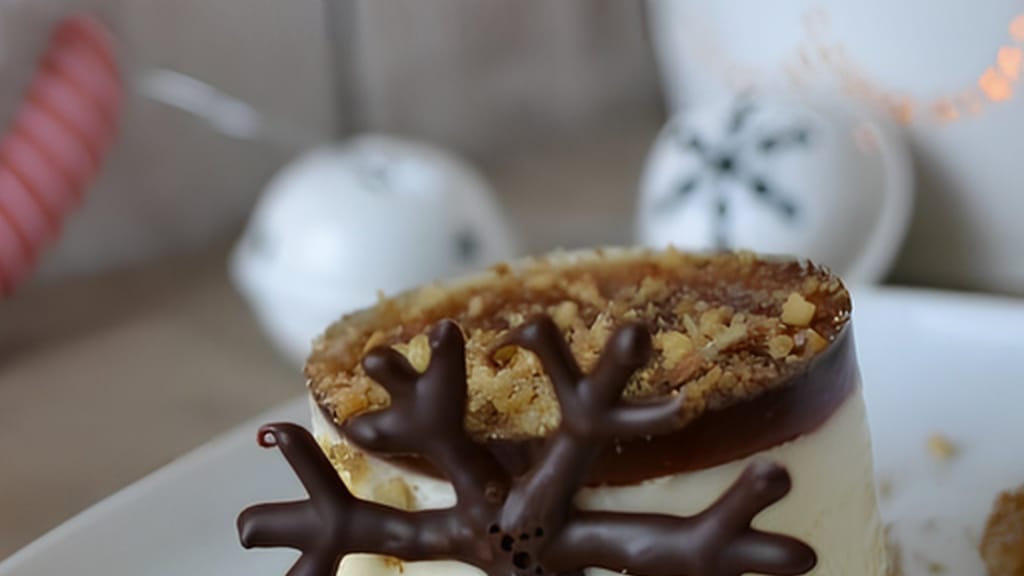
Orange mini cakes
Orange mascarpone cakes with a nut base – no-bake dessert
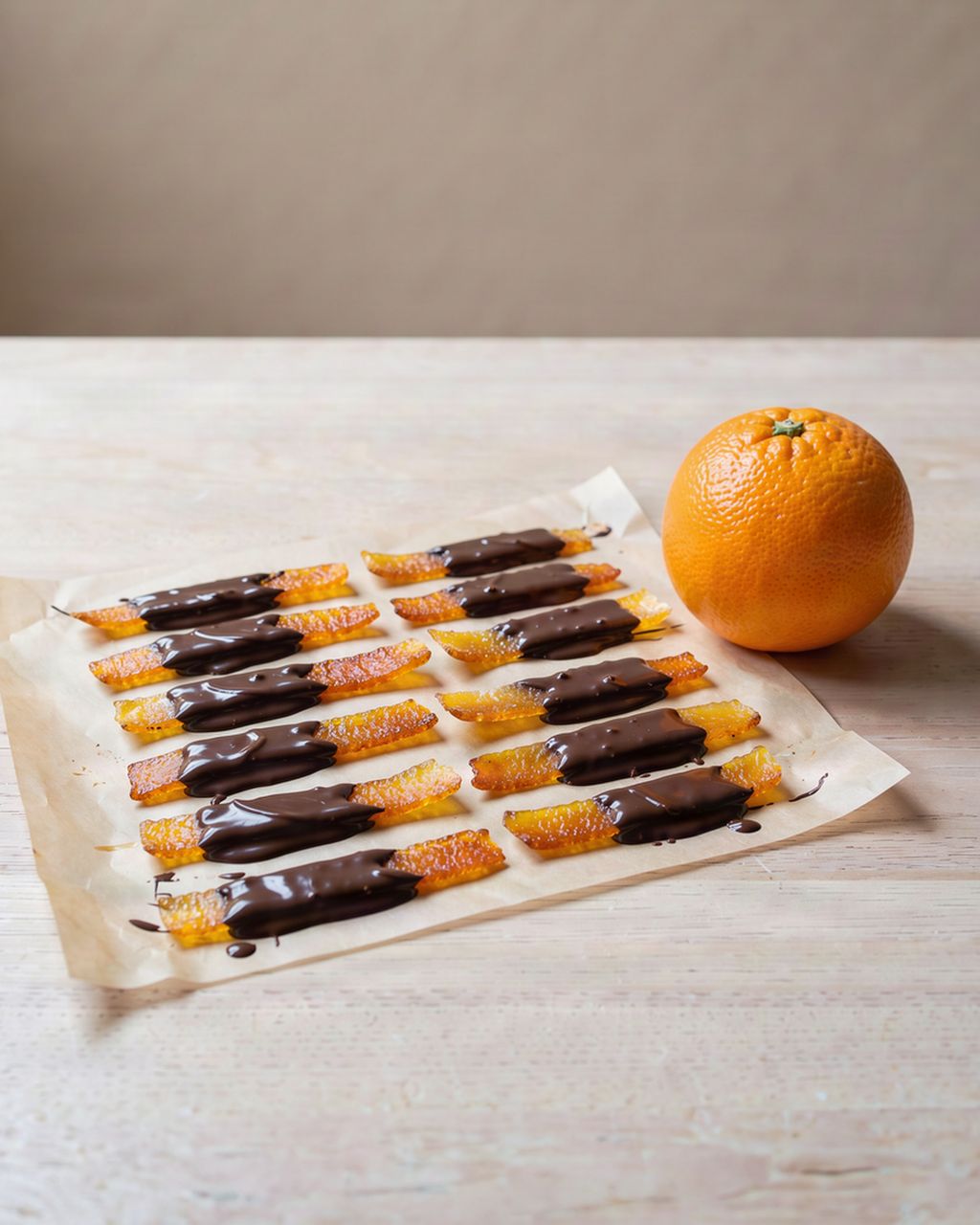
From leftover orange rinds you can make candied orange peel – simmer them and leave them to steep in sugar syrup until soft and translucent. Then dry the strips and dip them in dark chocolate. It makes a Christmas gift and an ingredient for vánočka (Czech braided Christmas bread), gingerbread or muffins. The whole process, drying and how long the peel keeps are covered in candied orange peel in chocolate. The same applies to candying as to grating: use untreated oranges.
With mandarins, bake mainly a sheet-pan cake with quark (tvaroh, a Czech fresh curd cheese) and mandarin segments; use the juice in place of orange juice in a syrup. Spread a creamed batter on a pan of about 25 × 35 cm, top it with roughly 500 g of quark mixed with an egg, sugar and a tablespoon of cornstarch, and arrange drained mandarin segments over the top. Bake at 180°C (350°F) for 30–35 minutes, until the quark has set and the edges turn golden.
A mandarin is sweeter and less acidic than an orange, with a thin peel from which zest is harder to grate – but the segments are great for cakes. Canned segments hold their shape and are evenly sweet, but let them drain well in a sieve, or the juice will make the quark soggy. Strip fresh ones of their white threads; they taste stronger but release more juice in the oven. Mandarin juice in a Bundt cake syrup will be sweeter and less pronounced, so add a few drops of lemon.
With lemons, bake tarte au citron, a lemon Bundt cake or yeasted jidáše with lemon zest – and put lemon into lemon curd and glazes, which lift almost any cake. A lemon is much more acidic than an orange, so you need less of it in a batter and its juice has to be balanced by something: sugar, butter, eggs or milk. The zest matters even more with lemon than with orange, because the juice on its own gives more sourness than aroma. How to grate and store it properly is covered in lemon zest: how to use, store and grate it.
Tarte au citron is a French tart with a shortcrust shell and a baked lemon filling – the best choice when you want lemon to take center stage. The version in the recipe for tarte au citron, the French lemon tart is milk-based and topped with meringue: you simmer lemon zest in half a liter of whole milk to scent it, pour the filling into a shell blind-baked for 10 minutes, and bake at 180°C (350°F) for about 25 minutes. It's done when the center no longer wobbles as you shake the pan. You then whip the egg whites into meringue and bake it on top.
Why blind-bake: raw dough under a liquid filling would stay gummy, and a pricked base won't puff up in the oven. The meringue on top is a smart use of the whole egg – yolks go into the filling, whites into the topping. Count on one hour and forty minutes in total and 8 servings.
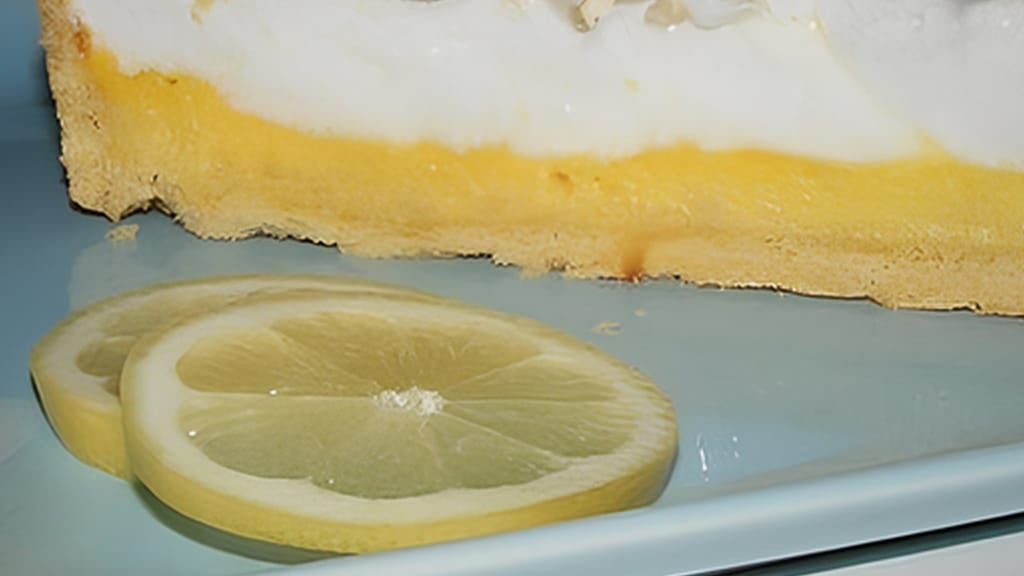
Tarte au citron – french lemon tart
Tarte au citron – French lemon tart with a meringue topping
Lemon custard curdles because acidic juice together with heat coagulates the proteins in the eggs and milk – especially when you add the juice or hot milk all at once. The same happens if you add the eggs to a mixture that's too hot: you get flecks. That's why warm milk is poured slowly onto the eggs while stirring constantly, not the other way around, and the custard is then heated only over low heat.
The second common mistake is the opposite – the filling stays runny because the custard or tart didn't get enough heat or time. For a baked tart, go by the center no longer wobbling when you shake the pan; for a cooked custard, by it thickening and leaving a continuous coat on the spoon. If a custard does curdle slightly, it can often be rescued by quickly straining it through a fine sieve and whisking briefly.
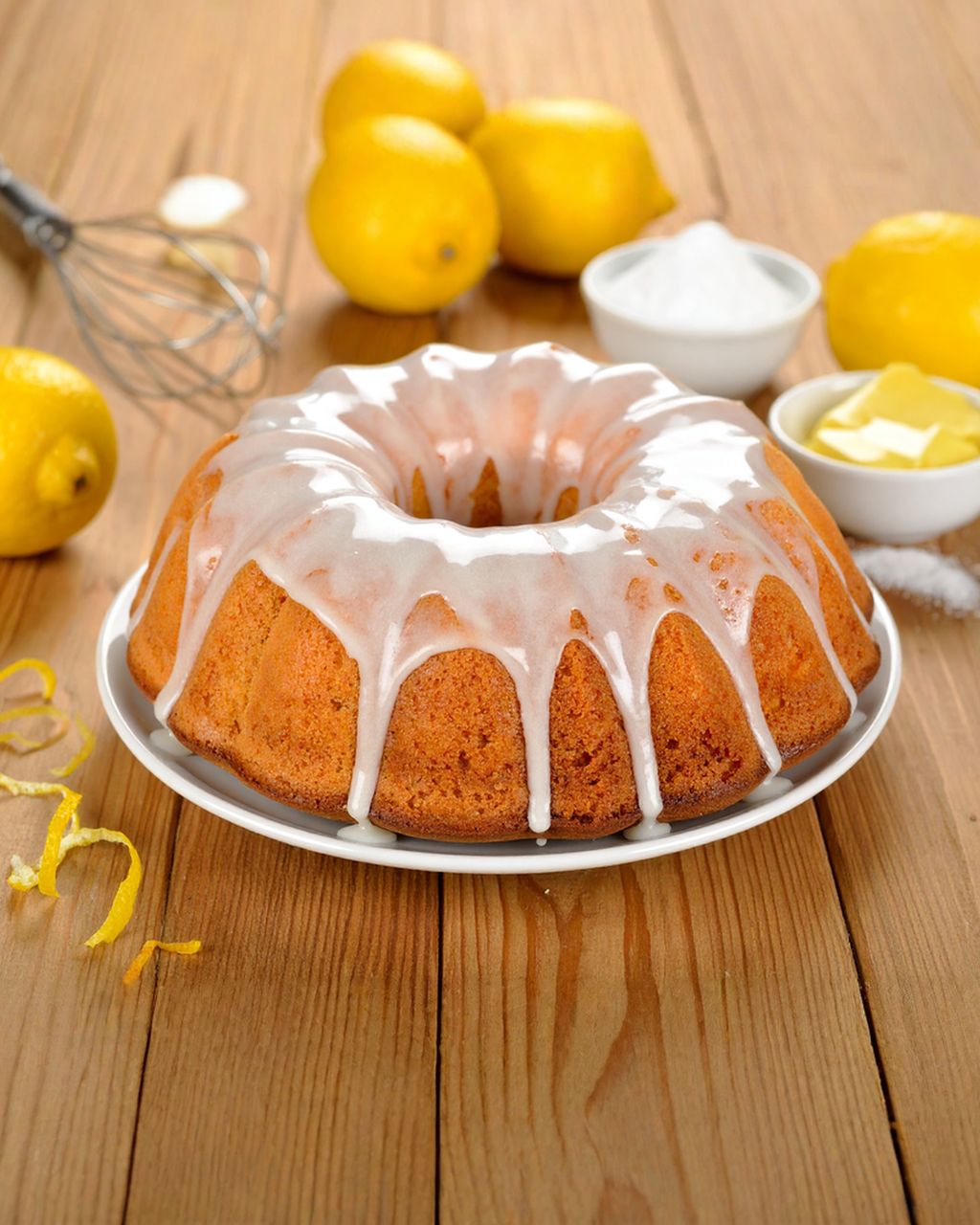
Lemon Bundt cake gets its lemon flavor twice: the zest goes into the creamed batter, and the juice goes into a syrup of lemon juice and sugar at 1:1, which you pour over the cake while it's still warm so it stays moist. It bakes in a 22–24 cm pan at 170–175°C (340–350°F). For other ways to glaze a Bundt cake so it shines, see what to brush on a Bundt cake instead of icing.
Jidáše are yeasted spirals made from a buttery dough, brushed with honey after baking – and the lemon in them adds no acidity, only aroma. In the Easter jidáše with honey and lemon zest, you grate lemon zest straight into a dough made with 300 g of all-purpose (plain) flour, let it rise for an hour, roll out the spirals and bake them at 180°C (350°F) for 15 to 20 minutes until golden. Brush them right away with honey warmed with water while they're hot, so it soaks in.
The recipe is for Easter, but lemon zest in a yeast dough works any time – just as well in winter with tea.

Easter judas buns with honey and lemon zest
Easter jidáše with honey and lemon zest – recipe for yeasted spirals
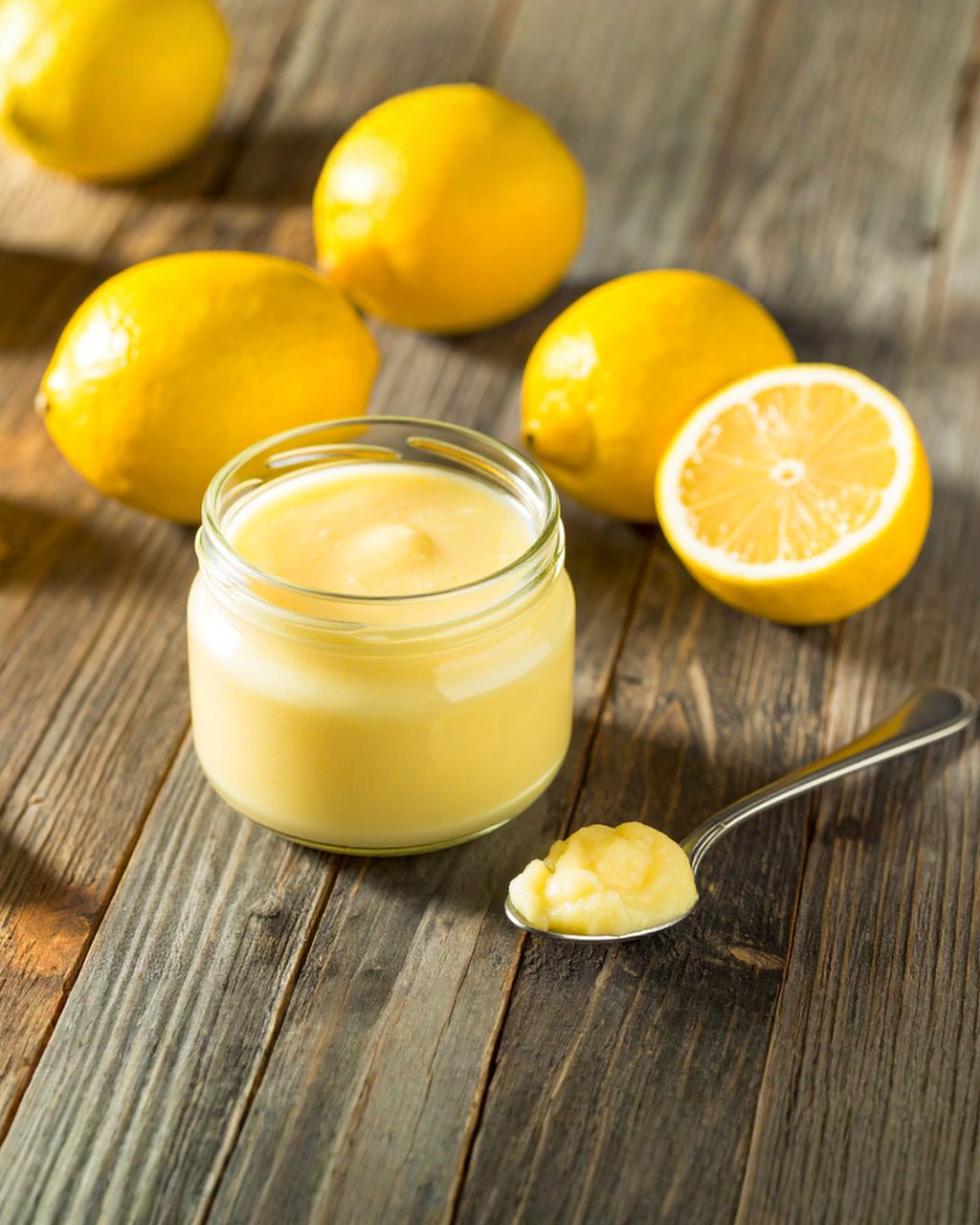
Lemon curd is a thick lemon cream made from lemon juice and zest, sugar, eggs and butter, heated slowly while stirring constantly, most often over a water bath, until it thickens. Unlike tarte au citron, it isn't baked: use it as a tartlet filling, between cake layers, in yogurt or simply on toast. It also suits a slice of Bundt cake that turned out drier than you wanted. How to cook it so it doesn't curdle, and where else to use it, is covered in lemon curd: how to make and use it in the kitchen.
The quickest lemon dessert is really an icing: stir powdered sugar with lemon juice a teaspoon at a time until it's thick enough to run slowly off the spoon. A thinner icing soaks in and leaves just a shine, a thicker one forms a white, crisp crust. It suits Bundt cake, sheet-pan gingerbread, muffins and linecké (Czech Linzer-style jam cookies). Ratios, tricks for shine and what to do when the icing won't set are covered in how to make perfect lemon icing.
The main season for Mediterranean citrus is winter, when there isn't much other fresh fruit, and oranges and lemons pair well with other winter ingredients. If you have oranges left over after baking, slice them into a salad – you'll find inspiration in winter salads with beets and citrus. And if you have pears in the bowl next to the citrus, continue with what to bake with pears.
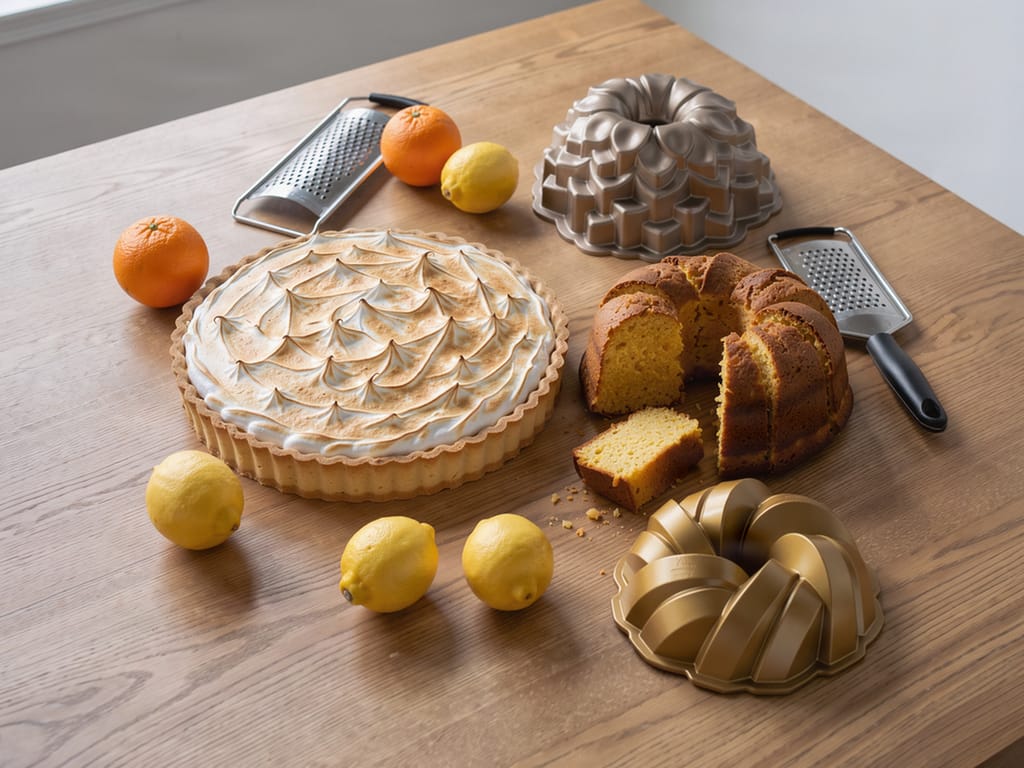
Nordic Ware
Bundt Pan - BlossomNordic Ware
Bundt Pan - BraidedYou can add bottled lemon juice to a batter or syrup, but the flavor will be flatter and it can't replace the zest, because the lemon aroma sits in the peel, not the juice. In desserts where lemon is the star, such as tarte au citron, lemon curd or icing, fresh lemon makes the biggest difference. Treat bottled juice as a rescue, not a substitute.
A medium lemon gives roughly 30 to 45 ml (2 to 3 tablespoons) of juice and about a tablespoon of grated zest. A medium orange gives 60 to 90 ml of juice and one to two tablespoons of zest. It depends on the size, variety and juiciness of the fruit, so if a recipe calls for an exact amount, measure it. It's better to have a spoonful of juice too much than a spoonful too little.
Baking with citrus zest most often turns bitter because the white pith under the colored peel got into the batter. Grate only the thin yellow or orange layer on a fine grater and stop as soon as you see white. Caramel that gets too dark also adds bitterness, so for sauces and crusts, stop at a light brown color.
In baking you can replace orange with mandarin at roughly 1:1; the result will be sweeter and milder. Lemon is much more acidic, so don't use it in place of orange juice in the same amount. You can swap the zest, but make up the liquid with milk or orange juice and only season with a little lemon. The surest option is a combination, such as lemon zest with orange juice.
Yes, you can freeze grated lemon and orange zest; in the freezer it keeps its aroma for months. Spread it on a plate, let it firm up, then tip it into a sealed container so it doesn't clump. Add it to the batter straight from frozen; in the fridge, grated zest would dry out and lose its aroma within a few days.
One recipe worth heating the oven for, one tip, and one deal from the shop. Nothing else.