Quick answer
What temperature do I bake gingerbread at?
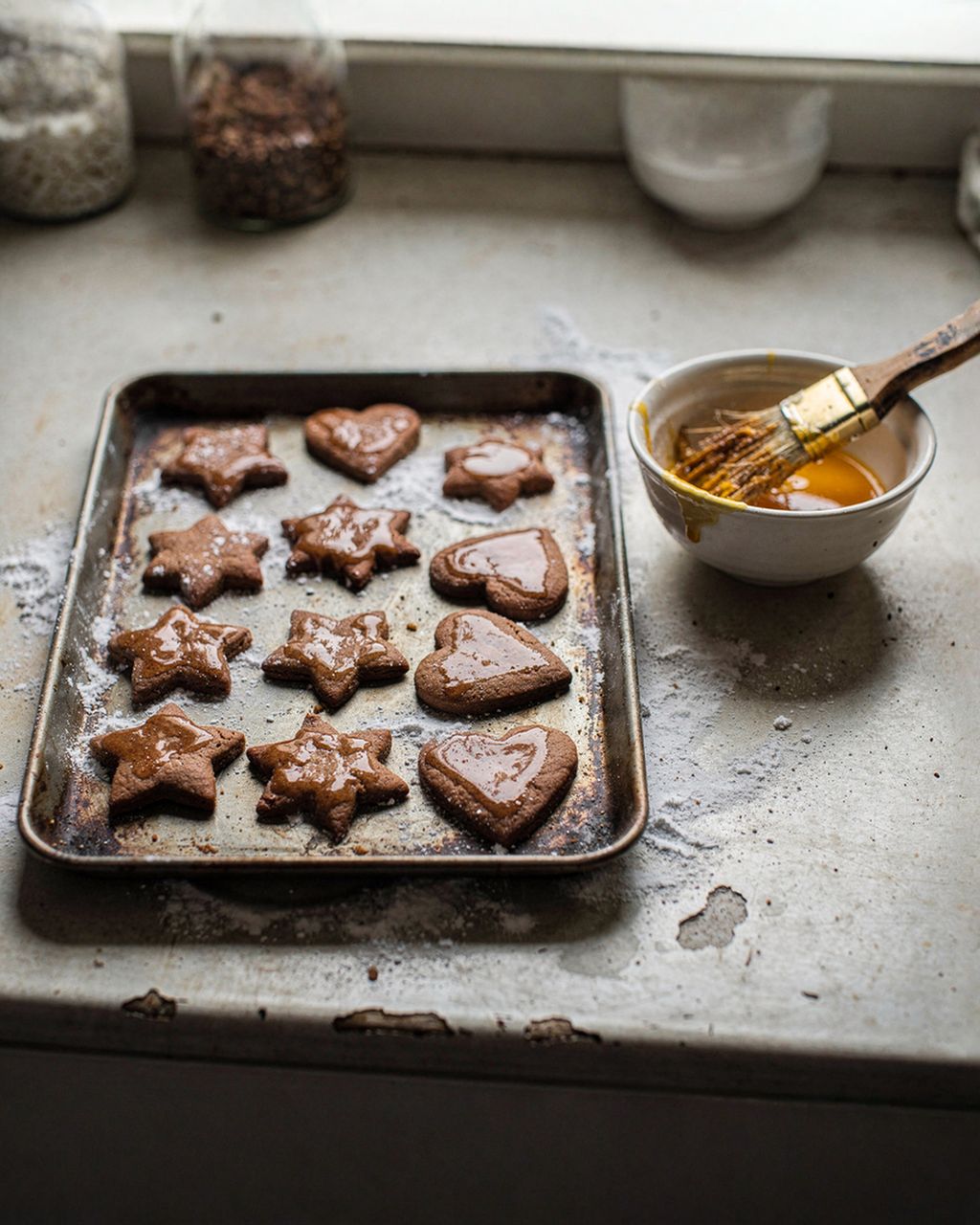
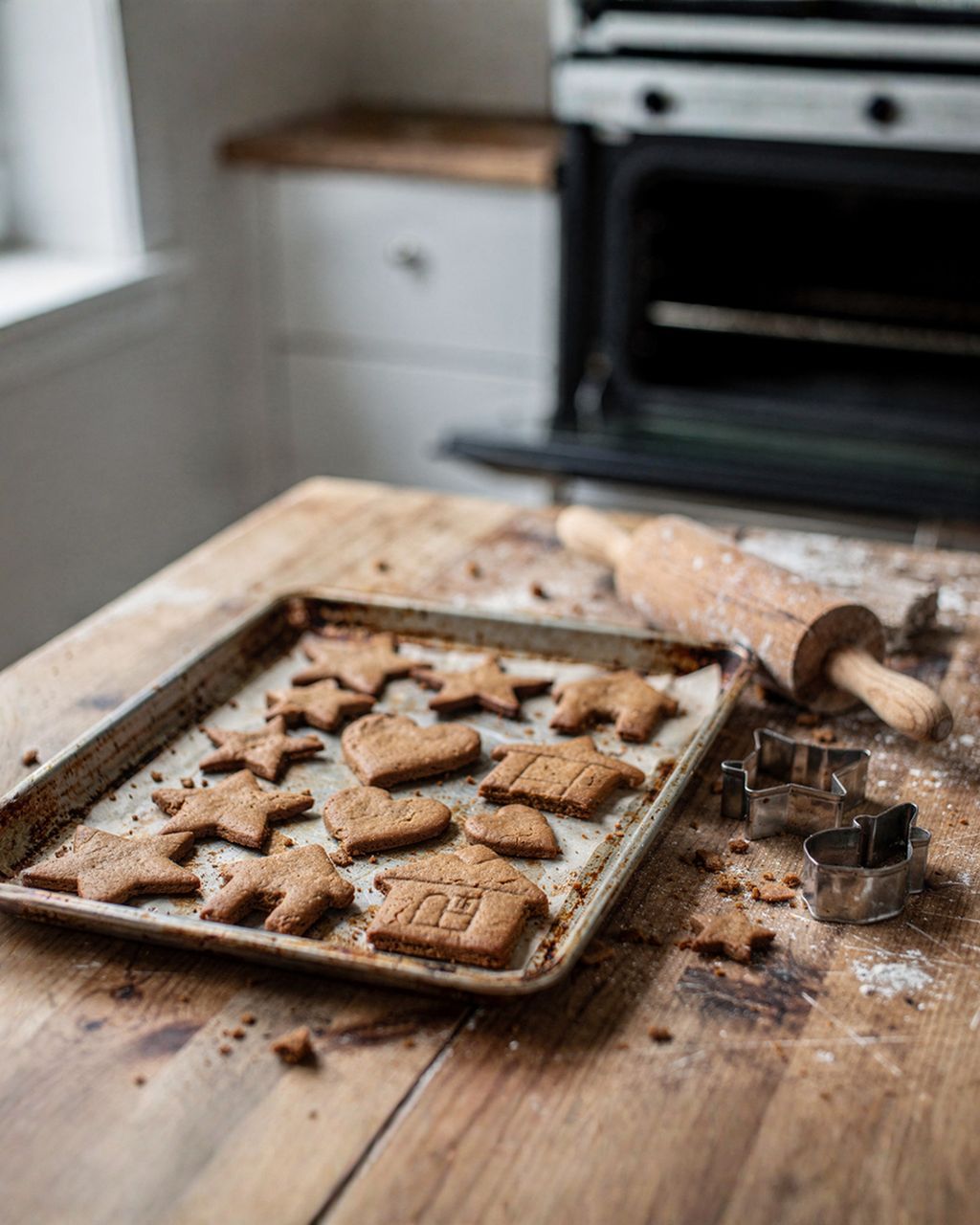
160–170 °C with top and bottom heat, or 150–160 °C fan, for about 6–12 minutes depending on thickness. A hotter oven won't help: honey dough browns before it bakes through.
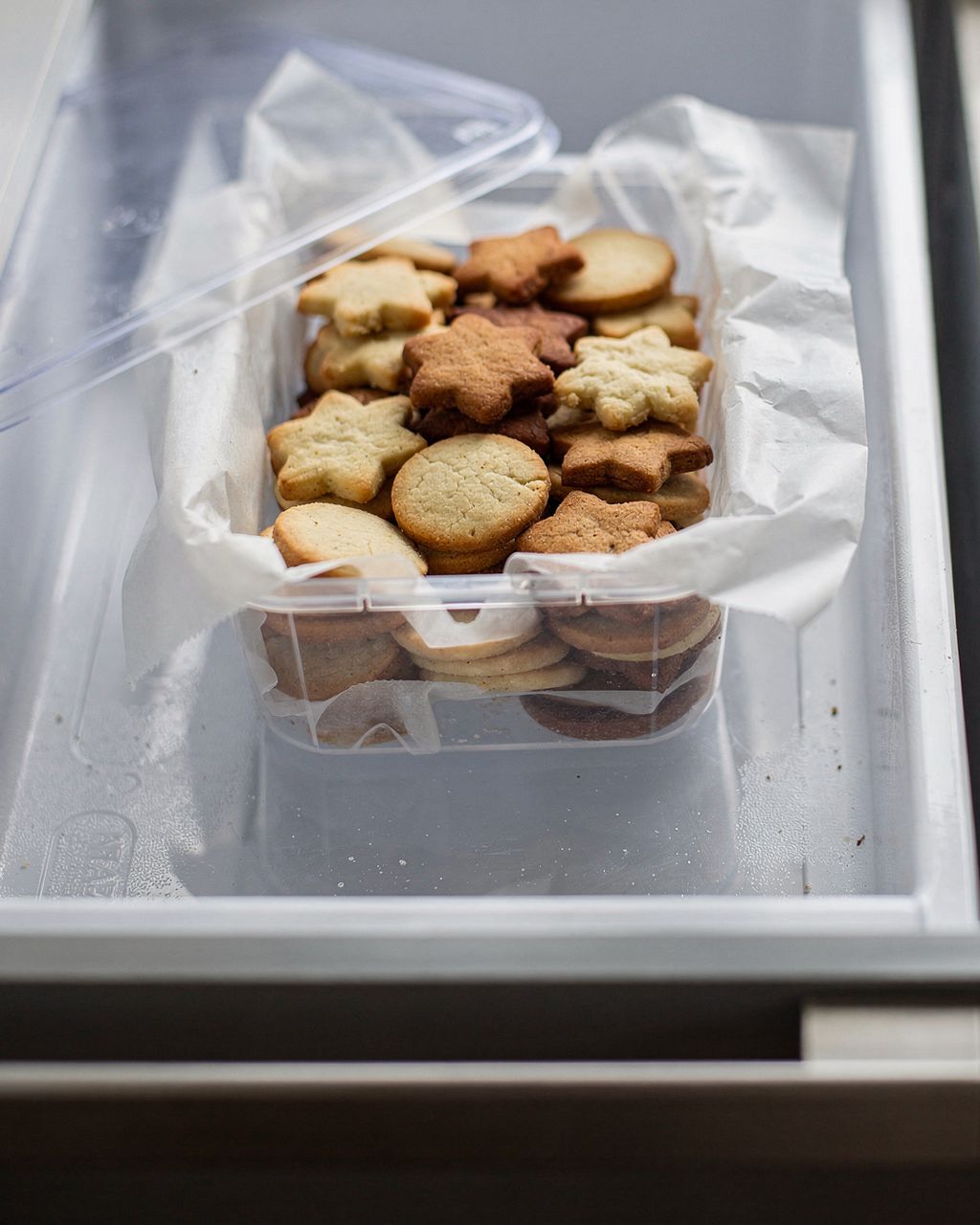
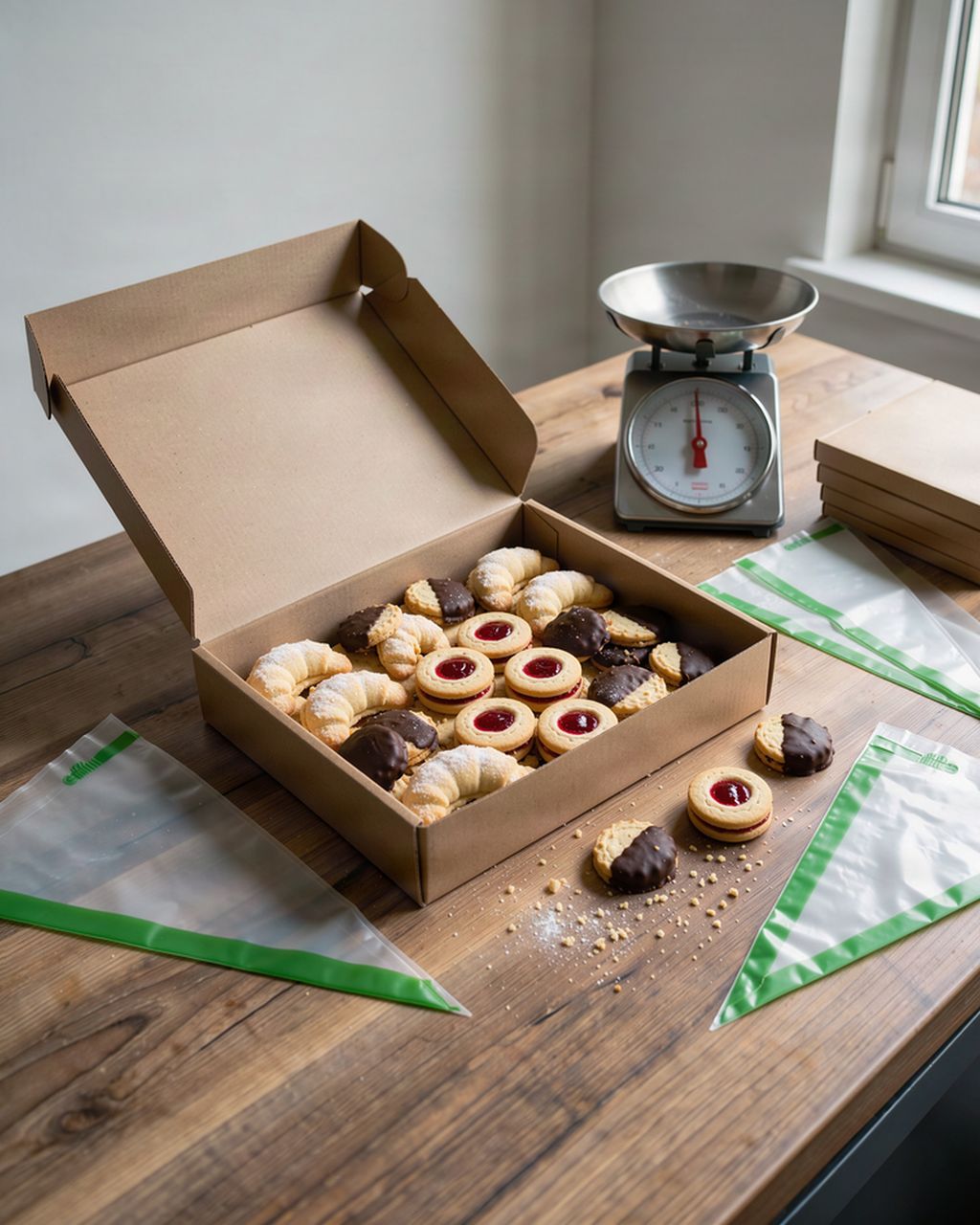
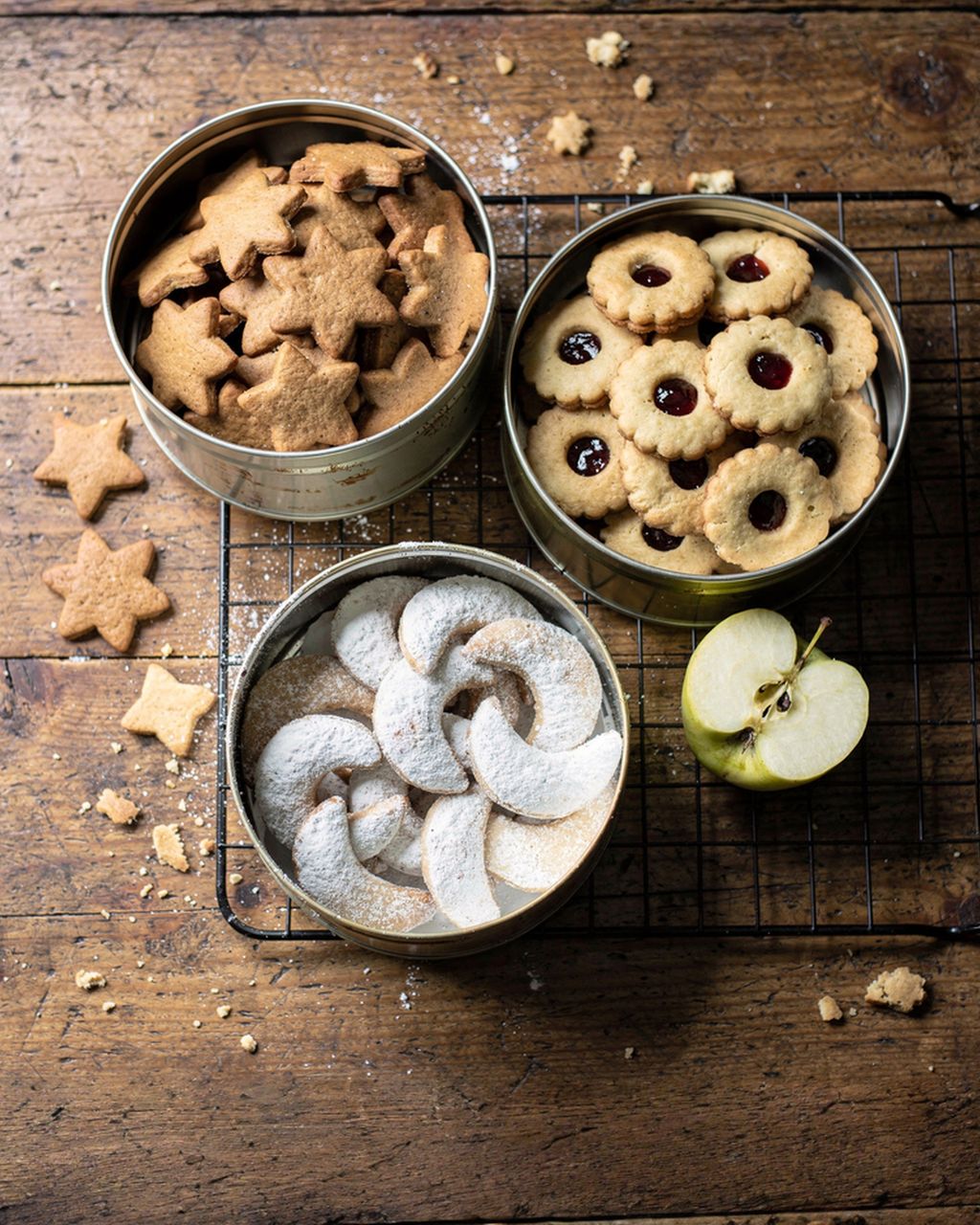
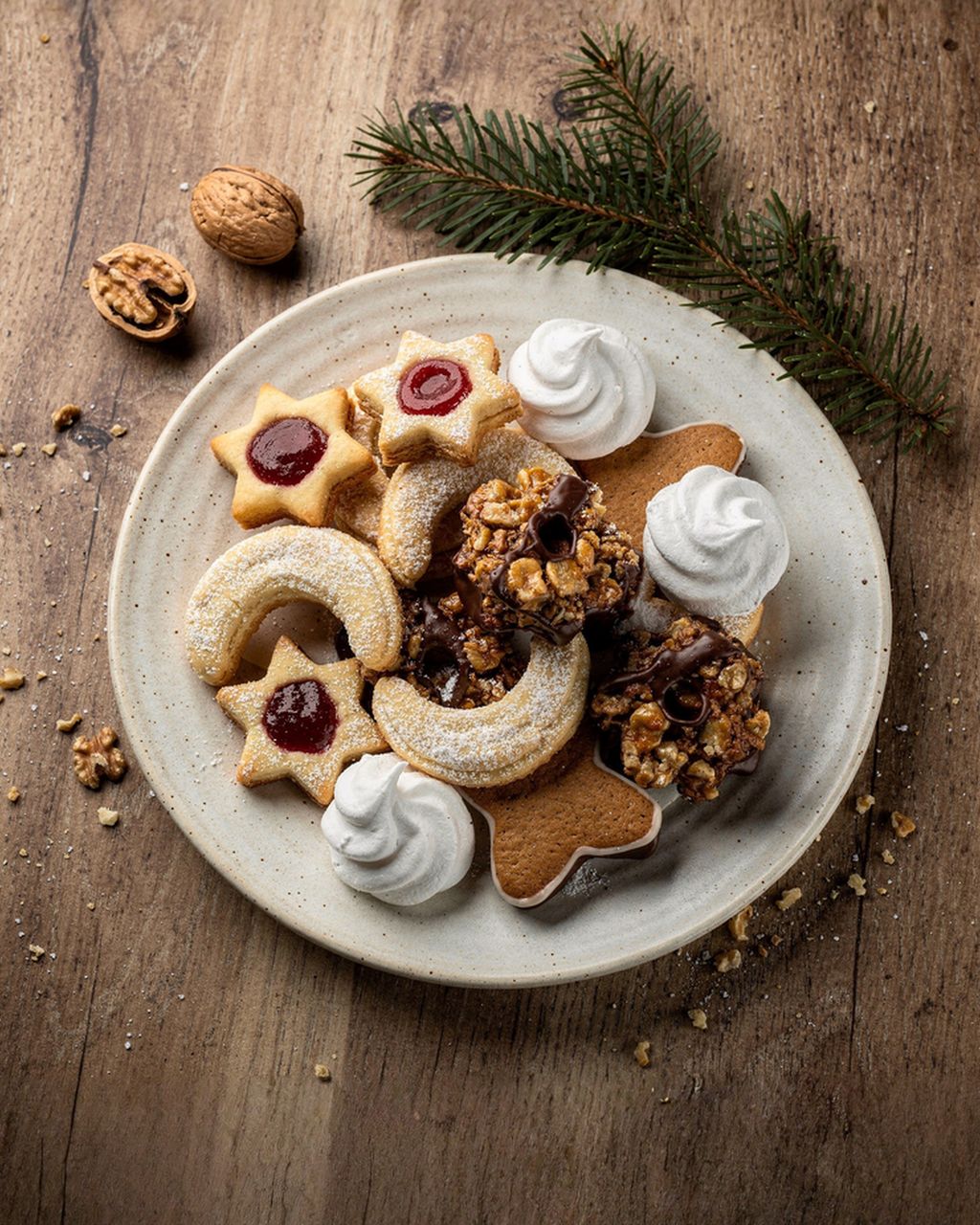
Christmas cookies, gingerbread, bundt cakes, sweet buns, muffins and no-bake desserts. What temperature and how long to bake, why Linzer dough crumbles and gingerbread cracks, how long cookies keep and how to freeze them so they don't go soft.
Quick answer
160–170 °C with top and bottom heat, or 150–160 °C fan, for about 6–12 minutes depending on thickness. A hotter oven won't help: honey dough browns before it bakes through.
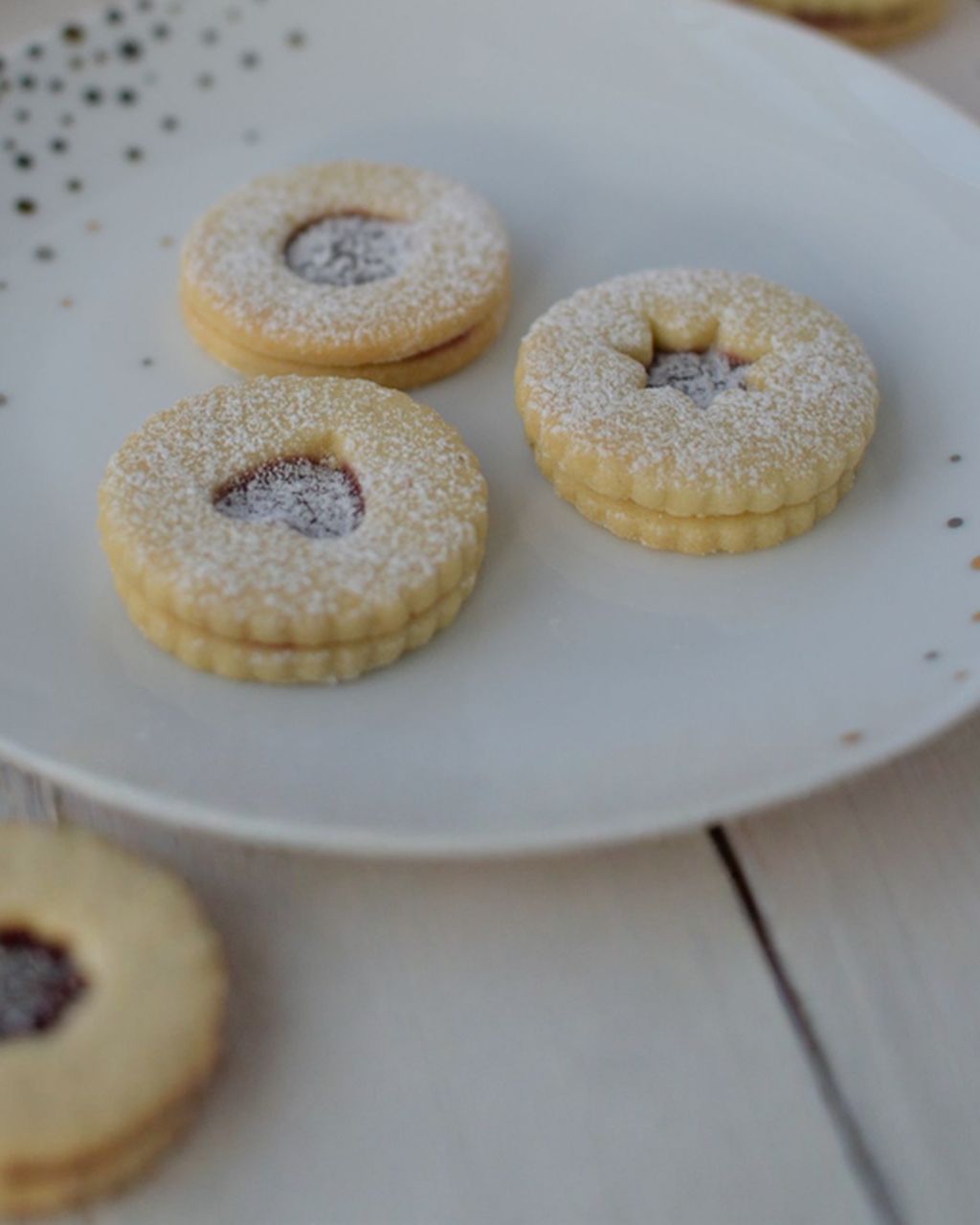
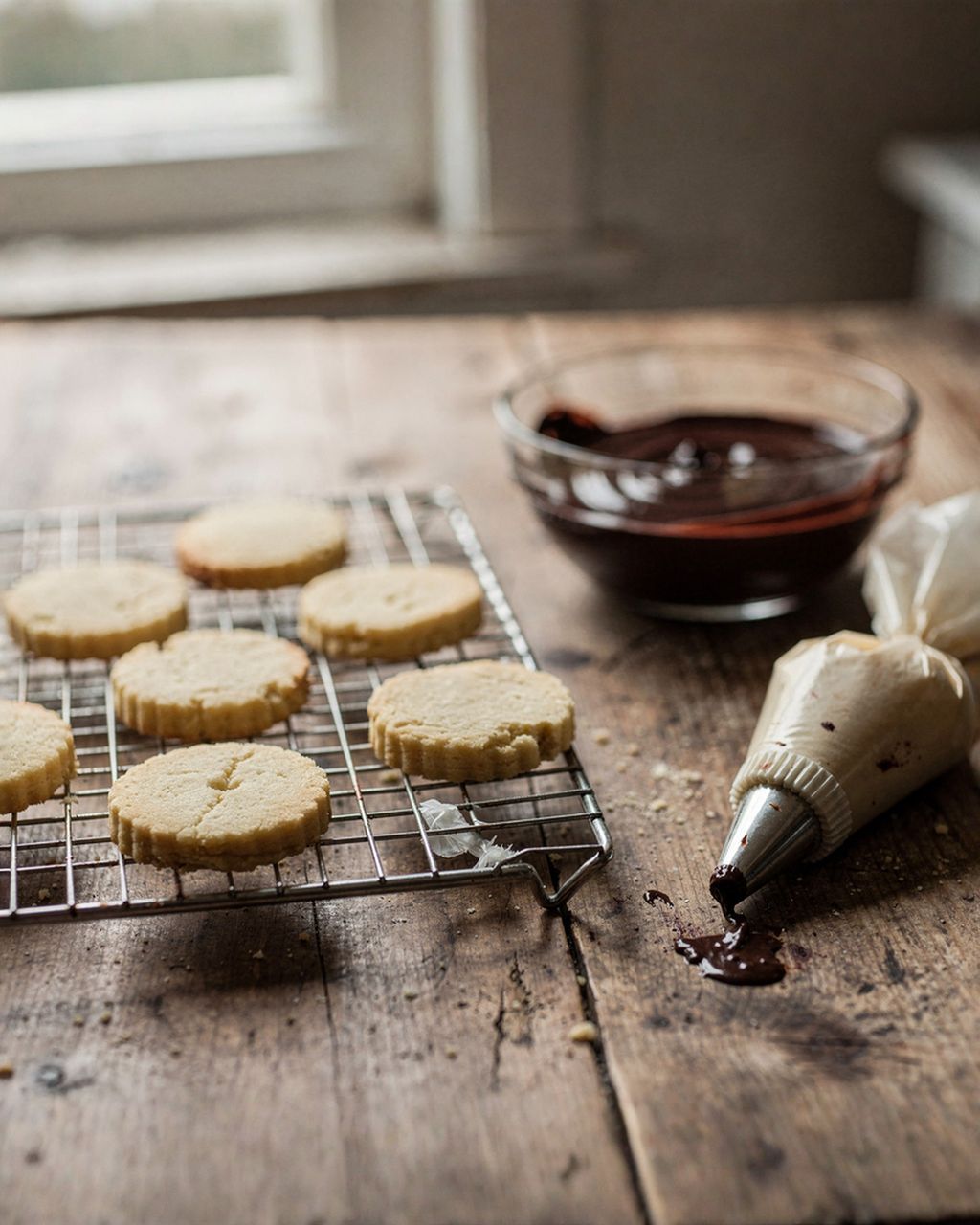
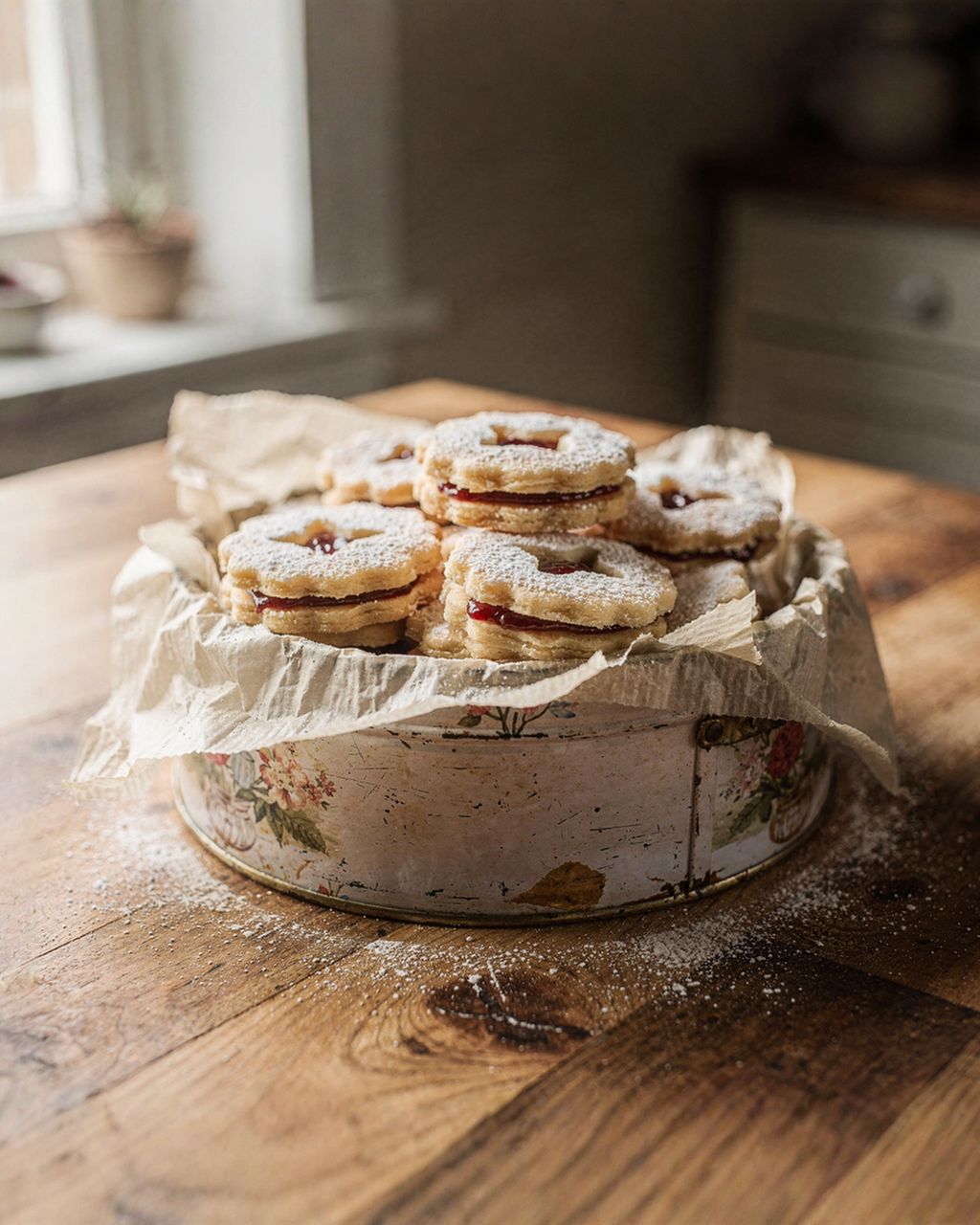
Classic christmas cookies: delicate linzer cookies
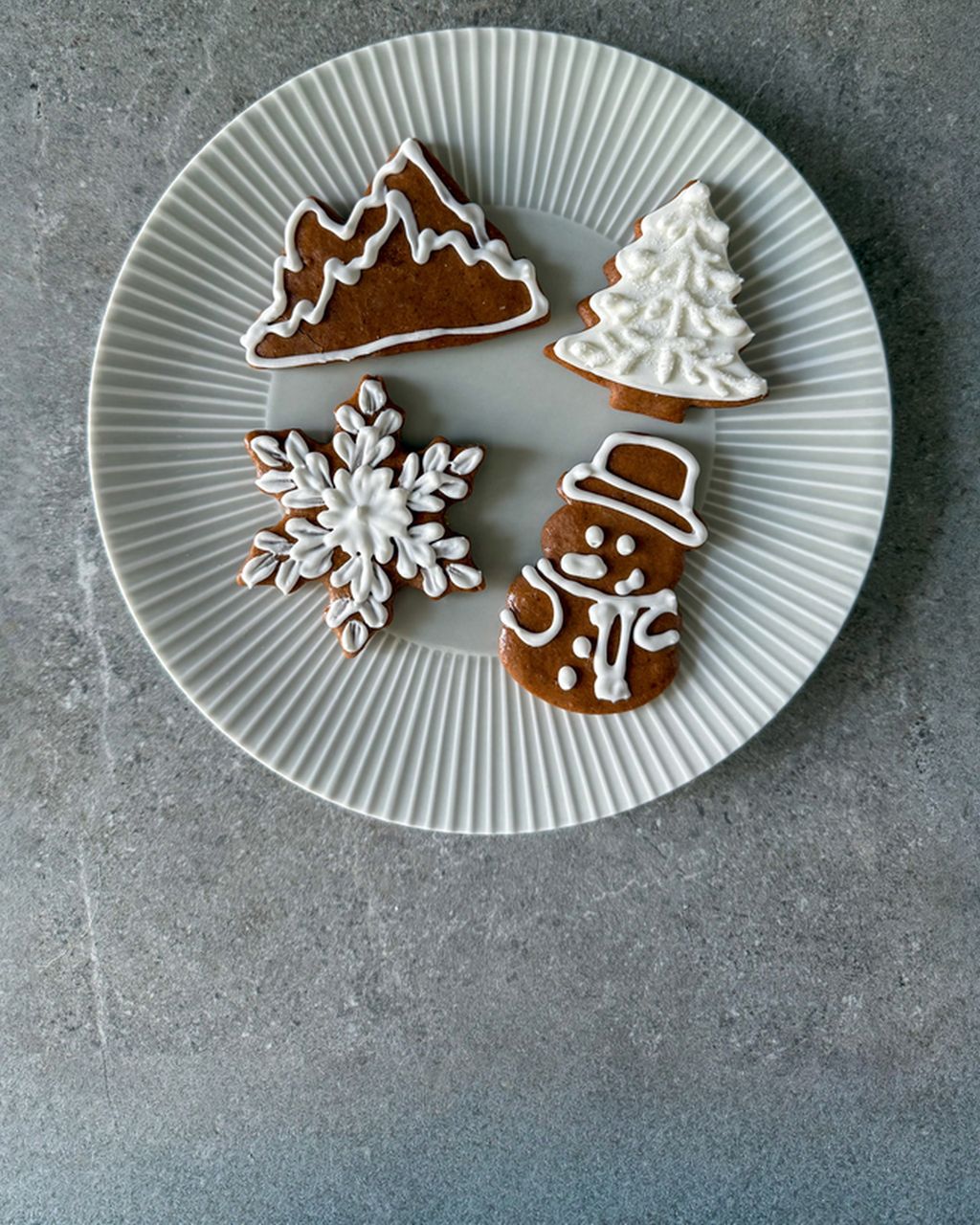
Soft honey gingerbread cookies that never go hard

Soft gingerbread cookies
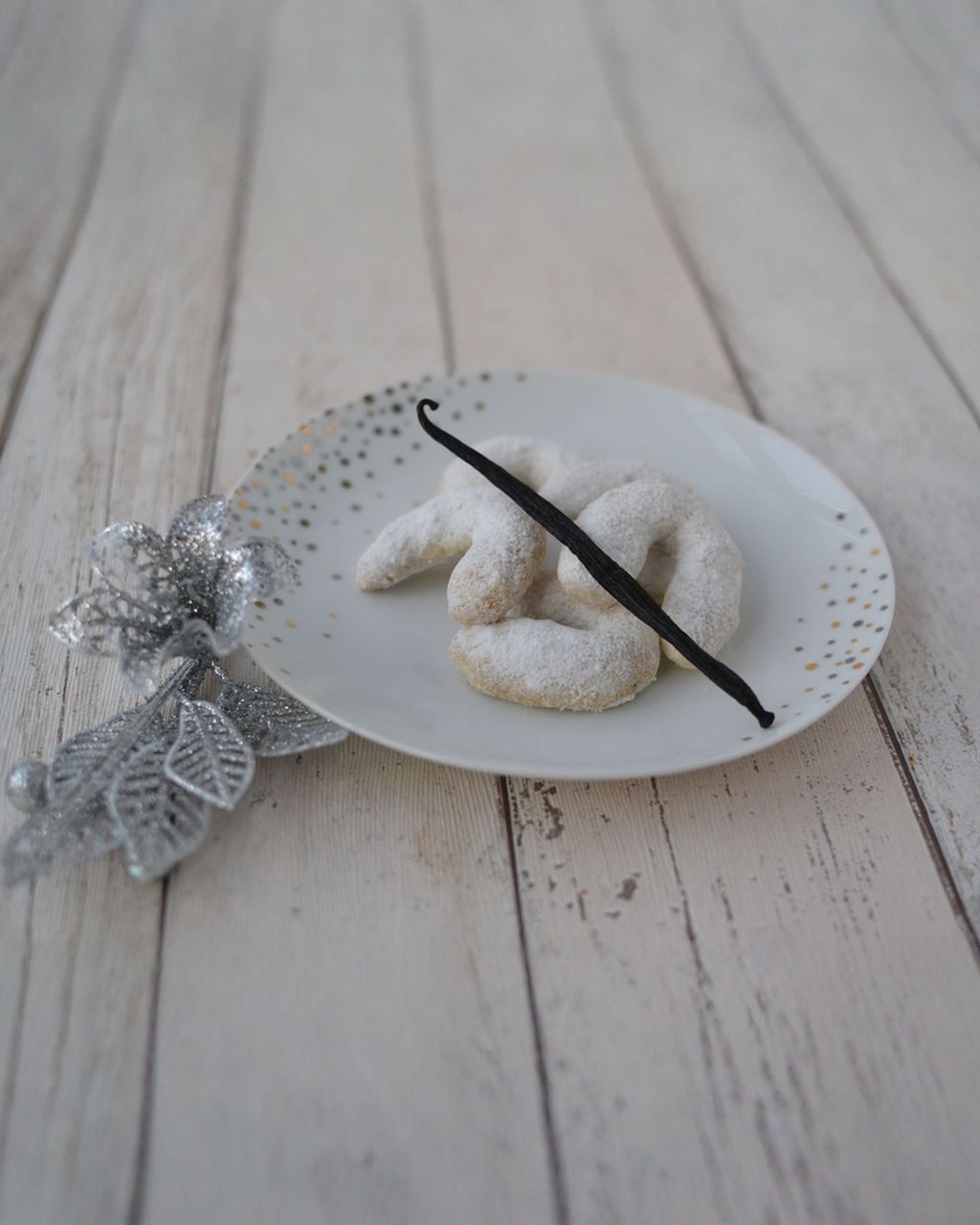
The best christmas cookies? vanilla crescents, of course!
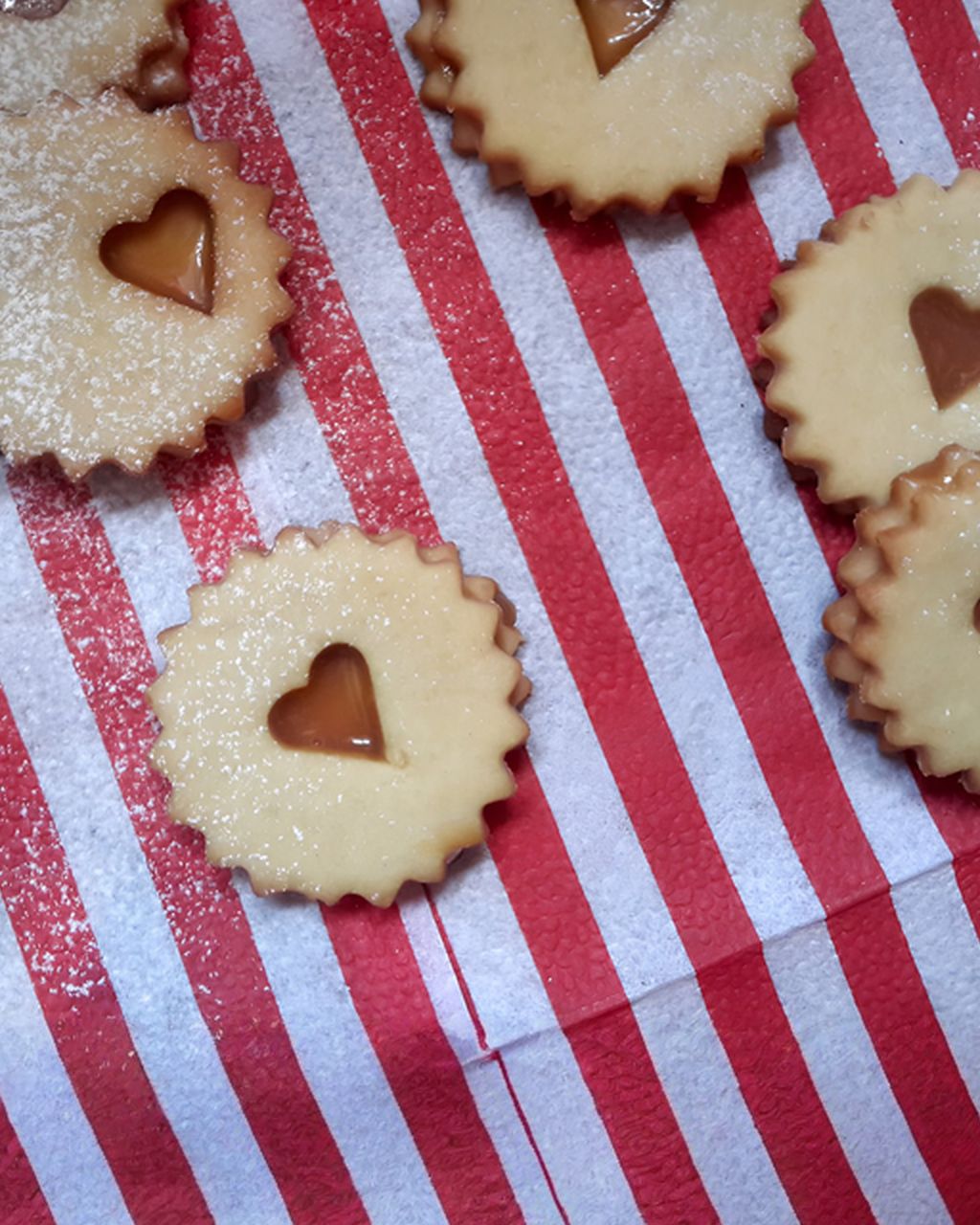
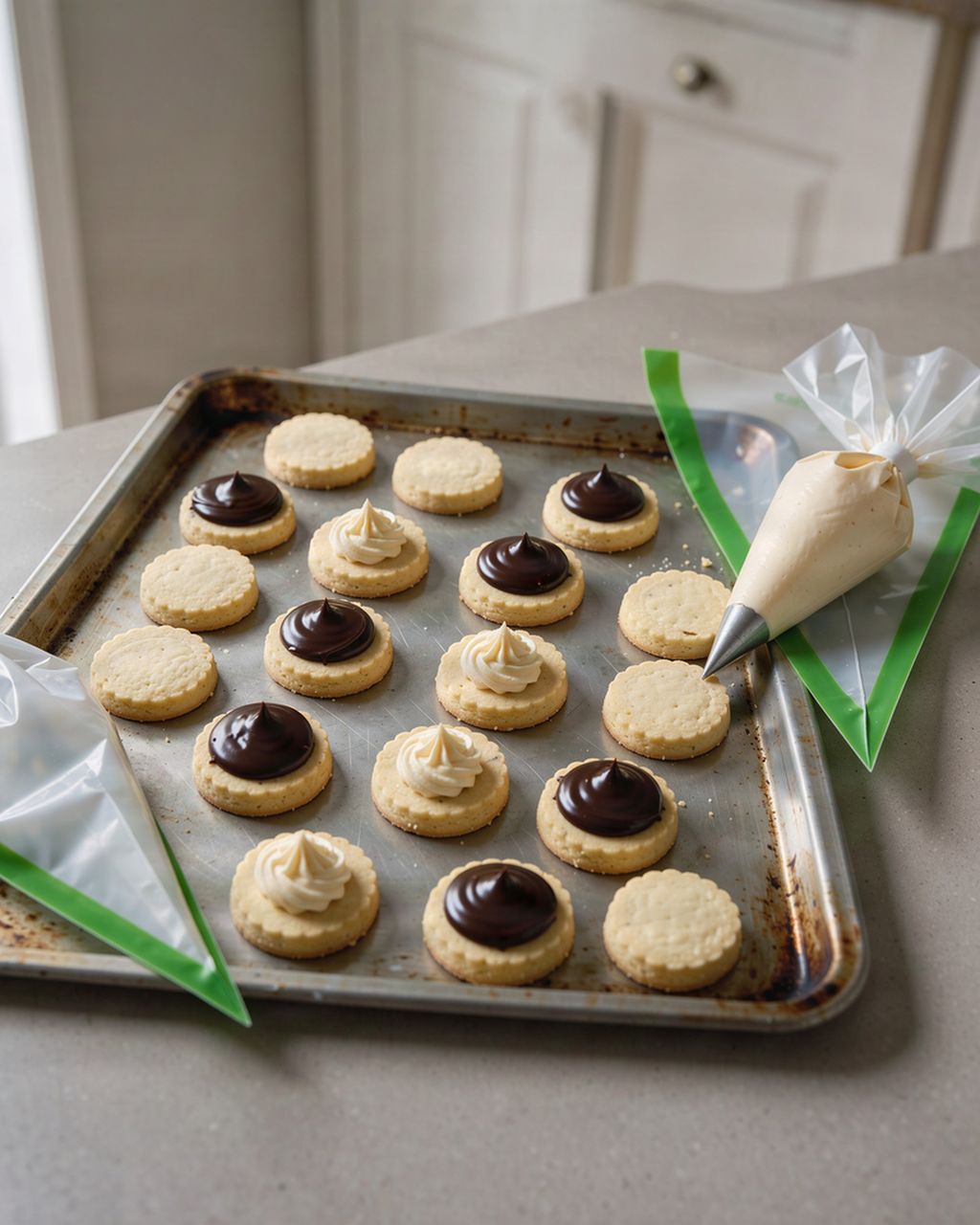
Linzer cookies filled with salted caramel
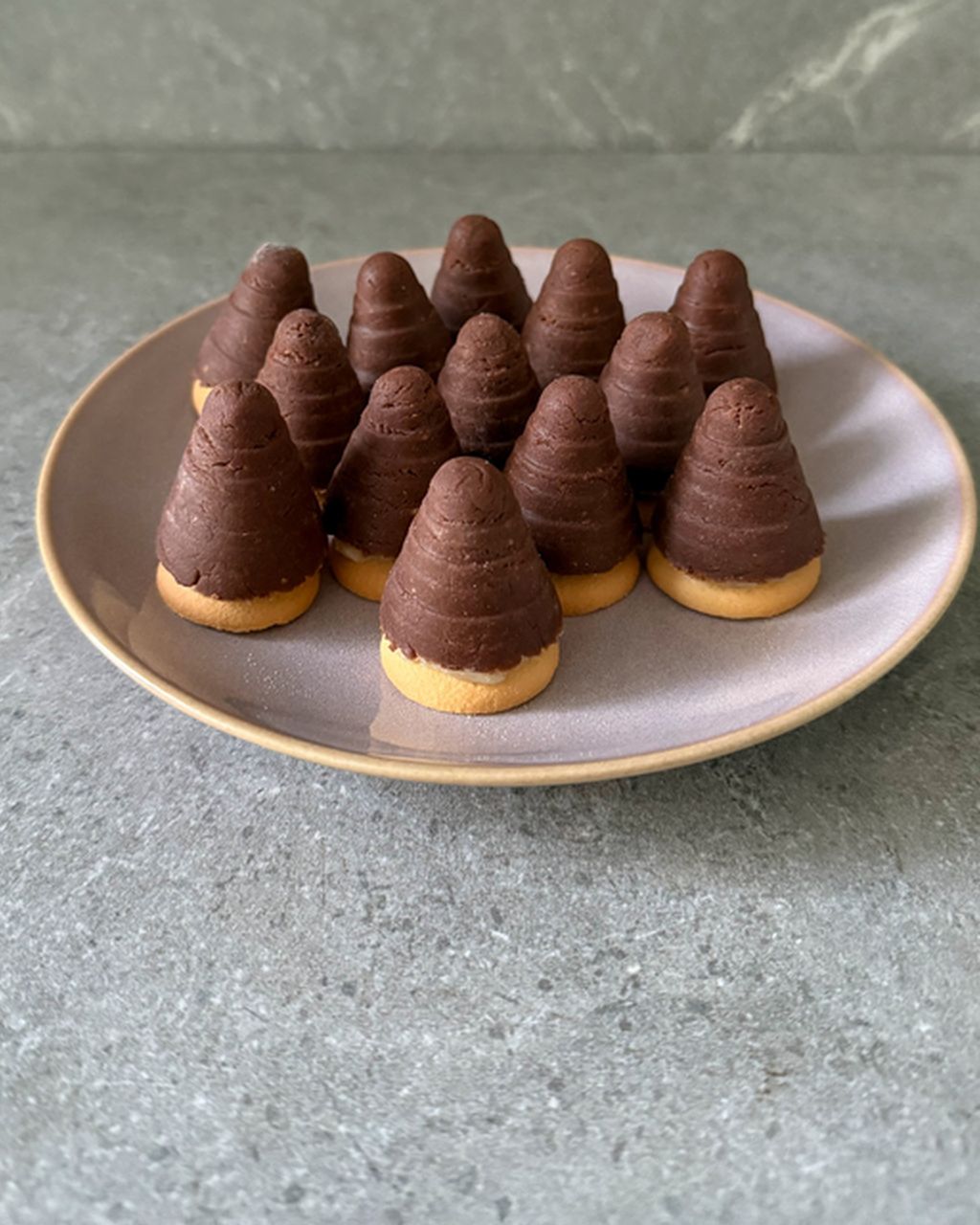
Grandma's traditional wasp's nest cookies with rum cream
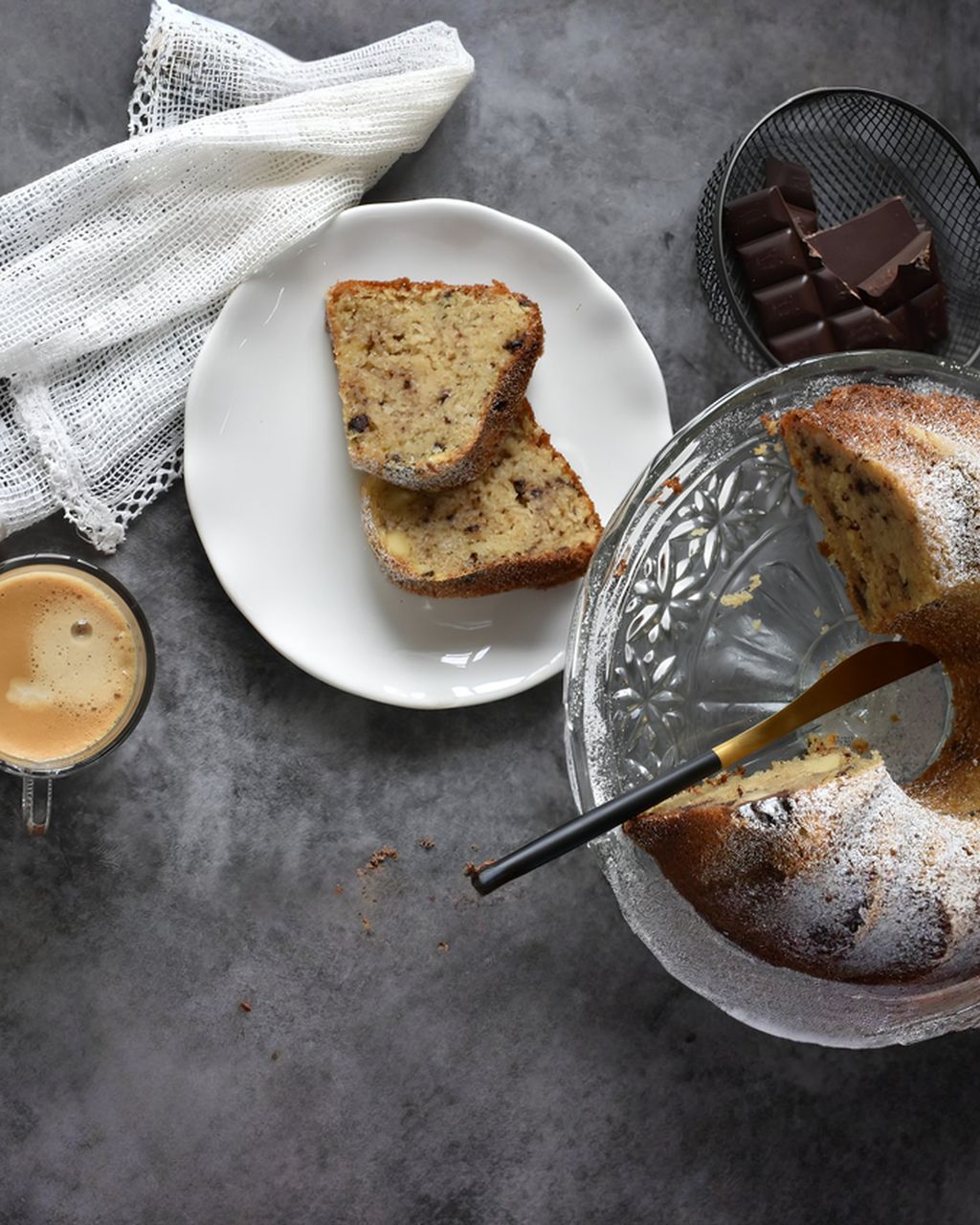
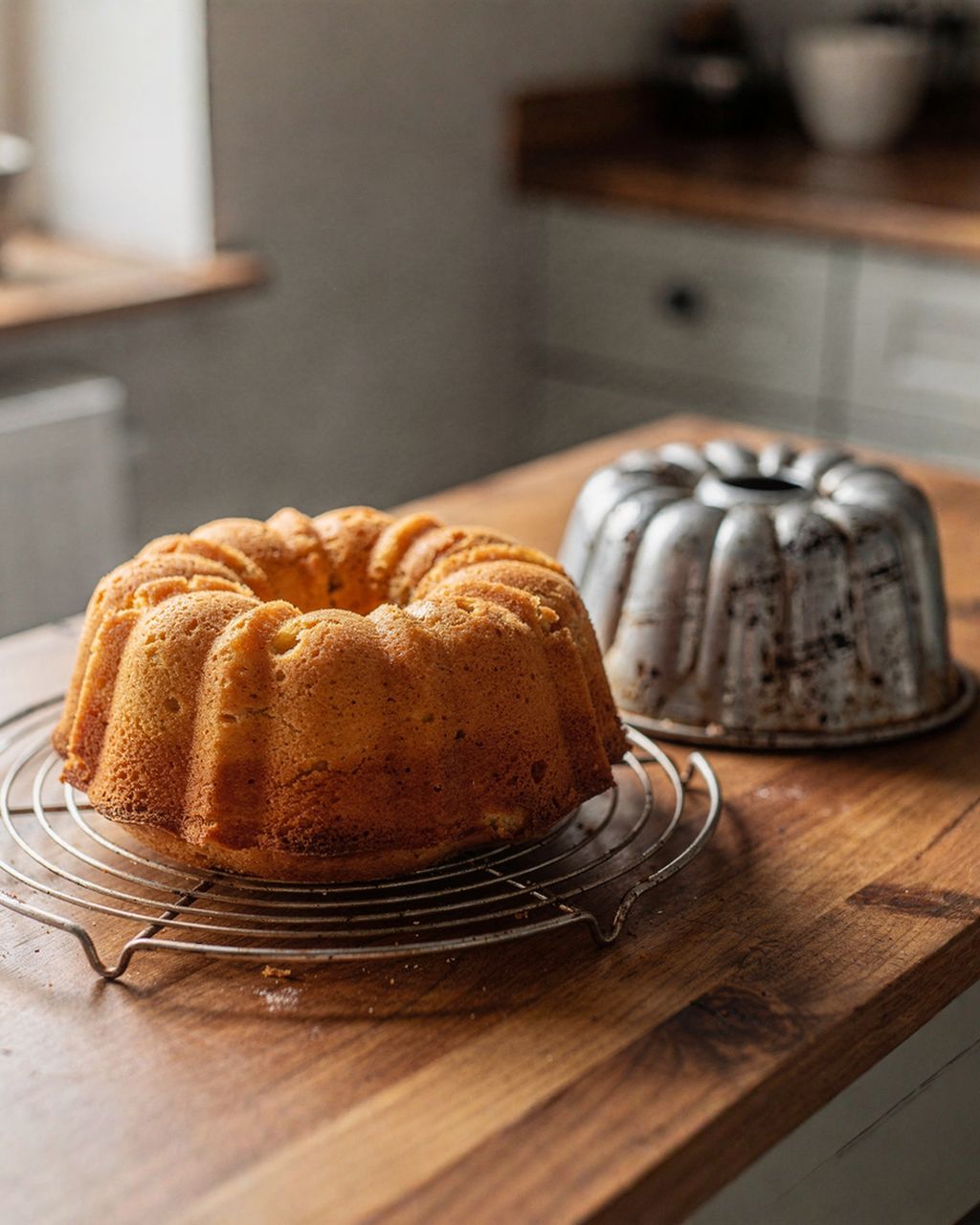
Two-fifty curd cheese bundt cake with chocolate and almonds
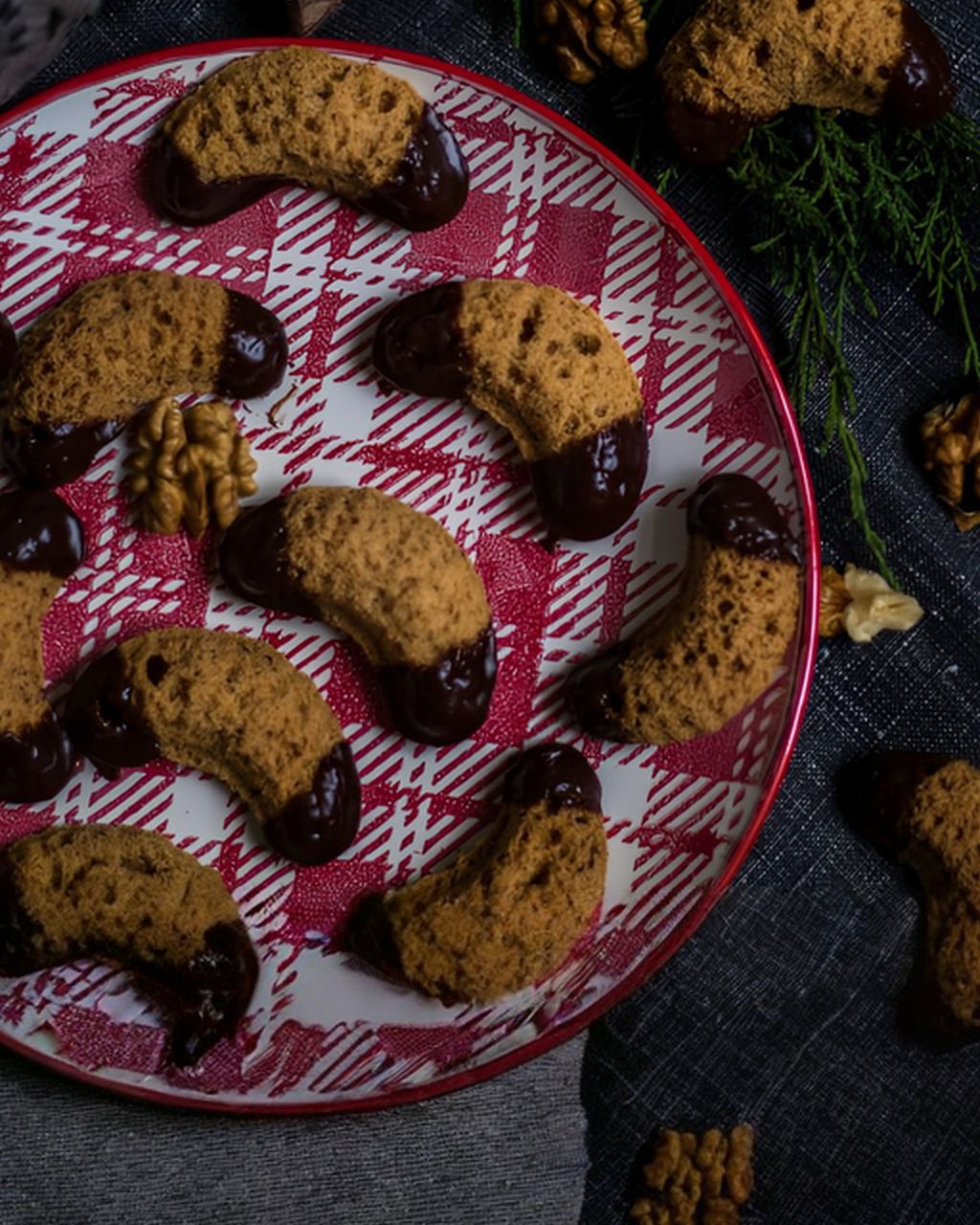
Hollow walnut crescents
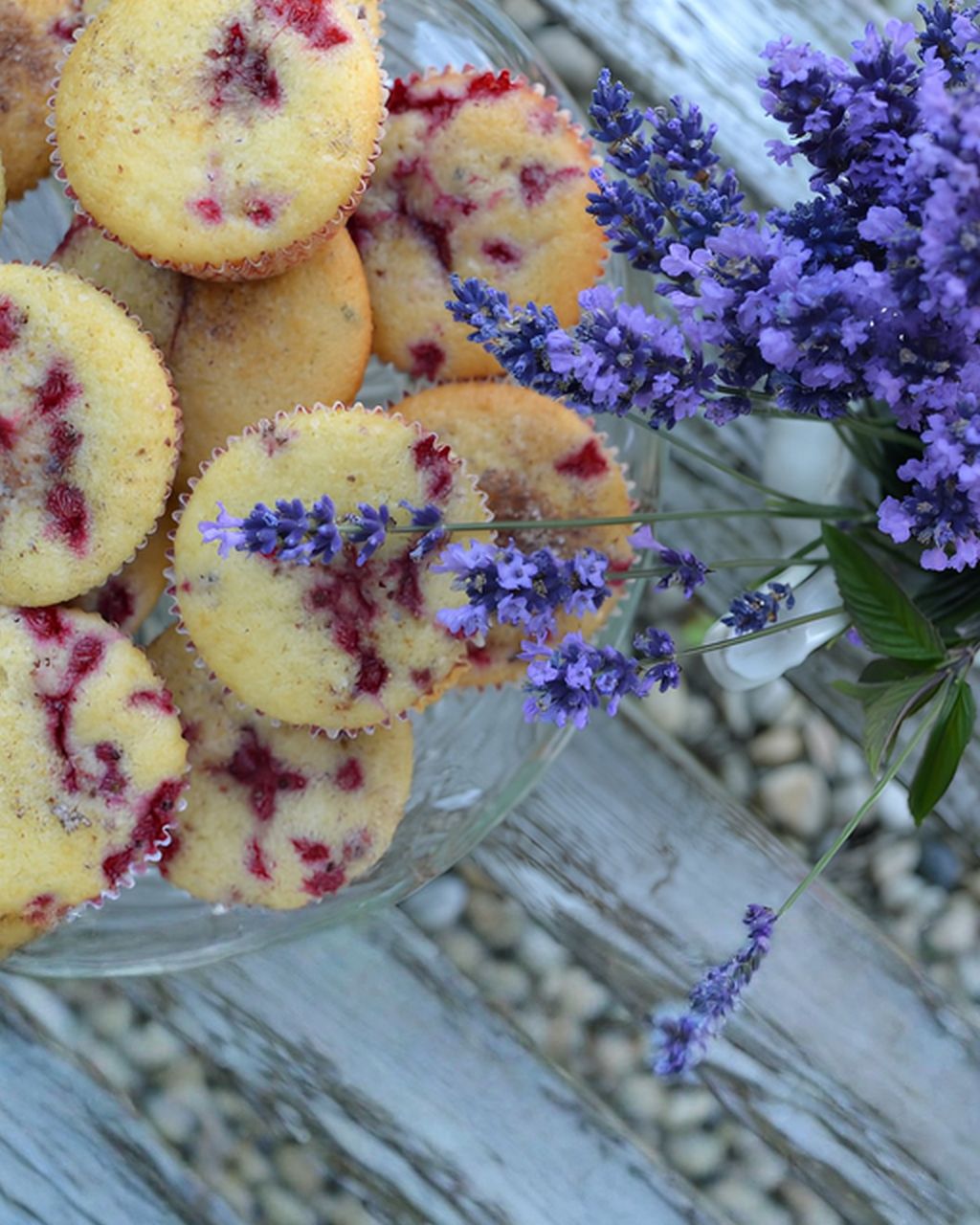
Easy redcurrant yogurt muffins
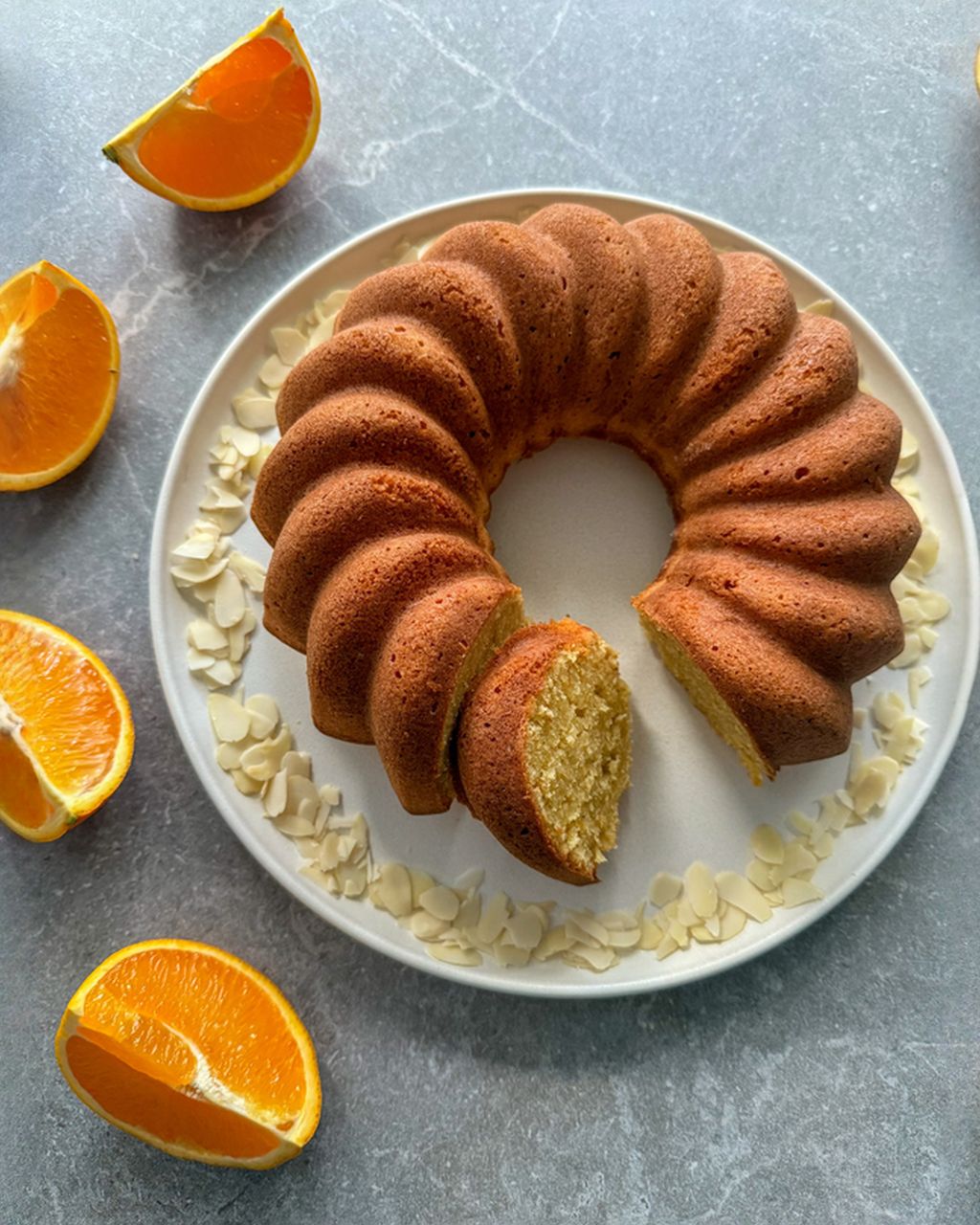
Orange bundt cake with almonds, cinnamon and cardamom
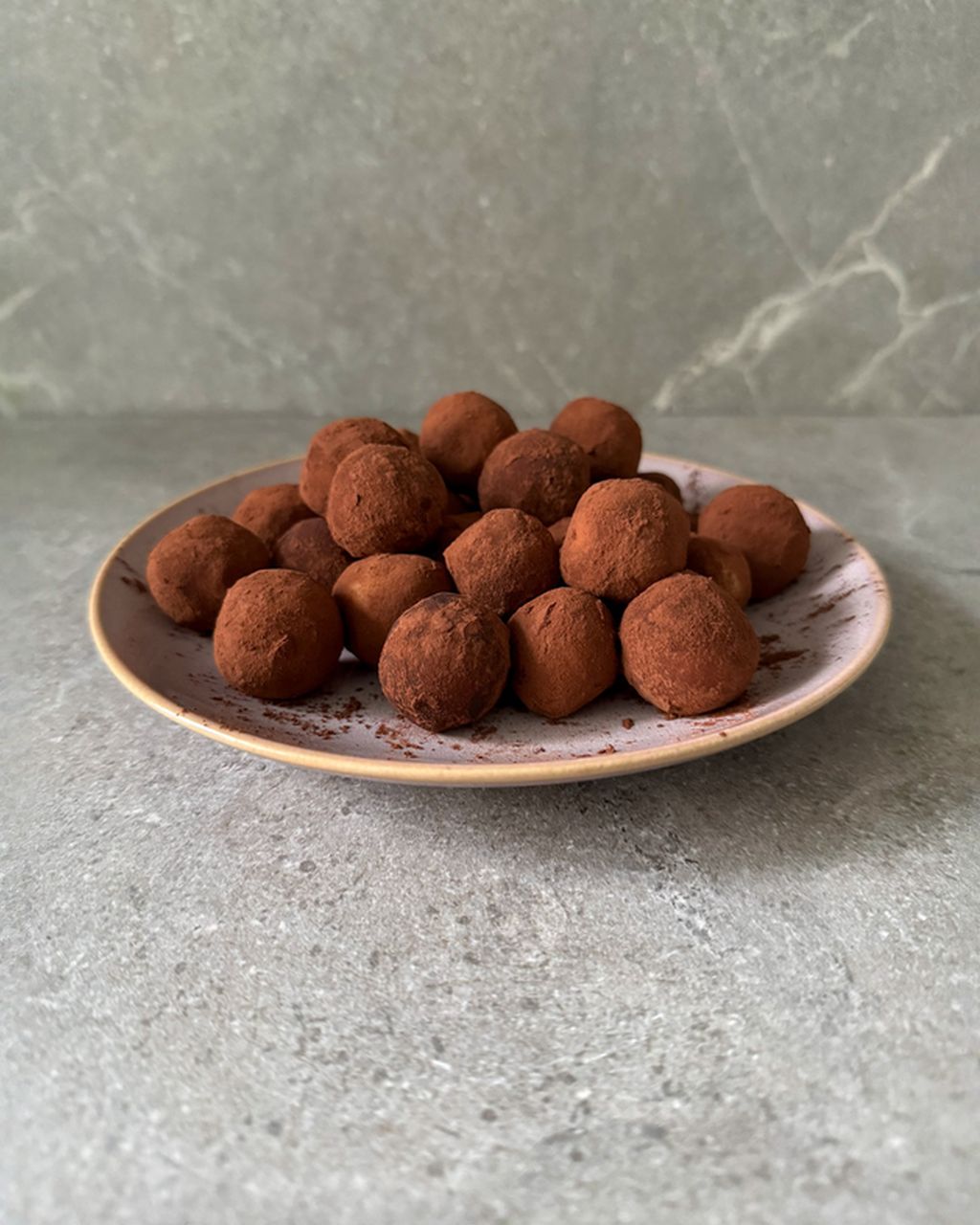
Baileys white chocolate truffles with sponge biscuits
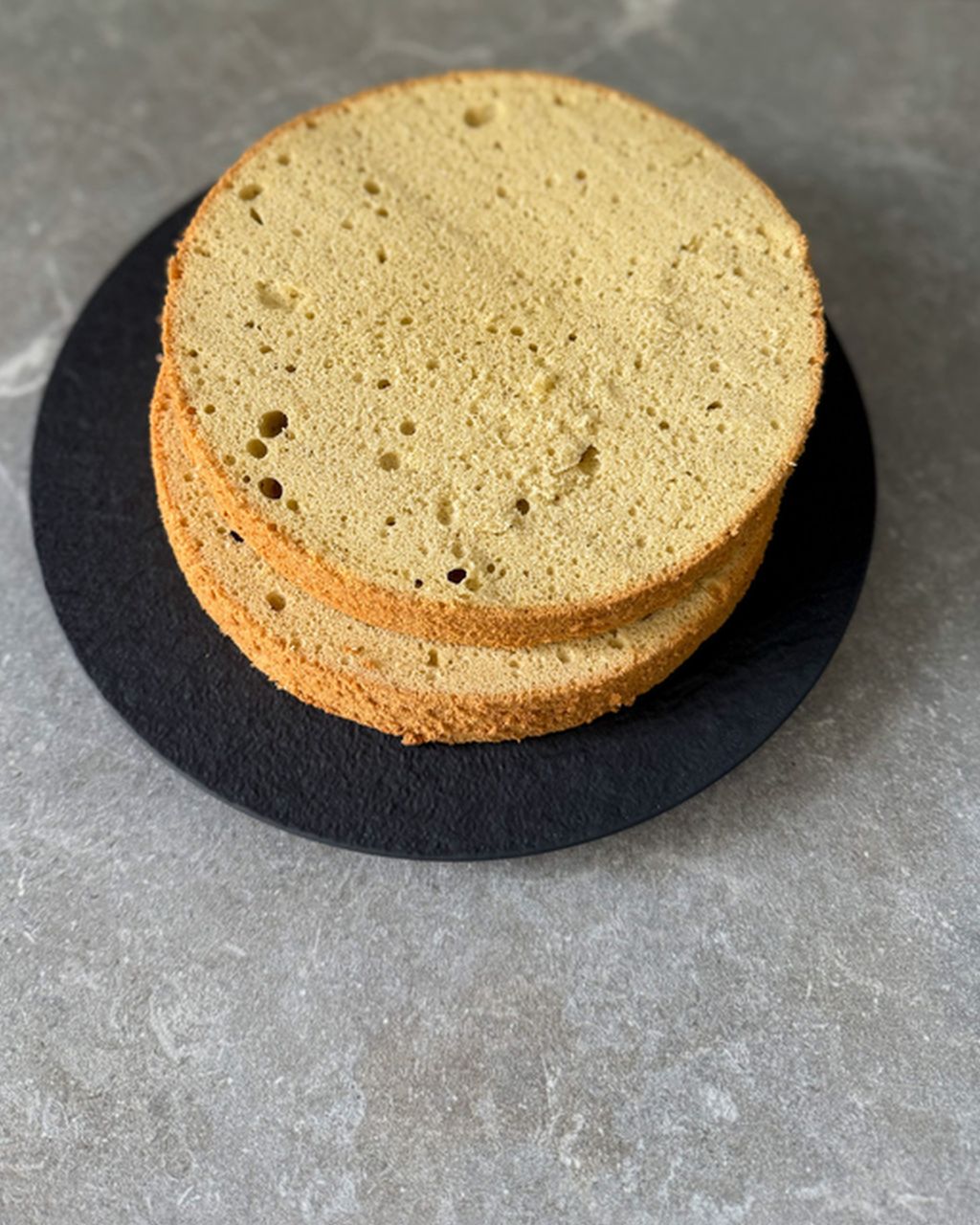
Light and airy génoise sponge cake
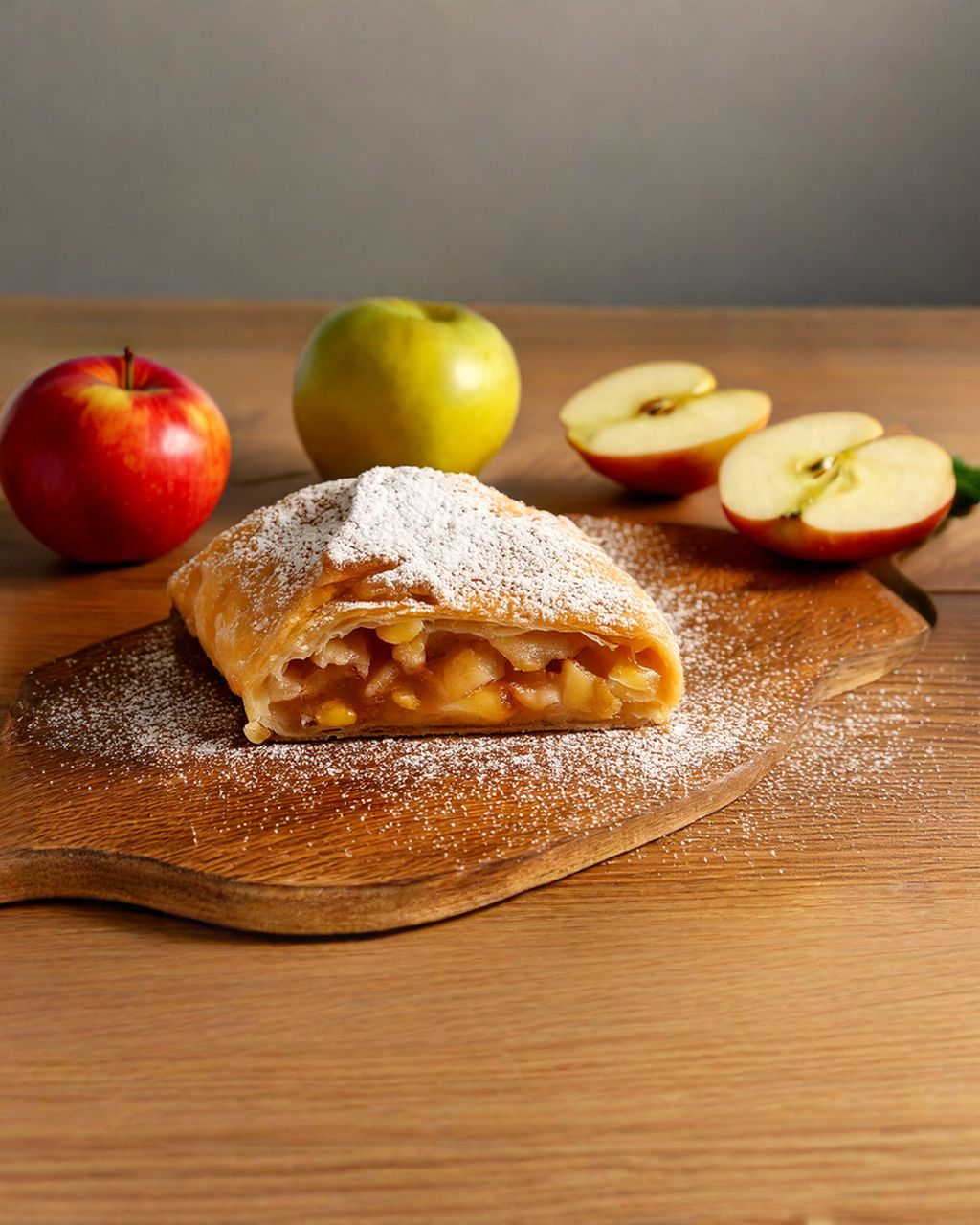
The classic Czech pastries fall into two families: home-baked yeast pastries such as koláče and buchty, and the cream pastries of the cukrárna, the Czech pastry shop, such as větrník, věneček, kremrole, laskonky, rakvičky and indiánek. Add apple štrúdl and you have the core of what Czechs eat with afternoon coffee. Here is what each one is, in a paragraph each, so you know what you are pointing at in a Czech shop window.
Lumpy cheesecake batter almost always comes from cream cheese that was too cold, or from liquids added before the cheese was smooth. A grainy baked cheesecake is different: it was usually overbaked until the eggs curdled, or it was made with a grainy cheese such as quark that wasn't sieved. Here is how to tell them apart and fix each one.
A cheesecake usually cracks because it was overbaked, the batter was beaten with too much air, or it cooled too fast and the shrinking filling stuck to the pan. Where and when the crack appears tells you which. Here is how to read the crack, how to prevent the next one, and how to hide the one you have.
Waffles stick when the iron is not fully preheated, the batter has too little fat, the lid is opened before the waffle has set, or the plates are coated in sticky residue from cooking spray. A waffle that splits in half, with one side left on the lid, was almost always opened too early or cooked in a cool iron. Preheat fully, keep the fat in the batter, brush the plates with oil and wait until the steaming stops.
Waffles come out soft or soggy when the batter has too little fat or sugar, the iron is not hot enough, they are taken out before the steam stops, or they are stacked on a plate where their own steam softens them. A batter with enough fat, a little cornstarch, a fully preheated iron and a wire rack fixes most of it. Here is what each step does.
Pancakes stay pale when the pan is not hot enough, the batter has little sugar or milk, or there is too much fat in the pan; they stick when the pan is underheated, ungreased or scratched, or when you flip too early. Most of it comes down to preheating the pan properly and using a thin film of the right fat. That is also why the first pancake so often fails.
Pancakes come out flat when the baking powder is old, the batter is too thin, or it sat too long before cooking; they turn rubbery when the batter is overmixed or has too much egg or too little fat. Dense, gummy pancakes usually mean too much flour or a pan that was too hot. Each cause has a simple fix, and most of them are about how you mix and measure.
Crepes turn rubbery when the batter is overmixed, too eggy or too thick, or when they cook too long on low heat; they tear when the batter has not rested, is too thin or too lean, or when the pan is not hot and greased enough to let them release. Most problems come from the batter rather than the pan. Here is how to tell which fault you have and how to fix it, from the next crepe onwards.
Waffle batter has more fat and usually more sugar than pancake batter, and it is often a little thinner, so it crisps and browns in the iron and releases from the plates. Pancake batter is leaner and thicker so it stands tall and stays soft on a flat pan. You can make waffles from pancake mix or batter, but add a couple of tablespoons of oil or melted butter first.
Brownies are done when the edges are set and pulling away from the pan, the top looks dry, and a toothpick pushed into the center comes out with moist crumbs but no wet batter. They keep setting as they cool, so a center that still looks soft is normal; one that is liquid needs more time.
Yes, homemade waffles freeze well: cool them on a rack, freeze them in a single layer, then pack them airtight, and reheat them straight from frozen in a toaster or hot oven until crisp. Clemson University Extension suggests using frozen waffles within 1 to 2 months for best quality. Below is the full method, with the food-safety points from USDA and university extension services.
You can make good crepes without a crepe pan: a 20–25 cm (8–10 in) nonstick frying pan or a well-seasoned carbon steel or cast iron skillet works, as long as it is evenly hot, lightly greased and has fairly low sides. The skill is in the heat and the swirl, not the pan. Here is how to choose from what you already own, how hot to get it, how much batter to use and how to flip without a crepe spatula.
Crepes are thin, flat and tender because their batter is runny, egg-rich and has no baking powder, while American pancakes are thick and fluffy because their batter is thicker and raised with baking powder or soda. The ingredients are almost the same; the ratio of flour to liquid and the leavening make the difference. Here is how the two batters compare, where British pancakes, Czech palačinky, blini and galettes fit, and how to turn one batter into the other.
You can bake a cheesecake without a springform pan in an ordinary round cake tin lined with a parchment sling, in a loose-bottomed tin, in a cake ring on a baking sheet, or in a square pan to cut as bars. The key is lining the pan so you can lift the cheesecake out once it is fully chilled. Here is which pan to use, how to line it, and how to get the cheesecake out in one piece.
The best substitute for graham crackers in a cheesecake crust is digestive biscuits, or any plain, lightly sweet biscuit, crushed and mixed with melted butter in the same way. Speculoos, shortbread, chocolate cookies, gingernuts and ground nuts all work too, with small butter adjustments. You can also skip the crust entirely.
Brownies are chocolate bars made with cocoa or melted chocolate; blondies are made the same way but without chocolate in the batter, flavored instead with brown sugar, butter and vanilla, which gives them a butterscotch taste. Fudge is something else entirely: a cooked sugar candy, not a baked bar. Here is how the three compare.
Melted butter is the best substitute for oil in brownies: use the same volume and expect a richer, slightly firmer brownie. Coconut oil and a light olive oil also swap one for one, while applesauce, yogurt or banana can replace part of the oil if you accept a cakier result. Here is what each swap does and how much to use.
Basque cheesecake has no crust, is baked fast in a very hot oven until the top is almost black, and stays soft and creamy in the middle; New York cheesecake sits on a crumb crust and is baked low and slow, often in a water bath, into a tall, dense, smooth slice. Both are baked cream cheese cheesecakes, but the method changes almost everything about them. Here is how they compare, where the classic baked cheesecake and European quark cheesecakes fit, and which is easier to make at home.
A yule log sponge turns dry when it is overbaked, even by two or three minutes, or has too much flour, and it turns rubbery when the egg foam was underbeaten or knocked flat while folding, so the sponge bakes tight instead of airy. A thin sheet, a hot oven, a short bake and a gentle fold give a soft, springy log.
Shortbread is crumbly when the dough has too little butter for the flour or the butter is too cold to bind, and it turns hard when it is overworked, too floury or baked too hot. Classic Scottish shortbread is only sugar, butter and flour in a 1:2:3 weight ratio, so small slips in weighing or temperature show at once. Get the ratio, the butter temperature and the kneading right, and bake it low and pale.
Pie crust is crumbly when the dough has too little water to hold the flour and fat together, or when it is so cold from the fridge that it cracks instead of bending. Add water a spoonful at a time until a squeezed handful holds, and let chilled dough sit for 5 to 10 minutes before rolling. Cracks and tears can be patched with scraps, so a crumbly dough is rarely a lost cause.
Fruitcake turns out dry or crumbly when it bakes too hot or too long, when the pan is not lined to protect the edges, when dry fruit pulls moisture out of the crumb, or when it is cut and stored before it has settled. A rich fruitcake needs a low oven, a well-lined pan, soaked fruit and a few days of rest, wrapped, before you slice it.
Sugar cookies puff up for three main reasons: too much baking powder or baking soda, butter and sugar creamed into a fluffy foam, or dough that went into the oven warm. All three put extra gas or soft fat into the dough, so the cookie rises like a little cake and the sharp edges of your cutter blur. Each one has a simple fix, and none of them needs a new recipe.
Scones turn out dry or hard when the dough has too much flour or too little liquid, when they bake a few minutes too long, or when they sit uncovered after baking. Scone dough should be soft and slightly sticky, and the scones should come out just golden. Even scones that dried out overnight can be refreshed in a warm oven.