The best honey gingerbread cookies
What to Brush on Gingerbread Cookies for a Glossy Finish: 6 Glazes and When to Use Each
Updated Sep 17, 2026
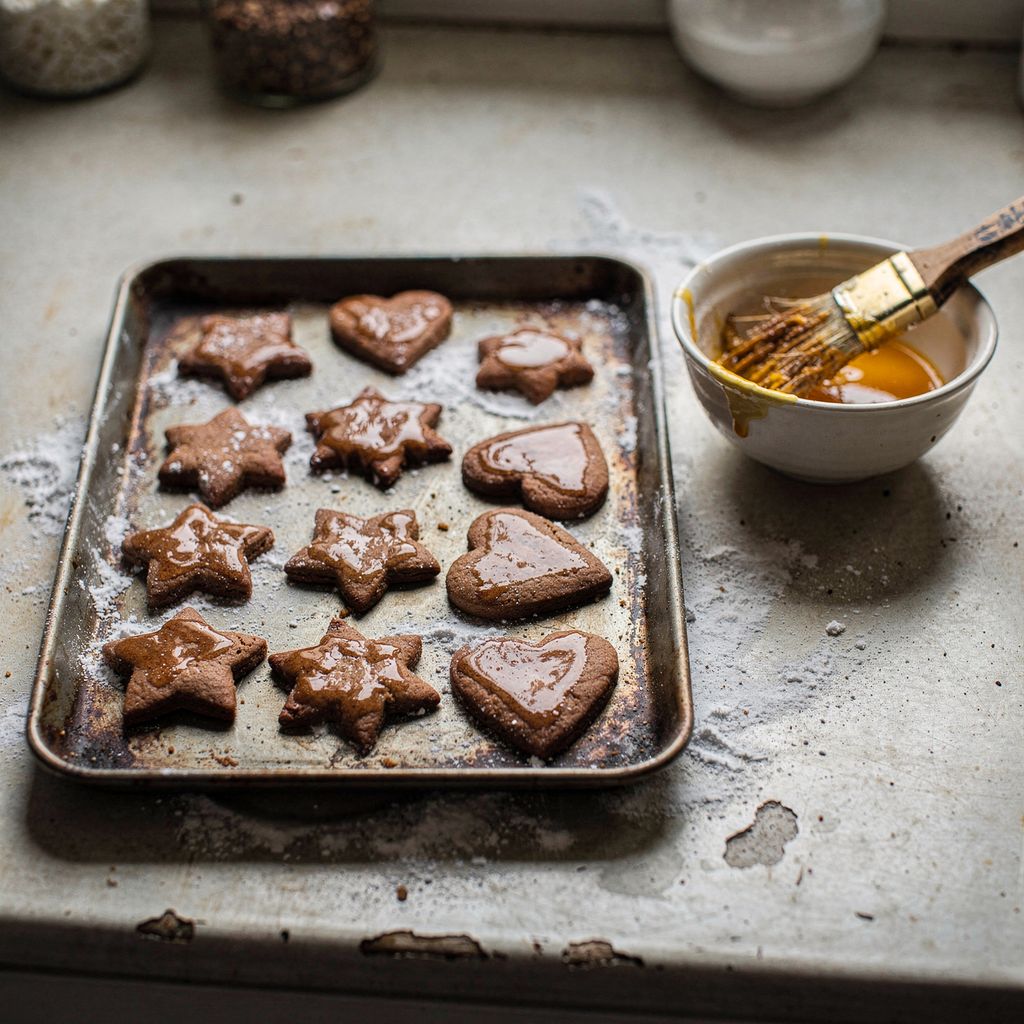
Brush gingerbread cookies with beaten egg yolk and a teaspoon of water right after they come out of the oven — on the hot surface, the protein sets in a matter of seconds into a smooth, glossy film. That's the most reliable answer to what to brush on gingerbread cookies for shine. Whole egg with water, honey with hot water, full-fat milk, plain egg white, or sugar syrup all work too — each gives a different shade and a different depth of shine. Below you'll find the exact ratios, the right timing, and the reason gingerbread cookies get brushed while still warm, not before baking.
Brush gingerbread cookies with egg yolk and water, whole egg and water, egg white, honey and hot water in a 1:1 ratio, full-fat milk, or sugar syrup in a 2:1 ratio — always applied to hot cookies straight out of the oven. They differ in colour, depth of shine, and how the surface behaves after a few days in a tin:
Egg yolk + 1 teaspoon water — the deepest, darkest shine, the classic choice. One yolk covers roughly two trays.
Whole egg + 1 tablespoon cold water — the all-rounder. A shade lighter than yolk alone, and it stretches further.
Egg white + a few drops of water — a glassy, near-transparent shine that won't darken the surface.
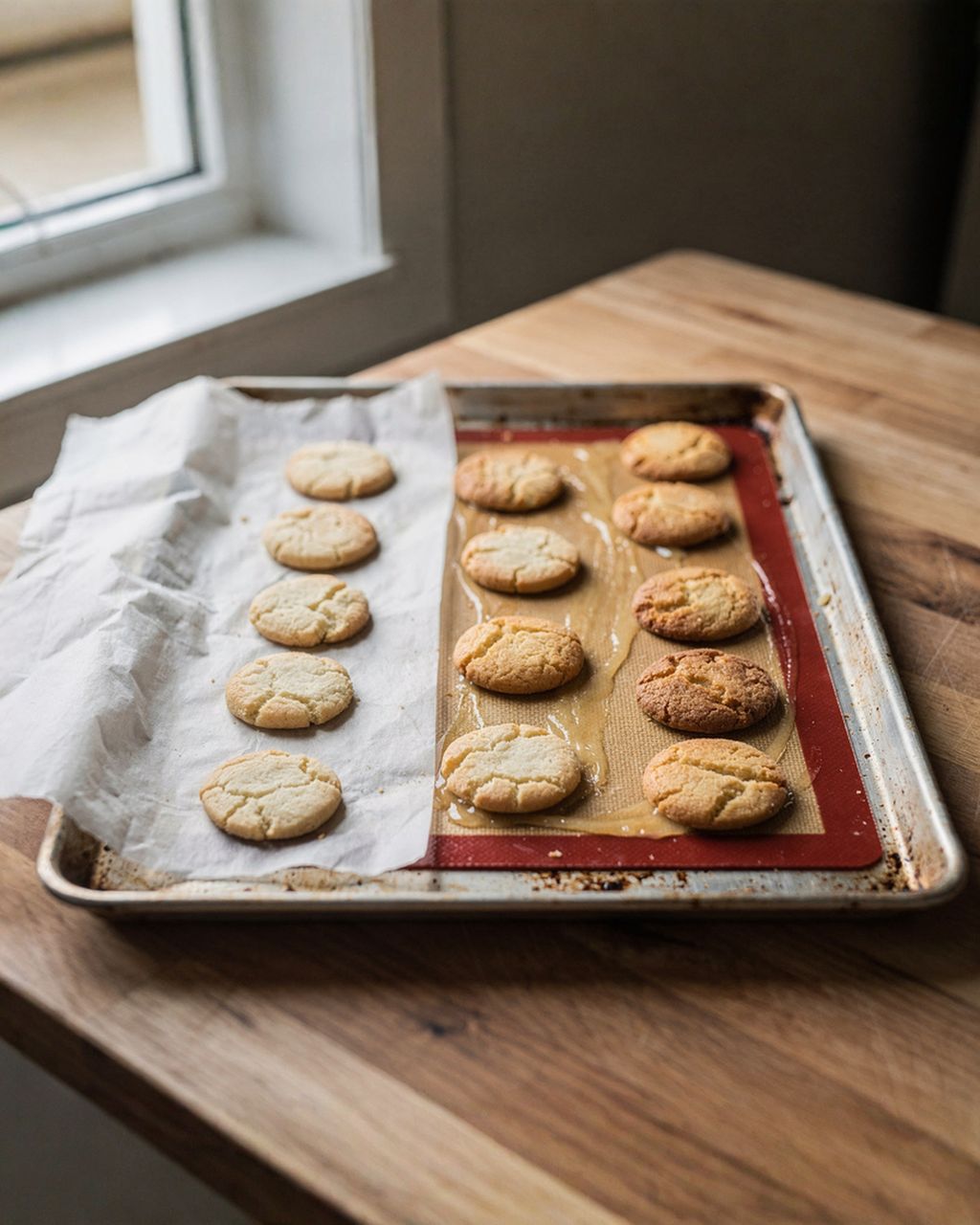
Honey + hot water, 1:1 ratio — shine plus flavour. The surface stays a touch sticky.
Full-fat milk (at least 3.5% fat) — a soft, satiny shine with no eggs needed, and the least effort of all.
Sugar syrup, 2 parts sugar to 1 part water — dries into the hardest, glassiest layer, and holds sugar sprinkles in place.
If you don't want to overthink it, go with egg yolk and water. It's the most forgiving option no matter how quickly you work, and the difference between a glazed and unglazed cookie is obvious at a glance.
After baking. You'll get the most shine by brushing the cookies within two minutes of taking them out of the oven, while they're still properly hot.
The reason lies in what happens to the glaze. On a hot surface, the water evaporates almost instantly and the protein sets before it has a chance to soak in — leaving a continuous, smooth film that reflects light. The exact same glaze behaves completely differently on a cooled-down cookie: the porous surface absorbs it, it dries slowly, and the result is dull and unpleasantly tacky.
Brushing before baking isn't a mistake, it just achieves something different. It gives you a baked-on golden-brown colour rather than shine, and on dark gingerbread dough, every brushstroke shows up easily as a streak. The liquid also softens the sharp edges cut by the cutter, so the shape spreads slightly — noticeable on more intricate shapes like stars or little angels.
Want both? Brush the cookies with milk before baking for colour, then with egg yolk after baking for shine. It's one extra step, but the result is a deep brown surface with a glassy shine on top.
Shine is really just surface physics: a smooth, continuous layer reflects light in one direction, while a bare cookie is porous and scatters light every which way. All the glaze does is fill in and smooth over those pores. There are two ways to achieve it, and it's worth knowing which one you're using.
An egg film forms as the proteins coagulate. According to the American Egg Board, egg white proteins set between 62 and 65°C (144–149°F), and yolk between 65 and 70°C (149–158°F) — the surface of a freshly baked cookie is well above that, so the film sets almost instantly. Egg white alone draws moisture out of the surface and dries crisp: the shine is glassy but pale. Yolk adds fat and lecithin, which smooth the film out, plus carotenoids that add colour — which is why a yolk glaze gives the deepest, darkest shine. The fat also seals the surface a little, so the cookie loses moisture more slowly.
A sugar film doesn't need any protein at all. The water evaporates and leaves behind sugar, which hardens into a glassy layer. With honey, it's worth knowing that fructose makes up the largest share (around 38% on average), and it caramelises at a noticeably lower temperature than beet or cane sugar — which is why a honey glaze happily darkens, and belongs on finished cookies rather than back in the oven. Fructose is also hygroscopic, meaning it draws in moisture from the air: a honey-glazed surface stays pleasantly soft, but after a few weeks in a tin it can feel sticky to the touch.
1 egg yolk + 1 teaspoon water, or use milk instead of water for a slightly softer tone. Covers roughly two trays.
Stir it with a fork just until even. Whisk it for too long and you'll whip in air, which dries into little white patches — if bubbles do form, let the mixture sit for two minutes and skim off the foam with a teaspoon. Egg yolk is the most forgiving of all six: even a slightly uneven coat still looks good.
1 egg + 1 tablespoon cold water. The water must be cold — in warm water the egg starts to set before it reaches the cookie, leaving little flecks in the glaze.
Pass it through a sieve. The chalaza, the little cord that holds the yolk centred, never whisks smooth and will leave a translucent lump on the cookie. If you'd like the rum version, swap the water for a teaspoon of rum: the alcohol evaporates faster than water, so the film sets sooner, and it smells lovely too.
1 egg white + a few drops of water, whisked just briefly with a fork — definitely don't whip it into a foam.
Egg white won't colour the surface, it just seals it under a glassy film. Reach for it when you're baking paler gingerbread, or when you want a coloured icing to stand out afterwards without a dark base competing with it. Bonus: if you've got leftover egg white from another batch of biscuits, this is a great way to use it up completely.
1 tablespoon honey + 1 tablespoon hot water, stir until smooth and the honey has fully dissolved. Cold water won't dissolve the honey, and you'll be left with grainy bits in the glaze.
Flavour-wise, this is the best option of the lot — the cookie picks up a thin honeyed layer on top that boosts the taste of the dough itself. Just keep in mind the surface stays slightly sticky: separate layers in the tin with baking paper so the cookies don't stick together.
Full-fat milk (at least 3.5% fat), brushed on while warm — nothing needs mixing in.
This is the softest shine of all six — satiny rather than glassy. In exchange you get zero prep, no eggs, and no risk of overdoing the layer. Semi-skimmed milk works noticeably worse, since fat is what creates the shine here. Plant-based milks work the same way, but choose one with a higher fat content, like an oat barista milk.
2 parts sugar to 1 part water — for example, 4 tablespoons sugar to 2 tablespoons water. Simmer briefly, just until the sugar dissolves, then let it cool to lukewarm.
It dries into a hard, glassy layer that lasts the longest and won't darken. Its main advantage: it's the only glaze sugar sprinkles or chopped nuts will reliably stick to — scatter them on right away, while the syrup is still wet.
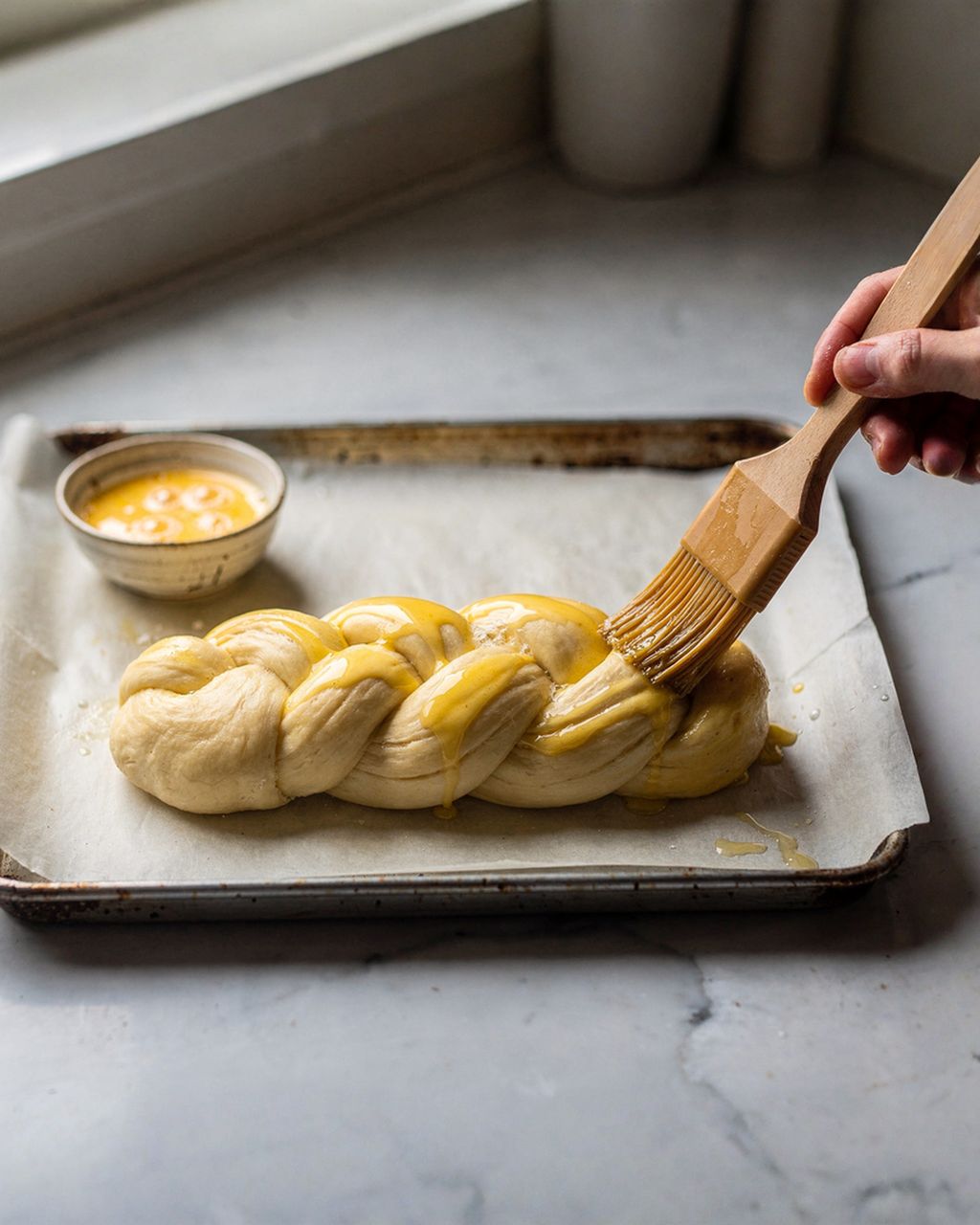
Apply a thin layer with a soft brush in one long stroke, leave the cookies on the hot baking sheet, and don't stack them for 10–15 minutes. Five things that make a real difference:
A soft brush, not a sponge. Silicone or fine-bristled works best. A sponge applies unevenly and pushes glaze into any dips in the surface.
Long strokes in one direction. One stroke per cookie, two at most — and don't go back over it. Any extra stroke over a glaze that's already started to skin over will leave a visible line.
A thin layer. Wipe the brush against the edge of the bowl. A pool that settles into a dip in the shape will dry into a dull patch.
Leave the cookies on the baking sheet. A hot sheet holds heat from underneath, which helps the glaze dry evenly. Moving cookies onto a cooling rack before brushing them is the single most common reason shine doesn't come through.
Ten to fifteen minutes to dry before you start stacking them. While the film is still damp, two cookies stacked together will stick, and pulling them apart will tear the shine right off.
The most common reason gingerbread cookies don't shine is brushing them once they've already gone cold; after that come a too-thick layer, a whipped-up glaze, and stacking the cookies before the film has dried.
Brushing cookies that have already cooled. The most common culprit of all. The glaze soaks in instead of setting, and the surface turns dull.
The layer is too thick. Shine comes from smoothness, not quantity. A thick layer dries unevenly and can crack.
The glaze has been whipped into a foam. Bubbles dry into little white patches. Stir with a fork, not a whisk.
Brushing dark gingerbread dough before baking. You'll get colour, not shine — and every brushstroke will show.
Stacking cookies before the glaze has dried. They stick together, and the shine goes with them.
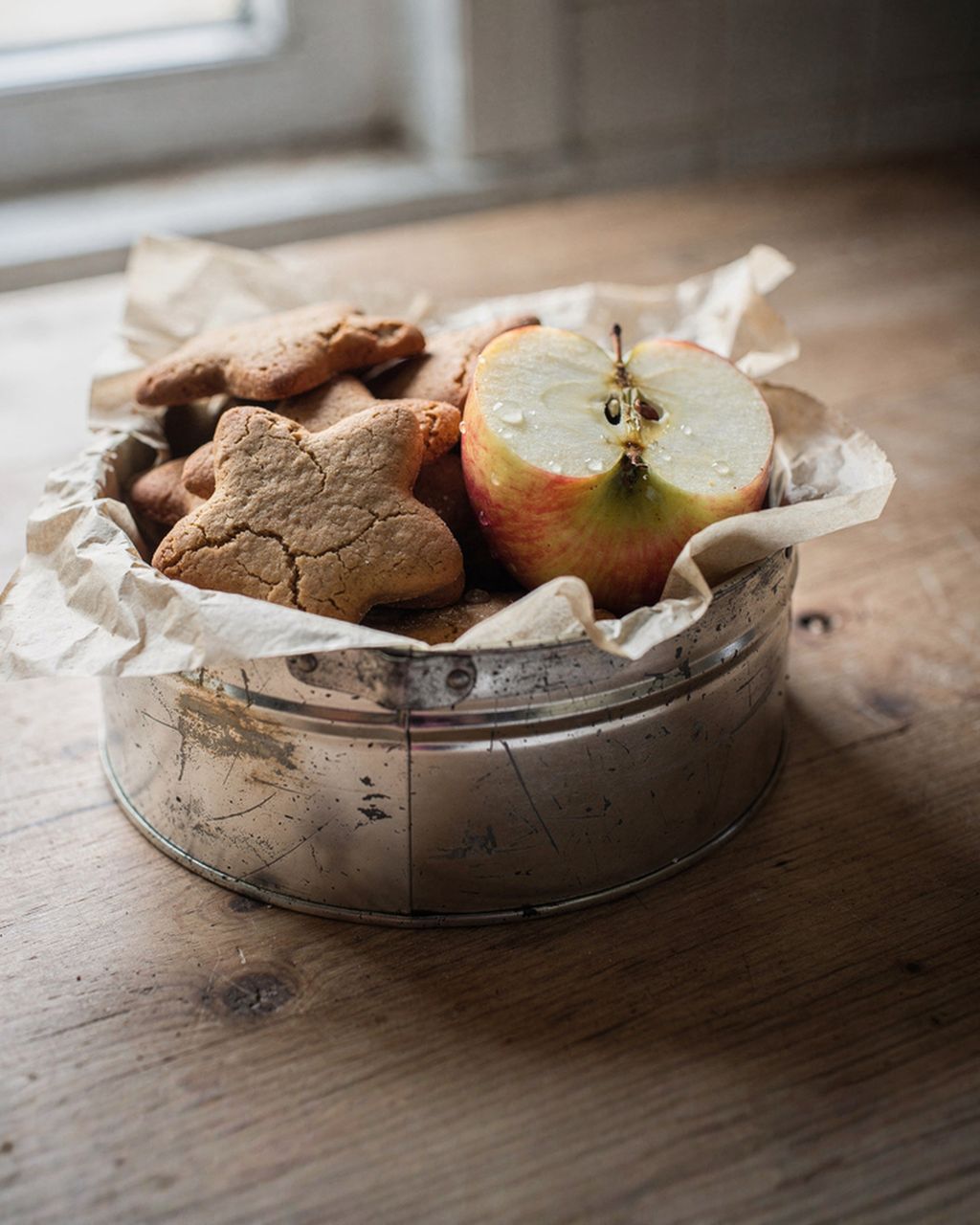
Storing glazed cookies in a tin with an apple slice to soften them. This one's sneaky: the moisture that softens the cookies also dulls the shine. Either let them soften first and brush them afterwards (see how to bring shine back on dulled cookies in the FAQ below), or accept that after a week the surface will be duller. We cover softening in detail in the article on why gingerbread cookies go hard and how to keep them soft.
Skimping on the dough itself. No glaze will save an over-dried, over-baked gingerbread cookie. These cookies need a short bake at a lower temperature — you'll find the exact numbers in our guide to what temperature to bake Christmas biscuits.
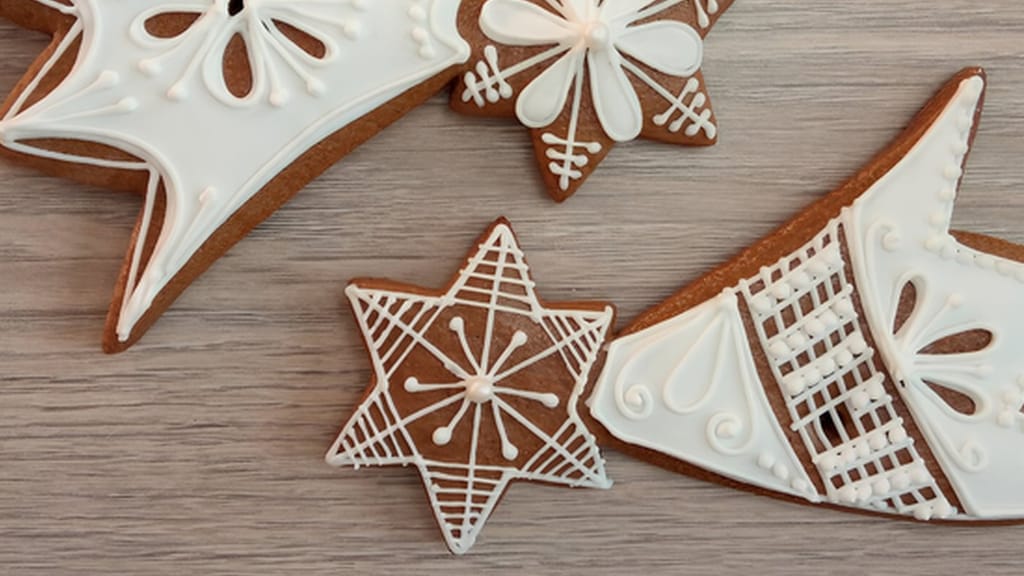
It does, but not as well as on a bare cookie. The glaze smooths the surface and, with egg yolk, leaves it slightly greasy too, so icing tends to slide more easily and can lift at the edges as it dries.
There's a simple practical fix: split your cookies into two batches. Glaze the ones you'll leave plain or just sprinkle with sugar — that's where the shine really gets to shine. Leave the ones you'll decorate bare, and let the icing create its own shine instead.
And whatever you do, don't decorate freshly baked cookies. They're still drying out and settling into shape, so the icing will crack and flake off; let them rest for a few days first. We've broken down the ratios and consistency in our article on gingerbread icing, and for fine lines and colouring, see our guide to royal icing.
By the way, the same logic applies a level up too: braided sweet bread gets brushed with egg before baking, because there it's about colour and setting the braid, not about a glassy shine on a finished surface.
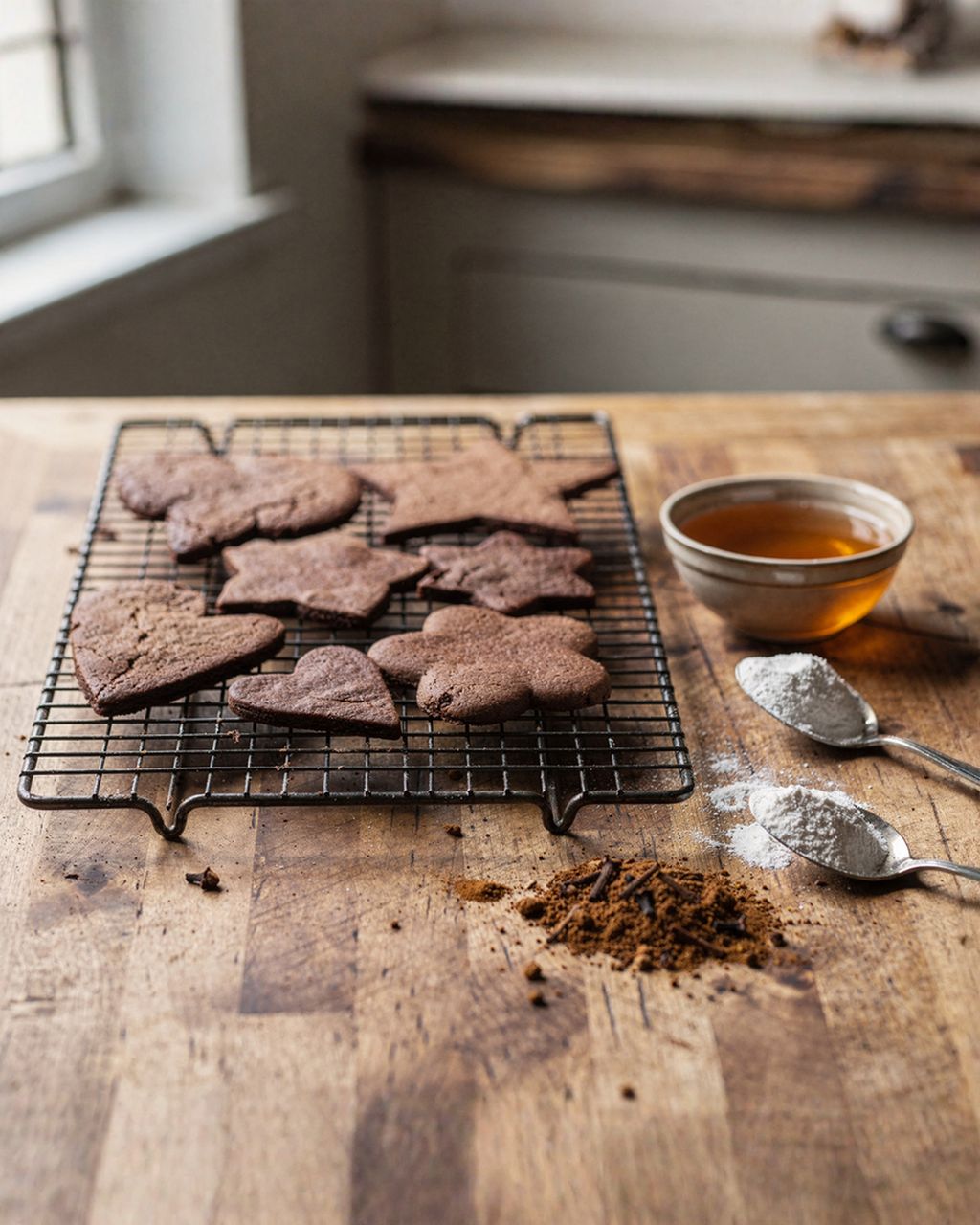
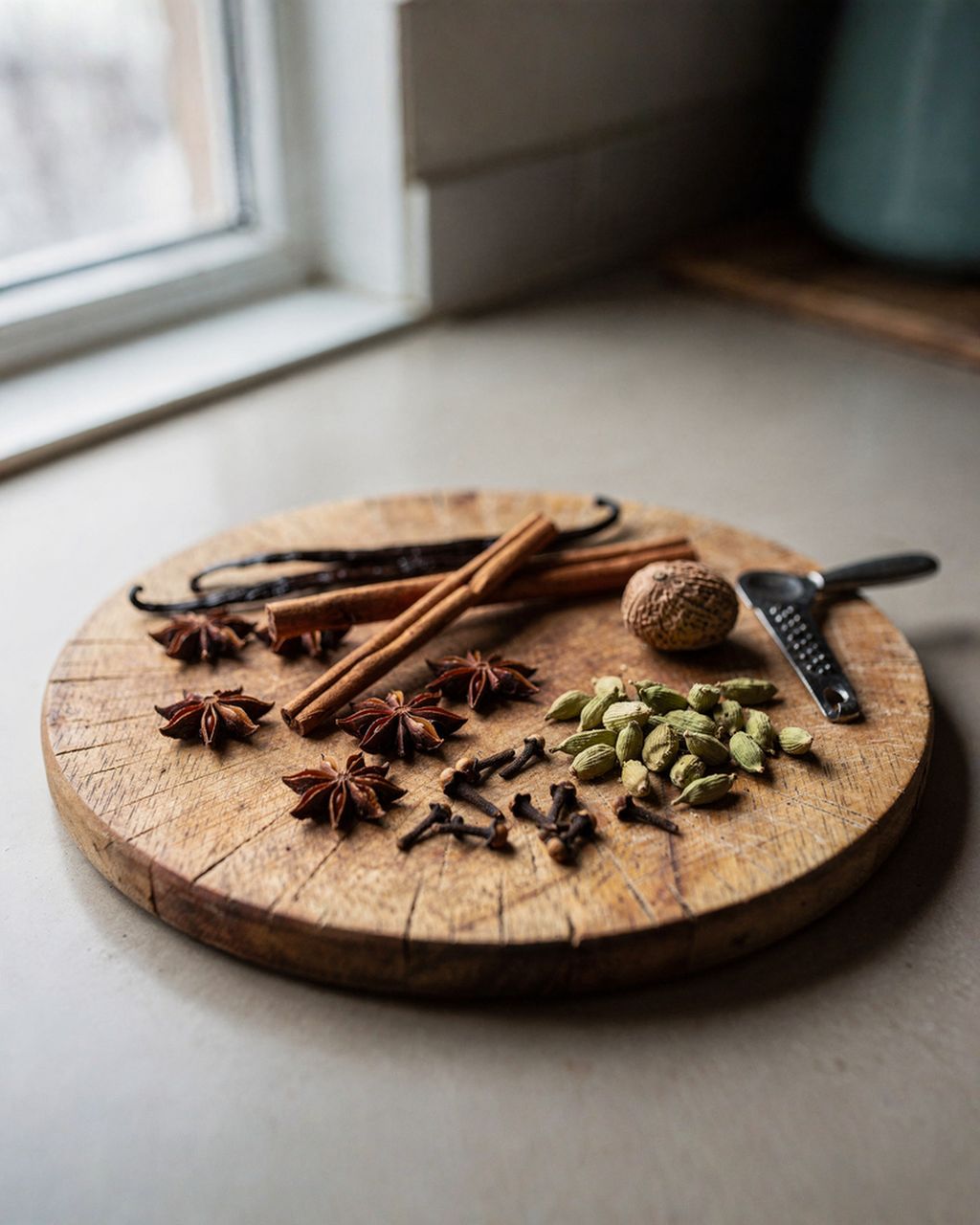
A glossy glaze shows off best on soft, moist honey-based dough — these three gingerbread recipes suit it best. All three give you cookies that are naturally soft on their own, so they don't rely on an apple slice in the tin to rescue them. Build the flavour with your own spice blend: homemade gingerbread spice mix smells completely different from the shop-bought sachets.
The best honey gingerbread cookies
Best honey gingerbread cookies — the classic dough that suits a glossy egg-yolk glaze best
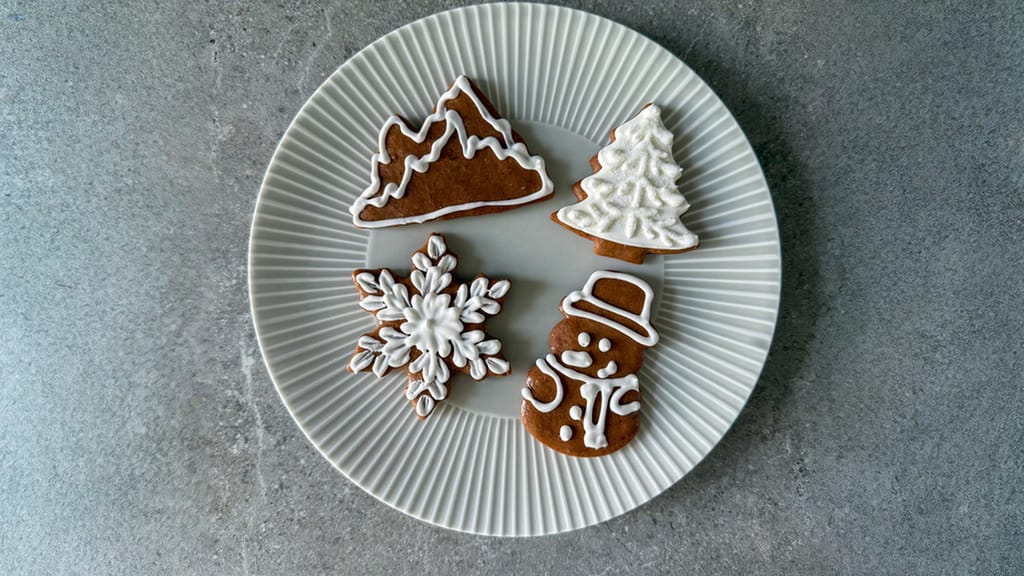
Soft honey gingerbread cookies that never go hard
Soft honey gingerbread cookies that don't go hard — soft again by the very next day
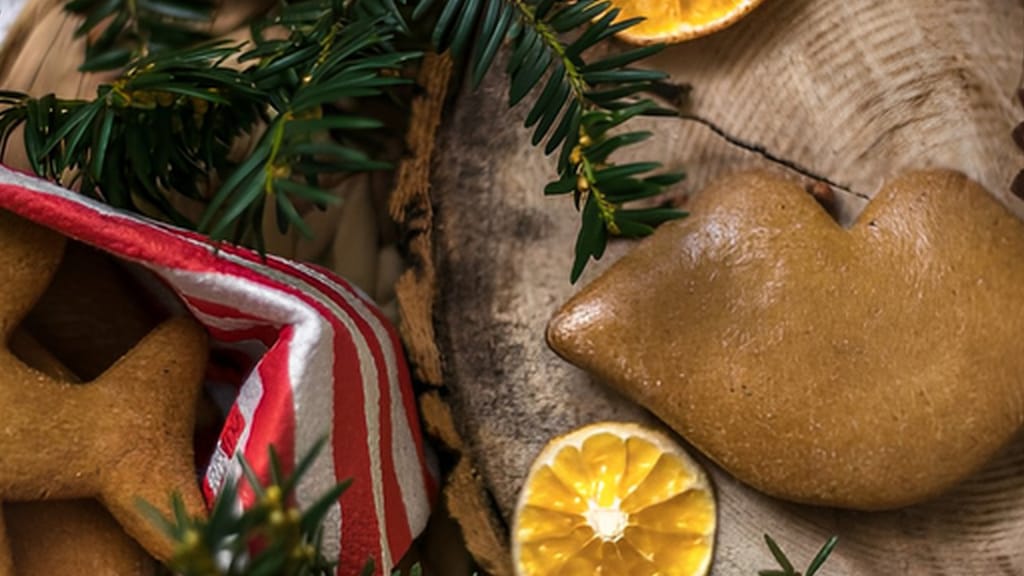
Soft gingerbread cookies
Soft cut-out gingerbread cookies for stars and hearts
Gingerbread cookies are one of the few Christmas biscuits that actually improve with resting — feel free to bake them four to six weeks ahead; you'll find exact timings for each type in our calendar for when to bake Christmas biscuits. Store glazed cookies in a tin or airtight container, layer with baking paper between each level, and never store them alongside biscuits with a higher moisture content — the shine will turn dull. More in our guide to storing Christmas biscuits.
If you're baking well ahead, only brush the glaze on after thawing. You can freeze either the dough or the baked cookies, but condensation during thawing would soften a glazed film — find the method in our article on how to freeze biscuits and dough. Just warm the thawed cookies in the oven and brush them while hot, exactly as you would freshly baked ones.
And if you're baking several kinds of biscuits at once right now: linzer biscuits don't get any glaze at all, unlike gingerbread — any liquid on the surface would take away the crispness that's the whole point of them.
Yes, but you need to reheat them first — the glaze needs a hot surface to work. Put the cookies on a baking sheet and pop them back into a 160°C (320°F) oven for 3 to 4 minutes, brush them the moment they come out, then return them for another minute so the film sets. On a cold cookie, the glaze just soaks in and dries dull and tacky.
The best egg-free option is honey mixed with hot water in a 1:1 ratio, followed closely by sugar syrup made from two parts sugar to one part water. Both dry into a glassy layer; sugar syrup is also fully plant-based, so it works for vegans too — honey doesn't. Full-fat milk or a richer plant-based milk gives a softer, satiny sheen and is a good choice when you just want to even out the surface a little.
Yes, and it only takes about five minutes. Warm the cookies in a 160°C (320°F) oven for roughly three minutes, then brush on a thin layer of egg yolk and water or sugar syrup again. A second coat holds just as well as the first. If the cookies went dull because they were stored in a tin with an apple slice, keep in mind the fresh shine will dull again too — moisture always wins out in the end.
No. The glaze will soften the icing, dissolve its surface, and any dried piping lines will blur into a milky haze. The order is always the same: bake, brush while hot, let rest for a few days, and only then decorate. If you want both shine and icing on the same cookie, brush the whole cookie first and pipe the icing only once that film has fully dried — it won't hold quite as well, but it looks great.
One egg yolk with a teaspoon of water covers roughly two trays of medium-sized cookies. A whole egg with a tablespoon of water stretches to three or four trays. The exact yield depends on the size of your cutter and how thick a layer you brush on, so it's best to mix a smaller batch and top it up if needed — glaze that sits on the counter for half an hour starts to skin over and gets harder to spread evenly.
One recipe worth heating the oven for, one tip, and one deal from the shop. Nothing else.