How to Make Brownies Without Eggs: The Best Egg Substitutes
What Can You Substitute for Oil in Brownies? Butter, Applesauce and More
Updated Nov 21, 2026
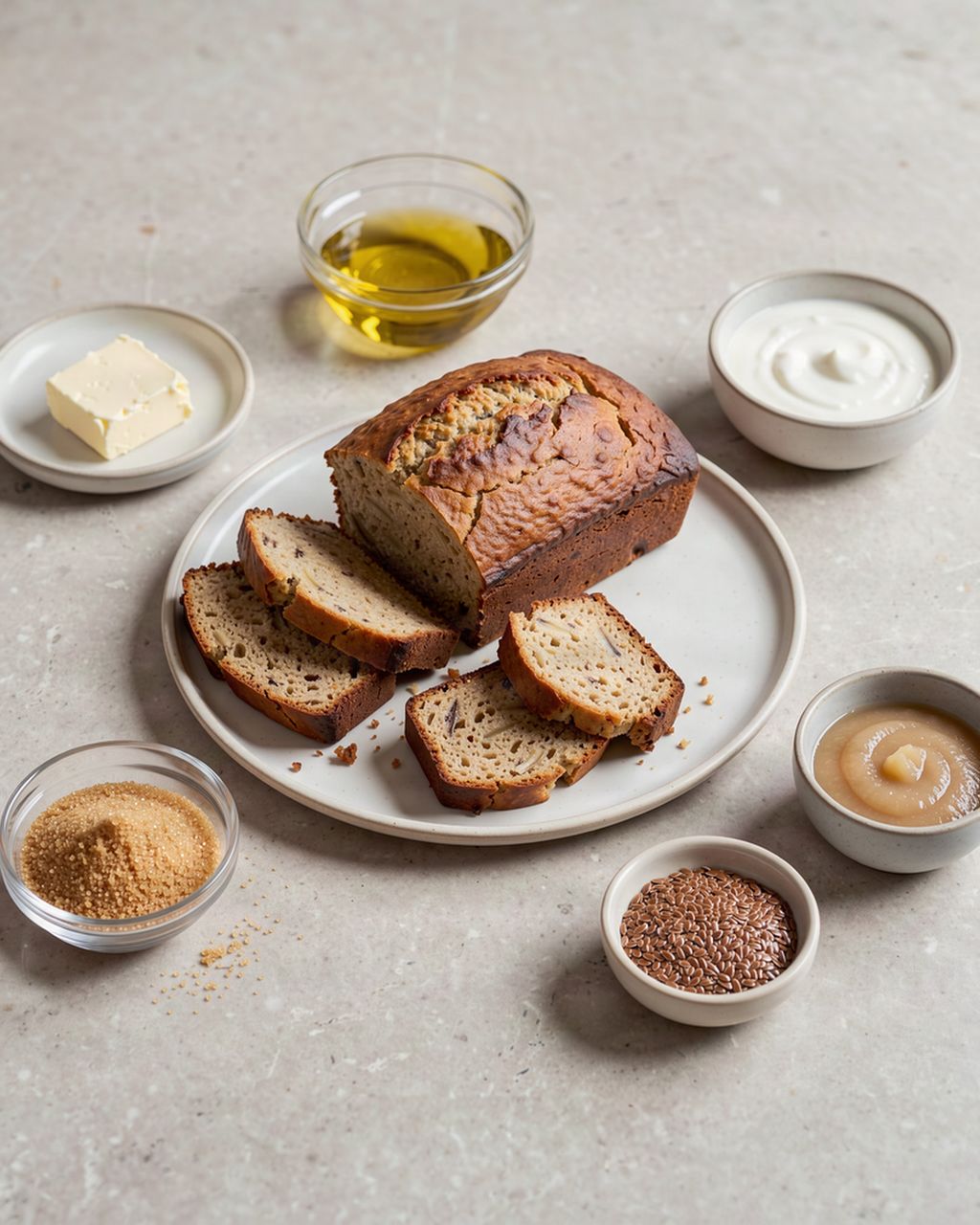
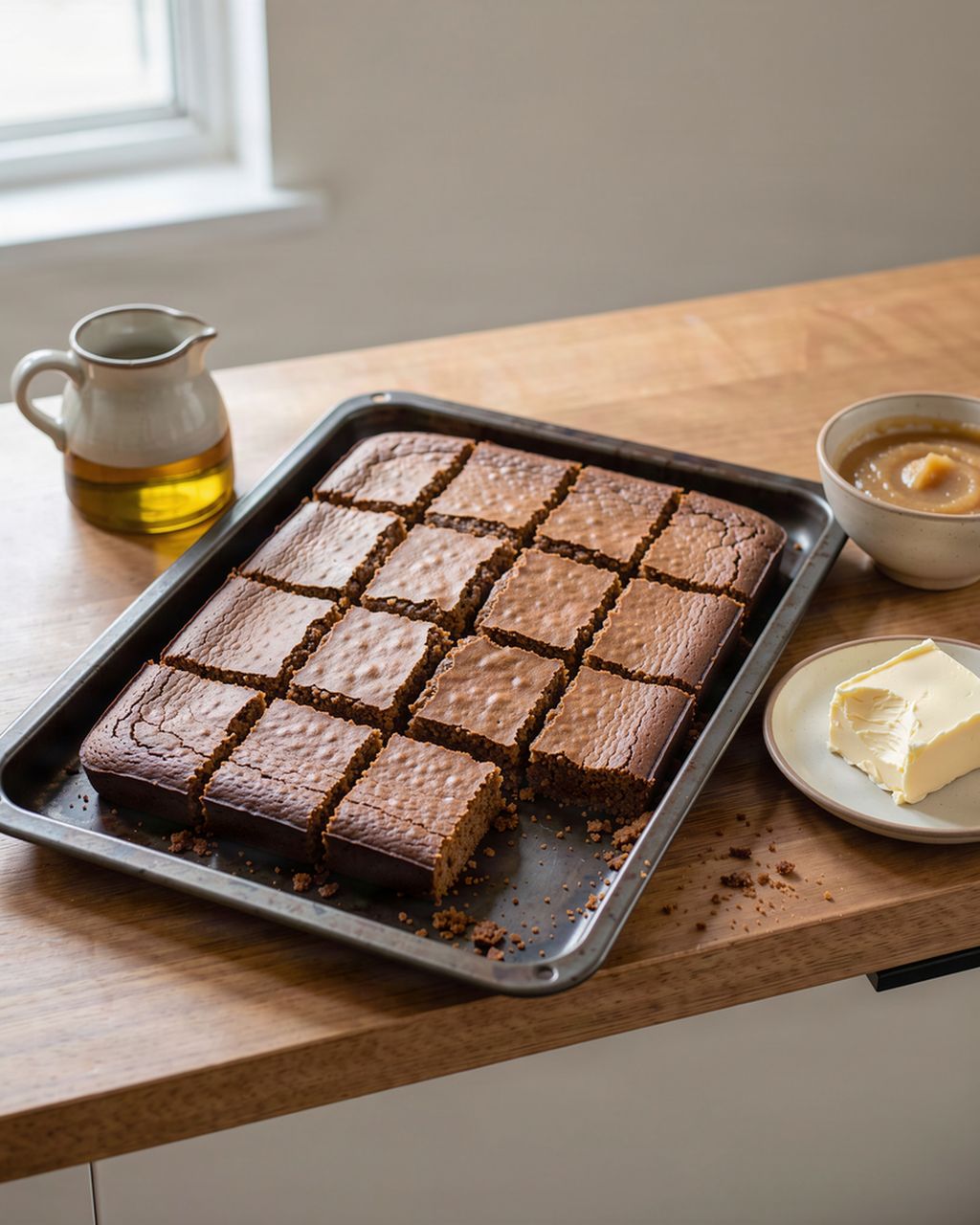
Melted butter is the best substitute for oil in brownies: use the same volume and expect a richer, slightly firmer brownie. Coconut oil and a light olive oil also swap one for one, while applesauce, yogurt or banana can replace part of the oil if you accept a cakier result. Here is what each swap does and how much to use.
Oil is pure fat. In a brownie batter it coats the flour, limits gluten and keeps the crumb moist and dense. Because oil stays liquid at room temperature, oil-based brownies stay soft and fudgy even straight from the fridge.
That is why a substitute changes more than the flavor. Anything you swap in either adds less fat (butter, which is part water) or no fat at all (fruit purées and yogurt). The less fat, the cakier the brownie.
Boxed mixes and many American recipes use a neutral oil such as canola or vegetable oil. In Czech kitchens we tend to bake brownies with butter and dark chocolate, so we swap in both directions regularly.
Melted butter is the best all-round substitute.
How much: the same volume. If the recipe says 1/2 US cup (120 ml) oil, use 1/2 US cup of melted butter, which is one US stick (113 g). Our stick of butter guide converts European blocks.
What changes: butter is about 80% fat, the rest mostly water (USDA FoodData Central). The brownies taste richer, get a slightly crisper top and set firmer once cool.
How to do it: melt the butter, let it cool until just warm, then use it exactly where the oil went in. Very hot butter can scramble the eggs.
If you want the same fat content, use about a quarter more butter by weight than the oil. Most bakers don't bother: equal volume works well.
The reverse swap works too, for example when a recipe asks for butter and you only have oil.
How much: about three-quarters of the butter amount, by weight. For 113 g (one US stick) of butter, use about 90 g of oil, a little under 1/2 US cup.
What changes: softer, fudgier, moister brownies with less flavor. A neutral oil lets the chocolate lead, so this is a good moment to use better chocolate. Our guide on which chocolate to use for brownies explains cocoa percentages.
Recipes that cream softened butter with sugar can't use oil the same way, because oil won't hold air. Switch to a melted-fat brownie recipe instead.
Coconut oil: melt it and swap one for one. Refined coconut oil tastes neutral; virgin tastes of coconut. It sets firm when cold, so chilled brownies feel harder.
Olive oil: a mild or light olive oil swaps one for one. Strong extra virgin oil shows through, which some people like with dark chocolate.
Walnut or other nut oils: these work one for one and add a nutty note. Walnut, hazelnut and almond oils come from tree nuts, and peanut oil comes from peanuts. Both are major allergens, so tell anyone you serve them to, and don't use them for anyone with a nut or peanut allergy.
Shortening: swaps one for one but adds no flavor.
Fruit purées and yogurt add moisture but almost no fat, so they change the texture.
Applesauce: replace about half the oil with the same volume of unsweetened applesauce. America's Test Kitchen tested applesauce in boxed brownie mix and found the results cakey at best, and sometimes spongy and dry. A half swap keeps more of the fudgy texture.
Plain or Greek yogurt: replace up to half the oil. It adds a gentle tang and a softer crumb.
Mashed ripe banana: replace up to half. The brownies will taste of banana, and they brown faster.
Pumpkin purée: replace up to half. It works best with spices.
These swaps can bake faster, so start checking a few minutes early. A US cup of unsweetened applesauce weighs about 245 g (USDA), and the cups and spoons to grams calculator handles other amounts.
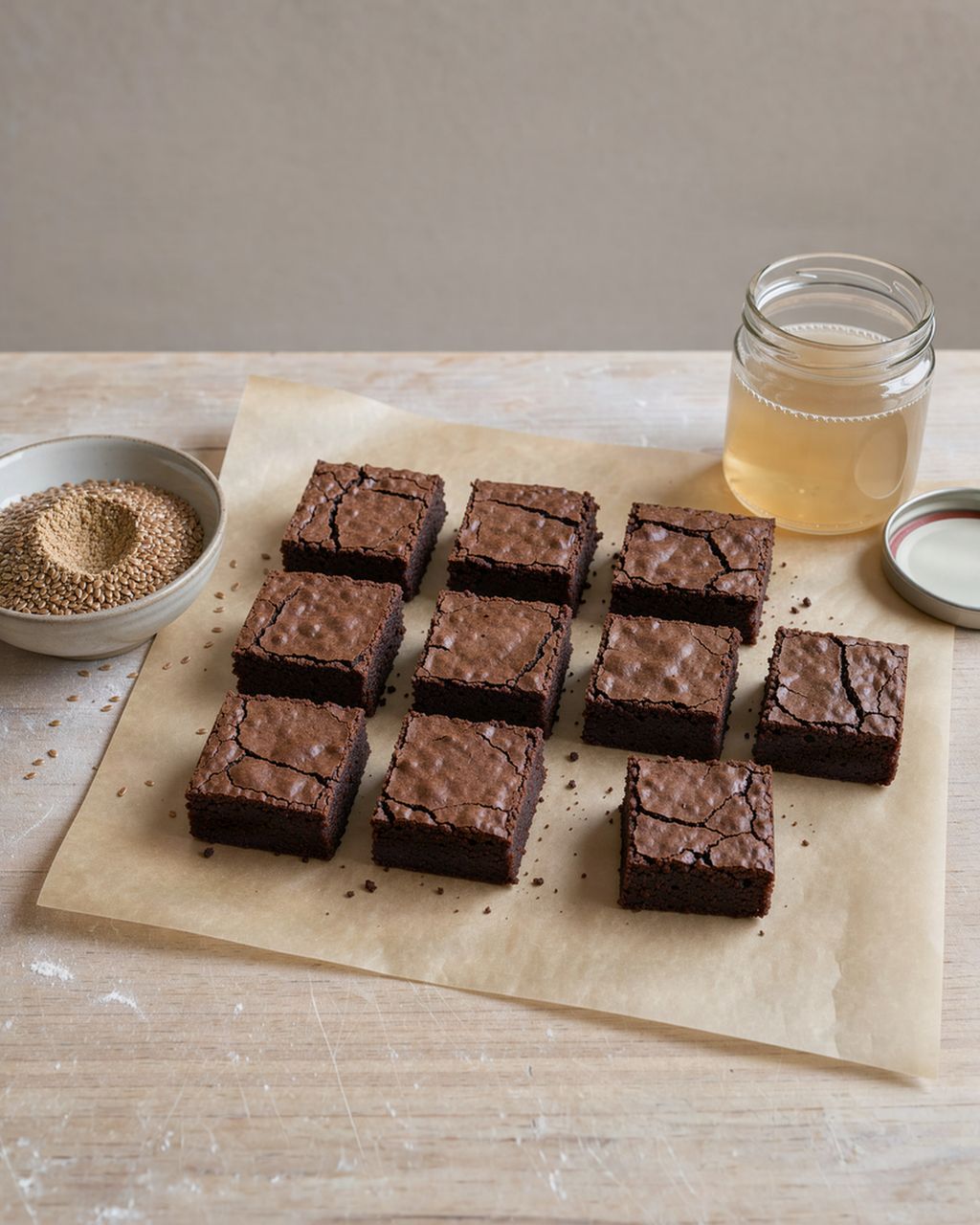
A brownie with no added fat at all is possible but it is a different bake. It turns cakey and springy rather than fudgy. If you want to use less oil, a half swap with applesauce or yogurt is the most forgiving route.
For a fudgier result with less oil, lean on the chocolate. Melted dark chocolate brings cocoa butter, which is fat, so a recipe with more chocolate and less oil still tastes rich. Our broader guide on what to use instead of oil in cakes covers yogurt and purée swaps in other bakes.
Boxed brownie mixes usually ask for oil, eggs and water.
Milk instead of water: swap one for one. It adds a little richness and browning.
Coffee instead of water: swap one for one. It deepens the chocolate flavor without tasting strongly of coffee in small amounts.
Melted butter instead of the mix's oil: equal volume, as above.
Don't add extra liquid to fix a thick batter. Brownie batter is meant to be thick.
Recipe of the week, one tip that saves you time and one deal from the shop. Unsubscribe in one click.
The next issue goes out on Thursday, November 26.
Neither is better. They make different brownies.
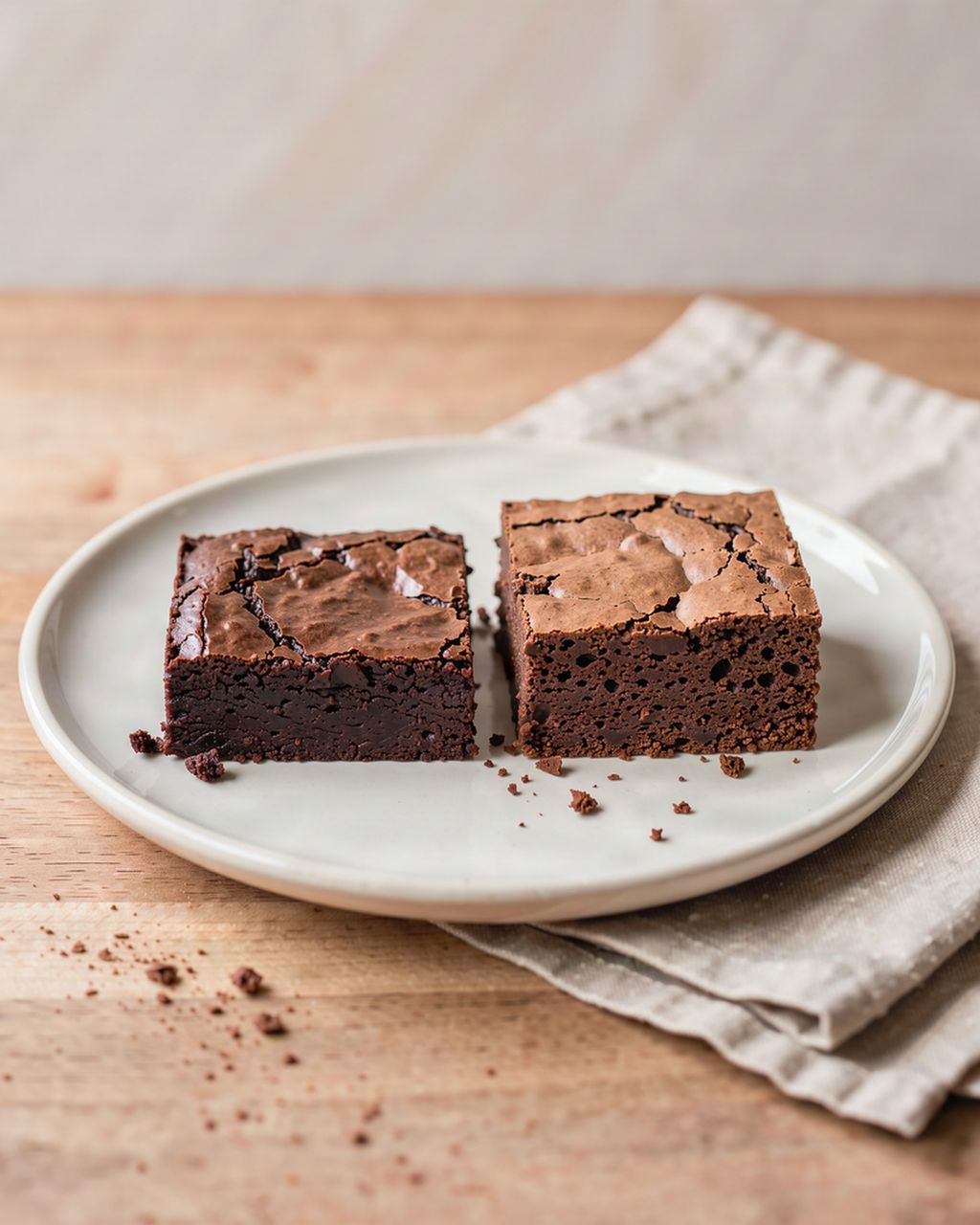
Oil brownies are softer, moister and fudgier, and they stay that way for longer because oil doesn't firm up as it cools. The flavor is all chocolate. Most boxed mixes use oil for this reason.
Butter brownies taste richer and rounder, with a crisper, shinier top and a firmer, chewier bite once cool. Browning the butter first adds a toasty, nutty note.
Half and half is a popular middle path: soft like oil, with some of the flavor of butter.
If your recipe gives you a choice, pick by texture. For the fudgiest result, oil. For flavor and a clean slice, butter.
Melted butter is the closest swap: use the same volume as the oil. Melted coconut oil or a mild olive oil also work one for one. Applesauce, yogurt or mashed banana can replace up to half of the oil, but the brownies turn cakier.
Yes. Swap the oil for the same volume of melted, slightly cooled butter. Butter is only about 80% fat, so the brownies come out a touch less moist but with more flavor, and they firm up more once cool.
You can, but replace only about half the oil. America's Test Kitchen found brownies made fully with applesauce were cakey at best and sometimes spongy and dry, because applesauce adds water but no fat.
Yes. Use about three-quarters as much oil as butter, because butter contains water as well as fat. Oil brownies stay softer and fudgier but lose the buttery taste, so add good chocolate or a pinch of salt.
Yes. Milk can replace the water one for one in a boxed brownie mix. It makes the brownies slightly richer and they may brown a little faster, so check them a few minutes early.
One recipe worth heating the oven for, one tip, and one deal from the shop. Nothing else.