How to Feed and Store Fruitcake: Spirits, Wrapping and How Long It Keeps
Why Is My Fruitcake Dry or Crumbly? Oven, Lining, Soaking and Feeding
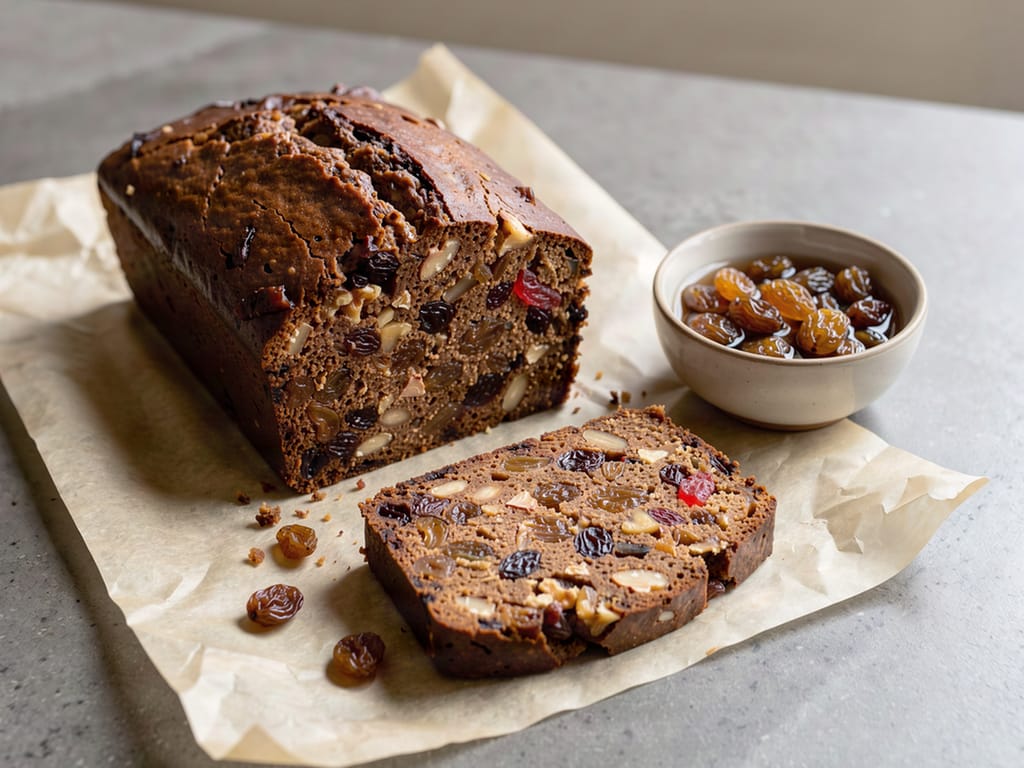
Updated Nov 20, 2026
Fruitcake turns out dry or crumbly when it bakes too hot or too long, when the pan is not lined to protect the edges, when dry fruit pulls moisture out of the crumb, or when it is cut and stored before it has settled. A rich fruitcake needs a low oven, a well-lined pan, soaked fruit and a few days of rest, wrapped, before you slice it.
A rich fruitcake is mostly fruit held together with a little batter. That batter has to bake through a deep, dense cake without the outside drying out first. Nearly every dry, crumbly fruitcake comes from one of these:
The oven was too hot, so the edges overbaked before the middle was done.
It baked too long, often because the center was tested too early and then given extra time "to be safe".
The pan was not lined well, so the sides and bottom dried and scorched.
The fruit went in dry, and soaked up moisture from the batter during baking.
It was cut too early or left unwrapped.
The fixes below follow the same order.
Recipe of the week, one tip that saves you time and one deal from the shop. Unsubscribe in one click.
The next issue goes out on Thursday, November 26.
Rich, heavily fruited cakes are baked at a low temperature for a long time. Classic British Christmas cake recipes, such as Delia Smith's, use 140 °C (about 275 °F) in a conventional oven for around 4 to 4¾ hours for a 20 cm (8 in) round cake. Most rich fruitcakes sit somewhere between 140 and 150 °C (275–300 °F) conventional. Lighter, less fruity cakes bake hotter and faster, so follow your recipe.
Use conventional heat if you can. The fan dries the surface of a long bake. If you only have fan, set it about 20 °C lower; our oven temperature converter gives the exact figure, and fan or conventional explains the difference.
Check your oven with a thermometer. Many home ovens run noticeably hot or cold, and over four hours that is the difference between moist and dry.
Cover the top loosely with a sheet of parchment once it is as brown as you want it.
Test, don't guess. A skewer pushed into the center should come out clean of raw batter. Sticky fruit on the skewer is normal; wet batter is not.
Over a four-hour bake, an unlined metal pan conducts so much heat into the edges that they turn hard and dry. Protect them.
Line the bottom and sides with a double layer of parchment, with the side strips standing a few centimeters above the rim.
For a long bake, wrap the outside of the pan with a band of brown paper or a folded newspaper collar, tied with string. Delia Smith's method uses brown paper around the outside of the pan.
Bake on the shelf your recipe gives. For a deep rich cake this is often the lower-middle or lowest shelf (Delia Smith uses the lowest). Keep it away from a bare bottom element.
The paper slows heat reaching the sides, so the edges and the center finish closer together. It is an old trick, and it still works.
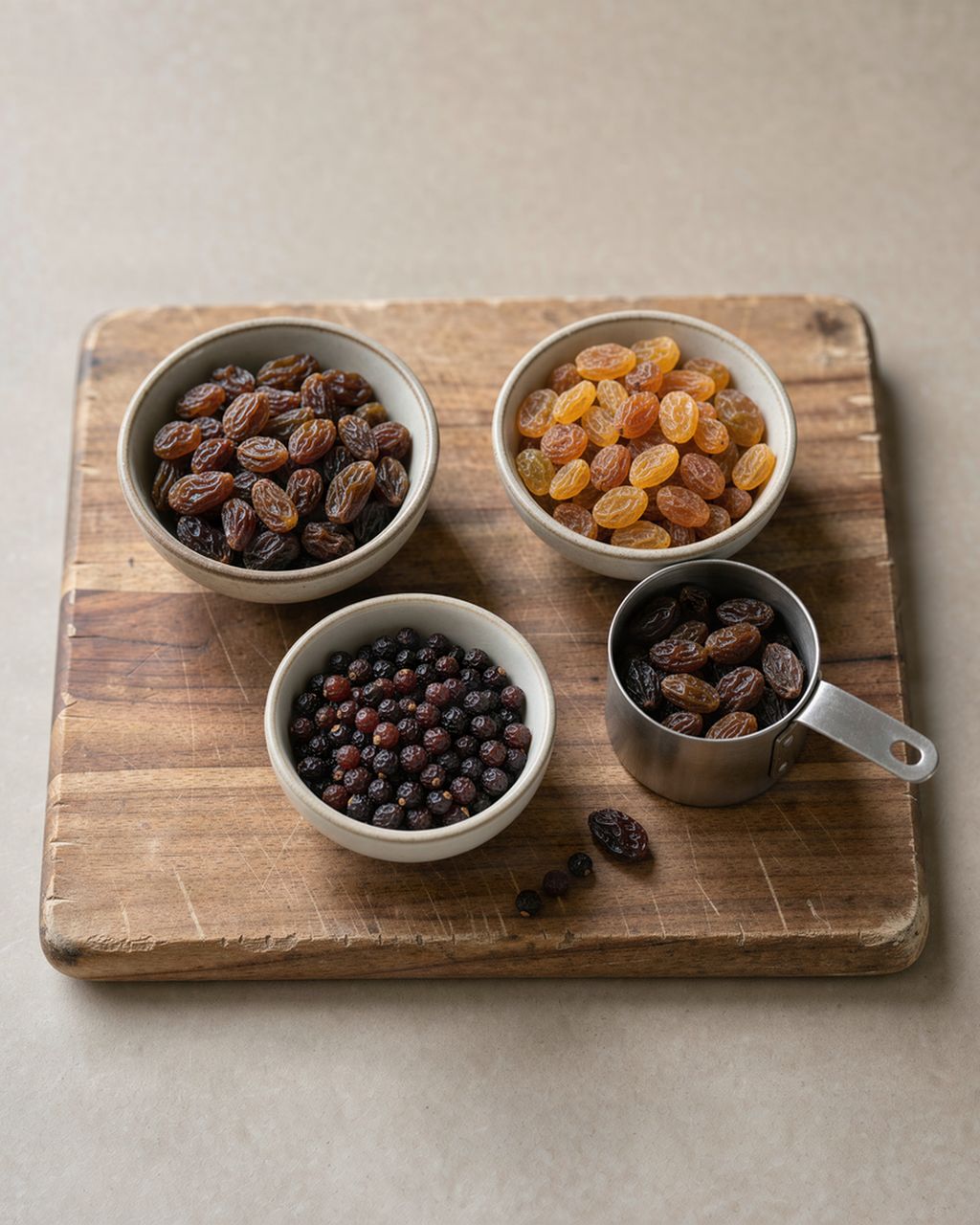
Dried fruit is thirsty. Raisins, sultanas, currants and candied peel put straight into the batter keep drawing moisture during baking and for days after. The cake ends up dry around plump fruit.
Soak the fruit overnight, or longer, in spirit (brandy, rum, whisky), covered, in a cool place. For an alcohol-free cake, soak it in fruit juice or cold tea, covered, in the fridge. Delia Smith's recipe soaks the fruit in brandy for at least 12 hours.
Use enough liquid that the fruit absorbs it and nothing much is left in the bowl. Pour off any excess so it doesn't thin the batter.
Chop large pieces such as dates, prunes or candied cherries to about raisin size.
Soaked fruit also helps the cake keep. If you need swaps, see what to use instead of raisins.
Fruitcake should crumble a little at the edges of a slice, but if it falls apart, look at the balance of batter to fruit.
Too much flour makes a dry, cakey binder. Weigh it: a US cup (236.6 ml) of all-purpose flour is about 125 g (published charts range from about 120 g to 140 g), and a metric cup (250 ml) about 132 g. Scooped cups often hold far more. The cups and spoons to grams calculator helps.
Too much fruit for the batter leaves nothing to hold the slices together. Don't add extra fruit or nuts beyond the recipe without adding batter too.
Low fat or no egg recipes are more crumbly by nature.
Creaming butter and sugar properly also gives a better, finer binder; see creaming butter and sugar.
Fruitcake is fragile when warm. Fruit and batter have not settled, and the crumb is still full of steam.
Leave the cake to cool completely in the pan.
Lift it out in its paper, then wrap it in fresh parchment and then foil, or put it in an airtight tin. Keep a layer of parchment between the cake and the foil; acidic, alcohol-soaked fruit can corrode foil in direct contact.
Leave it at least a day, and longer if the recipe is designed to mature, before you slice it.
Cut with a long, sharp serrated knife, wiped between slices.
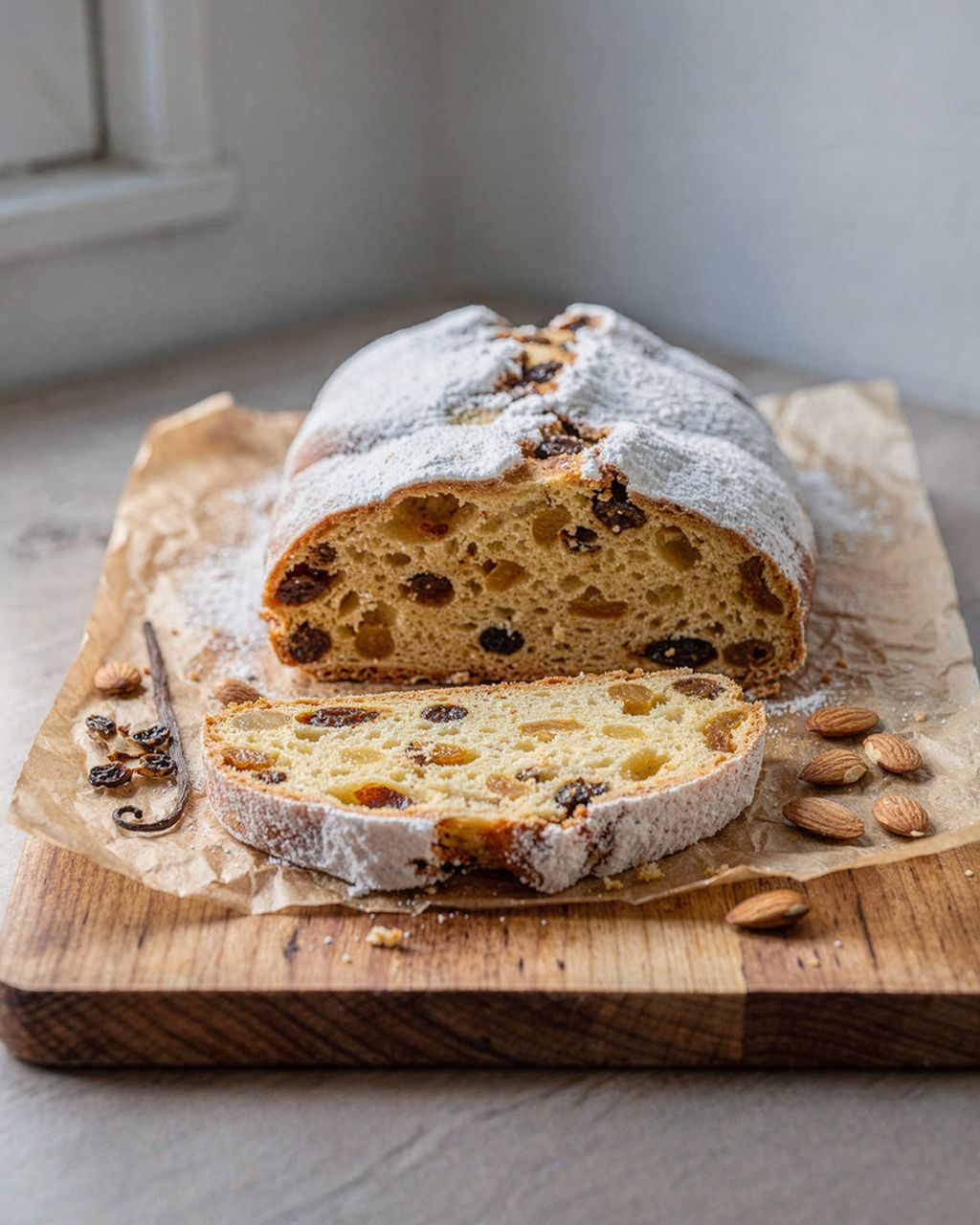
For the same idea in a yeasted cake, see why Christmas stollen is baked a month ahead.
Not every fruitcake is meant to be dense and moist. Know which one you are making before you judge it.
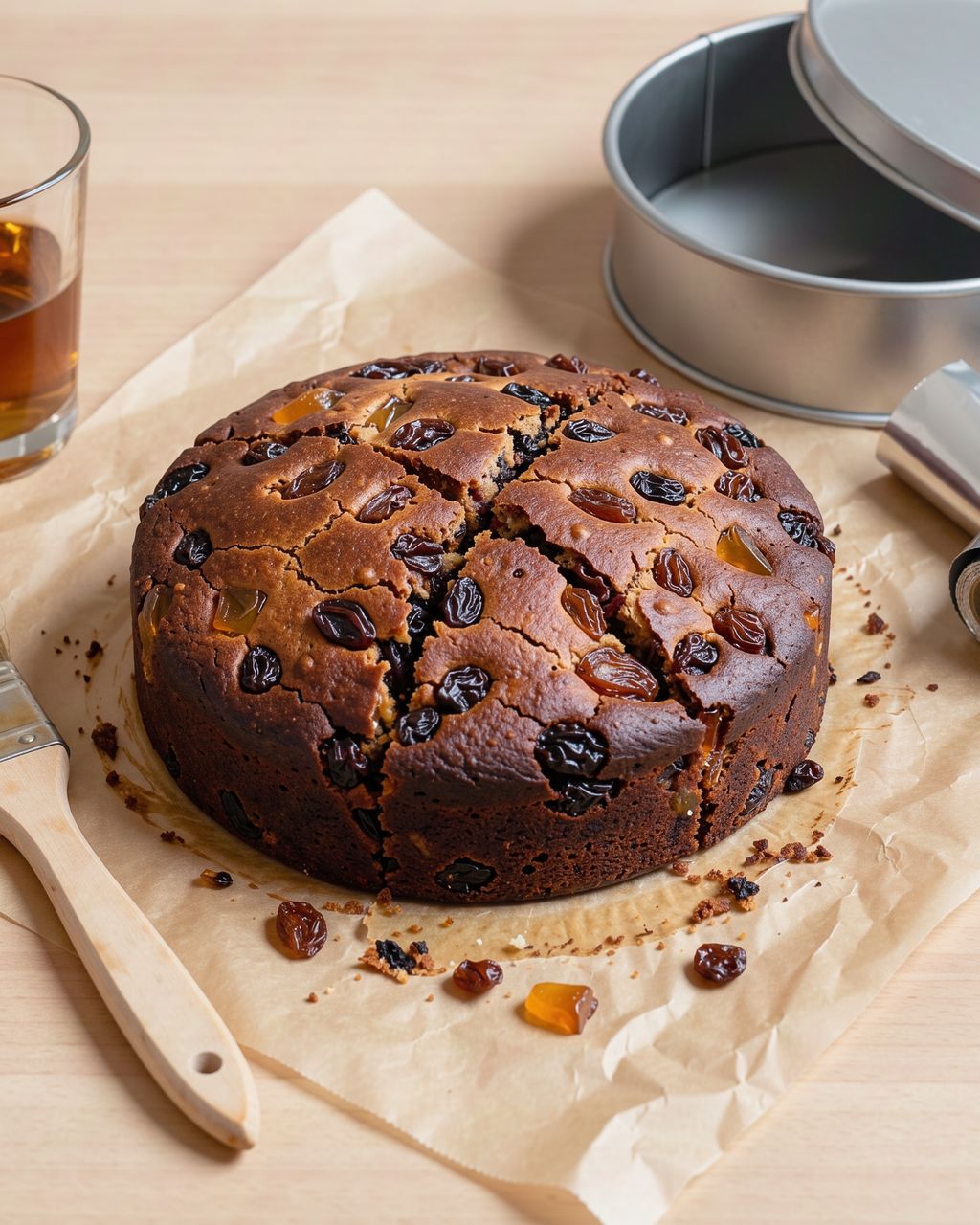
Rich fruitcake (British Christmas cake, many American holiday fruitcakes): more fruit than batter, baked low and slow, often fed with spirit after baking (so it contains alcohol) and stored for weeks. It should be moist, heavy and slice cleanly once rested.
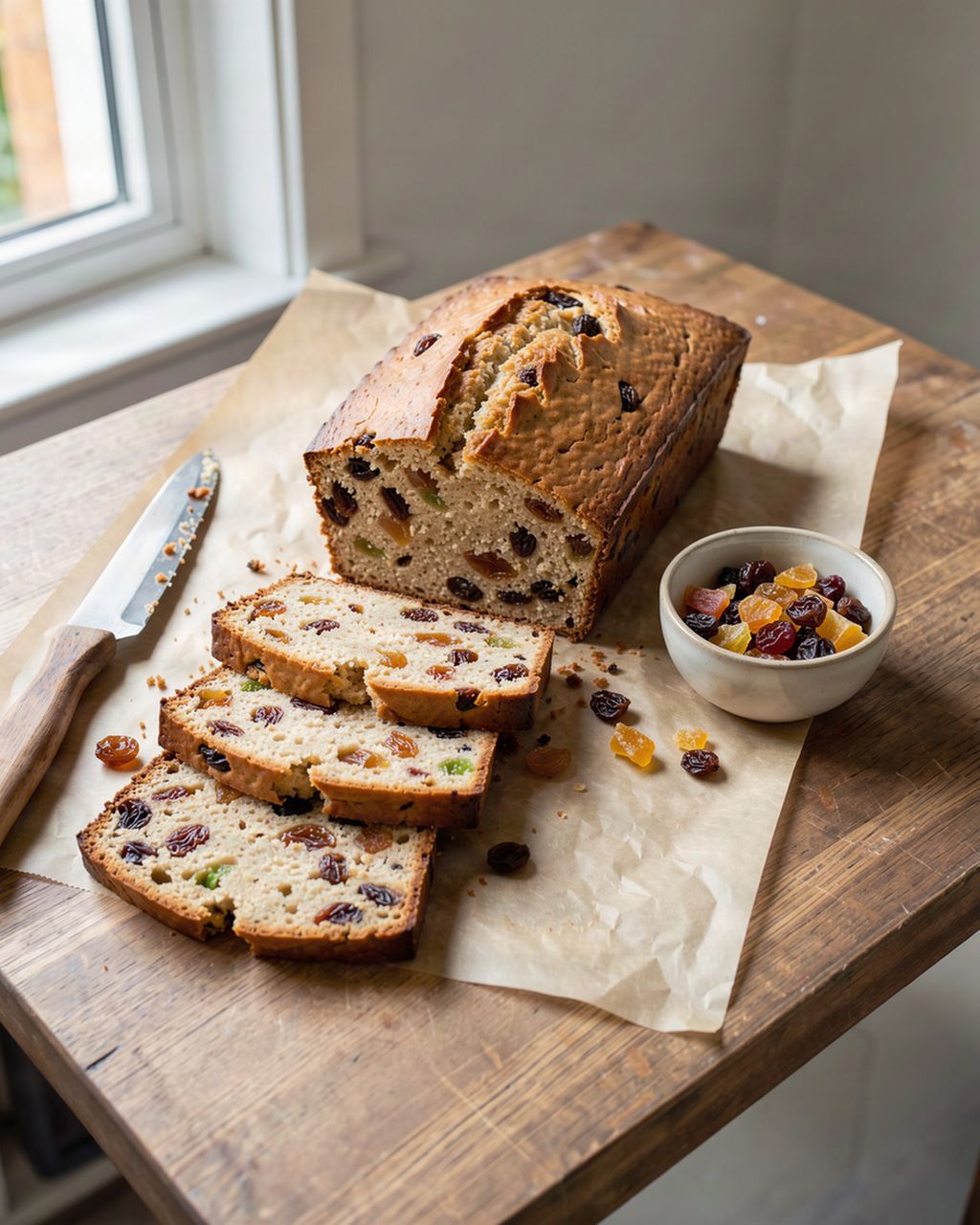
Light fruitcake (a fruit loaf, a Madeira-style cake with fruit, a sultana cake): mostly batter with some fruit, baked hotter and faster, and eaten within days. It has a lighter, more open crumb and will always be drier and crumblier than a rich cake.
If you bake a light cake low and slow, or a rich one hot and fast, the texture will disappoint either way.
Fruitcake is usually dry because it was baked too hot or too long, or the fruit was not soaked and drew moisture from the crumb. Rich fruitcakes bake low, around 140–150 °C (275–300 °F) in a conventional oven, in a pan lined with parchment.
Fruitcake crumbles when it is cut while warm or too soon, when there is too little batter holding the fruit, or when it is dry. Let it cool completely in the pan, wrap it and leave it at least a day before slicing with a sharp, serrated knife.
A fruitcake cracks on top when the oven is too hot, so the crust sets and the middle bursts through it. Bake it lower and longer, and cover the top loosely with parchment once it is brown enough.
Wrap it airtight as soon as it is cold, in parchment and then foil or a tin, and keep it somewhere cool and dry, checking it for mold before each feed. A cake made to keep can also be fed with a spoonful or two of spirit every week or two; that spirit is not cooked, so the cake then contains alcohol.
Yes, partly. Prick the cake with a skewer, brush on a few spoonfuls of brandy, rum or orange juice, wrap it tightly and leave it for a day or two. If you use orange juice, keep the cake cool and eat it within a few days, because only spirit-fed cakes are meant for long storage.
One recipe worth heating the oven for, one tip, and one deal from the shop. Nothing else.