Callebaut Dark Chocolate Callets (811) 400g
Custom Christmas Cookie Prices: What a Kilo Costs and How to Price It
Updated Oct 15, 2026
Custom Christmas cookies in Czechia cost roughly 550 to 2,100 Kč per kilo. What you should charge isn't set by the market but by four things: ingredients, packaging, energy and your time. Ingredients for a kilo of butter cookies usually come to 230–350 Kč. The rest of the price is labour, and that's exactly what almost everyone baking at home underestimates. Below you'll find a simple formula, a worked example in crowns, and where it pays to save money and where it doesn't.
In the 2025 season, a kilo of custom Christmas cookies cost roughly 550–2,100 Kč, and from 900 Kč in smaller towns. This year, according to a kupi.cz roundup, pastry shops usually ask 1,290–1,990 Kč. A kilo typically contains 8–12 varieties. Pastry shops are raising prices this year mainly because of wages and energy, while butter is noticeably cheaper than last year. So check your prices against this year's ingredient costs. According to last year's roundups in the Czech media, prices fell roughly into three bands:
Home bakers selling through social media and classified ads: roughly 550–800 Kč/kg.
Pastry shops in smaller towns and local producers: roughly 900–1,750 Kč/kg.
The priciest pastry shops and branded businesses: 1,500–2,100 Kč/kg.
But the market only tells you what customers will tolerate. Whether baking pays off for you is something only your own calculation can show: a kilo at 700 Kč can mean a decent income, or work for almost nothing. It depends on how many varieties are in the kilo and how many hours it takes you.
You work out the price per kilo like this: ingredients + packaging + energy + labour + buffer. Convert everything to one finished kilo.
Ingredients — everything that goes into the dough, fillings and glazes, including waste (broken pieces, a failed batch). Add 5–10 % extra.
Packaging — box, paper cups, bags, ribbon, label. Usually 40–80 Kč per kilo.
Energy — an oven uses roughly 0.8–1.5 kWh per hour of baking. At around 6–8 Kč/kWh including distribution, that's 10–20 Kč per kilo.
Labour — hours per kilo × hourly rate. The hours should include shopping, chilling the dough, sandwiching, dipping, packing and cleaning up, not just the time at the oven.
Buffer — 10 % of ingredients, packaging and energy (not labour) to cover wear on moulds and cutters, trips to the shop and batches that don't turn out.
Set your hourly rate in advance and stick to it. Look at what you earn in your day job, or what it would cost to hire help in a pastry shop. If you start from the competition's price and work backwards to a rate, you'll usually find you're working for 80–100 Kč an hour.
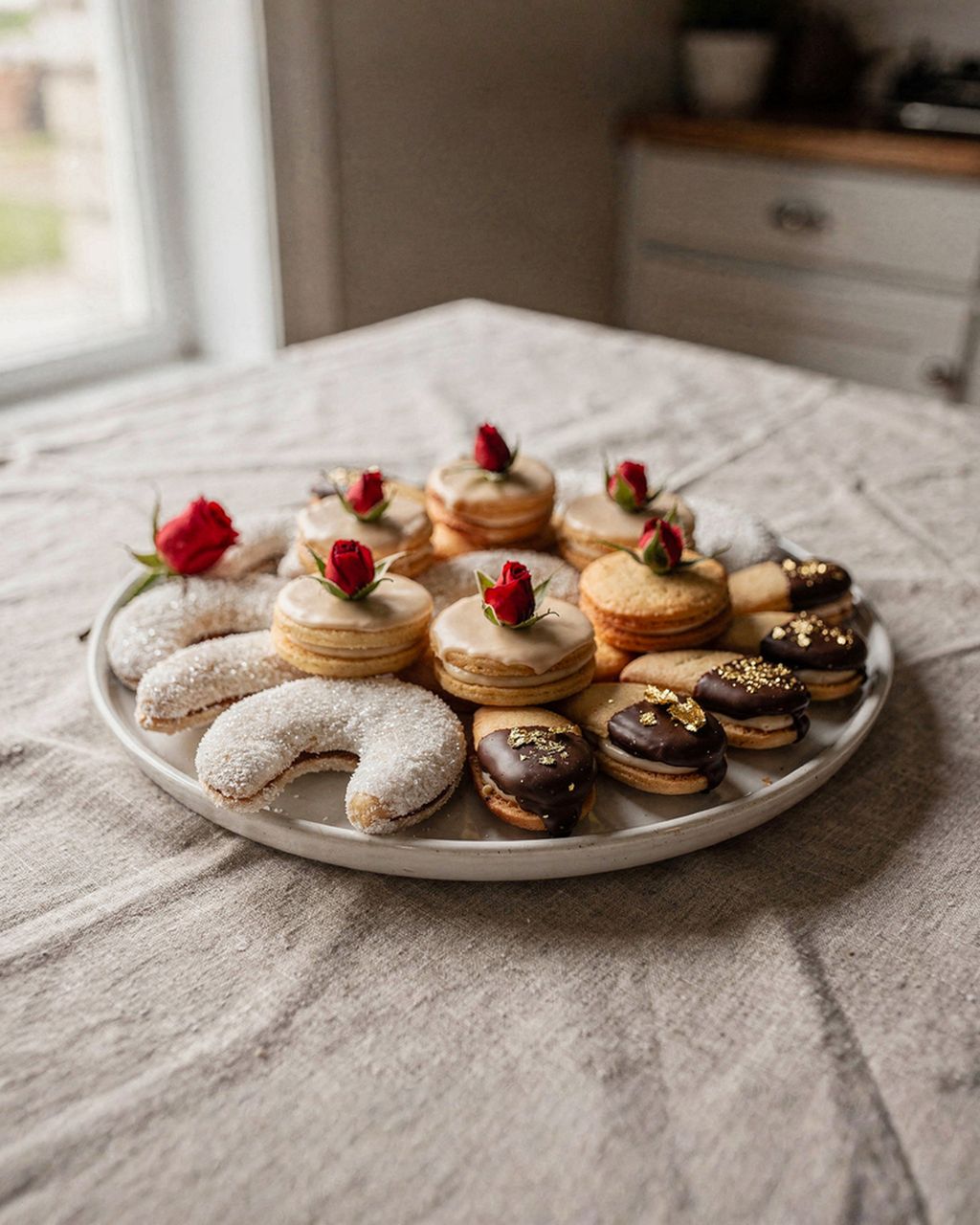
A kilo of a mix of five classic varieties comes to roughly 1,240 Kč at a rate of 200 Kč/h. The calculation assumes five varieties at 200 g each: vanilla crescents, Linzer cookies sandwiched with jam, pracny, nut squares dipped in chocolate and honey gingerbread cookies. For a kilo of finished cookies you use about 1.3 kg of ingredients, because water evaporates during baking and something always breaks.
Ingredient prices are approximate retail prices from autumn 2026. Plug in your own. The ingredients for 1 kg of finished cookies work out like this:
Butter, 82 % fat, 350 g (around 120 Kč/kg): 42 Kč
Plain flour, 330 g (20 Kč/kg): 7 Kč
Powdered sugar and fine granulated sugar, 200 g (30 Kč/kg): 6 Kč
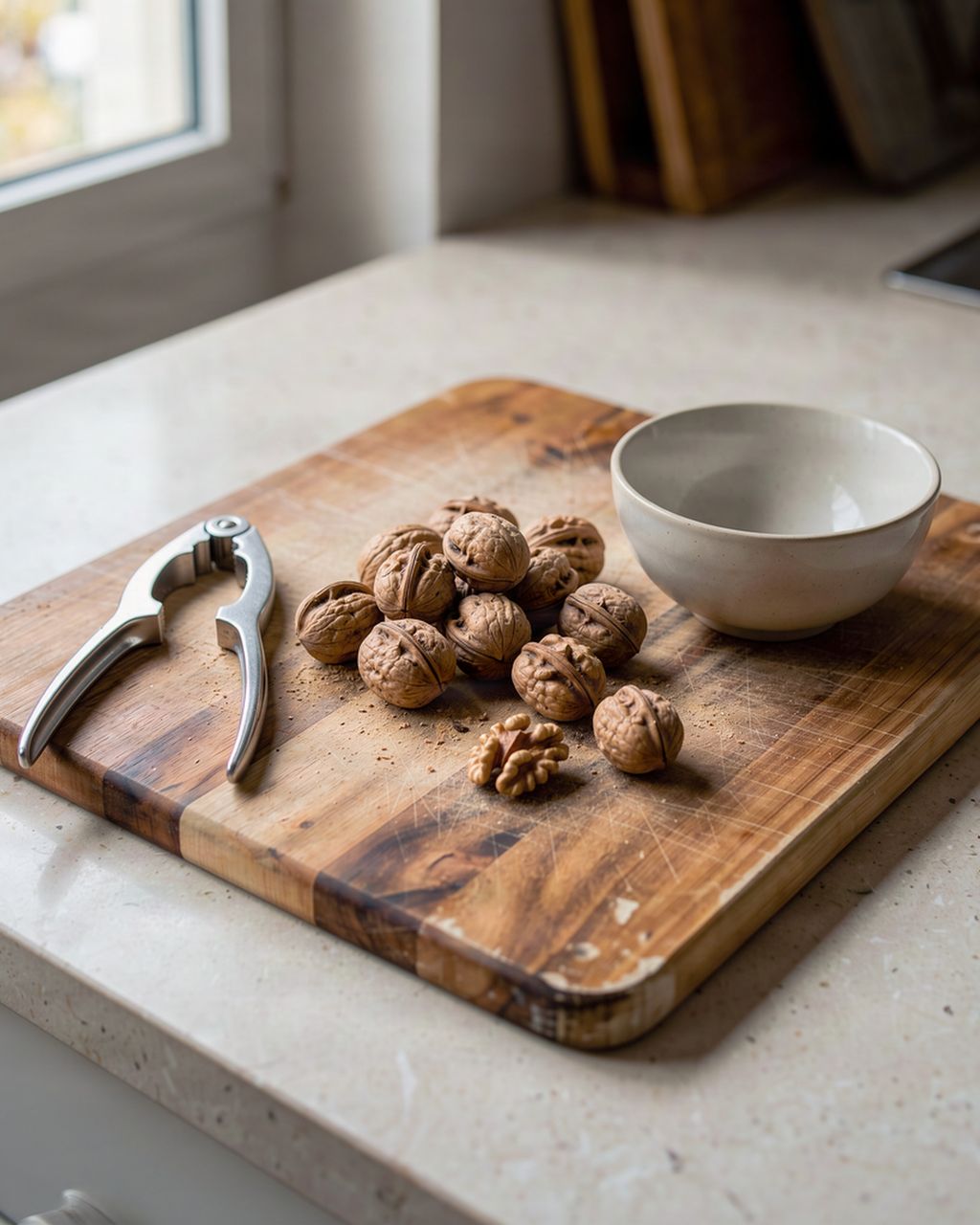
Walnuts and almonds, 150 g (350 Kč/kg): 53 Kč
Dark couverture chocolate for dipping and fillings, 100 g (around 600 Kč/kg): 60 Kč
Eggs, 2: 10 Kč
Redcurrant jam, 60 g: 8 Kč
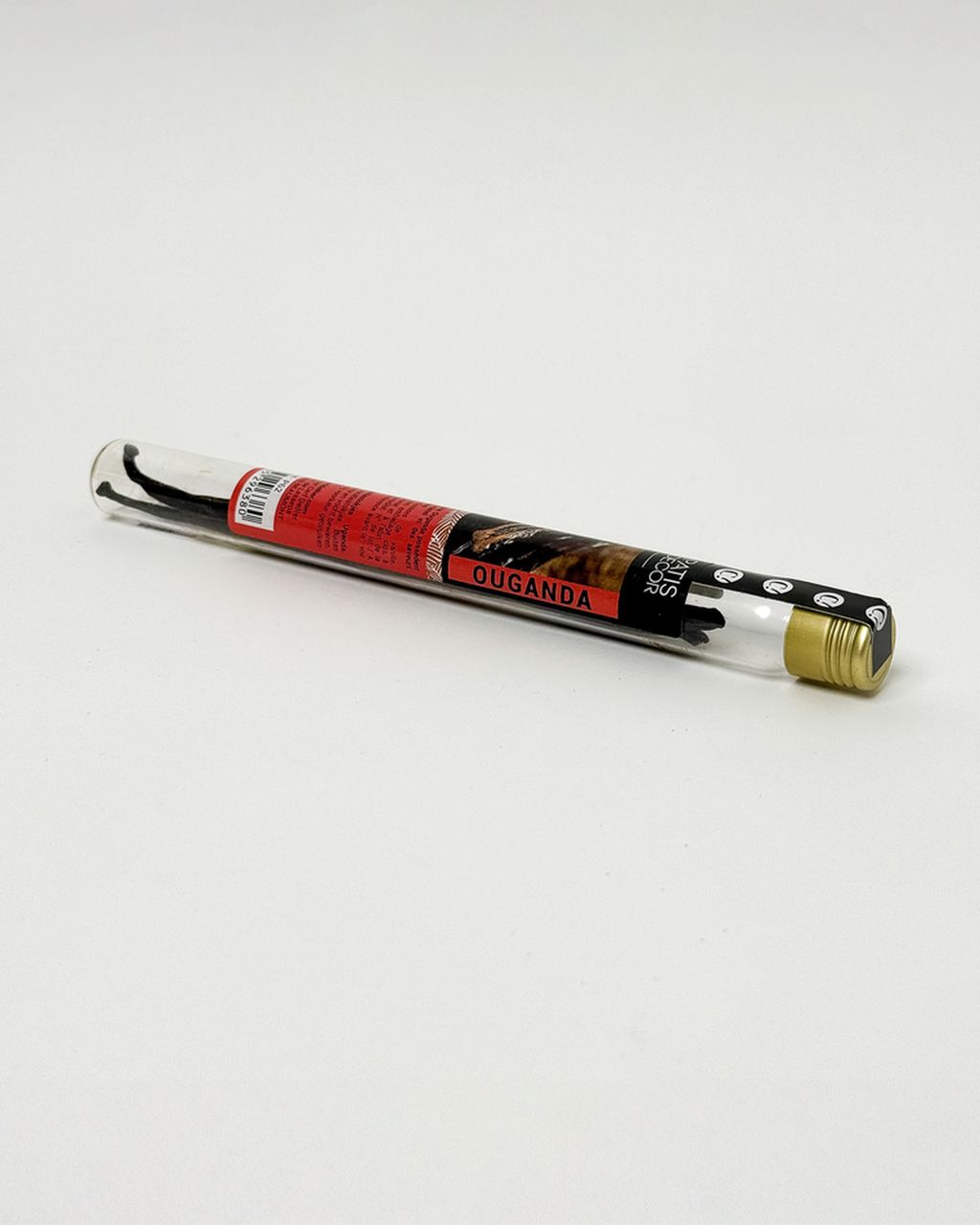
Vanilla bean, ½: 35 Kč
Honey, cocoa, spices, rum, salt: 15 Kč
Waste and broken pieces (+5 %): 12 Kč
Total ingredients: 248 Kč
To the ingredients, add the other costs per 1 kg:
Packaging (box with a window, paper cups, ribbon): 50 Kč
Energy (about 2.5 kWh for oven and stand mixer): 15 Kč
Labour, 4.5 h × 200 Kč: 900 Kč
Subtotal: 1,213 Kč
10 % buffer on costs excluding labour (ingredients, packaging, energy): 31 Kč
Price per kilo: 1,244 Kč, or roughly 1,240 Kč
The calculation shows the main point: labour makes up roughly 70 % of the price. If you sell that same kilo for 700 Kč, you're left with about 387 Kč after ingredients, packaging and energy, which is roughly 86 Kč an hour. That's why it pays to watch your time more closely than the crown on the butter.
A kilo of a mix of five to eight varieties takes an experienced baker 4–6 hours, and when you're starting out, easily 8. A kilo is roughly 100–125 pieces of 8–10 g each, and every one of them passes through your hands several times.
The time varies a lot between varieties:
Quick: squares and slices baked in a tray, coconut drops. You spread the dough, bake it and cut it; coconut drops you just portion out with a spoon.
Medium: vanilla crescents, pracny, cut-out cookies without decoration. You shape or cut each piece individually.
Slow: sandwiched Linzer cookies, cream-filled cups, chocolate-dipped cookies and decorated gingerbread. Several steps for every piece, with chilling or drying in between.
You'll get the most accurate number if, this year, you time one batch of each variety from weighing to cleaning up. Next year you can price your cookies in five minutes. If you bake a lot, you save time by making bigger batches. Five kilos of one variety doesn't take five times as long as one kilo, because preparation and cleaning are shared.
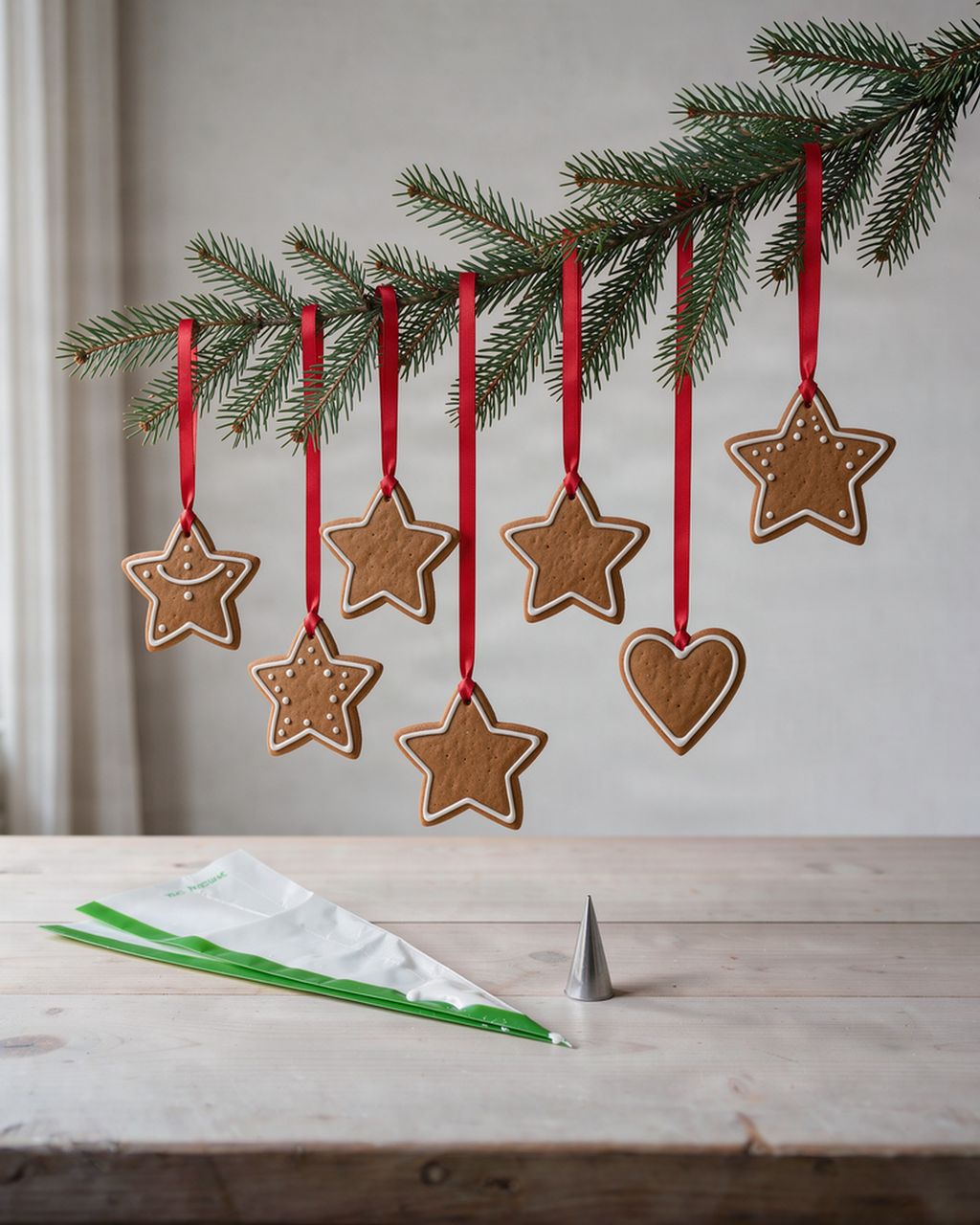
Price decorated gingerbread, figures and anything hand-painted per piece, not per kilo. One gingerbread cookie with a detailed design weighs 15–30 g but takes 5–15 minutes to decorate. In a per-kilo price, that time would disappear completely.
In practice, decorated gingerbread cookies sell for roughly 25–80 Kč each, depending on size and complexity. You calculate the price the same way as for a kilo: ingredients and packaging per piece plus the minutes of decorating × your rate. At 200 Kč/h, every minute of decorating costs 3.30 Kč. A good base is the dough for soft honey gingerbread that doesn't go hard: your customer gets cookies that are still soft a week after handover.
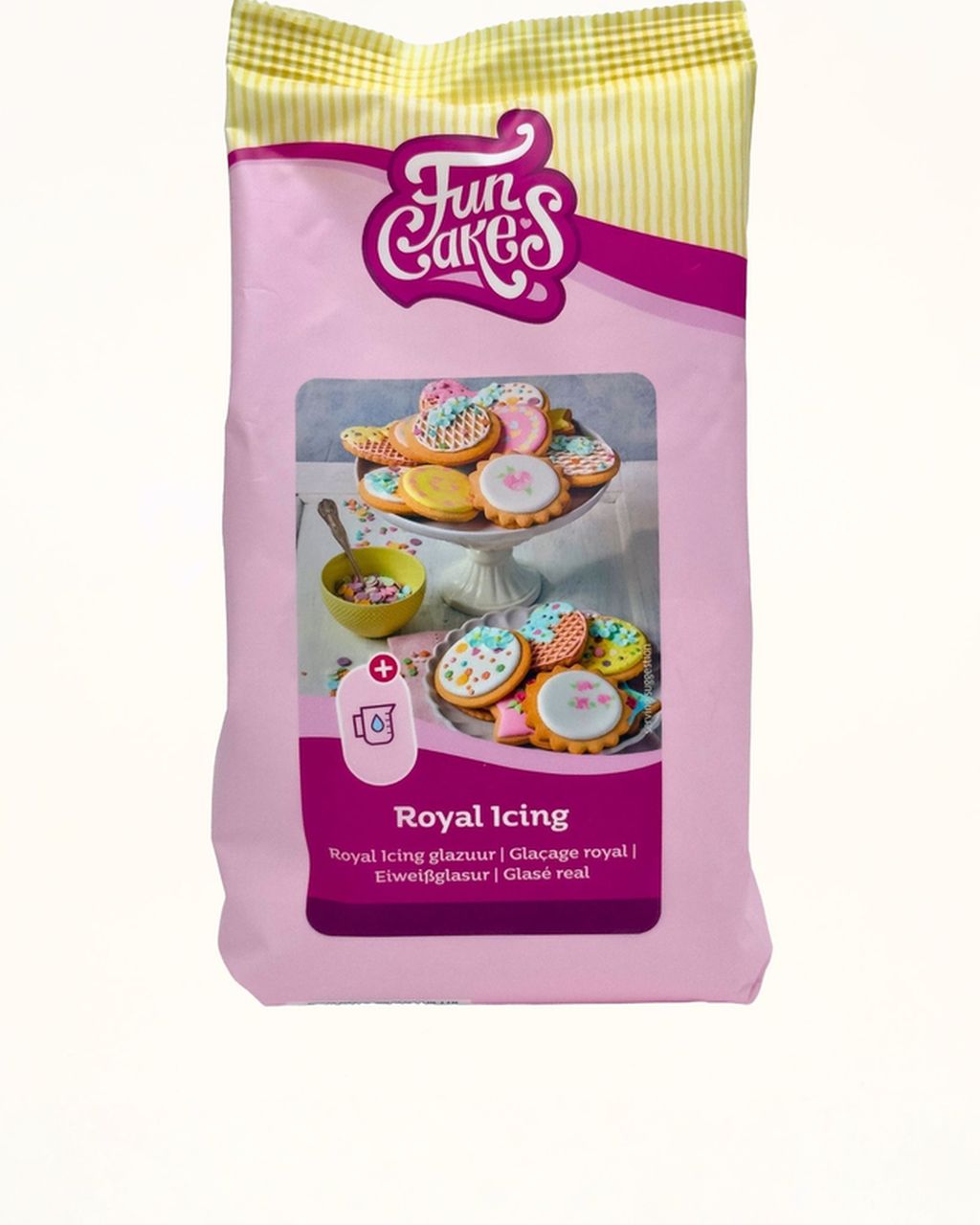
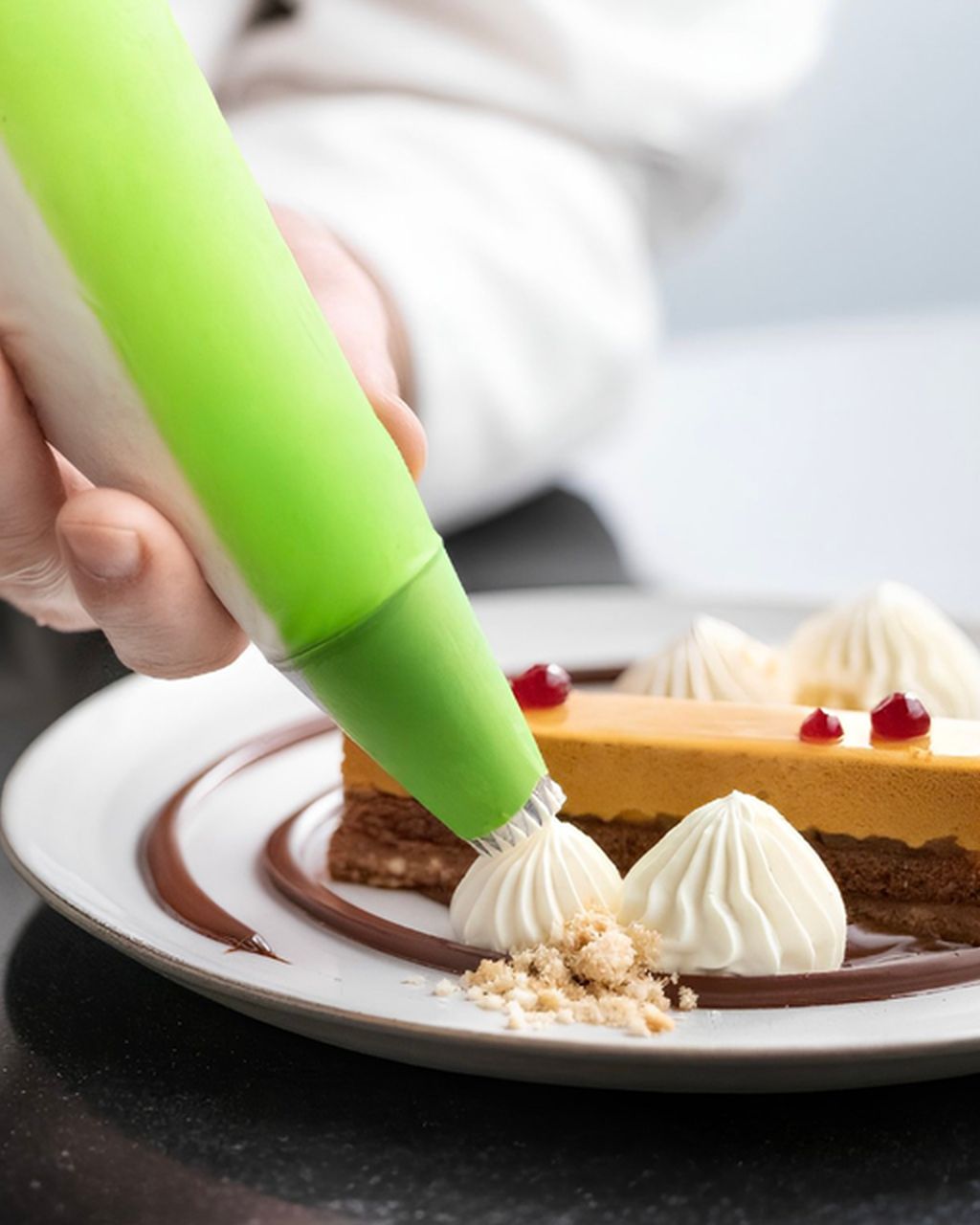
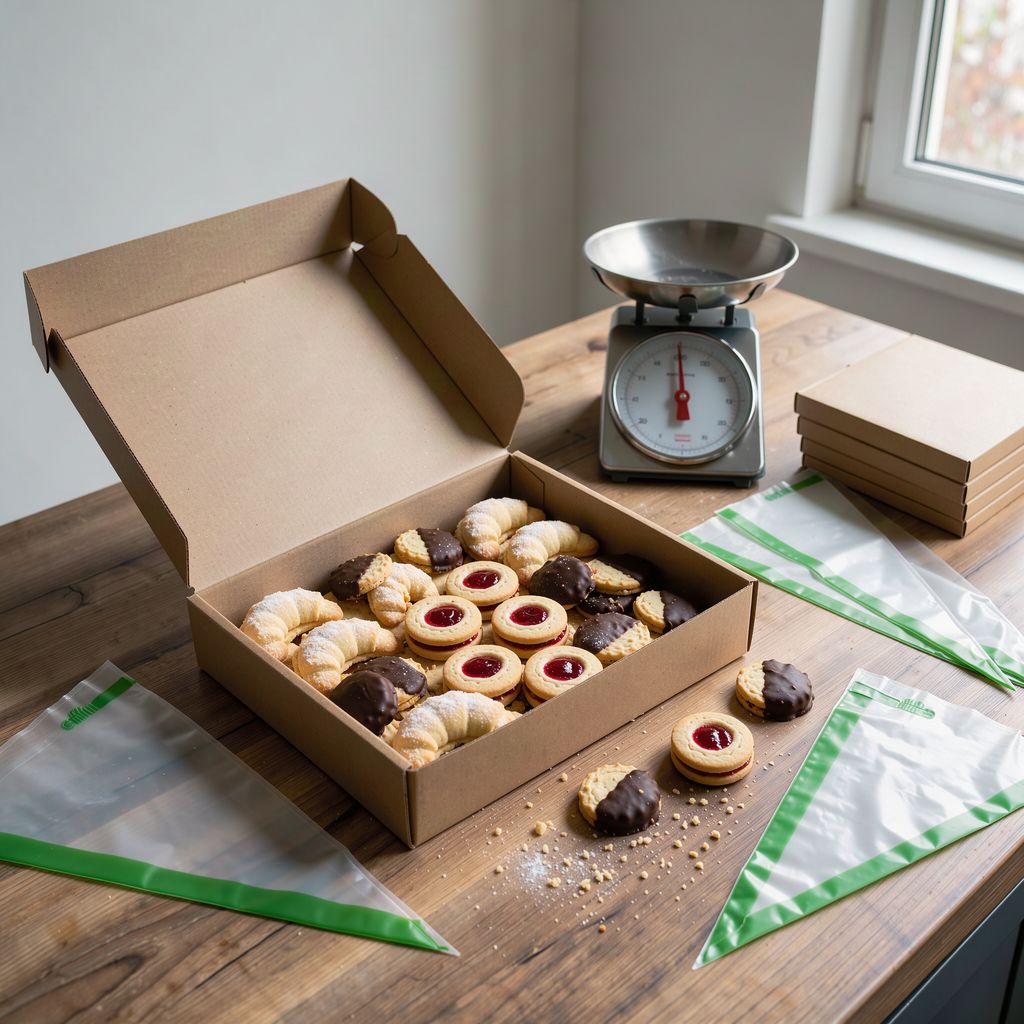
For decorating you need royal icing that holds a line and dries hard. You can whip it up from egg white and powdered sugar, which is the cheapest option, but you have to adjust the consistency every time, and raw egg white isn't ideal for cookies you're selling. Pasteurised FunCakes dried egg white is the safer choice. The fastest is a ready-made mix, such as FunCakes royal icing: you just stir in water, it's snow-white and always has the same consistency. It costs more than homemade, but with dozens of gingerbread cookies it saves time you'd otherwise have to charge for. Disposable One Way piping bags are handy for decorating. You have a clean bag for every colour, and when you're baking for strangers it's more hygienic than a fabric bag you wash between batches.
Save on time and packaging, not on butter, chocolate and vanilla. Those are what the customer actually tastes, and they're why people come back. The difference in the price per kilo is smaller than it seems.
Butter instead of baking fat. Baking fat saves about 15–25 Kč per kilo of cookies, but the flavour and tenderness are in a different league. “Baked with butter only” is also the strongest selling point you have. Customers search for it in ads.
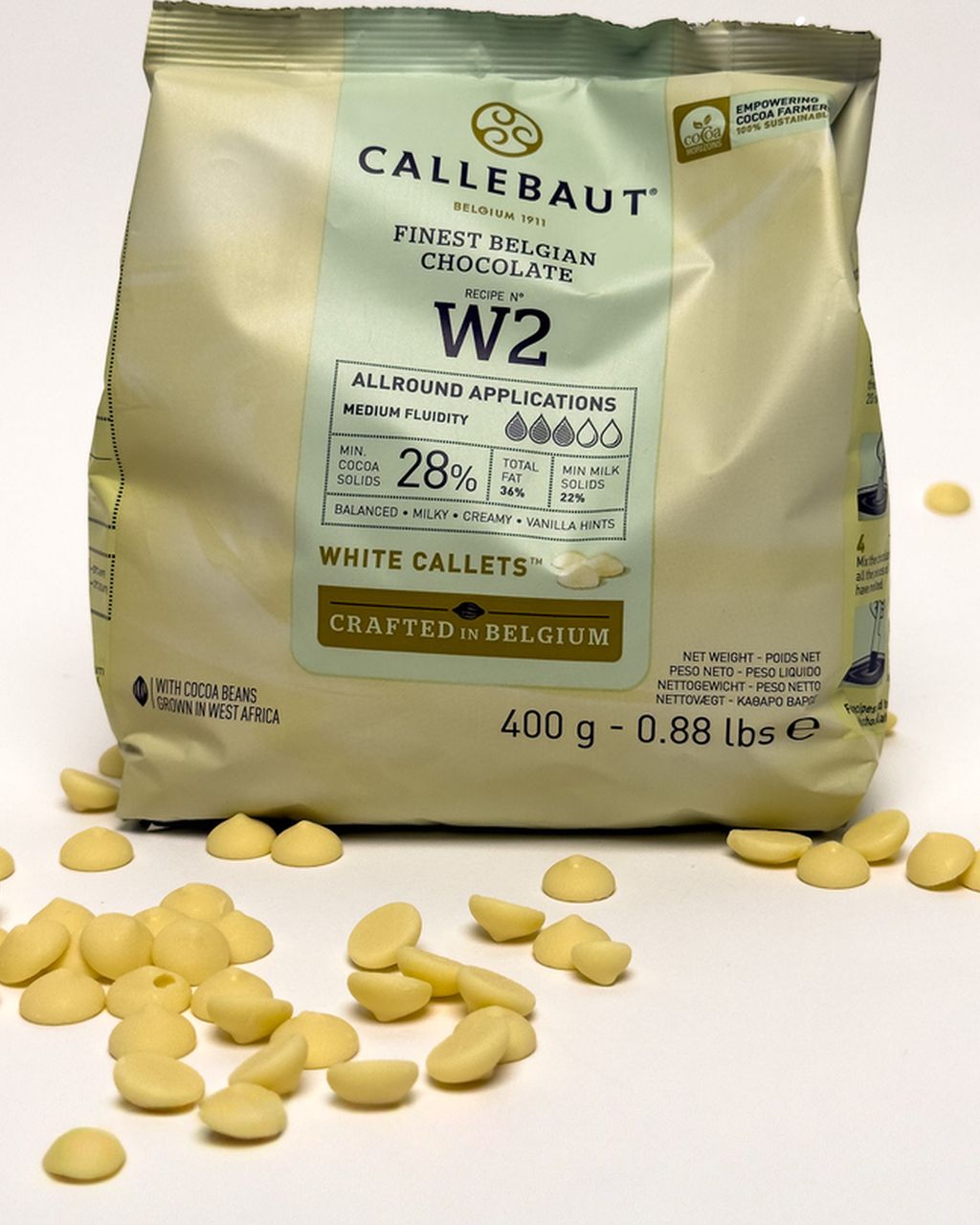
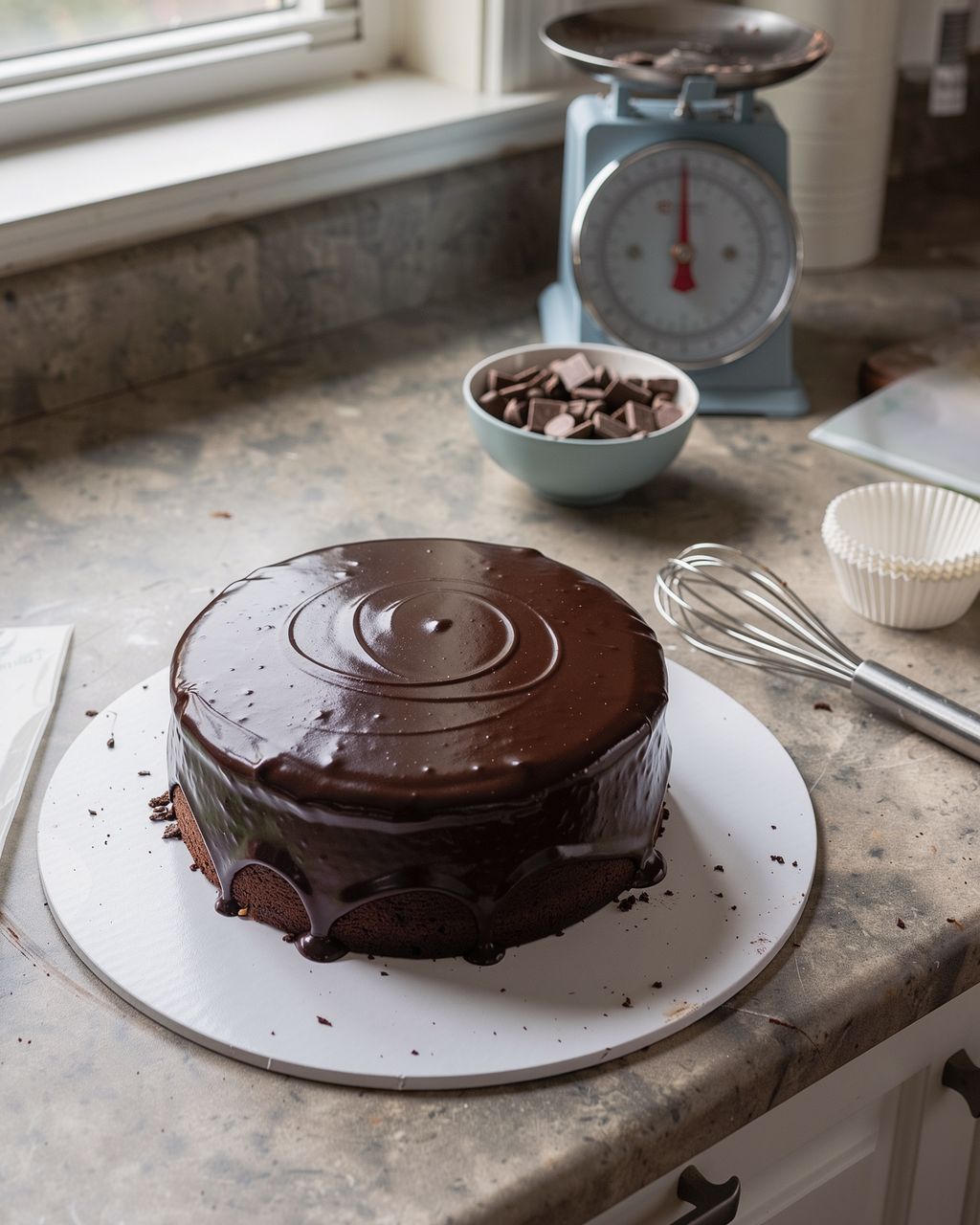
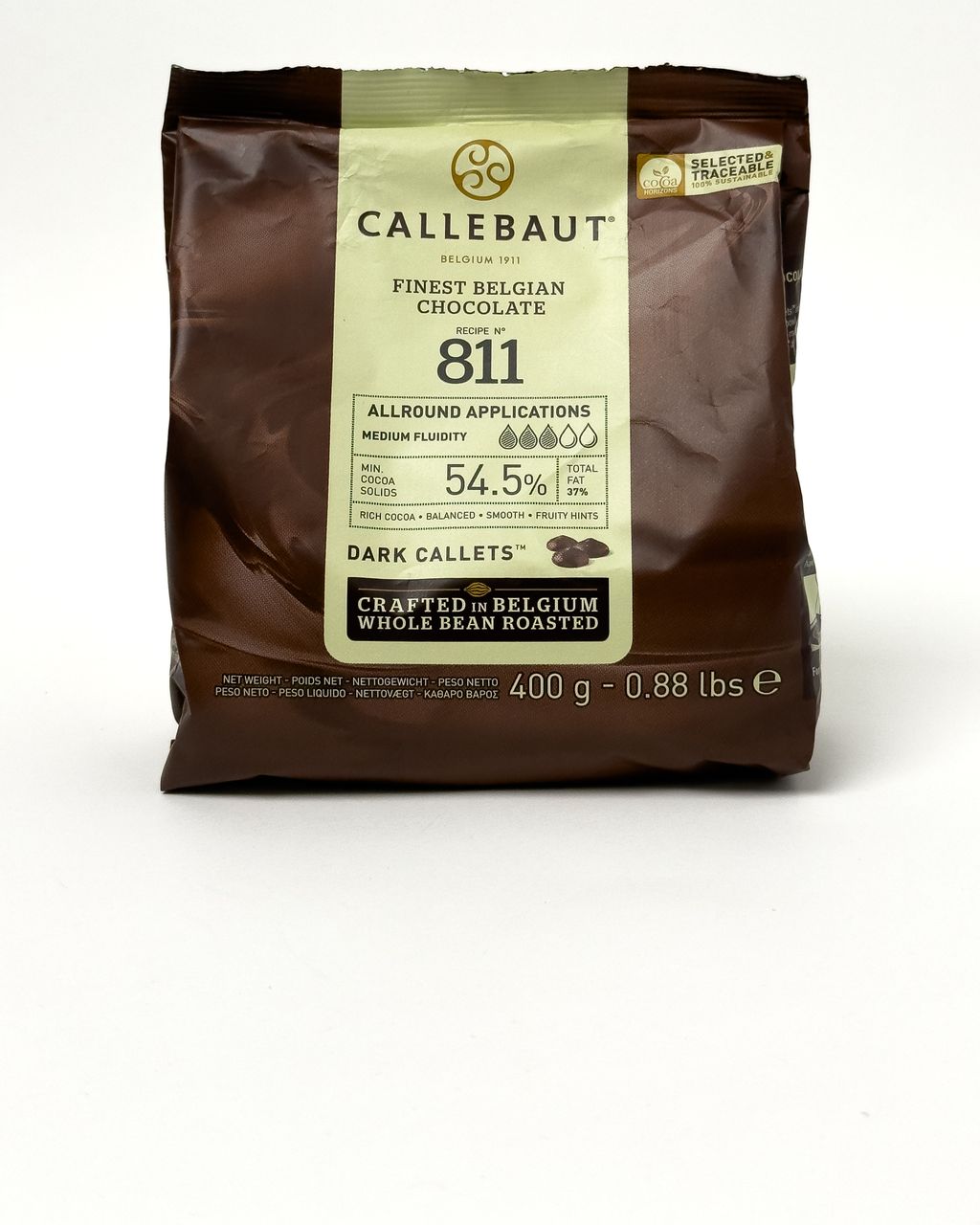
Chocolate. For dipping you need chocolate that melts well and sets glossy. Cocoa-based coating from the supermarket is cheapest but tastes waxy. Ordinary dark cooking chocolate (roughly 250–350 Kč/kg) works, it just sets less prettily. Dark couverture, such as Callebaut 811 discs, melts evenly thanks to its higher cocoa butter content and holds its shine after tempering. It adds only around 30 Kč per kilo of cookies. For how to dip so the chocolate doesn't smudge, see the article Dipping cookies in chocolate.
Vanilla. Vanillin sugar costs a few crowns, but you'll notice the difference in aroma in the crescents right away. A real vanilla bean comes to 30–40 Kč per kilo of cookies. How much to use in which batch is covered in the article How much vanilla for Christmas cookies. An interesting middle route is vanilla paste or extract, as long as you buy one without vanillin.
Packaging. Buy boxes with a window and paper cups in larger packs. The price per piece drops by a third or more.
For inspiration on varieties that fit in a box and keep well, see the Christmas cookies category.
For custom cookies, ask for a 30–50 % deposit, close orders 2–3 weeks before Christmas and set a minimum of 0.5–1 kg. These three rules have proven themselves in practice:
A 30–50 % deposit when the order is placed. It covers the ingredients you buy in advance and weeds out indecisive customers.
An order deadline roughly 2–3 weeks before Christmas. After that you just bake and don't have to rework your plan.
A minimum order of 0.5–1 kg. A half-kilo box takes almost as much work to pack and hand over as a full kilo.
Work out your capacity in advance. If you can manage 4 kg a day and have 10 days for baking, don't accept more than 40 kg. Tired hands bake worse cookies.
A 1 kg custom cookie box usually holds 8–12 varieties, which works out to roughly 8–15 pieces of each small variety. Heavier kinds, such as nut squares or cream-filled cups, weigh 15–20 g each, so put fewer of them in the box. Tell your customer up front how many varieties and roughly how many pieces they'll get.
For a family of four, 1–1.5 kg of cookies usually covers the whole holiday. If you're expecting guests or want to give some away, plan on 2 kg. For big events it's better to count per person; the article [Wedding cookies: how many to bake per guest](/cs/articles/svatebni-cukrovi-kolik-a-kdy-pect) goes into detail.
Most butter cookies can be baked 2–3 weeks ahead, while cream-filled kinds should be made only a few days before handover. Gingerbread and Linzer cookies, on the other hand, mellow and soften with time before Christmas. Store cookies with butter or egg cream in a cool place and bake them last.
If your costs have gone up, recalculate your price using current ingredient prices. Don't keep last year's price out of habit. Just run through the calculation with this year's cost of butter, nuts and chocolate. Explain a price increase to regular customers in a single sentence, for example “energy and wages have gone up”. They'll understand that better than a drop in quality.
One recipe worth heating the oven for, one tip, and one deal from the shop. Nothing else.