Why Cut-Out Cookies Lose Their Shape (And How to Fix It)
Why Is My Shortbread Crumbly or Hard? Scottish Shortbread Fixes
Updated Nov 20, 2026
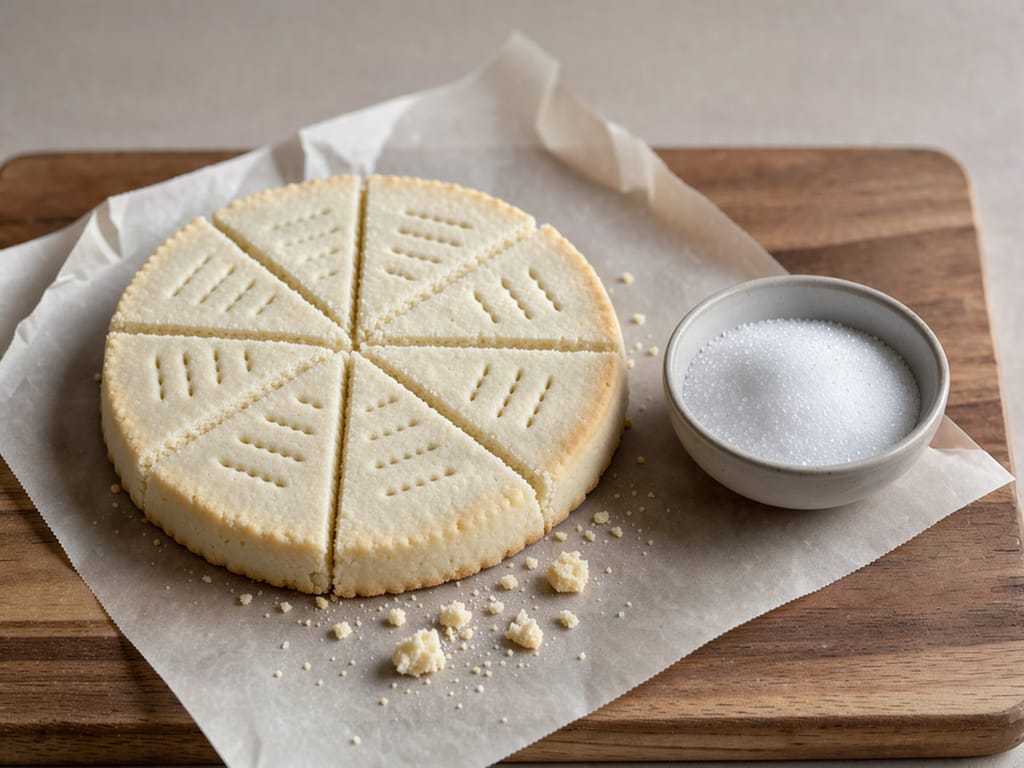
Shortbread is crumbly when the dough has too little butter for the flour or the butter is too cold to bind, and it turns hard when it is overworked, too floury or baked too hot. Classic Scottish shortbread is only sugar, butter and flour in a 1:2:3 weight ratio, so small slips in weighing or temperature show at once. Get the ratio, the butter temperature and the kneading right, and bake it low and pale.
Scottish shortbread has only three ingredients, so each fault has a clear cause.
Crumbly dough that will not come together:
too much flour for the butter, often from cup measures
butter too cold to bind, so the mixture stays as sand
too much rice flour or cornstarch
Hard or tough shortbread after baking:
dough kneaded or mixed too long
too much flour
oven too hot or bake too long
Shortbread that crumbles to pieces when cut:
cut or lifted while still warm
dough not pressed firmly enough into the tin
A little crumbliness is the whole point of shortbread. The word short means a dough with so much fat that it breaks cleanly instead of stretching. What you want is a cookie that snaps and melts, not one that falls apart in your hand or needs a hammer.
Traditional Scottish shortbread is 1 part sugar, 2 parts butter, 3 parts flour by weight. In grams, that is 100 g sugar, 200 g butter and 300 g flour. There is no egg and no raising agent.
Because the ratio is everything, weigh rather than use cups. If you only have cups, here are the figures our tool uses:
Butter: a US stick is 113 g (8 tablespoons), and a US cup is 227 g.
Flour: about 125 g per US cup (236.6 ml), 132 g per metric cup (250 ml), spooned and leveled.
Sugar: about 200 g per US cup of granulated sugar, 211 g per metric cup.
For other amounts, use the cups and spoons to grams calculator. A scooped cup of flour can carry well over the 125 g, and in a three-ingredient dough that is enough to make it crumbly and dry.
Most recipes use caster or granulated sugar; caster sugar dissolves more easily and gives a finer surface. Salted or unsalted butter both work; unsalted with a pinch of salt gives you control.
Many Scottish recipes replace part of the wheat flour with rice flour or cornstarch (cornflour in the UK). Both are starch with no gluten, so they make the shortbread more tender and give the typical sandy bite. The shortbread itself still contains wheat flour and gluten. Published recipes vary widely, from roughly an eighth to nearly a third of the total flour.
Rice flour gives a crisper, sandier texture.
Cornstarch gives a softer, smoother, more melting one.
The catch: starch does not bind. The more rice flour or cornstarch you use, the more crumbly the dough is before baking, and the more fragile the finished shortbread. If your dough is falling apart and the recipe uses a lot of starch, swap some of it back for plain flour next time.
Shortbread dough comes together in two ways, and both need the right butter temperature.
Rubbed-in method: cold butter is rubbed or grated into the flour and sugar until it looks like breadcrumbs, then pressed together. If the butter is very cold, the crumbs will not stick; let it warm for a few minutes, or press the crumbs firmly into the tin.
Creamed method: soft butter is beaten with the sugar, then the flour is worked in. If the butter is too soft or melted, the dough turns greasy and the shortbread spreads and bakes hard at the edges.
Then knead just until the dough holds together and looks smooth, often less than a minute. Overworking warms the butter and develops the little gluten there is, and the shortbread turns hard and tough instead of short. If the dough is crumbly at that point, warm hands and a firm press are better than more kneading or more liquid. Adding water or egg turns it into a different cookie.
Recipe of the week, one tip that saves you time and one deal from the shop. Unsubscribe in one click.
The next issue goes out on Thursday, November 26.
Scottish shortbread is baked slowly at a low temperature, so it cooks through without coloring much. Recipes commonly use around 150–160 °C (300–325 °F) in a conventional oven, or about 20 °C lower with a fan. At higher heat, the butter browns before the middle is done, and the shortbread turns hard and slightly bitter at the edges.
Take it out when it is pale golden, firm at the edges and only just colored on top.
Score it while hot. Mark wedges or fingers with a knife and prick with a fork as soon as it comes out.
Leave it in the tin until it is cool, then cut or break along the lines. Warm shortbread is soft and breaks into crumbs.
If your oven runs hot, the oven temperature converter helps you switch between fan and conventional settings.
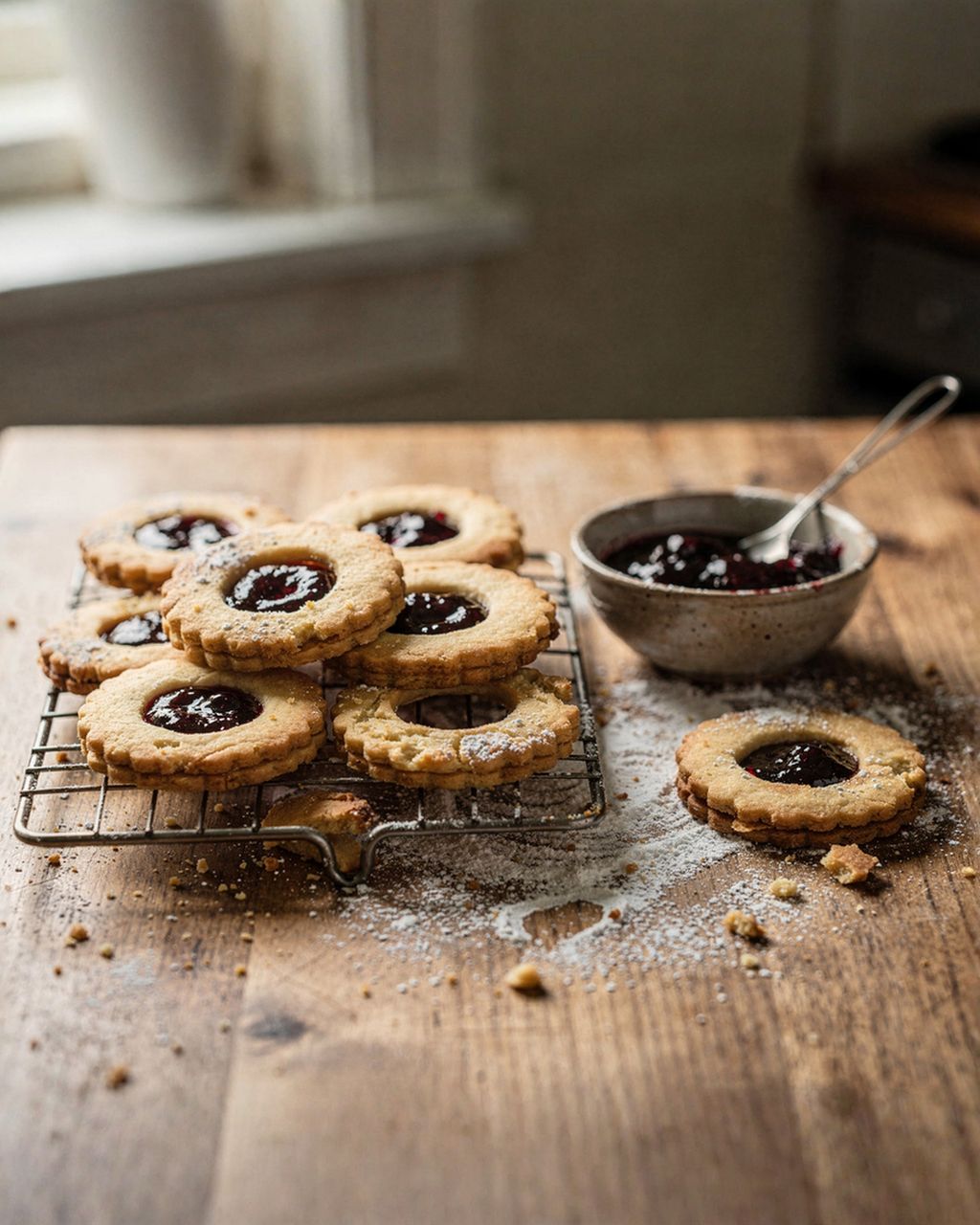
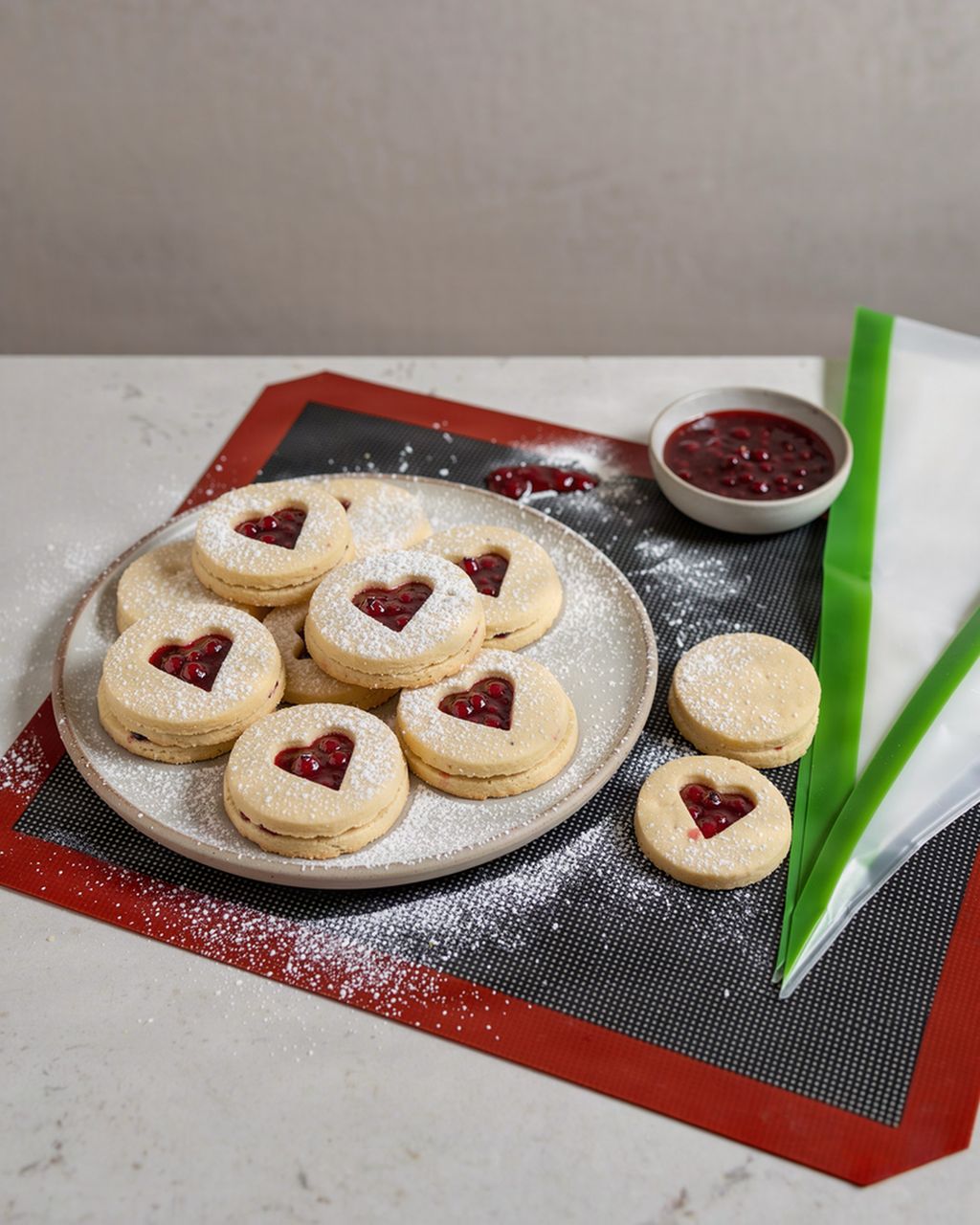
Czech bakers know shortbread's close relative as linecké těsto (linzer dough), the base of the jam-filled sandwich cookies on every Czech Christmas platter. It uses the same 3:2:1 ratio of flour, butter and sugar, but it is a different cookie:
Sugar: linzer dough uses powdered sugar; Scottish shortbread usually caster or granulated sugar.
Egg: linzer dough often adds an egg yolk and lemon zest; shortbread has no egg.
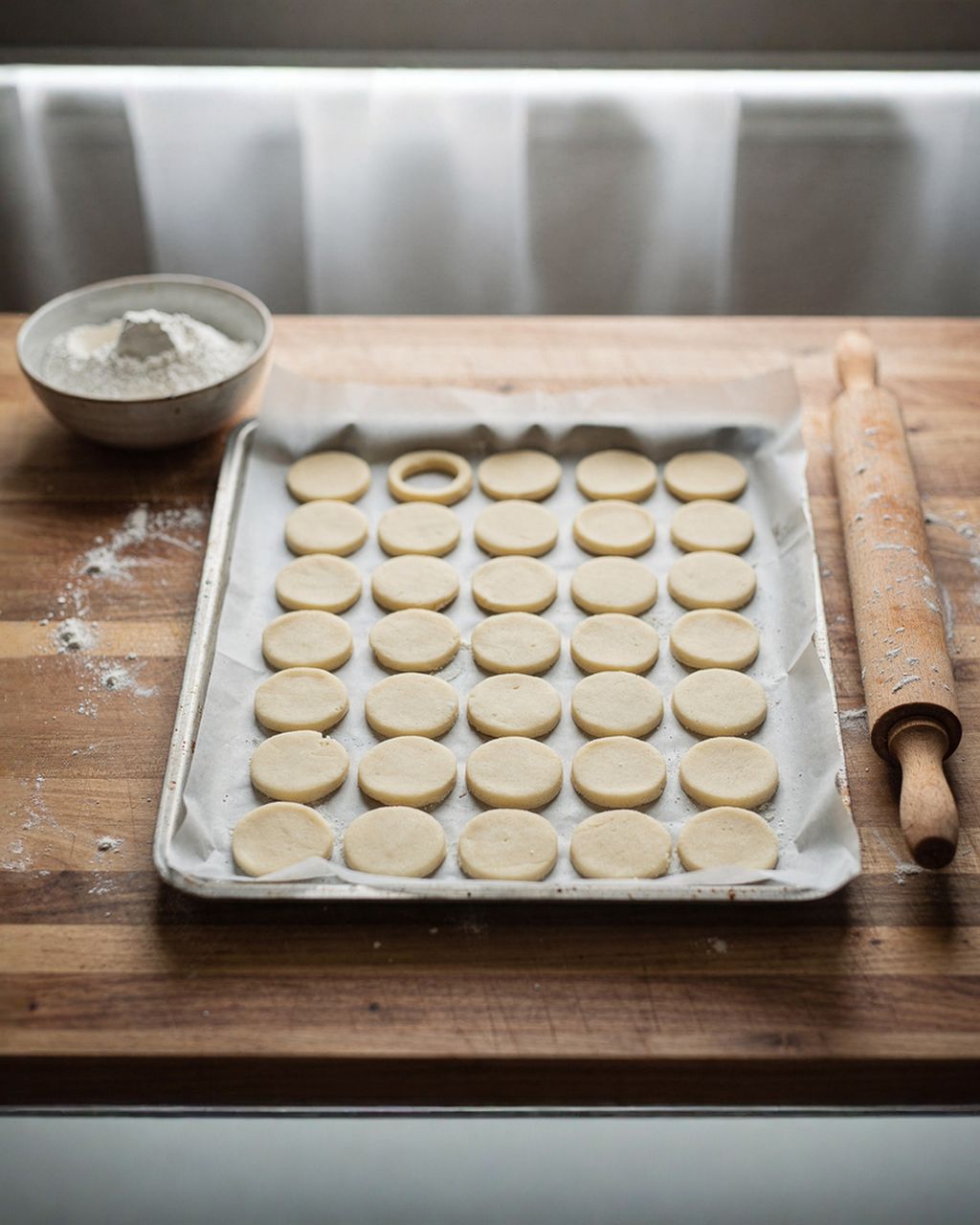
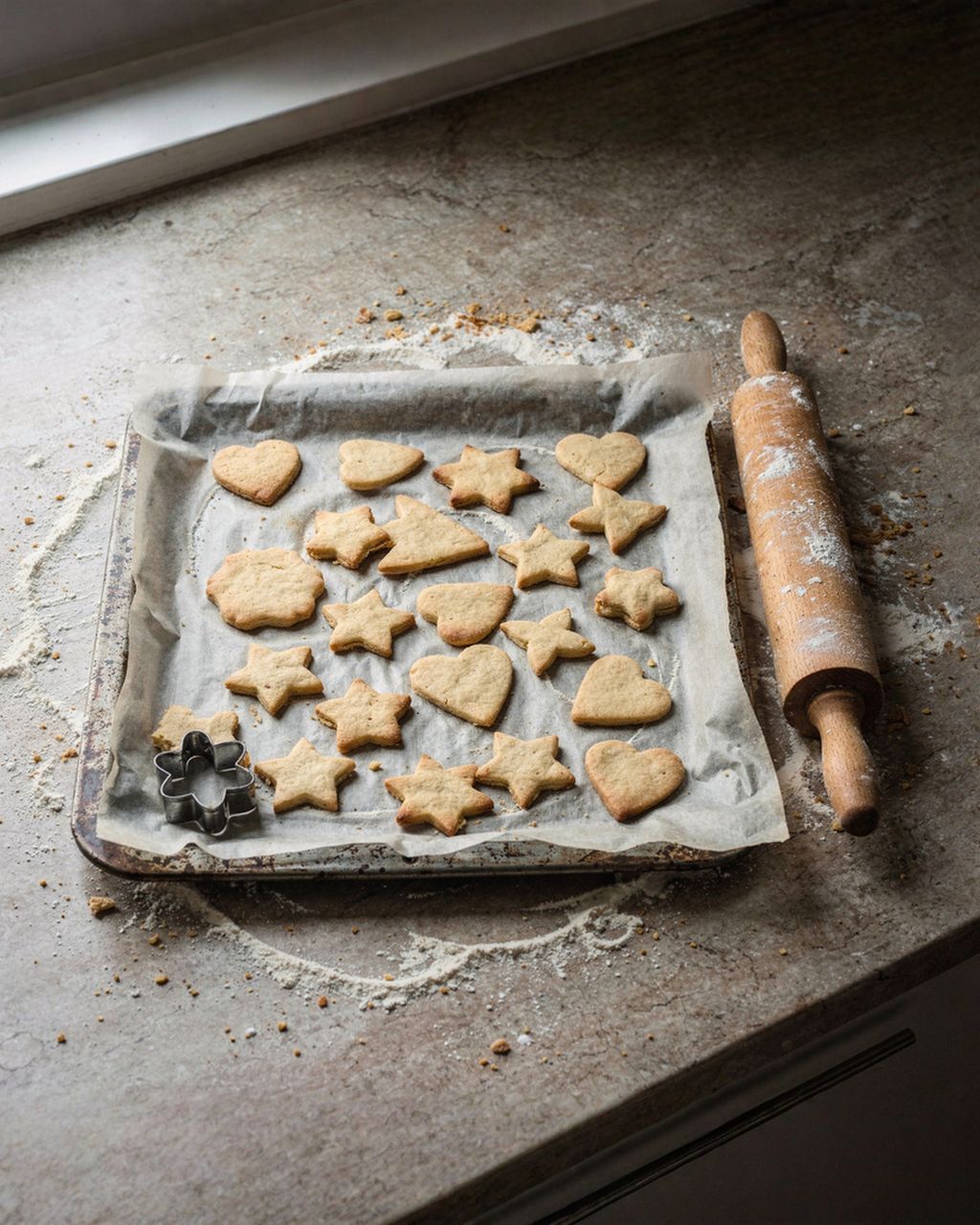
Shape: linzer dough is rolled thin and cut into small shapes; shortbread is pressed thick into a round or a tin.
Starch: shortbread often adds rice flour or cornstarch; linzer dough rarely does.
The chemistry is the same, so the fixes overlap. Our guide to the 3:2:1 linzer ratio explains why it works, and crumbly linzer cookie dough and tough linzer cookies cover the same problems from the Czech side.
The dough is crumbly because there is too much flour for the butter or the butter is too cold to bind it. Keep kneading briefly with warm hands, or press it together in the tin; if it still will not hold, work in a teaspoon or two of soft butter.
Traditional Scottish shortbread uses 1 part sugar, 2 parts butter and 3 parts flour by weight, for example 100 g sugar, 200 g butter and 300 g flour. Many recipes replace some of the flour with rice flour or cornstarch for a sandier texture.
Hard shortbread is usually overworked, made with too much flour, or baked too hot and too long. Mix only until the dough holds, weigh the flour, and bake it low until pale golden.
Shortbread is very fragile while it is warm, and it crumbles if you cut or lift it too soon. Score it while hot, then let it cool in the tin before breaking or cutting it along the lines.
Either works: both replace part of the wheat flour with starch that has no gluten, though the shortbread still contains wheat flour and gluten. Rice flour gives a sandier, crisper bite, and cornstarch a softer, smoother one.
One recipe worth heating the oven for, one tip, and one deal from the shop. Nothing else.