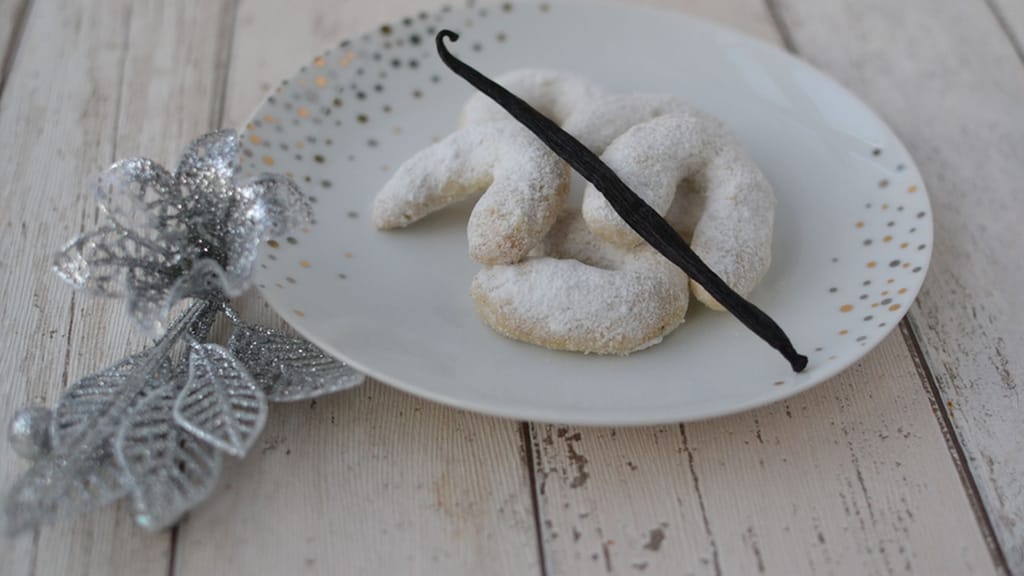
The best christmas cookies? vanilla crescents, of course!
Fan Oven or Conventional: Which Setting to Use When Baking
Updated Oct 6, 2026
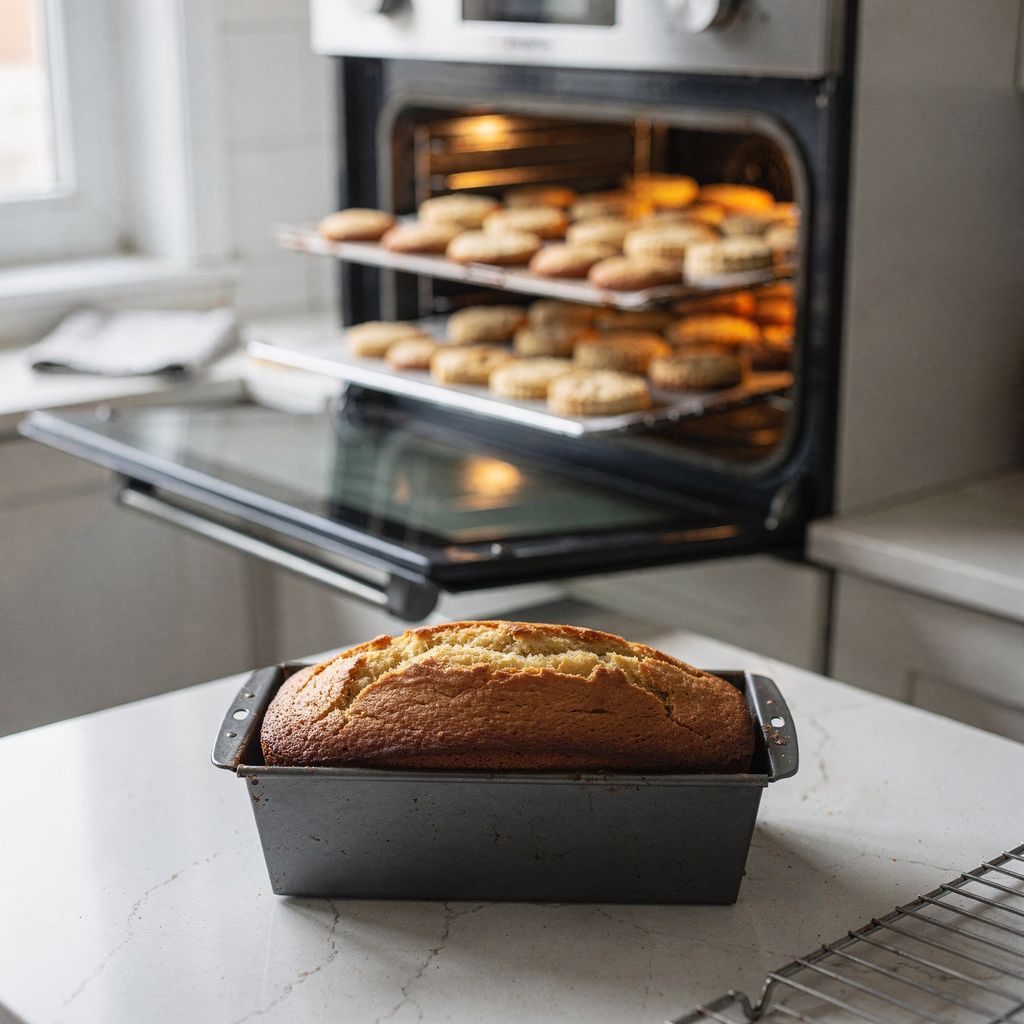
Fan oven or conventional heat – which should you use? The short version: **use conventional (top and bottom) heat for anything that needs to rise or gently set in the oven** – Bundt cakes, sponges, cakes, cheesecakes, soufflés. **Use the fan for anything that should brown, crisp up, or bake on several trays at once** – cookies, roasted vegetables, potatoes, poultry. And whenever you switch from conventional to fan, drop the temperature by **20°C (about 35°F)**. Read on for why that is, and what most commonly goes wrong when the fan is running.
Conventional heat comes from elements at the top and bottom while the air inside the oven stays still; fan ovens add a fan (usually with a ring-shaped element on the back wall) that keeps the hot air constantly circulating.
That one difference explains everything else:
Moving air transfers heat faster. There's no still layer of cooler air hugging the food, so 350°F on fan "bakes harder" than 350°F conventional.
The surface dries out and browns faster. The fan carries moisture away, so a crust forms sooner – great for crispness, bad for batter that still needs to rise.
Heat is more even throughout the oven. That's why you can bake on two or three shelves at once.
Conventional heat is stronger from above and below, leaving a calm, gentle zone in the middle of the oven. That's why you bake on a single tray, ideally on the middle shelf.
When switching from conventional to fan, drop the temperature by 20°C (about 35°F) and start checking 5–10 minutes early. So a recipe written for 180°C conventional becomes 160°C on fan.
200°C conventional → 180°C fan
180°C conventional → 160°C fan
170°C conventional → 150°C fan
160°C conventional → 140°C fan
A few things to watch out for:
Only adjust one variable. Either lower the temperature by 20°C, or keep the temperature and shorten the time by roughly a quarter – not both. Lowering the temperature is the safer bet for baking, since it bakes through more evenly.
Newer, smaller ovens are often gentler. Sometimes 10–15°C less is enough. If things keep coming out pale on fan, dial back the drop next time.
The reverse works too. A recipe written for fan (160°C) becomes 180°C on conventional.
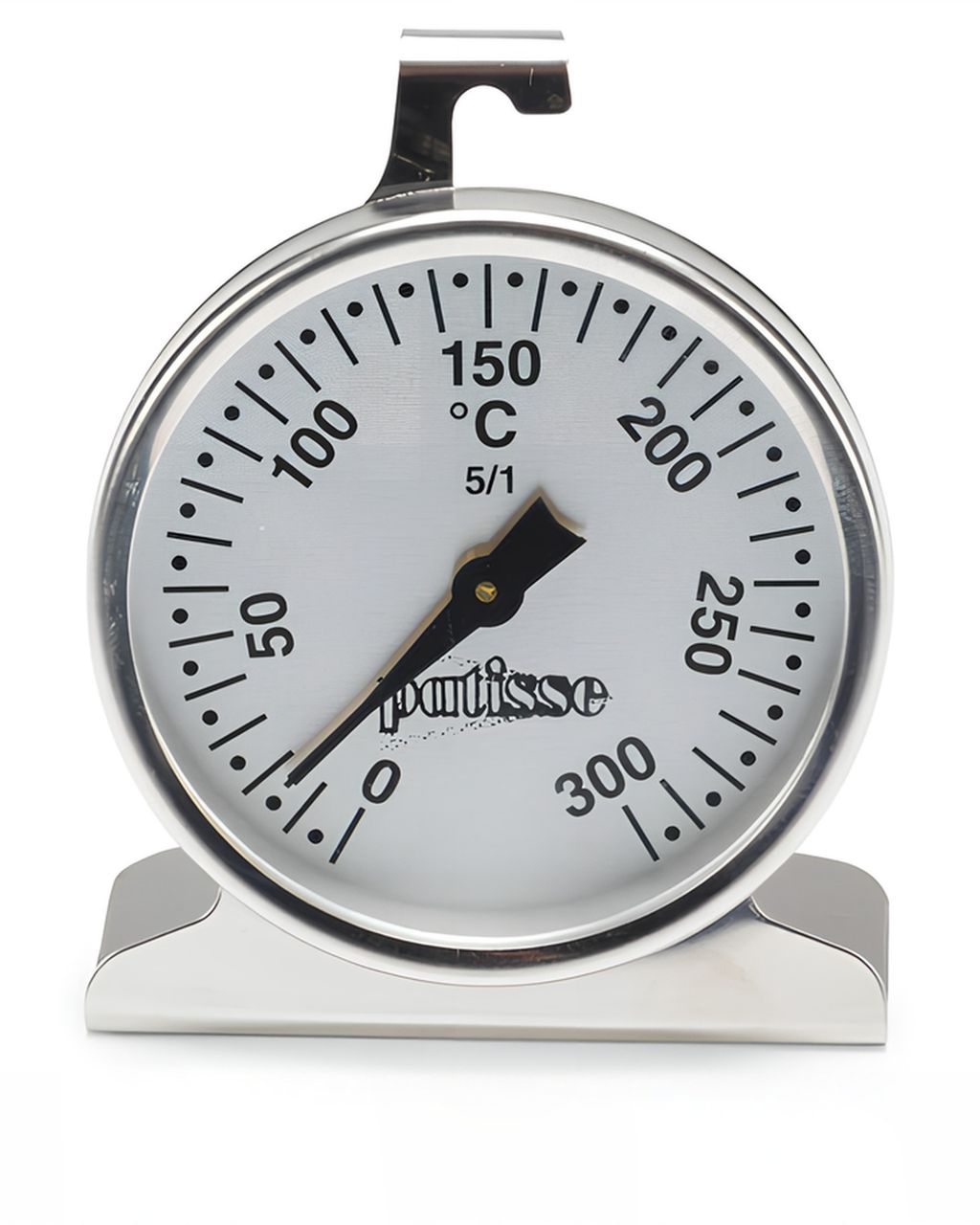
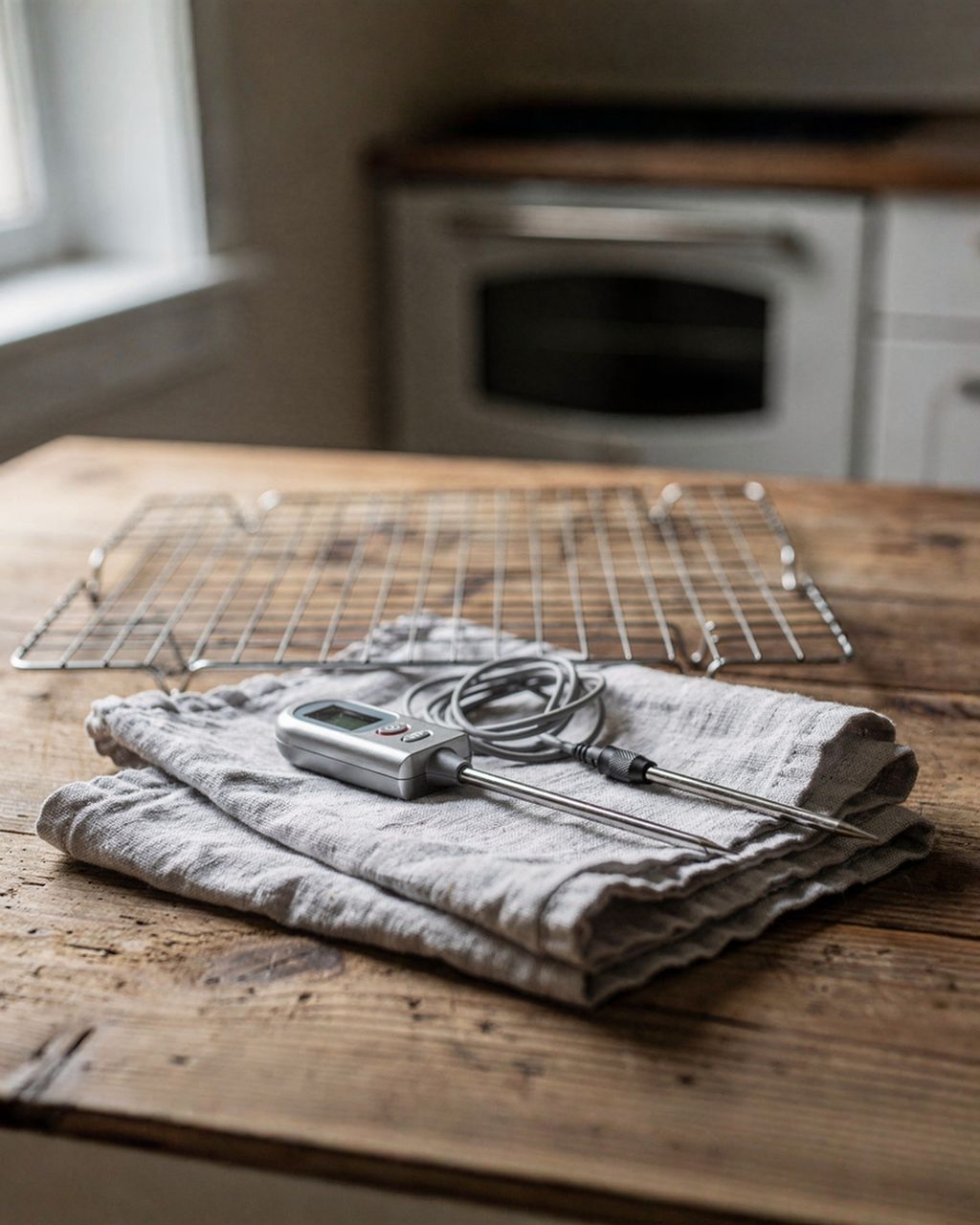
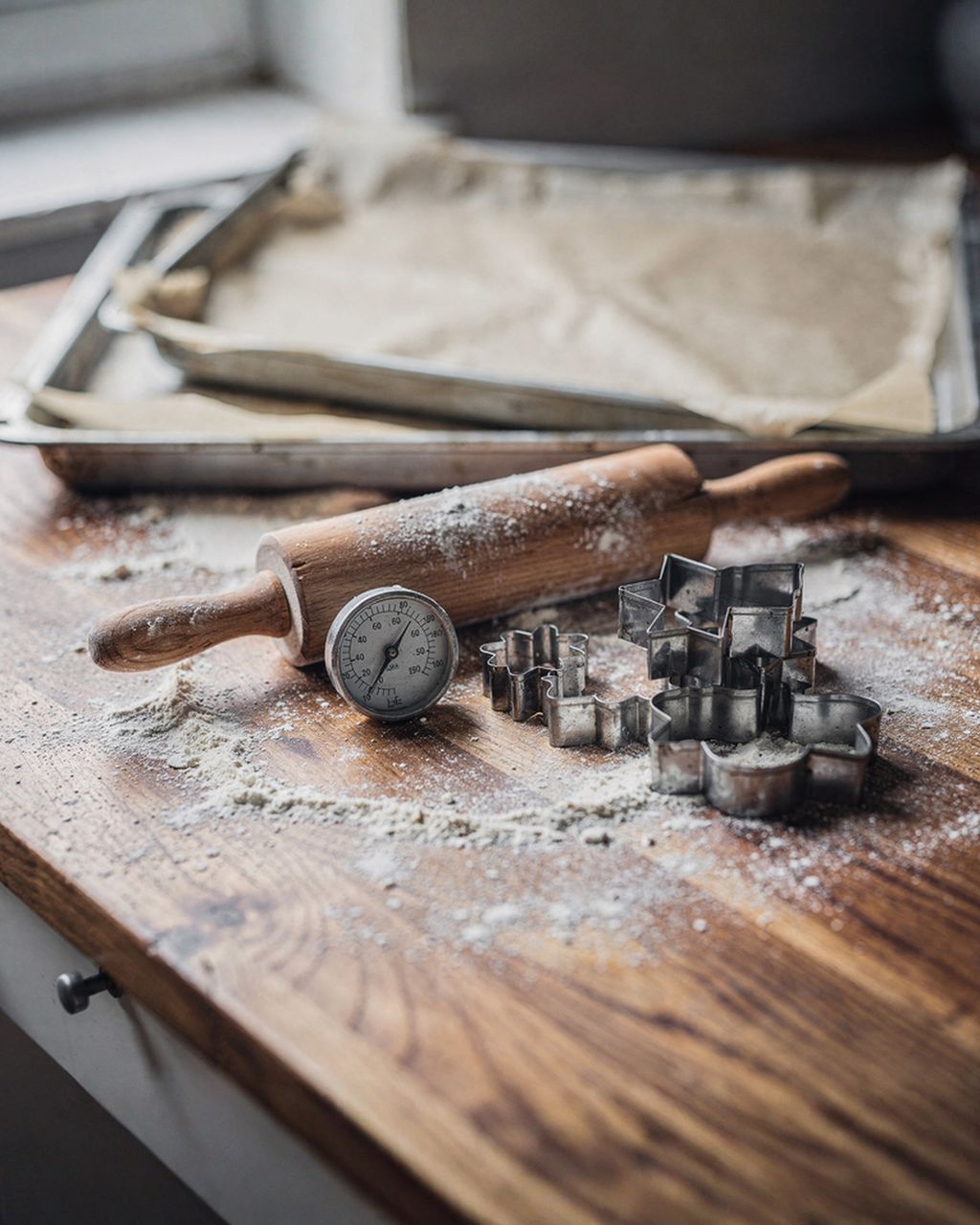
Oven displays are often off by 10–20°C. A cheap oven thermometer will tell you, after one bake, how your oven really behaves – and then the −20°C rule actually makes sense.
Switch on the fan when you want a crisp, golden surface, or when you're baking on more than one tray at a time. Typically for:
Cookies on 2–3 trays at once – think vanilla crescent cookies or crisp almond biscuits. On conventional heat, the top and bottom trays would bake unevenly.
Roasted vegetables and potatoes – the fan carries steam away, so vegetables roast instead of stewing. It's the ideal setting for a roasted vegetable and feta salad or baked potatoes with whipped herb curd cheese.
Poultry and skin-on meat – the skin dries out and turns evenly crisp all over.
Puff pastry and savory bakes – fast heat helps the layers separate and brown.
Dehydrating – fruit, herbs or meringues at 80–100°C, where the main job is removing moisture.
Tip: fan heat reaches every corner, but it still tends to run a touch hotter near the back wall where the fan sits. For longer bakes, rotate the trays and swap shelves halfway through.
The best christmas cookies? vanilla crescents, of course!
Vanilla crescent cookies – a Christmas classic you can bake on several trays at once with the fan on
Use conventional heat for anything that rises or sets during baking and needs calm, gentle heat. Typically for:
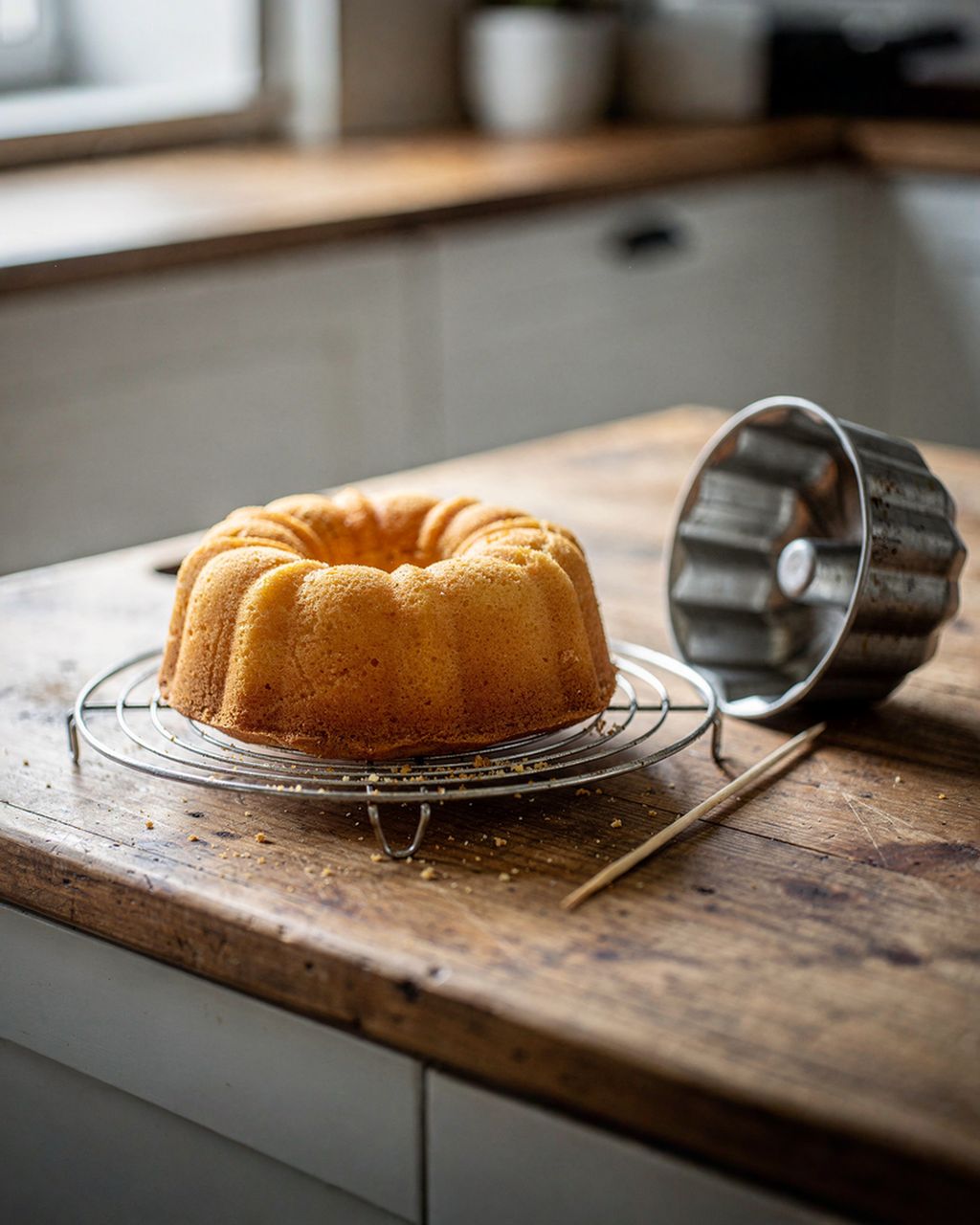
Bundt cakes, pound cakes, and other batters – conventional heat lets the batter rise before a crust sets. Bake the classic curd cheese Bundt cake "Dvěstěpadesátka" this way; for exact temperatures and times, see Bundt cake: what temperature and how long to bake it.
Sponge cakes and cake layers – a flat, crack-free top.
Cheesecakes, baked custards, flan – slow, gentle setting with no cracking.
Yeasted doughs – festive braided breads, kuchen, buchty. For example a classic yeasted plum sheet cake with crumble or yeasted blueberry buns with curd cheese.
Bread, in the first stage of baking, while it still needs to rise.
Old family recipes – if a recipe doesn't specify a setting, it's almost always written for conventional heat.
Bake on a single tray on the middle shelf – that's where heat from both elements is most balanced.
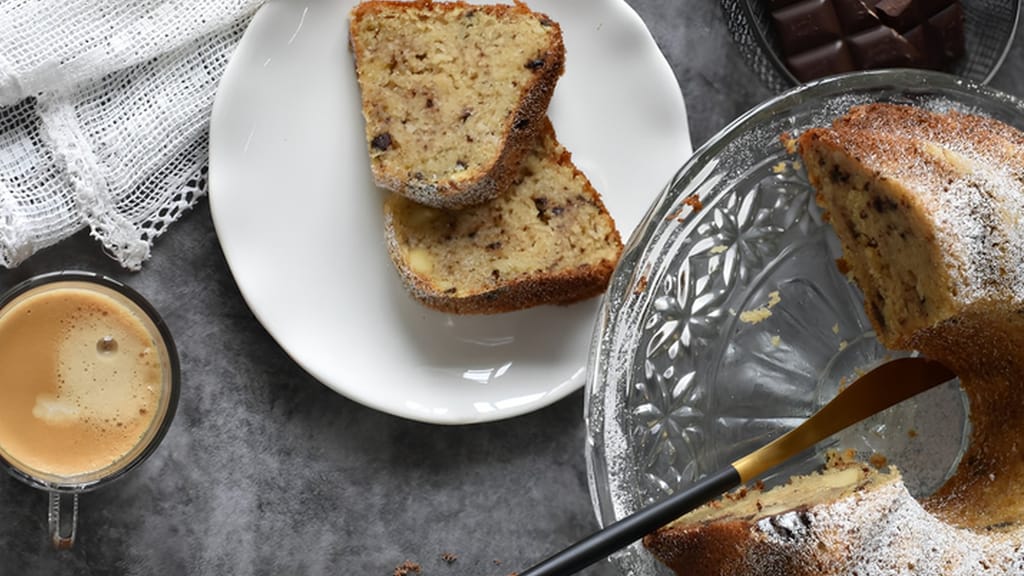
Grandma's two-fifty cottage cheese bundt cake
Dvěstěpadesátka – a curd cheese Bundt cake to bake with conventional (top and bottom) heat
Bundt cakes, sponges, cheesecakes, soufflés and choux pastry fail most often on fan – basically anything that needs to rise or gently set in the oven. The cause is always the same: the fan dries and firms up the surface before the center is done.
Bundt cakes and batters – the crust sets too soon while the batter underneath keeps rising and bursts through it. The result: a big crack, a "volcano" on top, dry edges, and often an undercooked center. If you must use fan for this, go straight to 150–160°C.
Sponge cakes and cake layers – they dome up in the middle, crack, and the edges turn tough. You then end up slicing off the dome before assembling the cake.
Cheesecake – the moving air dries out the surface, the edges overcook and shrink, and the middle cracks. Use conventional heat instead, at a lower temperature (around 150–160°C), and let it finish setting in the switched-off oven with the door ajar – that applies to Halloween cheesecake too.
Soufflé – it's essentially warmed-up foam, and uneven airflow can tip it over or knock it down. That's why fluffy strawberry and rhubarb soufflé should be baked on conventional heat.
Choux pastry (eclairs, cream puffs) – the surface sets before the steam inside has a chance to puff up the dough. The pastries stay low and end up soggy inside.
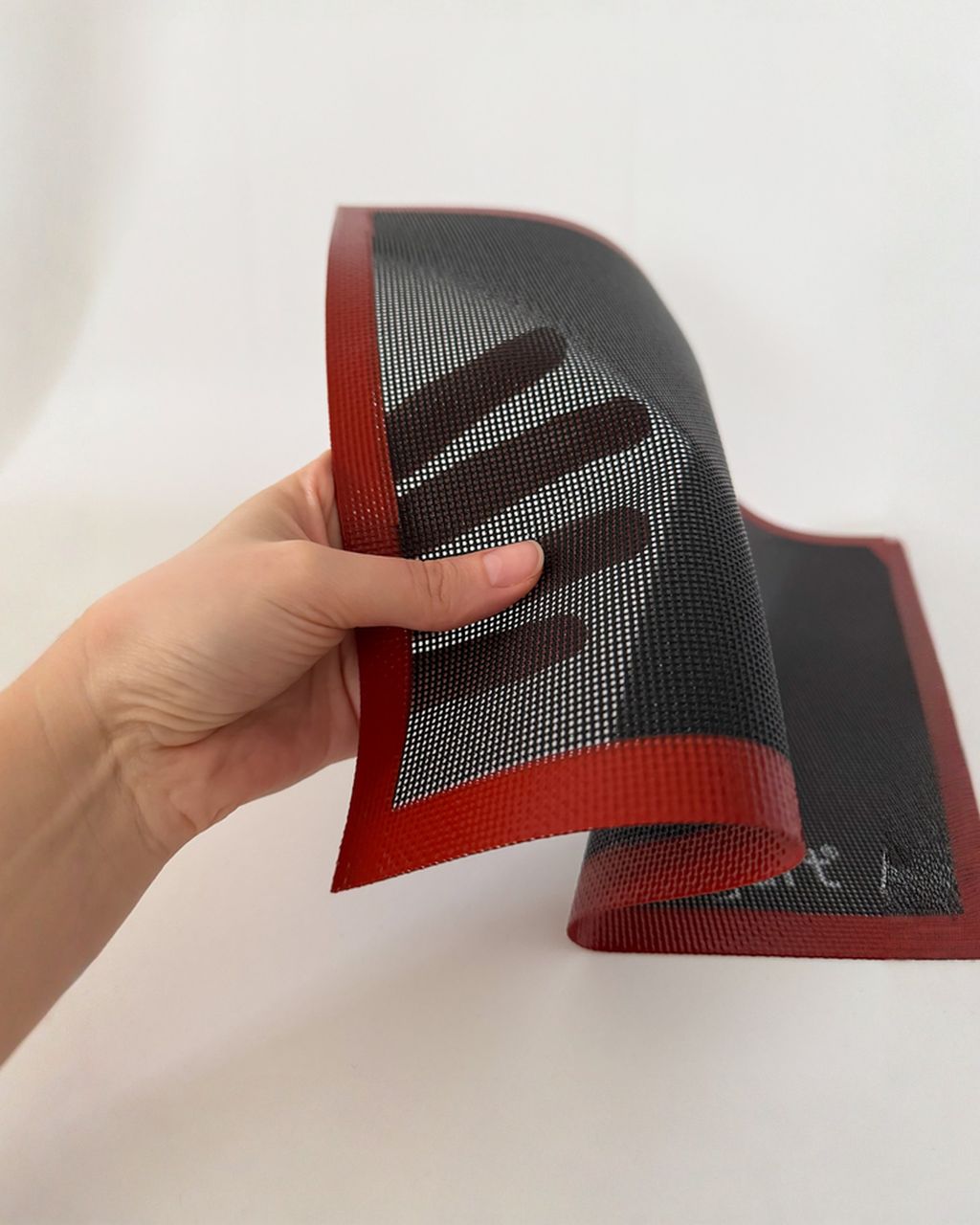
Lightweight parchment paper and delicate toppings – the fan can lift loose parchment and fold it over the batter. Weigh it down with batter right to the edges, or use a silicone mat. The airflow will also blow light toppings like powdered sugar or oats right off – add powdered sugar after baking, and press oats gently into the dough before it goes in.
If your Bundt cake sank or cracked, the fan is one of the first things to check – more on that in Why did my Bundt cake sink in the middle.
Start bread on conventional heat, bake pizza at the highest temperature with bottom heat, and use the fan for meat with skin on.
Bread – the first 15–20 minutes on conventional heat (ideally with steam), so the crust stays flexible and the loaf can still rise. For the final browning, you can switch to fan and drop the temperature by 20°C. That's how it works for homemade bread, for instance.
Pizza – needs strong heat from below: 250°C and up, bottom heat or a combination of fan and bottom heat (if your oven has it), with the tray or stone preheated along with the oven. Try it out with this perfect homemade pizza.
Large cuts of meat – fan at the start for a good crust, then a lower temperature is fine. If you're braising under a lid, you don't need the fan anyway – air doesn't circulate under a lid regardless.
If a recipe doesn't mention a setting, assume it means conventional heat. Older recipes and most international recipes give temperatures for conventional.
"Fan", "fan-assisted", "with fan", "convection" in a recipe = the temperature is already adjusted, so don't recalculate.
Two temperatures, e.g. "350°F / 325°F fan" = pick the one that matches the setting you're using.
British recipes often list "180°C (160°C fan)" – the second figure is for the fan setting.
American recipes give °F for conventional: 350°F ≈ 175–180°C conventional ≈ 160°C fan.
If you're baking from a cup-measure recipe, converting the temperature is only half the job – the other half is converting cups to grams.
Yes, a fan oven still needs preheating, though it usually takes a few minutes less than conventional heat – roughly 5–10 minutes depending on the oven. For vegetables and meat, you can put the tray in even before it's fully heated; but for batters that need to rise in the oven (Bundt cakes, sponges, yeasted doughs), don't – a cold start would change their texture and baking time.
You can bake two cakes at once on fan, but the result is usually not as good as baking them one at a time on conventional heat. Place the tins on two shelves, offset from each other, drop the temperature by 20°C compared to conventional, and swap them halfway through baking. If you have the time, it's better to bake them one after another on conventional heat on the middle shelf.
Yes, convection, 3D heat, turbo, or 'fan-assisted' are just different manufacturer names for the same setting: a fan with a ring-shaped heating element on the back wall (usually shown as a fan symbol in a circle on the oven dial). Watch out for a 'top and bottom heat with fan' setting (fan icon between a dash above and below) – that heats differently, and a recipe calling for a standard fan setting doesn't mean this one.
A fan oven usually uses less energy than conventional heat, since you bake at roughly 20°C lower, often for less time, and can fit more trays in at once. The saving on a single bake is small, though; the choice of setting should come down to the result, not the energy use.
Bake muffins on conventional heat if you want a tall, domed top; only switch to fan if you're baking two trays at once. On fan, drop the temperature by 20°C – otherwise the top sets too soon and the muffins stay flat or crack.
One recipe worth heating the oven for, one tip, and one deal from the shop. Nothing else.