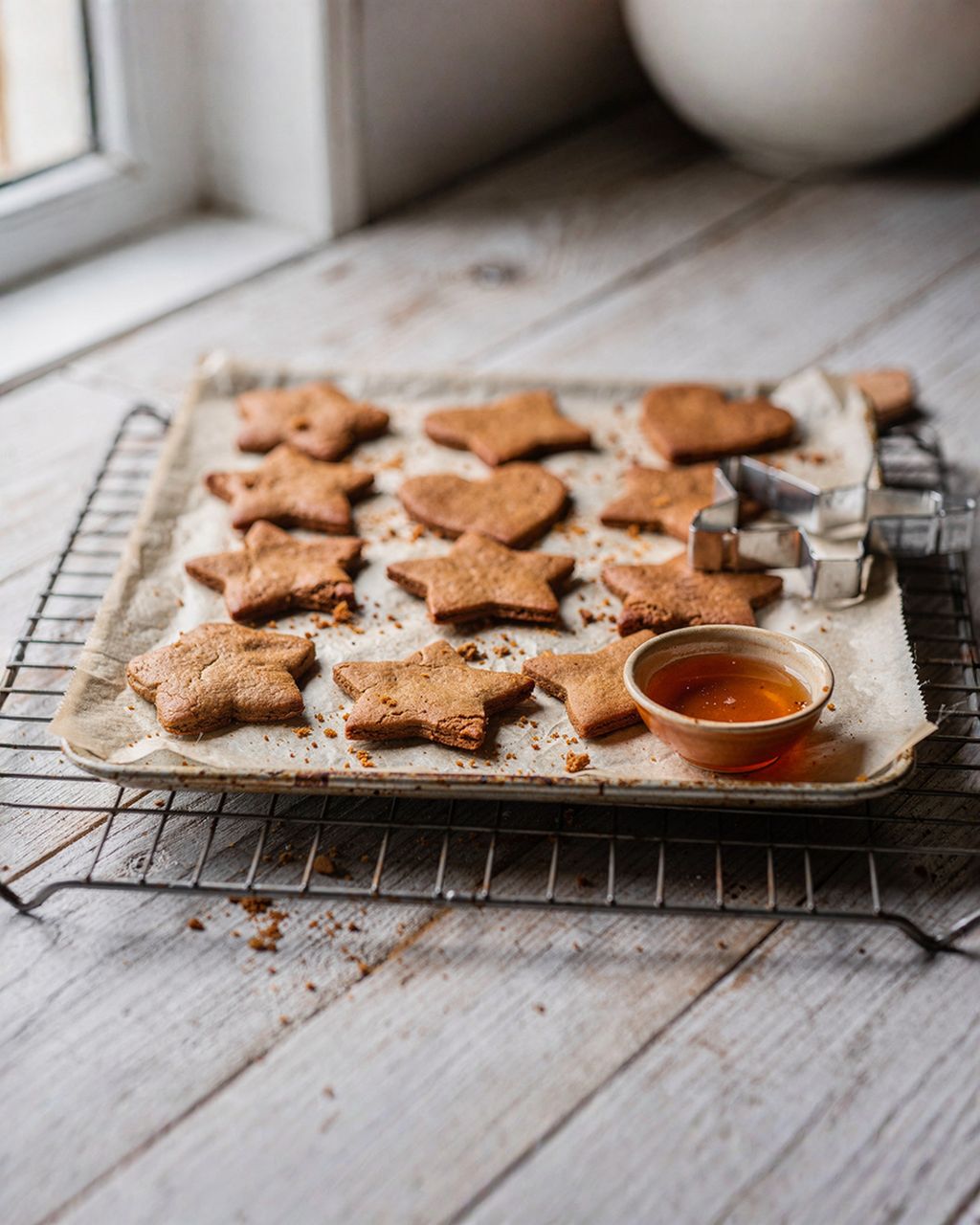
Soft gingerbread cookies
What Temperature to Bake Gingerbread Cookies: Oven Temp and Baking Time by Thickness
Updated Nov 2, 2026
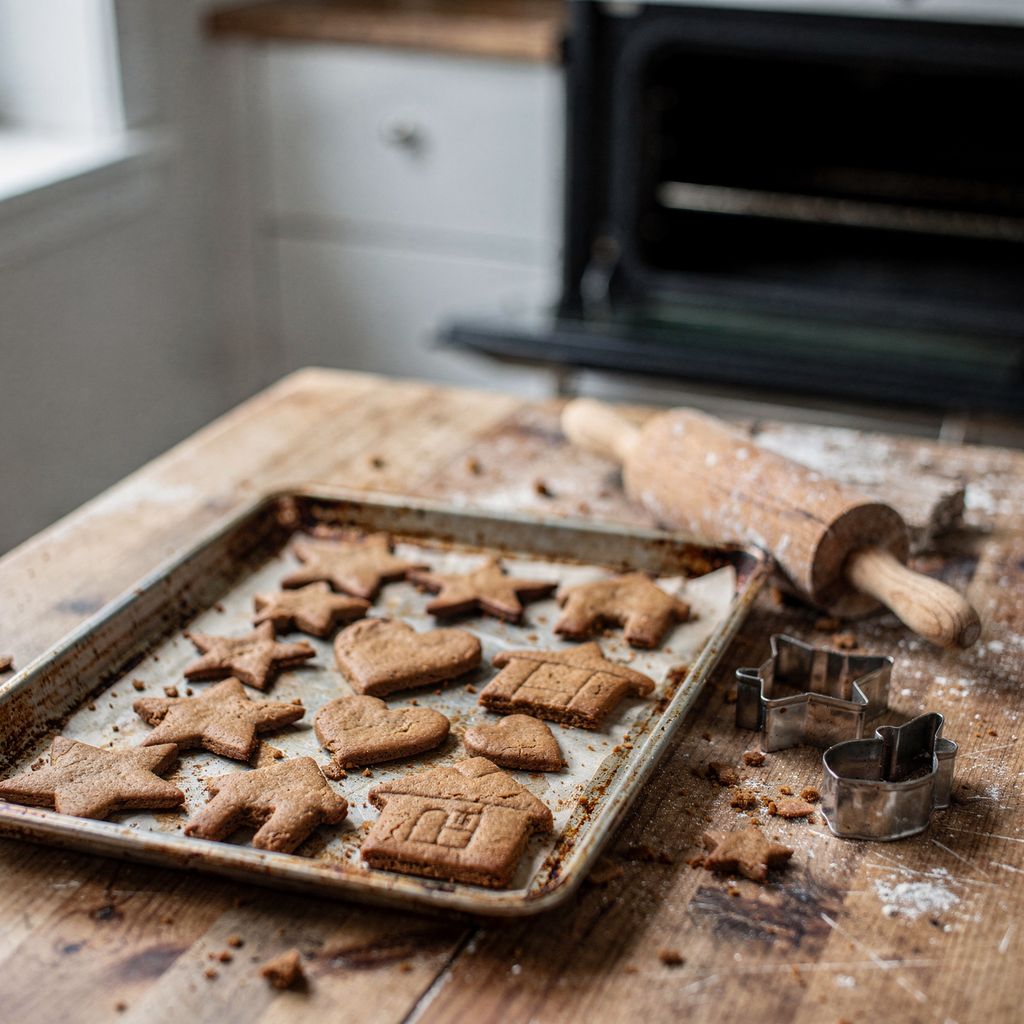
What temperature should you bake gingerbread cookies at? Bake them at 320–340 °F (160–170 °C) with top and bottom heat (thin and classic cookies at 170 °C, thick cookies and large pieces at 160–165 °C), or at 150–160 °C in a fan oven, for roughly 6–12 minutes depending on thickness. Large pieces such as gingerbread house walls can take up to 15 minutes. A higher temperature won't help: honey dough browns before it bakes through, and every extra minute turns a soft cookie into a tooth-breaker. Below you'll find baking times by thickness, a step-by-step method, why honey is so sensitive to heat, and how to tell when it's time to pull the tray out.
Bake gingerbread cookies in a preheated oven at 160–170 °C (320–340 °F) with top and bottom heat for 6–15 minutes, depending on thickness – thin and classic cookies at 170 °C, thick cookies and large pieces at 160–165 °C. The baking time depends mainly on how thick you roll the dough:
3 mm (thin cookies for decorating and for the Christmas tree): 170 °C, 6–8 minutes
4–5 mm (classic cut-out cookies): 170 °C, 8–10 minutes
6–8 mm (thick, soft cookies): 160–165 °C, 10–12 minutes
large pieces (gingerbread house walls, big hearts): 160 °C, 12–15 minutes
In a fan oven, subtract 10–20 °C, so bake at 150–160 °C, and check a minute earlier – circulating air bakes faster and dries the cookies out more.
Treat these numbers as a starting point, not a rule. Your oven, your dough and your baking sheet can shift things by a few minutes, so always keep a close eye on the first tray.
Gingerbread can't handle more than 170 °C because the honey in the dough browns much sooner than ordinary sugar. Honey contains a lot of fructose (around 38%), and according to food chemistry, fructose caramelizes at around 110 °C, whereas beet sugar (sucrose) does so at around 160 °C. Dark honey dough therefore colors quickly in the oven, and in a hot oven the edges burn before the center has time to bake through.
Two more things come into play:
Spices turn bitter. Cinnamon, cloves and star anise lose their aroma when overbaked and leave behind a bitter, dusty aftertaste.
Baking soda needs time. Baking soda (or baking powder) reacts with the acidic honey and with heat to release carbon dioxide. At a moderate temperature the cookie rises evenly and stays light; in an overheated oven the surface sets before the gas can spread, and the cookie cracks or puffs up unevenly. Why baking soda in particular goes into gingerbread is explained in the article Baking Soda in Gingerbread: Why Not Baking Powder.
For a general look at why Christmas cookies are baked low and slow, see the article Why Christmas Cookies Are Baked at a Lower Temperature.
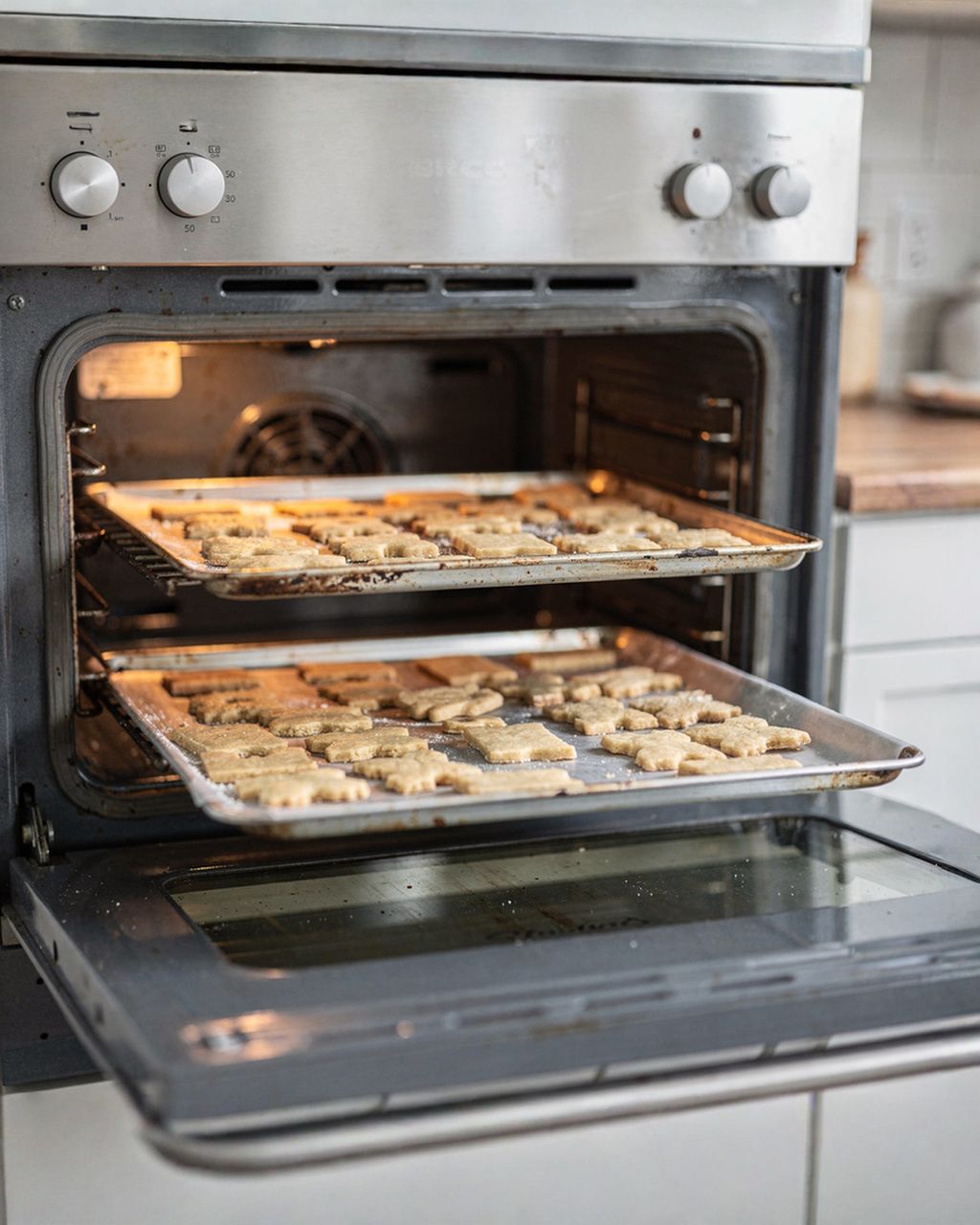
For gingerbread cookies, top and bottom heat at 170 °C with the tray in the middle of the oven is more reliable; a fan oven at 150–160 °C is only worth it when baking two trays at once. The heat comes evenly from above and below, and the cookies stay softer.
With a fan oven, keep in mind that:
it dries the cookies out more, so take them out a bit earlier,
it's usually hotter near the back wall with the fan – rotate the tray by 180° halfway through,
thin 3 mm cookies can overbake in it with just one extra minute.
If your oven has a fan setting with bottom heat (a pizza program), don't use it for gingerbread – the bottoms darken before the tops.
Baking gingerbread cookies takes seven steps: let the dough soften, preheat the oven, roll to an even thickness, cut out onto parchment, bake one tray, pull them out on time, and let them finish on a rack.
Let the dough soften. Honey dough straight from the fridge is rock hard. Leave it at room temperature until you can roll it without cracking – usually 30–60 minutes.
Preheat the oven for at least 15 minutes to 170 °C, top and bottom heat, with the rack on the middle level. In an oven that isn't fully heated, the cookies spread and dry out.
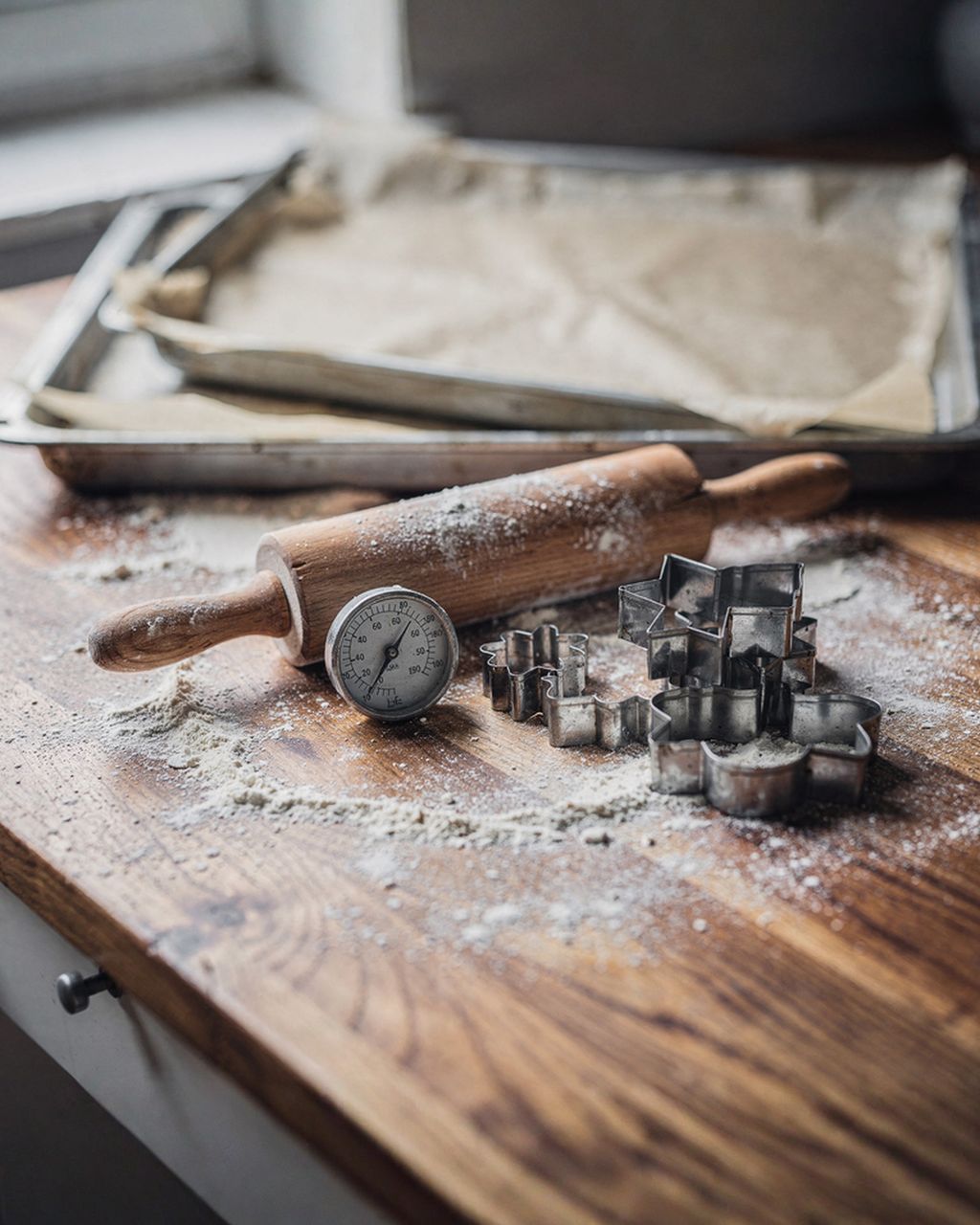
Roll to an even thickness. Roll between two guide strips and dust with as little flour as possible – every extra spoonful of flour dries the cookies out.
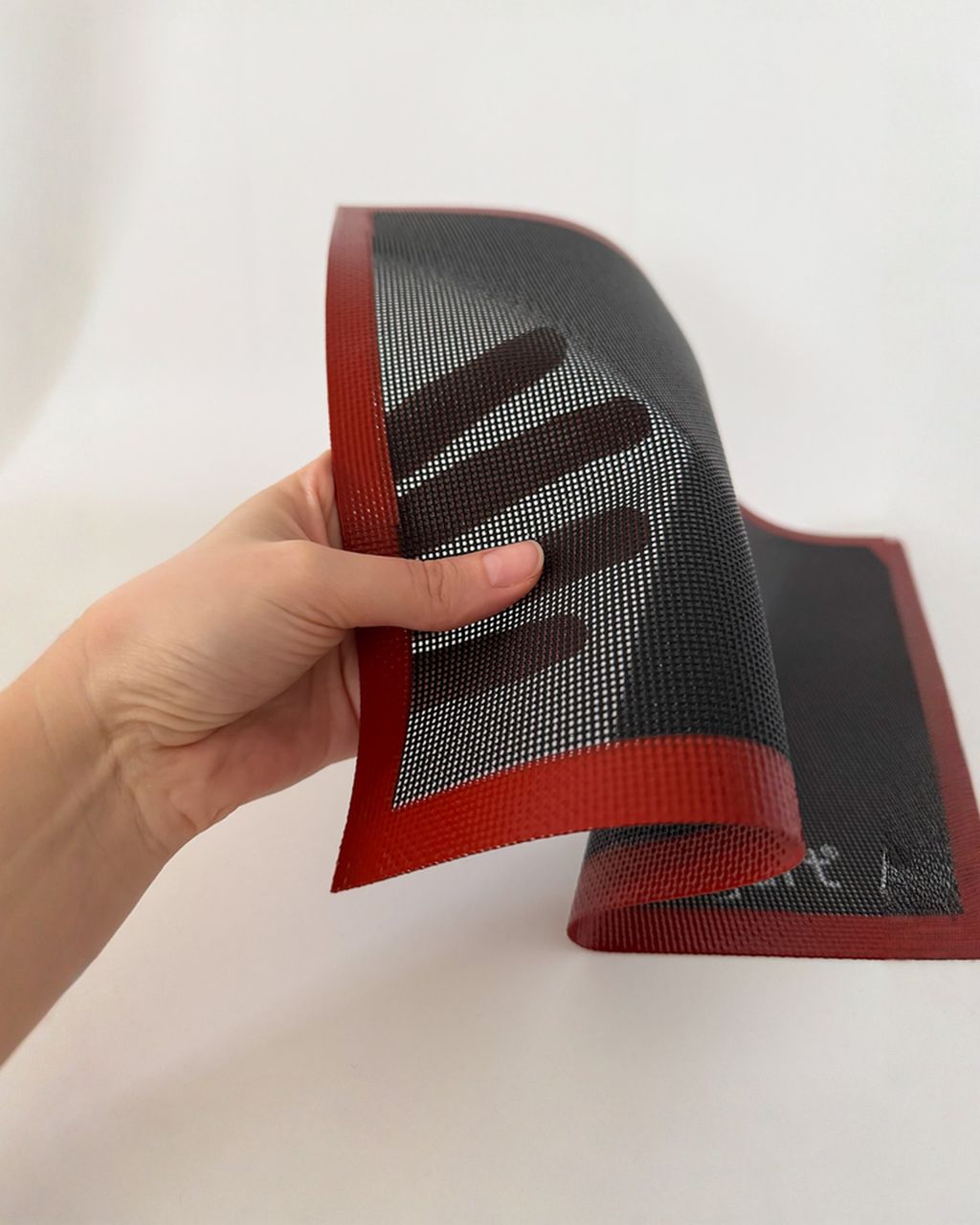
Cut straight onto parchment paper or a silicone mat, 1–2 cm (about ½–¾ inch) apart, since the cookies puff up slightly. Which works better for gingerbread, parchment or a mat, is compared in the article Parchment Paper, Silicone Mat or Greased Baking Sheet; you'll also find mats and other baking tools in our shop.
Bake one tray at a time according to the times above, and check the first tray a minute before the end. If you want a shine, brush the cookies before baking – what to use is covered in the article What to Brush on Gingerbread Cookies for a Glossy Finish.
Take them out as soon as the surface turns matte and feels slightly springy, and leave them on the tray for 2–3 minutes.
Move them to a wire rack and, once cooled, either put them straight into a tin, where they'll soften, or get started on decorating gingerbread cookies.
Thickness determines gingerbread baking time more than anything else. A difference of one millimeter means roughly one to two minutes in the oven. If a 3 mm star sits next to a 6 mm heart on one tray, one will be overbaked or the other underbaked – you can't get both right at once.
Roll evenly. Place two strips of equal height (or two wooden spoons) beside the rolling pin and roll along them.
Sort shapes on the tray by size. Put small ones on one tray and large ones on another, and bake each for its own time.
Don't place cookies on a warm tray. The dough starts to spread before it even gets into the oven. More on this in the article Why Gingerbread Cookies Spread While Baking.
Take the cookies out as soon as the surface turns matte and feels slightly springy to the touch – not when they're already hard. On the hot tray they keep baking for a minute or two, and they firm up as they cool.
With dark honey dough, color is hard to judge, so rely more on sheen, springiness and time. All five signs that tell you for sure are covered in the article How to Tell When Gingerbread Cookies Are Done.
After removing them, leave the cookies on the tray for 2–3 minutes, then move them to a wire rack. On the hot tray, the bottoms would keep baking.
If your gingerbread has more honey, or part of the sugar replaced with invert sugar, bake it near the lower end of the range, 160–165 °C, and check the first tray a minute earlier. Both honey and invert sugar syrup consist largely of glucose and fructose, which brown faster in the oven than beet sugar – so the surface darkens before the cookie bakes through.
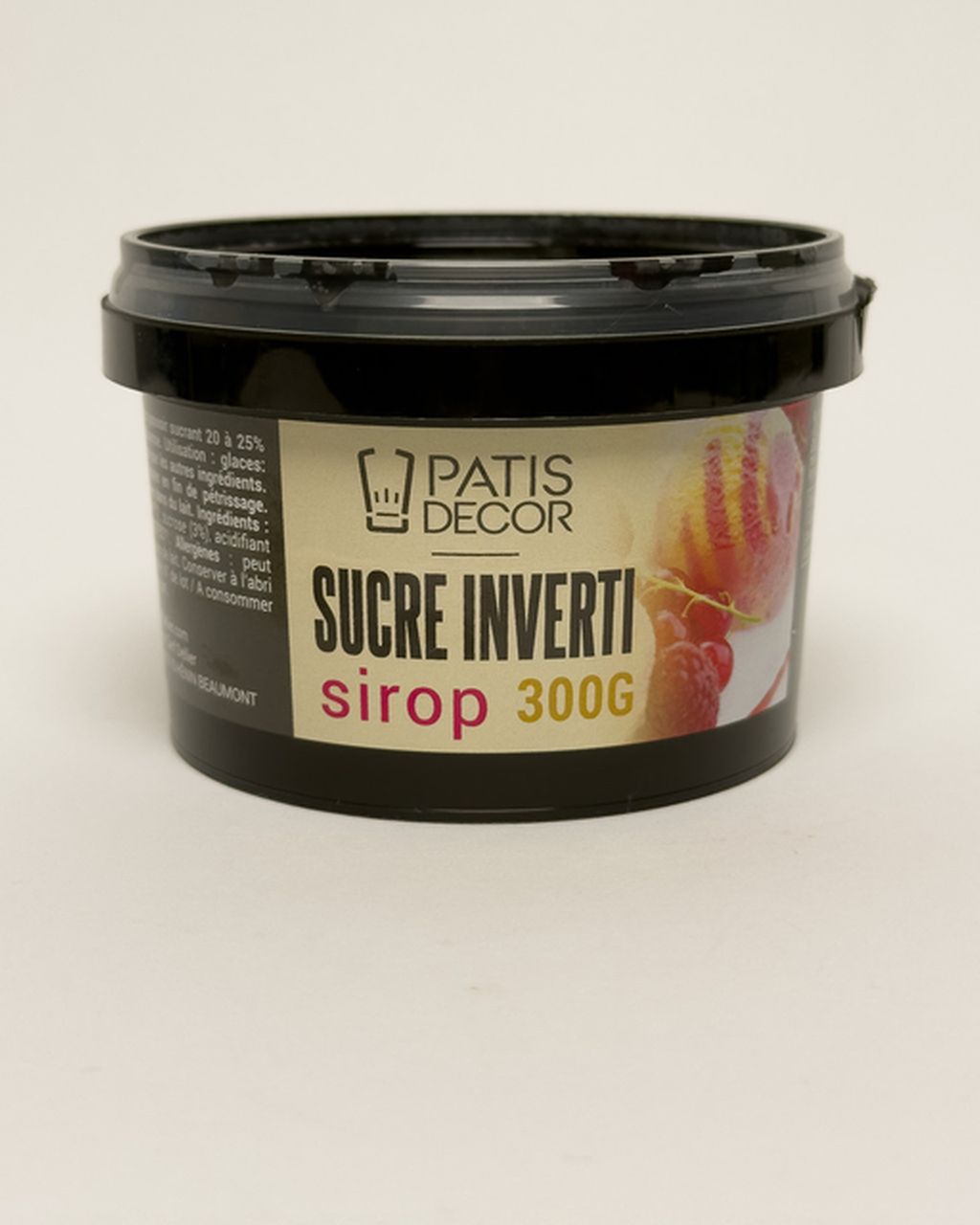
Why it's still worth it: invert sugar binds water, so the cookies don't dry out as much after baking and soften faster in the tin. How much to add to the dough is covered in the article Invert Sugar Instead of Sugar: How Much to Use in Gingerbread, and what it actually is is explained in Invert Sugar: What It Is and Why Pastry Chefs Use It. If you'd like to try it, we carry liquid invert sugar for baking. And which honey to choose for the dough is covered in the article Honey Gingerbread Cookies: Which Honey to Use.
A shorter bake alone won't guarantee soft gingerbread – you need dough with enough honey, rolled to 6–8 mm, baked at the lower end of the time range (better a minute less than a minute more) and rested in a tin, where the cookies take up moisture.
If your gingerbread came out hard, try how to store gingerbread so it softens, and if it keeps turning hard, read through why gingerbread gets hard.
Tried-and-tested recipes for soft gingerbread:
Soft gingerbread cookies
Super-Soft Gingerbread Cookies – A Recipe for Tender Christmas Gingerbread
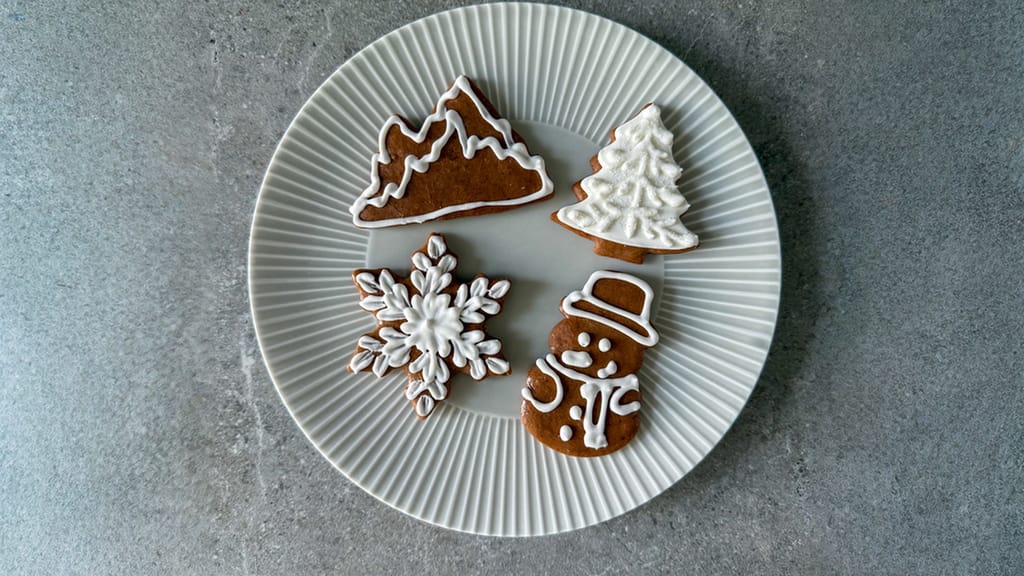
Soft honey gingerbread cookies that never go hard
Soft Honey Gingerbread Cookies That Don't Go Hard
Bake large pieces, such as gingerbread house walls, at 160 °C for 12–15 minutes, until they're matte even in the middle; tree ornaments rolled to 5–6 mm will take 8–12 minutes, depending on thickness and your oven. A large surface needs more time for the center to bake through, and a lower temperature so the edges don't burn in the meantime.
House pieces: bake each one separately, or only pieces of the same size together. Lay the template on right after taking them out and trim the edges while the gingerbread is still warm and soft – once it cools, it would break. The whole process from template to assembly is in the article Gingerbread House Step by Step.
Hanging ornaments need a hole poked before baking and again right after taking them out. Why you should let them dry for a day or two before decorating is covered in the article Gingerbread Cookies for the Christmas Tree.
Five mistakes most often ruin gingerbread: too high a temperature, an oven that isn't preheated, baking until hard, different thicknesses on one tray, and an egg wash without shortening the time. Each has a simple fix:
Too high a temperature. 180–200 °C gives dark edges and a dry cookie. Stick to 170 °C.
An oven that isn't preheated. In a slowly heating oven, the cookies spread and dry out. Preheat the oven for at least 15 minutes.
Baking until hard. A cookie that is hard already in the oven will be rock hard once cooled.
Different thicknesses on one tray. See above – some burn, others stay underbaked.
Egg wash without adjusting the time. Egg browns faster on the surface, so check cookies brushed before baking a minute earlier.
Gingerbread is baked first of all the Christmas cookies, easily 3–4 weeks before Christmas, because it needs time to rest and soften. When to start the other kinds is shown in the Christmas cookie baking calendar.
Both the dough and the finished gingerbread can be frozen – you'll find the method in the article how to freeze cookies and dough. How long gingerbread keeps compared with other cookies is in the overview of cookie shelf life by type, and temperatures for linzer cookies, vanilla crescents or pracny are in the overview What Temperature to Bake Christmas Cookies.
Parchment paper or a silicone mat is the most reliable choice for gingerbread cookies: they won't stick, and the bottoms won't darken as quickly. Parchment separates the dough from the hot metal, so on a bare greased sheet check the cookies a minute earlier.
Yes, honey gingerbread dough should rest for at least a few hours, ideally overnight in the fridge. The honey and spices meld, the dough rolls out more easily, and it spreads less in the oven. Before rolling, let it soften at room temperature, usually for 30–60 minutes.
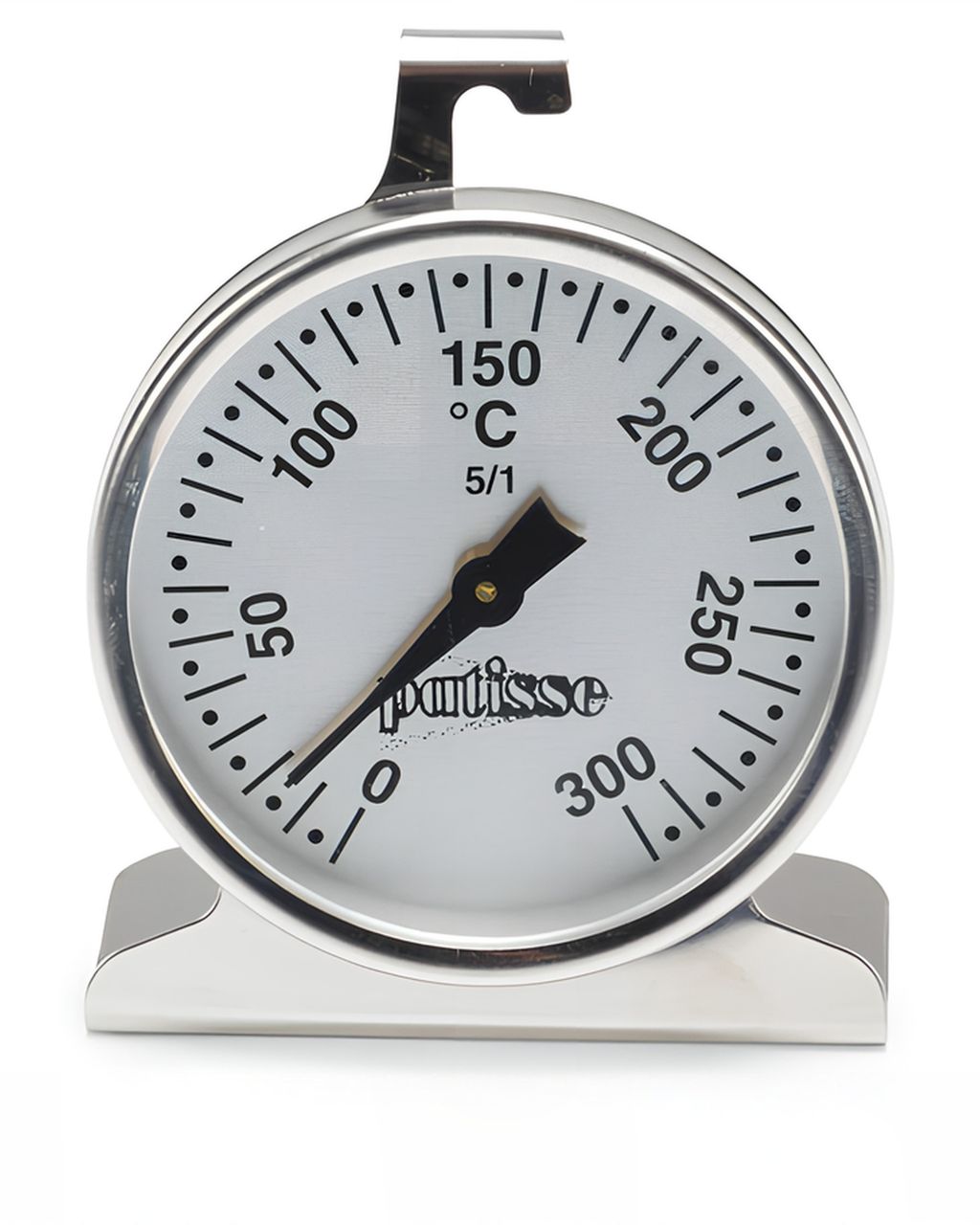
In a gas oven, bake gingerbread cookies at the setting that corresponds to 160–170 °C. Gas mark scales vary by manufacturer, so check your oven's manual for the right setting, or verify it once with an oven thermometer hung from the rack. Gas ovens often have stronger bottom heat, so place the tray one rack higher.
Flat gingerbread cookies are most often caused by old baking soda or baking powder, or by a temperature that's too low for the leavening to kick in. Replace an opened box of baking soda after a few months, and always preheat the oven to a full 170 °C.
Yes. On a dark sheet, gingerbread cookies bake faster and the bottoms darken sooner, because dark metal absorbs more heat than light-colored or aluminum metal. On a dark sheet, check a minute earlier or lower the temperature by 10 °C, and bake on parchment paper.
Yes, you can bake two trays of gingerbread cookies at once in a fan oven at 150–160 °C. Just swap the trays between racks halfway through and rotate them by 180°. Allow a minute or two extra. How to rotate the trays is covered in the article How Many Trays of Cookies to Bake at Once.
One recipe worth heating the oven for, one tip, and one deal from the shop. Nothing else.