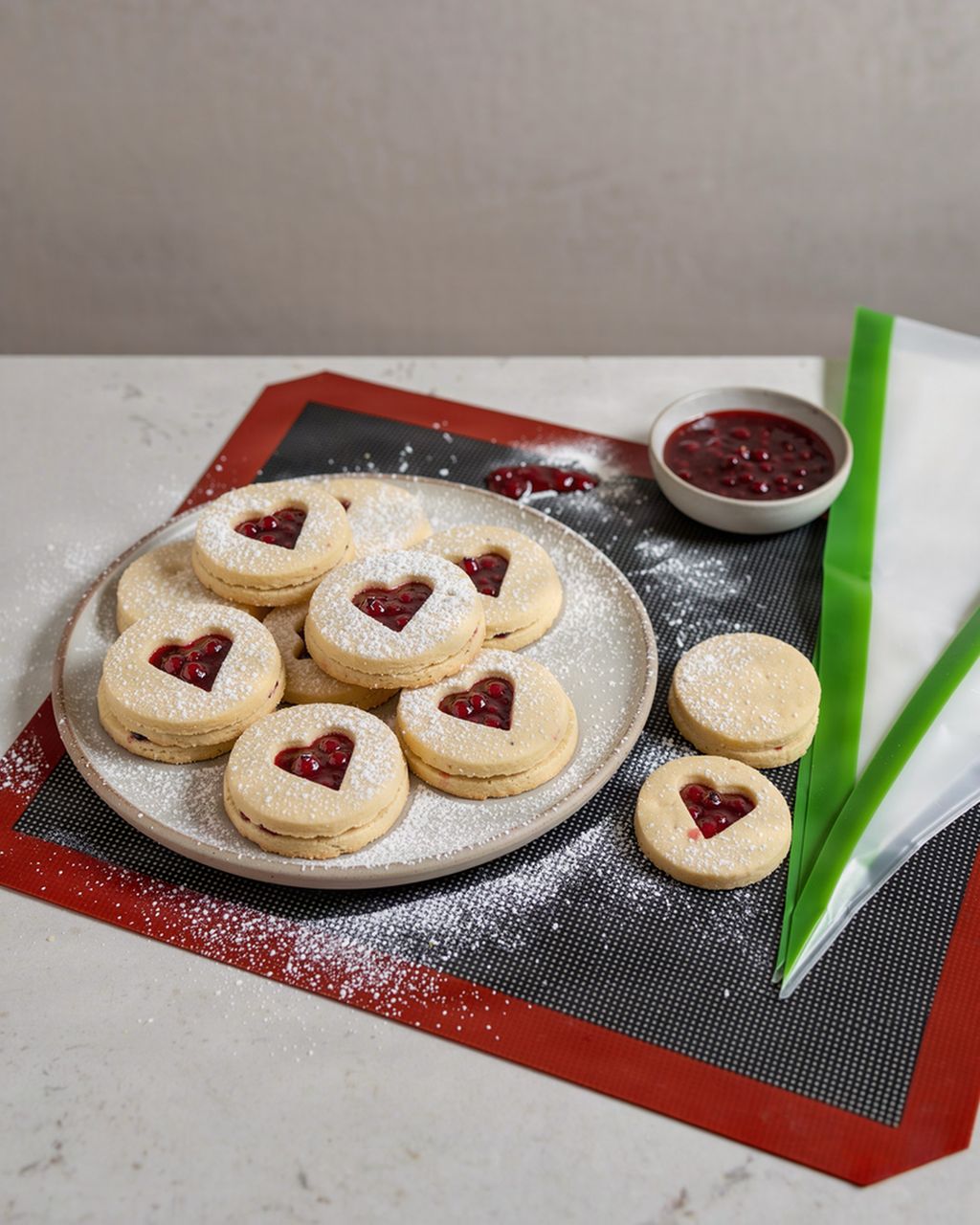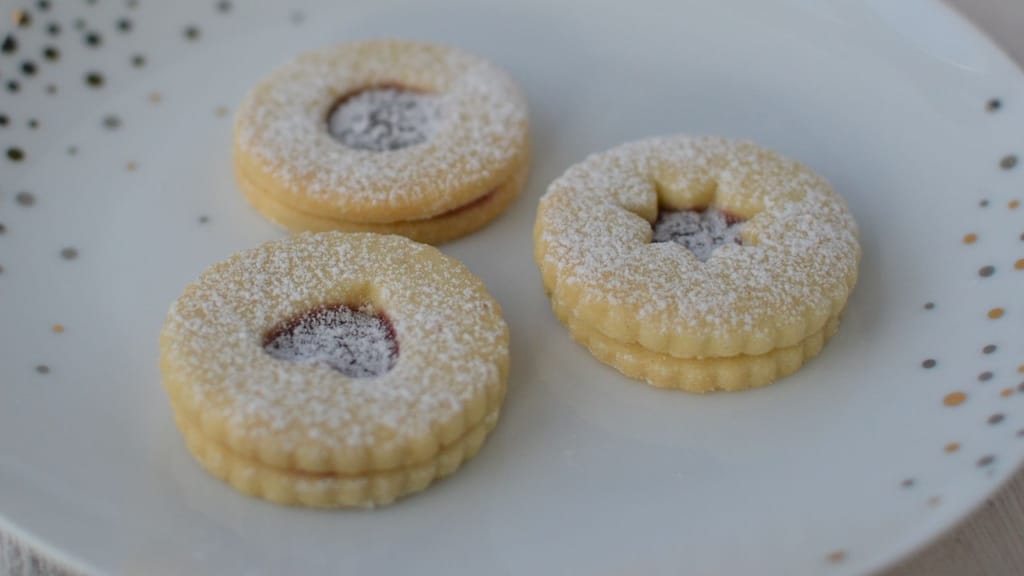
Classic christmas cookies: delicate linzer cookies
Crostata: How to Bake an Authentic Italian Lattice Tart
Updated Jul 19, 2026
Crostata is a classic Italian shortcrust tart made from buttery pasta frolla dough, filled with jam or fruit and topped with the tart's signature woven lattice. You can absolutely make it at home – you just need the right ratio of ingredients, well-chilled dough, and a feel for your oven. This guide walks you through the dough, the filling, weaving the lattice, and baking, plus the mistakes to avoid along the way.
Crostata is an open-faced Italian tart made from a delicate, buttery shortcrust dough called pasta frolla, filled with jam, fruit custard, or fresh fruit, and traditionally topped with a woven lattice of dough strips.
In Italy, crostata is an everyday classic – eaten for breakfast, with coffee, or as a Sunday dessert. The archetype is crostata di marmellata, or jam crostata. The word frolla means "tender" or "short," and that's exactly what the dough should be: buttery, delicately crumbly, yet sturdy enough to hold the filling.
Classic christmas cookies: delicate linzer cookies
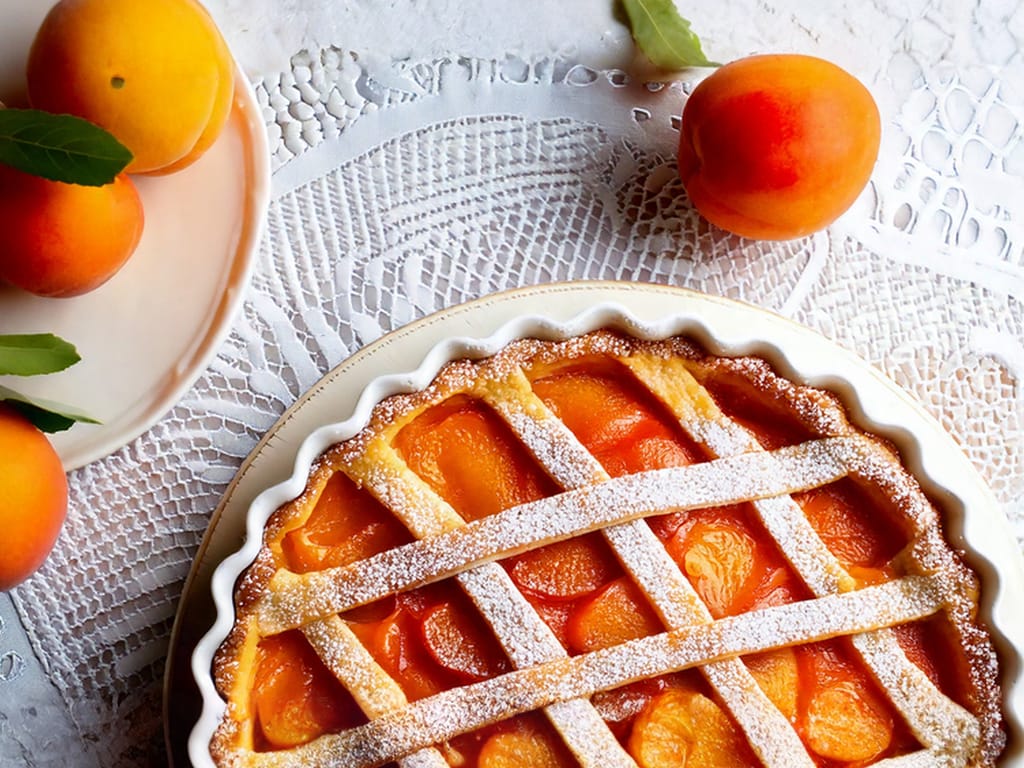
Authentic apricot jam crostata – a step-by-step recipe
Seasonal baking plans, tested recipes and kitchen tricks that save you time. Unsubscribe in one click.
Crostata is one of Italy's oldest desserts – the word crostata is documented in Italian dictionaries as far back as 1612, and the roots of sweet lattice tarts stretch deep into the Middle Ages. According to a popular legend, one of the first crostate was created in the San Gregorio Armeno convent in Naples.
Every region has its own version:
Tuscany – crostata di marmellata made with homemade jam, most often apricot or mixed berry.
Naples and the south – the Easter pastiera, where a shortcrust base is filled with wheat and ricotta.
Sicily – crostata al limone with lemon custard.
Doughs from southern Italy sometimes swap in lard (strutto) for part of the butter, giving an even more delicate crumb. But the basic principle has stayed the same for centuries: thin, tender pastry, a sweet filling, and a lattice on top.
For a classic crostata, you only need five ingredients: flour, butter, sugar, egg, and a pinch of salt. The ratio is roughly 2:1:1 – two parts flour to one part butter to one part sugar, with egg to bring the dough together.
flour – 2 parts
butter – 1 part
sugar – 1 part
egg – to bind (whole egg plus an extra yolk for tenderness)
a pinch of salt and lemon zest for flavor
The "00" label doesn't refer to gluten strength, but to how finely the flour is milled – it's the finest-milled Italian flour, which is exactly why it gives such a smooth, delicate dough. If you can't find it, plain all-purpose flour works just as well; the result is very similar.
Butter is what makes crostata tender, so it needs to be good quality and unsalted. There are two approaches: using cold butter cut into the flour (the classic method) gives a more crumbly, flaky dough; using softened butter beaten with sugar (the creaming method) gives a finer, more cookie-like dough. Both are authentic – choose based on the texture you prefer.
Use powdered sugar rather than granulated – it dissolves evenly and makes for a finer dough. Keep the amount to roughly half the weight of the butter; more sugar makes the dough caramelize and darken faster during baking.
Egg binds the dough and gives it color. Classic crostata relies on egg yolks: one whole egg plus an extra yolk makes for a more tender, richer dough than two whole eggs. Let the eggs come to room temperature first – they'll combine with the butter more easily.
A good crostata lives or dies by its dough: work quickly, keep everything cold, and don't overwork it. Here's a tried-and-tested ratio and method.
For the dough (for a roughly 24 cm tin):
250 g plain flour (ideally "00")
125 g cold butter
80 g powdered sugar
1 egg + 1 yolk
a pinch of salt
zest of ½ lemon
Method:
Mix the flour, sugar, salt, and lemon zest.
Add the cold butter, cut into small cubes, and quickly rub it into the flour until it looks like breadcrumbs.
Work in the egg and yolk, bringing the dough together just until combined – don't knead it for long, or gluten will start to develop.
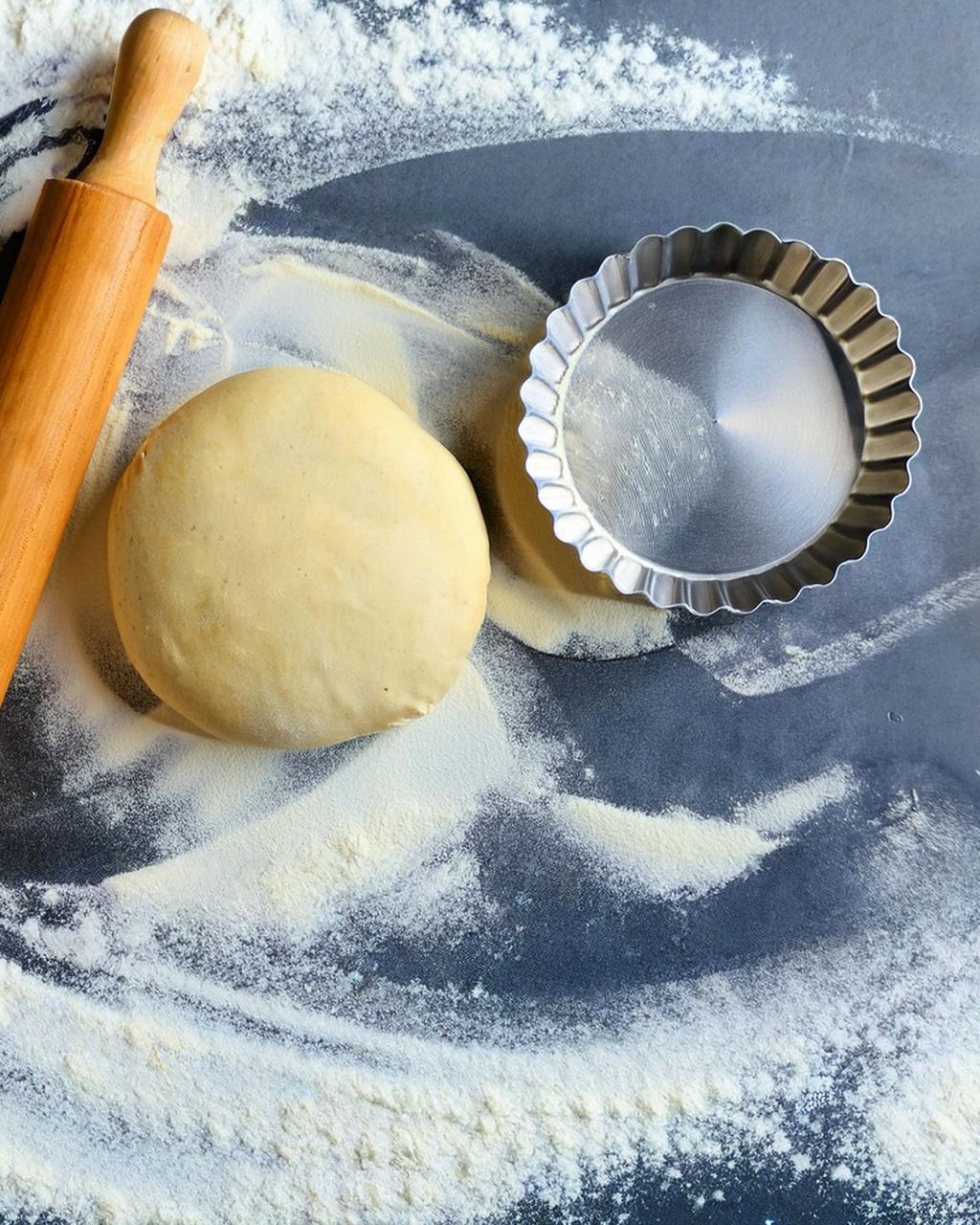
Wrap in plastic, flatten gently into a disc, and chill in the fridge for at least an hour.
Roll out the chilled dough to about 3–4 mm thick and line a greased tin with it; save the rest for the lattice.

Classic crostata is filled with thick jam, most often apricot. Fresh fruit works too, but you need to thicken it first, or the filling will leak out during baking and turn the base soggy.
Jam is thick, holds its shape, and doesn't need extra sweetening. Spread 300–400 g of thick apricot or plum jam over the base in an even layer. If you only have a runny jam, simmer it briefly, or stir in a teaspoon of starch to thicken it. Fancy a lemon version? For filling inspiration, try a creamy French lemon tart, tarte au citron.
Fresh fruit (blueberries, raspberries, apricots, apples) adds freshness and a pleasant tang, but it releases juice as it bakes. Toss it with a tablespoon of starch or custard powder and consider blind-baking the base briefly before filling. Keep in mind that a fresh-fruit crostata won't keep as long as a jam one.
Want reliability and a longer shelf life? → Go with jam. Want seasonal freshness and don't mind a shorter shelf life? → Go with fresh fruit. Both are equally authentic crostata options.
To weave the lattice, lay out half the strips in one direction, then weave the rest in perpendicular – always folding back every other strip, laying down a crosswise strip, then folding the strip back into place. This creates a true woven pattern, not just crossed strips.
Roll out the remaining chilled dough into a sheet about 3 mm thick.
Cut strips 1.5–2 cm wide (with a straight knife, or a pastry wheel for a scalloped edge).
Lay 4–5 strips in one direction, evenly spaced.
Fold back every other strip toward the edge, lay a perpendicular strip across, then fold the strips back into place – keep shifting and alternating until the lattice is complete.
Press the edges together and trim off any excess. Brush the lattice with beaten egg yolk for a golden shine, and sprinkle lightly with sugar if you like.
The lattice dough needs to be well chilled – warm dough tears and sticks.
Bake the crostata in a preheated oven at 180°C (350°F, conventional top and bottom heat) for about 35–45 minutes, until the lattice is evenly golden and the jam is bubbling gently at the edges.
Lower oven rack. Place the tin in the lower third of the oven so the base cooks through and doesn't stay soggy.
Blind-baking. For juicier fillings (fresh fruit, a looser custard), blind-bake the empty base with pie weights for about 10 minutes before filling.
When it's done. The lattice is golden and the edges are pulling away from the tin. Let the crostata cool in the tin – warm, it's fragile and breaks easily, and the flavor only fully develops once it's cooled.

The most common crostata mistakes are easy to avoid:
Tough, rubbery dough – it was overworked or too warm. Bring it together just until smooth and keep it cold.
Filling leaked out – the jam was too runny or there was too much of it. Use a thick jam in a moderate layer.
Shrunken lattice and edges – the dough wasn't cold enough. Chill the assembled crostata for another 15–20 minutes before baking.
Soggy base – bake on a lower rack, and blind-bake the base for juicier fillings.
Pale crostata – brush with egg yolk and bake until the lattice is truly golden.
A jam crostata keeps for 3–4 days at room temperature, covered with a tea towel or in an airtight container – there's no need to refrigerate it. A crostata filled with fresh fruit or custard should go in the fridge and is best eaten within two days.
Yes. Raw pasta frolla dough keeps in the fridge for 2 days and in the freezer for several weeks – just let it soften slightly in the fridge before rolling it out. A baked jam crostata can also be frozen and thawed at room temperature.
Not for a classic jam crostata – the jam bakes right alongside the dough. Blind-baking the base pays off only with juicier fillings (fresh fruit, a looser custard) to keep the bottom from turning soggy.
Both are built on a buttery shortcrust dough, but crostata is Italian and is traditionally filled with jam under a woven lattice, while Linzer torte is Central European and is typically filled with jam sandwiched between two layers of dough. They're closely related in flavor but differ mainly in tradition and decoration.
Yes, use a gluten-free all-purpose baking blend. The dough tends to be more crumbly, so once chilled, roll it out between two sheets of parchment paper, and handle the lattice gently so the strips don't tear.
One recipe worth heating the oven for, one tip, and one deal from the shop. Nothing else.