- Season
- Available all year; Czech shops stock more of it before Christmas, Easter and wedding season
- Price
- Medium
- Nutrition per 100 g
- 0 kcal
- 0 g protein
- 0 g fat
- 0 g carbs
Edible Glitter
Baking ingredients
Edible Glitter
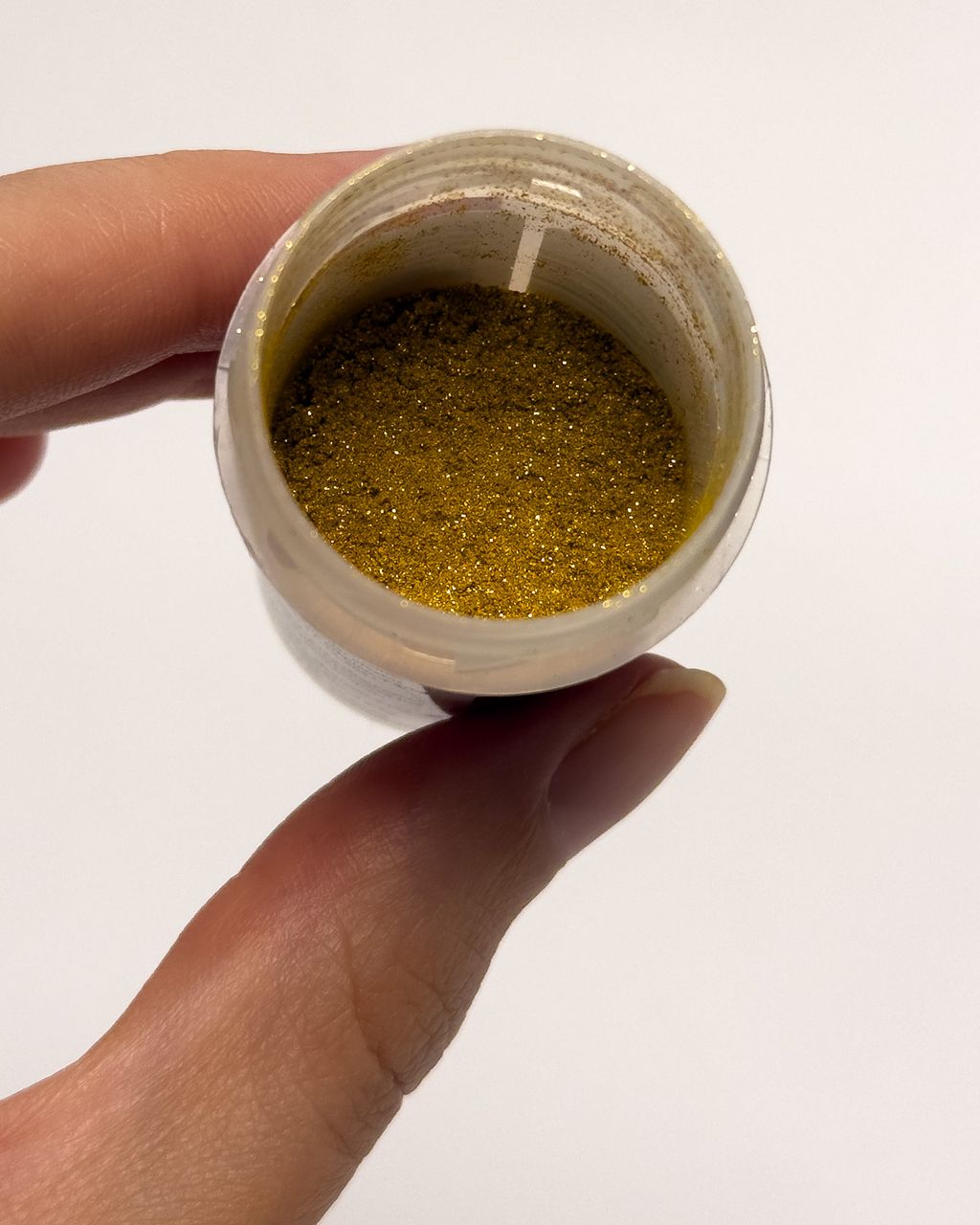
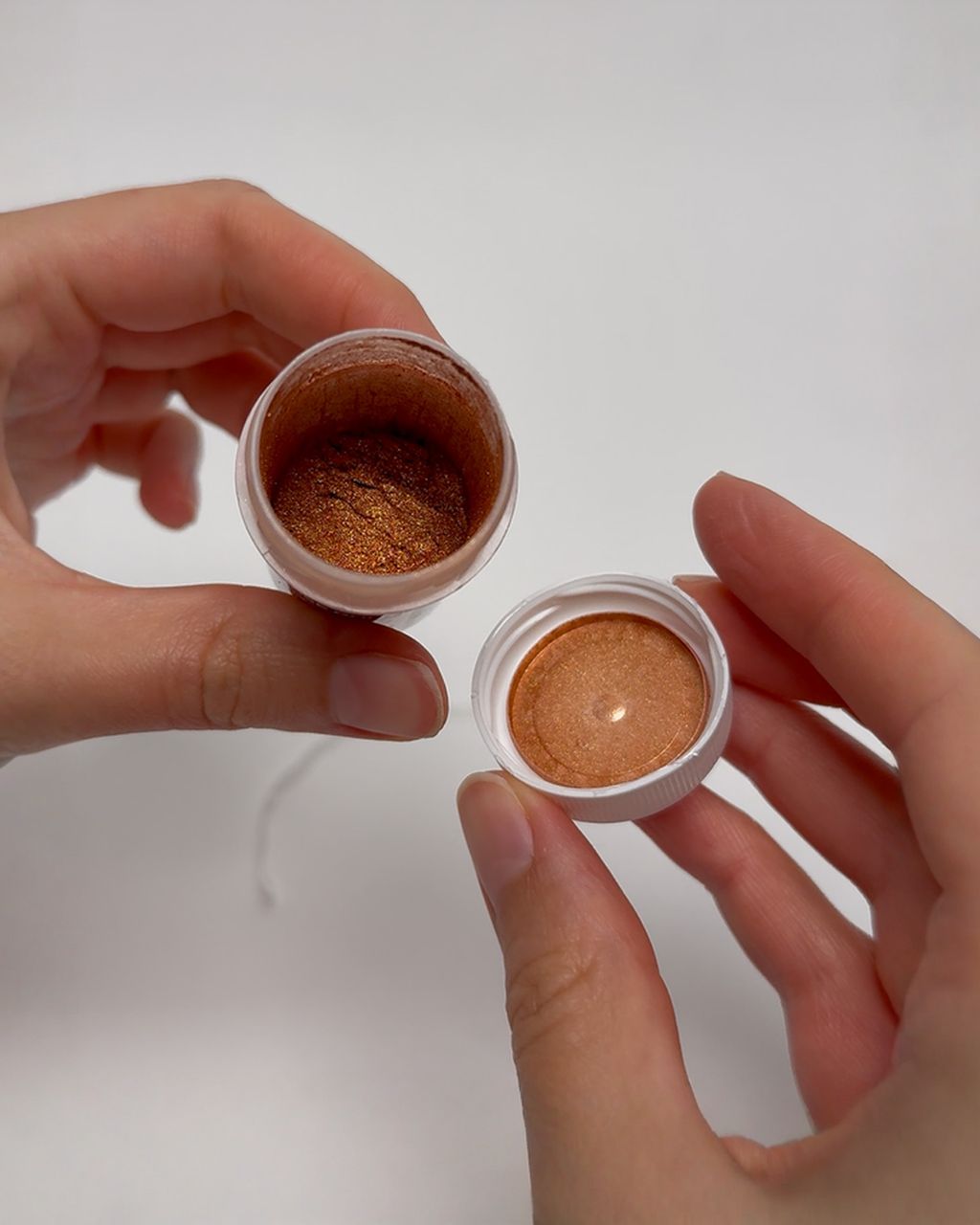
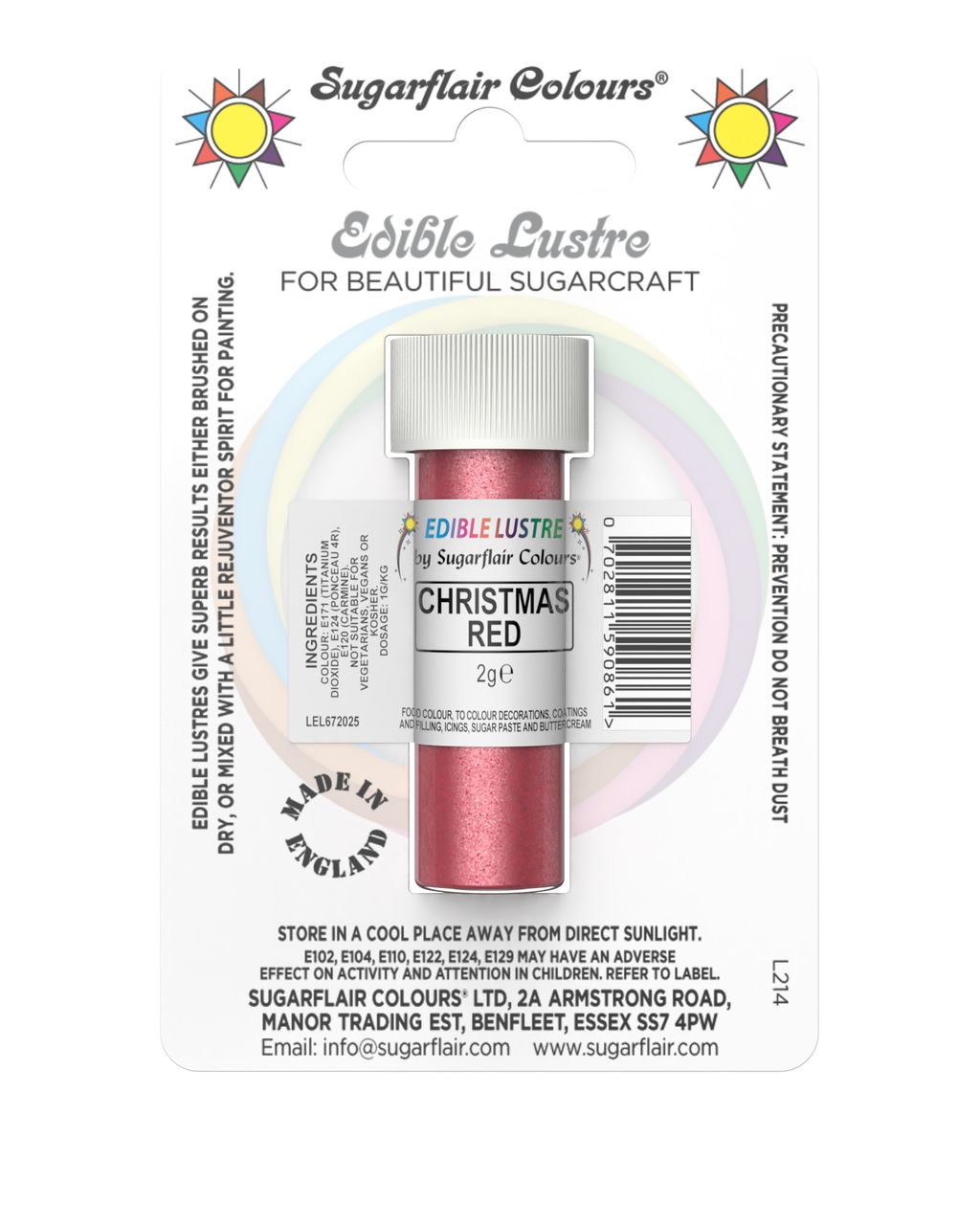
Jedlé třpytky are edible glitter: fine flakes, powders or sprays sold in Czech cake-decorating shops and supermarket baking aisles to add sparkle to cakes, cupcakes, chocolates, macarons and drinks. They come in small jars or pump bottles, usually 3–10 g for home bakers and up to 100 g for professionals.
In practice
How to store
- On the counter
Keep tightly closed in a cool, dry, dark place away from steam and humidity. Moisture makes the flakes clump and dissolve. Stored this way, it usually keeps until the best-before date on the pack.
- In the fridge
Not recommended. Condensation makes the glitter clump. Cakes that are already decorated can go in the fridge, but the sparkle may dull on moist surfaces.
- In the freezer
Not recommended for the product itself.
How to choose
Buy only products clearly marked as food: "jedlé třpytky", "potravinářské" or "jedlá dekorace". The label should include an ingredient list with E-numbers and a best-before date. Glitter sold as "netoxické" or "pouze dekorativní" (decorative only) is for show and should not touch food that will be eaten. Since 2022, titanium dioxide (E171) has been banned as a food additive in the EU. If an older jar or an imported product lists E171, do not use it on food. Choose the form for the job: flakes for scattering, fine dust for brushing or mixing with a little alcohol into a paint, and pump sprays for even coverage on large surfaces.
What to swap in
Best swap
Edible shimmer dust (perleťový prach) gives a smoother pearly sheen instead of separate sparkles, and you apply it the same way.
In a pinch
Coarse sugar crystals, sugar sprinkles or metallic sugar pearls (cukrové perličky) add some sparkle and texture. They look less shiny but are easy to find in any Czech supermarket.
Preparation
Use a dry spoon or brush. Water makes most flake glitter dissolve, and water and fat both dull its shine. To make the sparkle stick, apply it to a slightly tacky surface such as fresh glaze, chocolate that has not fully set, buttercream, or fondant brushed lightly with edible glue (jedlé lepidlo). For painting, mix the dust with a few drops of a clear, high-proof spirit or a food-grade lemon extract, then let the alcohol evaporate. Use a pump spray from about 15–20 cm away. For drinks, stir a small pinch into a clear drink just before serving. It works best in sparkling wine, lemonade and cocktails.
Don't toss it
Pour leftover glitter from piping or brushing back into the jar through a dry paper funnel instead of wiping it away. Keep the jar tightly closed so the last grams don't clump.
In the kitchen
Cooking
Edible glitter is a finishing decoration. You do not cook it. Add it after baking and after the surface has cooled, because oven heat and moisture dull or dissolve most products. You can scatter it, brush it on, paint it on mixed with alcohol, or spray it from a pump. It also works in glazes for Christmas cukroví, on chocolate bonbons and shells, and in clear drinks.
Goes well with
- Fondant
- Buttercream
- Chocolate Glaze
- Royal Icing
- Macarons
- Cupcakes
- Christmas Cookies (Cukroví)
- Gingerbread (Perník)
- Sparkling Wine
- Lemonade
What it is
Jedlé třpytky are edible glitter: fine flakes, powders or sprays sold in Czech cake-decorating shops and supermarket baking aisles to add sparkle to cakes, cupcakes, chocolates, macarons and drinks. They come in small jars or pump bottles, usually 3–10 g for home bakers and up to 100 g for professionals. Common bases are gum arabic, maltodextrin, sugar or starch, coloured with permitted food colours. Many gold, silver and pearl shades also contain potassium aluminium silicate (E555), a mineral carrier for iron-oxide colours (E172). The label must say it is a food or food decoration. Craft glitter labelled only "netoxické" (non-toxic) is not food.
How it tastes
Edible glitter is used for how it looks, not how it tastes. It is almost tasteless. Products with a sugar or maltodextrin base can taste faintly sweet, and mineral-based shimmer dust may feel very slightly gritty if used heavily. It does not change how a dessert tastes in the amounts normally used.
Common questions
Is all glitter for cakes edible?
Does Czech edible glitter still contain E171?
How do I make edible glitter stick to a cake?
Can I put edible glitter in drinks?
Why did my edible glitter dissolve?
Deep dive
2 min read
Varieties
Flakes (vločky)
are thin, irregular flakes that catch the light. They are often made from gum arabic, maltodextrin or starch, sometimes with sugar.
Fine glitter dust and shimmer powder (prach)
are very fine powders, often based on potassium aluminium silicate (E555) with iron oxides (E172) for gold, bronze and copper shades. They give a metallic or pearly sheen and can be brushed on or mixed into an edible paint.
Glitter pump sprays
are dry powders in a pump bottle. Czech shops sell them under international cake-decorating brands, often in gold and silver.
Sugar glitter and crystals
are coloured coarse sugar with a shiny finish. They are crunchier and less sparkly than flakes.
Related but different products
edible gold and silver leaf (E175 gold, E174 silver) are pure metal foils, not glitter. Metallic sugar pearls and sprinkles are separate decorations. Craft glitter and "non-toxic" decorative glitter are not food at all.
History
Shimmering cake decorations were long made with metal leaf and coloured sugar. Glitter made specifically from food-grade ingredients became widely available to Czech home bakers through specialist cake-decorating shops and e-shops, alongside the spread of fondant-covered celebration cakes. Its recipes changed in 2022, when the EU banned titanium dioxide (E171) as a food additive. Makers switched to other whiteners, such as calcium carbonate (E170) or rice starch, and to pearl bases such as E555 carriers with iron-oxide colours (E172).
Science
The sparkle comes from flat particles that reflect light. Flakes made from gum arabic or maltodextrin are dried films that are crushed into pieces. Pearlescent dusts use very thin flat mineral particles, coated with iron oxides in gold and bronze shades. Light reflects off several layers, which creates a metallic sheen. Flakes made from gum arabic, maltodextrin or sugar absorb water, so humidity, fresh cream and wet fruit dissolve or dull them. Mineral-based shimmer dusts do not dissolve, but moisture and fat can dull their sheen.
Sourcing and ethics
The EU allows only listed food additives in edible glitter, and the label must name them. Some products may not suit every diet. Coatings such as shellac (E904) come from insects, so check the label if you need a vegan product. Potassium aluminium silicate is a mined mineral. Aerosol glitter sprays use propellants, and most glitter comes in plastic packaging. The main safety issue in practice is confusion with craft glitter: plastic decorative glitter must never go on food that will be eaten.