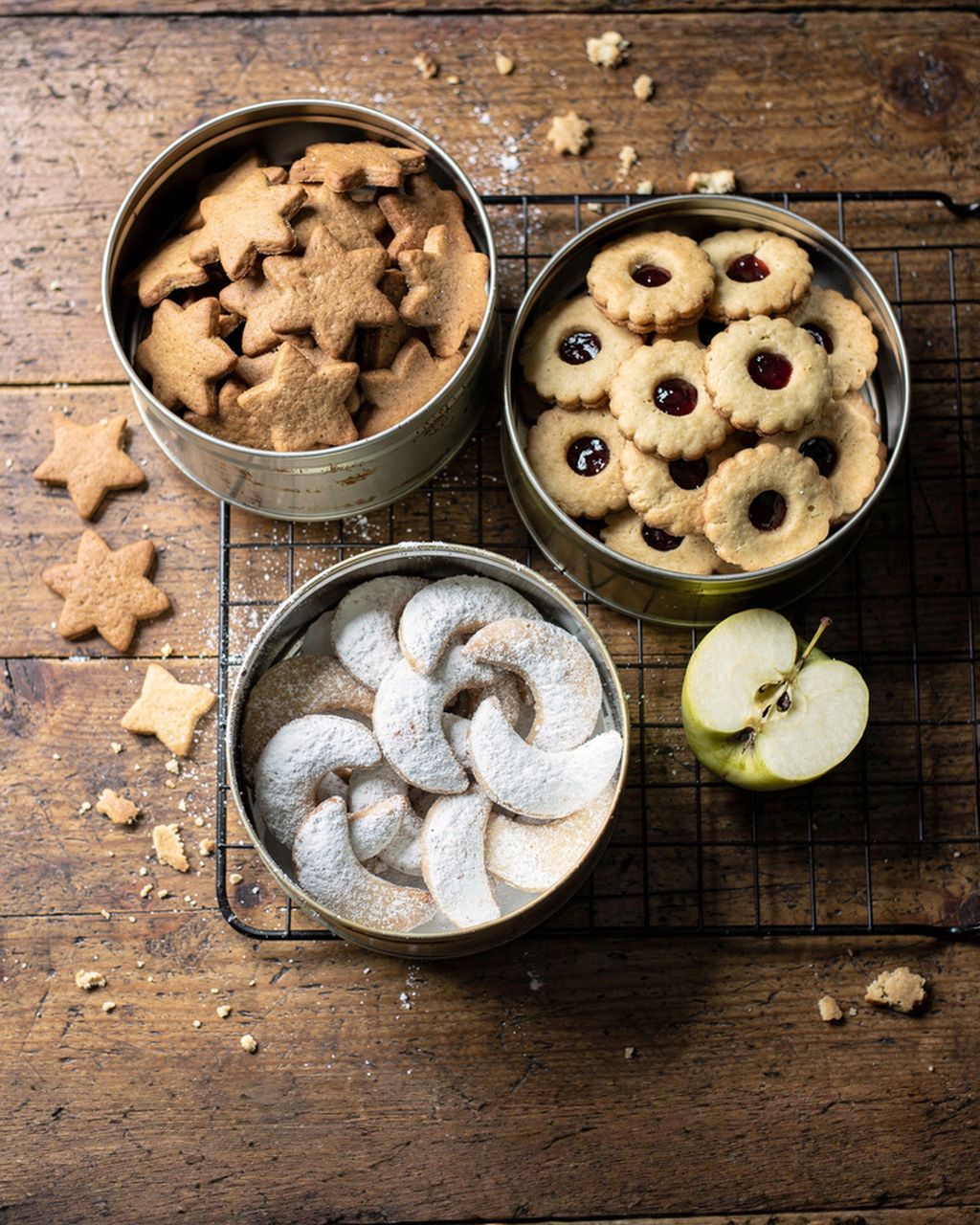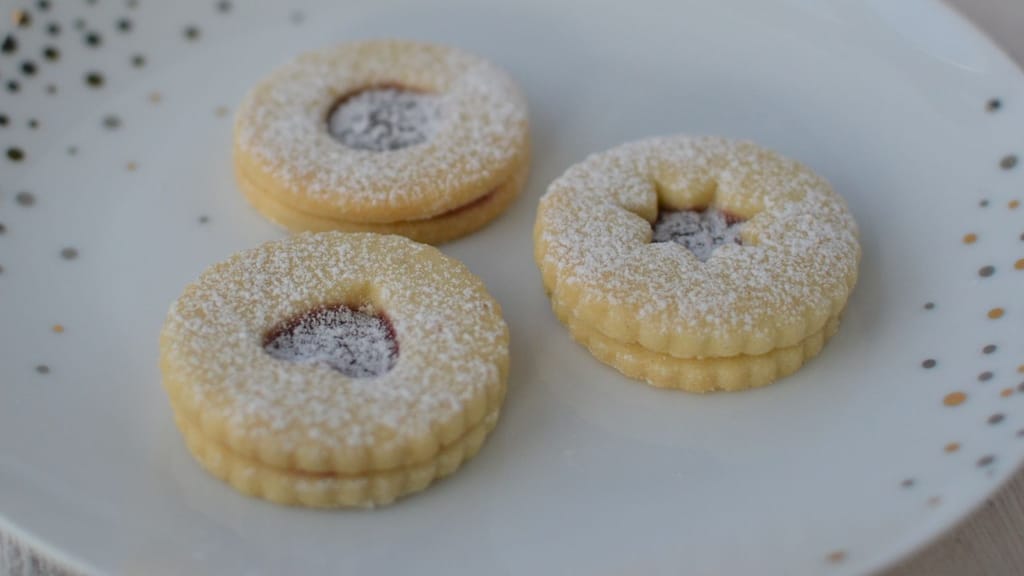
Classic christmas cookies: delicate linzer cookies
Linzer Cookies: How Long Do They Keep and When Do They Taste Best
Updated Sep 25, 2026
Unfilled linzer cookies keep for 4–6 weeks in a well-sealed tin, and once sandwiched with jam, for about 2–3 weeks — they taste best between day 3 and day 10 after filling, once the jam has soaked in and softened the dough. So bake them well ahead, but leave the filling until the last minute. In between, keep them somewhere cool, ideally 10–15°C (50–59°F).
Unfilled linzer cookies keep in a tin for 4–6 weeks; once sandwiched with jam, 2–3 weeks. Moisture makes the difference: a baked, unfilled round is dry buttery dough with almost no water in it — there's nothing for mould or hardness to take hold of. The moment you add jam, moisture gets into it and the clock starts ticking.
Unfilled, in a tin somewhere cool (below 15°C/59°F): 4–6 weeks
Sandwiched with jam: 2–3 weeks, peak flavour on days 3–10
Sandwiched with cream, caramel or Nutella: shorter, typically 1–2 weeks — it depends on the filling, not the dough
Baked, unfilled, in the freezer: up to 3 months
Raw dough in the fridge: 3–5 days, up to 3 months in the freezer
These are ballpark figures from professional baking practice, not use-by dates. What limits linzer cookies first isn't spoilage but flavour: butter loses its aroma over time and jam dries out. For a comparison with other types, check out our shelf-life guide for Christmas cookies by type.
Linzer cookies soften after filling because moisture from the jam migrates into the dry buttery dough over 2–3 days, and the starch in the flour binds it. What started as a freshly baked, crisp, slightly firm biscuit turns into exactly what you want from a linzer cookie: a delicate, melt-in-the-mouth round that doesn't crumble apart.
This process happens in three stages:
Days 1–3: moisture works its way through the dough, the cookie softens and the flavours start to meld.
Roughly days 3–10: the jam has soaked in, the dough has mellowed — this is peak flavour for linzer cookies.
From roughly week 2–3 onward: the jam has given up everything it had to give, starts drying out at the edges, and the dough can turn soggy and flat-tasting rather than delicate.
Less water in the filling means slower softening. A thick, well-reduced redcurrant jam works best — a runny jam soaks the dough through faster and cuts its shelf life short. If your linzer cookies are still hard even after filling, the cause is more likely the dough itself; that's covered in our article Hard Linzer Cookies: Why They Turn Tough and How to Keep Them Delicate.
Linzer cookies taste best 3 to 10 days after being filled with jam. Before that they're still firm and the flavours haven't quite come together; after about two weeks the jam starts drying out and the butter loses its aroma.
In practice, that boils down to one rule: bake early, fill late. Baked, unfilled rounds can happily wait for weeks — time the filling so peak flavour lands on the days you'll actually be eating them.
Bake your linzer cookies from late November through the first half of December, and fill them with jam on 17–21 December. That way, they'll hit peak flavour exactly on Christmas Eve:
Late November – first half of December: bake the rounds and store them unfilled in a tin.
17–21 December: fill with jam.
24–31 December: linzer cookies are at their peak and will keep nicely through New Year's Eve too.
If you fill them earlier (say, in early December), they'll still be edible on Christmas Eve, but past their peak. If you leave it until 23 December, they'll still be quite firm over Christmas. To see where linzer cookies fit in among other types, check out our Christmas cookie baking calendar.
Linzer cookies need a cool, dark spot and an airtight container.
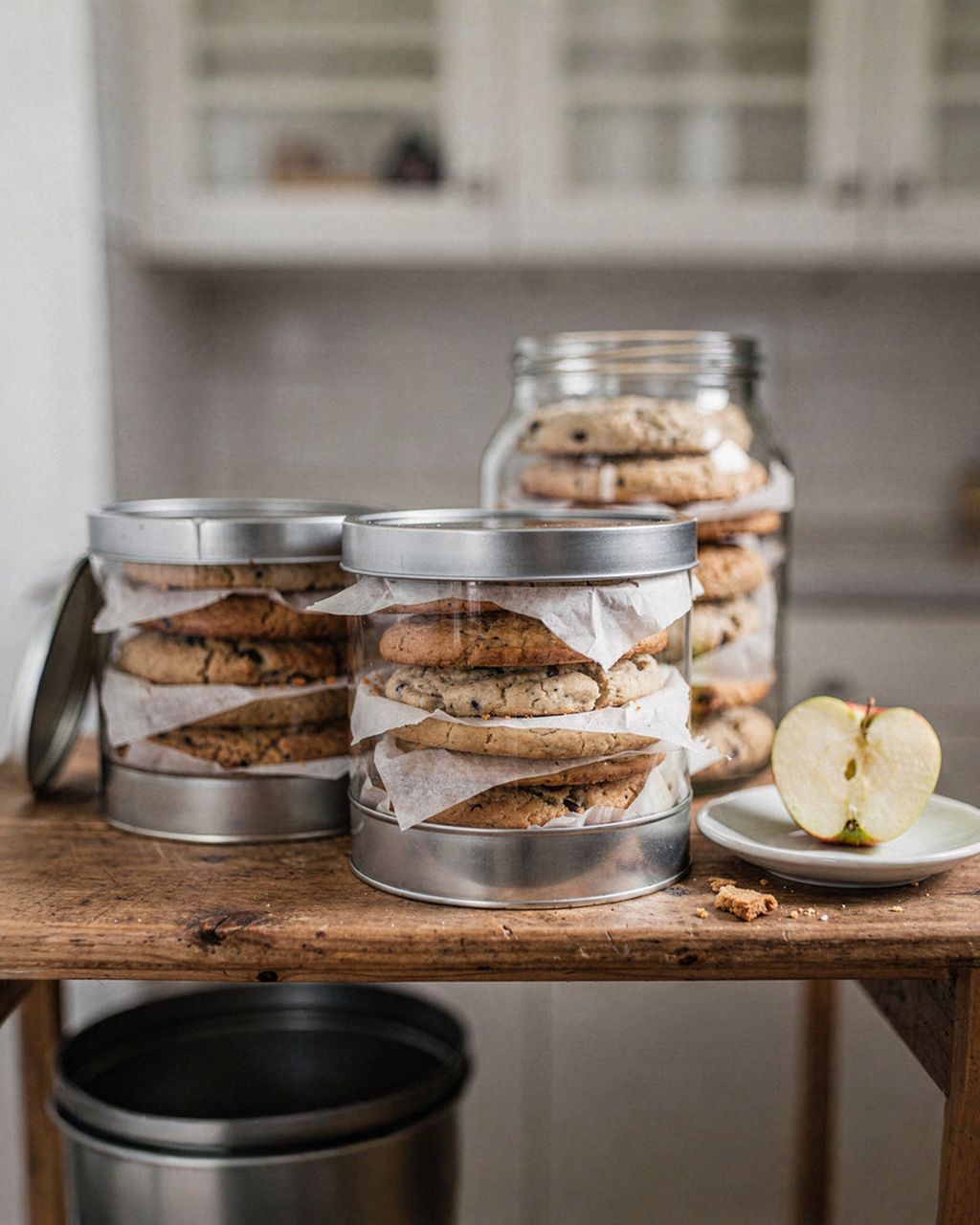
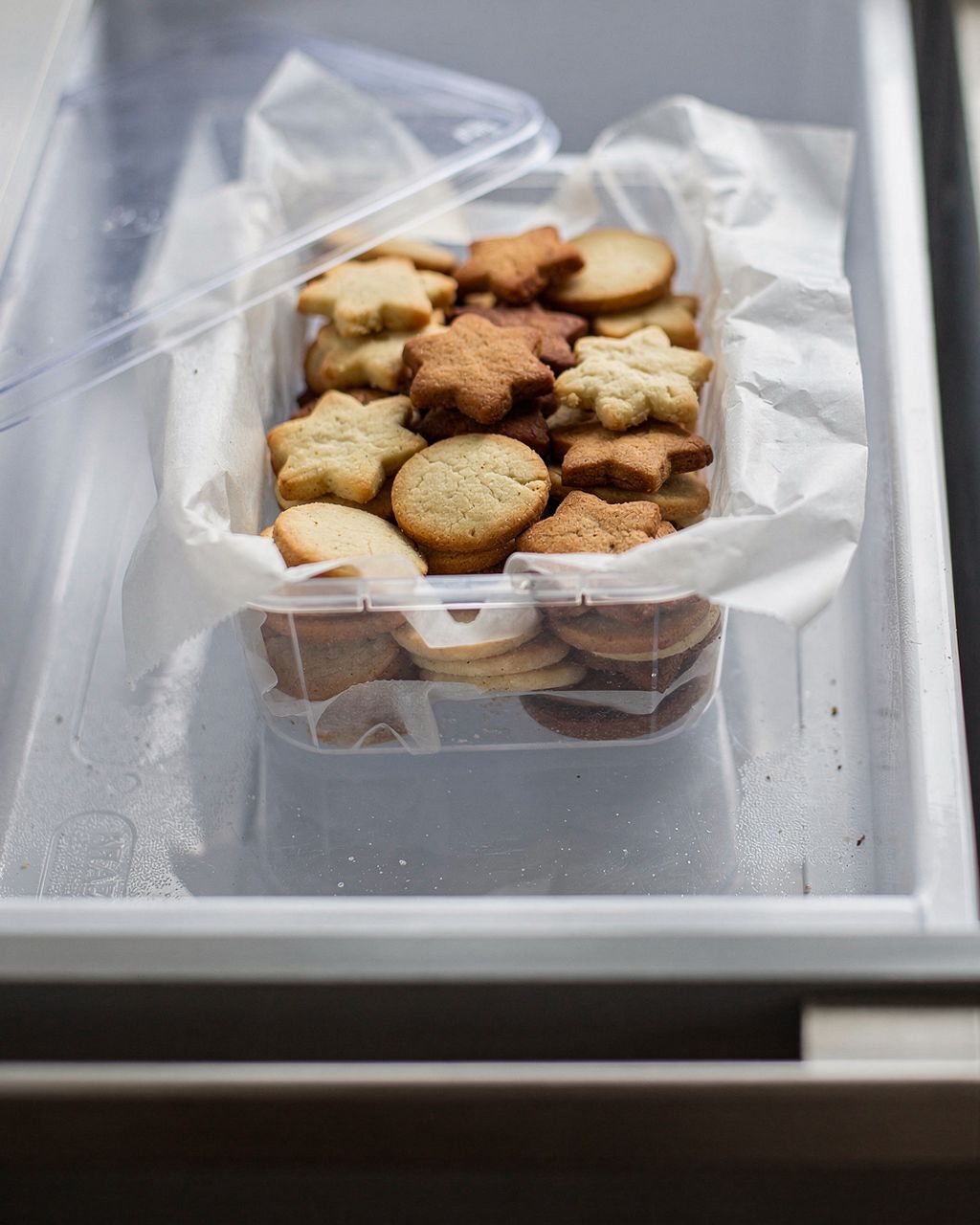
A tin or a tightly sealed container, with layers separated by baking paper so filled cookies don't stick together.
Somewhere cool, ideally 10–15°C (50–59°F) — a pantry, hallway or unheated storage room. In warmth, butter turns rancid faster; in the fridge, cookies pick up smells and moisture.
Keep them separate from other types. Above all, not with gingerbread or meringues: gingerbread will make linzer cookies damp, while meringues will turn soft from the jam.
Keep unfilled rounds separate from filled ones — otherwise the dry rounds would pick up moisture sooner than you want.
For general rules that apply to all Christmas cookies, including the apple-slice trick and what to do if they've gone softer than they should, check out our article How to Store Christmas Cookies So They Stay Crisp.
You'll know linzer cookies have gone off by a rancid, tallowy smell, jam that's darkened and hardened, and mould on the filling or dough. They spoil slowly, and mostly in terms of flavour — watch for these signs:
Smell: instead of a buttery aroma you notice a flat, tallowy or "old" smell — the butter has turned rancid. Cookies like this won't taste good, even if they still look fine.
Filling: the jam has darkened and hardened at the edges, and the dough around it has gone soft.
Mould: white or greenish fuzz on the jam or dough. This mostly affects cookies stored somewhere warm or filled with a runny jam. Throw that one out — and check any others that were touching it.
Linzer cookies keep longest when made with a proper buttery dough and a thick filling. Try our classic delicate linzer cookies, or the more unusual pistachio linzer cookies. Salted caramel linzer cookies should be filled as late as possible — caramel draws in moisture and softens faster than jam does.
Classic christmas cookies: delicate linzer cookies
Classic Delicate Linzer Cookies for Christmas

Unconventional linzer cookies with pistachios
Pistachio Linzer Cookies
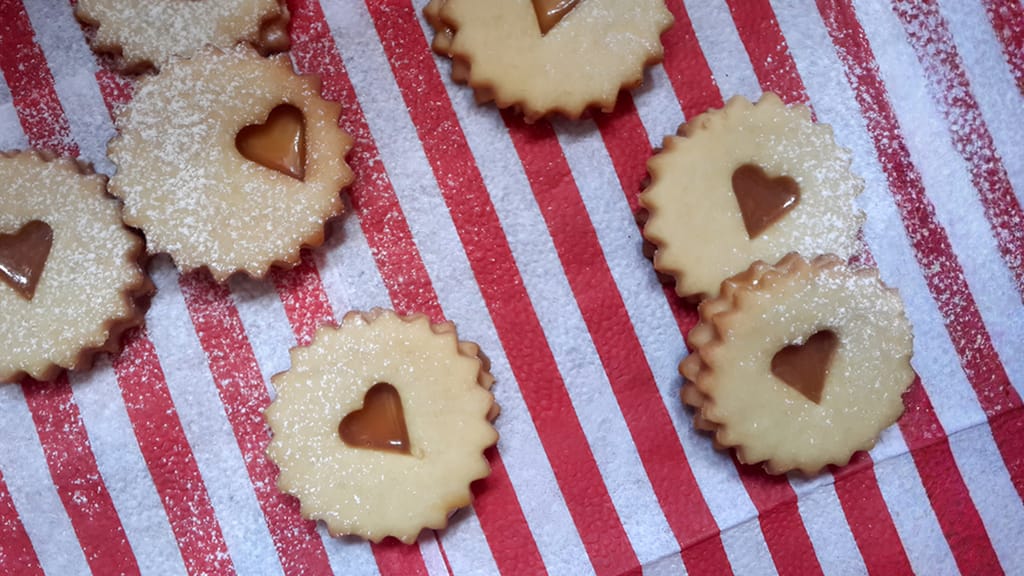
Linzer cookies filled with salted caramel
Salted Caramel Linzer Cookies
Raw linzer dough keeps for 3–5 days in the fridge, wrapped in film so it doesn't dry out or pick up fridge smells. For longer storage, freeze it — it'll keep for up to 3 months in the freezer. Let it soften slightly before rolling, but not go fully soft, or it'll stick.
You can freeze filled linzer cookies, but they hold up better if you freeze the unfilled rounds and sandwich them together after thawing. Once thawed, jam releases moisture and can turn the dough soggy. Unfilled rounds keep for up to 3 months in the freezer; thaw them in a closed container so condensation doesn't form on them. Full details in [How to Freeze Christmas Cookies and Dough](/en/articles/how-to-freeze-christmas-cookies-and-dough).
Dust linzer cookies with icing sugar just before serving. Icing sugar dissolves or soaks into the damp jam and buttery dough within a few days. If you sugar them right after filling, plan on topping them up again before serving.
The best jam for linzer cookies is a thick, tart, low-water one — classic redcurrant jam is the go-to. A thick filling softens the dough slowly and evenly, while a runny jam soaks it through too fast and shortens its shelf life. If your jam is too runny, simmer it briefly beforehand to thicken it up.
One recipe worth heating the oven for, one tip, and one deal from the shop. Nothing else.